7 Smart AI Tools Every Science Teacher Needs
Let’s face it: teaching science is somewhere between being a detective, a cheerleader, and a magician—especially on days when half the class is convinced baking soda can blow up the moon. The pressure to differentiate, hit standards, make labs safe (and memorable), and handle the paperwork can drain even the most passionate among us.
This year, I committed to actually test which new AI tools help me teach science—not just stack more busywork. Some were hyped, some I spotted on teacher forums, and a couple were surprises from my own students. Here are seven I keep reaching for, from lesson launches to assessment hacks. (And yes, I’ll explain how Kuraplan finally made my planning less chaotic—without feeling like a script.)
1. Fliki: Turn Student Projects Into Mini Science Documentaries
Video projects always seem great until you realize how much editing is involved (and your district blocks YouTube). With Fliki, my students write short hypotheses, script their experiment process, and the tool turns it into a narrated mini-documentary—complete with images and AI voices. It’s fantastic for virtual science fairs, remote learning, or inclusion: every student gets to "publish" work, even if they’re camera-shy. I use finished videos for parent nights and evidence in portfolios.
Try Fliki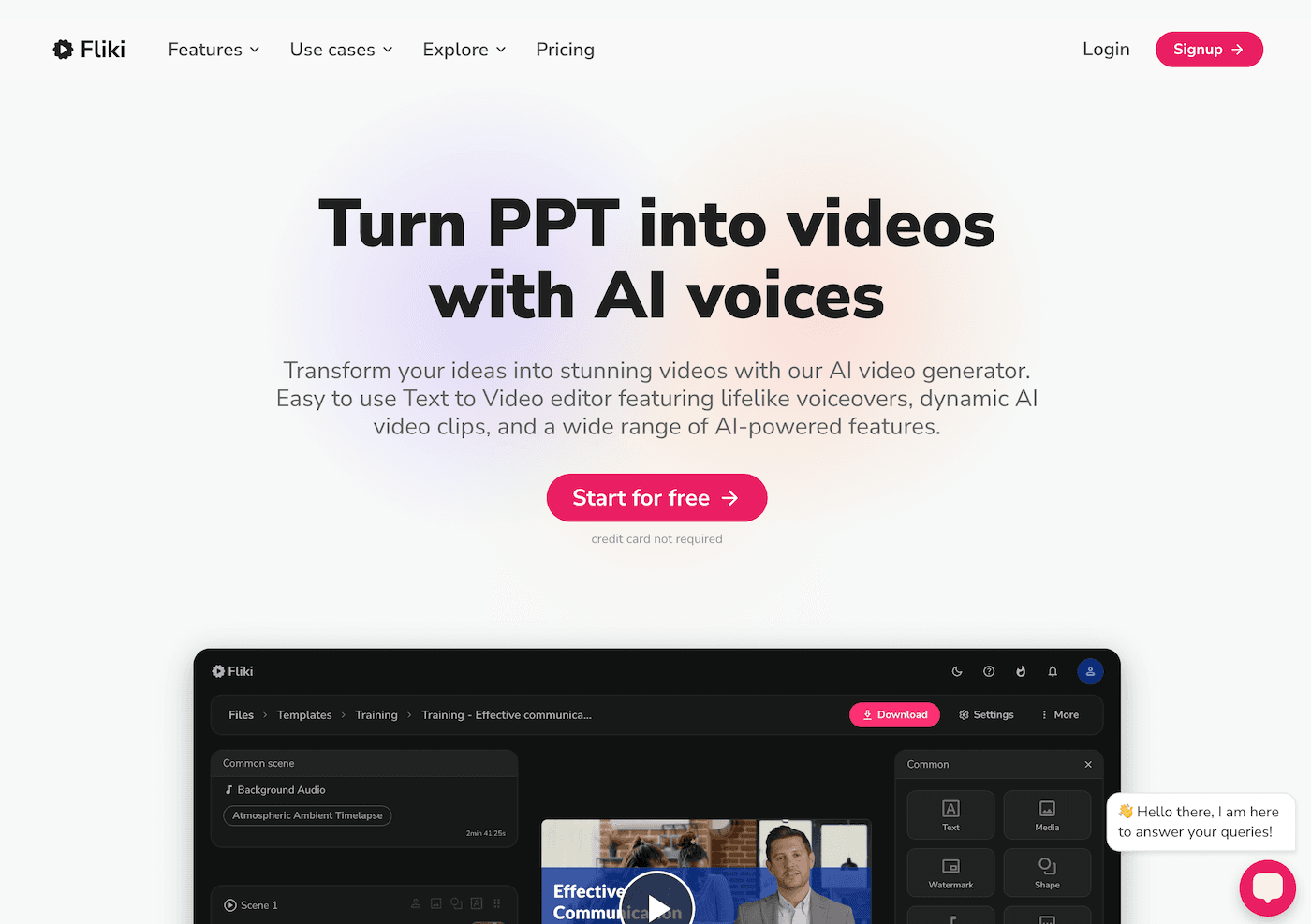
2. Kuraplan: Planning Labs, Not Just Lessons
I’ll be honest—as a science teacher, I was skeptical of any planner that didn’t "get" labs and hands-on chaos. But Kuraplan surprised me. Drop in your unit’s anchor question (say, "How does energy flow in ecosystems?"), select your grade, and it builds a unit map that includes experiment days, data collection checkpoints, and even suggestions for designing new investigations. It's flexible enough to let me pick the wildcards, but those built-in reminders ("Prep culture plates by Thursday! Include a peer review before the test!") actually saved me a few disasters.
Try Kuraplan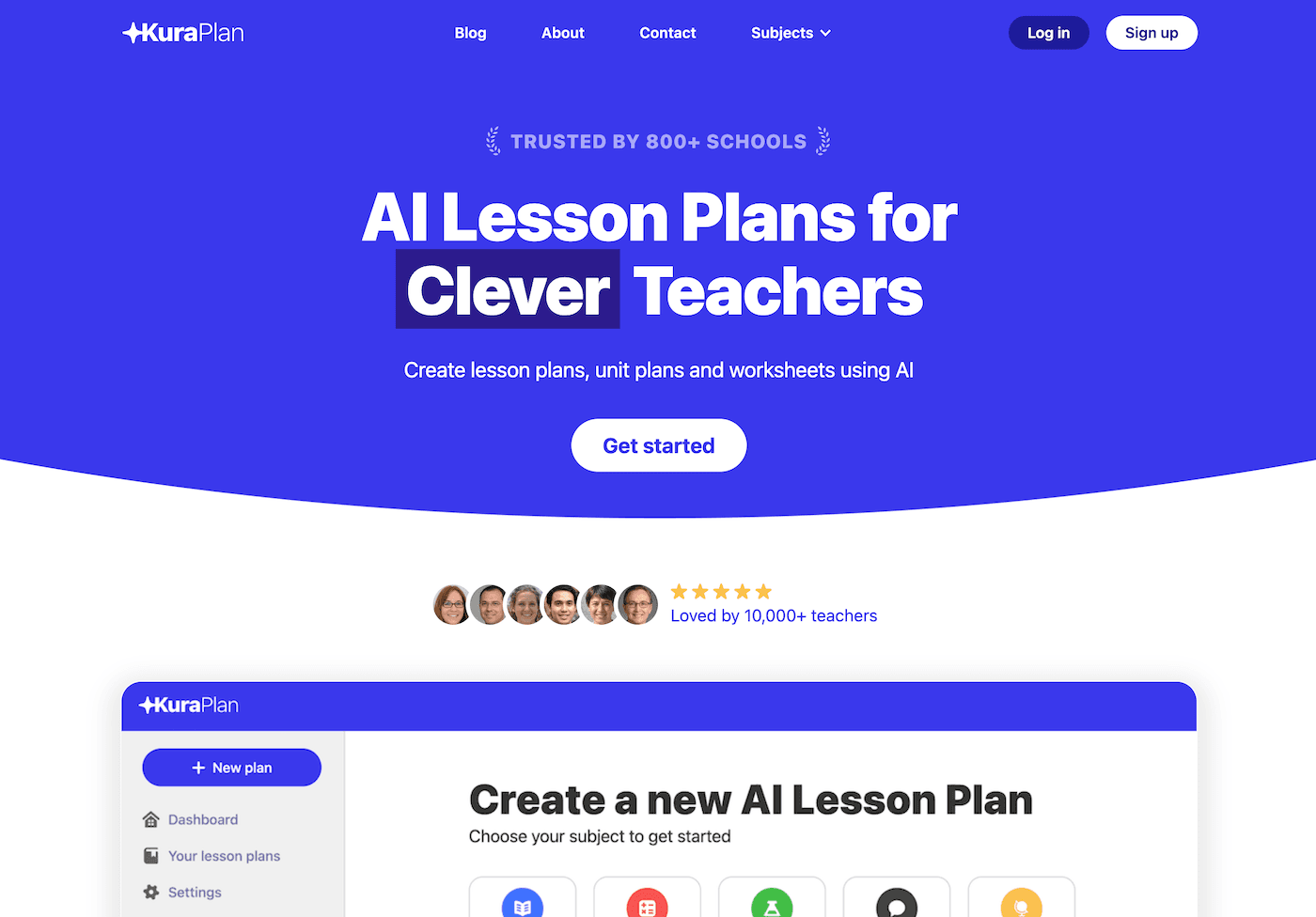
3. Diffit: Differentiating Real Science News—Fast
Half my classes are obsessed with the latest space launch or volcano eruption, while others can barely read the news article. Diffit lets me paste in an article (or video link), and voilà—leveled versions, vocabulary lists, reading checks, even custom comprehension questions. Suddenly, my extensions and scaffolds take minutes, and every student can dig into the same topic, on their own level. It’s like having a teaching assistant for differentiation.
Try Diffit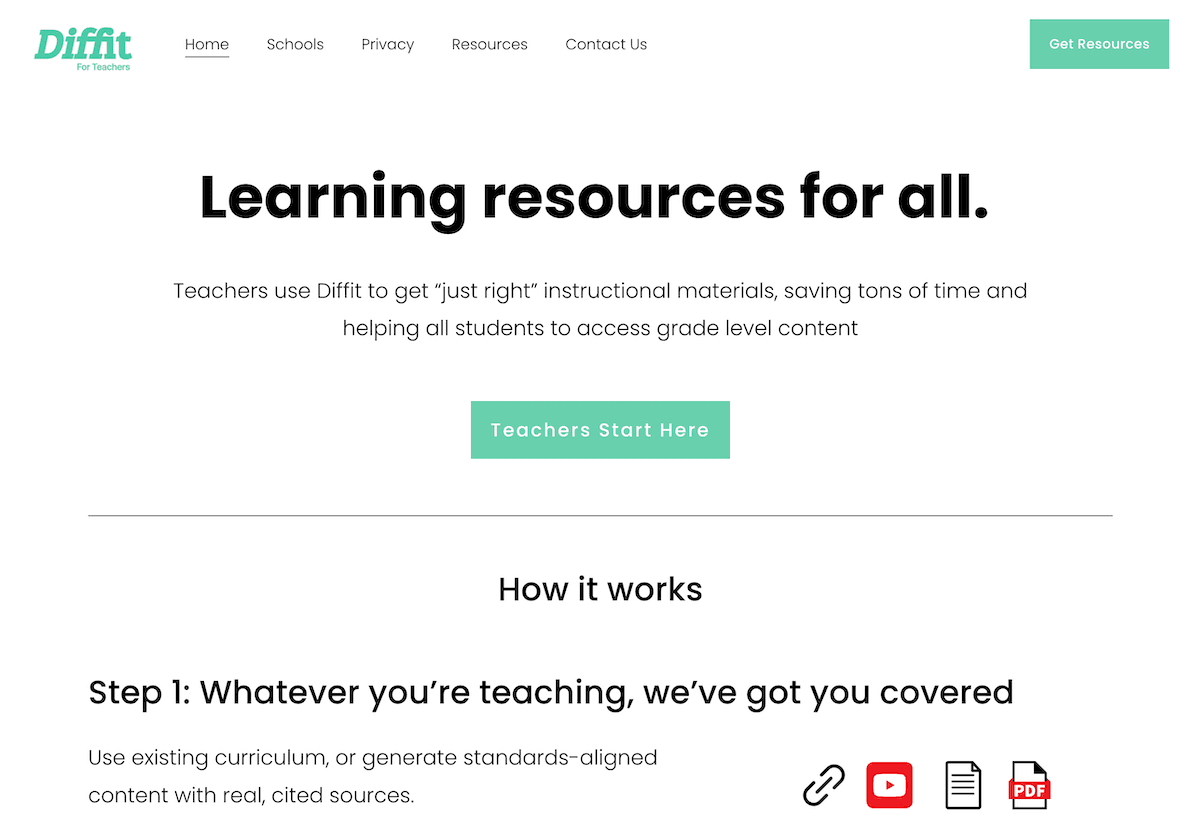
4. Gamma: Data Visuals and Lab Reports on Autopilot
Nothing loses students like wordy lab reports or spreadsheets that won’t print. Gamma takes my students’ data (tables, pictures, experiment notes) and instantly creates slick, organized slideshows or annotated visuals. I’ve watched students more confidently present results to the class, and even build project boards for competitions—no design stress for anyone. The best part? You can quickly adjust layouts, colors, and emphasis with one click—giving kids ownership over their work.
Try Gamma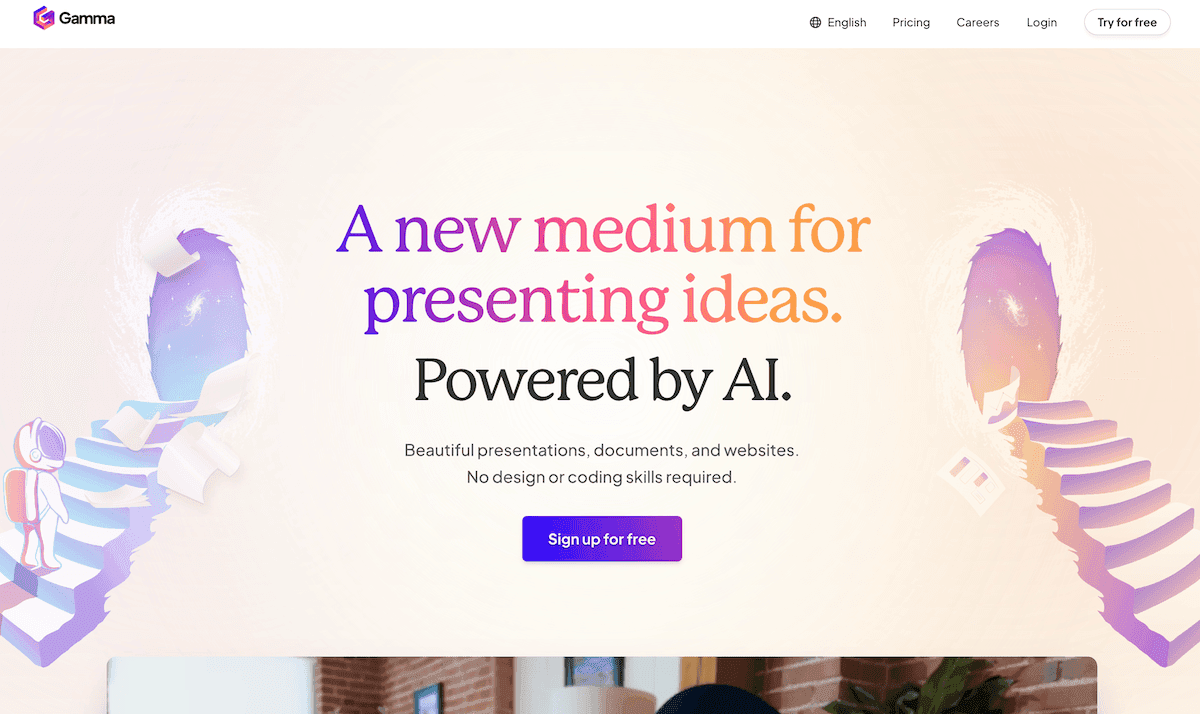
5. Jungle: Science Vocabulary that Sticks
Let’s be real—vocabulary is the gatekeeper for real science learning. Jungle generates flashcard decks, quiz games, and even oddball science trivia from a word list or your own glossary. I let students create their own decks for each unit ("weirdest animal adaptations" was a hit), and the built-in games make review days feel less like test prep and more like a campfire challenge. Bonus: it tracks which words stump the class, so you know where to revisit.
Try Jungle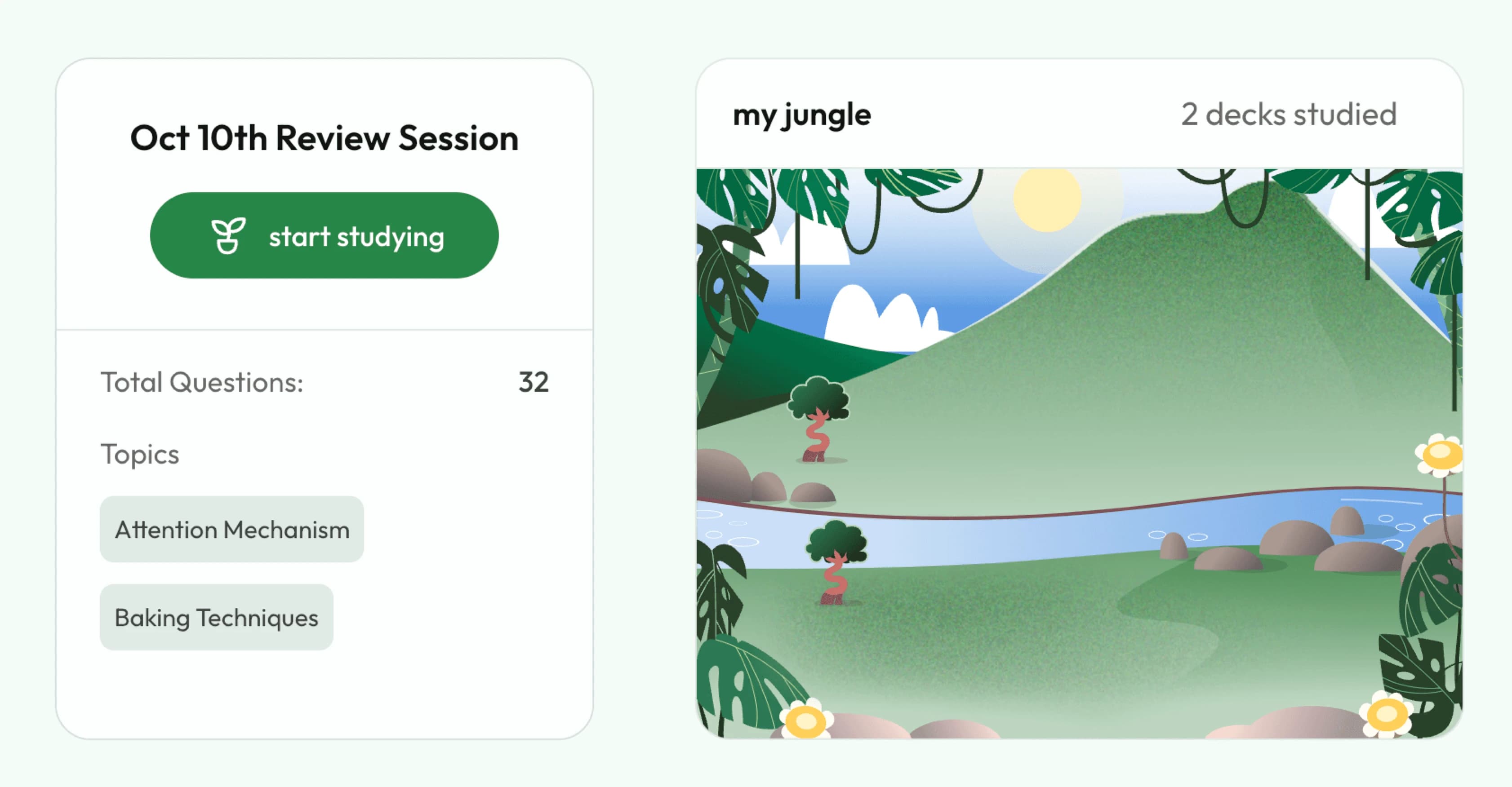
6. Suno AI: Custom Lab Safety and Content Songs
The kids wanted a "photosynthesis rap." I cannot rap. Enter Suno AI: I fed it my chorus and lesson objectives, and it generated a catchy, classroom-safe track in less than two minutes. Now we make a safety song at the start of every new equipment unit, a "test review anthem" before midterms, and let kids submit lyrics for extra credit. It’s equal parts silly and effective—plus, music sticks in their heads long after the test.
Try Suno AI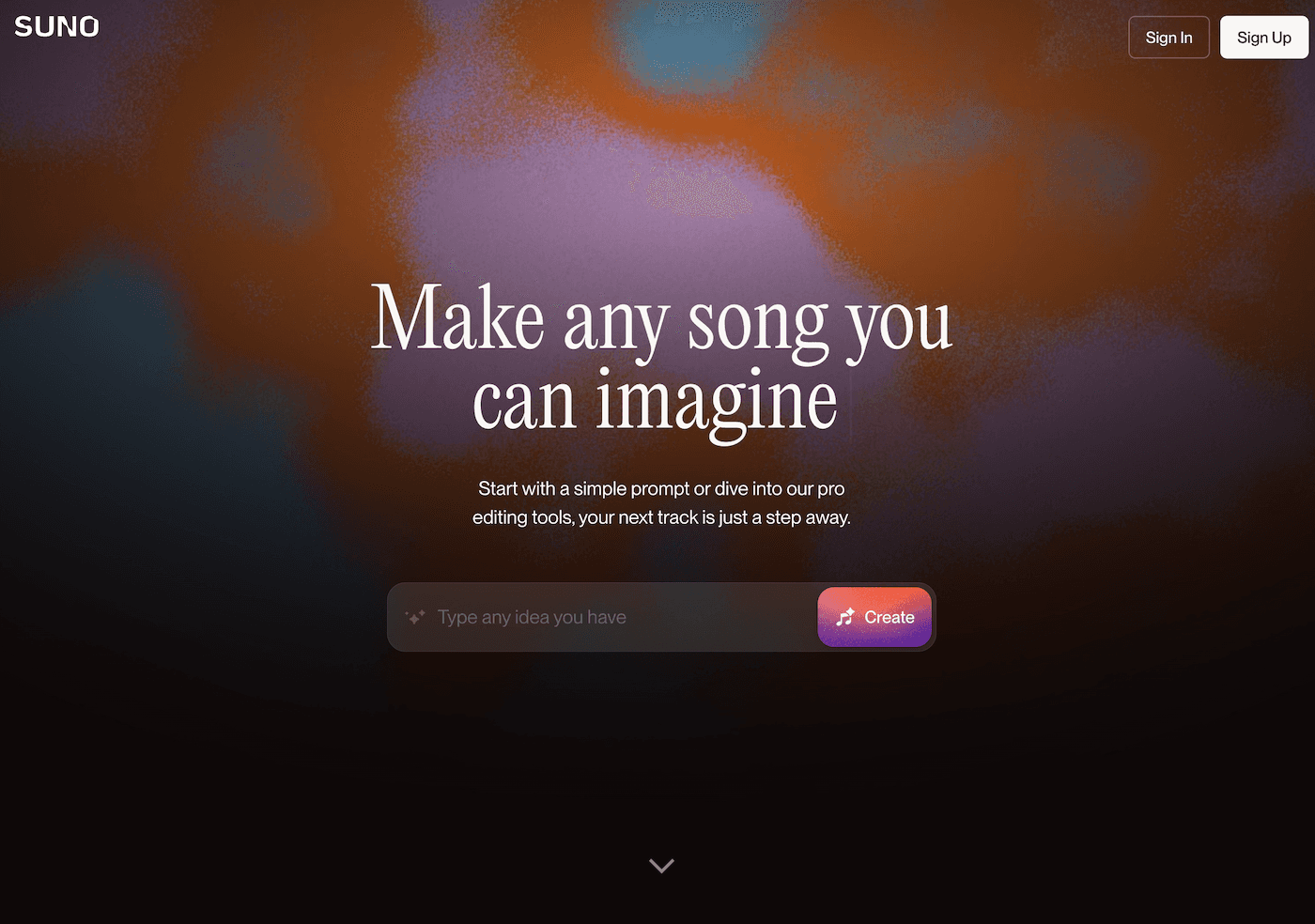
7. People AI: Guest Scientists and Pre-Lab Chats
It’s not easy to bring Nobel-winning chemists into a public school classroom, but People AI lets my students "interview" Marie Curie about radioactivity, or ask Charles Darwin to critique their camouflage experiment. I use it for pre-lab warmups or post-lab reflection: "What would a conservation biologist say about our results?" Even my most reluctant writers enjoy scripting these interactions—and they ask better, deeper questions the next time around.
Try People AI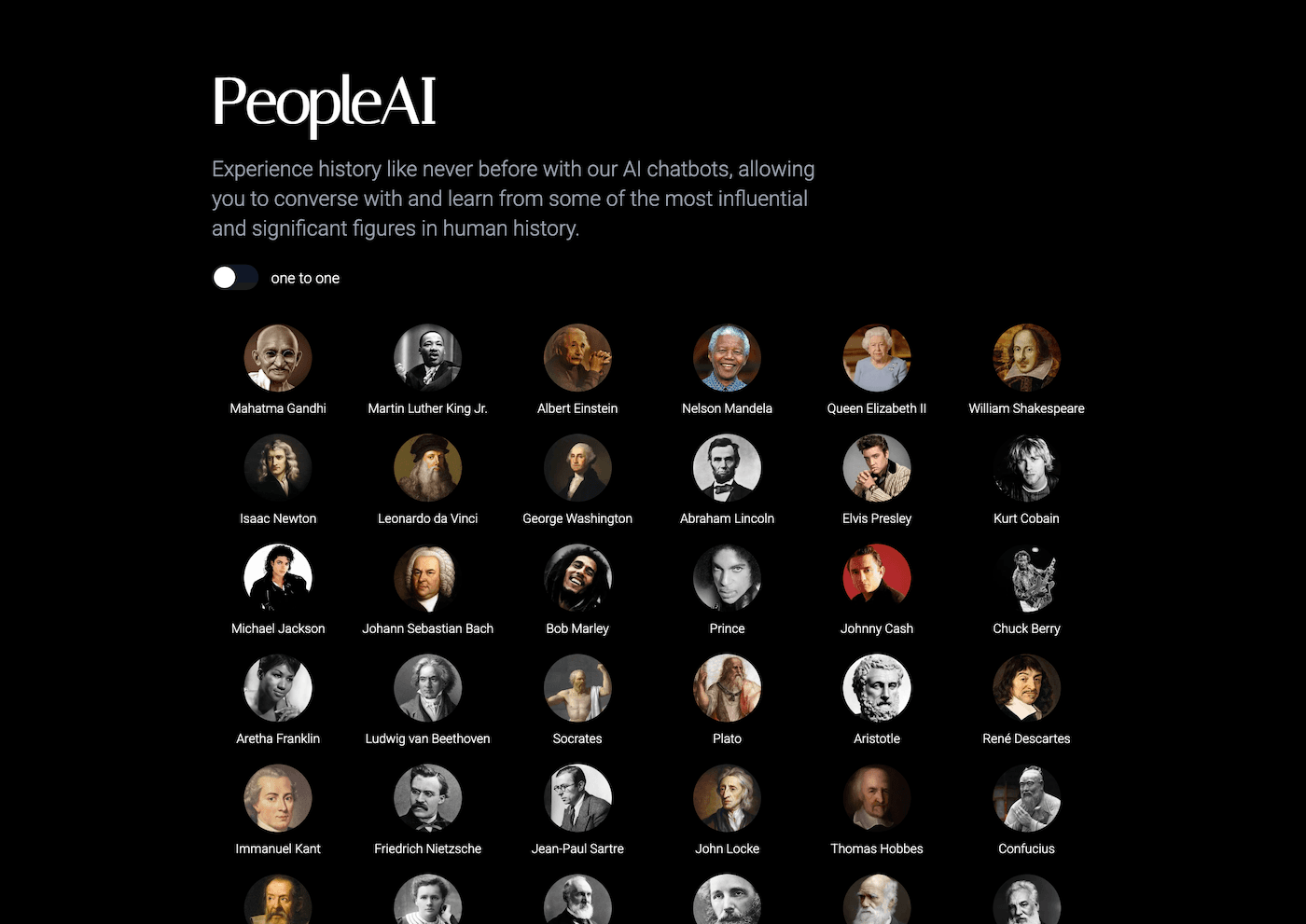
Final Reflections: AI is the Lab Partner You Didn’t Know You Needed
Here’s my honest advice: Don’t toss your old lesson plans, or expect AI to run your classroom. But when you let it do the grunt work (leveling, visuals, basic planning), you make space for messier, more joyful science. My wildest moments this year—the ones when students stopped me after the bell to ask “what if…?”—were when AI let me say yes to their ideas, instead of bogging down in paperwork.
Try one tool for the unit you always dread prepping, or let students drive a project using something from this list. The best discoveries in science (and teaching) come from experiment and curiosity—these AI “lab partners” just help you get back to what matters.