6 AI Tools for Teachers Always on the Move
Some teachers thrive on structure; the rest of us answer to whatever the bell, the hallway, or the latest class question demands. I’m the teacher with seven Google Docs open before first period and rough lesson maps scribbled on the back of last week’s staff memo. If you:
- Constantly tweak your slides midweek,
- Let parent emails shape your next project,
- Or secretly enjoy the chaos of a morning assembly throwing off your whole schedule, then this post is for you.
I’ve taught ELA, led grade-level committees, and somehow always end up volunteering for every last-minute assembly or new-student support day. This past year, I doubled down on finding AI tools that could keep up with a genuinely adaptive classroom—tools that didn’t just automate one routine but truly helped me survive (and enjoy) the unpredictability. These aren’t for teachers seeking a “universal template,” but for those whose favorite teaching moments are the ones that weren’t in the plan. (Kuraplan’s in here early, because even us improv types need a backbone—but it plays as a team member, not the lead role.)
1. Gamma — Turning Every Brainstorm Into a Plan
Most AI slideshow tools expect you to sit still and script. Gamma changed my classroom rhythm by making it almost too easy to turn sticky notes, group photos, or “let’s try this!” scribbles into flexible visual stories. When my class decided midweek to hold a pop-up debate (on topics I’d never prepared for), Gamma let us drop in notes, student uploads, and even memes, auto-assembling them into a living plan and record.
This became our bulletin—literally. On project days, my hallway featured a Gamma gallery of half-finished brainstorms, three re-ordered timelines, and every “what about investigating X?” tangent. Parents could see how far each team had come, admin got process evidence (even when the outcome was still up in the air), and my kids had a living map to remix after every rough draft. It’s the only tool I trust for project pivots and week-to-week showcases—and it makes every messy brainstorm look intentional.
Try Gamma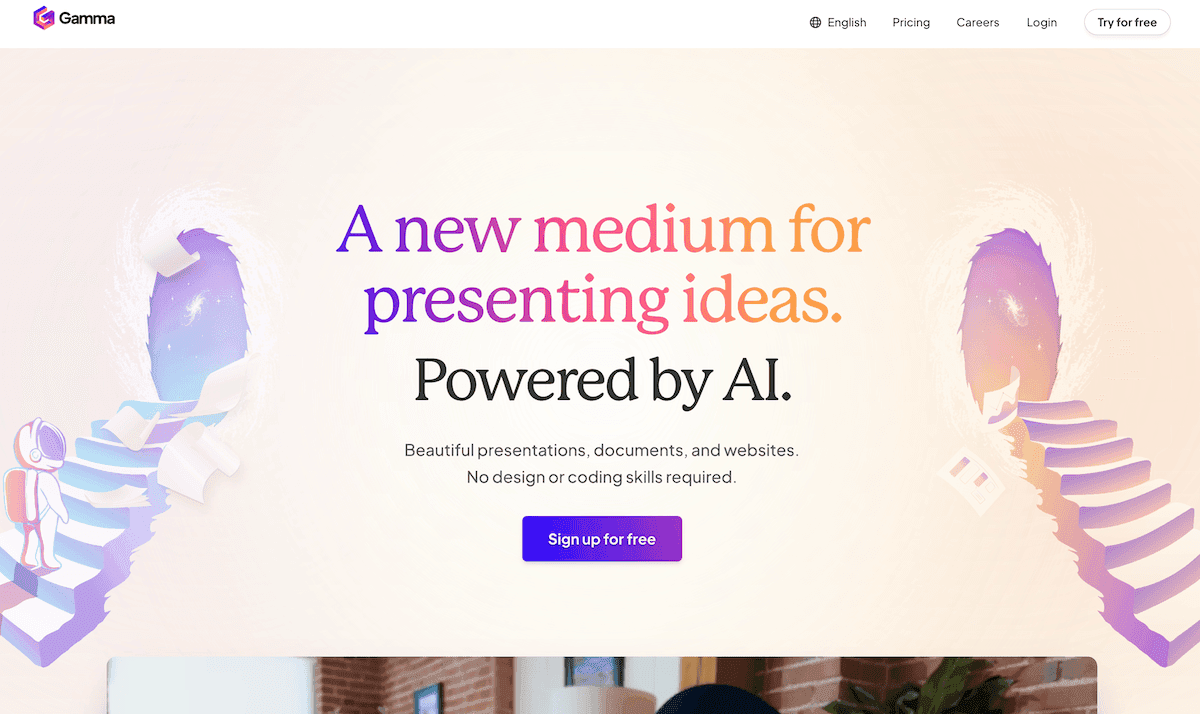
2. Kuraplan — Editable Maps, Not Marching Orders
The secret to thriving (not just surviving) teaching on the move? Have a plan you can edit—without guilt. Kuraplan is the only planner I open on my iPad in front of the class: we start most units with an anchor prompt (“What should we dig into after that field trip?”), list the deadlines I know we can’t move (parent night, finals, school musical dress rehearsal), and co-build a timeline together.
My promise: we never follow the Kuraplan map exactly. After every sick day, surprise guest speaker, or powerful class discussion, my groups and I rewrite deadlines, swap assessments, and sketch new “decision points” in the draft. Having a living, editable roadmap gave my class energy and permission to adapt in real time—while letting me prove there was always a method to the madness (even to my principal).
Try Kuraplan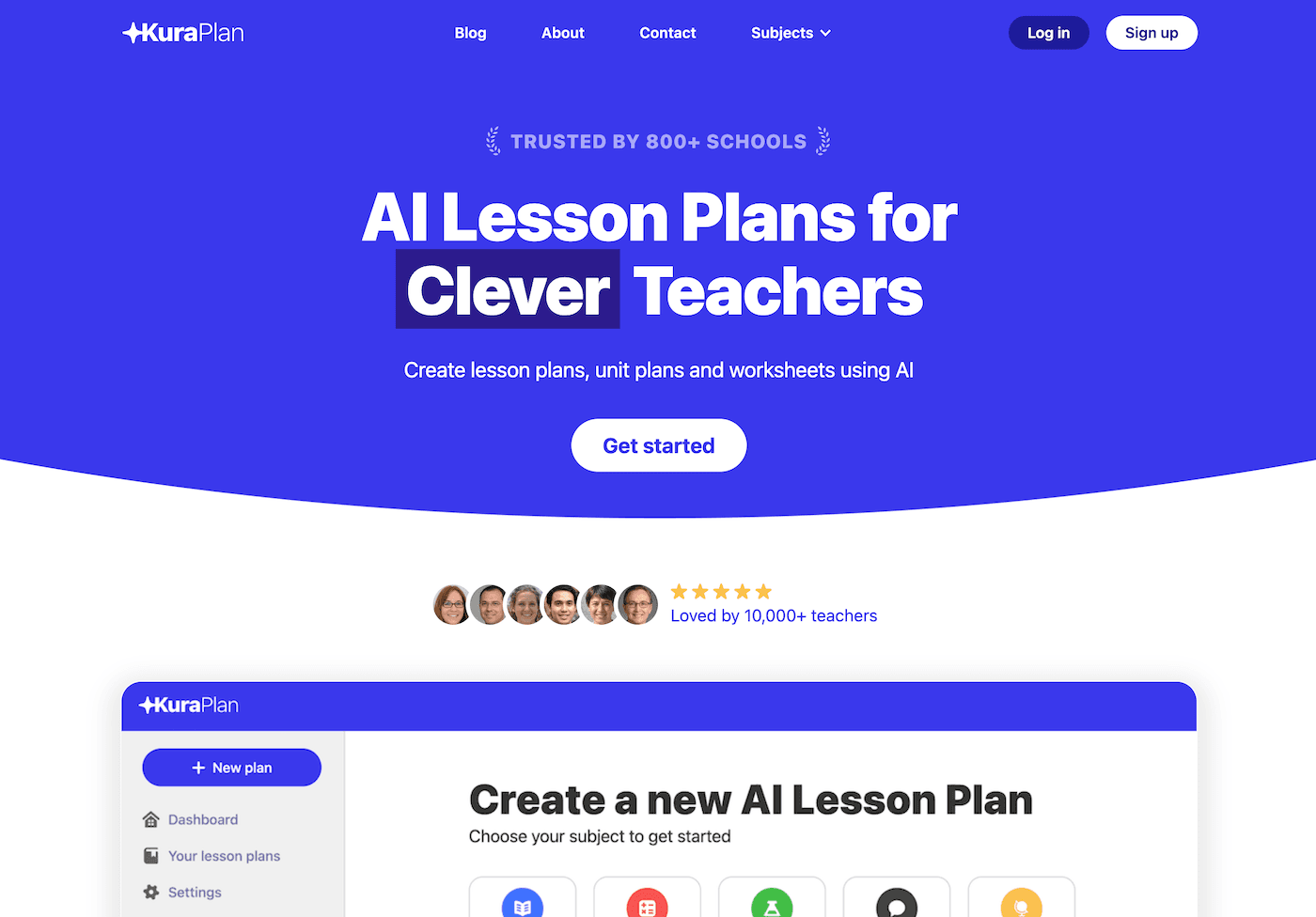
3. Diffit — Resource Adaptation at Warp Speed
Here’s where things always fell apart before: a student brings in a news story or TikTok transcript that could change the unit, but it’s two reading levels too high (or too low), or it needs to be in Spanish for my newcomers. Diffit is now my “first stop” for including surprise resources—paste in anything, and within minutes, I have three reading levels, vocab, and comprehension prompts.
Now, parent emails about community events become do-now prompts, last-minute YouTube videos turn into accessible source packs, and no student ever hears, “Sorry, that doesn’t fit today’s plan.” Adaptability means always being able to shift gears without sacrificing accessibility or equity.
Try Diffit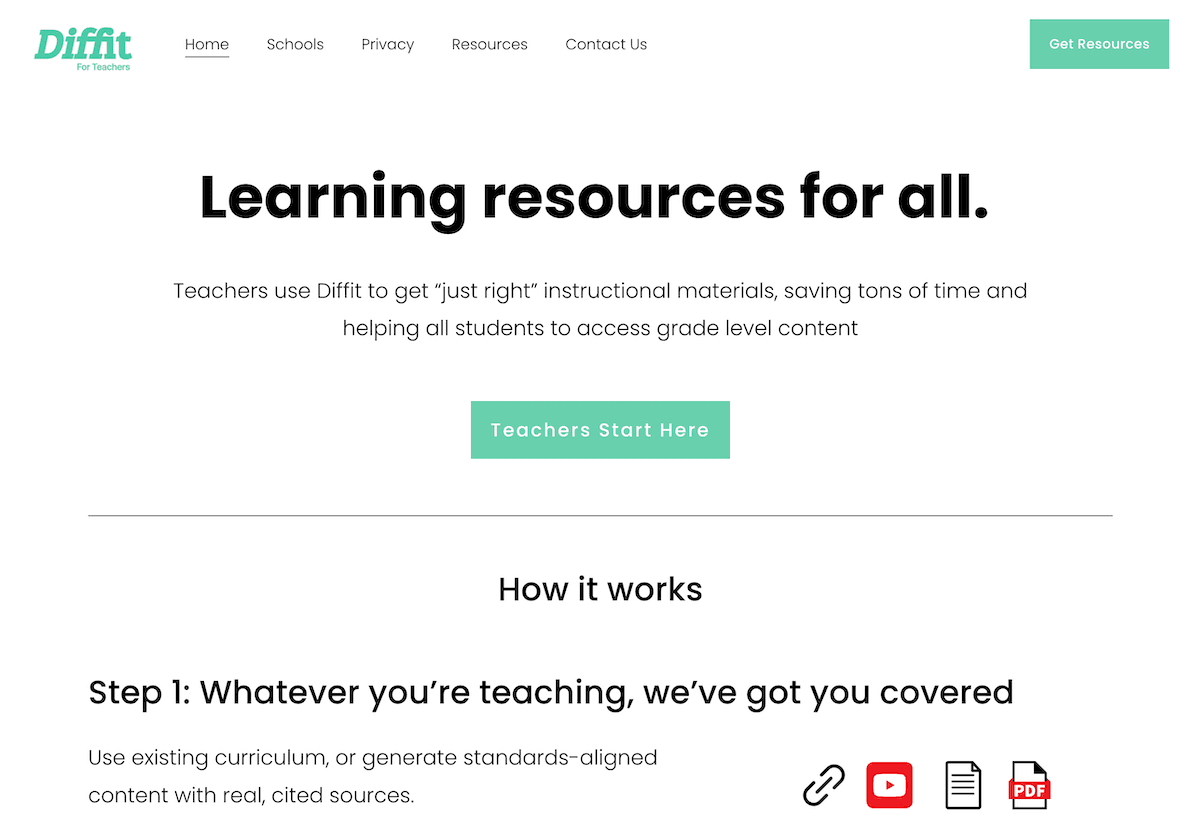
4. Jungle — Instant, Student-Generated Check-Ins
I don’t have time to prep new review games or “exit tickets” for every lesson. Jungle lets my students do it for me: after each project sprint, each group submits a “What confused us?” card, a curveball quiz question, or their favorite project hack. The AI collates, flags duplicates, and auto-builds decks for small group reviews, live feedback days, or just Friday fun runs (“Stump the Teacher!” is now a kid tradition).
Best of all: the decks change every time. Jungle means feedback is always fresh, custom, and genuinely reflects where my group is—today, not last semester.
Try Jungle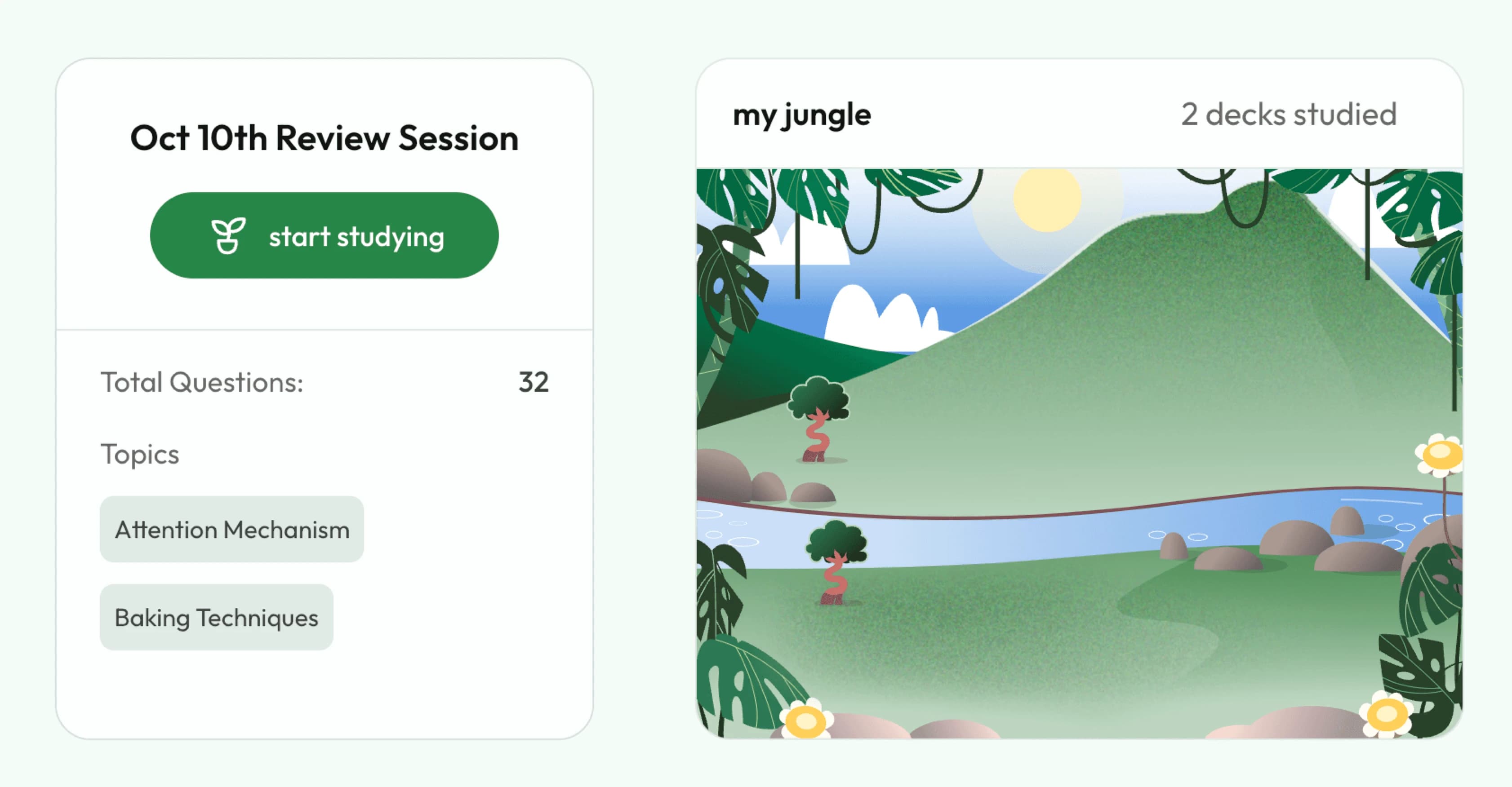
5. Notebook LM — The Class Archive for All Detours
The curse of teaching on the move? Amazing tangents and brainstorms get lost—until a parent asks, “What did you actually do this week?” Now, I have every brainstorm, audio reflection, and doodle (yep, the ones on the back of math homework) dumped into Notebook LM. The AI automatically surfaces recurring themes, patterns in student questions, and even drafts summary emails or “epic recap” podcasts when we close a unit.
On weeks when I forgot what we planned Monday, Notebook LM helped my class build memory out of madness. Bonus: At semester end, every student could see their voice (and every class’s strangest pivot) archived in one place.
Try Notebook LM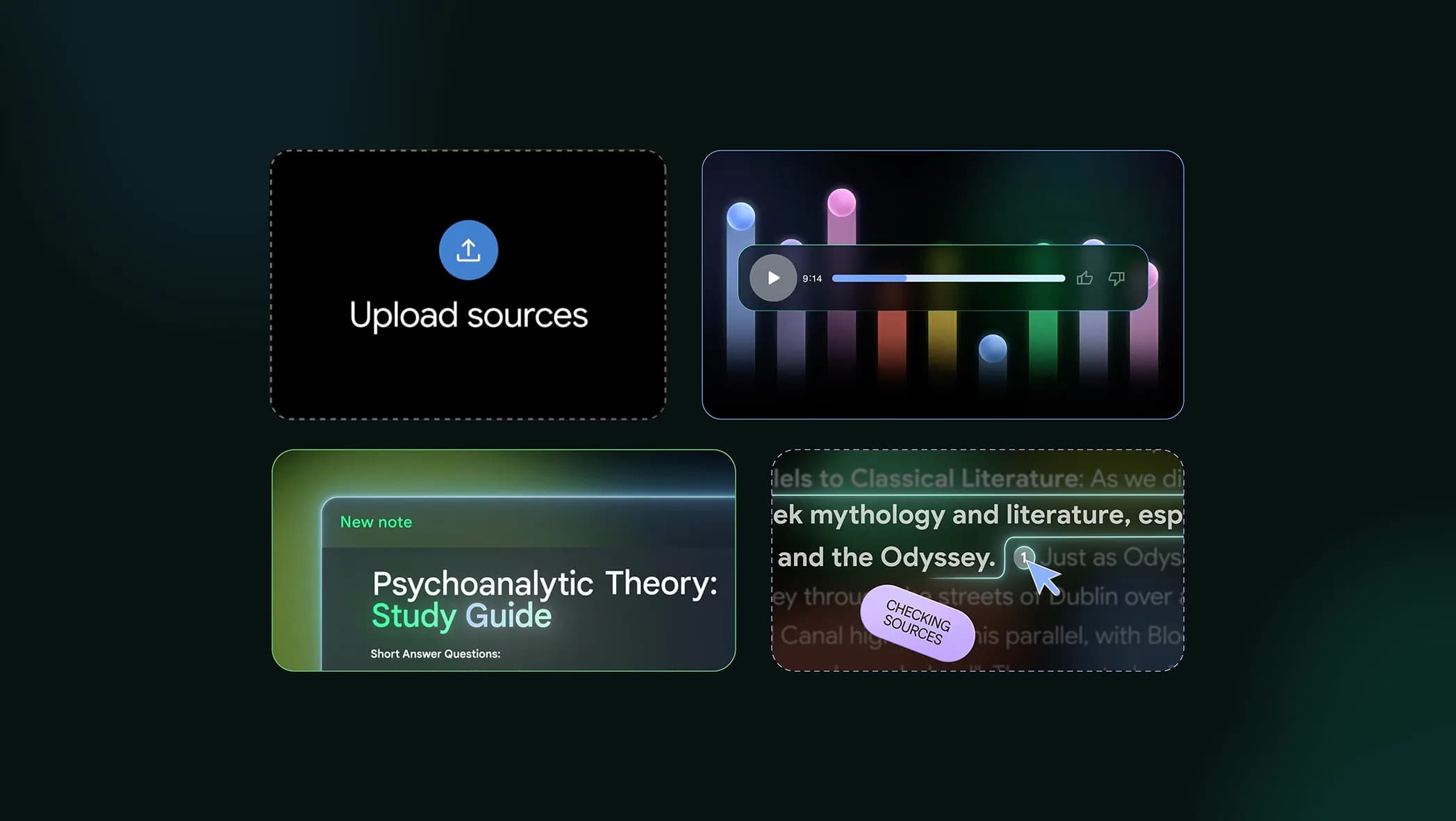
6. Suno AI — Custom Rituals for Resetting the Room
Quick pivots, assemblies, and advisory-day chaos mean every classroom ritual needs a reset function. Suno AI was the “reset button” my class needed. My students and I wrote prompts like, “Song for when class time gets halved,” “Transition for after an intense debate,” or “Friday rally cheer for surviving four lessons in three days.” Suno spun out custom audio transitions and anthems that became routines: now, no matter how wild the day gets, we use a Suno track to open/close group work, mark class shifts, and help anxious kids (and, let’s be honest, their teachers) find their footing.
Try Suno AI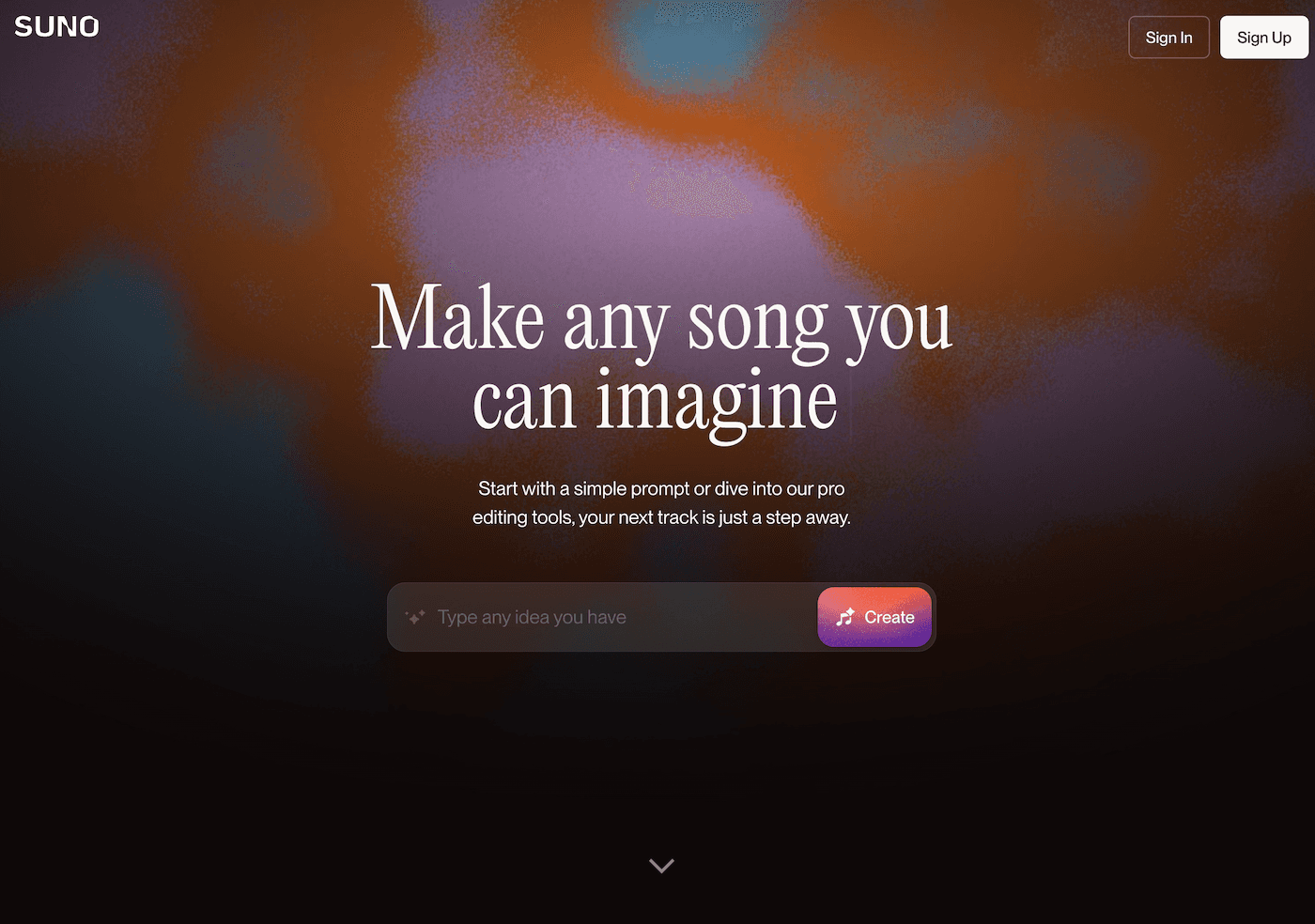
Real Tips from a Proudly Peripatetic Teacher
- Archive and showcase your process, not just results. You’ll be able to tell your class’s story—even when the outcome changes.
- Make plans editable, public, and collaborative: The more visible your sequence, the easier it is for students (and your admin!) to ride the waves of change.
- Automate the bottlenecks (resource adaptation, review feedback, class memory)—but never automate your style.
- Try a custom Suno ritual for your “messiest” lesson—teaching is always about the reset.
If you’ve built your career on teaching in motion, used one of these tools in a disruptive way, or have a workflow for surviving wild weeks, share your best improv hack below! 2025’s most joyful classrooms are never rigid—they’re responsive, agile, and proud of every pivot.