6 AI Tools for Teachers Who Love Artful Chaos
Every staff has those teachers—the ones whose rooms pulse with creative chaos: brainstorming explosions, students scribbling inventions on the board, poster fragments taped to cabinets, and lesson plans re-written because kids asked a better question. I’m that teacher, and if you gravitate toward mashups, improvisation, and co-creating wild, memorable learning experiences (even when it means veering off-script), you also know the price: endless tracking, lost sticky notes, frantic midweek pivots, and admin documentation dread.
Most AI tools are built for taming routine, not fueling creative mess. But this year, I set out to find the apps that thrive in what I call "artful chaos": ones that make room for possibility, reflect student voice, document pivots—even celebrate project fails. These are not worksheet generators, nor are they just lesson planners, but the real workflow partners for teachers who want to harness, not suppress, classroom energy.
Below are 6 tools that helped me thrive (and survive!) in my K-8 art, science, and pop-up project blocks. Kuraplan features high, but only because it kept my parade of ideas from turning into a paperwork tsunami. Each tool gets a real, road-tested use case. Here’s your unofficial field guide to teaching with more wonder and less worry in 2025:
1. Gamma — The Gallery That Proves Your Process
At least once a month, my students finish a wild plan—only to have half the journey lost in a fog of digital photos. Gamma became my memory keeper. I dump group sketches, failed builds, sticky-note brainstorms, and progress selfies into Gamma, and within seconds, the AI turns the mess into a living, modular slideshow. Students annotate where they changed their mind, pivoted direction, or ran into a hilarious dead end ("here’s when the volcano prototype went everywhere but up!").
My class rituals: We project our Gamma gallery for parent night, admin walkthroughs, or even Friday spirit rallies—making learning look as vivid as it felt. The timeline is proof that the magic lives between the standards, not just at the finish line.
Try Gamma
2. Kuraplan — Editable Maps for Messy Projects (Not Just Lessons)
In chaos classrooms, you need a backbone that bends. Kuraplan is the only planner I trust when every project has a mind of its own. We begin each new build, inquiry, or exhibition with a Kuraplan-generated map—major deadlines, required learning targets, and (crucially) open slots for “student surprise” days or detour checkpoints. As groups veer in new directions, I project the Kuraplan plan on the fly—students edit and re-sequence tasks, add “crash” weeks for fixing failed ideas, or request extra prep ahead of exhibition.
The real magic? I leave every project’s Kuraplan map editable until the end. The map shows not just what we planned, but how we adapted—giving everyone (from students to admin) permission to embrace the learning adventure.
Try Kuraplan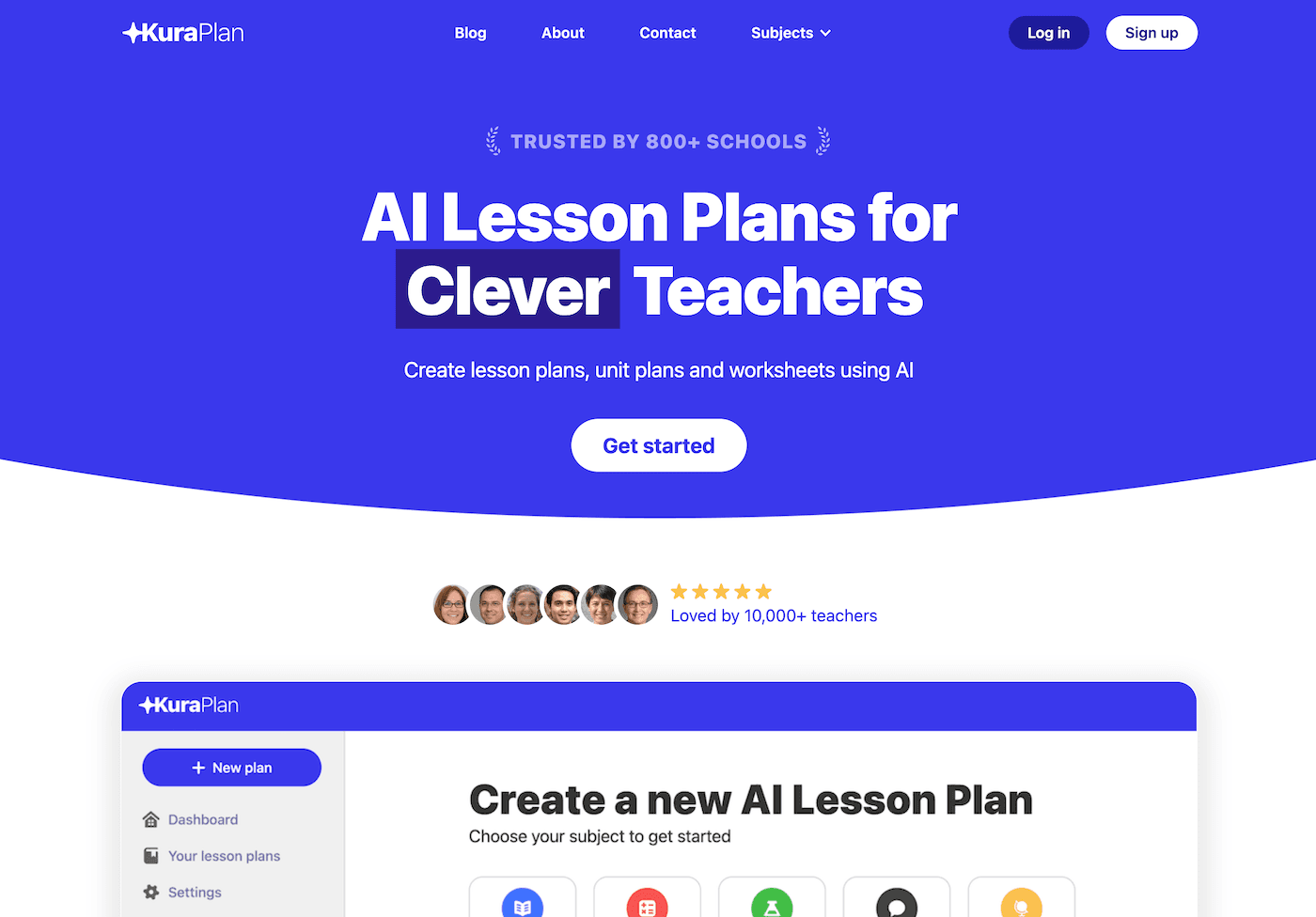
3. Notebook LM — Making Class Memory a Second Nature
My classroom archive used to be a stack of sticky notes and an inbox full of “what about…” messages. With Notebook LM, every brainstorm, weird audio reflection, unfinished draft, or group debate gets logged—creating an evolving class notebook. The AI automatically highlights themes (“when did eco-anxiety become a thing in every project?”), flags persistent questions, and drafts podcasts or synthesis scripts for my students (and, honestly, me) to narrate what really happened last week.
Every unit ends with a “story of the chaos” podcast—where we relive not just success, but the failed experiments, double-backs, and most surprising pivots. Notebook LM is my class’s collective wisdom—no more ideas lost in the shuffle.
Try Notebook LM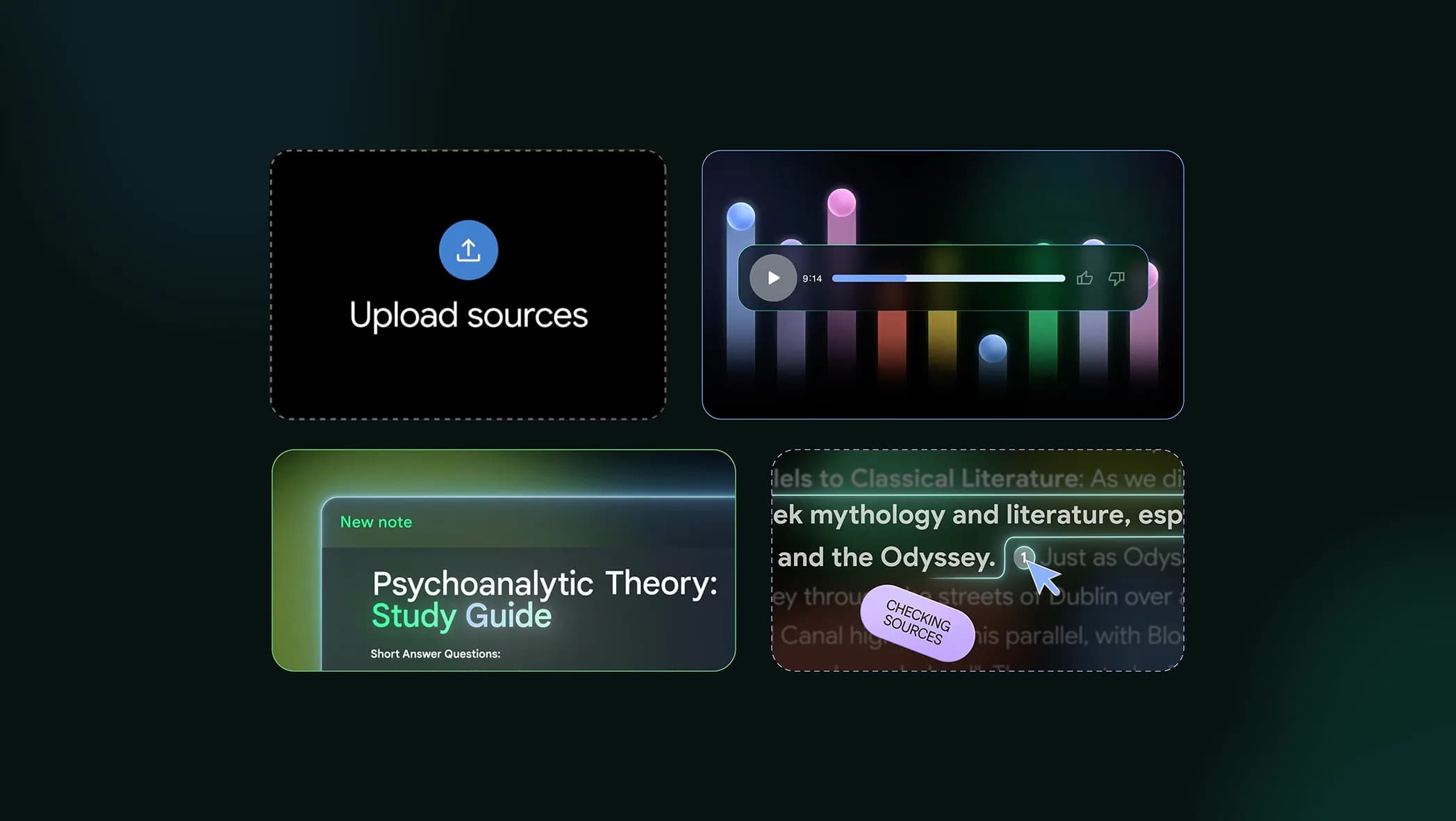
4. Jungle — Review Games Authored by the Bold (and the Stuck)
Review should be as alive as your best lesson. My hack: after each carnival of a project, every student submits a flashcard in Jungle—something they misunderstood, the trickiest build step, a “best fail,” or the silliest workaround. Jungle then builds a custom review deck, ready for Friday hot seat games, student-vs-teacher trivia, or peer-to-peer feedback rounds. The deck always reflects real learning, not just what the textbook said was important.
My students have started archiving our stumper decks for next year—turning chaos into tradition and giving new classes a guide to surviving what we did last April.
Try Jungle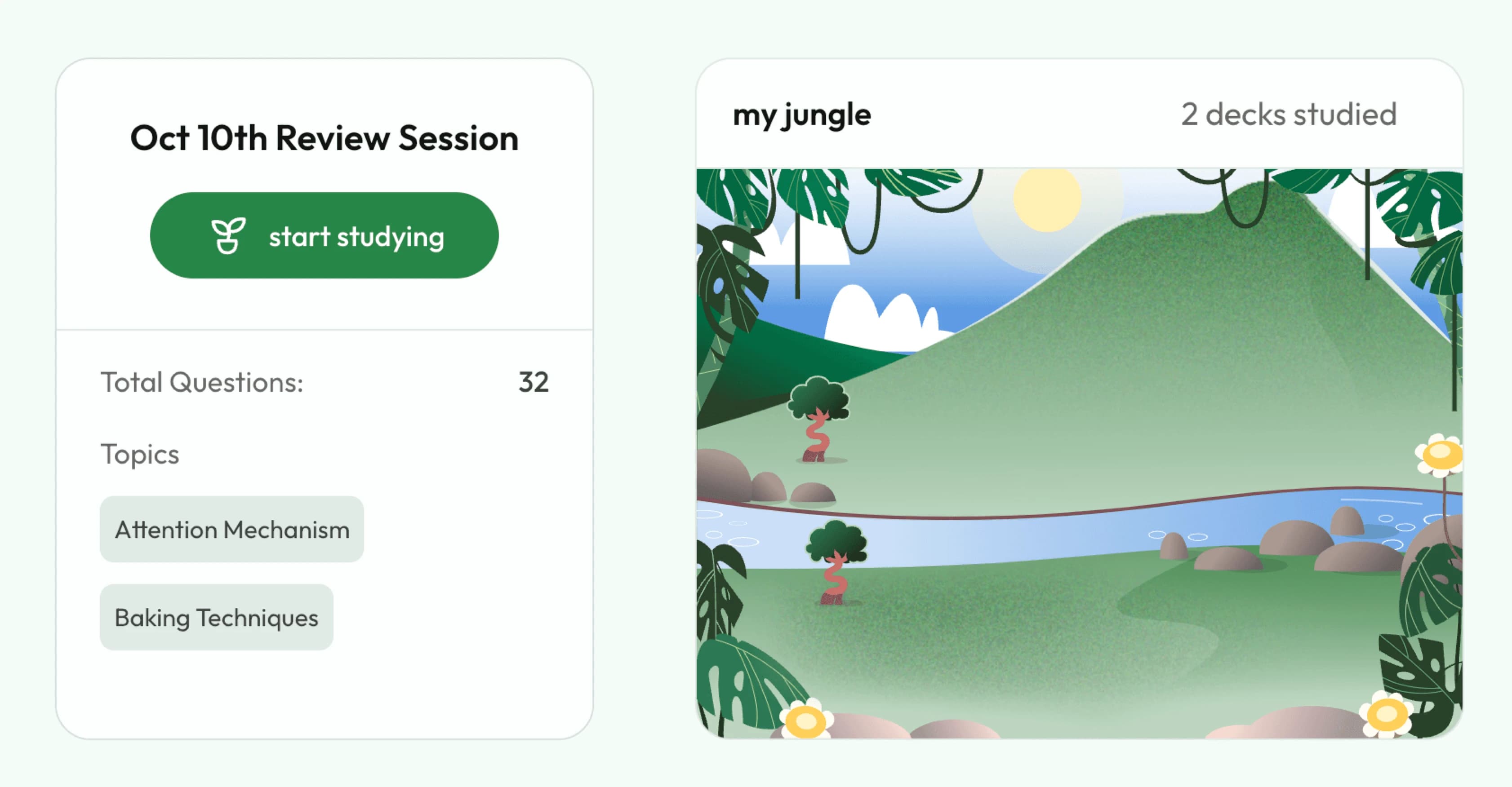
5. Diffit — Adapting “Found” Content for Every Wild Learner
Artful chaos means wild material: Reddit threads, found object poems, impromptu project rules in five languages. Diffit lets me drop in anything—article, transcript, even a student’s translated joke—and instantly churn out vocabulary, leveled readings, and discussion cues. Gone are the days of saying “that resource is too complex”; groups now bring in what they care about, knowing we can adapt it.
My routine: student teams Diffit-ify their chosen reading, then remix the prompts for the class—making differentiation student-powered and curiosity-driven. No one left behind; curiosity can finally move at the pace of inspiration.
Try Diffit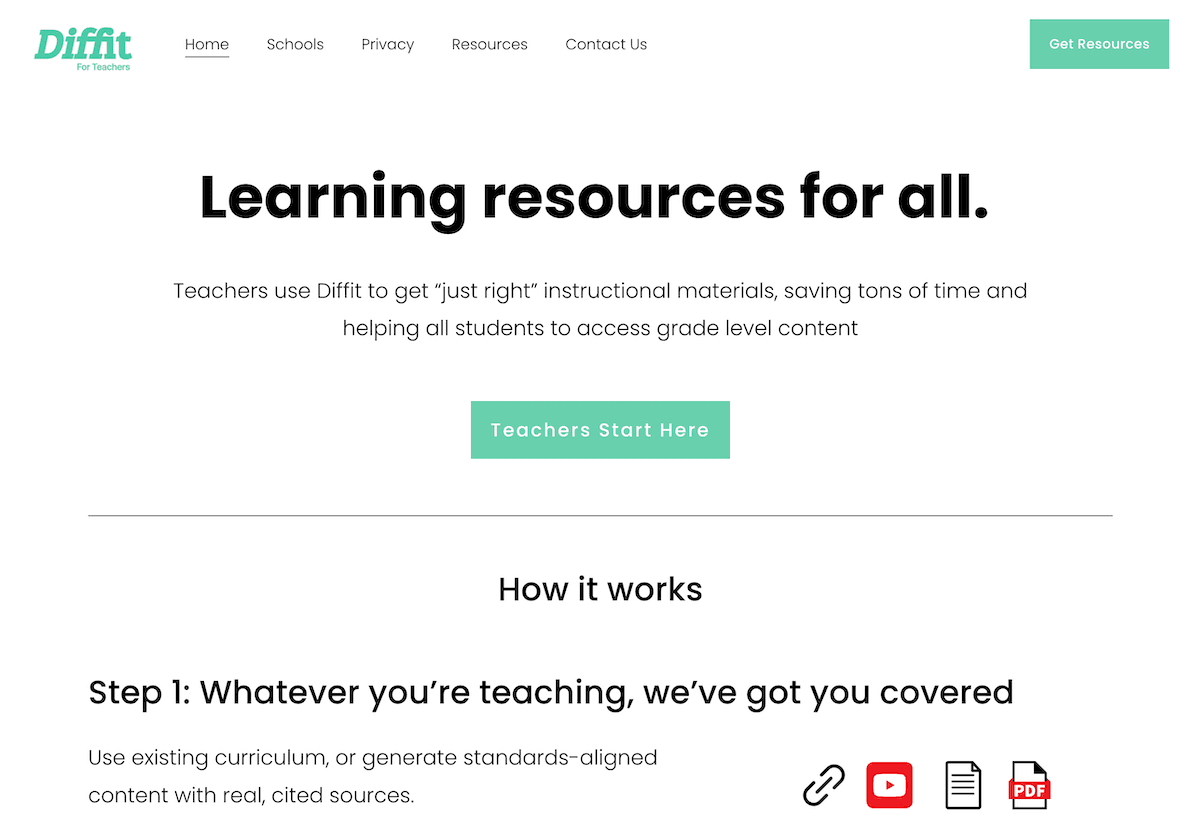
6. Suno AI — Rituals: From Monday Reset to “Project Flop” Cheers
True chaos needs shared rituals of celebration and recovery. Suno is our closing routine: students write prompts for the song of the week (“Chant for Our Worst Mistake,” “Anthem for the Friday We Survived,” “Soundtrack for Exhibition Nerves”). Suno generates original tracks we play at transitions, at closure, or just to vibe before a new try. Our playlist now includes tributes to debate teams that never quite agreed, art builds that didn’t stand up, and group launches that started as a joke and turned into genius. Students start requesting their favorite song on “messy Mondays”—even the anxious ones. Culture is built one anthem at a time.
Try Suno AI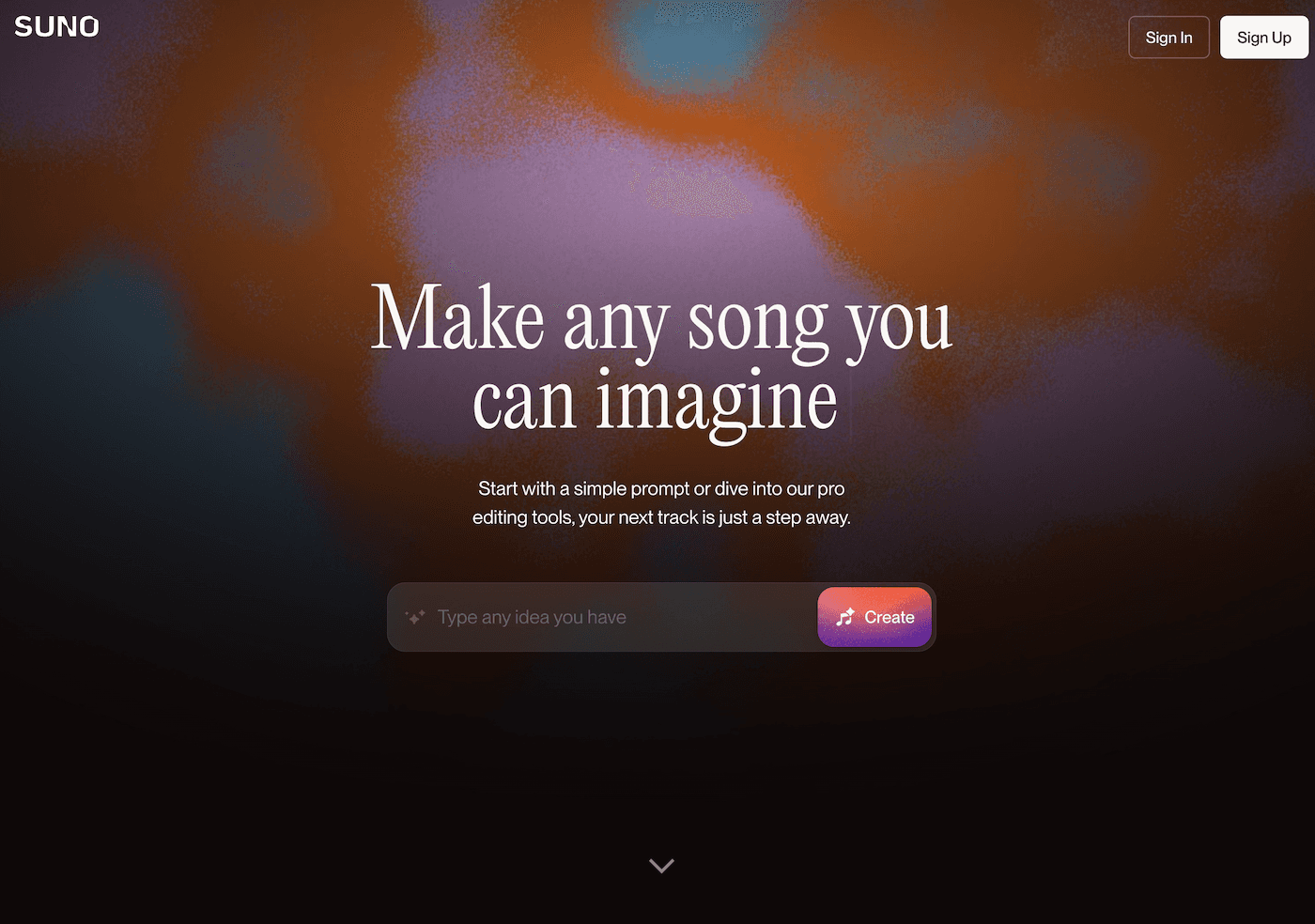
Real Teacher Tips for Embracing Creative Chaos
- Archive as you go: Gamma, Jungle, and Notebook LM should be open on your desktop all week—not just for grading periods.
- Make planning public, not precious: Kuraplan is at its best when students co-edit and annotate the roadmap.
- Let students own adaptation and reflection: Diffit and Jungle turn differentiation and self-assessment into rituals, not busywork.
- Ritualize recovery and celebration: If you try one thing this term, start a Suno classroom playlist marking every detour. Joy multiplies resilience.
If you’ve found your own workflow for thriving in controlled chaos—an AI trick, ritual, or project artifact worth reusing—drop your story below. 2025’s most memorable classrooms won’t be the neatest, but they can be the most documented, joyful, and student-powered.