6 AI Tools for Teachers Who Love Big, Authentic Projects
Project-based learning isn’t just a buzzword. If you know that the most transformative work in your classroom comes from those wild, ambitious projects—think community action campaigns, student documentaries, pop-up science expos, or local oral histories—you also know: it’s chaos, and the paper trail is twice as stressful as a test week. I’ve lived this between science fairs, English-media mashups, climate summits, and so many “What if our final product was…?” group brainstorms I lost count.
And here’s the truth: Most AI tools don’t get it. They’re made to churn out quizzes or plan lessons in isolation. But there’s a new breed of AI—quirkier, less obsessed with standards alignment—that actually helps big student projects soar without killing the vibe or making you their secretary.
Below are the 6 AI tools I leaned on through every unexpected pivot, group meltdown, and proud open house moment in 2025—plus honest workflow hacks for each. (Kuraplan is in here at #2: crucial for keeping you off the burnout cliff, but not the star.)
1. Gamma — Show Your Project’s “Making Of” Reel
Every authentic project leaves a mess: half-finished sketches, sticky notes, group selfie logs, voice memos reminding you “let’s email the mayor,” and four different timeline drafts. Gamma is my secret weapon for capturing the real story—what the admin and families never get to see.
I dump all student artifacts, group docs, and progress photos into Gamma; the AI instantly spins up a living timeline or visual portfolio, where students annotate milestones, narrate pivots, and vote on which disaster or detour taught them most. We share Gamma galleries at celebration nights and in our class digital museum. Everyone gets to be proud of the process—not just the polished product.
Try Gamma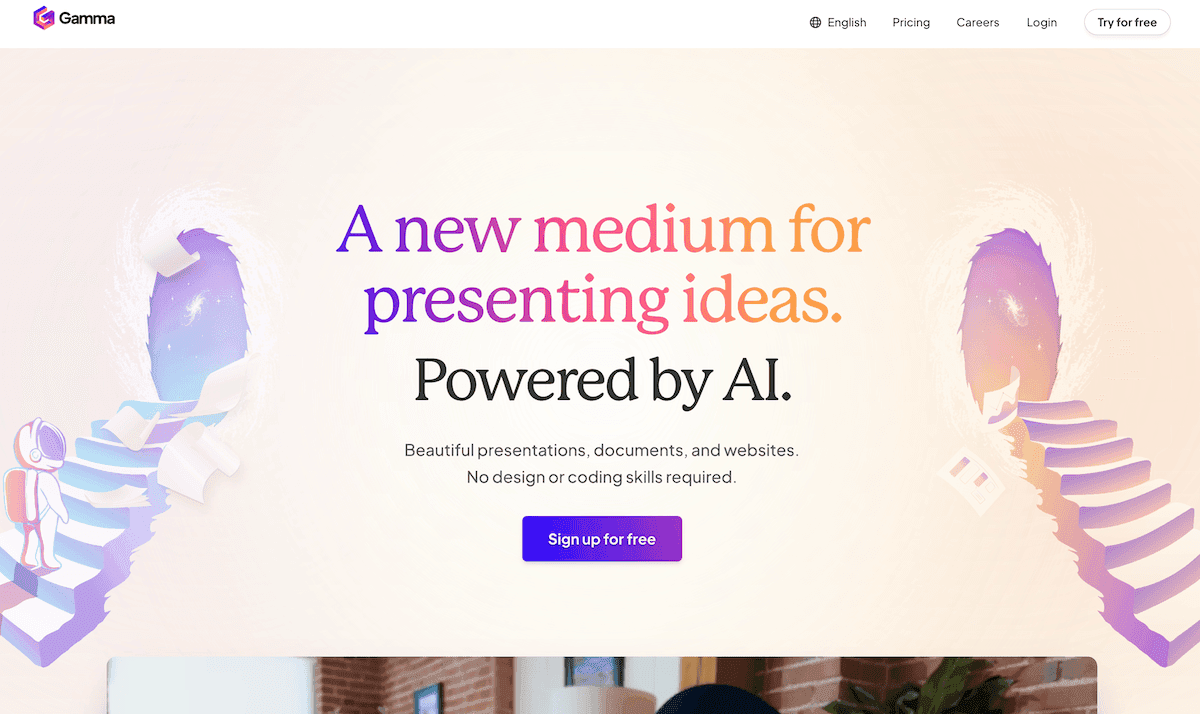
2. Kuraplan — Blueprint for Ambitious (and Flexible) Projects
Here’s the thing: Authentic project-based work must hit a few deadlines and checkpoints so no group vanishes into the wilds. Kuraplan became my essential backbone. At every new launch, students and I map a Kuraplan draft—big exhibitions, peer review milestones, "update the client" reminders, and (most important) built-in reflection & extension days. As the project evolves, groups edit the timeline together, add in “Oops—ran into a dead end” checkpoints, and swap out products when new ideas pop up.
My workflow: project the Kuraplan board every week, letting the whole class see and change the plan. It’s just enough structure to keep the adults happy, but every group knows the map is theirs to re-write.
Try Kuraplan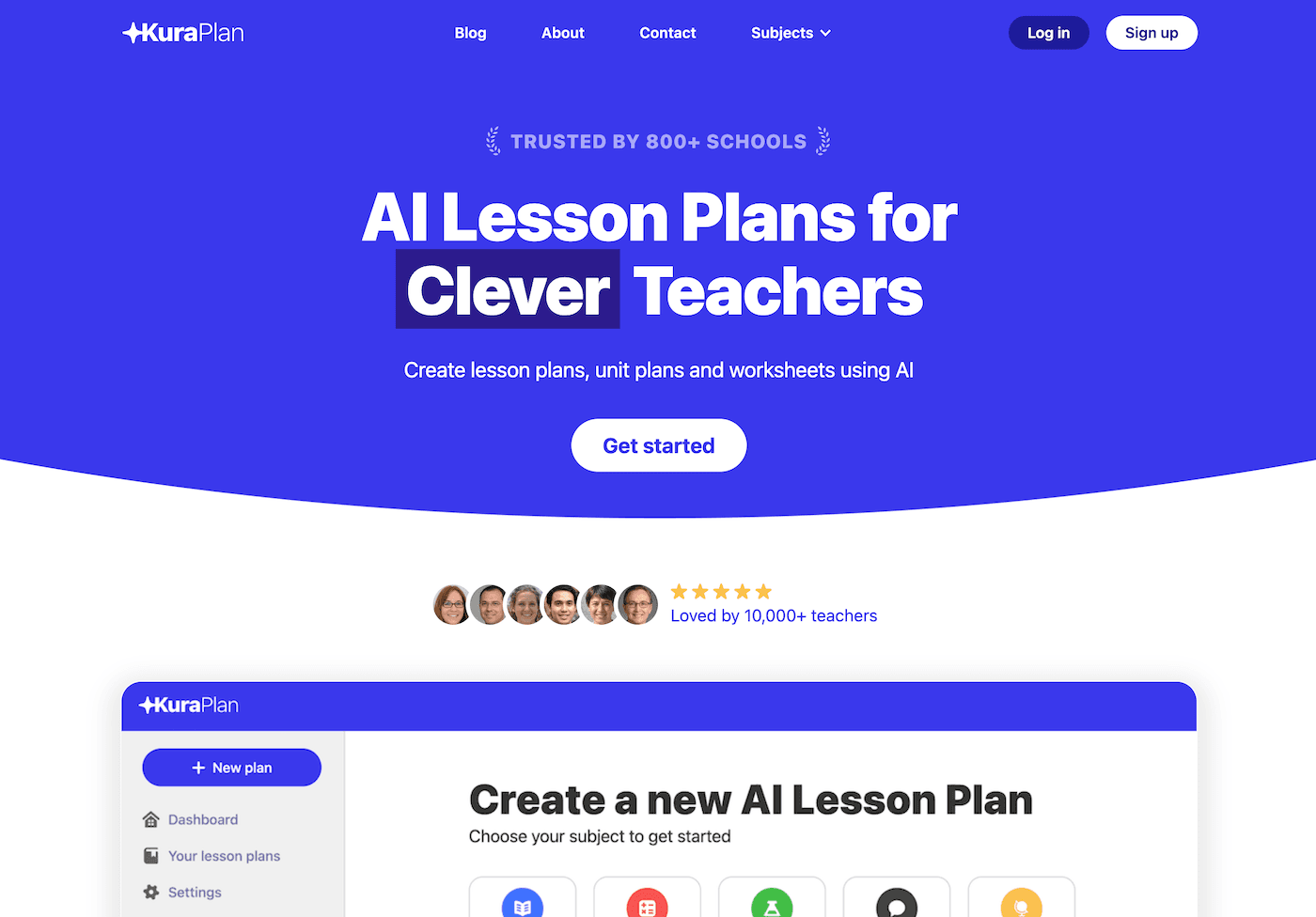
3. Notebook LM — The Living Archive for Project Storytelling
Class journals are always a mess in project-based classrooms. Notebook LM turned this pain into a feature: students dump everything—voice notes after a parent interview, fieldwork snapshots, group chat rants, even side debates—into a shared notebook. The AI sorts themes, flags recurring struggles ("how do we actually schedule a podcast guest?"), and generates Q&A or reflection podcast scripts.
End-of-project ritual: each team records a 5-minute Notebook LM recap episode (“How did we fix the scheduling crisis?” “What was the hidden win?”). Suddenly, portfolio nights and school news have something real to share, and students recognize the value in every failed version, not just the final.
Try Notebook LM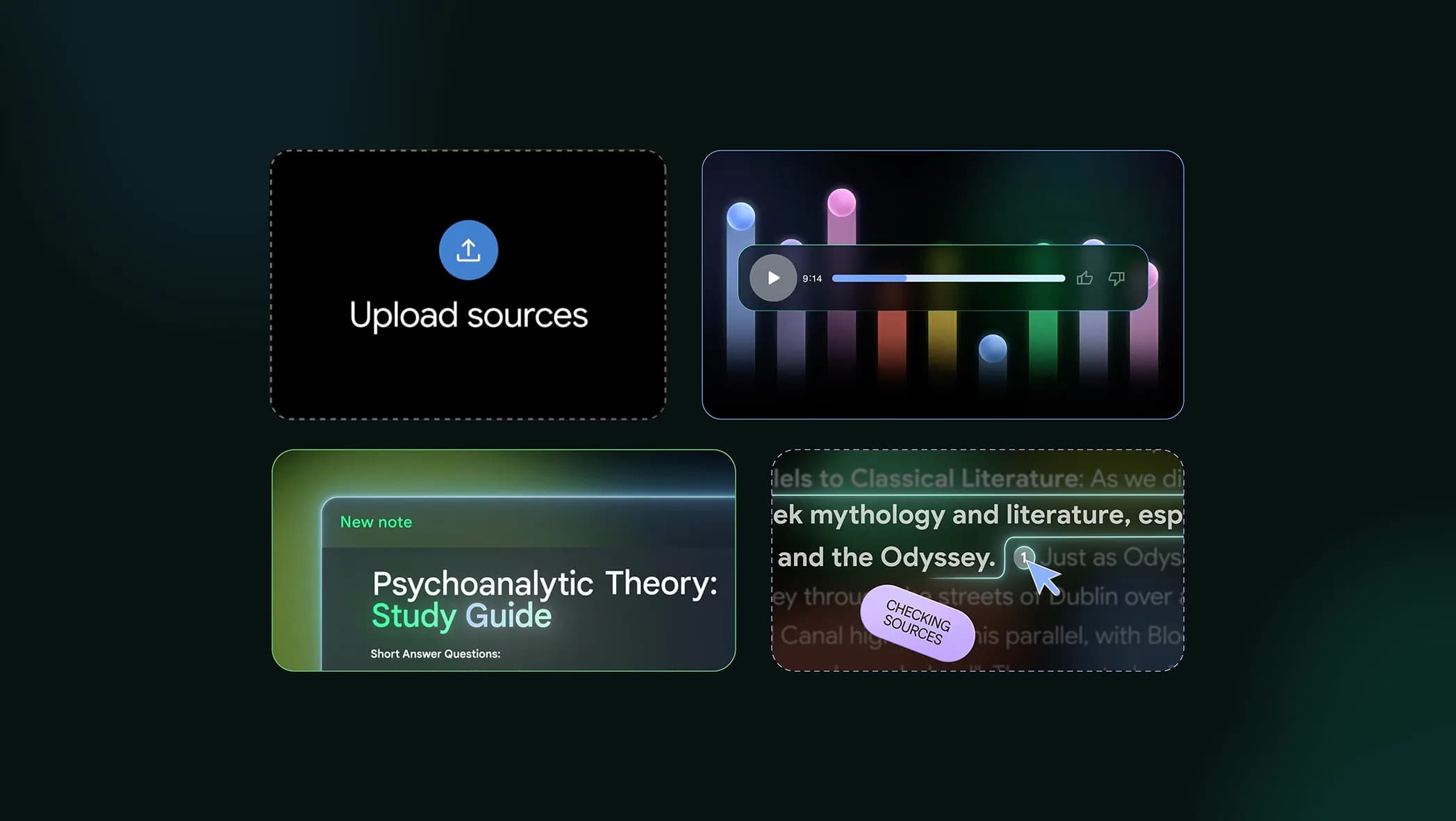
4. Magicbook — Publishing Projects Worth Displaying
You want impact? Publish, don’t just present. Magicbook lets every group compile their process—narrative snippets, infographics, data findings, artist’s statements—into a digital, illustrated book in minutes. We use Magicbook to:
- Collect oral histories for local community partners
- Produce science fair “field guide” books as take-home artifacts
- Build advocacy issues of student newspapers for showcase events Bonus workflow: students co-edit Magicbooks for next year’s class, embedding “what we wish we’d known” pages so the learning passes on. The pride of seeing their work published (and shared beyond the classroom) is unbeatable.

5. Diffit — Leveling Authentic, Student-Sourced Materials
The best projects start with student choice: local news, Spanish-language podcasts, a “found” letter from a family album. But when a group’s chosen resource is out of reach for half the class, the project can die on the launch pad. With Diffit, I can take any student-sourced document, transcript, or interview and instantly create leveled versions, vocab checklists, and scaffolds. Every group gets to bring something “real world”—and no one has to opt out because of reading level or background knowledge. Even better: I set “Diffit leader” as a rotating group job, so students run their own access equity in every project block.
Try Diffit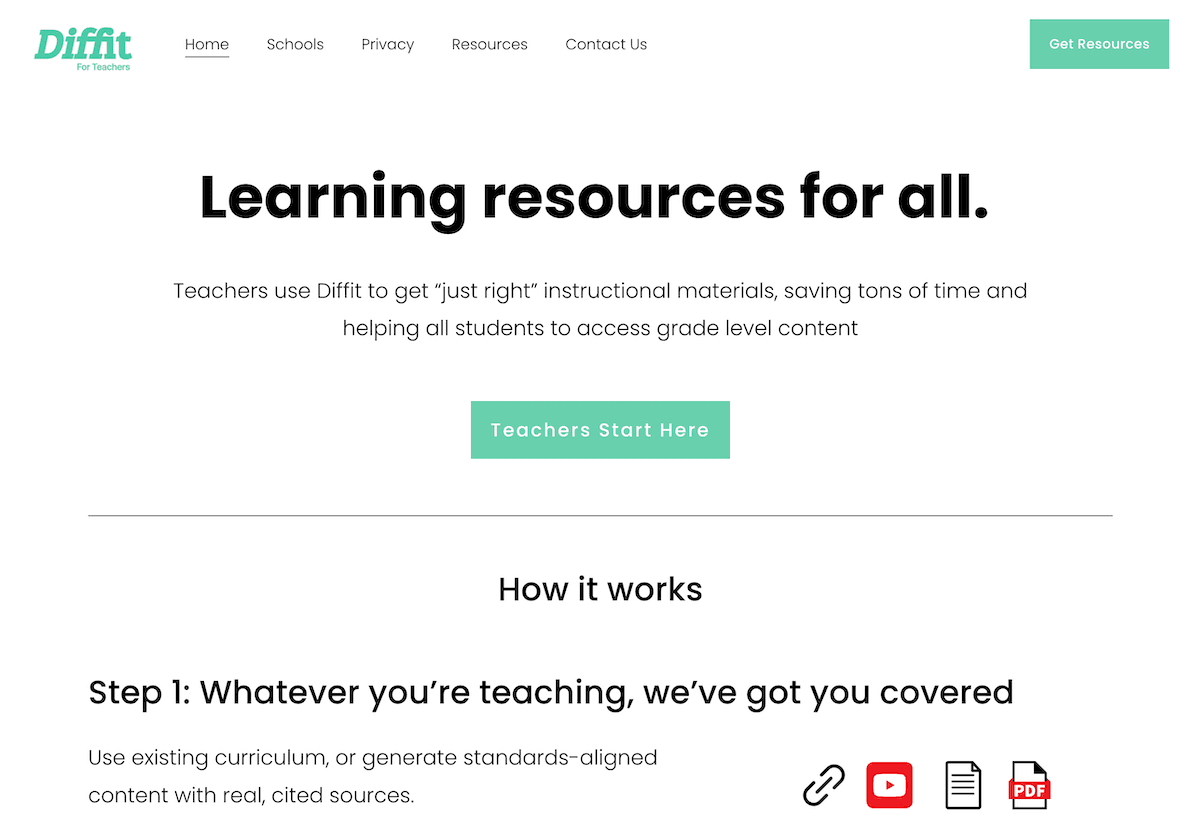
6. Suno AI — Rituals, Reflection, and Celebration Tracks
If you want to keep motivation up through the mess and milestones, class rituals matter. Suno AI is my culture machine: my students (after every checkpoint, pivot, or narrowly-averted disaster) submit anthem prompts (“Song for Pulling Off the Impossible,” “Anthem for Launch Day Panic,” “Chant for the Team With All the Last-Minute Fixes”). Suno generates custom tracks; we use them for project huddles, gallery walks, or to launch the “We Survived!” slideshow.
Best part: the playlist we build this way commemorates every chaotic win, recovery, and surprise, and every project cohort leaves a legacy for the next.
Try Suno AI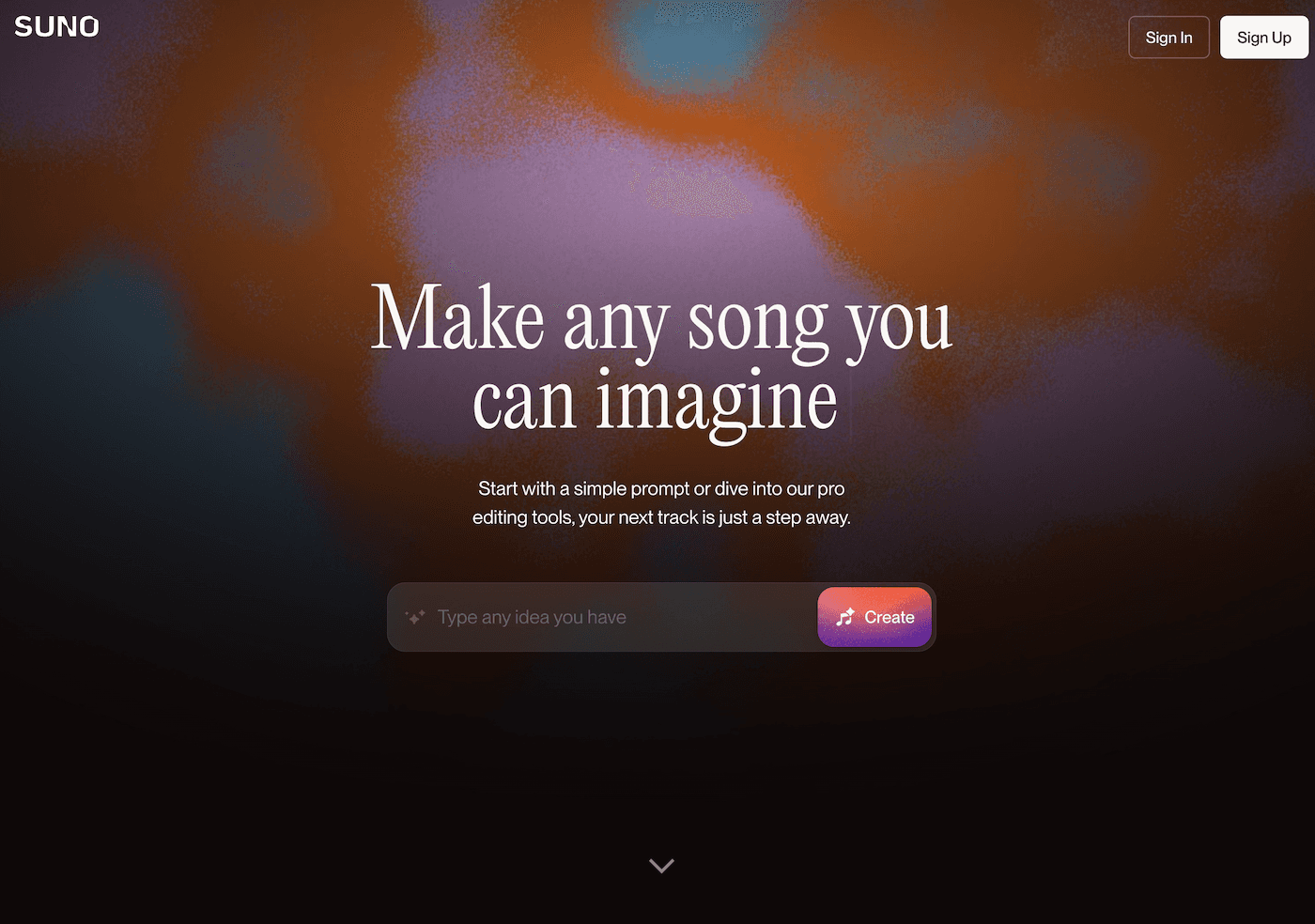
Honest Tips for Teachers Running Authentic Projects
- Archive the chaos in real time: Gamma and Notebook LM are your lifeline for showable, editable evidence—proof for admin and a gift for next year’s students.
- Embrace never-finished plans: Kuraplan is only as good as how often it’s updated in front of the class. Student edits = real buy-in.
- Let access be student-powered: Make Diffit a team staple. When every resource is group-adapted, the project’s equity runs deeper than your lesson slides.
- Make reflection and rituals visible & celebrated: Magicbook and Suno help you publish, commemorate, and enjoy even the roughest project weeks.
Have your own favorite tool, workflow, or “can’t believe we pulled this off” story? Drop a note below. Projects only get better when the journey is as public, messy, and memorable as the finish.