6 AI Tools for Teachers Who Crave Authentic Student Voice
Real talk: In 2025, everyone claims their classroom is “student-centered”—but too often, it’s still the teacher driving every prompt, resource, and assignment. If you’re an educator who lights up when your class overflows with questions, peer arguments, and wild project ideas, you know that most edtech just wants you to deliver more content, more quickly.
This year, I made a decision: Only use AI tools that helped my students ACTUALLY shape the learning journey. Not just “pick from options,” but originate—from research questions to creative work to how we mark our progress. No surprise, some popular apps flopped; others (that never show up in listicles) became the engine for genuine student voice.
Below, find the 6 tools I returned to when I wanted less teacher talk and more student thinking—across my middle grades humanities block, an interdisciplinary “changemakers” elective, and, honestly, even on sub days where I needed voice to shine without me in the room. Each comes with a real classroom workflow, and (yes) you’ll spot Kuraplan up top, but only as my student agency backbone—never as the star of the show.
1. Kuraplan — Making Unit Maps That Students Actually Own
Every teacher gets overwhelmed trying to balance student ideas with required standards. This year, I flipped my workflow: At every unit launch, I projected a Kuraplan-generated timeline, but instead of finalizing it myself, turned it into a collaborative editing session—adding every student-proposed question, deadline, and checkpoint to the map. Inviting students to delete or move lessons they disagreed with became its own class ritual. The result? Every student could see (and influence) the plan, and our units finally answered their actual questions about the literature, history, or science we were covering. Agency wasn’t just promised—it was built into the map.
Try Kuraplan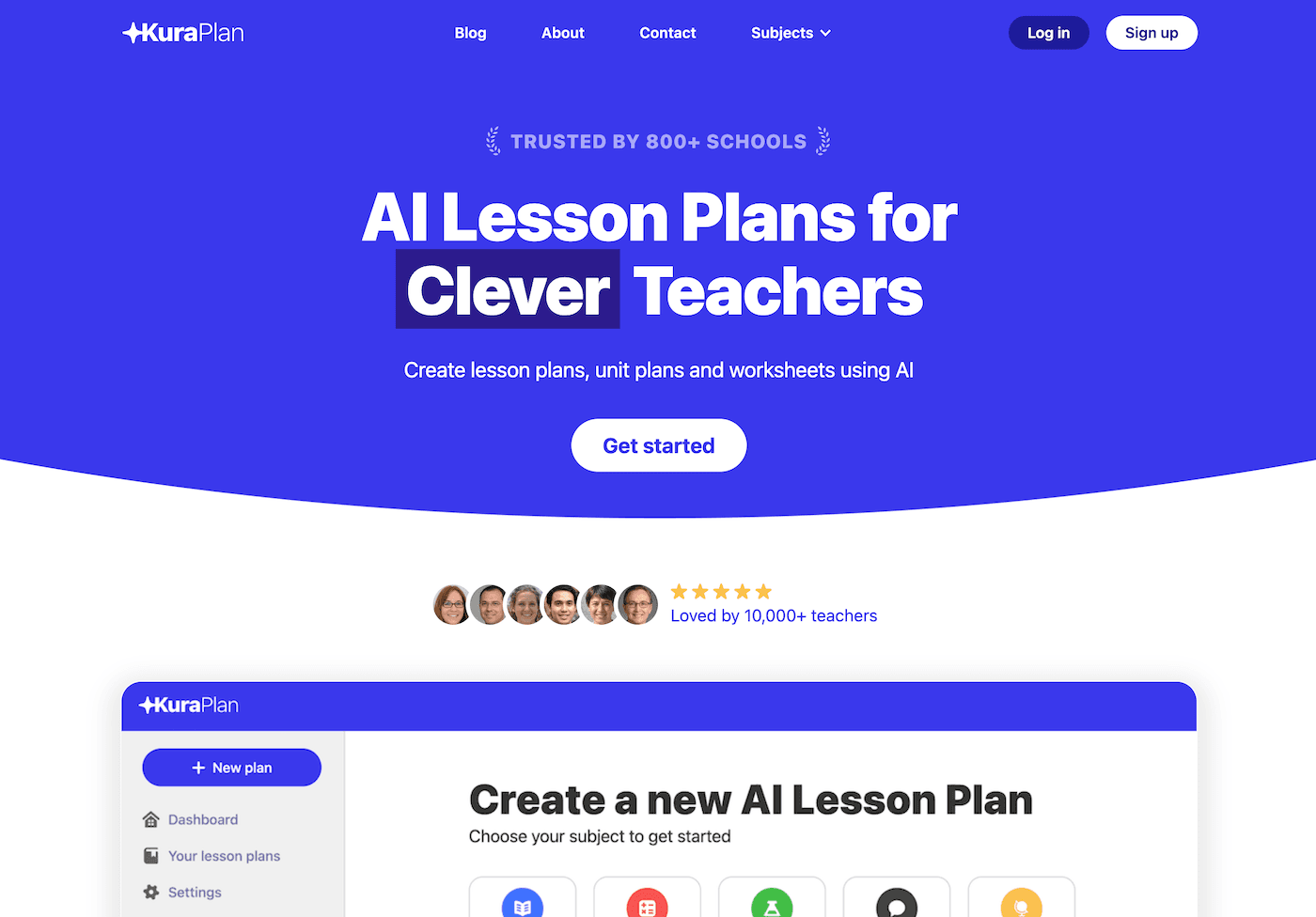
2. Notebook LM — Capturing Real Discussion, Not Just Teacher Notes
The tragedy of a noisy, idea-rich classroom? Student genius (and confusion!) gets lost by 3pm. With Notebook LM, every group dumped debate notes, voice memos, brainstorm scribbles, and hot-seat Q&As into a shared digital notebook, where the AI finds recurring themes, links back to previous sessions, and even drafts class-generated podcast recaps. Our Wednesday routine: hit record on a “class newsroom” episode, using LM’s auto-formatted script based on what students actually said all week. Parents and admin started tuning in—finally getting a window into real student thought, not just my lesson slides.
Try Notebook LM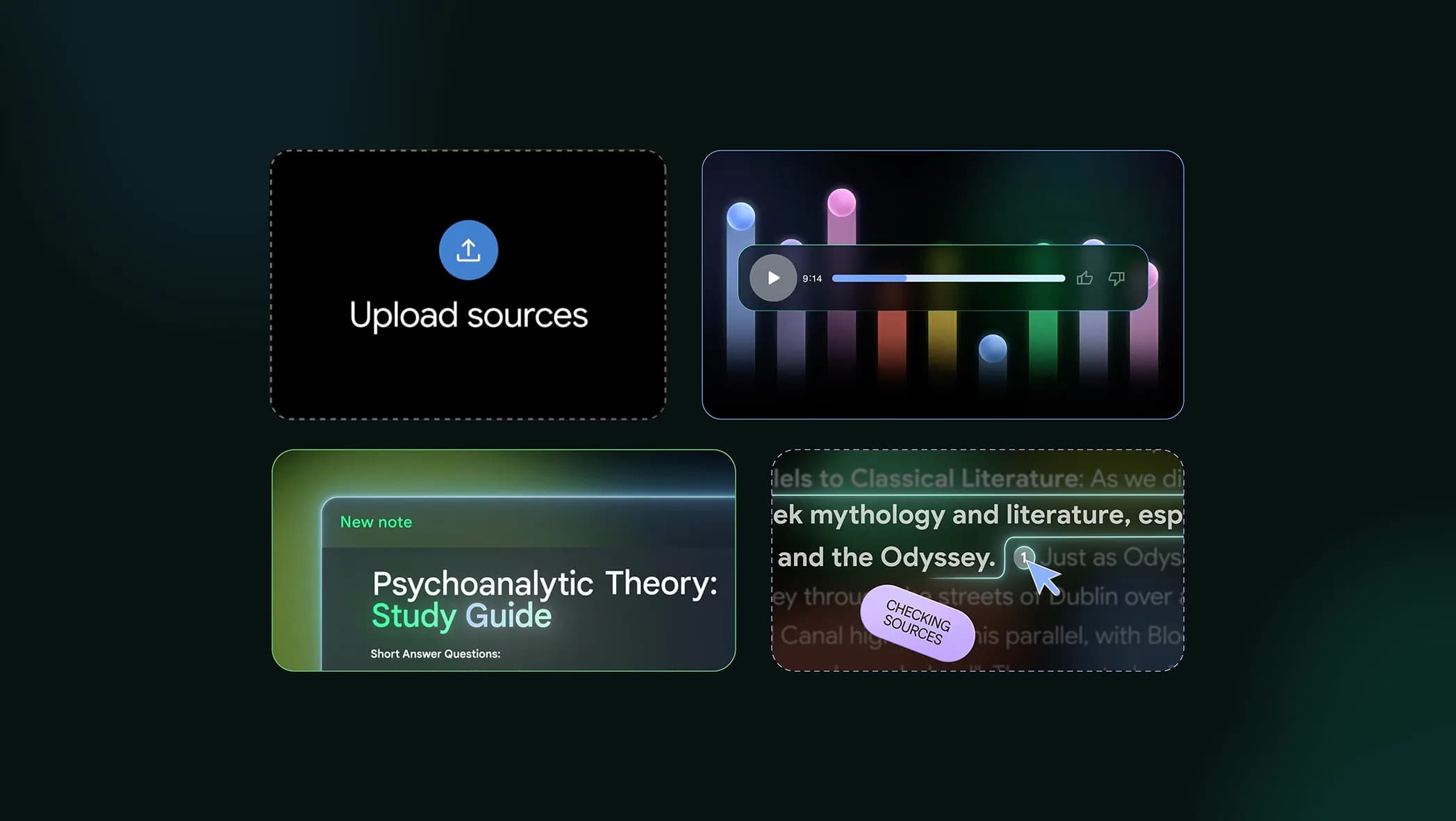
3. Jungle — Student-Designed Review Decks & Peer Challenges
Let’s be honest: most quizzes and exit tickets reflect what the teacher prioritized—not what students found difficult, surprising, or worth remembering. Jungle became my new review hack. Each Friday, students each wrote a flashcard: one burning question they still had, and one "wild claim" or insight from class debate. Jungle’s AI sorted and gamified the deck—so every review game, trivia round, or “test prep” actually reflected the things students authentically cared about. Bonus: Now, my review sessions are full of laughter, stumping-the-teacher moments, and (finally!) new questions I never would’ve thought to ask myself.
Try Jungle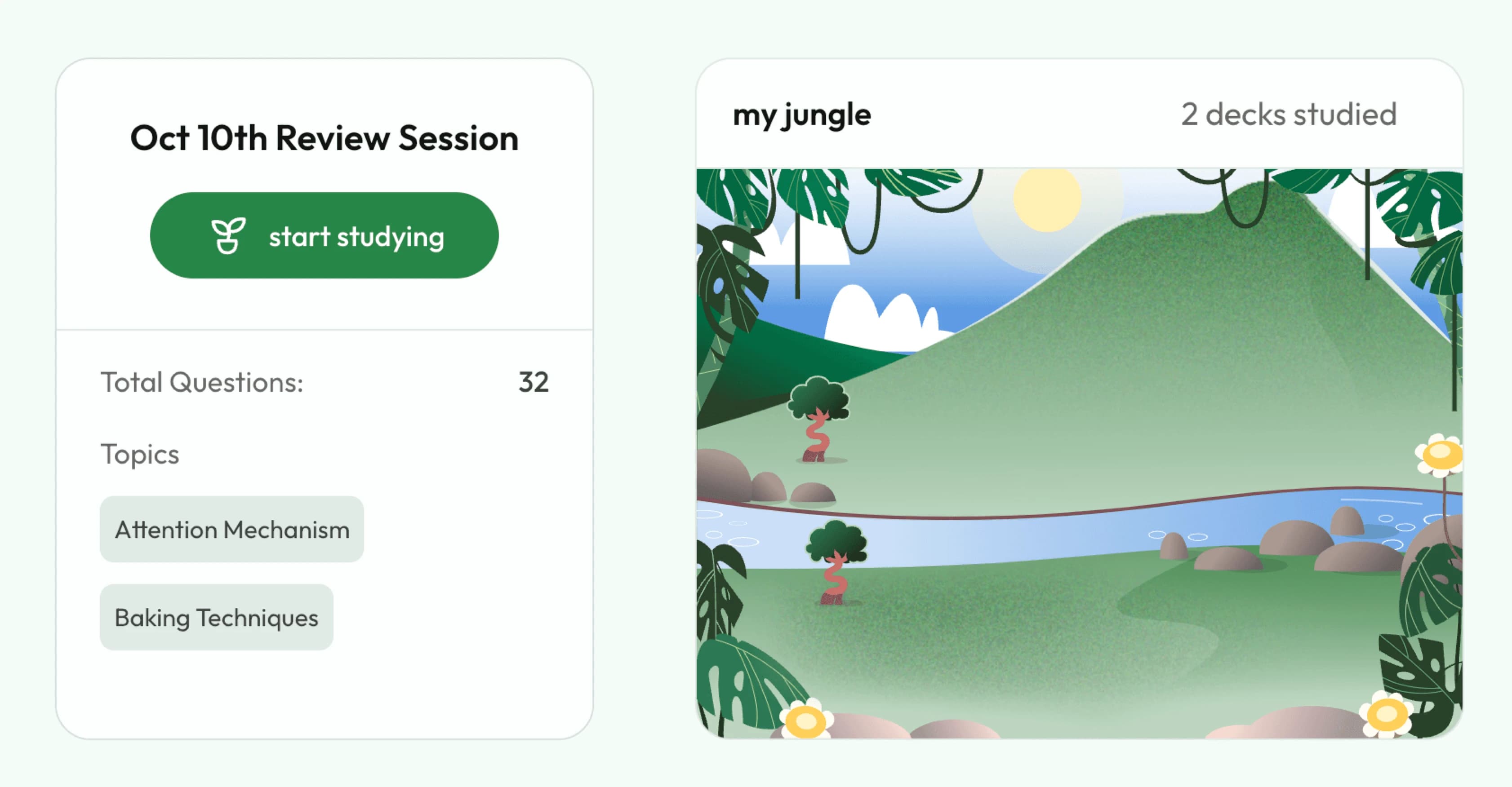
4. Diffit — Building Student Agency Into Resource Choice
Curious, creative classes want to chase their own articles, podcasts, and media, but not everyone can access the same material. This year, every time a student group requested a new source, I ran it through Diffit first—letting them choose which level (text, audio, or translated summary) they wanted to tackle. Suddenly, the resource list was theirs to build, and diversity of reading didn’t mean leaving anyone behind. Better yet—students began using Diffit themselves, remixing class readings for little siblings, friends, and parent discussion at home. That’s the definition of student agency reaching beyond the bell.
Try Diffit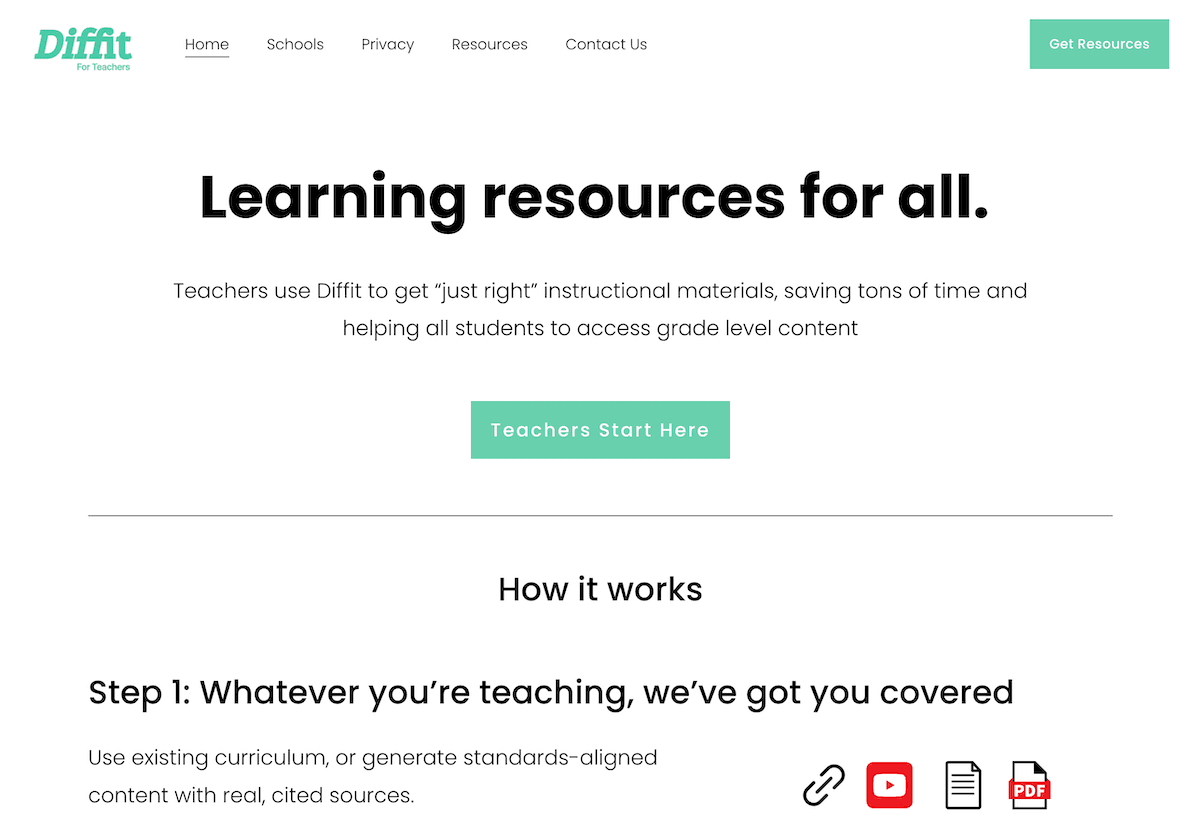
5. Magicbook — Publishing Student-Created Books & Class Anthologies
One year, I realized our writing celebrations had all the excitement of collecting homework. The Magicbook breakthrough: let students—not me—design anthologies, zines, and picture books for clear audiences (younger students, community nights, or even club partners). Every group submitted pages, illustrations, and story quotes; in minutes, we had a full, beautifully formatted book students were proud to read aloud at family events. Watching a reluctant reader beam as her story reached the kinder class next door? The best kind of visibility for authentic student work.
Try Magicbook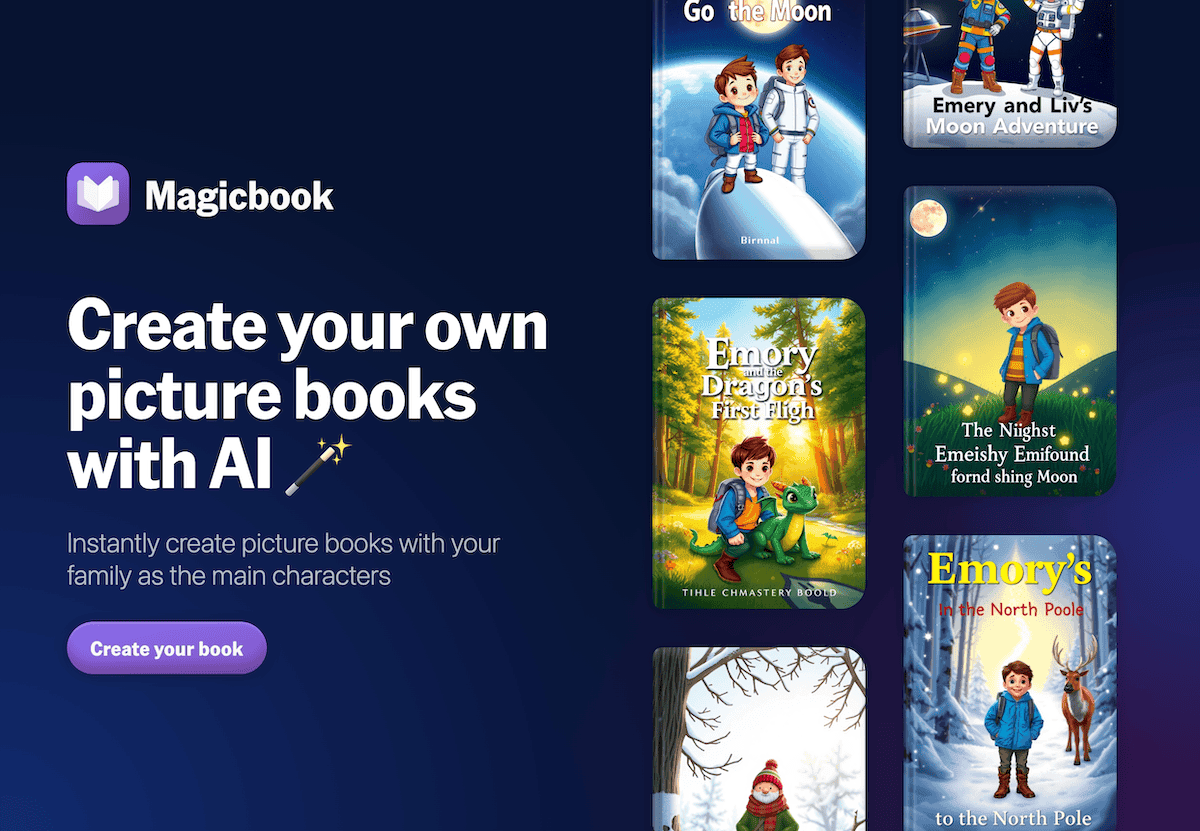
6. Suno AI — Soundtracking Class Rituals with Student Lyrics
A discussion-rich, energetic class culture needs closure—and moments that belong to the students, not the teacher. With Suno AI, after every big debate, project launch, or fieldwork day, I’d ask student groups to write a line for a class "anthem" (“Song of Our Best Failure,” “Chant for Surviving Test Week,” “Let’s Try Again Tomorrow”). Suno instantly remixes their prompts into a class anthem—which we use for daily rituals or as a hype track on morning entry. Now my students request, "Can I write next week’s closing verse?" Every big moment has a soundtrack, and everyone’s voice is heard—literally.
Try Suno AI
Honest Tips for Centering Student Voice in 2025
- Let planning be public: Use Kuraplan and Notebook LM as living, visible artifacts of what students are thinking, not just what’s planned.
- Make “student-designed” review and publishing the routine: With Jungle and Magicbook, ownership is daily, not occasional.
- Use differentiation as a freedom, not a barrier: Diffit turns student curiosity into class resources, not just teacher-vetted menus.
- Ritualize celebration and closure “from below”: When Suno songs and anthologies feature real student voice, school becomes a shared narrative—not just a schedule.
What’s your workflow for making sure students aren’t just an audience in your room? Have a hack for surfacing authentic student voice with AI? Drop your story below. Real classrooms echo with student thinking—this year, the right AI tools finally let every voice shape the journey.