6 AI Tools for Teachers Who Hate “One-Size-Fits-All”
If the phrase “differentiation” makes your heart race (in both good and bad ways), and if you find yourself tweaking every worksheet, adjusting reading groups weekly, or redoing plans for that new surprise transfer student mid-year, you’re not alone—and you’re exactly who this guide is for.
I’m a veteran of multi-level classrooms: teaching ELL push-in, running science and social studies for inclusion, sometimes all in the same week. Every time an email arrives with “new adaptive content!” or “personalized learning AI,” I brace myself for another corporate pitch that still expects every kid to stay in lockstep. The reality? No two students need the same thing, and the best learning often happens because everyone takes a different path. Some AI tools get it—and this year, they changed my workflow for the better.
Here’s my hand-picked, teacher-hacked set of tools for educators exhausted by claims of “one size fits all.” (Kuraplan is in here—but not first, and only for what it actually does best.) These are for the real world where you’re always writing three sets of directions, your admin asks “how are you differentiating?” and your students deserve better than a color-coded spreadsheet.
1. Diffit – Differentiation That Does the Heavy Lifting
Let’s be honest: reading group “rotations” are only as good as the texts you can find. This year, I started using Diffit to bridge the “access gap”: any article, podcast transcript, YouTube lesson, or even a student’s own writing gets dropped in and—minutes later—I have multiple leveled versions, vocabulary lists, scaffolding, and comprehension checks, all ready to go.
I put the control in student hands—let them choose their version, compare the nuances, and debate “what details disappear” as you scale up or down. Suddenly my class could debate climate news, analyze primary sources, or compare competing blog posts—everyone gets to the conversation, nobody left squinting through the wrong reading. If you want to escape the myth of “grade level texts for all,” this is your daily go-to tool.
Try Diffit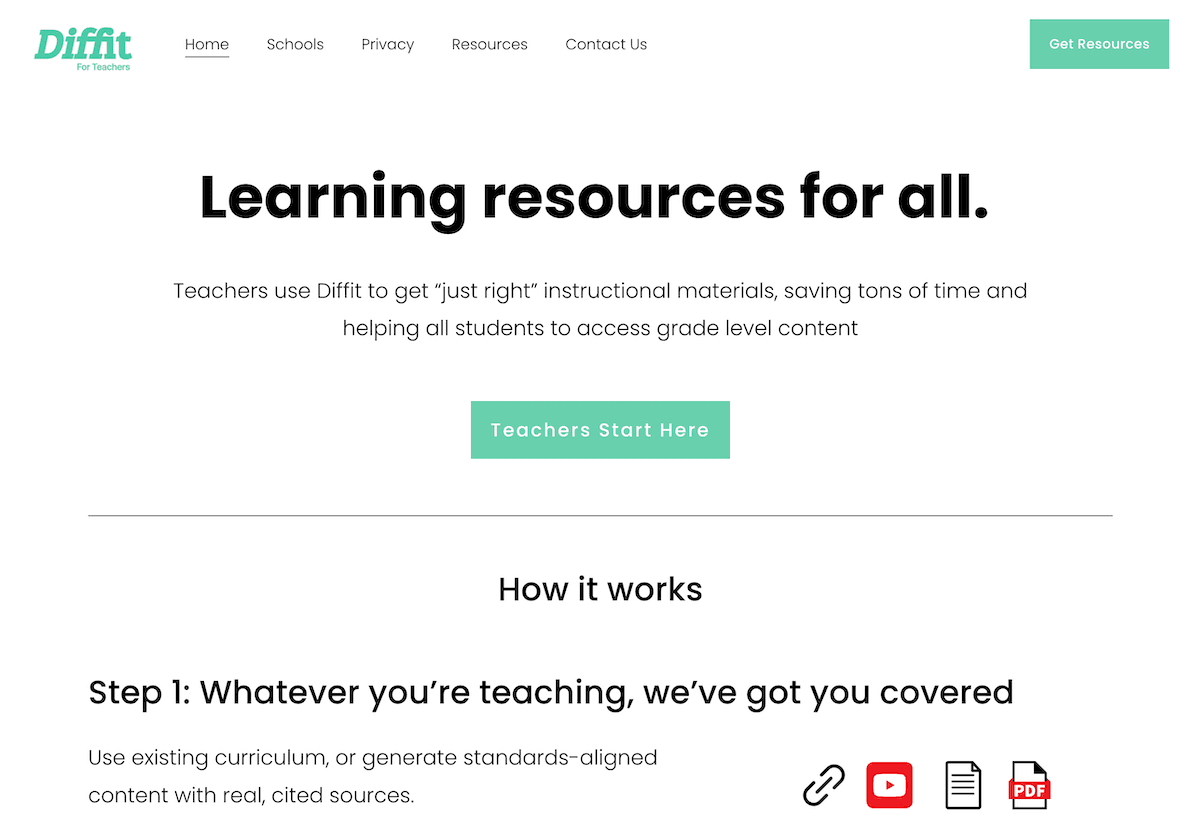
2. Gamma – Visualizing Very Different Journeys
Group work, project-based units, parent nights: educators know real learning isn’t a worksheet race. But showing how students got from point A to point Z—especially if their routes are wildly divergent—can be nearly impossible to document in a spreadsheet.
Gamma changed my workflow from “track what’s assigned” to “celebrate what was actually learned.” After every major project launch or reading cycle, I have students upload photos, draft maps, sticky note brainstorms, and peer reflections. Gamma’s AI turns these into a scrolling visual timeline or progress map—annotated, remixable, and built by the kids. Review becomes a class museum, not a test. Best of all, it’s proof for anyone who asks how you keep track of 25 different learning paths.
Try Gamma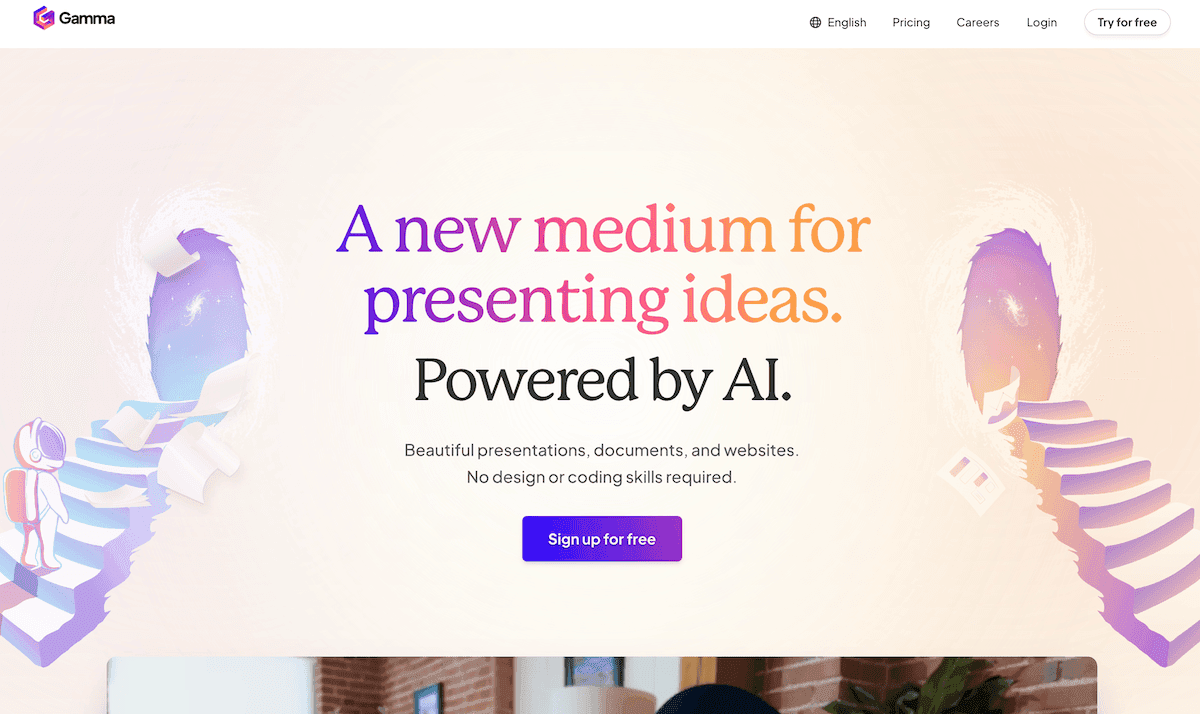
3. Kuraplan – Roads, Not Rails, for Flexible Planning
I used to dread “adaptive planning” meetings—8 open tabs, 4 rubrics, 12 exit tickets, and still the plan never fit. But I learned to use Kuraplan not as a rigid script, but as a draftable map for multiple learning roads.
I start with my anchor: unit goal, must-hit standards, and a “choose-your-own” menu of projects, texts, or assessments. Kuraplan then outlines a multi-branched unit: major checkpoints, suggested pivots, and plenty of labeled “flex blocks.” I project the map, let each group set their pace or swap assignments, and update as we go. Suddenly, differentiation isn’t extra—every kid’s unique route is part of the public planning process. Share your roadmap with parents (“here’s what your student’s group is up to!”) or admin (proof you’re meeting everyone where they are).
Try Kuraplan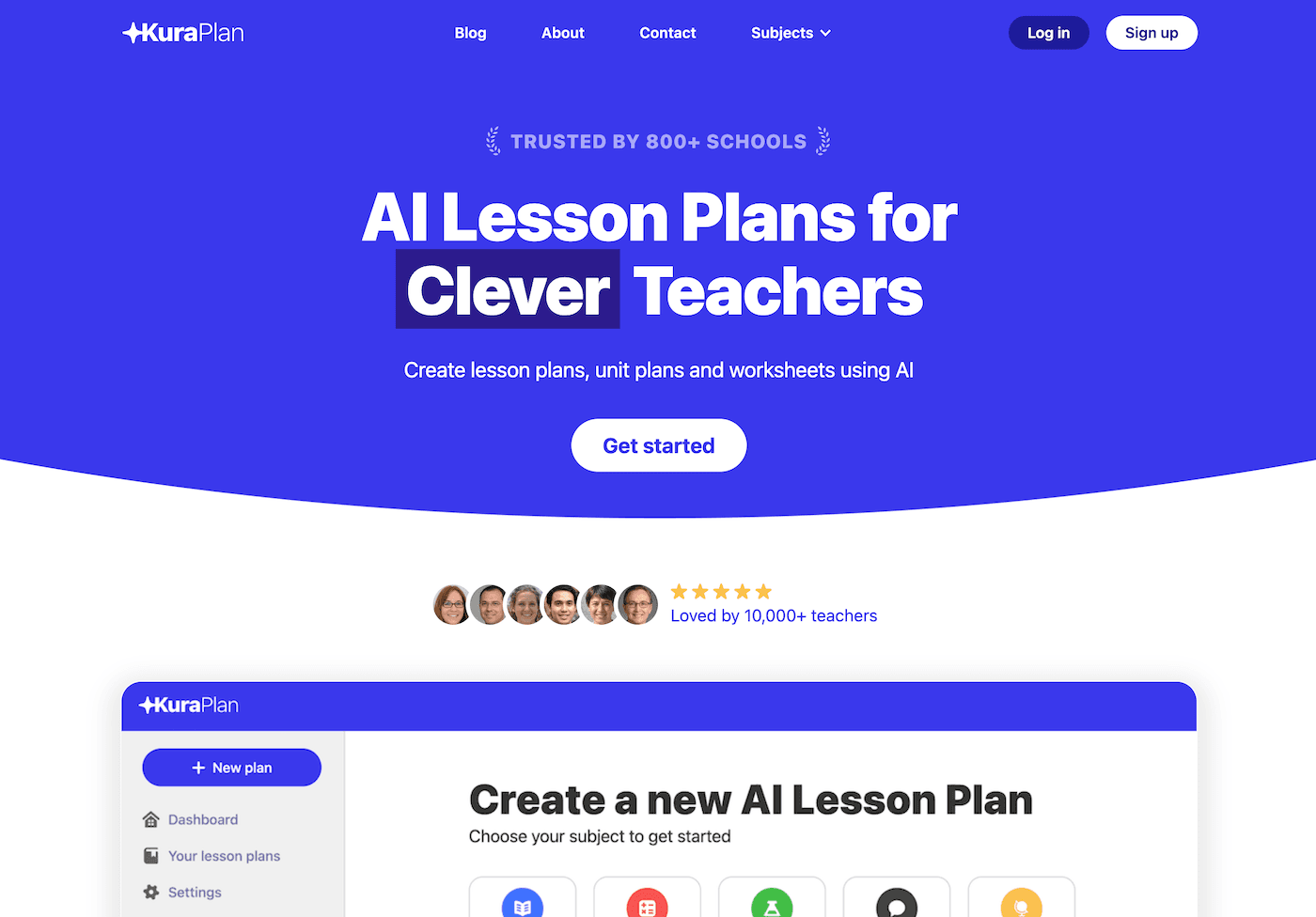
4. Jungle – Study Games That Actually Reflect Class Diversity
Most review tools reward quick finishers and leave behind your “I-can-get-there-if-the-questions-fit-me” crowd. Jungle flipped the script: after a major cycle or unit, each student (or group) made flashcards based on what they found hardest, weirdest, or most useful—often at three wildly different levels. Jungle’s AI shuffles, checks for overlap, and turns the whole collection into decks, trivia, or partner quizzes anyone can play.
My favorite trick? Let students build decks for each other: advanced groups challenge new arrivals; my language learners build “vocab rescue” cards the GT kids use for speed rounds. Everybody gets a seat at the review game, and assessment gets rebalanced, not just rehashed.
Try Jungle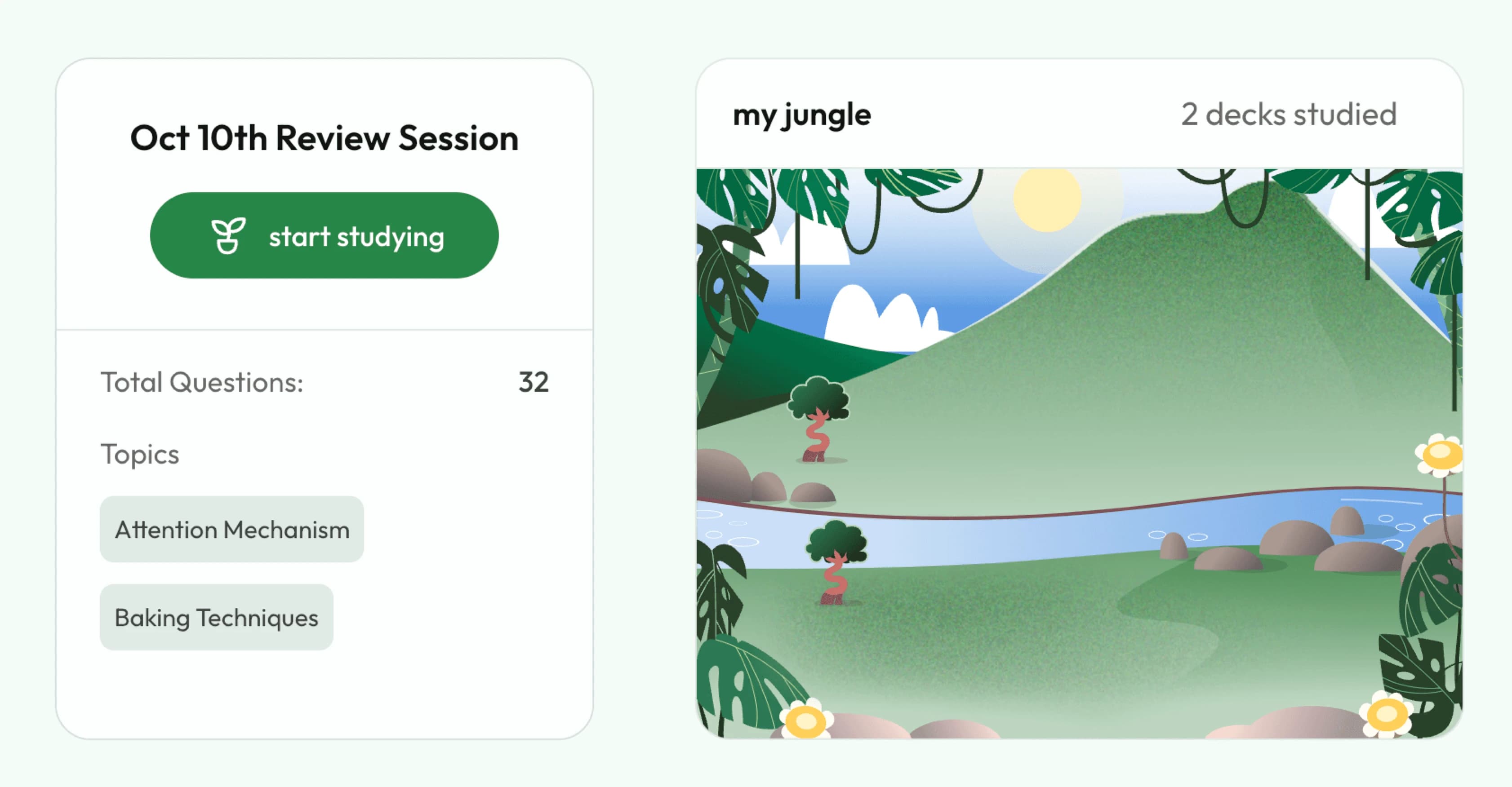
5. Magicbook – Publishing for the Many, Not the Few
The only thing my multi-level kids have ever lined up to see? Class books. Magicbook let us build anthologies for science (each group wrote, illustrated, and published their unique take on the water cycle), parody field guides for local history (with differentiated research and writing), and best-of anthologies featuring everyone—including my quietest writers and the student working three grades below. In one week, we had kids publish translated family stories, peer-edited comic strips, and podcast summaries. Publishing becomes accessible, not just extension—everyone’s work is public, and every voice gets a place in the library.
Try Magicbook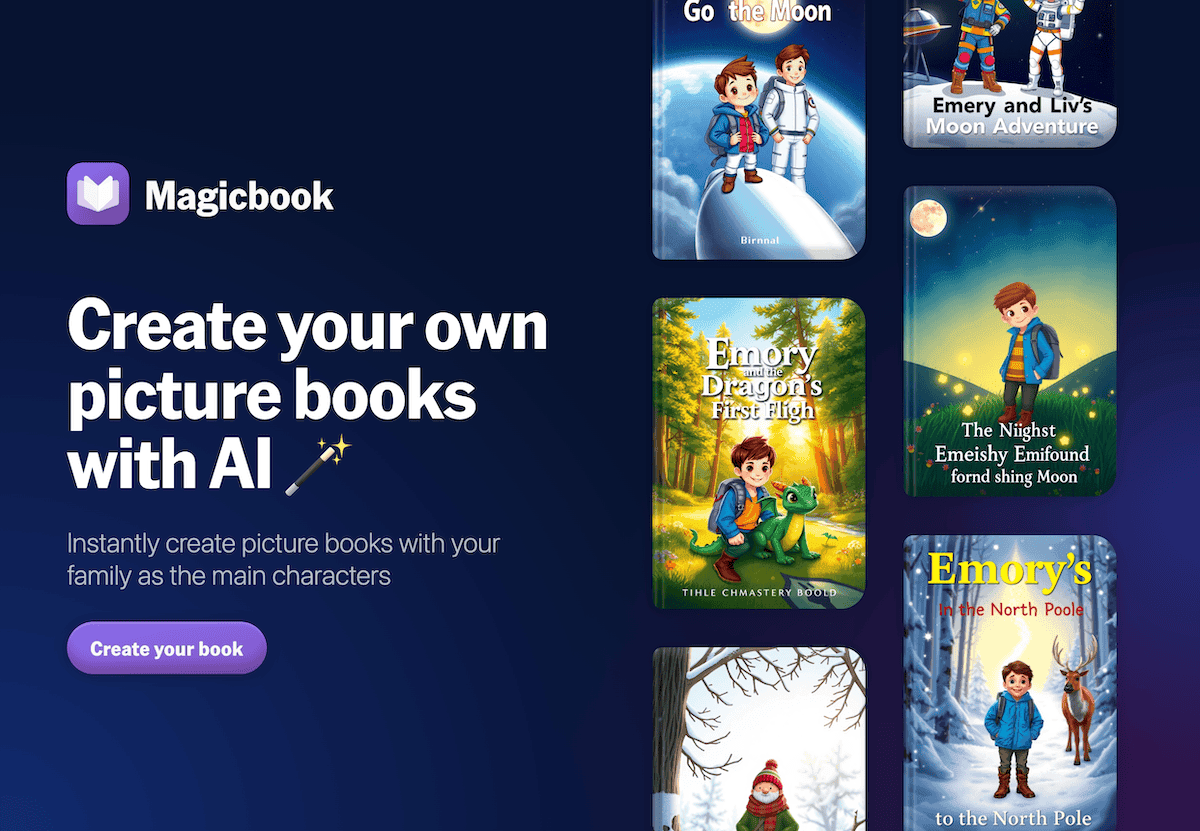
6. Suno AI – Rituals for… Well, Everyone
Think of this as the class culture equalizer. After every unit, review cycle, or big pivot, my students write prompts for Suno: “Song for the challenge that tripped us all,” “Anthem for finally getting the concept,” or “End-of-unit mood anthem (for every group).” Suno AI turns their lyrics into walk-on and closure music. Instead of just celebrating the “winners,” your whole class marks progress, grit, and even being “stuck” as a team ritual. The kid with accommodations and the debate-ready future lawyer both leave humming. When everyone has a voice in ritual, everyone belongs—no matter their route.
Try Suno AI
Real Advice for Genuinely Unique Classrooms
- Show the process, not just the product: Gamma and Notebook LM make every distinct learning journey visible.
- Start maps that invite detours: Use Kuraplan or your tool of choice to sketch, adapt, and publish class roadmaps—let students co-edit the journey, not just “pick the right box.”
- Review, publish, and celebrate at every level: Use Jungle, Magicbook, and Suno to build shared learning tradition—not just single-answer tasks.
- Never let tech flatten your class: The best tool is always the one that amplifies difference—not the one that automates sameness.
Are you a teacher who’s made differentiation work through AI workflows or wild rituals? Share your survival strategy, deck hack, or best group artifact below! If we build classrooms where “different” is normal, every student (and every teacher) can succeed their way.