7 AI Tools for Teachers Who Think Beyond Tests
If your best class moments happen when you ditch the test review and let students question, build, or connect to real life, you’re not alone. Even in 2025, so much edtech still targets speed, scoring, and… not much soul. But the true magic—the curiosity, collaboration, even the chaotic detours—happens far from scantrons, in the projects, debates, and authentic work you (and your students) actually remember.
I’m a high school teacher who’s taught everything from civics to bio to film studies. This past year, I set out to see: Can AI be more than a quiz-maker? Could it help me deepen thinking, broaden skills, and ease my test-prep guilt—without sacrificing rigor? The answer: yes, but only with the right hacks. Here are the AI tools that actually made my PBL (project-based learning), inquiry, and portfolio workflow better—not just easier.
1. Notebook LM – From Brainstorm to Authentic Evidence
Imagine the classic research pile: sticky notes, TED Talk links, exit slips, podcast episode fragments, and fifty “Did I email that student’s interview transcript?” questions. Normally—good luck tracking any of it for authentic assessment. Now? I train project teams to dump everything into Notebook LM. The AI organizes connections, pulls recurring themes, even suggests discussion scripts for our class end-of-unit roundtables. Students run their own group debriefs, create podcasts, and curate actual learning evidence (not just fancy binders). No more chasing reflection sheets, and admin finally sees the thinking that tests can’t reach.
Try Notebook LM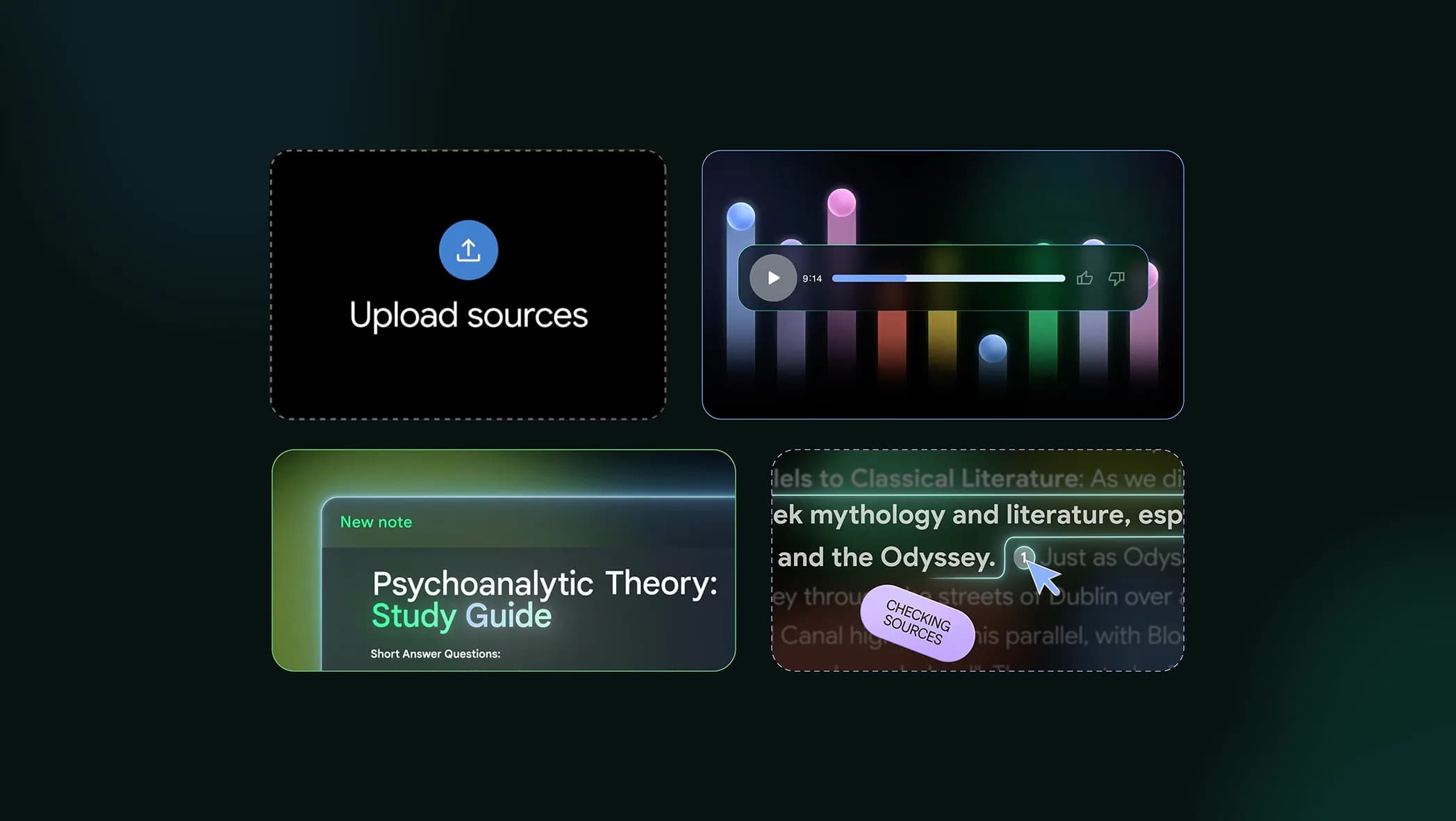
2. Kuraplan – Project Skeletons You Can Break
Kuraplan isn’t about prepping the perfect quiz unit. It’s my go-to for building project backbones: timelines, checkpoints, peer feedback days, and even family communication templates. The power move: I let students tip in their own driving question, then we rip up half the AI’s outline, remix checkpoints, and assign self-chosen exhibition dates. Instead of a locked pacing guide, Kuraplan is a living scaffold for student-directed inquiry and “real world” projects—the bones you intentionally fracture to fit your class’s needs. Best of all? When admin wants a schedule, you have rigor on paper—without killing the creative energy.
Try Kuraplan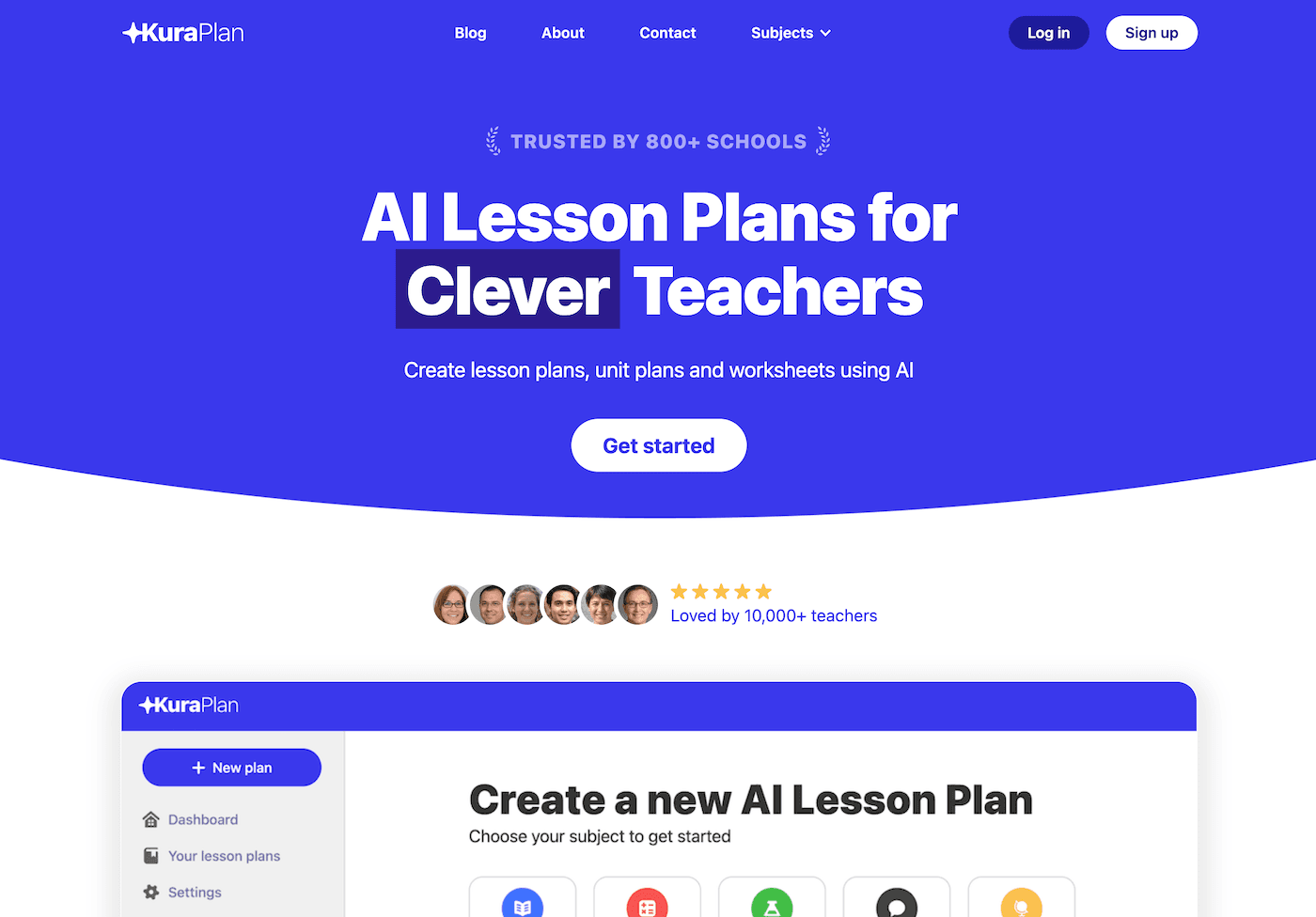
3. Gamma – Making Process Public (Not Just Results)
Ever wish families and admin could see how students struggle, revise, or collaborate—not just the grade or final product? I use Gamma as a project storyboarder. My students upload timeline photos, brainstorm notes, peer feedback, debate polls, failures, even “what we changed after our first prototype.” The AI gives us beautiful, scrollable galleries (think: student-driven documentaries!) that spotlight the mess, the pivots, and the pride. We project these at community nights, share them with panel judges, and use them as reflection fodder before revising. It’s more honest—and more meaningful—than any number on a state test.
Try Gamma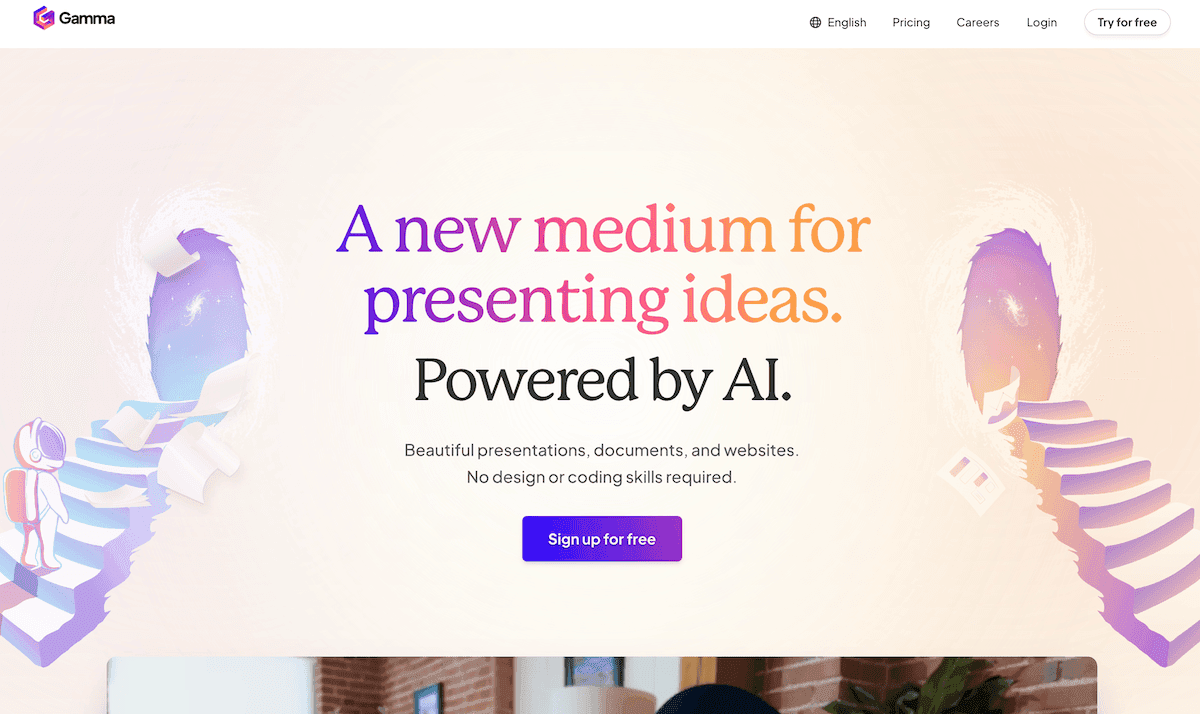
4. People AI – Higher-Order Simulations on Demand
Standardized tests rarely capture the fire of a great debate, trial, or interview. When I want students to think on their feet, I use People AI: students invent or choose historic, literary, or future figures, then host unscripted, in-character debates or interviews live with the AI. We’ve staged climate summits, media critic panels, and “ask the Constitution’s authors” sessions. It’s a safe, engaging way to demand analysis, argument, and empathy—assessments no multiple choice can ever touch. (Bonus: works great for reluctant speakers or English learners, who script and test questions before going live.)
Try People AI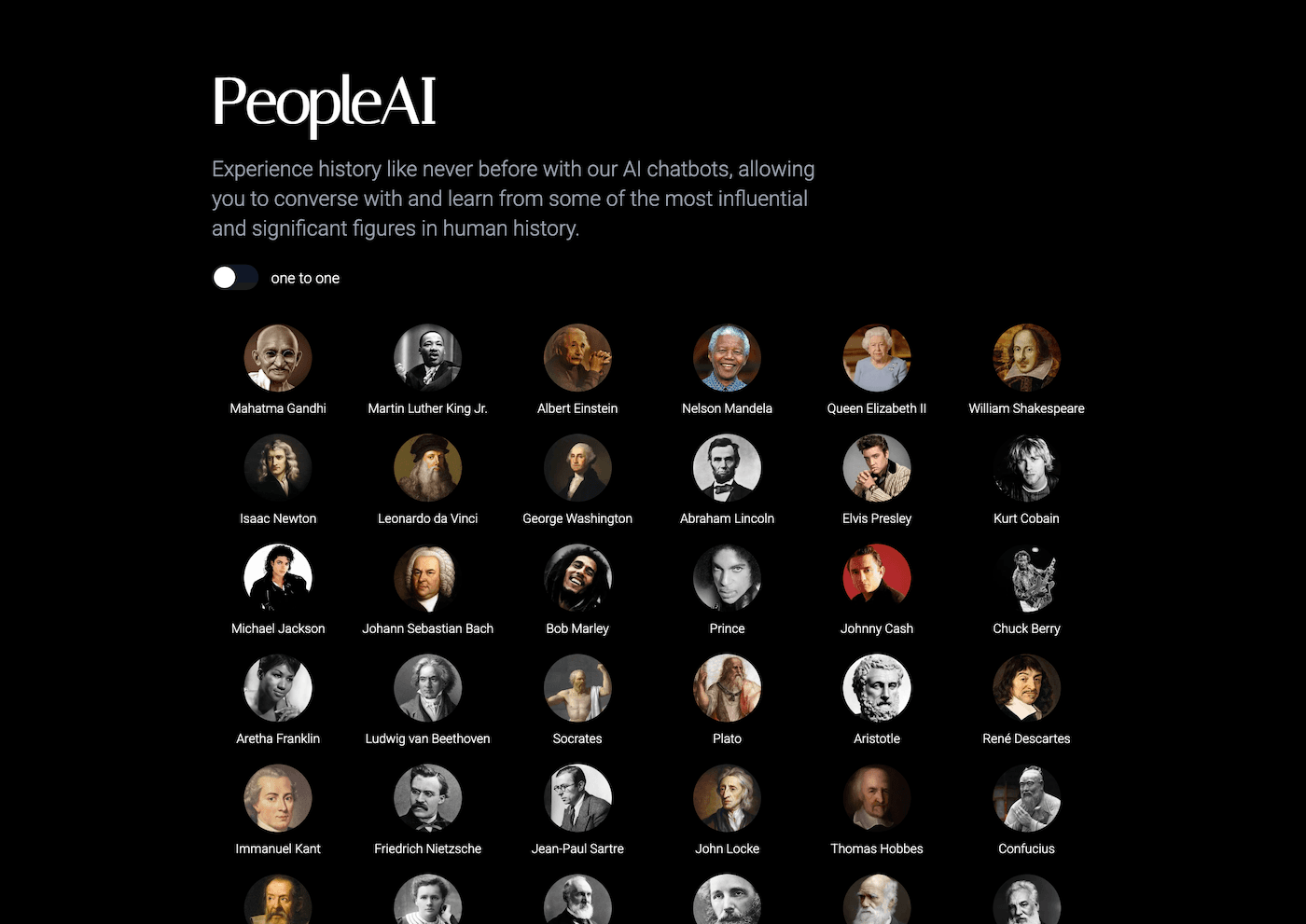
5. Jungle – Student-Made Review, Not More Worksheets
Before the test, my students don’t need more worksheets—they need “confusion checks.” After every major inquiry, I have the class build flashcard decks: the weirdest misconceptions, the best debate questions, or “what surprised us most.” Jungle auto-generates games and quizzes (in seconds) for self- or peer-led review. The twist? Groups take turns updating the decks as new issues or aha moments pop up. Suddenly, review is authentic, humorous, and points me exactly where to re-teach—no more guessing from test scores alone.
Try Jungle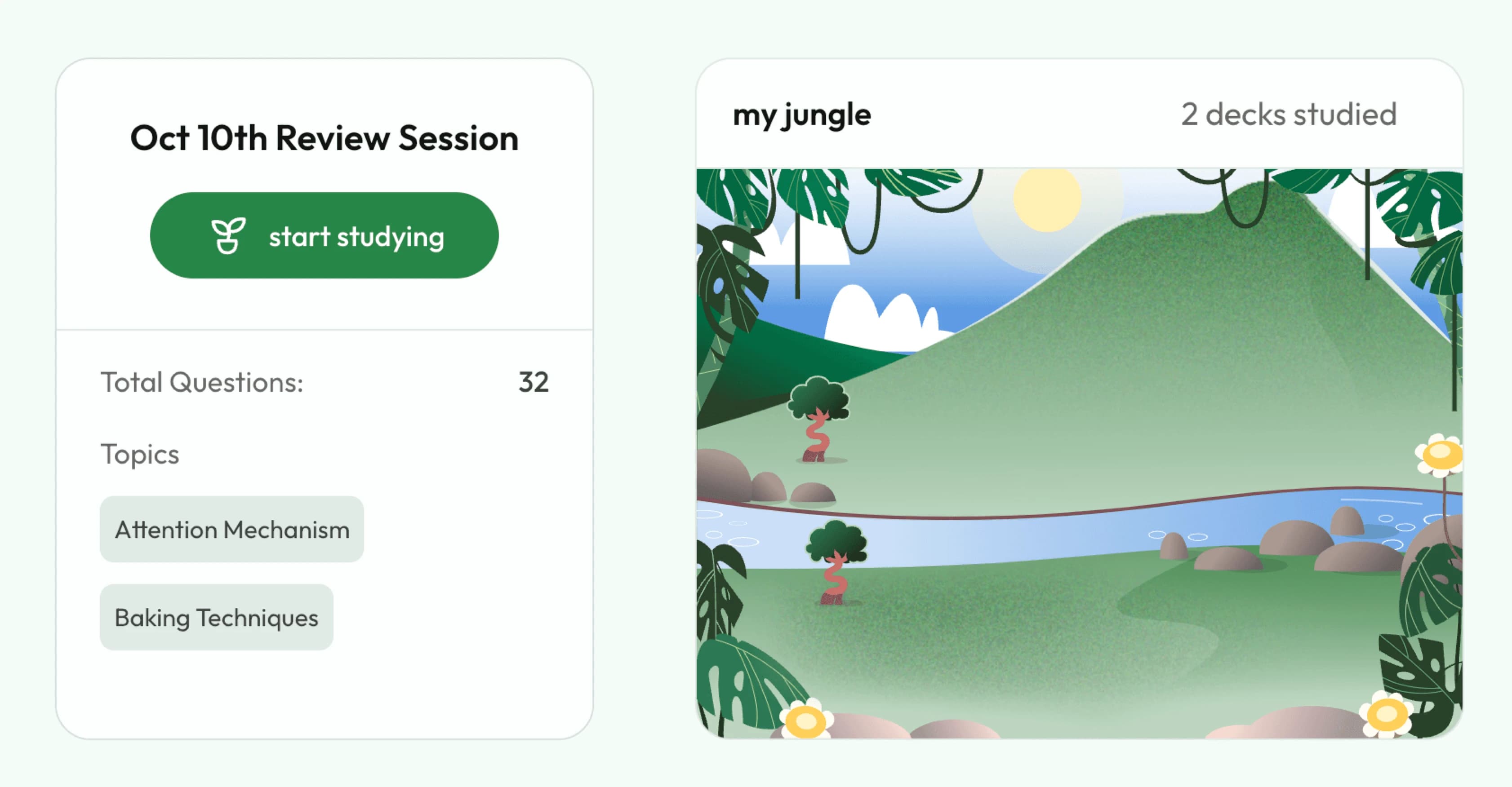
6. Diffit – Making Authentic Sources Actually Accessible
If you want authentic work (real news, scientific data, primary docs), you know the drill: only half your students can read the source as-is. I use Diffit to drop in any text or transcript, then spawn versions—all levels, all with vocab, and step-wise questions. Now, my inquiry groups can tackle “the real thing,” compare versions, and use their chosen articles for research and projects—no more fake “grade-level” readings. It’s differentiation-as-inclusion (and my mixed-level teams finally have equity in choice and voice).
Try Diffit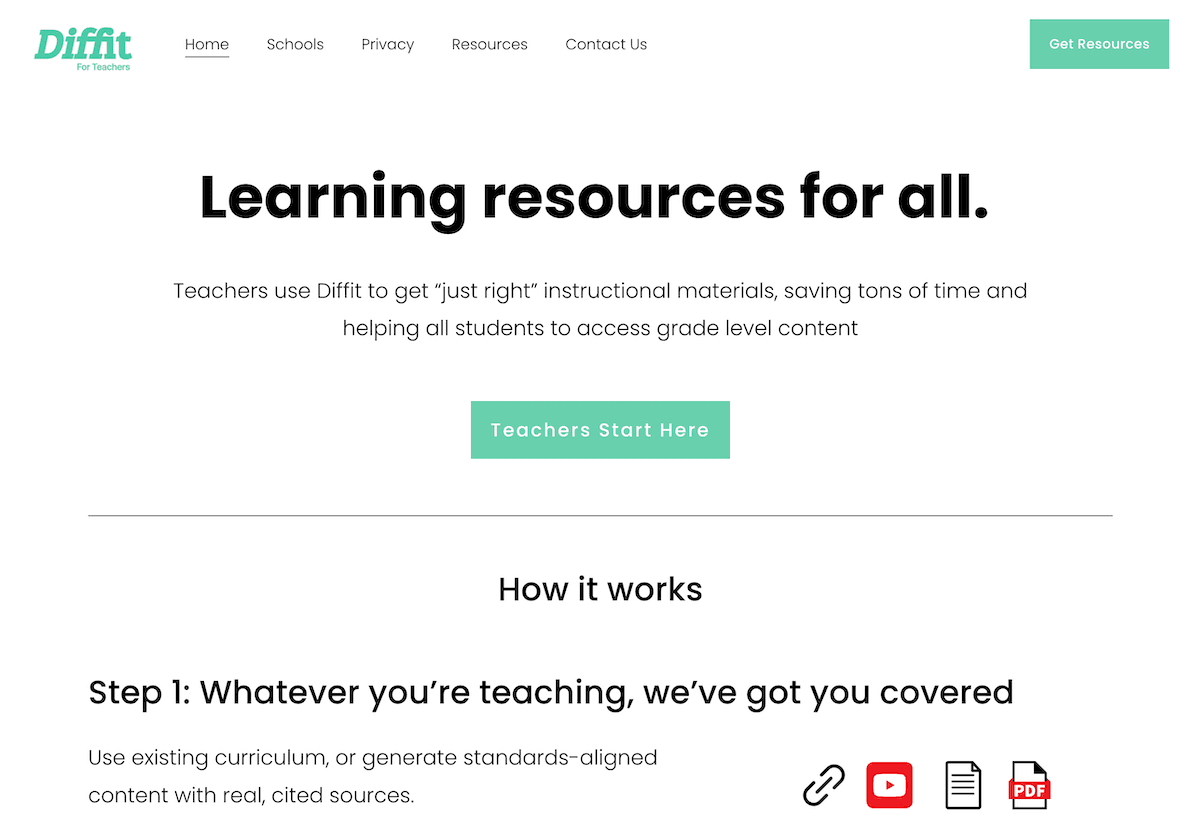
7. Suno AI – Rituals & Reflections That Matter
Forget test-day stress. The best project and inquiry classes run on ritual and celebration. Suno has become my group’s soundtrack: for every project launch, peer critique, or final showcase, my class writes prompts (“Idea Day Anthem,” “Failure Ballad,” “Pitch Night Hype”). Suno spins out a chorus we play for transitions, reflection, or just to close out crazy weeks. No, it’s not “data”—but you feel the pride and momentum. For students who dread grades, these rituals become the memory they keep.
Try Suno AI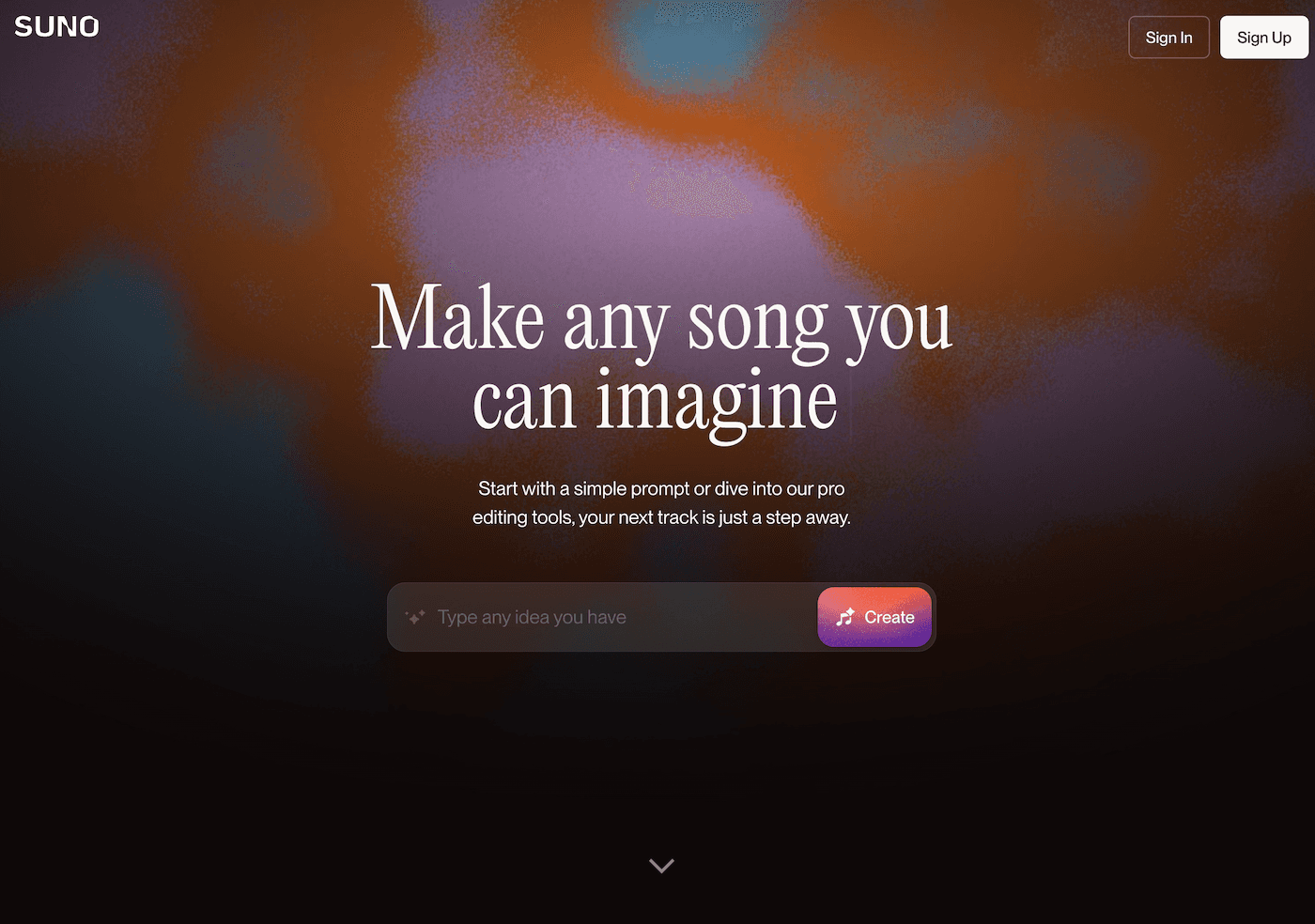
For Teachers Who Refuse to Let Testing Define Them
- Use AI as a creative, student-facing partner—not a test generator. If it’s only about speed or scoring, skip it.
- Make documentation public and process-focused: the right tools let you (and your students) narrate learning, not just report it.
- Always invite student remix: co-create plans, review games, and final deliverables, and let students break, edit, and personalize every scaffold.
- Celebrate what tests never see—process, pivots, and progress. AI can’t make you a better teacher, but it can give you, and your students, more time for real learning.
Have you used AI to build—rather than flatten—student voice, thinking, and authentic work? Share your favorite workflow, hack, or challenge below. The world has enough bubble sheets. Let’s make 2025 the year real learning gets the spotlight it deserves.