6 Underrated AI Tools for Teachers Who Love Building Community
Some teachers dream in unit plans and rubrics. But if you’re the kind who starts every year dreaming up class rituals, student showcases, cross-grade collaborations, or family events—this post is for you. Classrooms are communities first: places where belonging, voice, and shared joy shift the energy more than a million worksheets ever could.
This year, I set out to find AI tools that help strengthen class culture—not just automate lesson planning or grind through grading. Below are six I tested with real students and colleagues. Some are famous for other features, but hiding inside are community-building hacks you probably haven’t tried. (And yes, I’ll cover how Kuraplan snuck into my advisory and class rituals, but it isn’t the only hero here.)
1. Gamma – Collaborative Class Journals and Celebrations
Forget slideshows just for teaching. My biggest win this year was using Gamma to let students curate memories together. Each week, groups dropped their favorite photos, quotes, inside jokes, and class "wins" into a shared Gamma project. By Friday, we had a living slideshow—more like a yearbook-in-progress than a lecture deck. We used it for birthday shoutouts, "thank you" notes to staff, even highlighting student-led fundraisers. The whole vibe: our classroom is ours, not just mine. At semester’s end, we sent our Gamma journals to families (teary email replies, I promise you!).
Try Gamma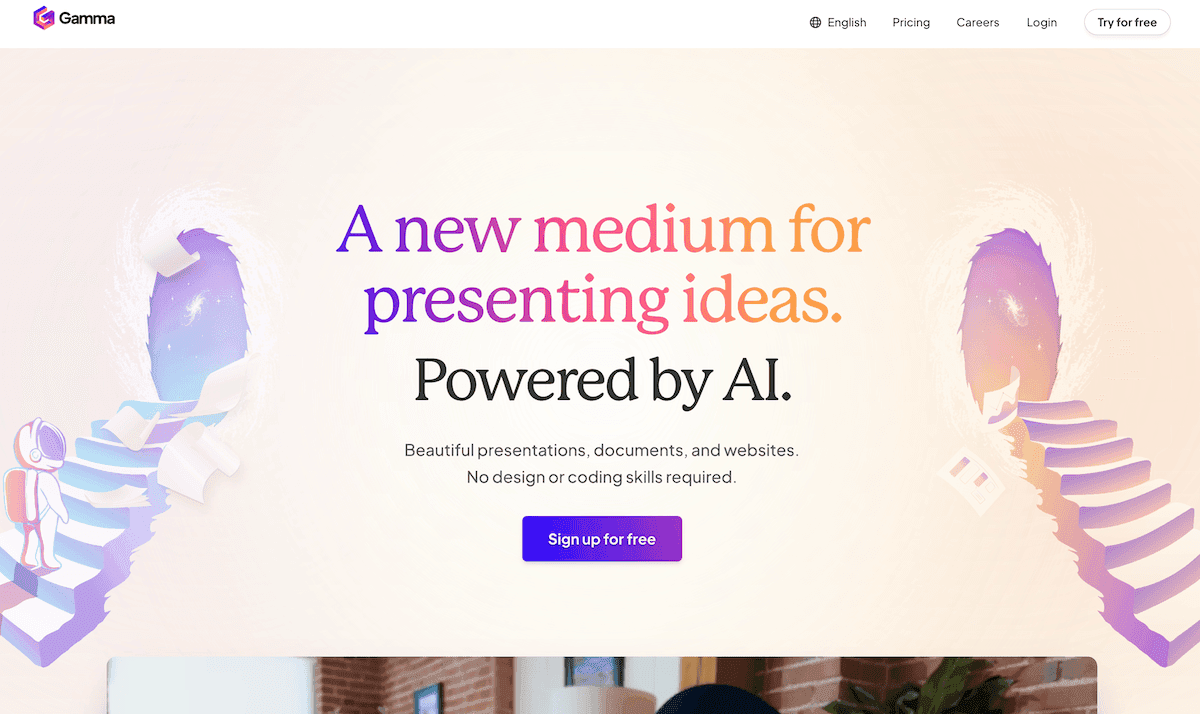
2. Jungle – Student-Authored Community Values Flashcards
Morning meetings and advisory blocks mean constant reminders about respect, teamwork, and classroom rules. Boring, right? Instead, I challenged every table to design 2–3 flashcards that captured the unwritten rules of our community, or secret tips for surviving our class. Jungle turned these into a living deck—used for start-of-term icebreakers, new student orientation, and restorative circles. Students loved making “most creative apology,” “ways to cheer up a partner,” and even “favorite team-building games” cards; it became an evolving tradition, not just compliance.
Try Jungle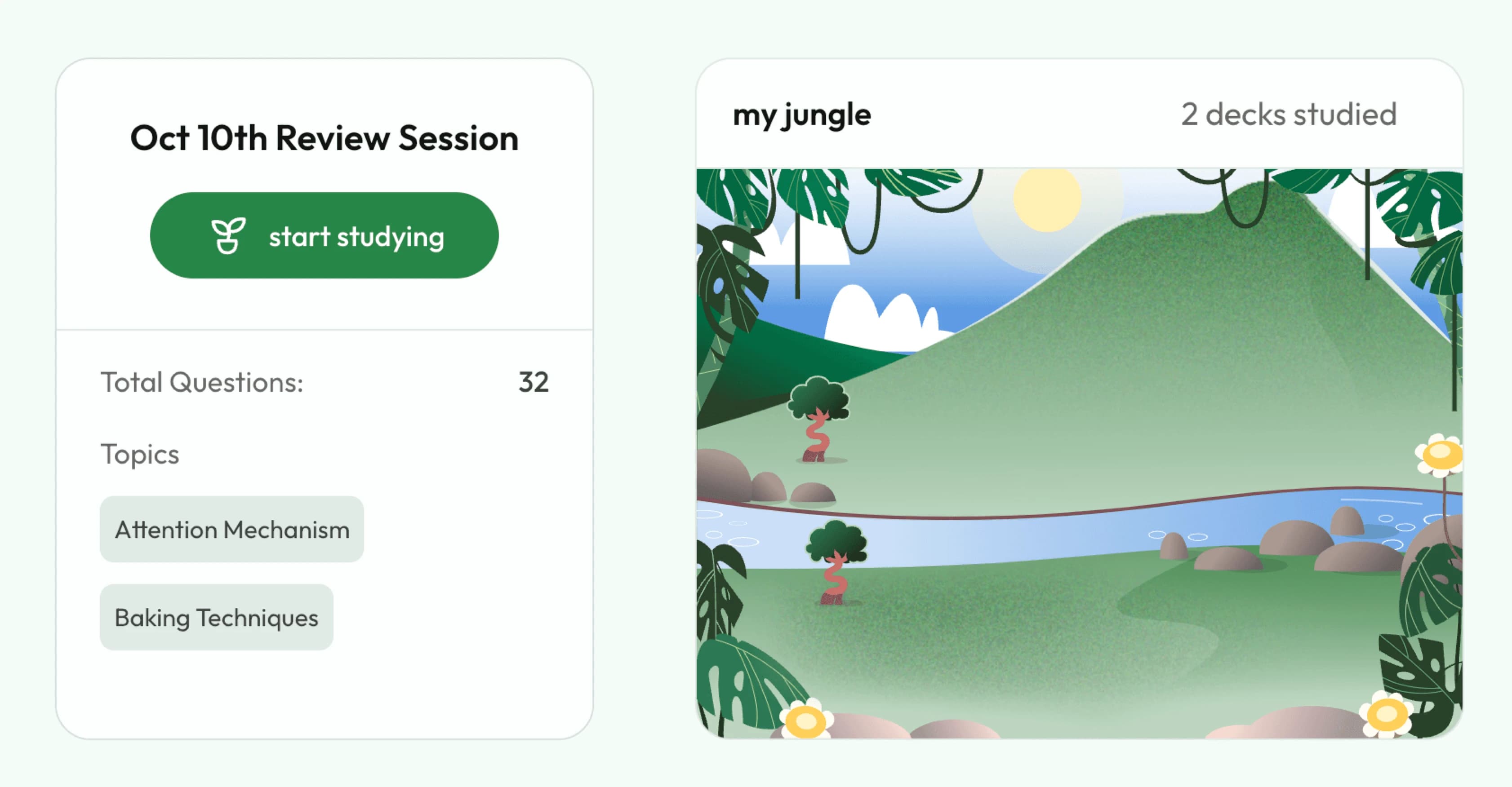
3. Kuraplan – Rituals, SEL Checkpoints & Community Projects
I’m already a Kuraplan planner devotee, but the biggest surprise? How much it helps when you treat community-building as a formal part of your curriculum. I use Kuraplan to map out the cadence of class rituals—weekly shoutouts, empathy interviews, family pizza nights, talent shows—and embed check-ins that focus on “How are we feeling?” alongside “What are we learning?” For our class service project, Kuraplan generated phases, reflection prompts, and even family letter templates: suddenly the teamwork logistics became less daunting, and I could focus on celebrating the crew, not just managing the chaos.
Try Kuraplan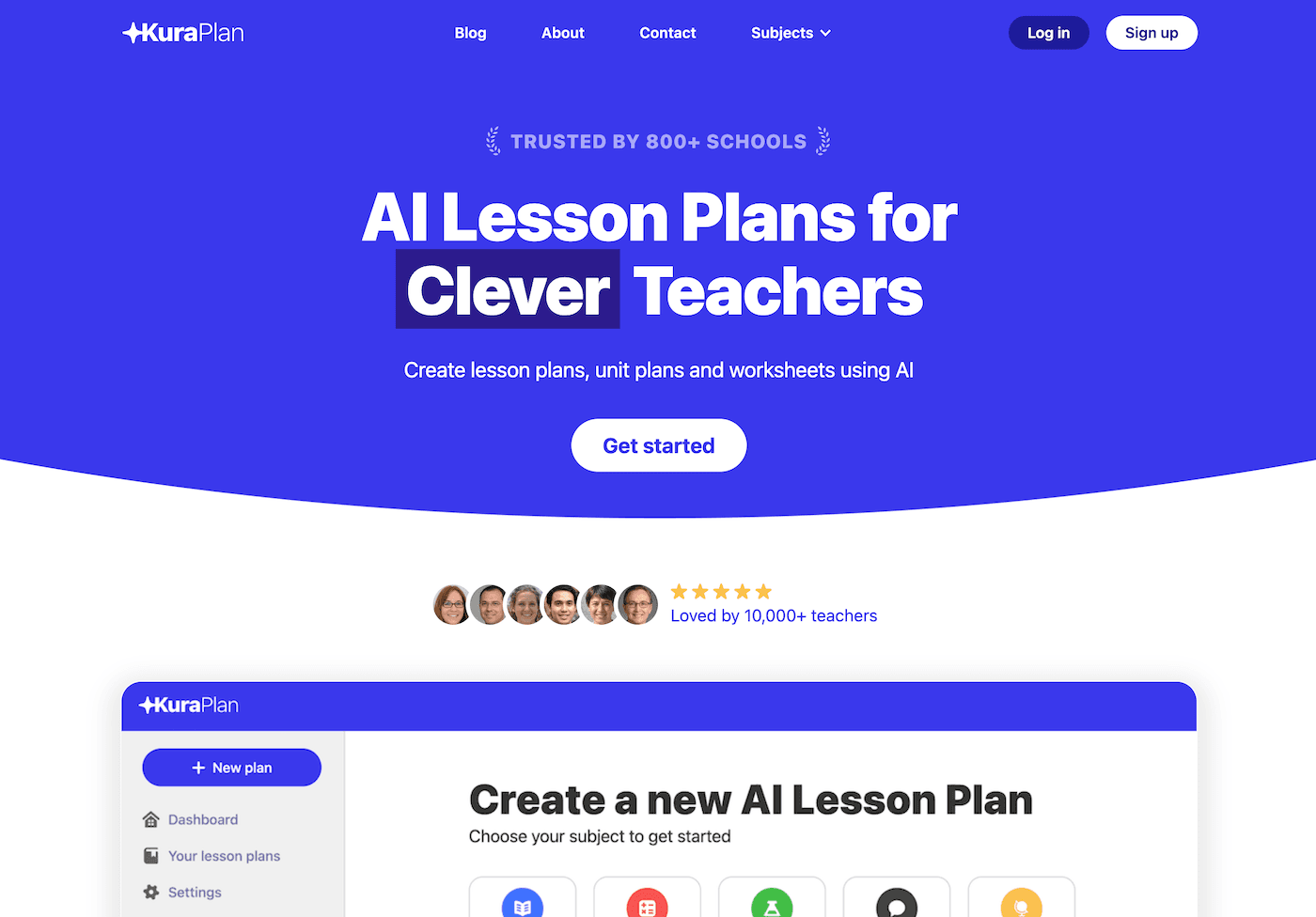
4. Suno AI – Creating Custom Community Anthems & Celebrations
No, it’s not just for content raps. With Suno, my class writes lyrics for our own belonging songs: “Our Class is a Village,” “Friday Fails & Friday Wins,” or shoutouts to the cafeteria staff. Kids (and sometimes families!) submit lyric snippets, then Suno puts it to music. We use the tracks for morning entries, post-test pick-me-ups, or end-of-semester video montages. At our culture night, parents said the anthem was the best part—way more fun than PowerPoint. The class playlist is now a point of pride, not cheesy punishment.
Try Suno AI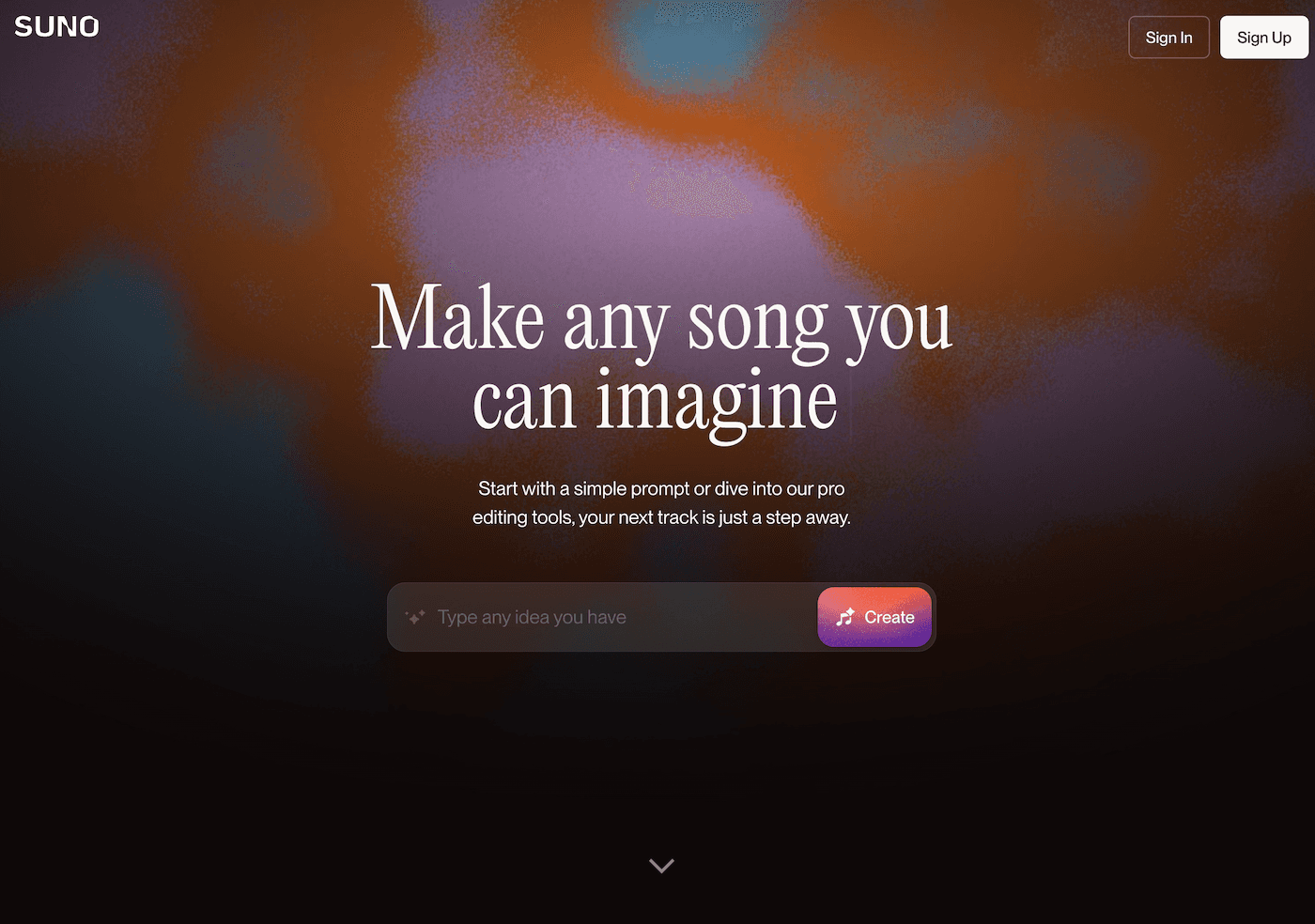
5. People AI – Real-World Conversation Guests for SEL & Teamwork
Guest speakers can change culture—but few schools have the resources for regular visits. I use People AI for student-run empathy interviews: students brainstorm traits of (fictional or real) "great teammates," "supportive friends," or “resilient leaders,” then run small-group interviews with those AI personas. We use the responses to launch journal reflections, start mediations, or kick off group projects. When a difficult issue surfaces (say, conflict over group roles), someone always suggests, "Can we ask 'Supportive Sam' what he’d do?" The act of practicing community conversations—no pressure, no embarrassment—boosted trust in ways I didn’t expect.
Try People AI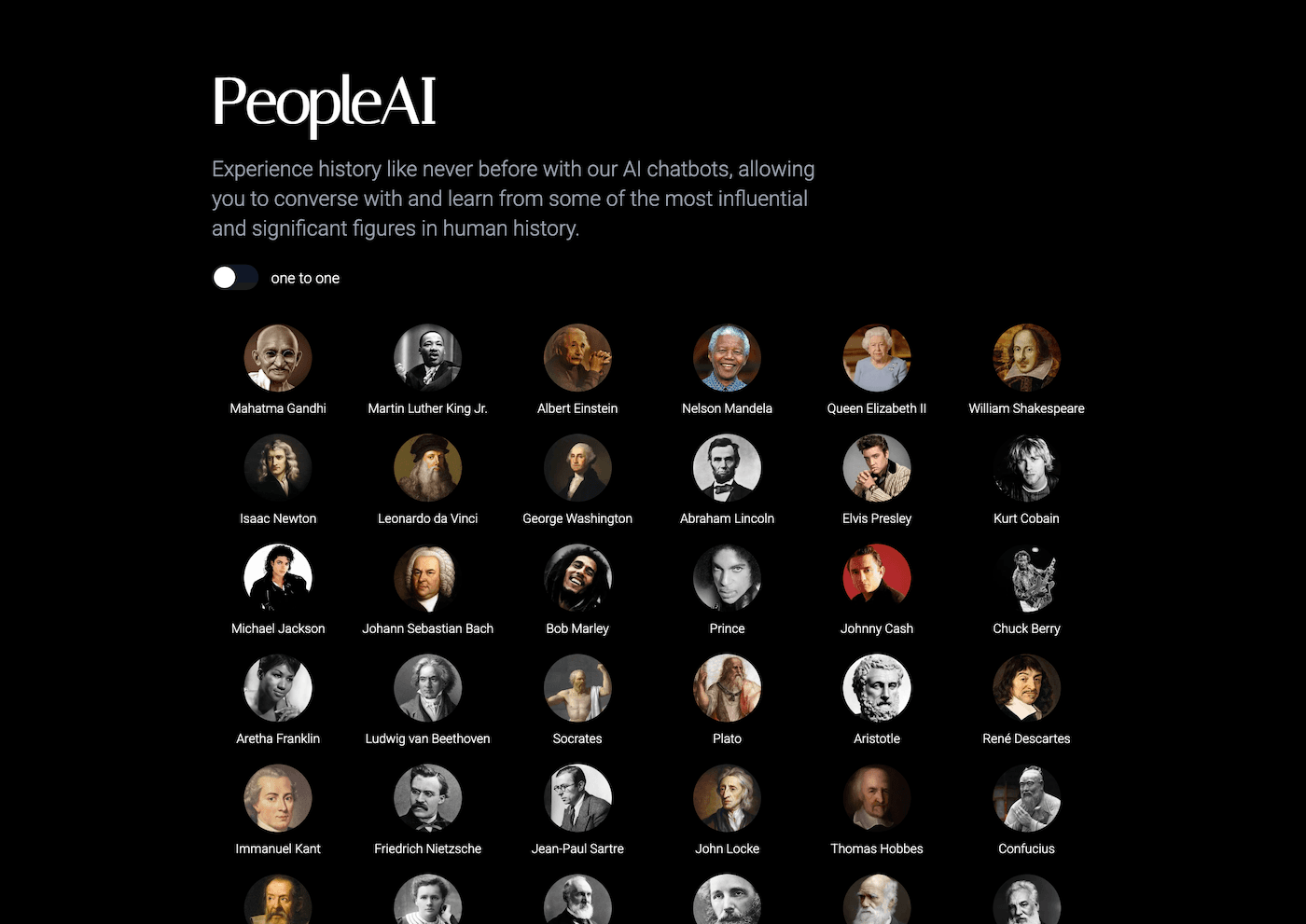
6. Notebook LM – Curating a Living Class Memory Book
This one was the wildest experiment—and ended up as my students’ favorite! After major events (first field trip, failed science fair, hilarious assembly), I had students toss voice notes, quick stories, “what I wish we’d filmed” moments, and even favorite complaints (“Why are our chairs SO loud?”) into Notebook LM. Every few weeks, the AI helped thread together common themes, invented running jokes, or even spun up a podcast episode script. We would debut each "episode" at class meetings, often inviting parents or staff for a listen. Our Notebook LM archive is now the best evidence I have that classroom culture sticks—even for students who never raised their hand all year.
Try Notebook LM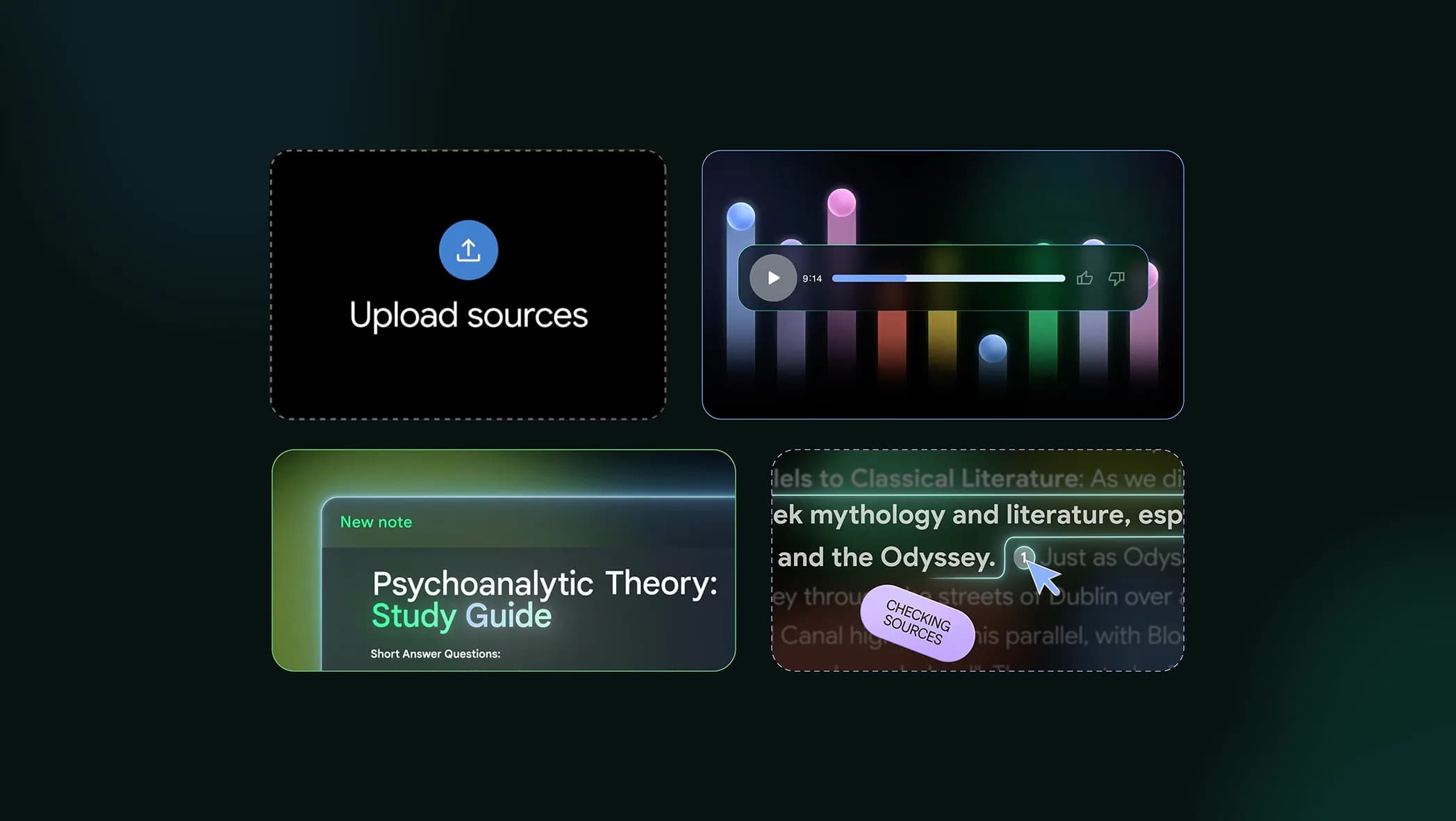
Advice from a Teacher Who’d Rather Build Community than Just Curriculum
AI can automate the stuff you don’t have time for—but it can also help you grow the heart of your classroom if you let students co-create the memories, rituals, and values that make school matter. My tips:
- Treat class culture as its own content—use tools to scaffold belonging, not just standards.
- Invite students (and families!) to make, remix, and document the journey—nothing connects like an in-joke, a shared playlist, or a class podcast.
- Don’t just automate “community;” let tech help you spotlight genuine voices, creativity, and care.
The best AI for class culture is the kind you never notice—because it lets the humans shine brighter. If you have a favorite class tradition, student-led hack, or surprise AI win, drop your story below. Let’s fill these schools with real connection, even in the age of the algorithm.