6 AI Tools for Teachers Who Love Building School Community
If you’re the kind of teacher who finds as much joy orchestrating a cross-grade mural as you do in the classroom—if you’re known for helping the library run a book night, launching family math sessions, or getting the whole school excited for poetry month—this post is for you.
I’m an ELA teacher by contract, but I’ve always seen my real work in the “in-betweens”: connections across grades, staff, and families. For years, tech tools were only there to grade or organize—rarely to help build a thriving, visible, and joyful school culture. But in 2025, a new set of AI tools is helping the teachers who want school to be a community, not just a set of classes. After a year organizing heritage fairs, student publishing projects, and our first school-wide “Genius Week,” here are six AI platforms I now keep open every month—not just for my classroom, but for the community we’re building together. (Kuraplan is here early, because mapping school-wide projects matters, but the rest of these are pure connection-makers.)
1. Gamma – The "School Gallery" Your Families Brag About
Forget emails lost in spam or newsletters no one really reads. After every event—Book Character Day, Science Expo, Family Art Night—our staff dumped photos, student quotes, and behind-the-scenes notes into Gamma. The AI automatically assembled a gorgeous, scrollable slideshow for the school website or entryway: PTA parents could click through kids' reflections, admin could comment, and shy students got a spotlight for their museum label or invention timeline. (Best tip: let students curate weekly "school community galleries" so culture-building becomes a student tradition, not just more work for staff.)
Try Gamma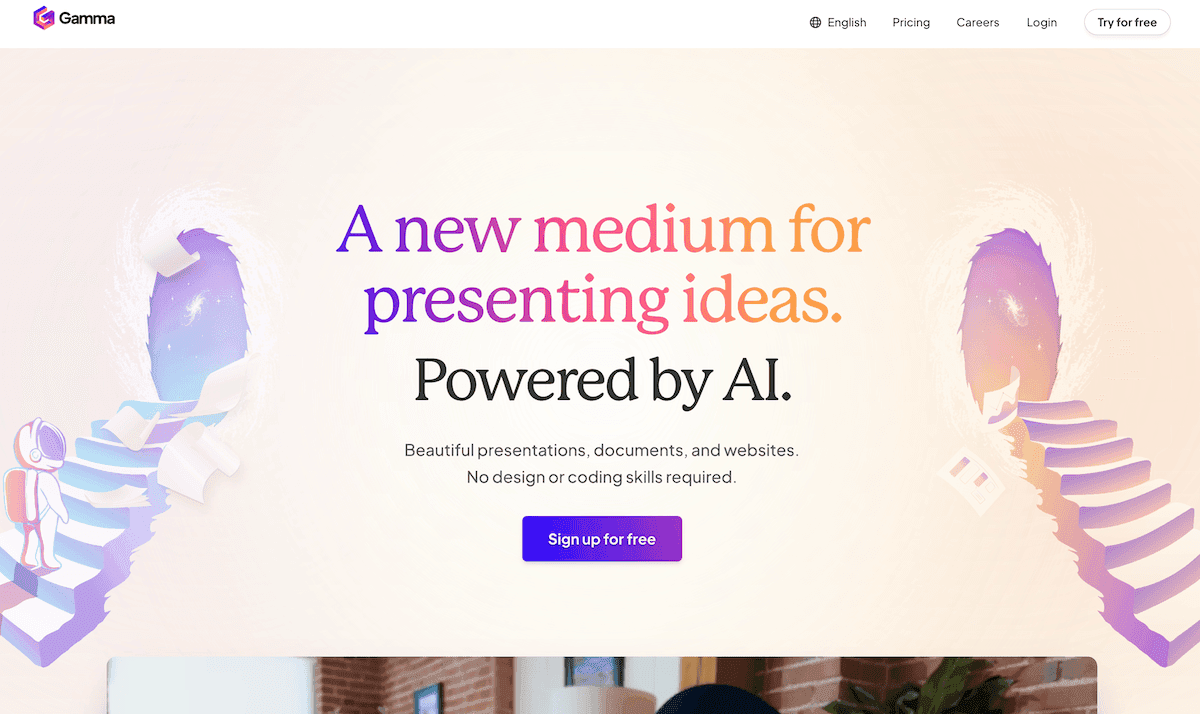
2. Kuraplan – Mapping Schoolwide Events, Clubs, and Projects
Project-based learning is one thing; wrangling all the moving pieces across an entire building is another. Kuraplan became our collaborative backbone for every school-wide push: our Genius Week had a roadmap shared between electives, ELL supports, and the counseling team. Each stakeholder plugged in key dates, required skills, and check-in rituals. Every Friday, we projected the Kuraplan timeline for student leaders and group organizers to adjust. When the science teachers wanted to tack on a garden build and the art room prepped for mural day, it all clicked into one living plan—visible to admin and every new student group that joined midstream. Kuraplan made coordination across a hundred moving parts feel possible (and even, sometimes, fun).
Try Kuraplan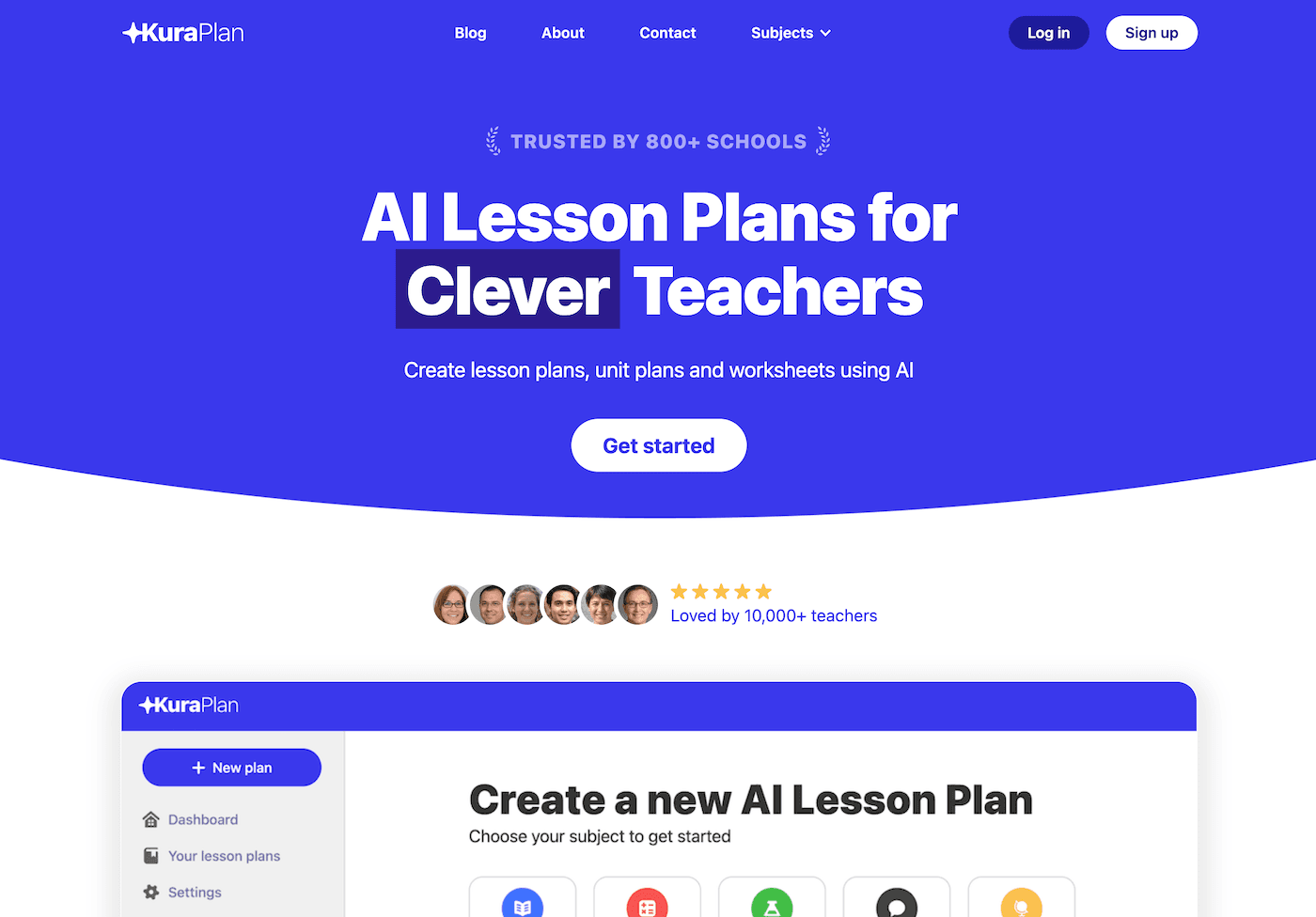
3. Magicbook – Publishing Community Stories (Not Just Student Work)
Class anthologies are wonderful, but Magicbook gave us a tool for publishing school-wide, community-centered storytelling: last spring, every advisory contributed a page to our "Voices of Our School" book—true stories, family anecdotes, original art, poetry, and even recipes. During family night, we handed out digital or printed Magicbooks. The effect: even the quietest student or support staffer got recognition; ELL parents we’d never met sent thank-yous for seeing their child’s work celebrated. The Magicbook tradition now lives on—every club, parent affinity group, or team can start a book and share it across years. True connection, not just digital portfolios.
Try Magicbook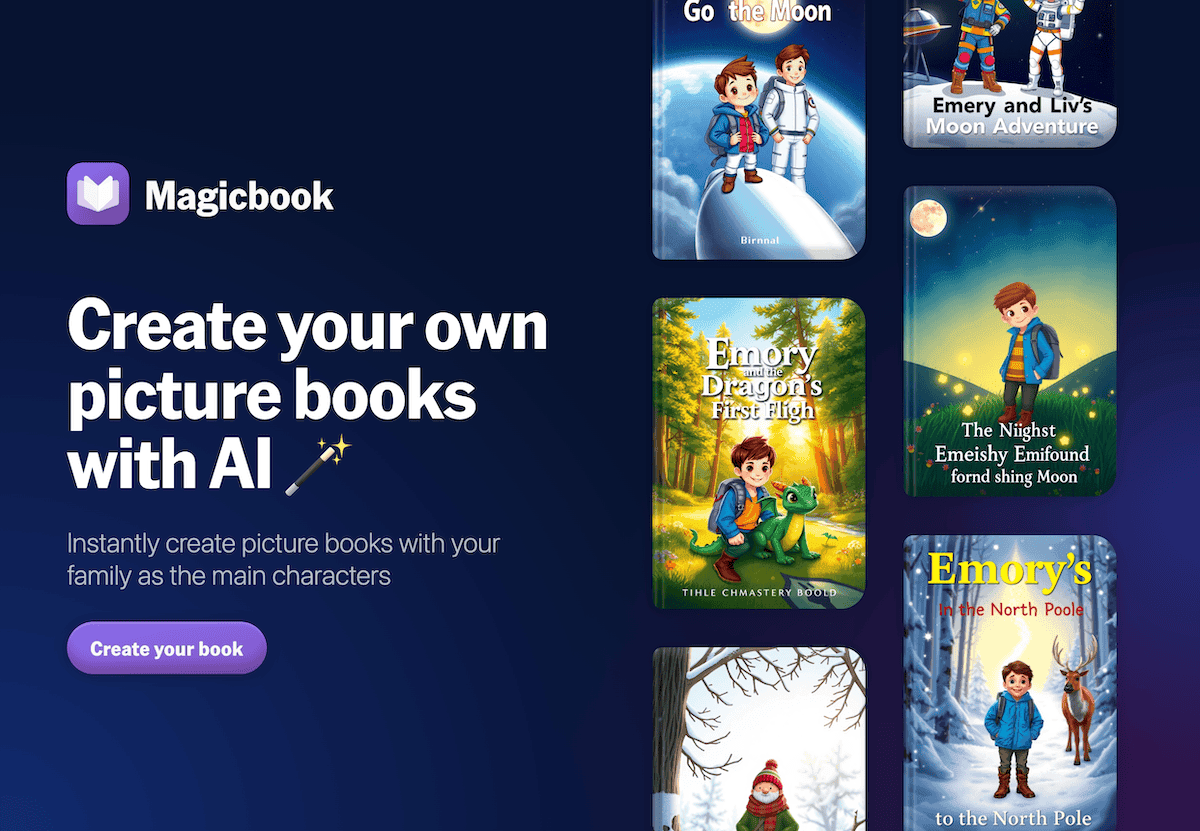
4. Diffit – Translating and Adapting Every Community Resource
Building school community means everyone can participate. Diffit saved us for communication, event prep, and even student-led announcements: whenever the principal, a club, or our family engagement team had a flier, a website post, or a news update, I ran it through Diffit for instantly leveled, home-language-friendly, and vocabulary-scaffolded versions. Family nights, student art walks, and community reading challenges all became more accessible (and parents reported finally understanding how to join).
My workflow tip: let student leaders “Diffit” the next event invite and present it at assemblies—agency meets inclusion, with no extra work at 8pm for staff.
Try Diffit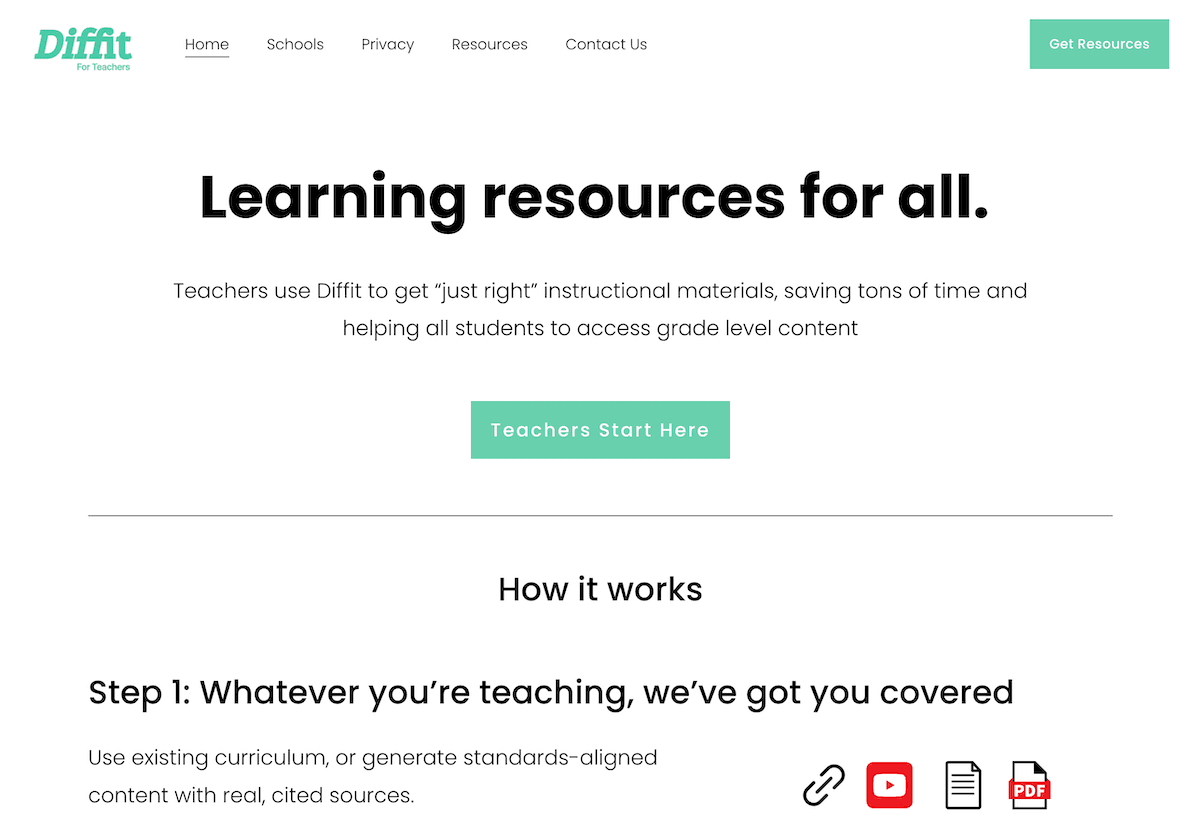
5. Jungle – Schoolwide Reflection Games & Community Rituals
Connection thrives on shared wisdom—and laughter. Jungle turned school assemblies and advisory check-ins into collaborative rituals: after every event, club, or all-school morning meeting, each group or class wrote a flashcard with their biggest takeaway, question, silliest moment, or "advice for next time." The tool compiled these into decks for trivia, reflection circles, or "welcome to the club" games for new students. Over the year, our "community wisdom decks" grew—student leaders remix them any time a new project launches or a club wants to re-set its rituals.
Best of all: this deck doesn't just celebrate Student Council superstars—but captures every quirky, surprising voice.
Try Jungle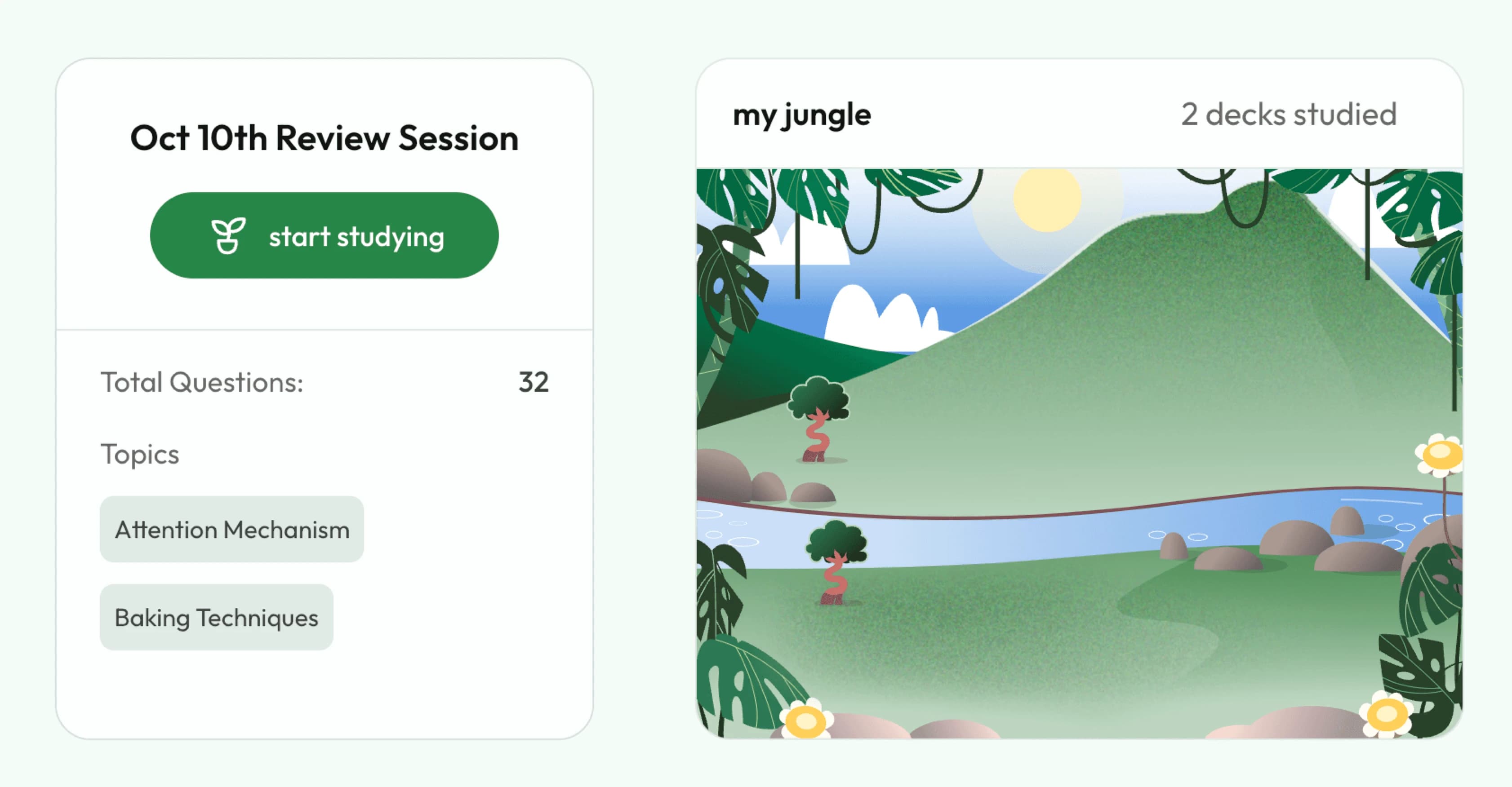
6. Suno AI – Soundtracks That Make Events Memorable
If your hallway is ever too quiet before an assembly, a field day, or a community festival, Suno will change your culture: after every big milestone, our classes and clubs crowdsourced a lyric for a school anthem (“Song for Surviving Field Trip Week,” “Chant for the Clean-up Crew,” “Anthem for the ELL Parent Potluck”). Suno turned it into an instant group track everyone sang or shared at morning dropoff. By June, our school had a playlist for every tradition—and every student, teacher, and family was in on the inside joke.
Nothing makes a mural day, book fair, or graduation more joyful than soundtracking it with something everyone wrote together.
Try Suno AI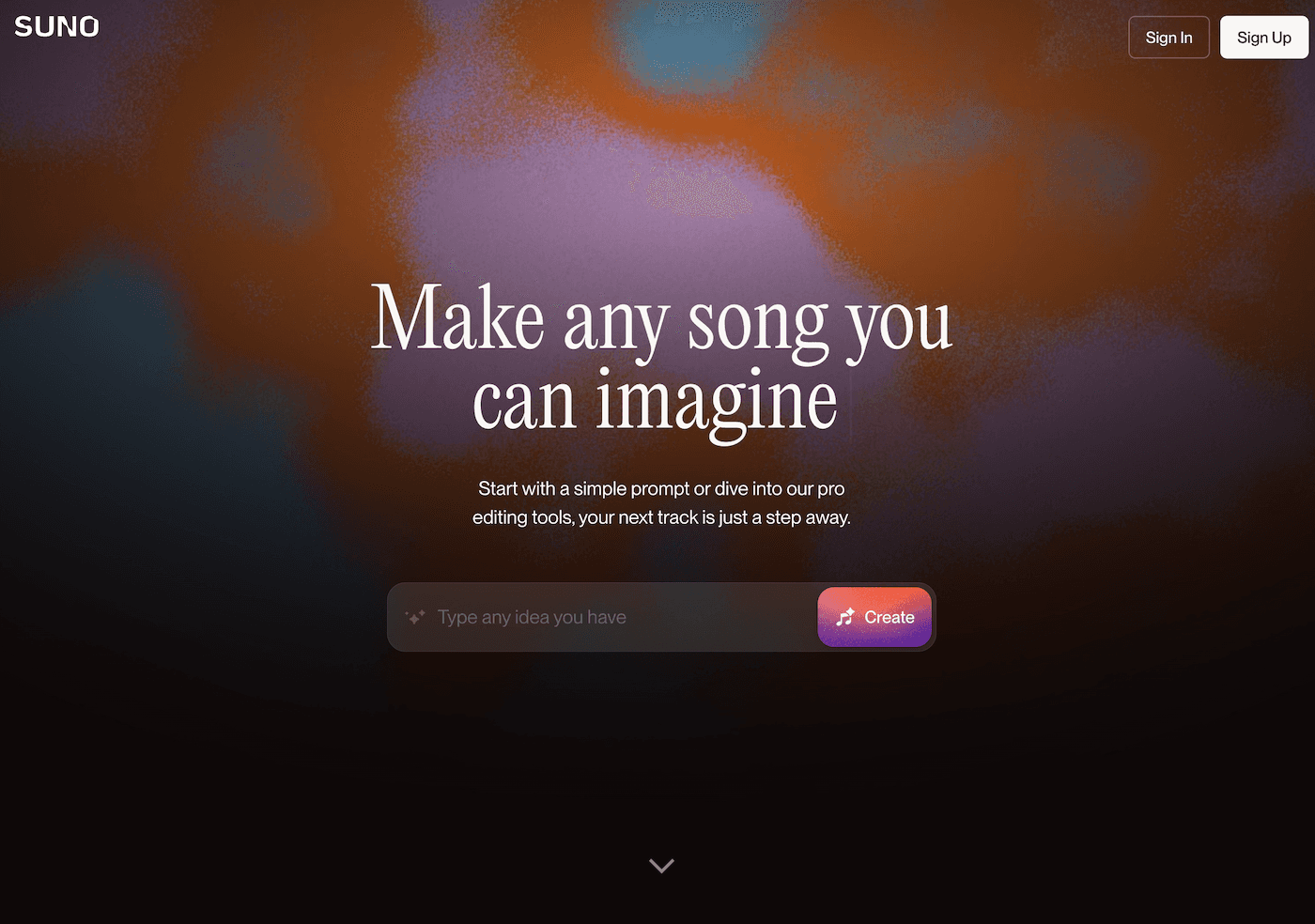
Teacher-to-Teacher Advice for Building Real Community
- Archive every event as a living story: Gamma, Magicbook, and Notebook LM (for oral histories!) keep culture and connection front and center.
- Coordinate with teams and kids, not just leadership: Kuraplan is strongest when plans are visible, editable, and reviewed together.
- Make access a habit, not an afterthought: Diffit should be on every community-building committee’s toolbelt (let students do the translation, too).
- Ritualize reflection and celebration: Jungle and Suno help even the busiest schedules become traditions kids (and families) remember.
- Honor every voice: When publishing, game-building, or playlisting is easy, every student, staff, and parent can help make your school’s culture memorable—long after grades are forgotten.
Have your own AI workflow, storytelling ritual, or “make it visible for all” trick for building community? Share your story below. In 2025, the best teaching is about connections—one (beautiful, messy, shared) tool at a time.