6 AI Tools for Teachers Who Love Class Experiments
If you’re the sort of teacher who ducks out of the curriculum mid-chapter for a student-suggested investigation, who collects half-baked group brainstorms like trophies—and who knows that “failure” is just a pivot to the next experiment—this blog’s for you.
Project-based learning is everywhere, but true classroom experiments are a different beast: open-ended challenges, creative process mess, and projects that often start with a whispered, “Is this even possible?” This year, needing to rescue my own lesson plans from chaos (and show admin that the wild ride is actually learning, not just noise), I looked for AI tools that don't just generate slides or quizzes—but genuinely help teachers wrangle, document, and amplify creative classroom experimentation.
Below are the six AI workflow hacks that stuck with me—tried in my own ELA/science hybrid class, refined by a year of honest trial, error, and a dozen “Oh, we didn’t think of that!” moments. Kuraplan’s in here, but not always as the hero; the rest are picked for how they lift up—not sanitize—the joyful mess of student-driven experiments.
1. Notebook LM — Your Experiment Timeline, Not Just a Slideshow
Ever spend three periods helping kids test a wild hypothesis, then realize nobody can remember how you even got there? Notebook LM is now our digital lab book: after each day’s detour, all group notes, voice memos, sketches, and results snapshots go into the notebook. The AI clusters themes, draws connections the kids might not see, and (my favorite bit) proposes questions or even a recap podcast script for the next class.
Now, every experiment becomes a story arc, easy to share with families—or just to look back when you need to prove, “Yeah, we covered much more than the syllabus.” Truly, it’s the glue for creative teachers who fear losing the process in the weekly cleanup.
Try Notebook LM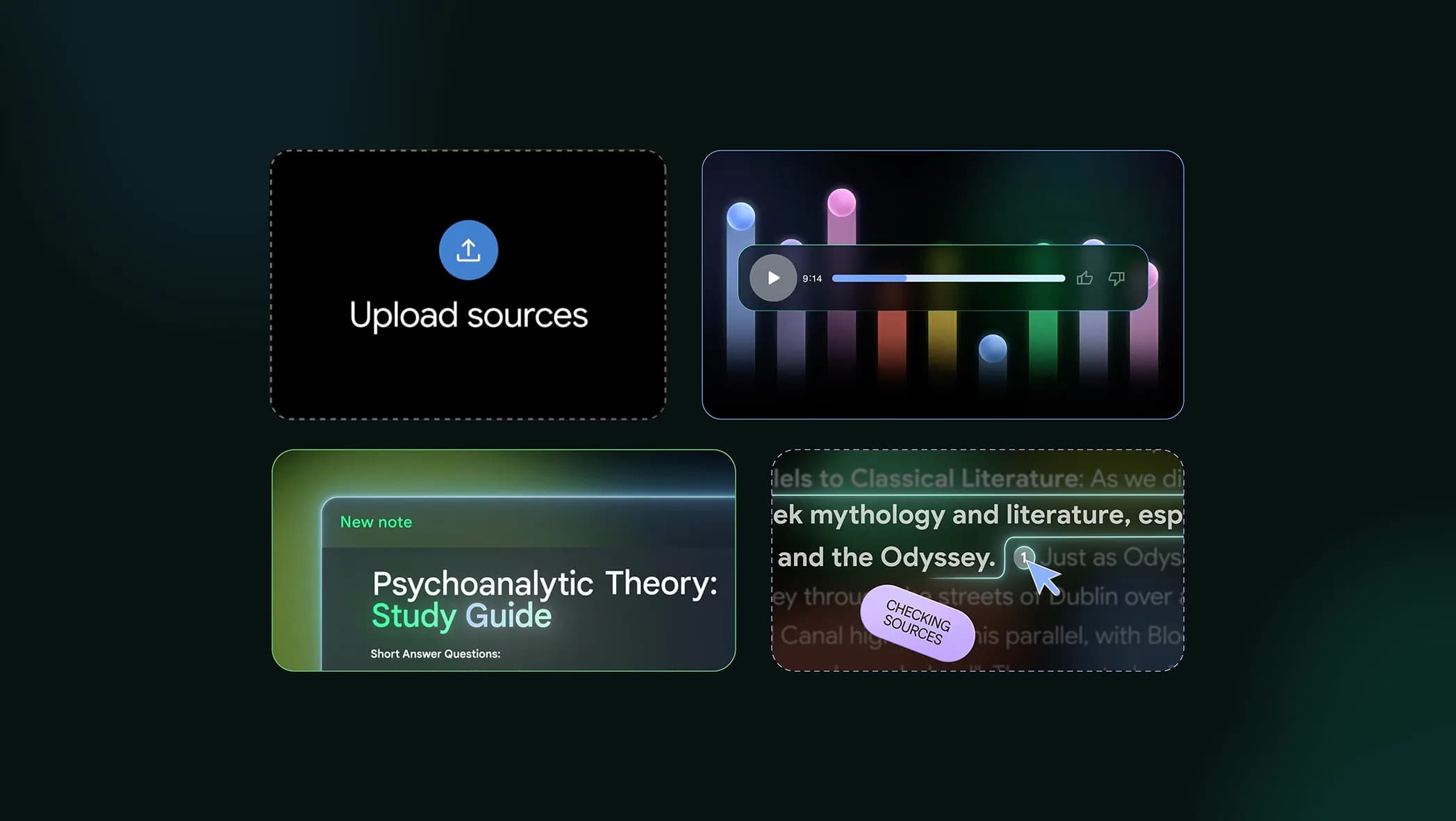
2. Jungle — Student-Made Game Decks for Experiment Debriefs
Content review feels tacked on in a hands-on unit, and worksheets are the ultimate buzzkill after a big experiment day. That’s where I flipped my workflow: After every big build or investigation, my students submit one card to Jungle—either the biggest surprise, a lingering question, or their best “that blew up in my face” moment. Jungle’s AI creates a custom deck for post-lab review games, group trivia, or even student–teacher grudge matches.
The real power? The decks capture authentic student learning (and mistakes) instead of canned quiz questions—and new kids can use them as an on-ramp for future projects. Review is suddenly collaborative, genuinely fun, and personalized to this experiment, not last quarter’s.
Try Jungle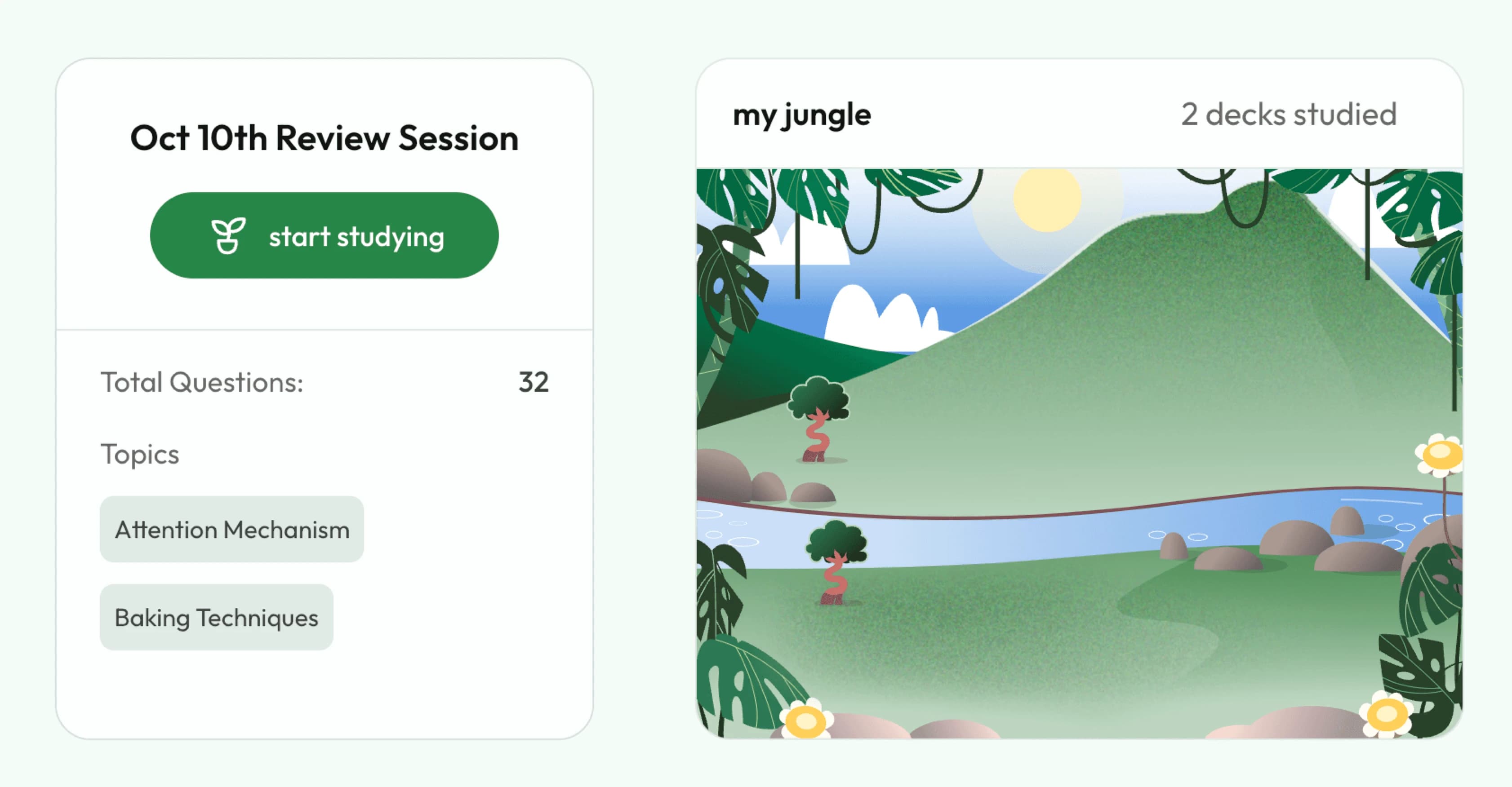
3. Kuraplan — The Editable Map for Open-Ended Project Units
Unit planners get a bad rap for locking down the creative process—but Kuraplan actually earned my trust because it lets you edit on the fly. My hack: At the start of a new experiment-based unit ("How can we build a better school recycling system?"), we enter our required outcomes, rough timeline, and wildest project ideas into Kuraplan. It spits out a draft sequence—deadlines, checkpoints, and (bless it) built-in extension days. Then, I have students meet at every key point to hack the plan—move deadlines, add feedback loops, or insert a “fail day” for prototyping.
The result? When (not if) the first, second, or third attempt stalls, our map is visible, tweakable, and still tracks standards for admin. Kuraplan becomes a collaborative contract, not a command.
Try Kuraplan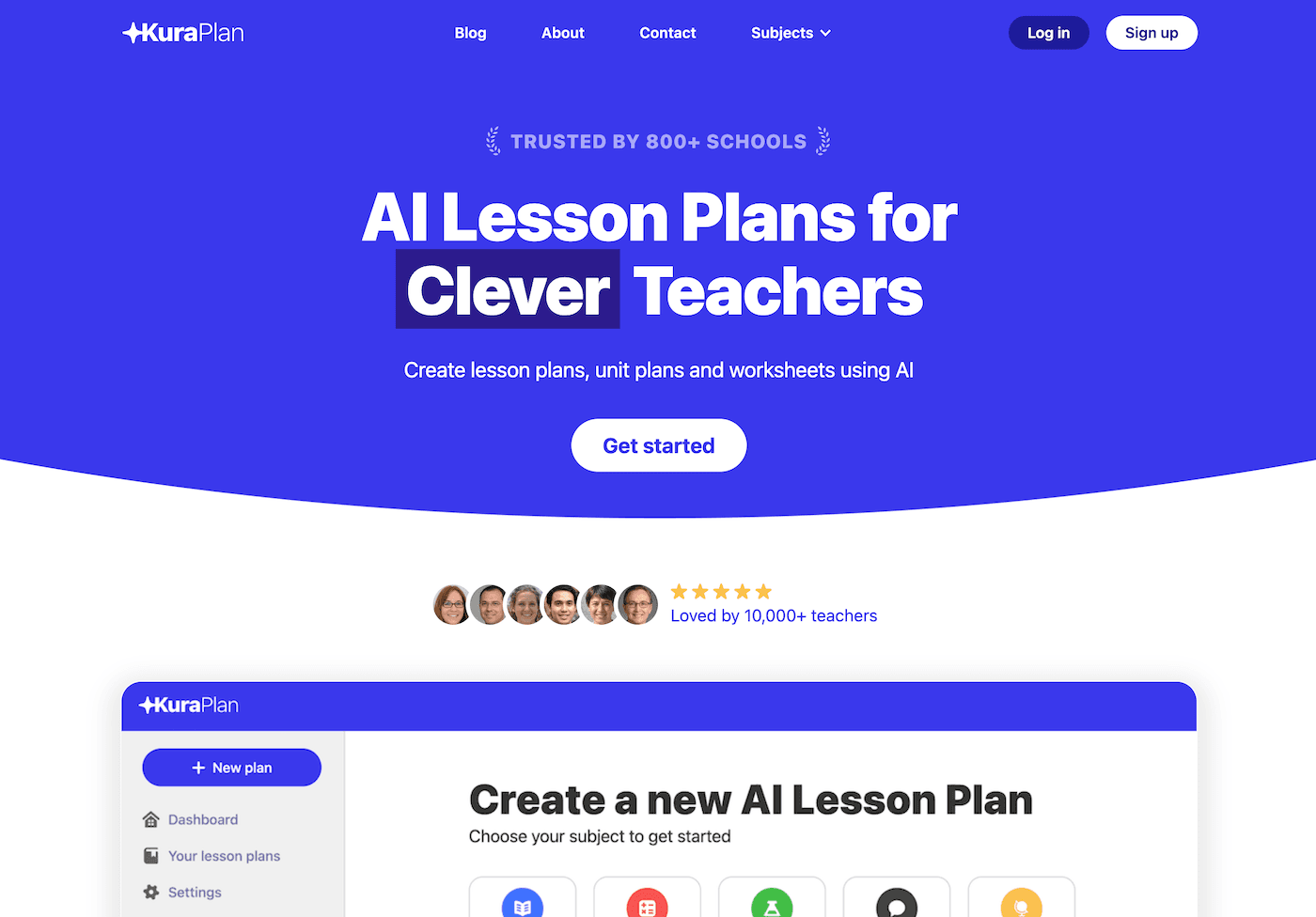
4. Diffit — Scaffolding Wild Sources for Every Ability
Let’s be honest: real-world experimentation means resources aren’t always leveled. Students grab scientific papers, viral news, Reddit threads, or even tech specs way beyond most reading bands. I use Diffit for every inquiry unit: paste in any group-found resource, and the AI instantly generates reading versions for every level, vocabulary checks, and critical thinking questions.
We then assign teams their leveled packs, run comparative analysis ("what information does the easy version leave out?"), and keep every group moving—even if their source was a Nobel abstract or a TikTok transcript. Every tool promises differentiation; Diffit delivers it for project–experiment chaos.
Try Diffit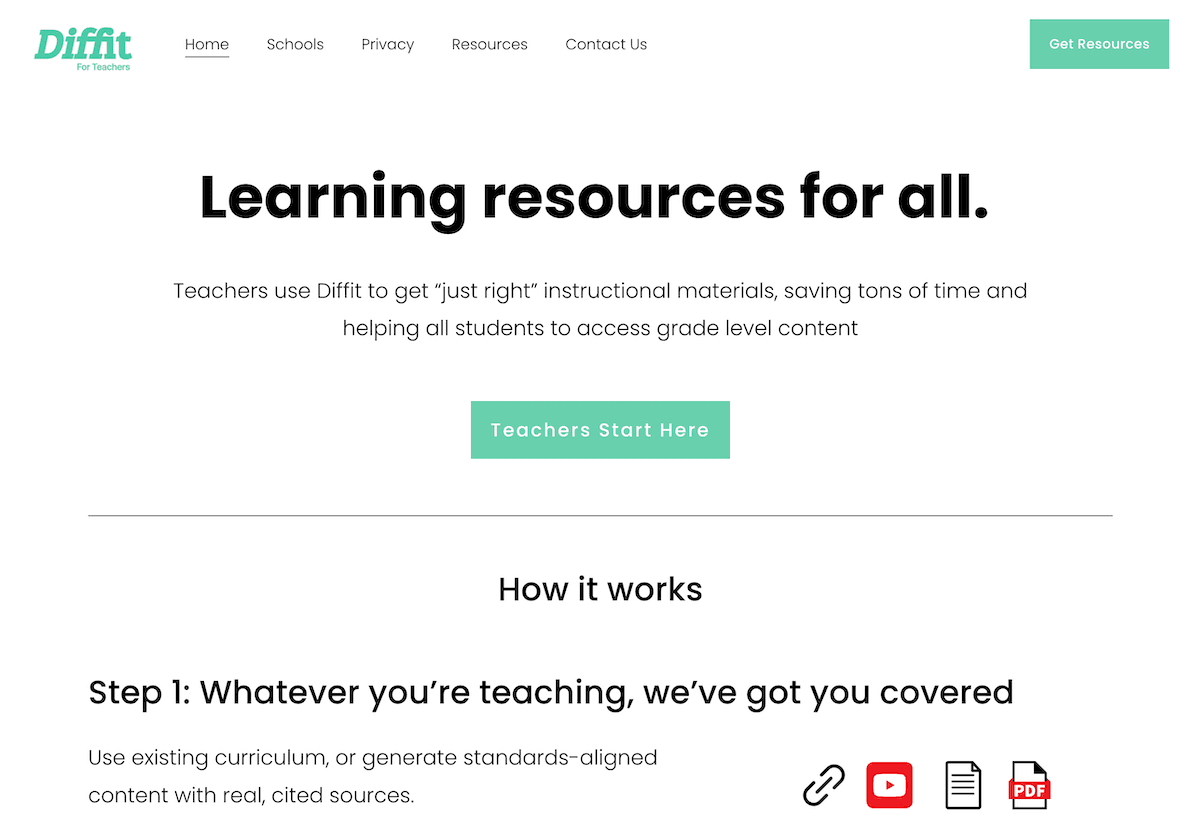
5. Gamma — Group Portfolio Boards for the Messy Middle
How do you make group process—the late-night design jam, the prototype that flopped—visible and assessable? Gamma is my answer. Each team saves photos of builds, process maps, crash logs, and even “debate selfies” in Gamma, and the AI organizes these into a living timeline/portfolio.
We use the boards to open project critique rounds, reflect on pivot points, and even impress skeptics at open house or showcase nights (“Here’s what we tried… and here’s what absolutely didn’t work!”). Best of all, students co-edit and annotate their boards, so every experiment is owned by the group, not just the teacher’s grading spreadsheet.
Try Gamma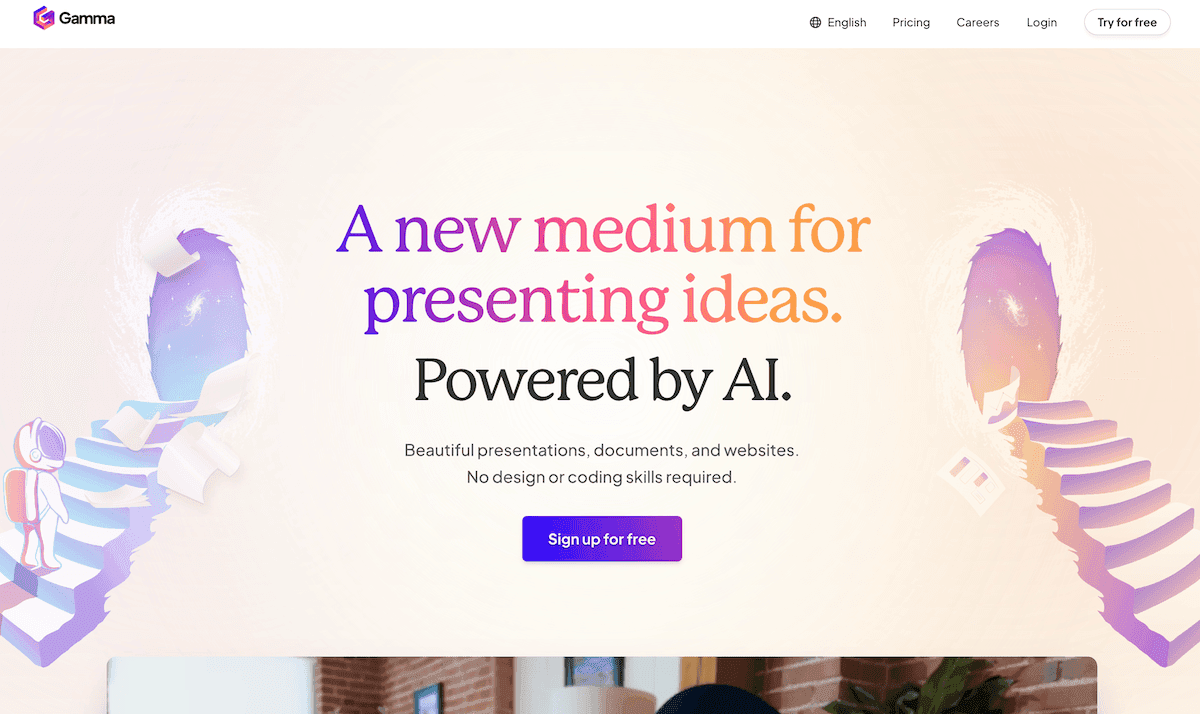
6. Suno AI — Ritual Songs to Mark Surprises (or Survive Failures)
Experiments are about tradition as much as discovery. Suno AI got adopted as our class’s mood-setter. Every time we finished a big experiment—or needed a reset after a failed idea—students wrote prompts (“Song for the day our plant didn’t sprout,” “Anthem for surviving data cleanup,” or “Debate Recovery Jam”).
Suno magically generates a new, student-owned song for each milestone. Sometimes we play them to celebrate, sometimes as an act of catharsis, always with a dose of joy and culture-building that reminds us: the process is at least as important as the outcome.
Try Suno AI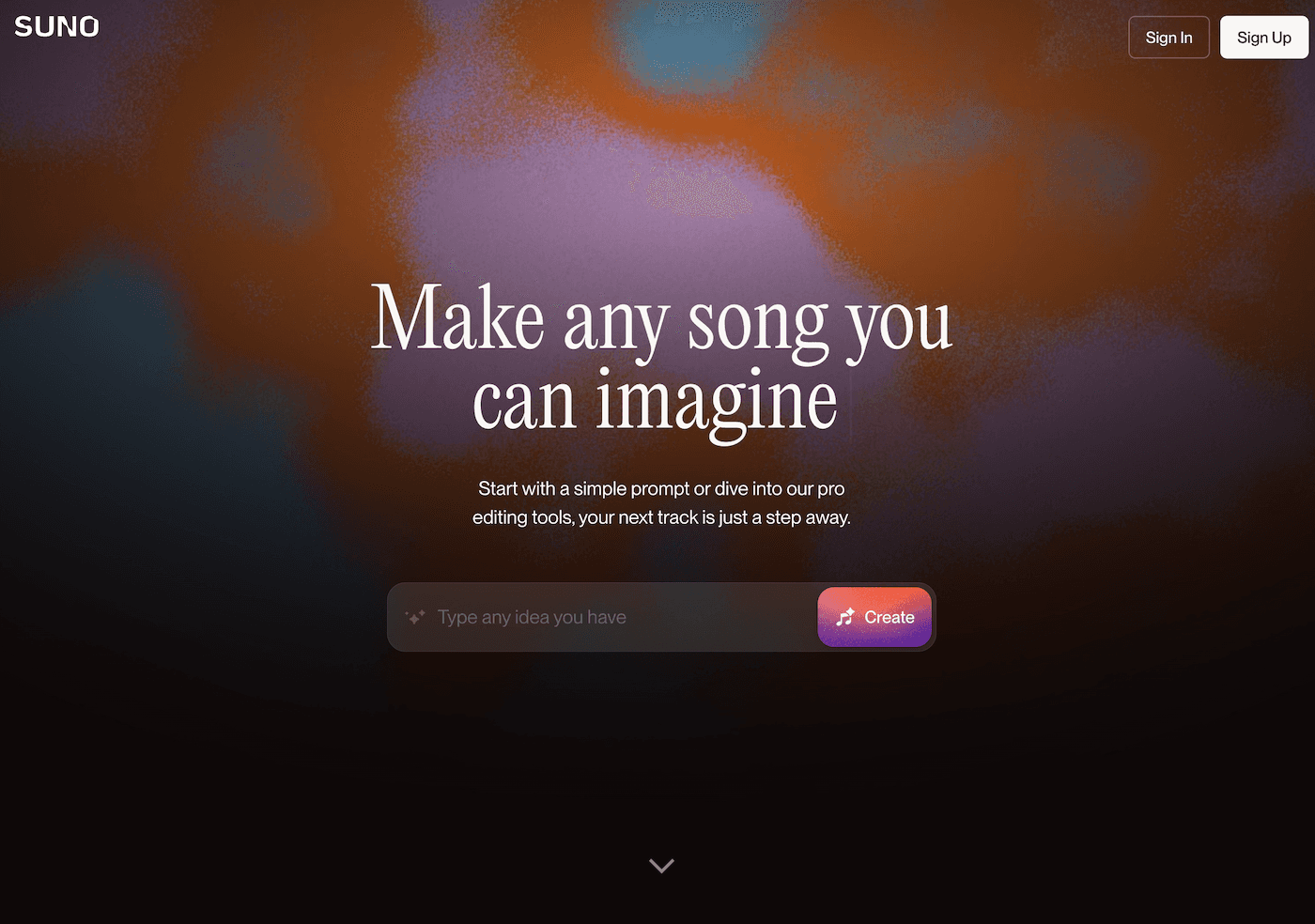
Honest Tips for Teachers Leading Class Experiments
- Use AI as a living memory/archive, not a prescriptive script—kids and creativity thrive when process is visible, not micromanaged.
- Let students edit everything: timelines, ritual music, review decks. Agency makes experimentation sustainable.
- Archive as you go (Notebook LM, Gamma). That’s when the best pivots appear—don’t wait for a “final reflection.”
- Don’t force tidy results. Use Jungle and Suno to celebrate the mess.
If you’ve pulled off a classroom experiment using AI—or flopped brilliantly and learned from it—share your hack, tool, or wildest workflow below! Chaos is progress, if you can capture the learning as it happens.