6 AI Tools for Teachers Who Coach Real-World Learning
If you’ve ever found yourself managing student internships, career capstones, service learning classes, college bridge programs, or any “beyond the traditional classroom” gig, you get it: Teaching real-world learning isn’t about scripts or worksheets. It’s calendars that won’t align, students whose projects spiral in all directions, and a daily battle between letting teenagers take charge and making sure nothing (and no one) falls through the cracks.
For years, most AI tools just felt like glitter on a lesson plan, or worse, another dashboard to update after actual work was done. This year, determined to make offsite, hands-on, career, and service-focused work more sustainable, I tested AI that actually helps teachers hold it all together—without killing creativity or making us data managers. The list below is what truly worked for me: workflow hacks, creative artifacts, and just enough structure to help gutsy, independent students shine (and survive).
1. Notebook LM — Turning Student Experiences Into Evidence
My biggest struggle: students are out in the community or juggling multi-week projects, and all their learning disappears into texts—or, worse, never leaves their head. This year, every intern, community volunteer, or student entrepreneur kept a living log in Notebook LM: weekly memos, mentor emails, photo evidence, voice notes, and group reflections landed in one notebook.
The AI surfaced real patterns and recurring challenges, and even generated podcast scripts or Q&A outlines for showcase night. For the first time, student growth was public and reflective—NOT just hours counted or a final form submitted. Partners and families loved hearing authentic student stories, and I finally had shareable evidence for college/career portfolios.
Try Notebook LM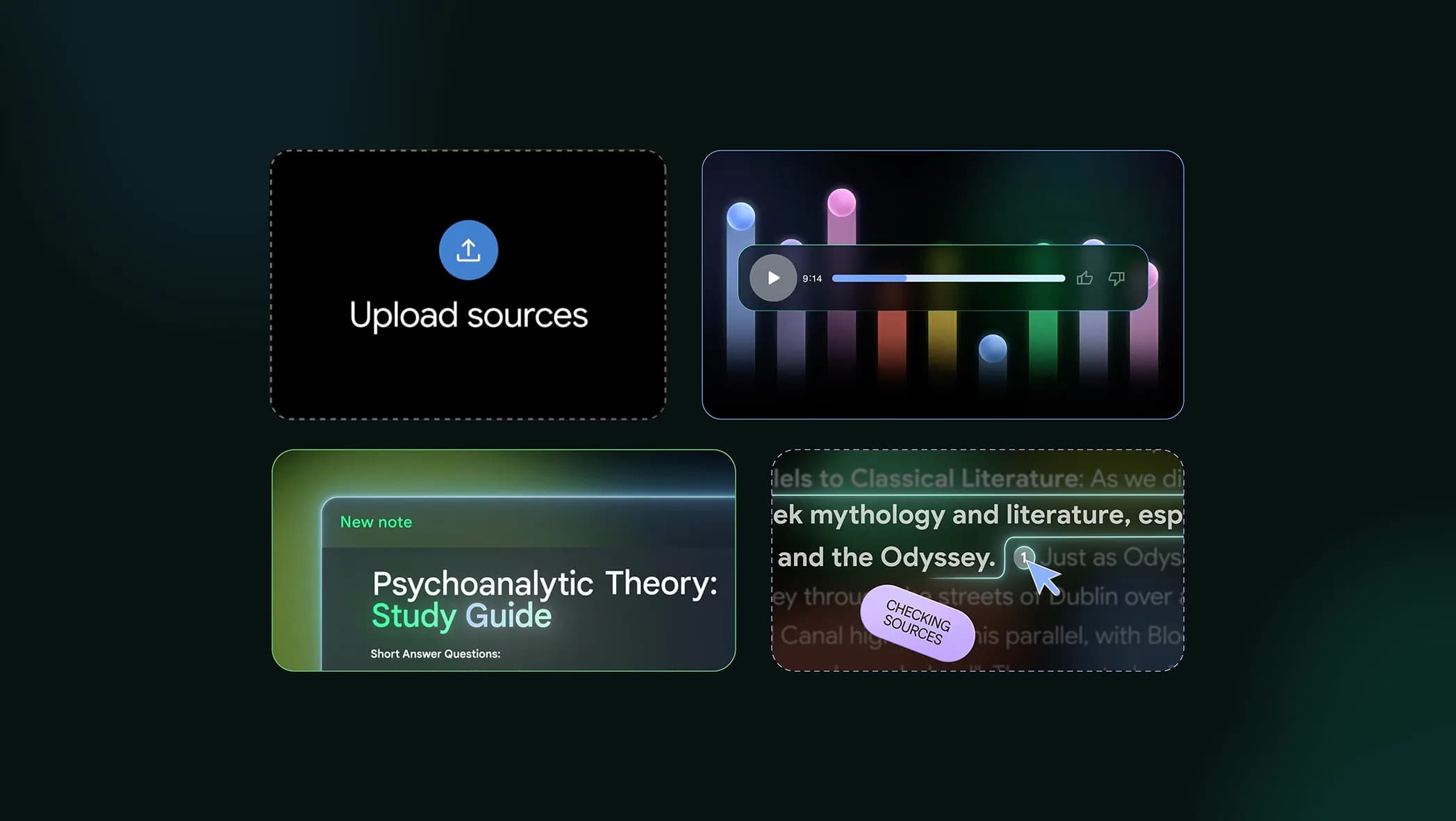
2. Kuraplan — Flexible Project Maps for Nonlinear Learning
There’s no such thing as a normal week in real-world learning. Placement hosts shift schedules, field projects hit roadblocks, and students pivot. Kuraplan became my backbone, not my overlord. I’d build out a multi-week map for each student or team: goals, expected checkpoints (reflection day, mentor feedback, milestone presentation), and required standards or skills.
Crucially, students or worksite mentors (yes, I showed them the map!) could co-edit the checkpoints or deadlines. When a workplace tour turned into a research project or a community client mentored a new path, the shared Kuraplan draft meant nobody felt boxed in—but everyone was still on a course toward tangible results. By the end, my students saw their learning arc and could explain it—even when the journey went sideways.
Try Kuraplan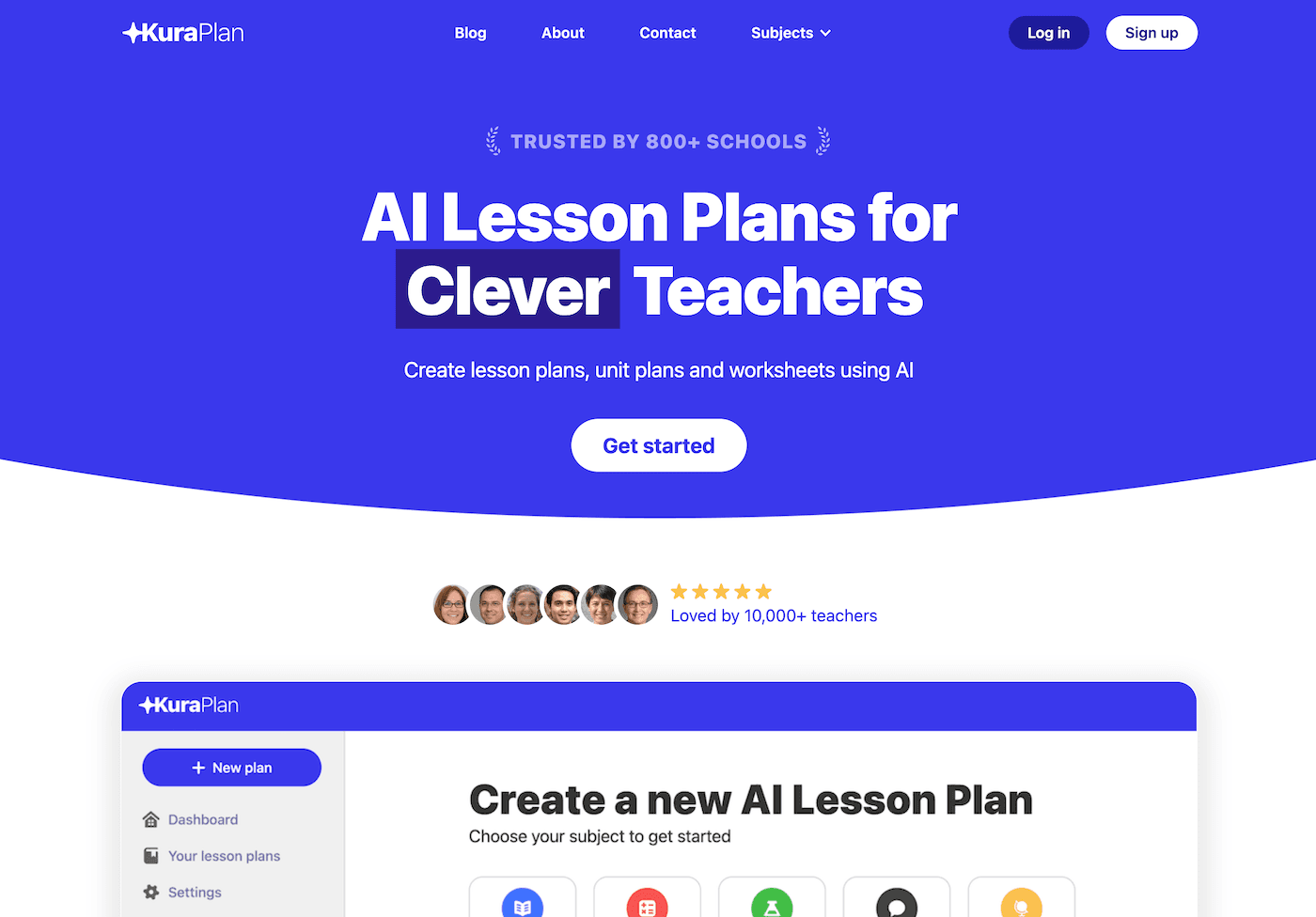
3. Gamma — Showcasing Work With Real-World Impact
Traditional classrooms showcase essays; real-world classes need to showcase impact: a grant written, a youth podcast launched, a community need met. Gamma let my students combine documentation—meeting notes, proposal drafts, success/failure photos—into polished, clickable storyboards, team portfolios, or digital exhibits. Presentations went from "another slideshow" to living evidence: students narrated their progress, captured pivots, and gave partners a gallery of their journey.
The best move? I let students co-author, remix, and add live updates as the project evolved (including flops!). On parent night and at advisory board meetings, Gamma’s timelines finally made the authentic mess visible to people who need to see it.
Try Gamma
4. Jungle — Peer & Mentor Check-Ins (No More Missed Voices)
Career and service courses are only as strong as their reflection. Jungle became our peer/mentor self-check system: at each project checkpoint, students create a “win,” “biggest struggle,” and “what I wish I’d known” card. Mentor partners add tips or questions. Jungle builds instant decks for group review, mentor-mentee check-ins, or as a fun weekly trivia at our capstone roundtables.
The real power: students see others have hit the same walls; new groups preview common pitfalls, and my next cohort gets honest insight without digging through boring essays. When you’re tracking learning across teams, places, and personalities, this communal record is gold.
Try Jungle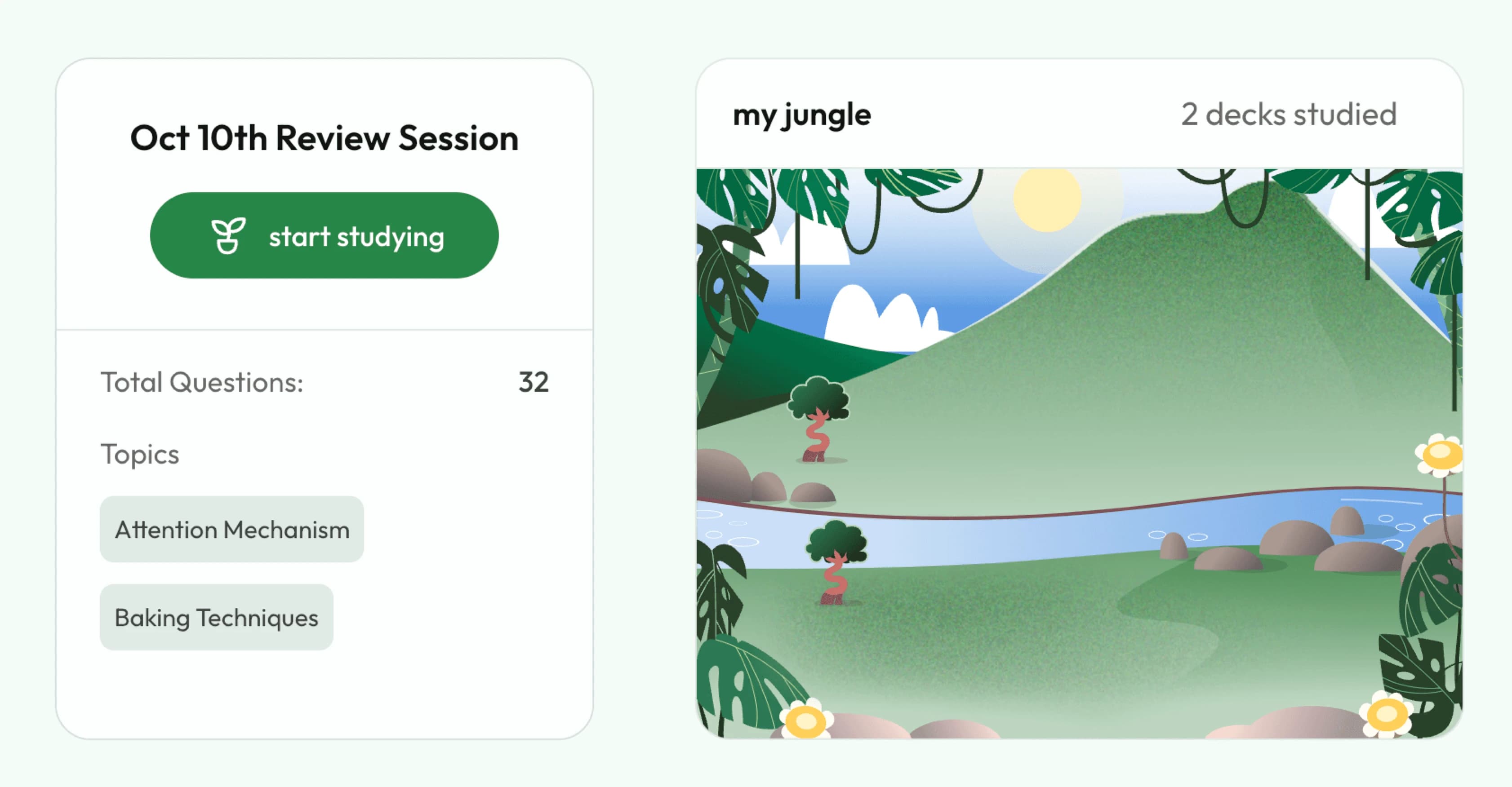
5. Diffit — Adapting Community & Workplace Materials for Every Learner
My groups regularly work with whatever real materials the partner gives us: business docs, permit instructions, field guides, news stories. Half the time, one student can’t read the form, another finishes in seconds. With Diffit, any document—memo, interview transcript, grant summary—becomes leveled versions and vocab/comp checks in minutes.
Now my ESOL students confidently prep interview questions, and bottom-up groups can tackle readings usually not meant for teens. I assign group “translation” projects—students use Diffit to differentiate for each other, turning every challenge into a mini-inquiry AND making the real work accessible, not watered down.
Try Diffit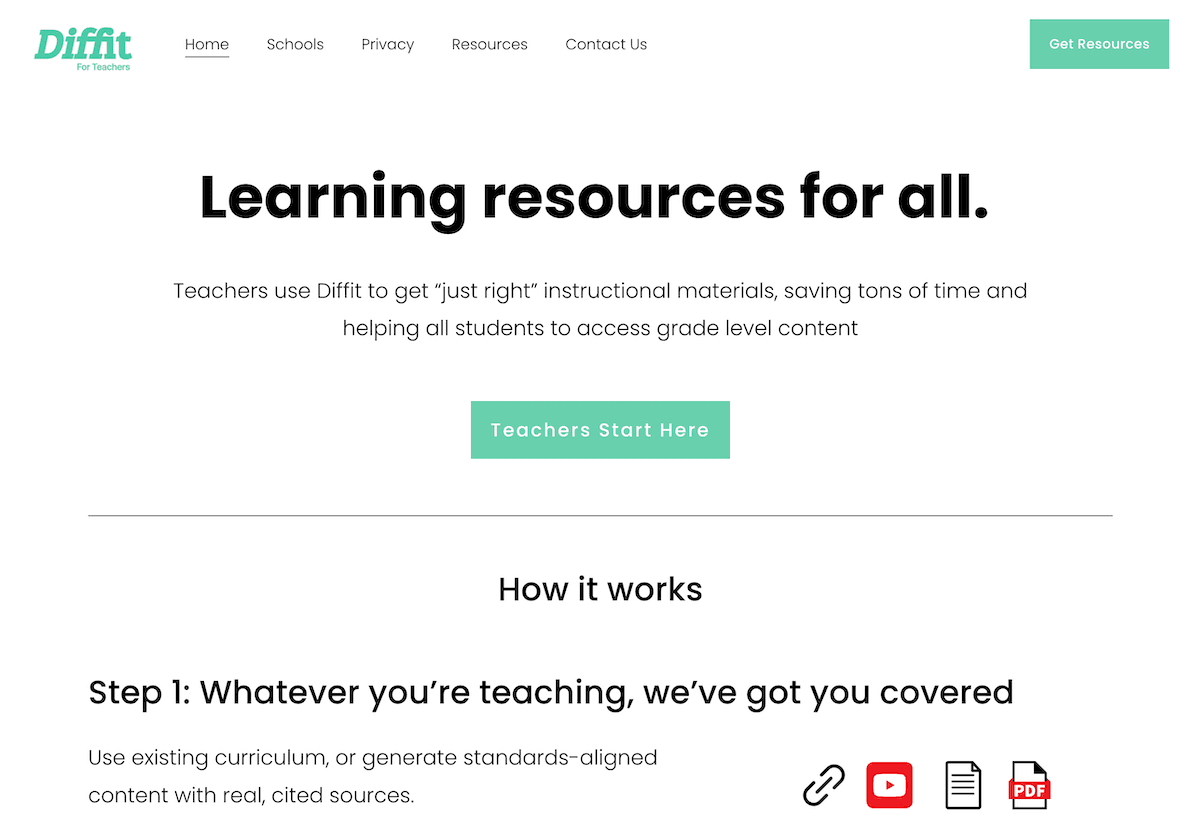
6. Suno AI — Building Rituals & Celebrating Growth (For Real Grit)
Mentor programs and internships can be lonely, and project work is full of setbacks. This year, the one new tradition that stuck was weekly Suno anthems: students, mentors, or I would prompt Suno to create a “halfway there” song, “client thanks” jingle, “we survived proposal week” anthem, or “reflect on our biggest fail” tune. We played them to kick off team meetings, close out frustrating phone-a-thon weeks, or launch graduation night panels. The shared ritual made culture visible, emotional check-ins easier, and, for the first time, students left reflection days with SMILES.
Best trick: Other teachers adopted our Suno ritual for their advisory, and my work-based learning kids started requesting their own soundtracks for major milestones—proof of buy-in for a class that rarely sits still.
Try Suno AI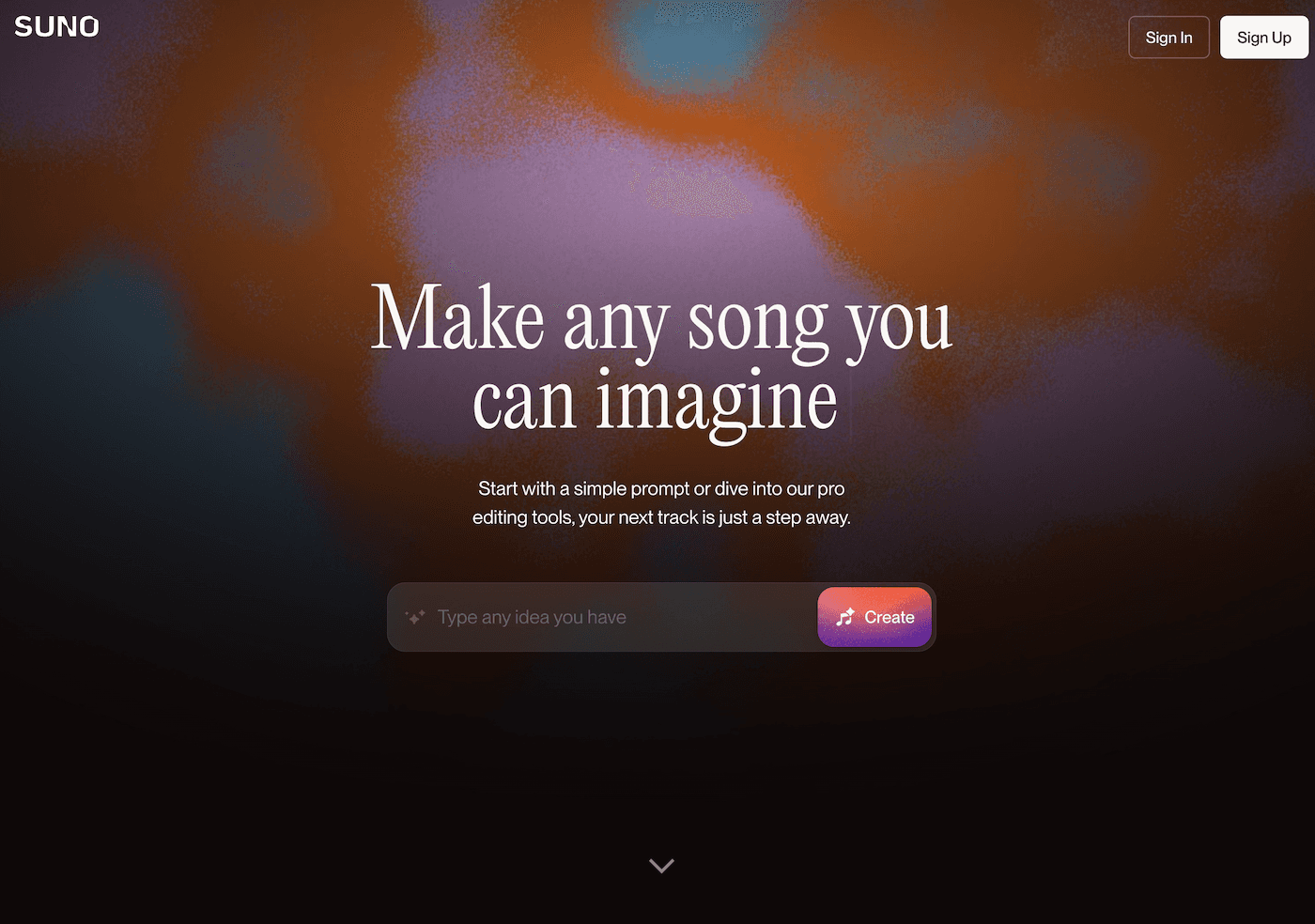
Real Advice for Real-World Teachers
- Use AI to archive and surface messy progress—don’t let offsite learning vanish into unsubmitted logs. Notebook LM & Gamma are your process lifelines.
- Build plans WITH students and partners, not for them—Kuraplan is only powerful when edited live and owned by all stakeholders.
- Leverage communal review—Jungle’s co-authored decks will surface patterns, normalize setbacks, and give future students a peer-onboarding resource no syllabus can match.
- Don’t fake culture: Rituals (especially Suno’s) make even the hardest weeks memorable—and let everyone contribute, regardless of academic confidence.
- Translate everything, literally and metaphorically: Diffit turns every workplace hiccup into a learning opportunity, builds confidence, and closes the gap between unpredictable real-world tasks and classroom support.
If you coach, mentor, or teach outside the box—what’s the AI workflow or ritual that makes real-world learning work in your classroom? Drop your hack or favorite student win below. If we keep sharing, maybe our best work won’t stay invisible for long.