6 AI Tools for Teachers Who Coach Student Groups
Some jobs you sign up for—others, you inherit after an all-staff meeting or a panicked last-minute request. If you’re the teacher running a new Project-Based class, facilitating a service club, or mentoring the robotics, debate, or school newspaper team (whether by choice or through mysteriously vanishing volunteers), you know: the best student group work is unpredictable, high-energy, and almost always more work than you planned.
This is the side of teaching where jobs multiply: parent communication, event planning, content scaffolding, and the eternal challenge of empowering students to lead (without melting down in group chaos). This past year, determined to keep my sanity and actually enjoy the controlled chaos, I went hunting for AI tools that work for student-led group work—not just classroom routines or solo lesson plans. Some are best for workflow, others for showcasing, a few for culture—but every one is road-tested, teacher-hacked, and has the power to turn student groups into something more than a collection of frantic to-dos.
1. Gamma – Group Stories, Not Just Presentations
When you run clubs or student-led PBL, the process is half the point: the strategy pivots, the late-inning recovery, the new idea that pops up at 7am before expo night. Gamma became our back-channel for brainstorming, documenting debates, creating FAQ centers, or just archiving every wild post-it mural and prototype photo. The AI takes all the mess—team notes, schedules, even parent emails—and instantly builds shareable, narrative slideshows. It’s how we showcased our robotics failures and newspaper launch hiccups, not just the shiny stuff. For events and community celebrations, Gamma’s living visual timeline is the one thing that always gets parents, admin, and judges to actually see everything students did.
Try Gamma
2. Kuraplan – Flexible Timelines for Movable Teams
I’m a notorious skeptic about AI “unit planning”—but coaching/coordinating student teams is where Kuraplan finally fit my real workflow. I use it as a living project map, not a fix-every-detail lesson plan. My go-to is to draft the bare-bones flow: vision, essential deadlines, a couple of key milestones (like "host panelists," “submit to the city council,” or “publish issue #3”). Then, I co-edit the roadmap live with students, adding their event ideas, adjusting for sub teams, and building extra check-ins into the mix for peer review and recovery days. When everything shifts (as it does), Kuraplan keeps everyone in sync—the map is always visible and adjustable, and no sub-group claims they didn’t know the new deadline.
Try Kuraplan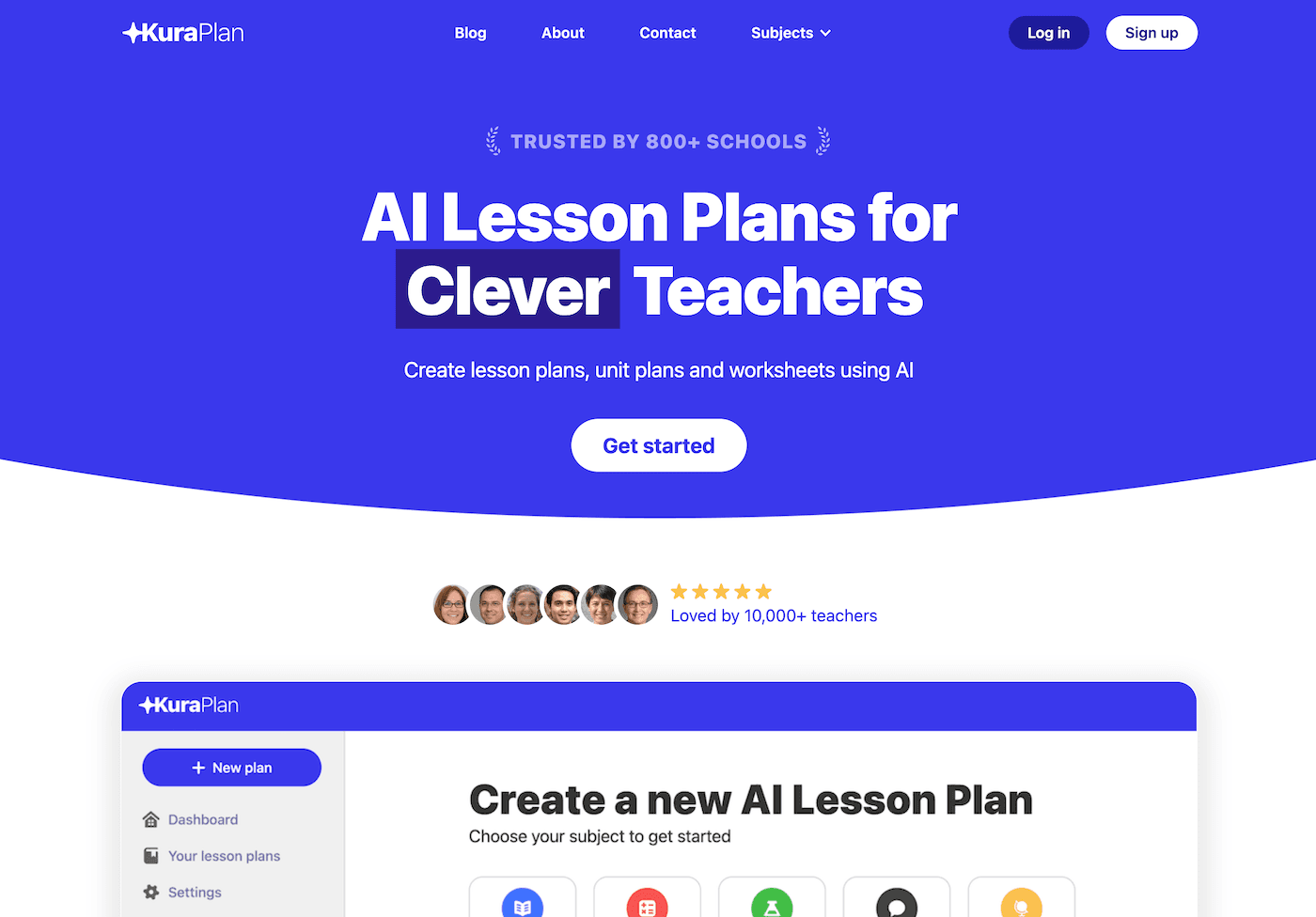
3. Diffit – Student-Led Research for Every Voice
Every student group pulls resources from everywhere: YouTube, local newspaper PDFs, club archives, or that one random board book someone found in the library. Diffit is my on-demand leveler: any team can paste a source and instantly get leveled, scaffolded versions with vocabulary and reading checks. Now every project—whether it’s “history of the school mascot” or “community poll on recycling clubs”—can be accessible to the 6th-grader, the multilingual new arrival, or the AP-level data cruncher … and nobody gets left out or fakes their way through. Bonus feature: let students run Diffit themselves and take charge of prepping team research packs without teacher bottlenecking.
Try Diffit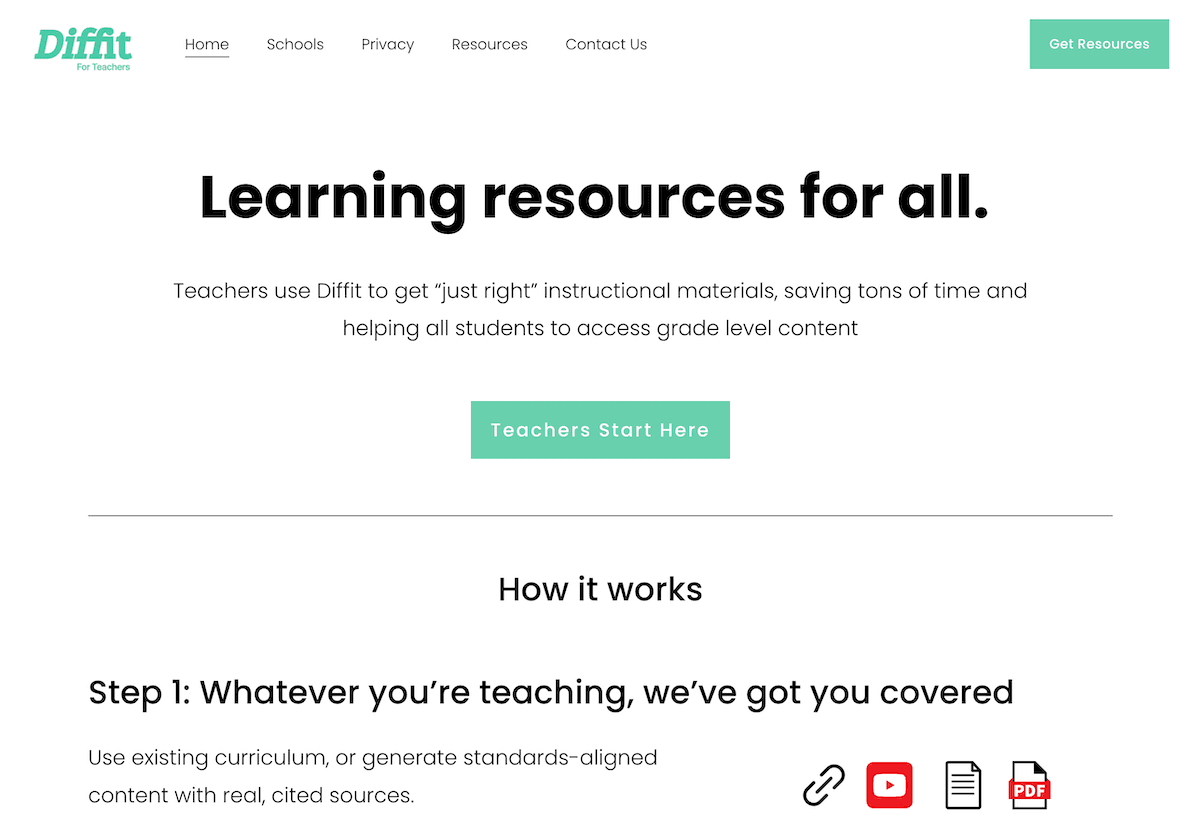
4. Magicbook – Group Publishing Without Extra Pain
Here’s the surprise I didn’t see coming: Magicbook (known for K-5 reading fun) is a secret weapon for student groups of any age to publish joint stories, case studies, or project portfolios—picture book style. My journalism and service groups co-author illustrated summaries of their work, create “thank-you” books for community partners or parent volunteers, and even compile field trip recollections with instant AI-generated visuals. It’s the only tool I’ve used where my digital-savvy 11th graders and my 6th-grade Maker Club got equally hyped to combine their voices in a shared, artifact-worthy format (with zero Canva meltdowns).
Try Magicbook
5. Jungle – Student-Authored Reflection and Debrief Games
Peer review is rarely authentic when you force it. Jungle flips it for group work—I have every team distill one surprise, one fail, and one "next time..." question after a project or event. Jungle then auto-generates flashcards and prompt decks for group discussions, post-mortems, or event debrief game days. We use these "learning cards" at our standing meetings, and it’s turned what used to be awkward end-of-project roundtables into genuine, whole-team revision rituals. Bonus: keeping old decks means next semester’s group can actually use last year’s lessons, not just repeat the same flops.
Try Jungle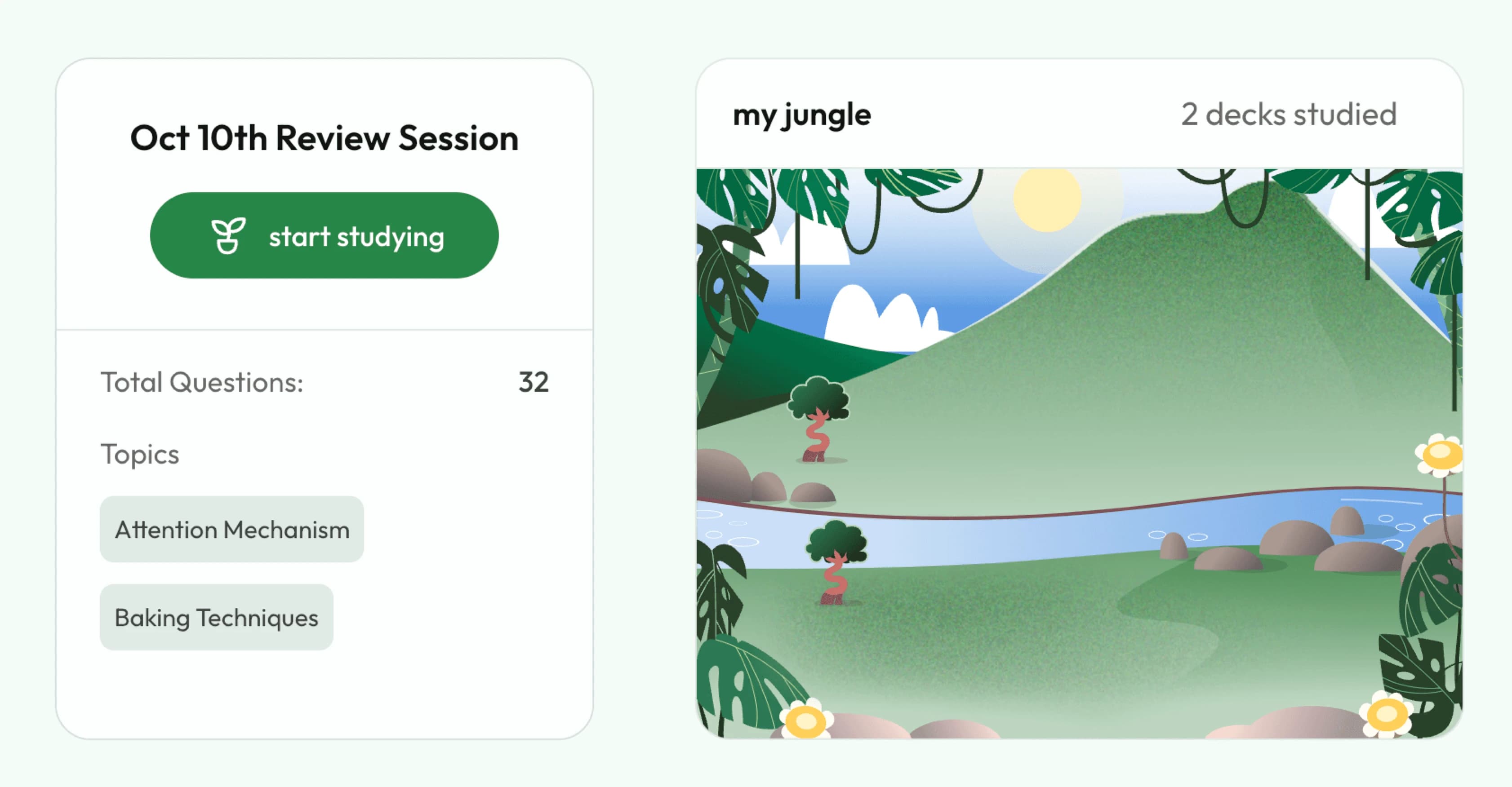
6. Suno AI – Rituals for Building Club Culture and Recovery
Running a club or group means morale work—celebrations, rituals, the music you play before campaign pitches or talent show run-throughs. When my Student Leadership group started writing prompts for end-of-meeting “debate victory anthems” or “Oops! We Missed the Deadline” chants, Suno AI gave us class-appropriate, totally unique soundtracks in seconds. We rotate openers by team, play reflection anthems at the end of every major event, and let the newest members submit song requests for welcome day. Even the shyest group has a voice, and when something flops, we now have a ritual—everyone laughs, resets, and morale is still high.
Try Suno AI
Final Advice for Student Group Coaches and Club Coordinators
- Make your workflow public: Use tools like Gamma and Kuraplan to co-edit visible timelines, and let the team constantly revise as plans evolve.
- Let students pilot the research and resource curation—the more they use Diffit and Magicbook to own the workflow, the less you have to scramble at crunch time.
- Celebrate (and archive) every fail, not just the wins. Ritualize closure and reflection with Jungle and Suno, and don’t be afraid to hand off playlist/ritual creation to your most chaotic team.
- Use AI as a bridge, not a crutch. These tools are meant to move more agency (and responsibility) to your students—the real learning is in all the pivots, surprises, and recoveries.
If you’re the teacher who runs every club by accident, survives project launches without a shield, or just wants more joy from the wild ride of group learning—try one (or more) of these workflows next semester. Have an AI hack for student groups I missed? Add your story below; club coaches, event queens, and accidental mentors need all the support we can get.