6 AI Tools for Teachers Who Love Collaborative Learning
If you believe some of the best learning happens when students work together—not alone, in silence, at their own desk—then you also know: true collaboration gets messy fast. Peer review spirals into a side debate. “Group project day” means three wild new resources get introduced before lunch. Juggling every student voice, building scaffolds for mixed-ability teams, and keeping inquiry alive without burning out makes teachers long for magic helpers. AI can’t fix every teamwork pain point, but this year I found a handful of unsung tools that made my collaborative classroom run smoother, from sixth grade science projects to high school literature roundtables.
These picks are workflow hacks tested by a teacher who can’t stand cookie-cutter group work. Each tool here brought structure where I needed it, but left space for real discussion and group surprise—not just more lectures in disguise. Kuraplan gets an early shout, but every app brings something creative, practical, or just plain joyful to the challenge of getting students to build something together.
1. Gamma — Visual Group Boards That Actually Evolve
Good collaboration starts with shared context. But too often, group brainstorms get wiped at the bell, and progress is lost in a dozen scattered Docs. Gamma became my anchor: after every team debate, project sprint, or co-reading, I had students drop mindmaps, sketch photos, exit tickets, even memes into Gamma. Its AI instantly built a visual timeline, shared group dashboard, or “story map” everyone could annotate. My favorite hack? Letting students create their own side-paths on the board (“this tangent changed our plan!”). By the end of a unit, the board told the story of our teamwork—with detours and pivots front and center. Students trusted the process more, and admin finally saw collaboration as evidence of learning.
Try Gamma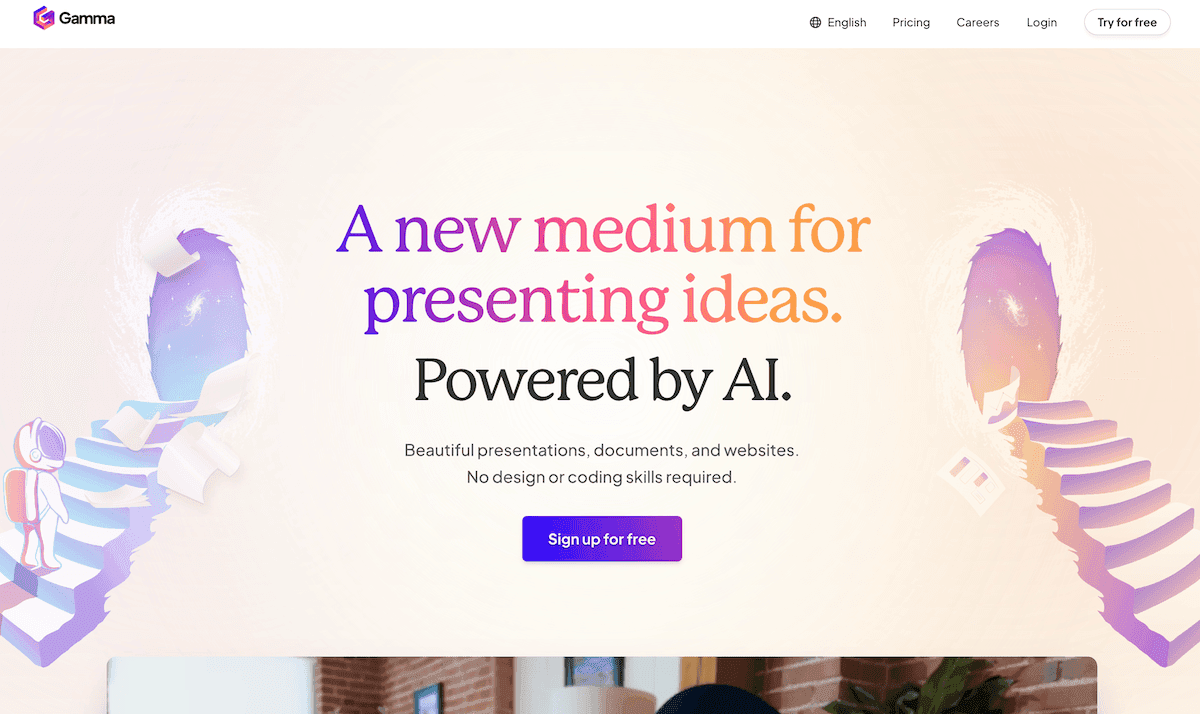
2. Kuraplan — Flexible Project Maps to Track Real Progress
Every collaboration needs a path—without turning into a checklist prison. For me, Kuraplan hit its stride as a living group roadmap. On lab launch day, teams built their project plan in Kuraplan: inputting the project goal, proposed resources, must-hit deadlines, and wish-list experiments. The AI spit out a sequence of tasks, but every group edited, re-ordered, added peer feedback cycles ("let’s pause for a group peer review!"), or subbed in a showcase event. Whenever a group went off script, Kuraplan gave us a backbone to revise—but never more structure than we wanted. The difference? Everyone could see what needed doing, and every voice shaped how we got there.
Try Kuraplan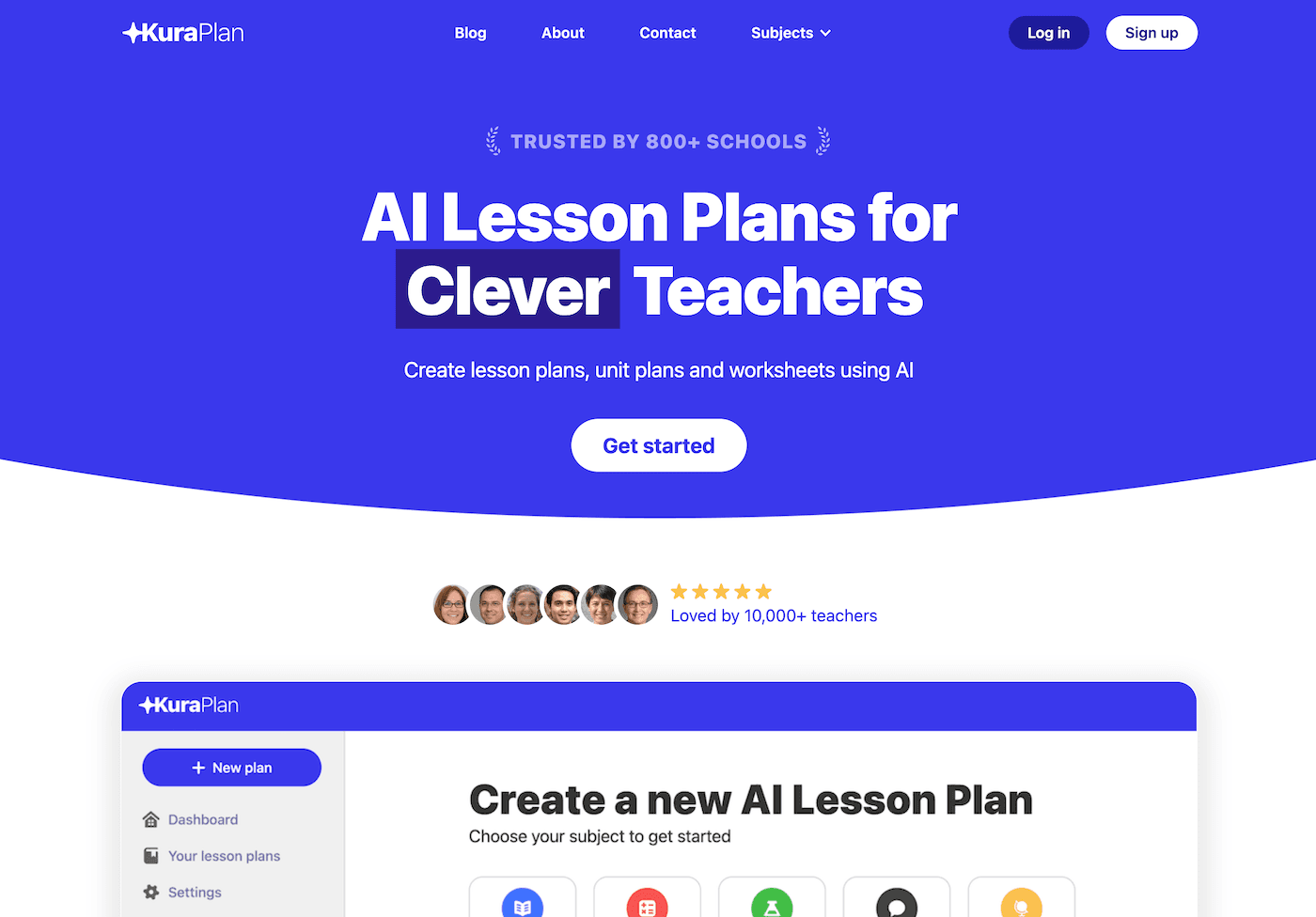
3. Diffit — Real-Time Resource Adaptation for Working Groups
Nothing tanks group momentum faster than a resource nobody can use—or everyone reads at a different speed. Diffit let us say YES to wild group requests: students found TED talks, news podcasts, or comic strips; I dropped the transcript or link into Diffit; and we instantly had materials at every reading level, with built-in vocabulary, conversation starters, and comprehension checks. My best workflow? Rotating “resource leader” jobs—each week, a new student picked and Diffit-ified the launch article or video for their group. Group inquiry felt like an equalizer, not a stumbling block, and every student had access to rigorous AND weird materials (plus zero prep for me mid-unit).
Try Diffit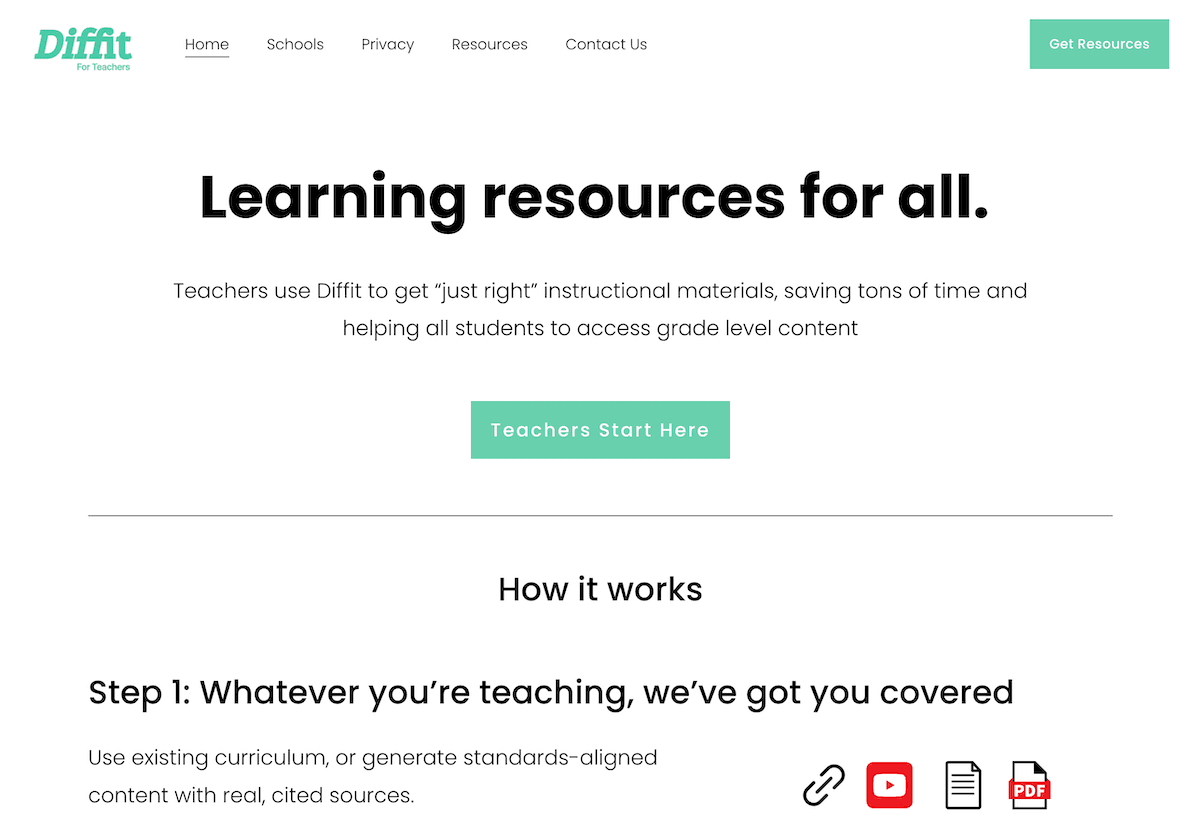
4. Jungle — Student-Driven Review Games Built on Real Misconceptions
Peer learning isn’t just about sharing what went right—it’s about surfacing what gets everyone stuck. Jungle turned review into a community ritual: after every checkpoint or messy roundtable, each group wrote “what we tripped on” cards—misconceptions, wild errors, or curveball questions. Jungle’s AI filtered and remixed these into collaborative quiz decks we played together (sometimes teacher vs. students, sometimes group against group). Suddenly, review block was a meta-game: teams challenged each other to tackle confusion, not just recall answers. Bonus: students built decks across subjects—science “failpoints” became social studies “debate hot seats.” Review went from top-down pressure to bottom-up ownership.
Try Jungle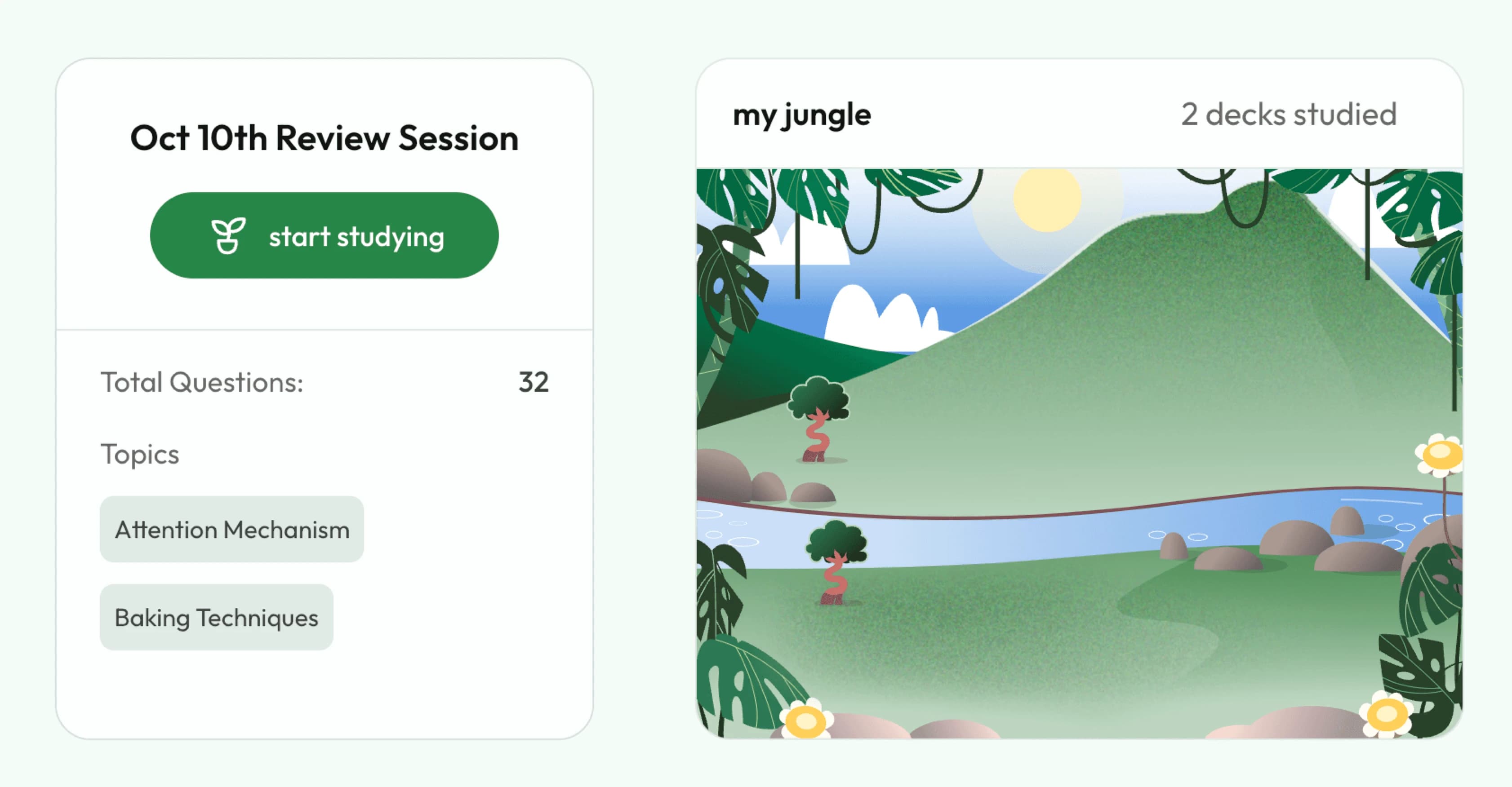
5. Notebook LM — Real-Time Group Reflection and Podcast Journaling
Collaborative learning is as much about group process as the content. Notebook LM became our “group reflection studio.” After every messy project, I prompted teams to dump voice notes, peer summary slips, photos, and even argument transcripts into a shared notebook. The AI clustered recurring themes ("Still not sure about variable X"), generated prompts for team podcast debriefs (“What would you change if this were your job?”), and offered “next-step” scripts for peer coaching. We started a monthly “process podcast,” with rotating student hosts reflecting on teamwork wins and lessons. Admin were impressed by the honest student voice, but the real benefit? Groups caught their blind spots—and owned their growth—without needing another forced self-evaluation worksheet.
Try Notebook LM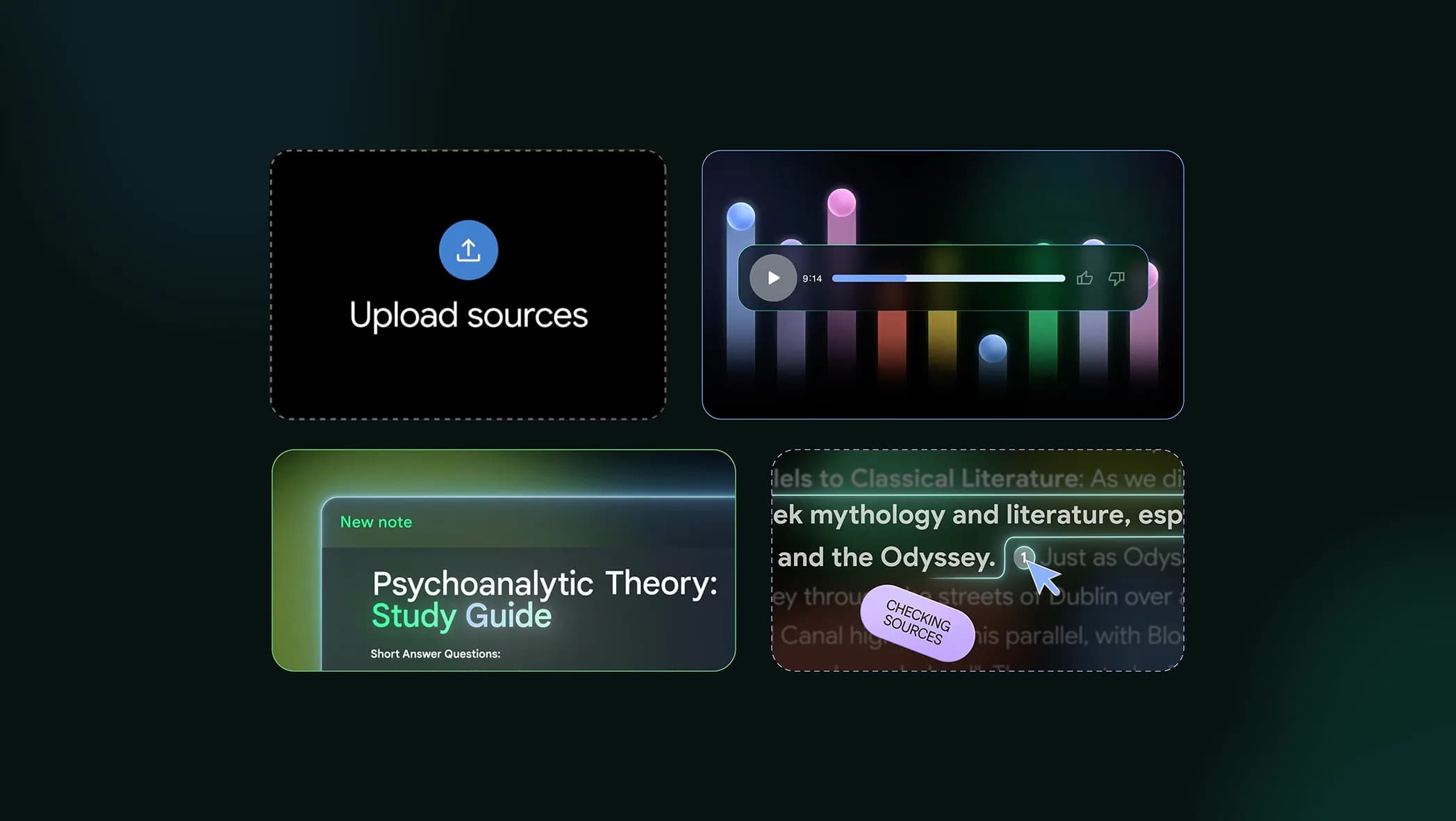
6. Suno AI — Building Team Rituals and Celebrating Wins
You might not think “groupwork” needs a theme song—but you’d be wrong. Suno AI became our culture-builder of the year. Every Friday, teams recommended lyrics or moods (“Song for surviving Model UN chaos,” “Chant for groupmate who fixed the robot,” “Reflection anthem for our best fail!”). Suno spun real, class-created tracks that we played for kickoff, transition, or celebration days. Even the most awkward class group started requesting “reset” songs after tough debate rounds. Every project now has a group playlist—and students say they remember the feeling of teamwork as much as the actual grade.
Real Advice for Teachers Building Collaborative Classrooms
- Document the process, not just the product: Gamma and Notebook LM will make group learning traceable, even for admin.
- Let plans evolve: Kuraplan works best when every group can hack the plan midstream; make edits a class ritual.
- Give students the keys to resource and review: Diffit and Jungle make differentiation and feedback visible, not just an afterthought.
- Never skip the culture: Suno-rooted rituals and group playlists are the glue that keeps teams together (and brings fun back to Fridays).
Have a collaborative class workflow, ritual, or AI hack that saved your sanity (or launched your favorite group project)? Share it! The best teamwork in 2025 won’t be standardized—but it might just be more joyful, thanks to the right tools.