6 AI Tools for Teachers Who Thrive on Collaboration
Let’s be real: most lists of AI tools for teachers focus on planning or grading for one classroom at a time. But if you’re the kind of teacher who loves running cross-grade projects, team-teaches core classes, organizes school events, or just dreams about making your students “work with anyone, anywhere” — you know that collaboration multiplies the challenge (and the opportunity). Routine edtech is built for the solo teacher—and, honestly, most AI chatbots or worksheet tools aren’t much help when what you need is a way to wrangle forty ideas, three calendars, and real student voice under a shared goal.
This past year, desperate for ways to keep group projects less frantic and school initiatives actually fun (not just staffroom headaches), I tested every AI tool I could get my hands on. The result? This field-tested set of tools and honest workflows for collaborative (and sometimes slightly chaotic) teacher life. These six aren’t just for “group work”—they’re for the teacher who wants school to feel like a hands-on lab, newsroom, or creative agency. You’ll find
Try Kuraplan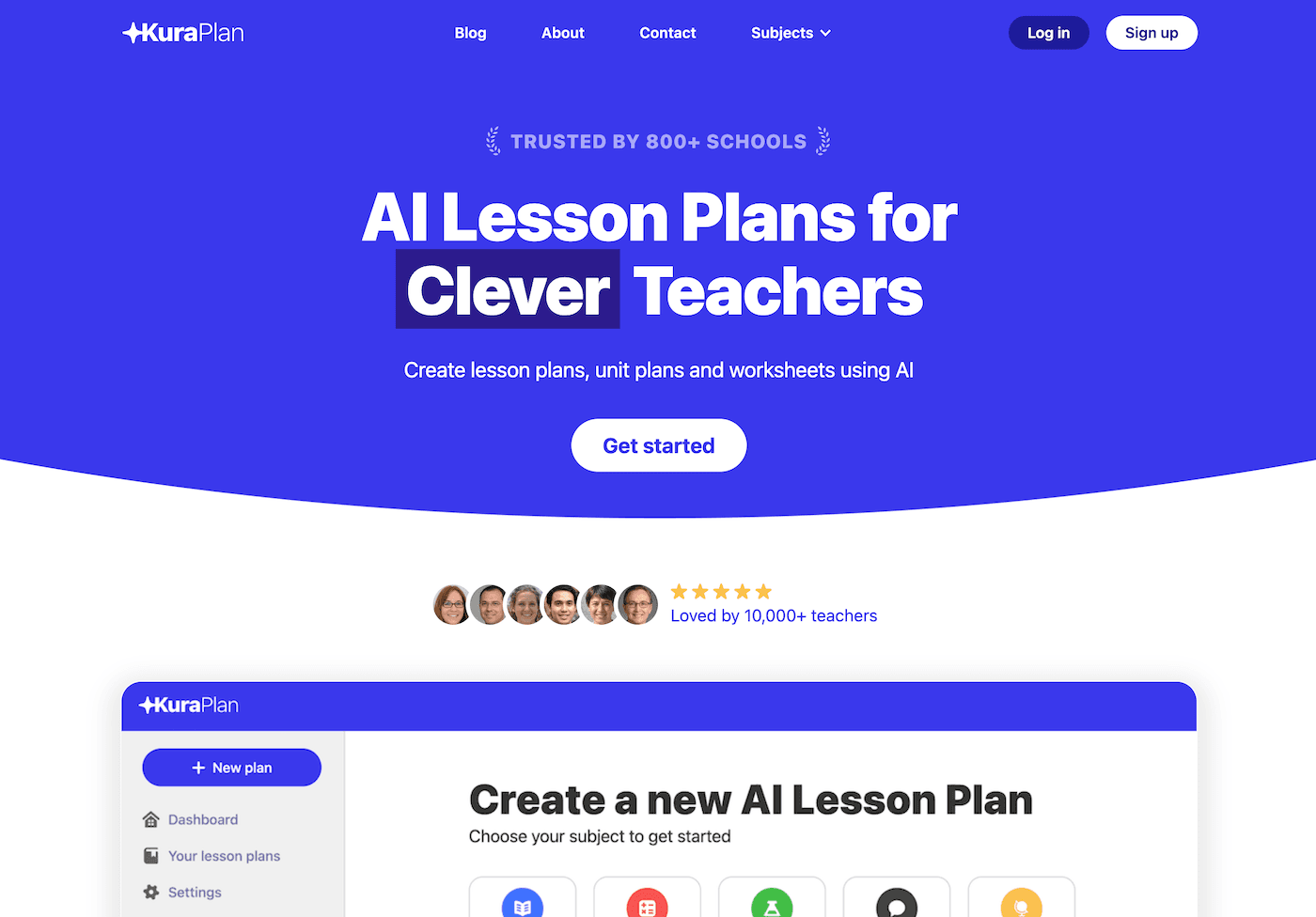
here (it saved me on schoolwide projects!)—but it’s not the star, just a damn good tool when you need structure.
1. Gamma — Your Schoolwide Project Storyboard
For years, our grade-level and cross-department project planning died in the graveyard of shared Google Docs nobody could find. With Gamma, we finally got everyone (students, teachers, parent volunteers) editing in the open: brainstorming festivals, scheduling career fairs, mapping out the themed research expo. Groups and committees dump blue-sky ideas, rough timelines, student photos, and milestone notes into one Gamma workspace—the AI instantly organizes everything into a visual, clickable progress map you can project at every meeting or send to families. The biggest win? Students see how their messy group input becomes the skeleton for actual public events—and the project history is visible for next year’s planners, too.
Try Gamma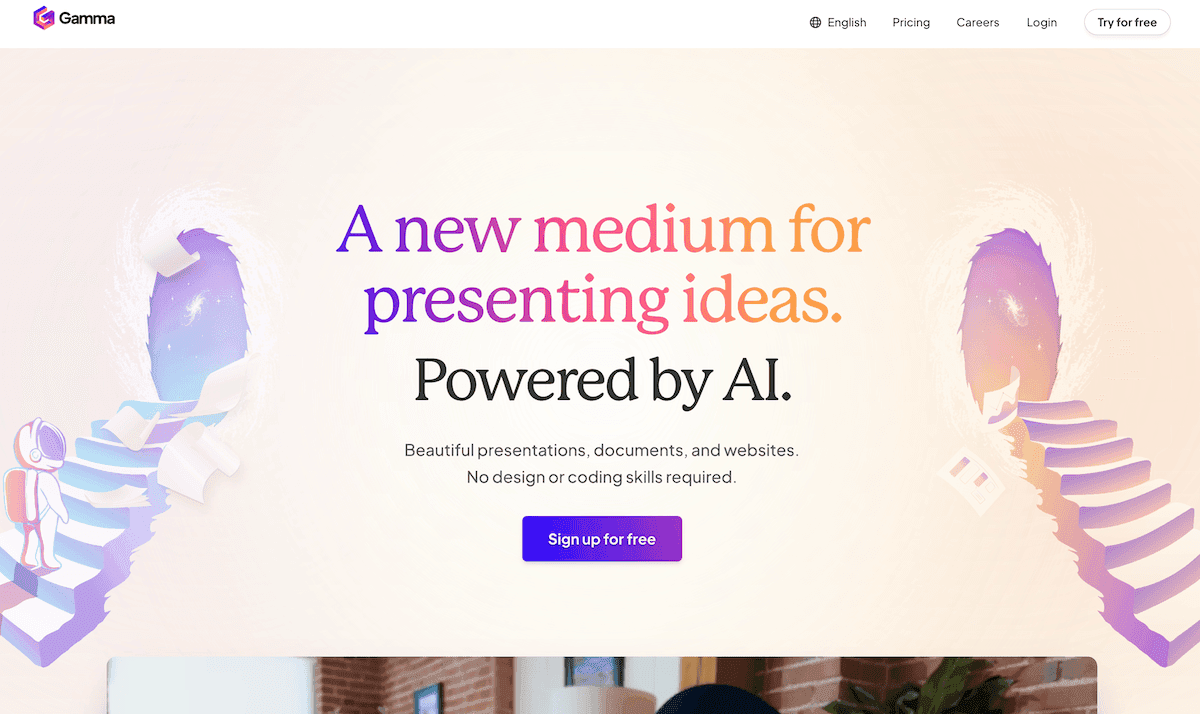
2. Kuraplan — Cross-Class Maps (Where Everyone Gets a Say)
Yes, if you’re running a school musical, battle of the books, or multi-class passion project, you’ll need more than checklists. The real trick is making a plan that’s both flexible and transparent. I use
Try Kuraplanfor any initiative that touches more than one group: plug in all your non-negotiables (admin asks, state standards, public deadlines), then invite teachers and student leads to edit milestones and add reflection days or wild-card detours. Every team sees the live plan—and edits it—so there’s real buy-in. The workflow I stole: update the Kuraplan map every staff/school meeting, so every voice is accounted for and last-minute pivots don’t become emergencies. Structure plus trust, with far less group email drama.
3. Diffit — Adapt Resources for Every Voice and Grade
Nothing derails a great all-school project or peer-mentoring event faster than uneven resources. Diffit solves it—whenever any class brings in a reading, podcast transcript, or kid-generated resource, you drop it in and get leveled versions (plus vocab and questions) in minutes. Now, when my middle schoolers co-teach writing to grade 2, or seventh graders build a news debate for high schoolers, everyone gets a resource they can access—and the project menu can genuinely include everyone, regardless of where they started. Use this as a routine: let leaders Diffit the shared source before schoolwide launches, and never worry about differentiation bottlenecks again.
Try Diffit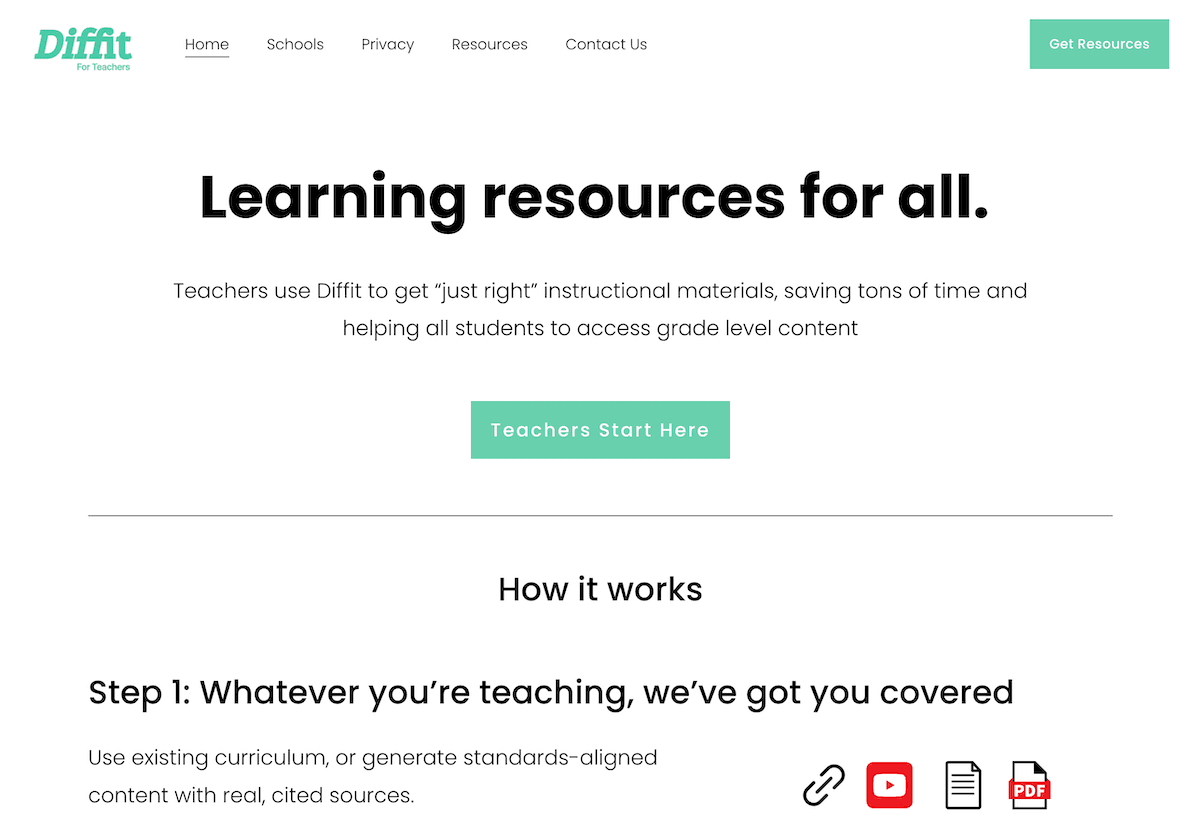
4. Jungle — Peer Feedback and Debriefs That Actually Get Used
Collaborative teaching is all about learning from the process—but team reflection dies when it’s just another survey. Jungle is my trick for turning group check-ins into something kids and staff will actually revisit. Every class, club, or team project ends with each group submitting one honest review card (“biggest surprise,” “what should next year try,” “where did our partnership go off the rails?”). Jungle’s AI bundles these into review decks and trivia games you can play at your school celebration—yes, the robotics team and the drama cast can compete on “what was the messiest moment of the project?” Archive these for new student leaders, and use the best prompts to improve collaboration every cycle.
5. Magicbook — Publish Your School-Wide Moments
If you want a school culture that celebrates collaboration (not just results), make publishing a ritual for every big event. With Magicbook, my team now co-creates real digital anthologies—students and teachers alike contribute pages, photos, or captions to make public records of the talent show, buddy program, schoolwide service week, or even just “what our advisory accomplished this term.” Magicbook formats and illustrates, and by the end, you have a shareable, beautiful artifact for every family and admin. The secret sauce? Let groups build Magicbooks about the process (not just the final product): “What 5th Grade Taught Us,” “Our Weirdest Friendship Day Stories,” “Thank You, School Counselors”—student and teacher voices combined.
6. Suno AI — Ritual and Hype for Team Spirit
Collaboration feeds on celebration, but most class/school routines get stale by winter. Suno AI is now our energy reset: students (and teachers!) crowdsource prompts for anthem-of-the-week, walk-on songs for pep rallies, or “project survived” anthems for club celebrations. Suno spits out a fresh, custom song or jingle in seconds. Now, class transitions, project launches, and school events have their own evolving soundtrack—sometimes hilarious, sometimes legit heartwarming. School feels alive, and teachers (yes, even me!) have one less thing to cobble together for next week’s opening ceremony.
Teacher-to-Teacher Tips for More Joyful, Real Collaboration
- Build project maps and resource guides in public. Show students, colleagues, and admin how creative process looks—not just the final product.
- Insist on radical access: Diffit-ify any resource that touches more than one grade or group, and let students help.
- Make peer feedback a ritual, not an afterthought: Jungle helps debriefs build culture, not friction.
- Memorialize and share your best moments: Magicbook and Gamma let every voice (and contributor) get seen and remembered.
- Don’t skip the fun: Suno rituals keep group energy up when plans change, events run late, or the project “almost bombs.”
- Never trust a tool that makes everyone work alone: The future of learning is collaborative—and the best AI in 2025 is built for teams, not solo scripts.
Have your own collaboration ritual, schoolwide workflow, or project hack? Drop your favorite below—together, we can make school (and staff meetings) a little lighter, livelier, and a whole lot more creative next year.