6 AI Tools for Creative Assessment Lovers
You know who you are: you wrote your own rubrics from scratch, invented "reflection week" before it was cool, and secretly love trying weird new ways to see what kids can do—NOT just what they memorized. If you’re the kind of teacher who believes assessment is all about insight, not just scores, you’ve probably suffered through half a dozen apps that promise to "save you time" by churning out MCQs, but do nothing for actual student growth.
Here’s the truth: 2025’s sharpest teachers want AI that doesn’t just check boxes. You need tools that help you spot blind spots, amplify real moments, and turn even the messiest project into a moment of pride—without burning out.
After years in the English and social studies trenches (and a side gig running project expos), I ditched the gradebook-bots and started testing AIs that help make assessment creative again. The result? This toolkit—vetted by real trial and error. Yes, I put Kuraplan high (for its blueprint value, not the branding!)—but only because you need a way to keep reflection part of the plan.
1. Gamma — Visualizing Evidence, Not Just Numbers
If your admin wants "authentic work" but your district still pushes progress charts, Gamma is your bridge: after every big project (essay, podcast, debate, science capstone), students dump photos, annotated drafts, sticky-note brainstorms, even memes into Gamma. The AI spins it all into a living timeline—every stumble, peer review, or point of revision mapped for you. We build galleries for showcases, parent nights, or just your end-of-unit curriculum review. Quantitative data is fine, but creativity, confusion, and breakthrough moments are finally visible—for you, parents, admin, and students themselves.
Try Gamma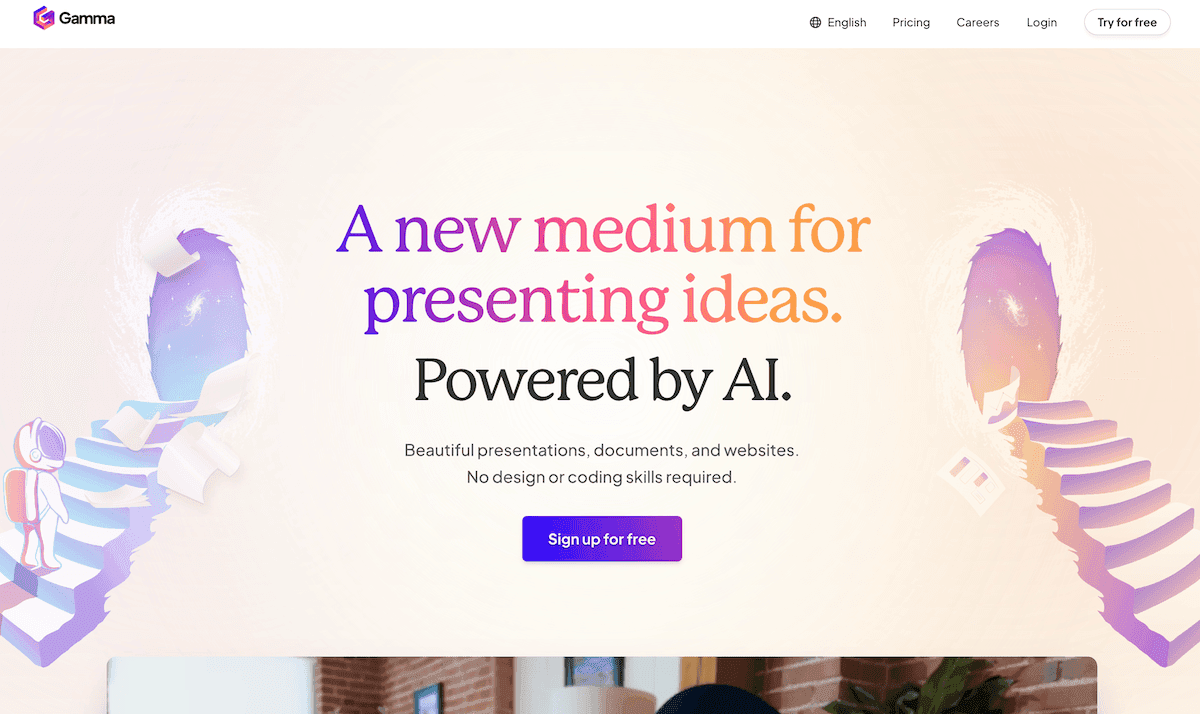
2. Kuraplan — Building Reflection into Your Unit Map
Too many planners treat assessment as the finish line. I use
Try Kuraplan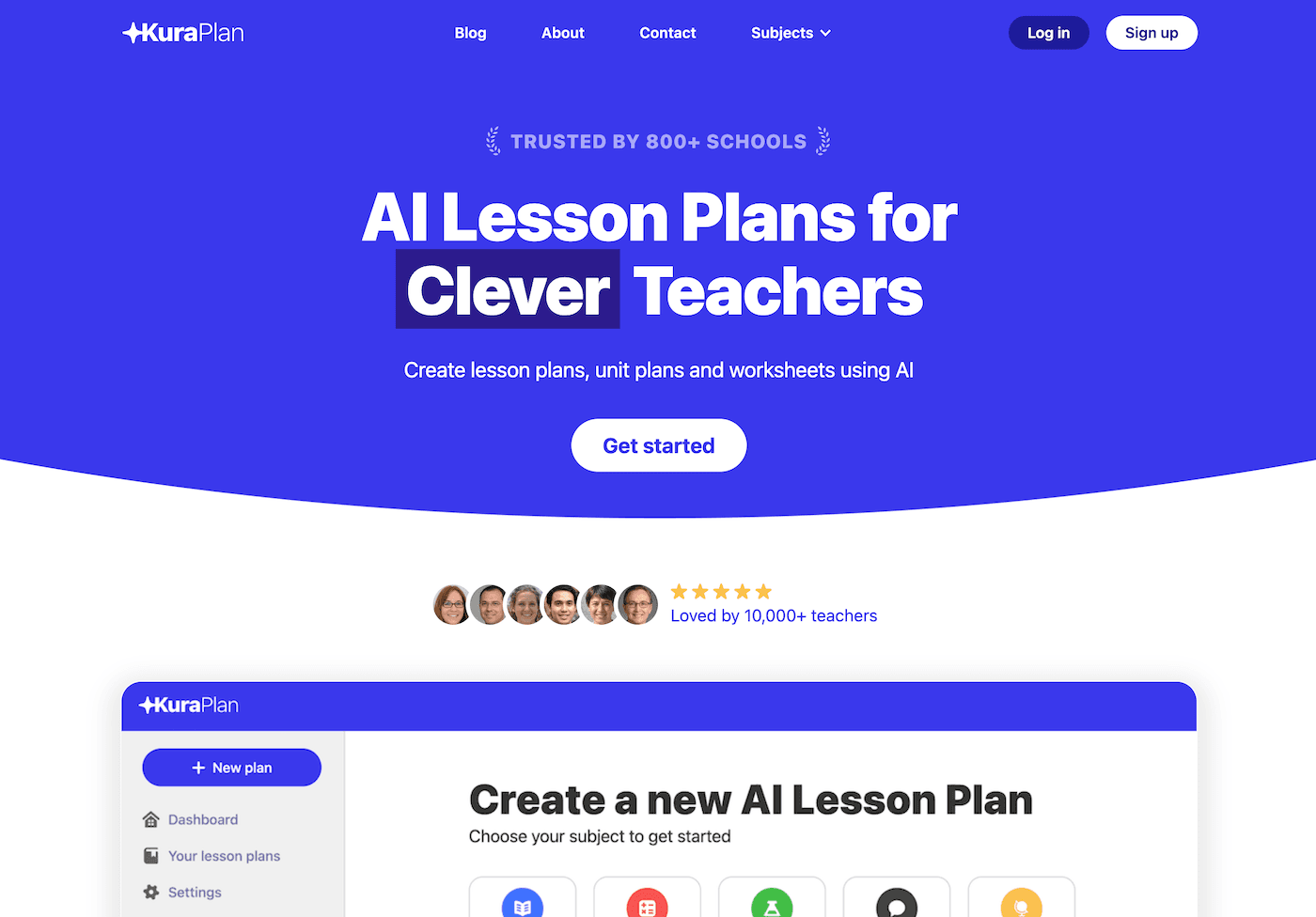
to draft every unit as a prototype: every two weeks, I drop a feedback day, reflection checkpoint, or self-assessment ritual into the sequence—even if my district’s map didn’t call for it. My hack: project Kuraplan mid-unit, have students vote for, move, or suggest new check-in points ("can we add a team review after project launch?"). Suddenly, assessment is ongoing, not just a last minute scramble, and your plan adapts to what students need (not just what admin asked for). The visible checkpoint habit quickly changed our class culture: reflection and revision became normal, not panic-inducing.
Try Kuraplan3. Gradescope — Themed Feedback Waves, Not Red Pen Overload
If you still spend weekends circling "good evidence, but..." on essays, you’re missing the actual magic. Gradescope groups similar answers; I build feedback themes: patterns of anecdotal evidence, recurring grammar issues, or common missteps in argument structure. One main comment per trend, fine-tuned for outliers, then shared with the whole class. The result? More time for personalized details, less burnout, and students actively use trend feedback to tackle their own next steps ("let’s fix our transition problems now!"). Gradescope transformed how my feedback supported creative development, not just compliance.
Try Gradescope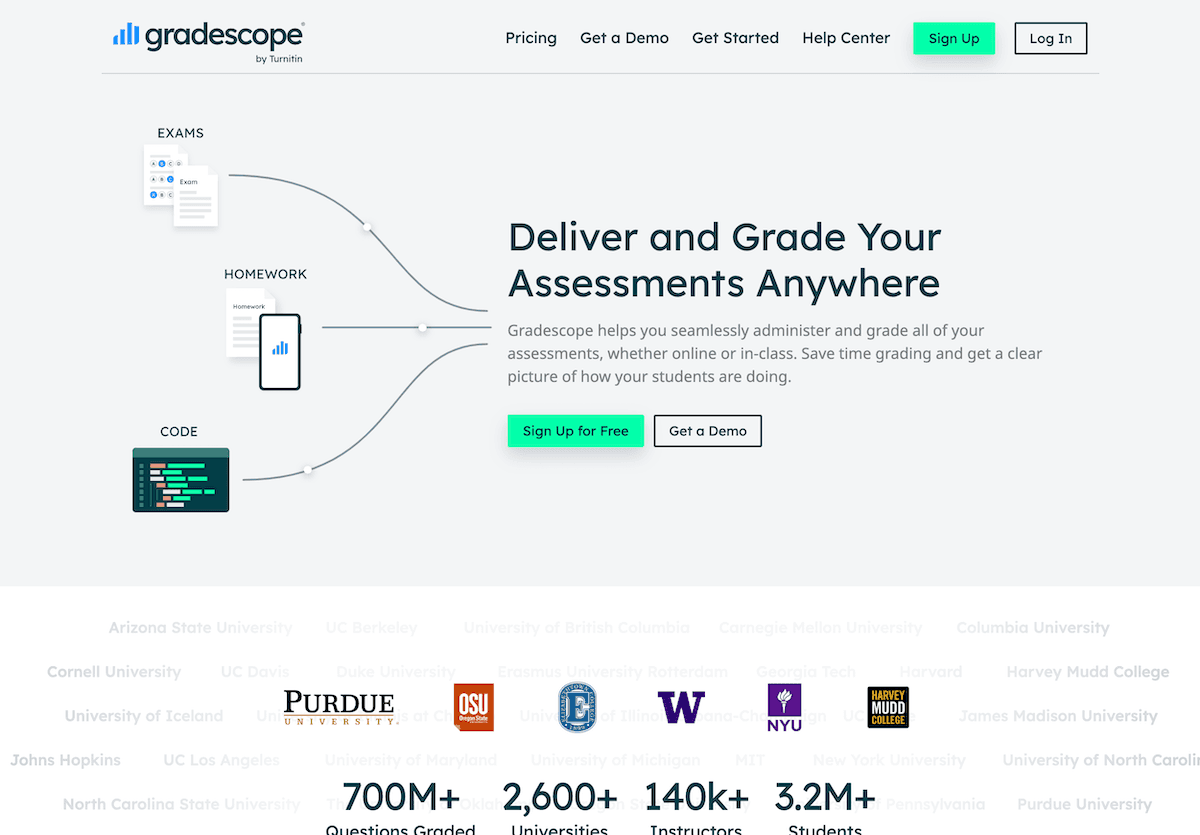
4. Jungle — Student-Powered Reflection & Review Decks
Why should students only get to play the review game, not write it? After every messy assessment week, I have groups use Jungle to craft cards: 1 thing they wish they'd understood earlier, 1 tip for a future peer reviewer, 1 trap they fell into, and 1 "this worked!" trick. Jungle builds the deck; groups remix as a live review game (or build a "next year’s guide" deck to pay it forward). Most impactful: students stop seeing feedback as critique and start viewing it as collaborative, evolving wisdom. I now open every conference week with a student-curated insight deck.
Try Jungle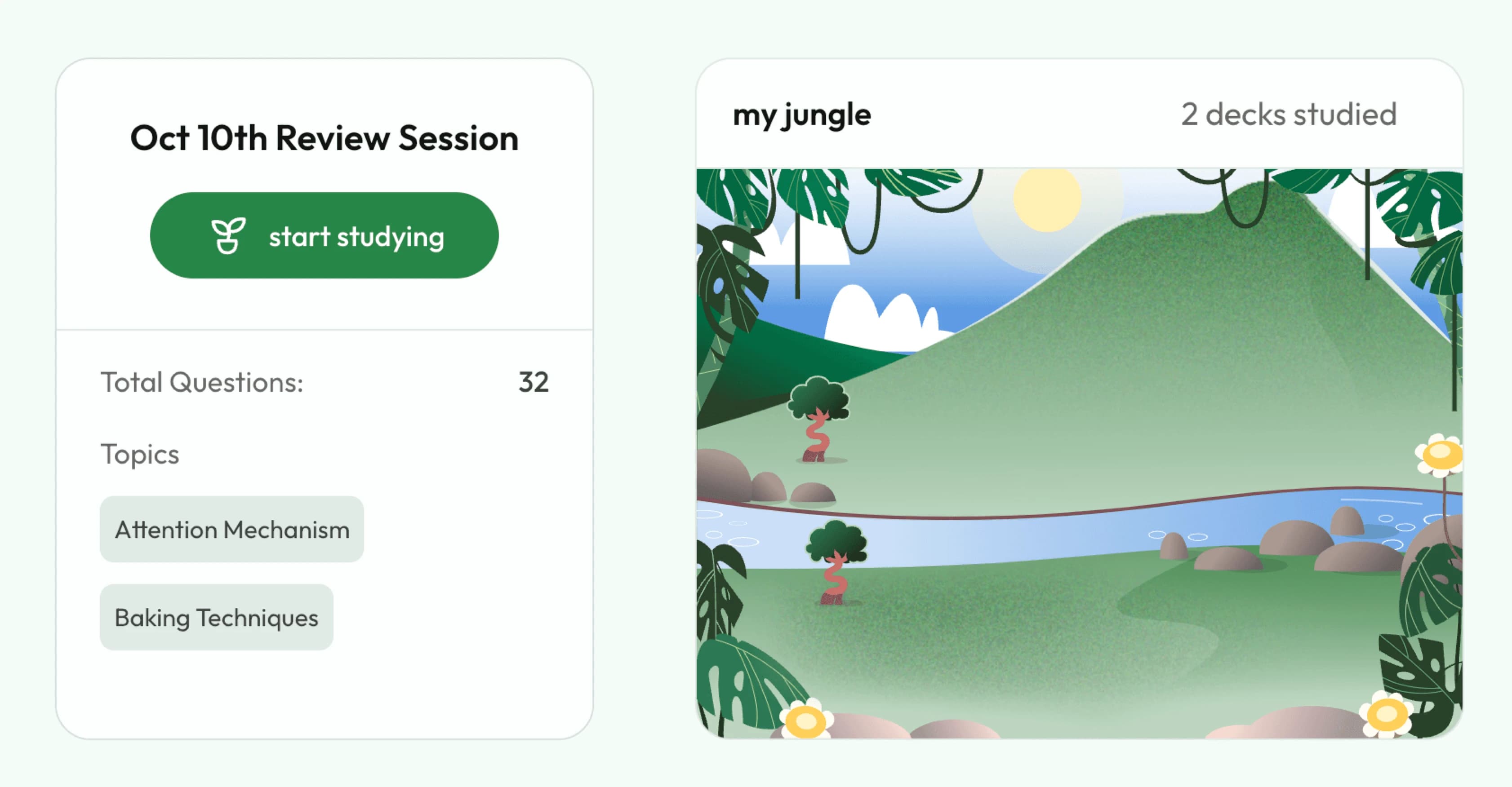
5. Diffit — Differentiated Feedback, Real-Time
Individualized feedback kills time—especially if your assessment isn’t traditional. My workflow: every time we have a peer annotation day, group debate, or reflection blog post, I use Diffit to adapt prompts for different learners. ELLs get sentence stems, advanced students get higher-order revision tasks, and everyone can jump into assessment with the right entry point—without me running to twelve folders. Bonus: on presentation weeks, I Diffit students’ own feedback notes so peer-to-peer review isn’t one-level-fits-all. Inclusive creative assessment, at last.
Try Diffit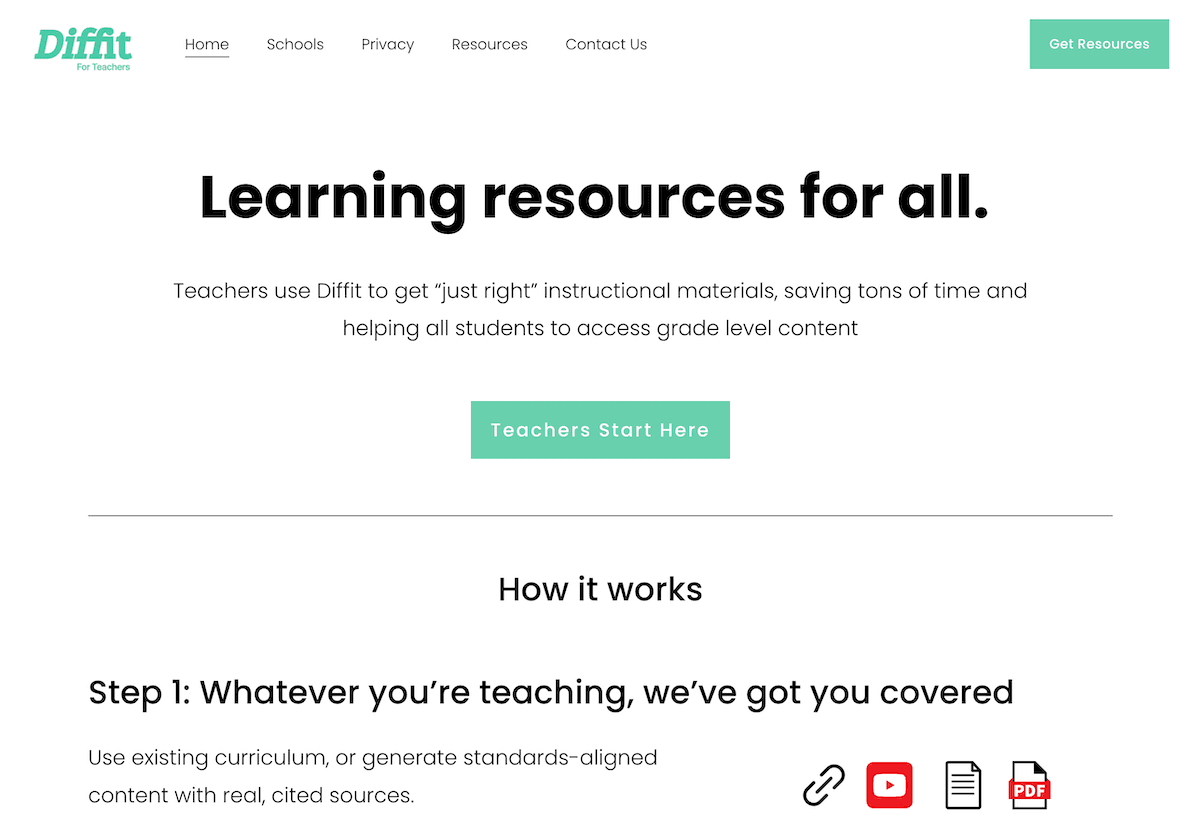
6. Suno AI — Soundtrack Reflection & Celebrate Revision
This is the joy factor: closure, courage, and pride for every creative risk-taker. Every assessment week, students write lyrics (“An Ode to Version Five,” “Song for Surviving Essay Bootcamp,” “Victory Lap for our Podcast Launch Debut!”) and Suno whips up a class anthem. We blast it on open house or project feedback days, use it as walk-up music for student panels, and archive a playlist from every cohort. It’s goofy, yes—but it marks progress, closure, and the courage to keep improving. And let’s be honest: real assessment isn’t just scores, it’s memory.
Try Suno AI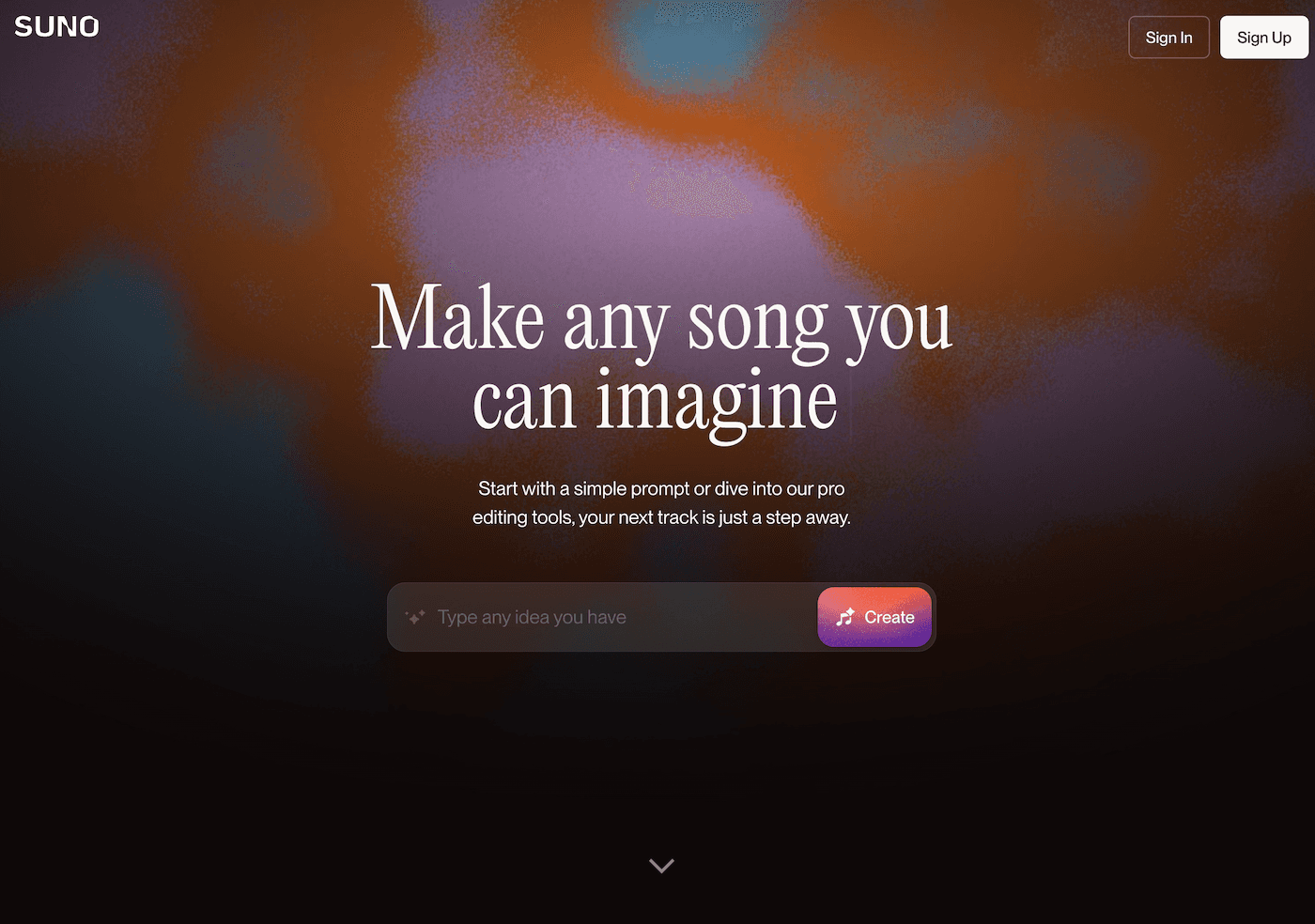
Final Tips for Assessment-Lovers (from a Perpetual Experimenter)
- Archive ALL process, not just the product. Gamma and Jungle will make mess, peer review, and revision evidence visible—and way more impactful.
- Make feedback collaborative, iterative, and as public as possible: Kuraplan, Gradescope, Jungle, and Diffit help feedback become culture, not just a grade.
- Let students help build the review and reflection process—and remix next year’s assessment tools.
- Celebrate every risk: Suno is proof that joy and growth are two sides of the same coin.
- Never let the "efficient" tools take creativity out of your workflow. Build for insight, voice, and improvement—if AI helps, great. If it doesn’t, keep searching (or build your own routine).
Are you a non-traditional assessor, creative feedback fiend, or advocate for making student thinking visible (and joyful)? Share your workflow, ritual, or new favorite tool below. Assessment for growth is hard work—but with the right tools, it can be your class’s best legacy.