6 AI Tools for Teachers Who Love Creative Chaos
If you’re the teacher who lives for the days that go wildly off-script, who’d choose a half-baked passion project over a polished worksheet, or whose desk is currently covered in sticky notes and mysterious doodles—a) solidarity, and b) this one’s for you.
For the last two years, I’ve leaned all the way into class chaos: inquiry detours, student-run debates, and project sprints where the only thing certain is someone will have an idea I didn’t plan for. The good news? It works. Kids remember these units. The real challenge: organizing the mess just enough so no one (including you) gets overwhelmed—and so you have more energy for the next brilliant curveball.
This past year, I went full guinea pig with every AI tool I could find. Some were glorified template fillers. But these six—each with a genuinely weird workflow—actually thrive in the hands of teachers who believe school should be a little unpredictable.
1. Notebook LM – The Class Memory Engine
We all preach "process over product," but my best moments used to die on the whiteboard or get forgotten by Friday. Now, every brainstorm, half-built story web, or voice memo gets tossed into Notebook LM. The AI auto-organizes our chaos, surfaces recurring themes, and—my favorite—suggests podcast episode scripts based on what actually happened in class. Some weeks, my students run their own "recap show" on what stuck and what spiraled. Best of all? It’s searchable, so next semester’s crew can remix a classic debate or launch a project from last period’s wildest tangent.
Try Notebook LM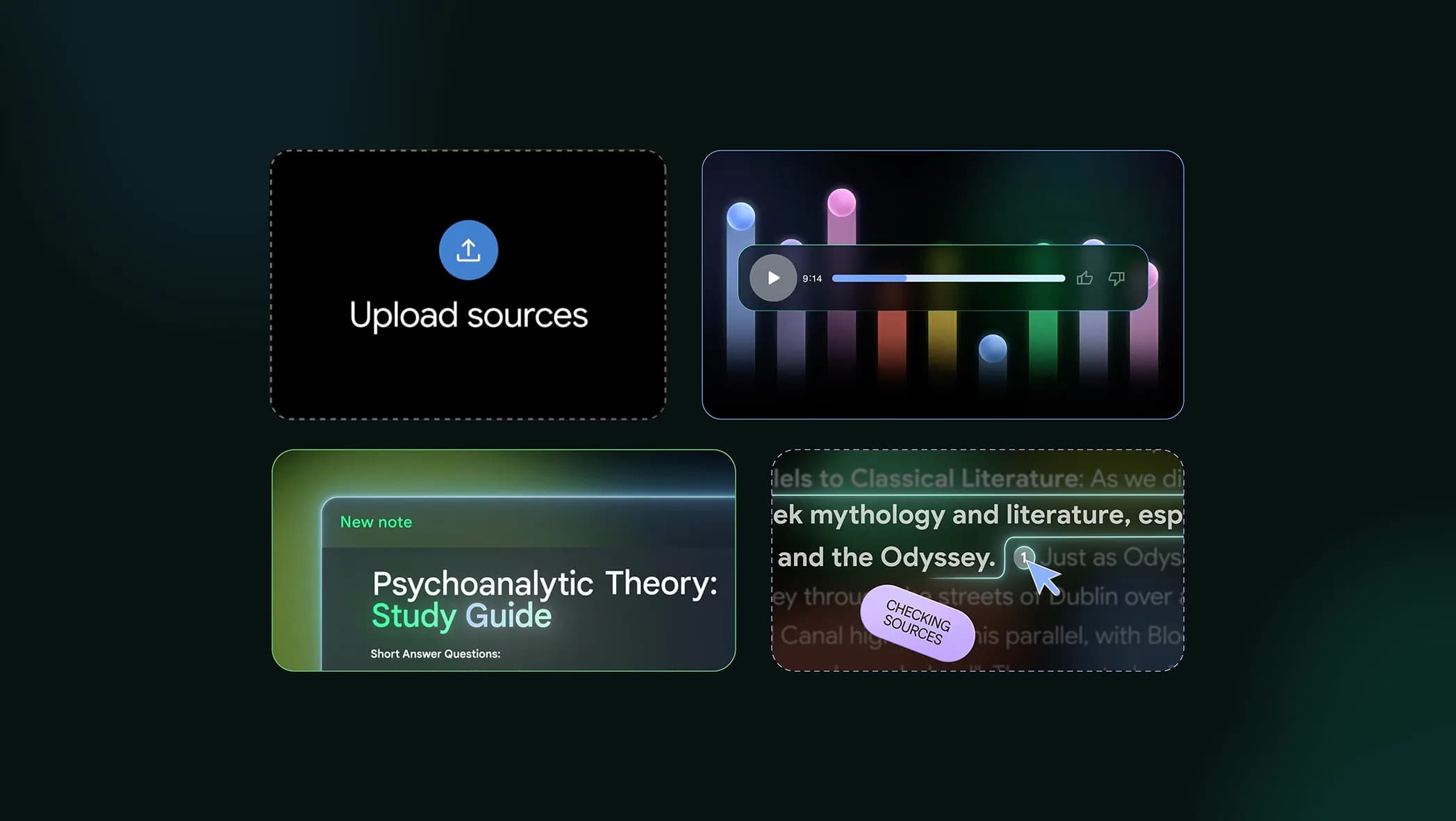
2. Kuraplan – Just Enough Structure, Never Too Much
I resisted any planner that felt like a lesson straitjacket. But early this year, Kuraplan became my secret weapon—not as a script, but as a safety net. When a class design sprint took a hard left, I’d plug in our new ideas, student wish-lists, and the one deadline we actually had to hit. Kuraplan spat out a timeline draft, checkpoints, and reminders (like "remember to invite families")—which students immediately tore into and rewrote on the projector. The trick: it anchors the chaos, not controls it. Even my most anti-routine classes started taking more creative risks when there was an editable roadmap to course-correct with.
Try Kuraplan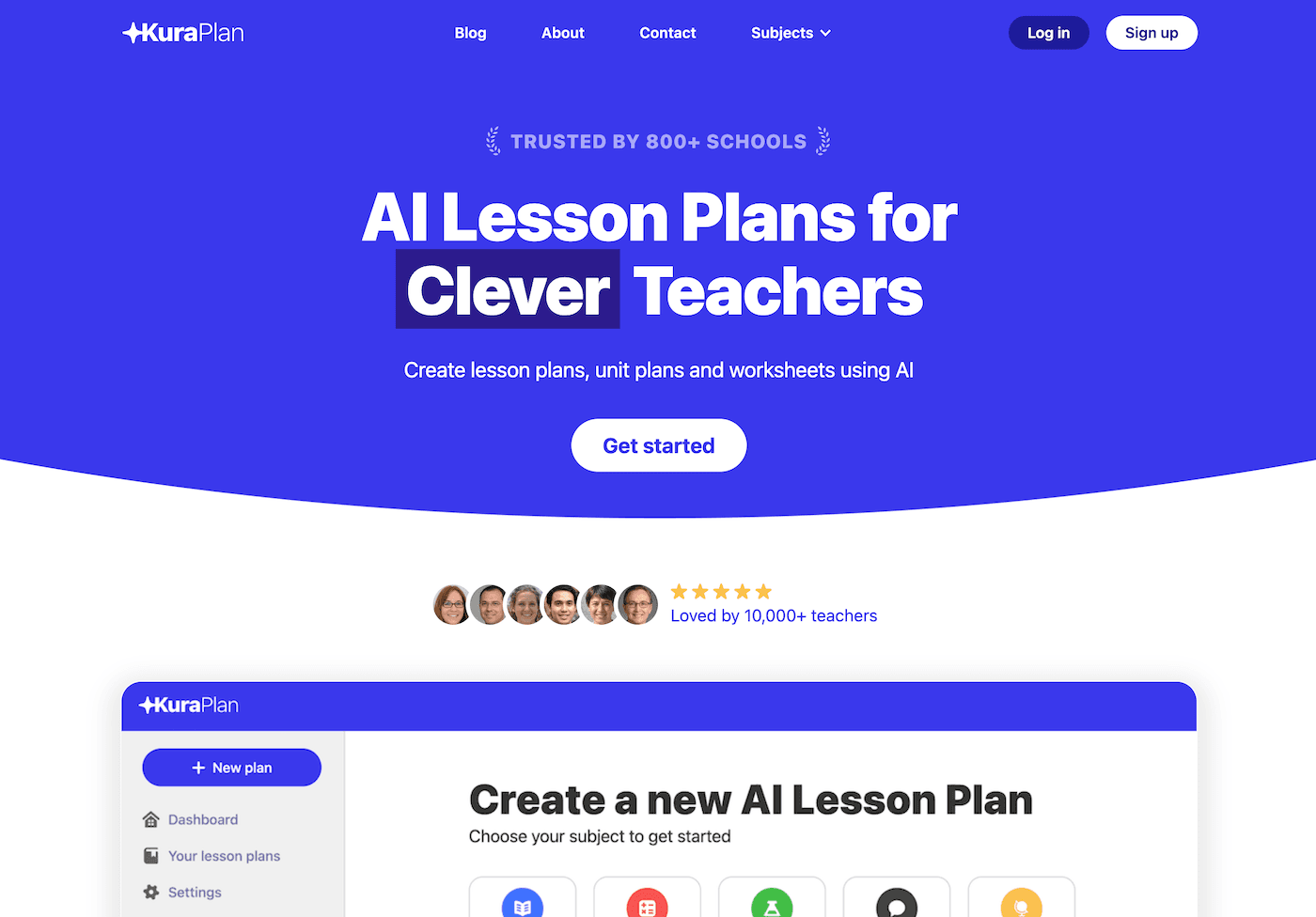
3. Gamma – Documenting the Mess, Visually
Digital slideshows are great—if you’re the tidy kind. For the rest of us, Gamma changed the game: after every group project or three-day brainstorm, I shove every photo, impromptu debate note, and sticky-note mural into Gamma. The AI turns the pile into a visual timeline or “choose your own adventure” gallery. We use these both as a living exit ticket ("how did we get here?") and as the backbone for our parent nights and project roundtables. More than once, I’ve had an admin say: “So that’s what you’re doing all week.” Success.
Try Gamma
4. Jungle – When Students Write the Review, Not You
Confession: Review days made me yawn—until I stole this hack. After every unpredictable unit (think: argument mashups, science “invention garage,” or the world’s messiest documentary), I ask my students to craft one quiz question, one misconception, and one wild fact or joke from the project. Jungle sorts, de-dupes, and builds a class deck for live review games or on-the-fly quizzes. The most fascinating bits aren’t the right answers—they’re the fun errors and “how did we get here” reminders in the deck. Review is now part assessment, part class lore.
Try Jungle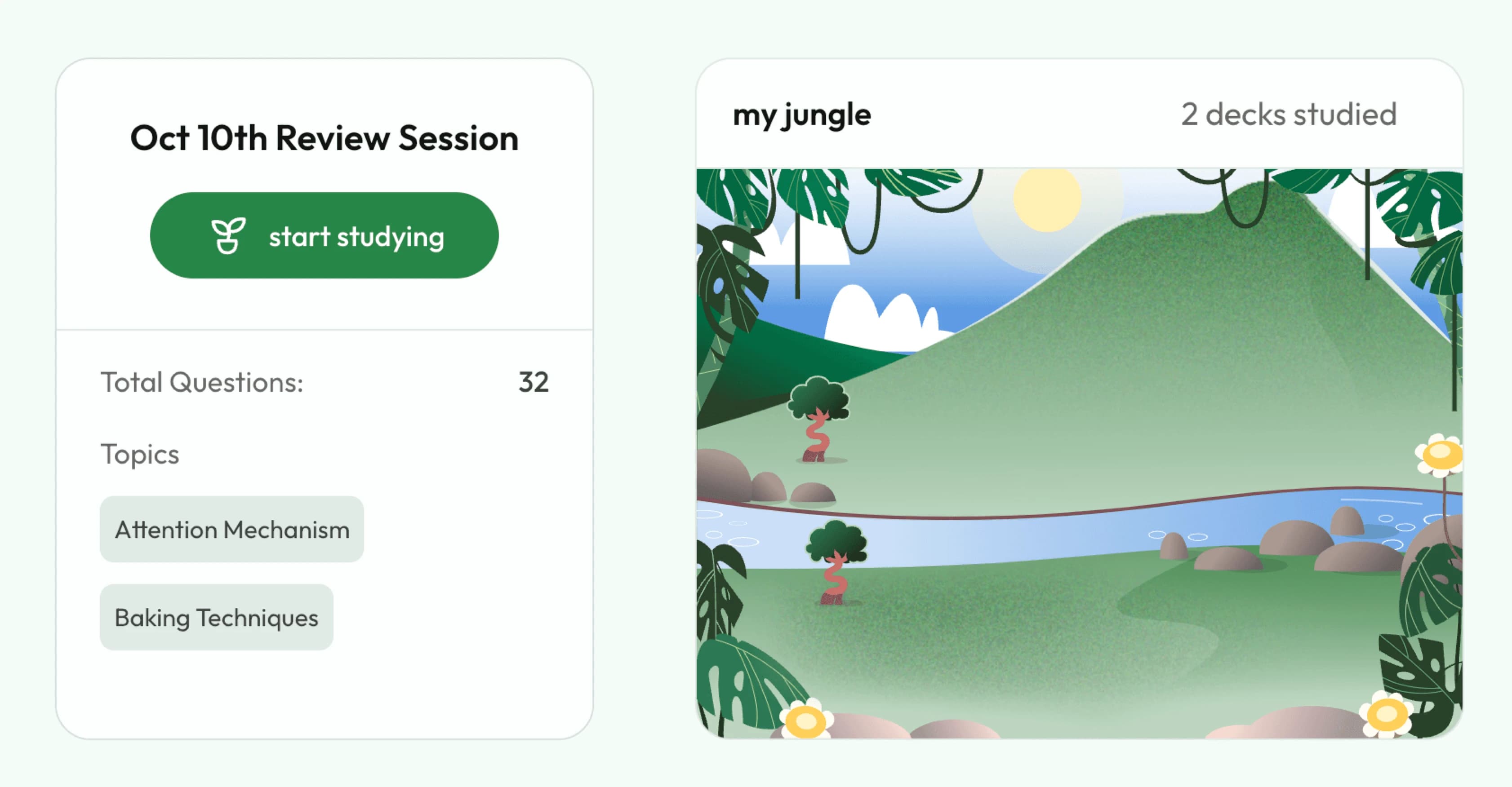
5. Diffit – Real-World Reading, No Matter What the Kids Throw at You
True chaos means students are dragging in Reddit threads, local news, TikTok explainers, and Wikipedia wormholes... all at 8 different reading levels. Diffit is my differentiation hack: anything (an article, video transcript, or kids' own writing) gets copy-pasted and instantly becomes 3+ reading levels, plus vocab and questions. Now, every group can tackle the weird source they want—and nobody gets left out just because they picked a wild text. Bonus: I use Diffit as the "instant sub plan generator" when a project lands on a snow day or a new kid joins late.
Try Diffit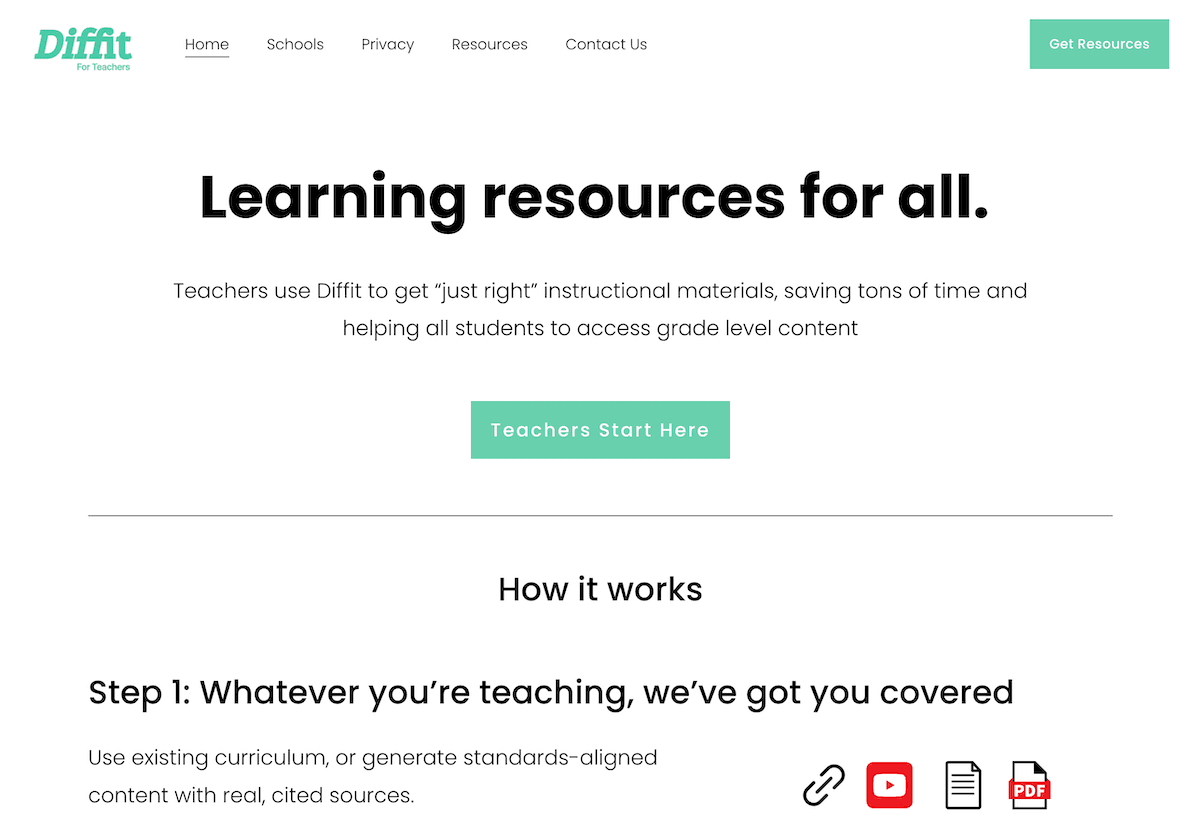
6. Suno AI – Rituals and Anthems for Surviving the Ride
Transitions, “we finished the thing!” parties, and even meltdown moments need a ritual. But when your class work is off the rails, you’re out of playlist ideas by March. Suno AI changed everything. We crowdsource lyric lines (“beat the test monster,” “clean-up song for project spaghetti,” “ode to the week we survived”). Suno generates an original, classroom-safe theme in seconds. The ritual is now co-created and ever-changing (like the teaching itself)—and on Friday, nothing resets the room after a messy project like blasting our self-written “Failure Anthem.”
Try Suno AI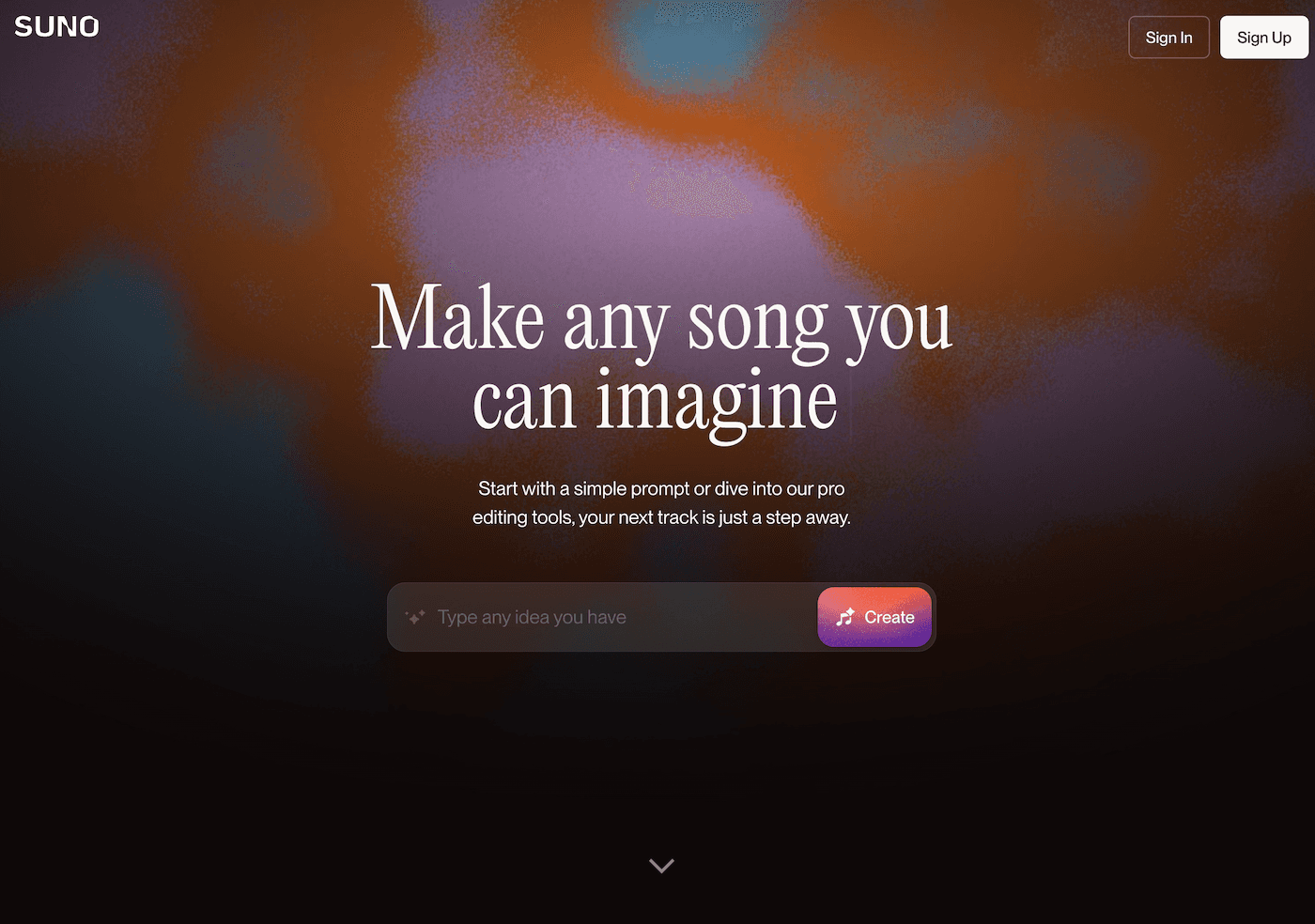
For Teachers Who’d Rather Improvise
- Use these tools to capture, not restrain, your class energy. If a workflow feels scripted, tweak or skip it.
- Let your kids edit the plan every time; it’s half the fun and bakes buy-in into your wildest units.
- Share the chaos. Parents, admin, and your future self will thank you when your process is as visible as your product.
- Invent rituals (even silly ones) with AI to celebrate, reset, or just acknowledge that you survived another glorious mess.
What’s your secret weapon for embracing classroom chaos—AI tool, hack, or ritual? Drop your story below. We survive and thrive best when the tools flex with us, not the other way around.