6 Surprising AI Tools for Creative History Teachers
If you’ve ever finished a U.S. History class thinking, “Did we just invent a podcast, rewrite the textbook, and launch a real debate all in one week?”—this one’s for you. History is never just a list of dates and treaties—it’s a living, tangled web of stories, contradictions, and bold perspectives. But as a history teacher, you know the real challenge: giving every student an authentic voice, capturing those unplanned debates, and making sure your best “off-script” moments don’t slip through the cracks. Most AI tips out there talk about grading speed or worksheet generators…but my most memorable units owed nothing to fill-in-the-blank tech.
This year, I set myself a challenge: Could AI actually help make history MORE real and creative—not just faster and more standardized? After months of experiments—with some hilarious misfires—I finally landed on six tools that genuinely changed how my students learned and how I teach. Some are under the radar, some better known (yes,
Try Kuraplan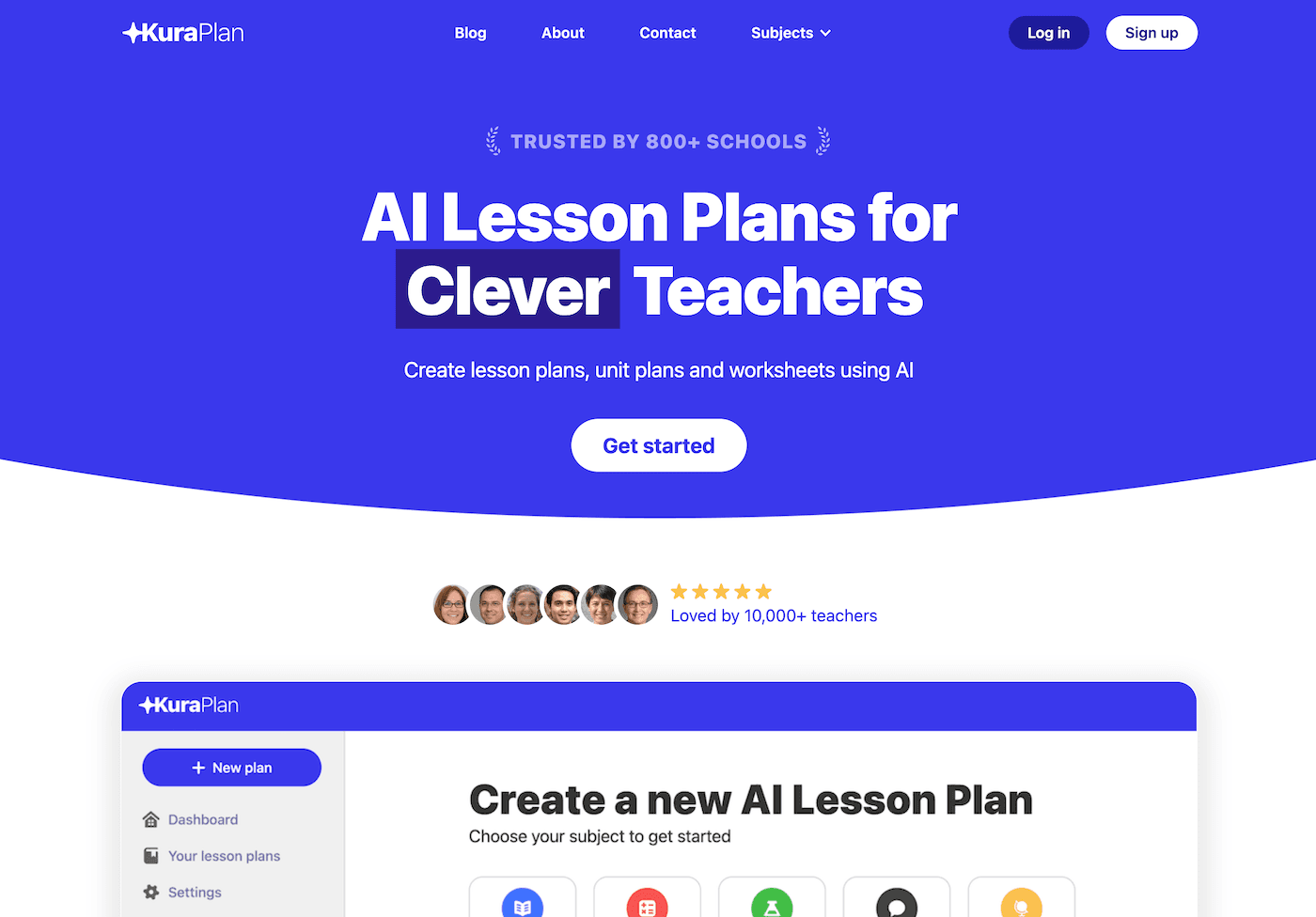
makes an appearance, but not in the top spot), but every one changed my workflow—and my students’ engagement—for the better.
1. People AI — Bring Dead Voices Into Living Debate
I’ve run mock Congress, done historical roleplay, even held classroom "constitutional conventions." But this year, my students went further: Inventing their own interview targets—from fictional 17th-century pirates to contemporary activists. With People AI, student groups crafted their toughest questions, then grilled the AI "guest" live, in character. The tool kept up (sometimes even sassing back), so instead of rote trivia, class debates turned into real cross-examinations—no two ever the same. When my shyest sophomore pressed "Thomas Jefferson" until he admitted his contradictions, the class exploded. My tip: Use this for unscripted Socratic seminars, cold-case interviews, or multi-perspective panels with students in the driver’s seat.
Try People AI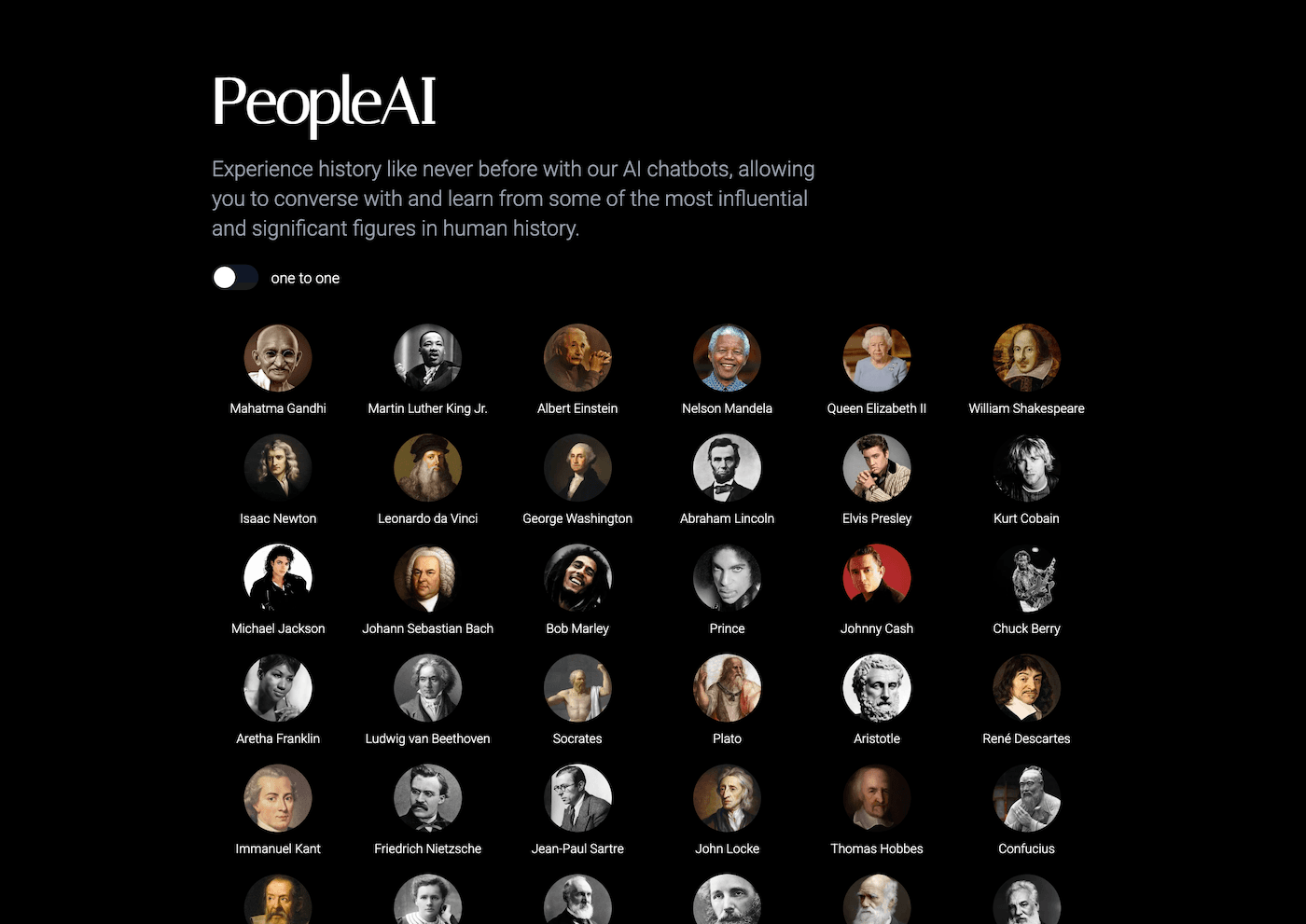
2. Notebook LM — Turn Class Chaos Into a Living Archive
Do your best brainstorms end up erased at the bell? Mine used to—until we started feeding everything into Notebook LM: exit slips, podcast scripts, debate notes, and "what if...?" sticky notes from the back row. The magic isn’t just archiving chaos: Notebook LM’s AI clustered arguments and contradictions into themes, even proposing new Q&A roundtables and reflection episodes. We ended units by recording "History in Progress" podcasts (starring everyone, not just hand-raisers), and every time admin asked, I finally had real evidence of learning in action. If you’ve ever wanted a searchable, dynamic record of your best (and weirdest) lessons, this is it.
Try Notebook LM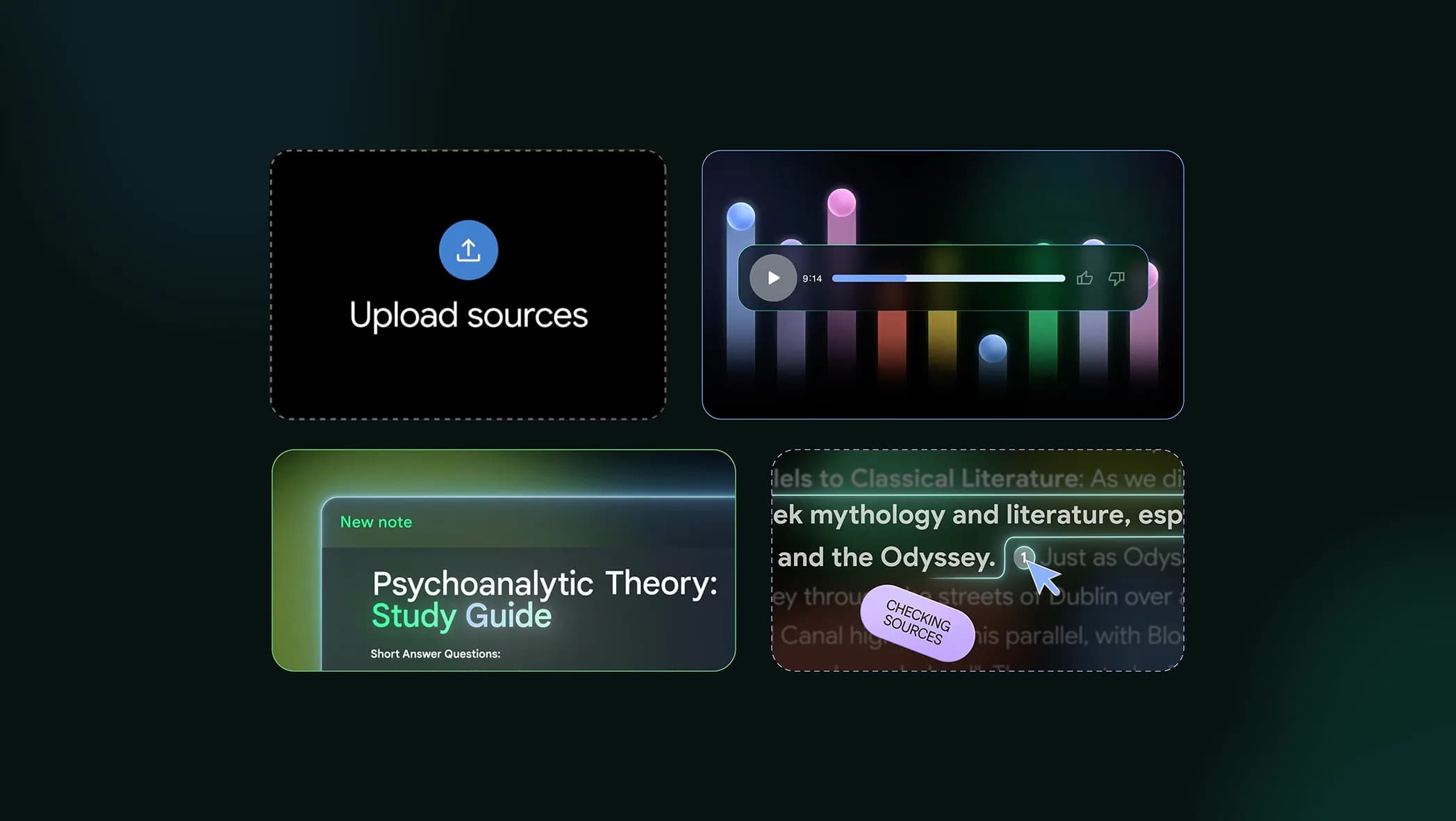
3. Kuraplan — Project Blueprints for the Brave, Not the Boring
Traditional pacing guides don’t survive my classroom. Instead, I use Kuraplan at two key points: First, to prototype those big, scary units (“Let’s run a Civil Rights oral history drive!”), letting it sketch out phases, timelines, and (bless it) built-in pause points for when things go sideways. Second, I project Kuraplan on the board as a shared editable draft—challenge students to “hack” the plan: move dates, add guest experts, or skip a quiz in favor of a community zine. The result? All the structure I need for admin, all the freedom for the student voice at the heart of real history. Don’t let it script your units—let it be the backbone you break and rebuild together.
Try Kuraplan4. Gamma — Showcase "Messy" History Projects as Modern Exhibits
Let’s be honest: My best units end with a pile of annotated docs, ugly mind maps, and brilliant-but-chaotic debate boards—none of which fit a Google Slides template. Gamma was my breakthrough for turning that mayhem into something public: students dropped in their timeline sketches, newspaper clippings, argument trees—Gamma’s AI helped them organize everything into digital museum exhibits. Parents love the scrollable galleries (“Who drew this ‘Alternate Treaty of Versailles’ cartoon?”); my students enjoy arranging the story. Use Gamma for collaborative exhibits, virtual debate walls, or even just exit ticket galleries—this is authentic assessment the test can’t show.
Try Gamma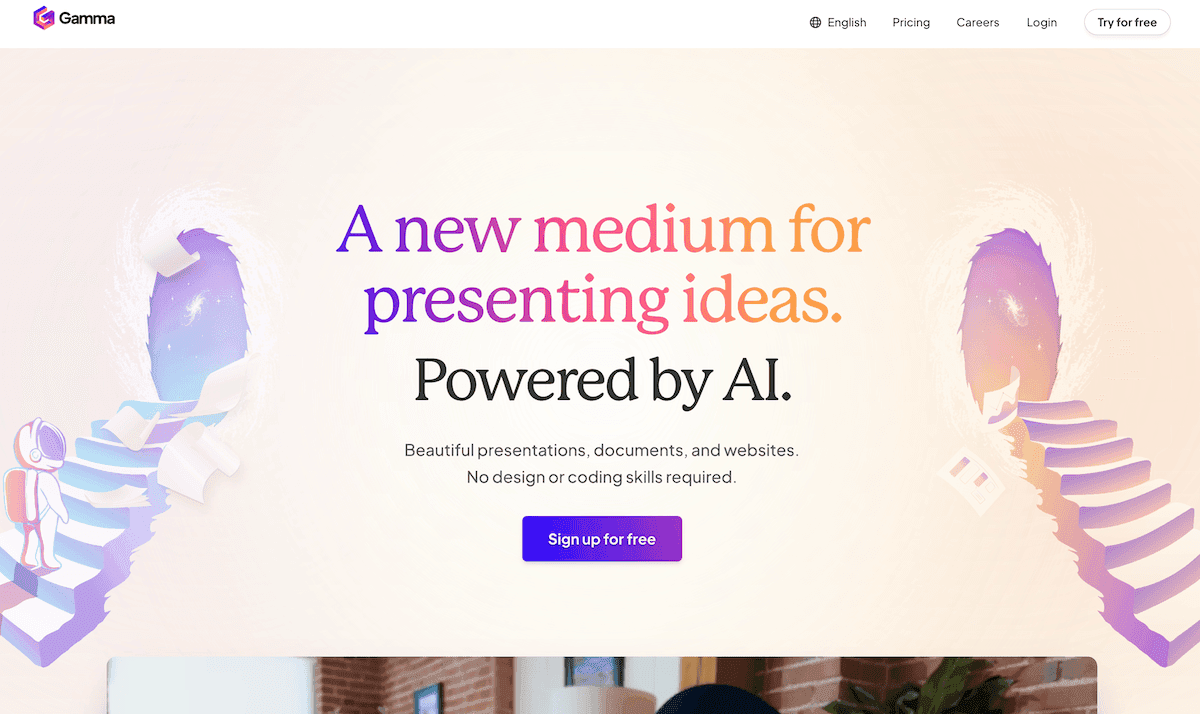
5. Jungle — Flashcard Games, Written by Students (Not the Curriculum)
I thought flashcards were for vocabulary—until I started letting my students build their OWN stumper decks in Jungle after every big debate. Their best cards? "What would FDR say to Lincoln?" “Which law triggered the wildest protest—and why?” “What’s the biggest myth about the Harlem Renaissance?” Jungle sorts the chaos, checks for overlap, and we play competitive “hot seat” challenges at the end of each unit. Suddenly, review is a riot of humor, inside jokes, and sharper analysis—plus, students see their misunderstandings (and each other’s) as normal, not embarrassing. It’s now my must-do before every test: the game surfaces what’s unclear, and review days are genuinely student-owned.
Try Jungle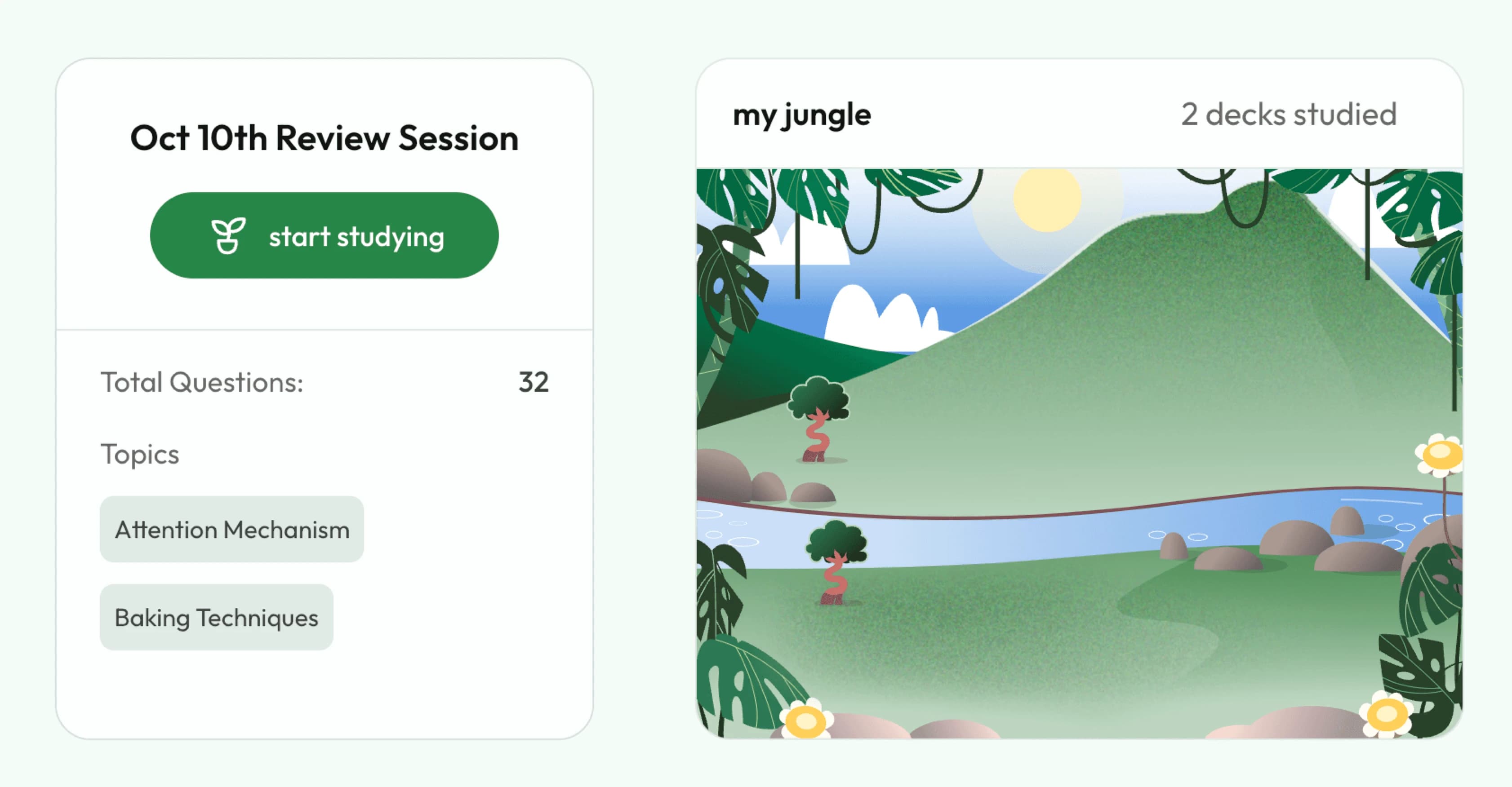
6. Suno AI — Soundtrack Your (Re)volution!
Every great history unit needs an anthem. Whenever my classes survived a wild debate, cracked a tough primary source, or even crashed and burned a group project, someone inevitably yelled, “Let’s make a song about this!” Suno AI let students feed in their best one-liners (“We survived the Gilded Age panic,” “For every Witch Trial, a Protest Song,” “The Treaty That Nobody Read”)—and built original tracks in every genre. We’ve premiered protest anthems at family night, written “clash of the centuries” duets, and built unit wrap-up playlists that doubled as reflection (and motivation) for even my most reluctant learners. SEL meets history, and—honestly?—my classroom culture has never felt stronger.
Try Suno AI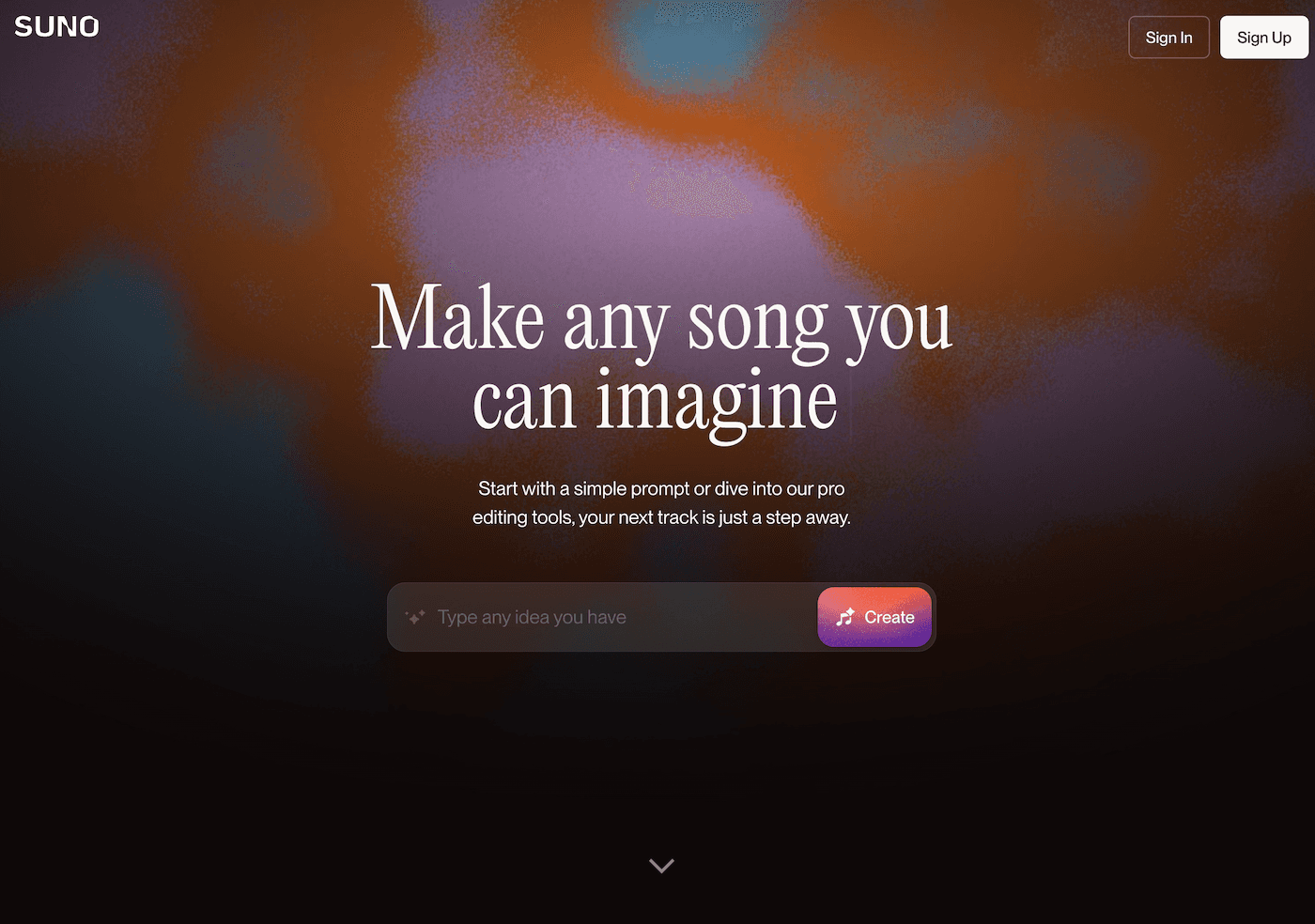
Final Reflections: Making History Wildly Real Again
AI shouldn’t turn history class into a quiz machine—it should capture the mess, amplify student voice, and give us the tools to teach history as a living argument, not a linear march. My advice? Start with the tool that fits your weakest workflow (review, documentation, student publishing) and make students your co-pilots. Let them break, remix, and reinvent your “plan.” The right AI doesn’t box us in—it sets us free to do history the way only real classrooms can.
If you’ve found an unexpected AI workflow—or have a favorite flop-turned-success story—drop it below. The more we embrace the chaos, the better our history students (and their ideas) will be in 2025.