6 AI Tools for Teachers Who Love Creative Routines
If you’re like me, you live for the class rituals that make your room truly yours – but you dread falling into that February autopilot where even you start zoning out during Morning Meeting. Maybe you have a favorite Friday game, a class playlist for writing time, or a "Mystery Reader" tradition that sometimes turns… a bit stale? If you find yourself constantly inventing little twists just to keep things human and fun, you’ll know:
- Routines bring safety AND spark when they’re alive, not zombie scripts
- Most AI for teachers makes planning easier but rarely makes the energy better
This year, I set myself a mission: find AI tools that let me keep routines while keeping them surprising, meaningful, and collaborative – not just efficient. These 6 tools (Kuraplan included, but only in the right place), transformed my classroom habits from “predictable” to “predictably inspiring.” Whether you teach K-5 or AP Chem, here’s the toolkit you need to level up your rituals (and avoid Groundhog Day for good).
1. Kuraplan – Ritual Mapping for Real Life
Let’s start here. I stopped using Kuraplan just as a planner and instead used it to sequence rituals as editable building blocks. My Monday flow? Copy Morning Meeting, choose a new "community question" (quick-restock from Kuraplan's templates), and schedule a midweek reset slot for whatever classwide mood was trending (usually "silent disco" after a wild P.E. or "poetry circle" if we all needed to chill). Kuraplan gave me space for tradition *plus enough flex slots for the creative itch that always hits Thursday afternoon. Plus, students took over after a while—adding gratitude circles, rotating song leader, or "debate jellybeans" right into the map. Ritual as blueprint, not as leash.
Try Kuraplan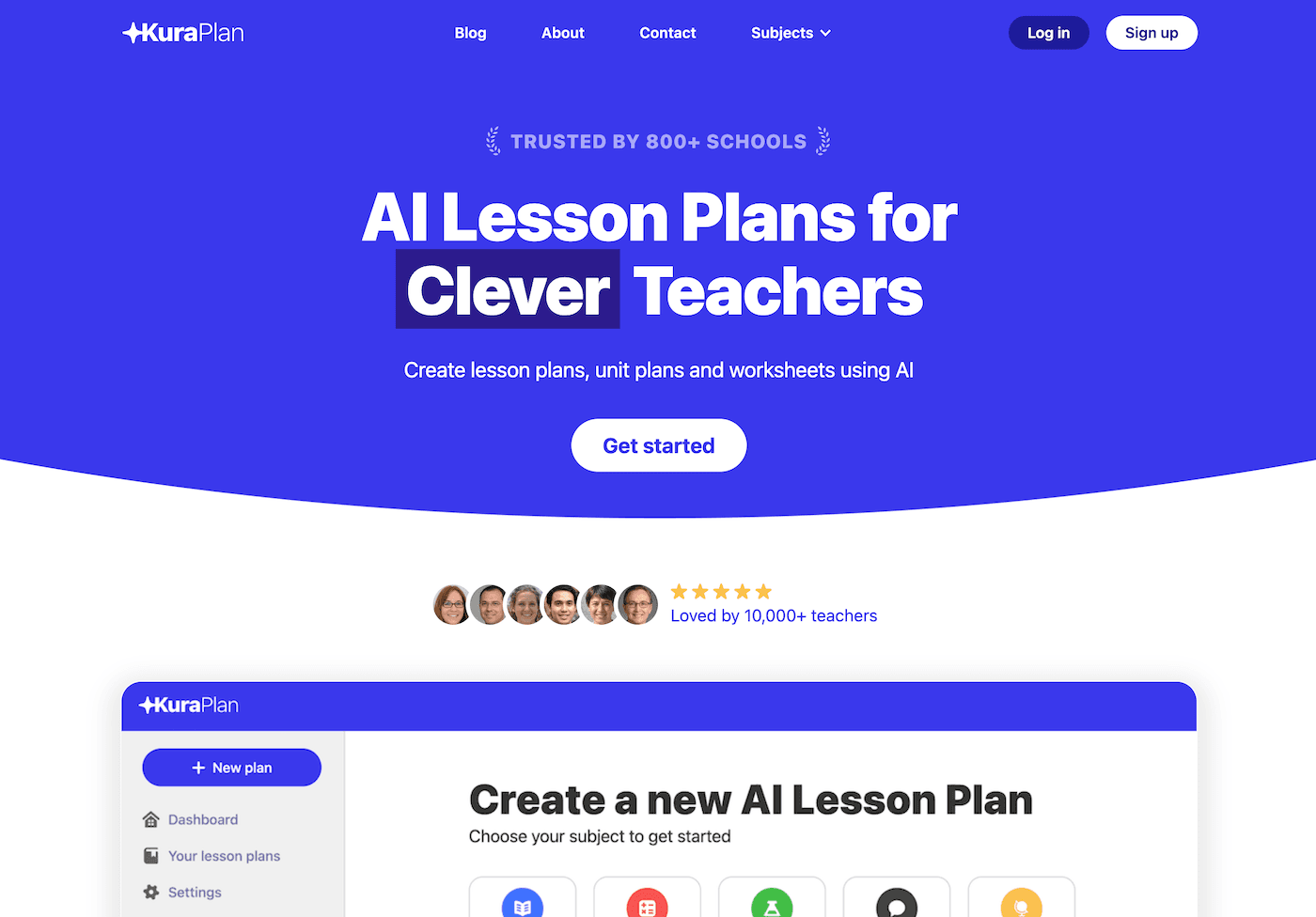
2. Magicbook – Publishing Rituals into Class Lore
Ever want a routine to mean something after the day ends? Magicbook became my after-ritual closer: at the end of each month, students shared a reflection page, a joke, or a memory from our favorite activity (“Most bananas cleanup dance,” “Funniest expert question,” “Kindness Catcher story”). Magicbook instantly compiled a class picture book… and suddenly, our routines turned into keepsakes. Families (and honestly, even admin) started looking forward to our monthly “ritual anthology.” Routines became lore, not just repetition.
Try Magicbook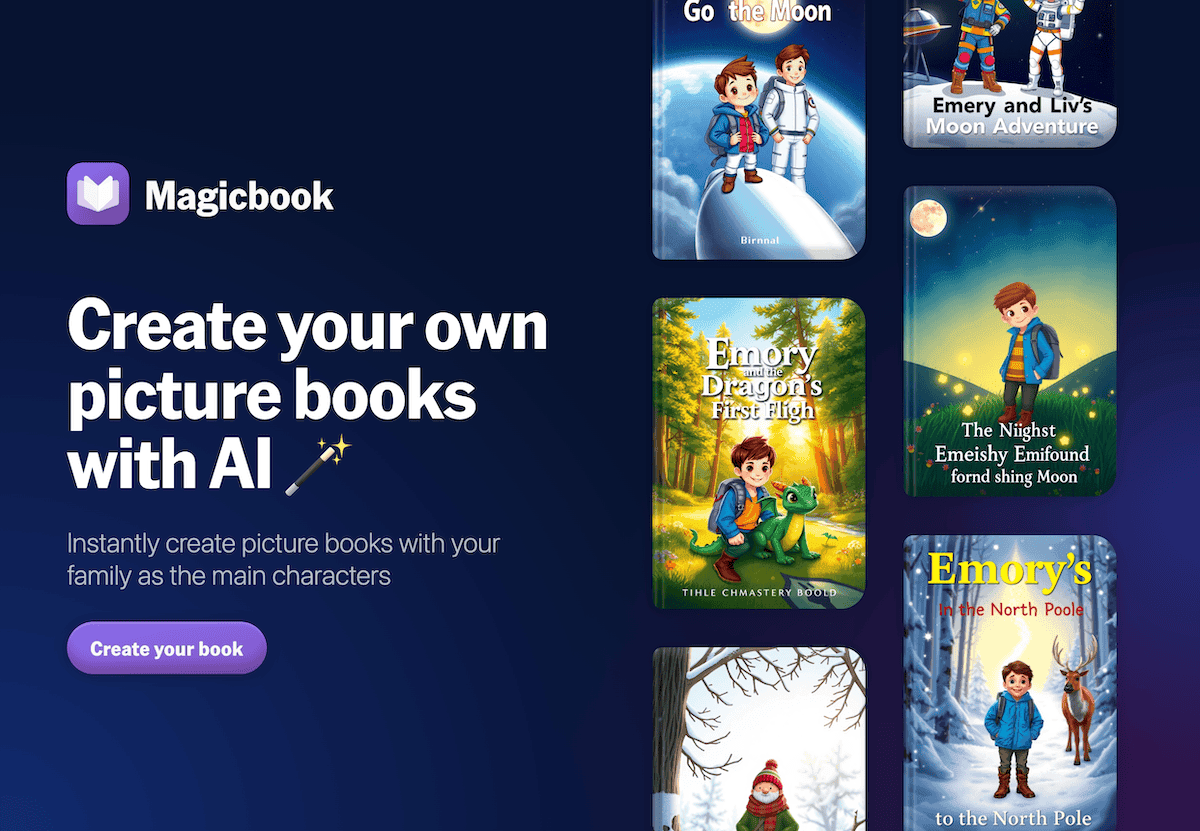
3. Suno AI – Always-Fresh Class Soundtracks
Let’s be honest: even playlists get tired by October. Suno AI resurrected my music rituals: every week, a different table/group wrote a prompt (“Anthem for Tuesday Doubters,” “Song for Surviving Group Work,” “Victory Lap for Getting Through MAP Testing”). Suno built a new anthem or brain break and by June, my crew had a soundtrack that marked each phase of the year – with every voice heard. Even the most tuned-out 8th grade homeroom started fighting over “can I write the next Thursday anthem?” Transitions became a performance, not a nag.
Try Suno AI
4. Gamma – Digital Ritual Boards That Actually Change
One of my best traditions used to be a physical "class week" board: celebrations, shoutouts, reminders, rotating jobs. The trouble? I’d update it once a month (if that). Gamma let me build a living, updatable digital ritual wall: students added highlights, photos, memes, and mood icons… then used the board for daily check-ins and reflection. The AI keeps it organized; the room feels different every week.
Parents stopped me to say "I love the visible routine on your site," and my students started seeing every week as special. Bonus: the class took over designing the next board by spring. Visible tradition, always evolving.
Try Gamma
5. Diffit – Routines for All, Not Just Some
A ritual isn’t a tradition if it excludes anyone – but if you’ve ever tried a class reading marathon or "Friday Ted Talk," you know not every student has equal access. Diffit became my rescue: any shared story/article/podcast prompt for routine time goes through Diffit first, generating leveled versions and vocab. Suddenly, our “current events doughnut circle” invited every voice—and even parent volunteers started using Diffit packs for Family Night read-alouds. Ensuring your best routines aren’t just for the confident readers is the biggest ritual upgrade I didn’t know I needed.
Try Diffit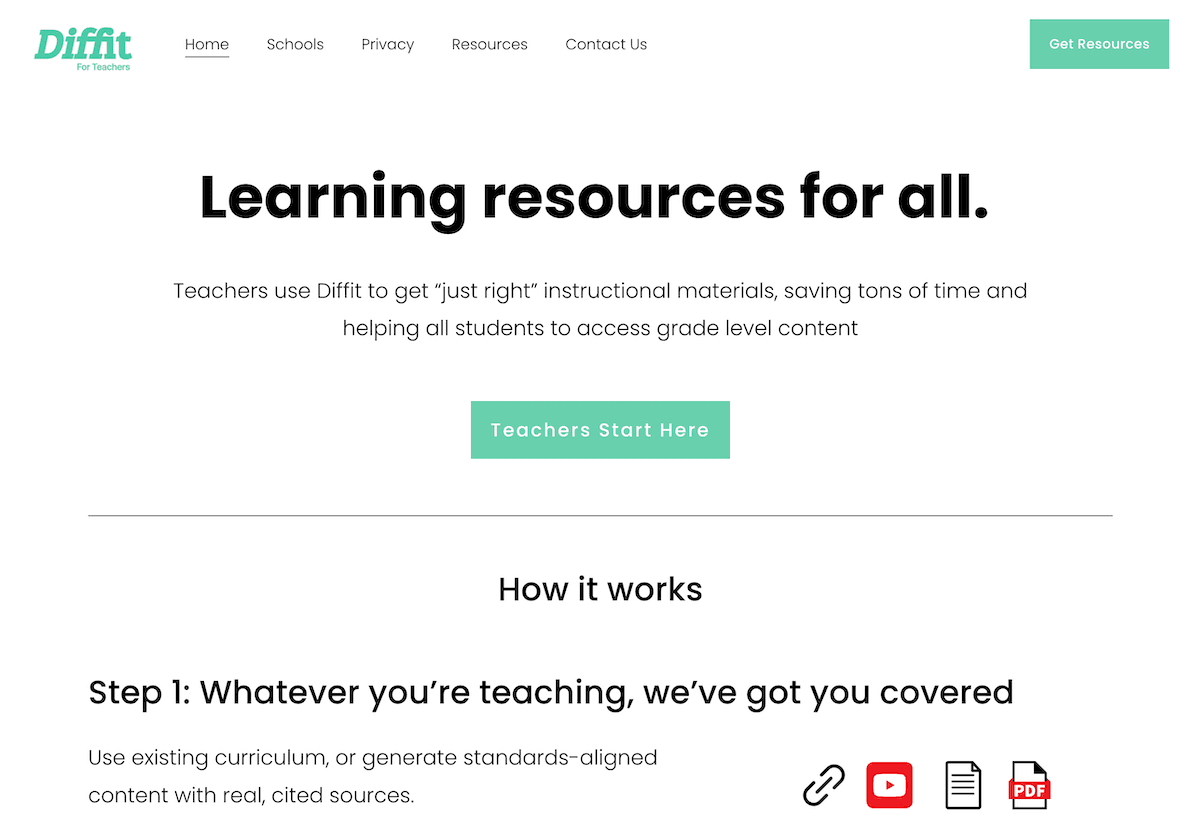
6. Jungle – DIY Ritual Review & Reflection Games
I wanted routines that students built with me, not just for compliance. After each main ritual (Monday intro, Friday gratitude circle, monthly gallery walk), students built question/prompts cards in Jungle: "What ritual would you pass on to next year’s class?" “Biggest lesson learned from cleanup song?” Jungle creates review decks for ritual check-out days, feedback circles, or pizza parties. Over time, our rituals became a collaboration, not a script. Reviewing what worked (& didn’t) turned ritual from adult agenda to authentic, student-owned tradition.
Try Jungle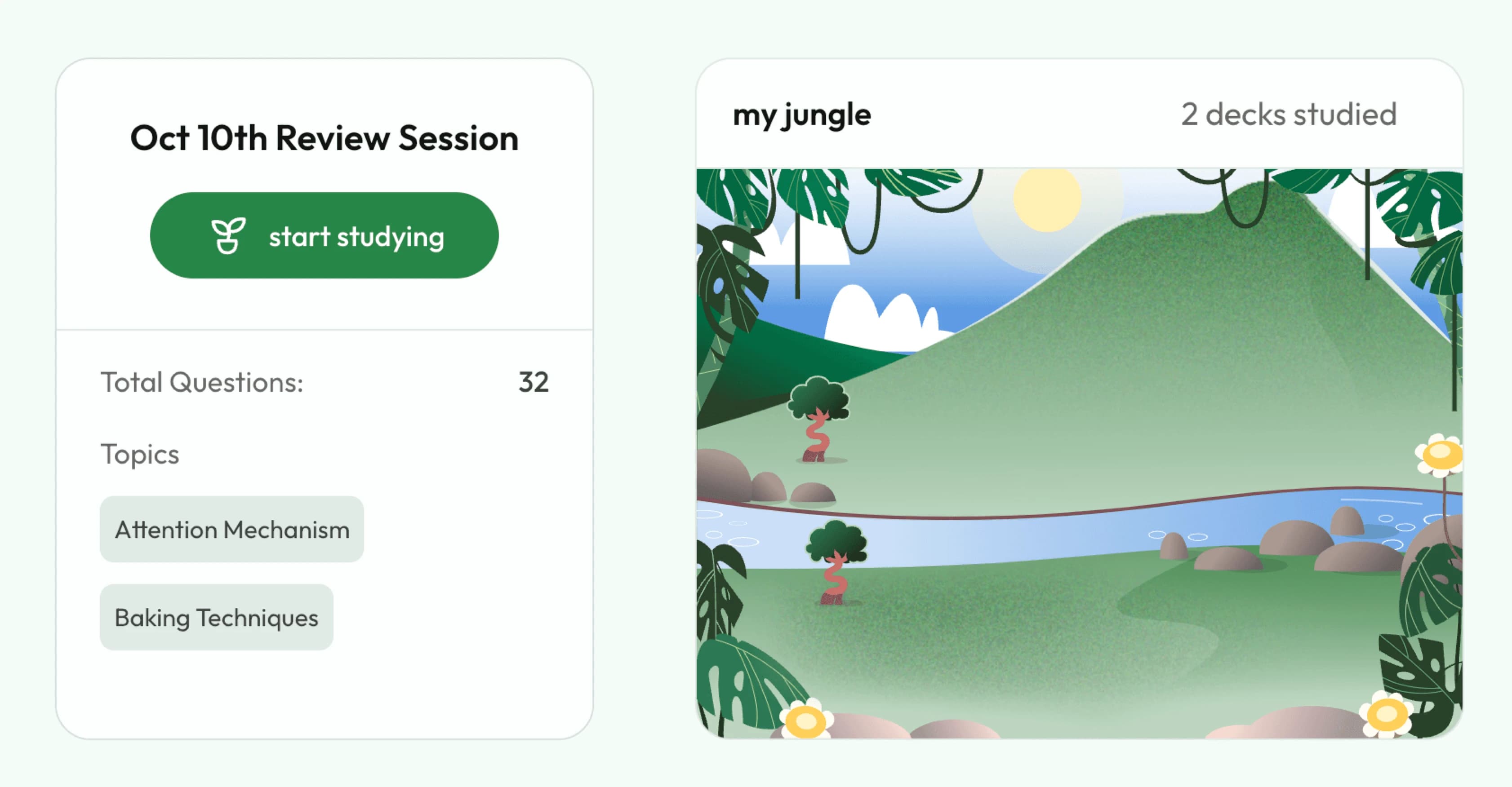
Real-World Tips for Ritual-Obsessed Teachers
- Make your routines visible, updatable, and co-created—using Gamma and Kuraplan for live ritual maps and boards.
- Memorialize the best moments: Magicbook and Jungle turn tradition into keepsake for you (and a legacy for your next class).
- Remix, reset, and let the class soundtrack evolve every time the mood shifts. Suno AI rituals outlive even your best playlist.
- Make inclusion non-negotiable: Diffit every text you use in any routine—students and parents will notice the difference.
- Reflection should be built in: Review your rituals with students, harvest what works, and let them help set the culture anew.
If you have a go-to creative tradition, class song hack, or ritual review workflow (especially using AI in new ways!), drop your story or shareable artifact below. The best classrooms keep routines alive because they’re built to change—and in 2025, tech can help the heart of your teaching last all year.