6 AI Tools for Creative Social Studies
If you teach social studies, you know the paradox: our subject should be lively, current, and student-centered, but prepping inquiry projects or redesigning that tired DBQ is often a solo grind. As a US history and world cultures teacher (with a side hustle coaching Model UN), I’ll admit: I used to fear that "AI for education" meant auto-graded quizzes and boring summaries. But this past year, I set out to find the unexpected AI helpers—tools that foster true inquiry, let students create, and actually help me stay inspired. Here are the genuine wins, not hype, from the front lines of my classroom.
1. People AI — Student-Led Role Plays (Not Just Historical Chats)
I didn’t want another gadget that would spit out dates and trivia. What surprised me with People AI was how my students used it themselves to run simulations and debates. For our "Creating Modern Constitutions" unit, small groups each picked a founding thinker (guess who channeled Mary Wollstonecraft and Rousseau?) and then used the AI to role-play a negotiation, settle disputes, and even rewrite a clause on the spot. Suddenly, even reluctant kids were arguing about rights, not just Googling answers. The class felt like a living primary source.
Try People AI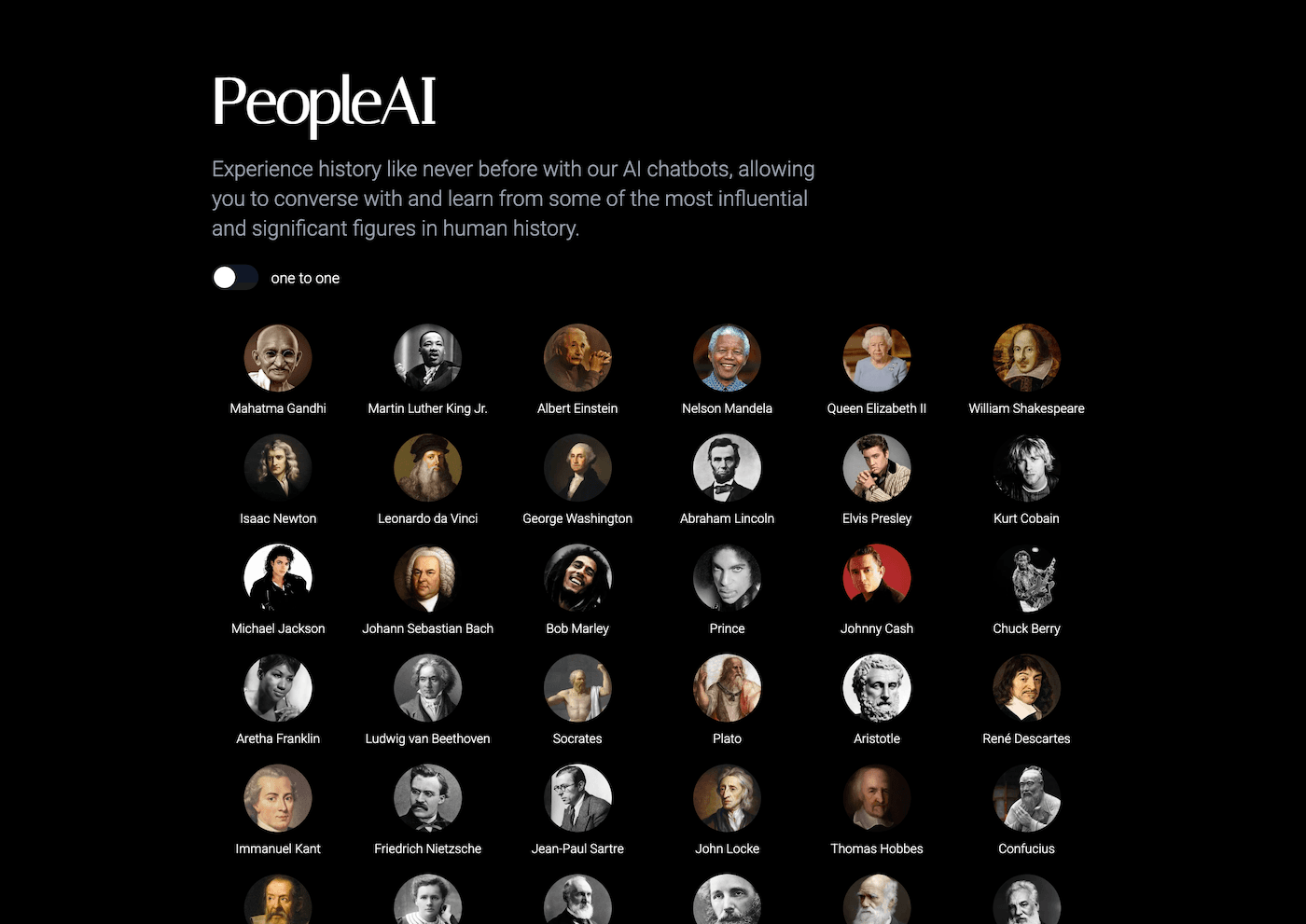
2. Kuraplan — Real-World Project Maps (Without Micromanagement)
Kuraplan is everywhere for lessons now, but for me, the magic is mapping out projects with space for detours. This isn’t just plugging in "Unit 5 Review." I started using Kuraplan to design semester-long community deep-dives: my 8th graders investigated local voting history, and Kuraplan helped scaffold interviews, suggest research checkpoints, and even spit out consent forms for family surveys. It’s a starting place—not a script—that preserves the messiness (and joy) of inquiry, while keeping my planning from derailing.
Try Kuraplan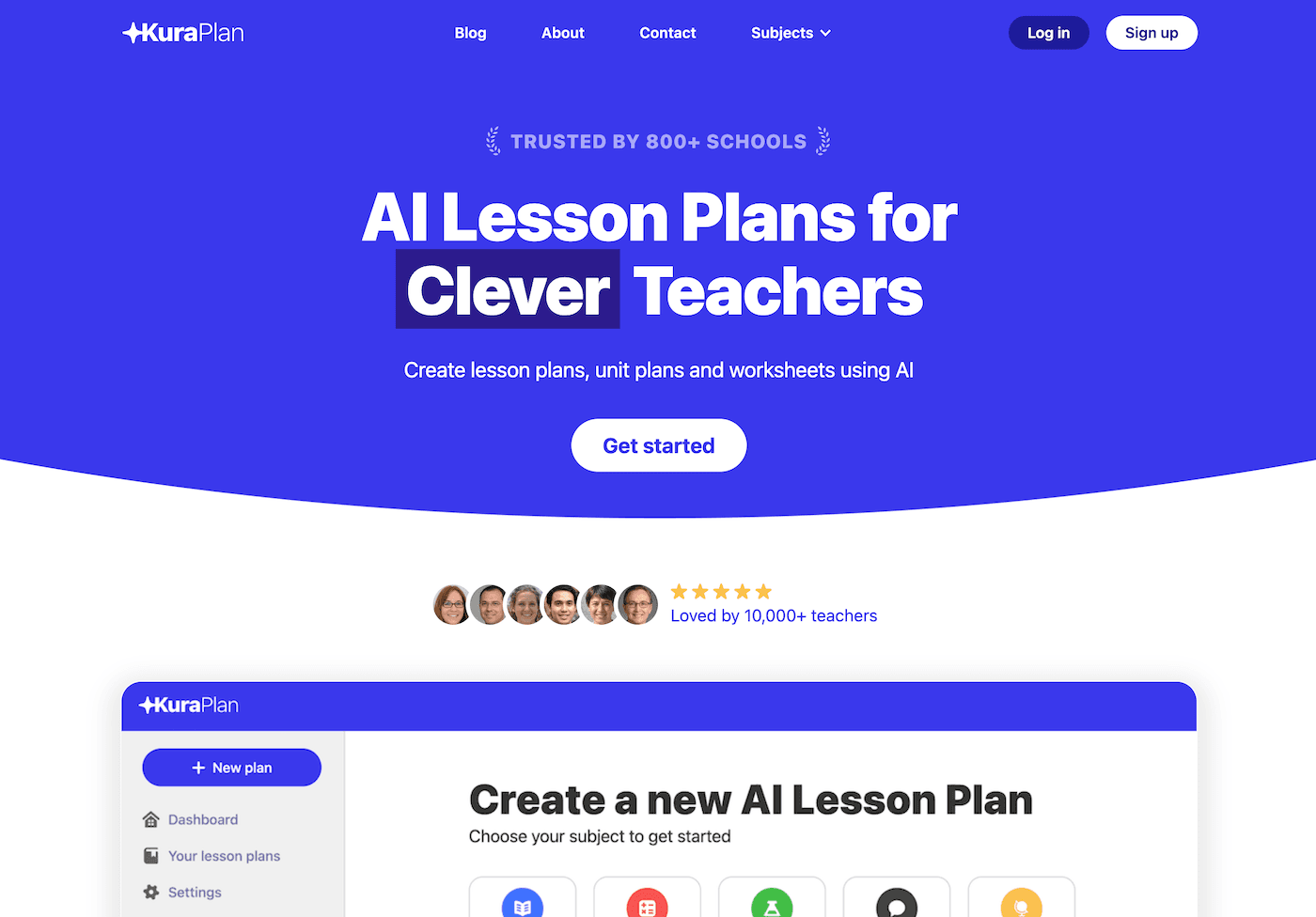
3. Gamma — Timelines and Visual Debates (Student-Driven)
Every social studies teacher wants brilliant timelines and infographics, but I can’t keep up with design trends. Gamma changed my mind. My hack? Let students drag their research into Gamma and collaboratively build (and remix) visual narratives: we made a "who gets remembered in history?" timeline and a digital debate slideshow comparing two revolutions. Students take ownership—they make creative design choices and, more importantly, argue about what gets highlighted.
Try Gamma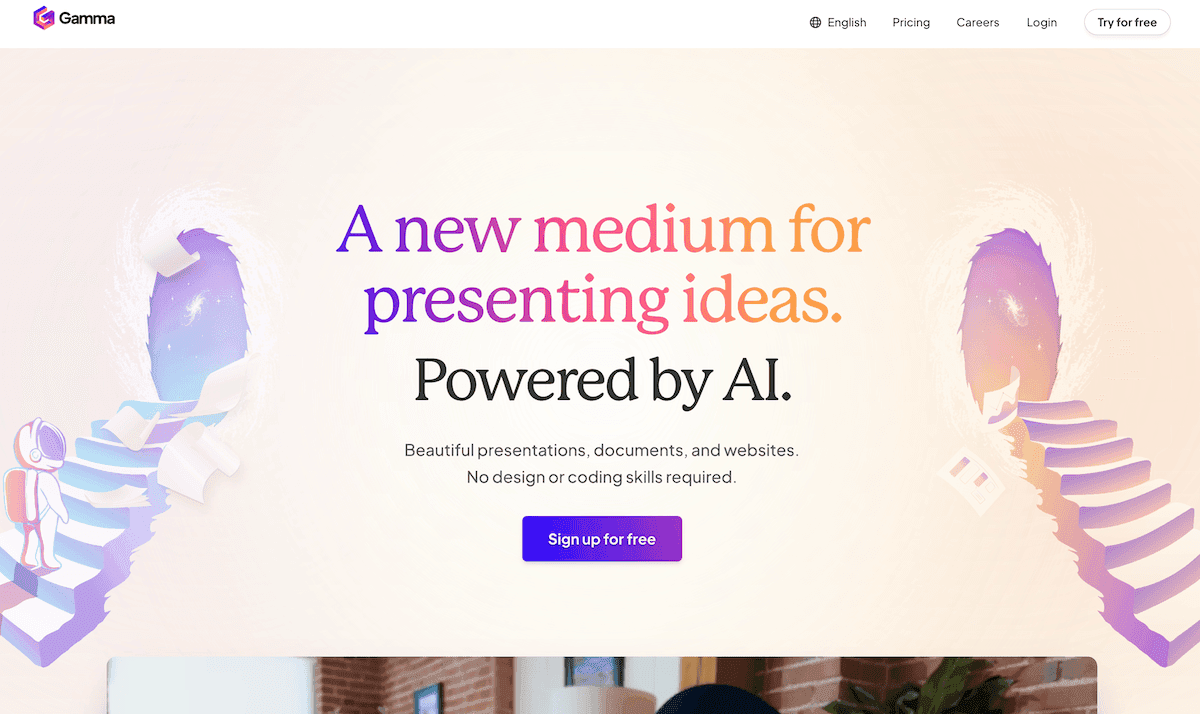
4. Jungle — Flashcards for Student Reflection (Forget Trivia)
If you hear "flashcards" and think "dull," try this: after a unit on social movements, I asked my students to design their own cards—key activists, laws, protest tactics, and even unintended effects. Jungle instantly built a game deck; then small groups challenged each other to tell the story behind the facts. Suddenly, revision felt like model congress, not drill-and-kill. I use Jungle for exit ticket reflections ("What do you wish more people understood about Reconstruction?")—it doubles as a tool for deeper review and honest, student-centered feedback.
Try Jungle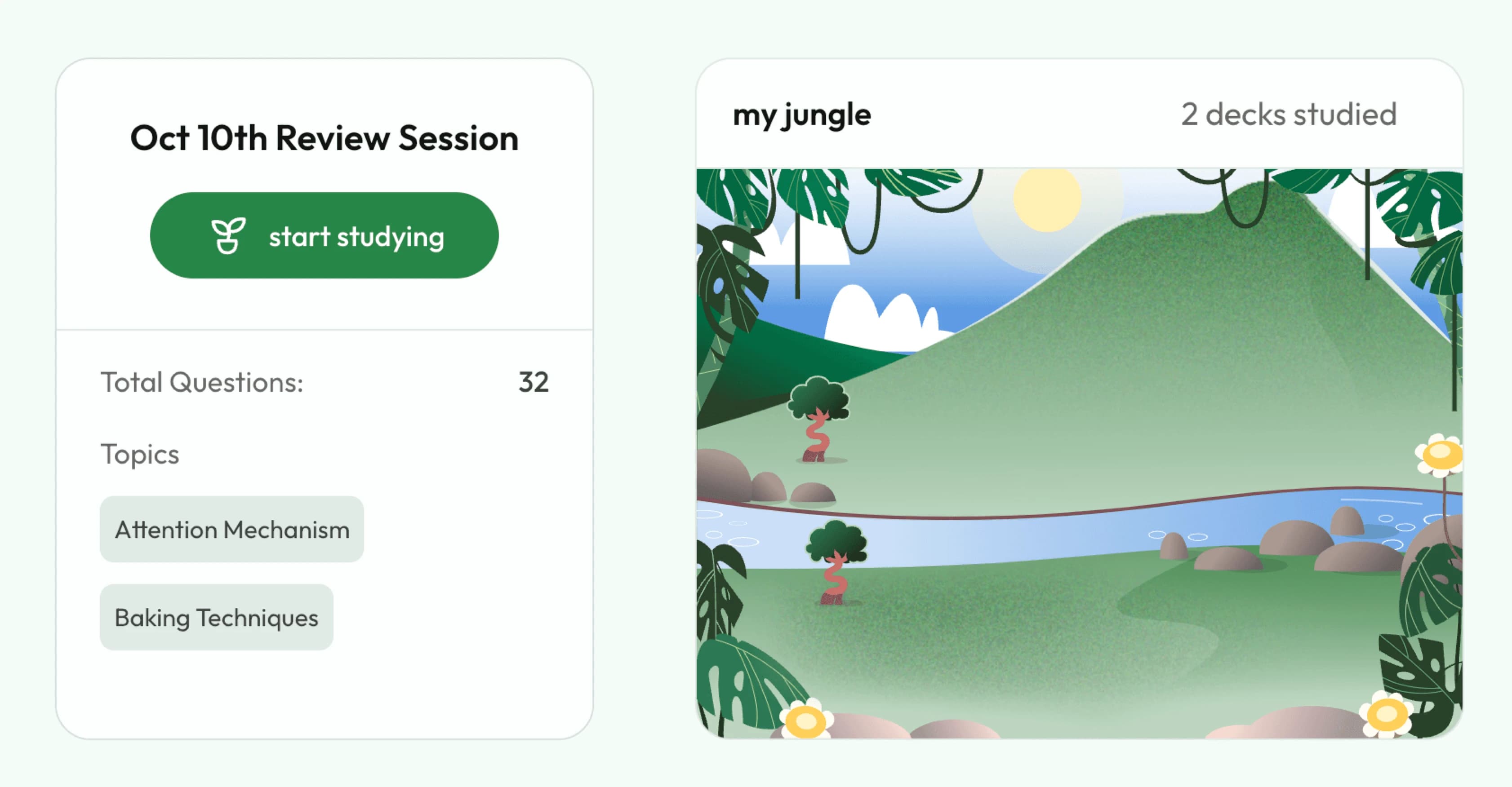
5. Diffit — Customizing News & Primary Sources for Every Reader
Social studies means constant adaptation: just when you find the perfect news article, it’s way above half your class’s reading level. Diffit to the rescue. I drop in court opinions, today’s news, or excerpts from oral histories, and out come multiple reading versions—plus built-in vocab and guiding questions. It makes current events accessible, sparks better discussion, and frankly, saves my sanity during big project launches.
Try Diffit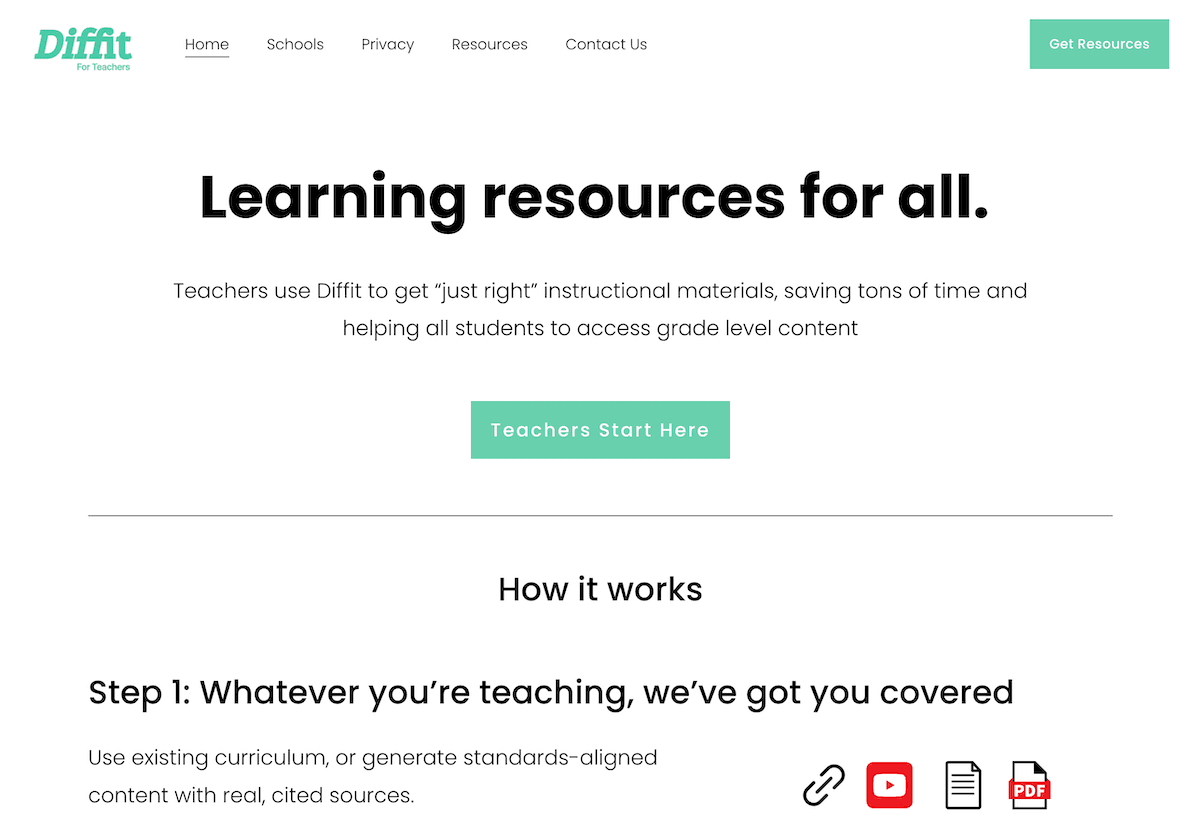
6. Suno AI — Class Anthems and Protest Songs
When we studied the Civil Rights movement, my class wanted to write protest songs "like the real thing." But making music isn’t my superpower. Suno AI made it effortless: students brainstormed lyrics on justice, hope, and resistance, and Suno composed original, classroom-safe tracks. We replayed the best at our community showcase, and suddenly history felt like a living, creative art. Now, song creation is a go-to for everything from global independence movements to "classroom rules" anthems.
Try Suno AI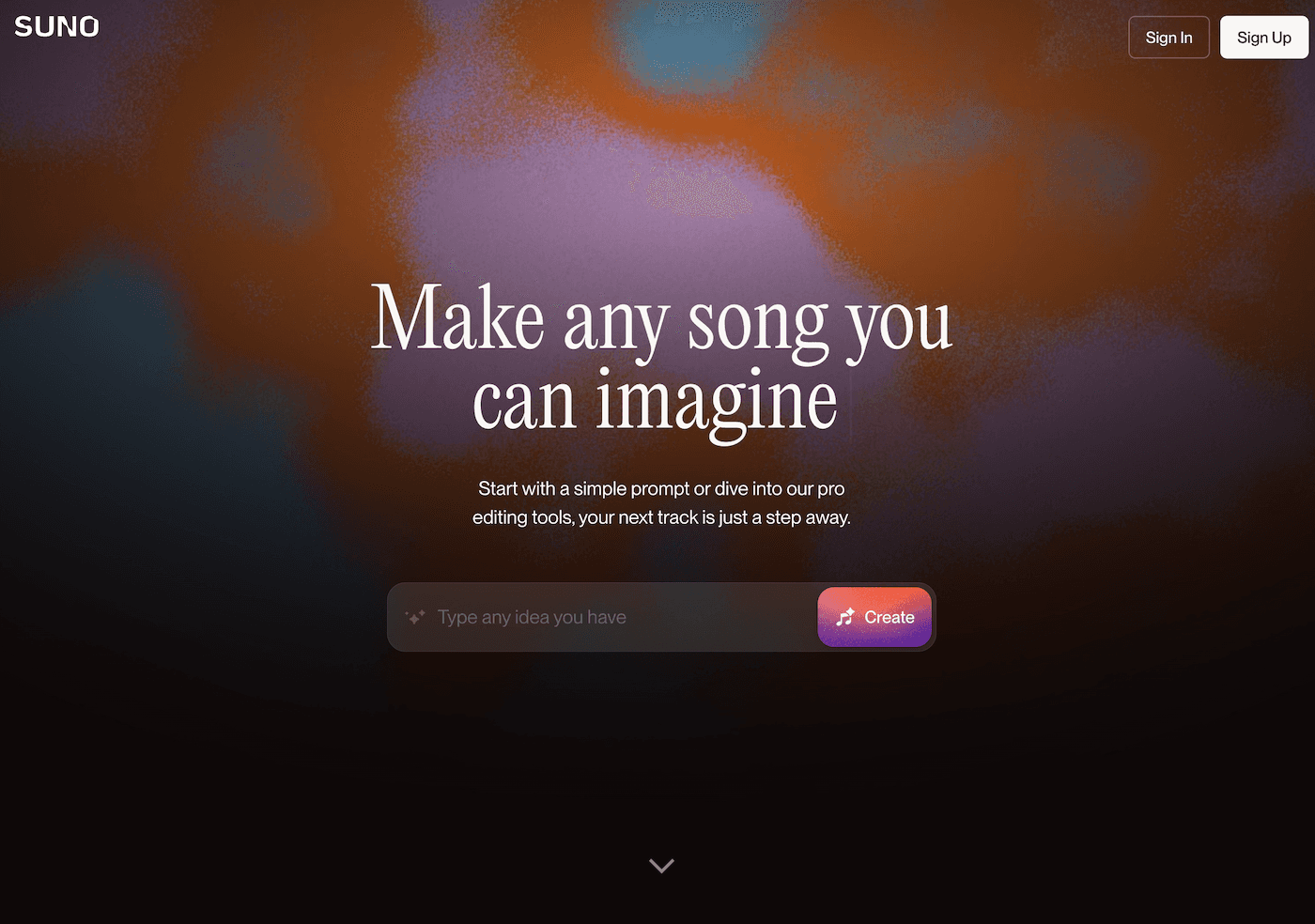
Bottom Line: Real Inquiry, Real Creation, Less Burnout
I used to worry about AI making social studies robotic. Instead, these tools did the opposite: they gave me frameworks (not scripts), let students co-create and argue, and freed up my time for the real work—curiosity, challenge, and sometimes a little chaos.
My best advice:
- Hand students the keys—let them use the tools, remix, and reflect.
- Use AI to do the heavy prep lifting, so you can actually listen, debate, and create with your classes.
- Don’t let tech drown your passion—if a tool feels like busywork, skip it.
The real win? My students see themselves as citizens, questioners, and creators—not just test-takers. If you’re piloting radical projects or using AI for authentic social studies, drop a comment or story below. We’re all rewriting the playbook—and maybe having more fun—in 2025.