6 AI Tools for Teachers Who Run Cross-Age Learning
If you’re like me—somewhere between a 2nd-grade teacher and the unofficial “buddy program” director—you know the truth: facilitating learning across grades is so much more than a field trip or once-a-year reading day. Fostering cross-age projects, partnerships, or even K-12 clubs means inventing workflows, adapting resources on the fly, and building a school culture where 7-year-olds and 17-year-olds are genuinely learning (and laughing) together.
Last year, I committed to running real cross-age programs, not just buddy storytime: engineering challenges with third and eighth graders, social studies podcasts pairing seniors with grade 5, whole-school service projects, and creative mentorship groups. It was… messy, exhausting, and the most energizing work I’d done in a decade. The right AI tools didn’t just automate tasks—they let me bridge age gaps, scaffold projects, and document the community in ways my old school website never could.
If you’re facilitating cross-age learning blocks, leading student ambassadors, or running a K-12 club (by accident or design!), here are the six AI tools that kept me—and my students—afloat, inspired, and actually collaborating all year. Yes,
Try Kuraplan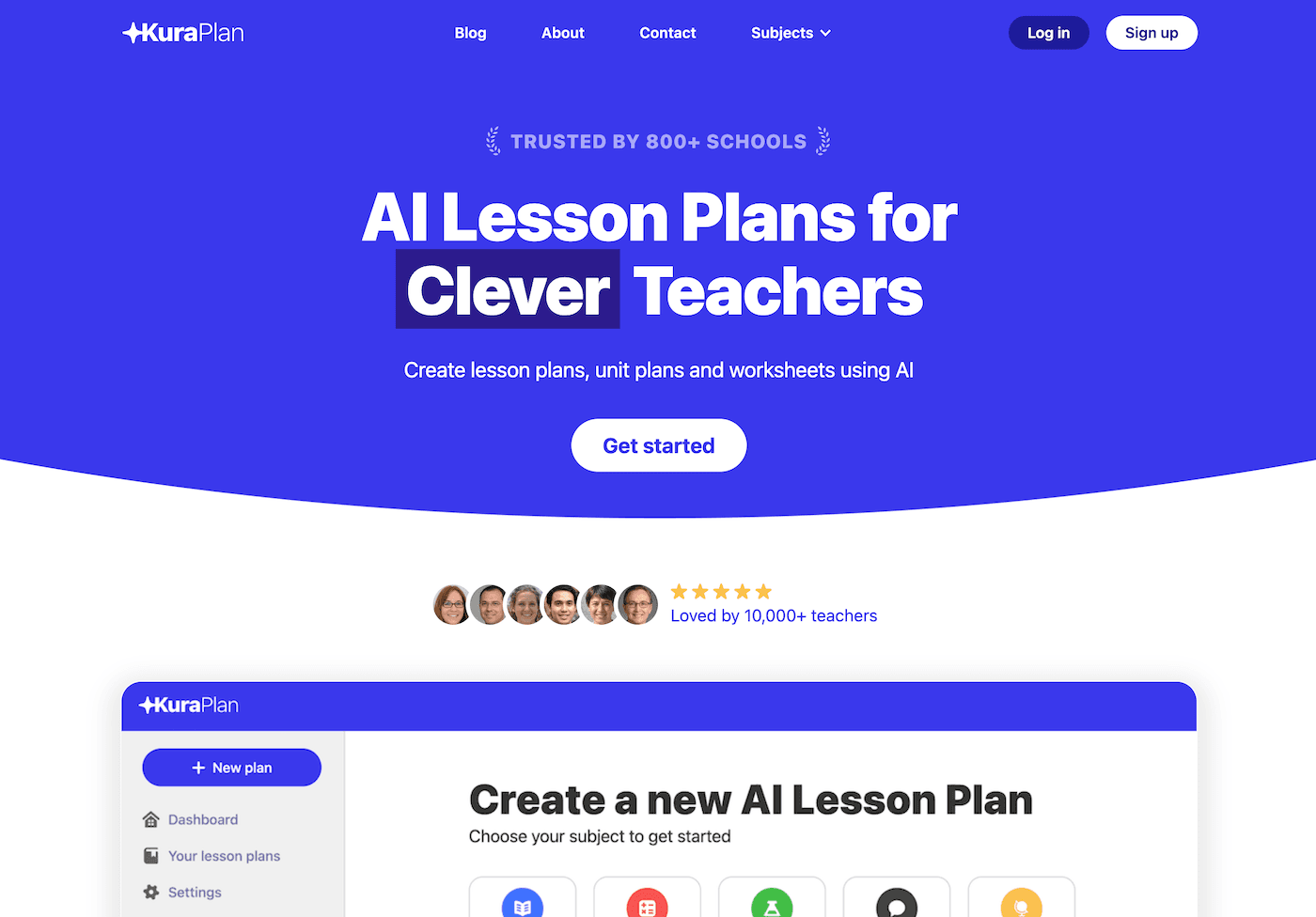
is in here (I can’t imagine project mapping without it), but it’s not the only lifeline.
1. Magicbook — Buddy Publishing for Real Audiences
Nothing builds buy-in like a published showcase. My breakthrough? Co-authoring Magicbook projects: high schoolers and elementary partners teamed up to script and illustrate picture books, lab guides, and “school myth” anthologies. The books became gifts at family night, onboarding packs for new students, and even advocacy tools ("Our Playground Superpowers"). Magicbook’s AI made it effortless to combine short texts, art, and photos across grades—and to instantly translate final projects for multilingual families. Younger students saw their ideas in print, and older students discovered an authentic audience. No worksheet or slideshow can match the pride of a real, shared book.
Try Magicbook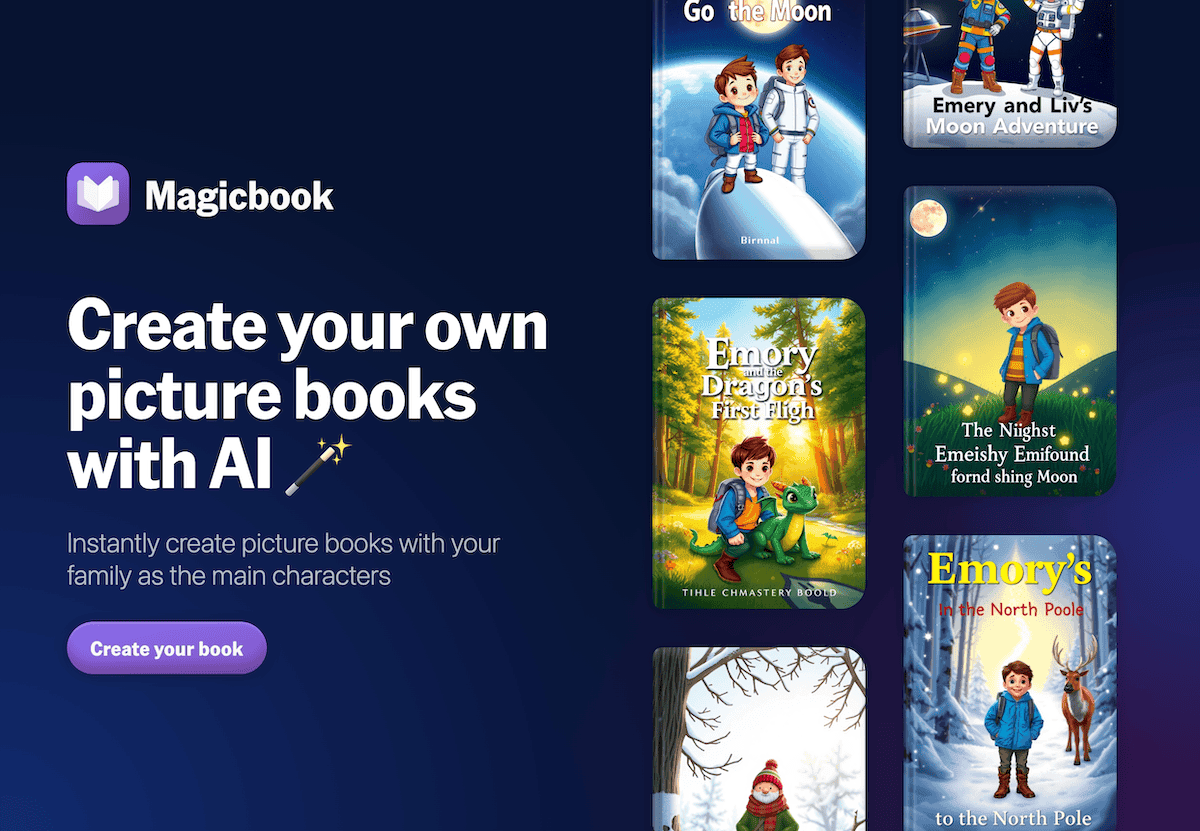
2. Kuraplan — Cross-Age Project Maps That Actually Flex
True cross-grade projects never go as planned. I used Kuraplan to draft living project skeletons: I’d map a timeline for a K-12 science fair, flag critical age-differentiated deadlines, and add checkpoints for high school mentors, teacher check-ins, and family communication. Each phase included customizable “opt-in” tasks—peer teaching, joint reflection, buddy design review. After every session, I’d project Kuraplan on the wall for the whole team to edit, meaning the project never got stuck at the lowest or highest level. Even better: Having a clear backbone meant I could report progress to admin and parents—while still pivoting every week when a 4th grader’s wild idea took over.
Try Kuraplan3. Diffit — Scaffolding News and Resources for Every Age
My secret to keeping cross-age teams working together? Diffit. When a ninth grader finds a perfect news article—or a 6th grader brings a viral YouTube—Diffit instantly generates multiple versions with vocab, guiding questions, and differentiated reading checks. Older and younger buddies read together, compare comprehension, and surface “what did your level NOT include?” insights that led to rich debate. Whether we explored a global current event or an art project rubric, Diffit made one agenda accessible for all. Bonus: the tool instantly translated club newsletters and event flyers for families across our school.
Try Diffit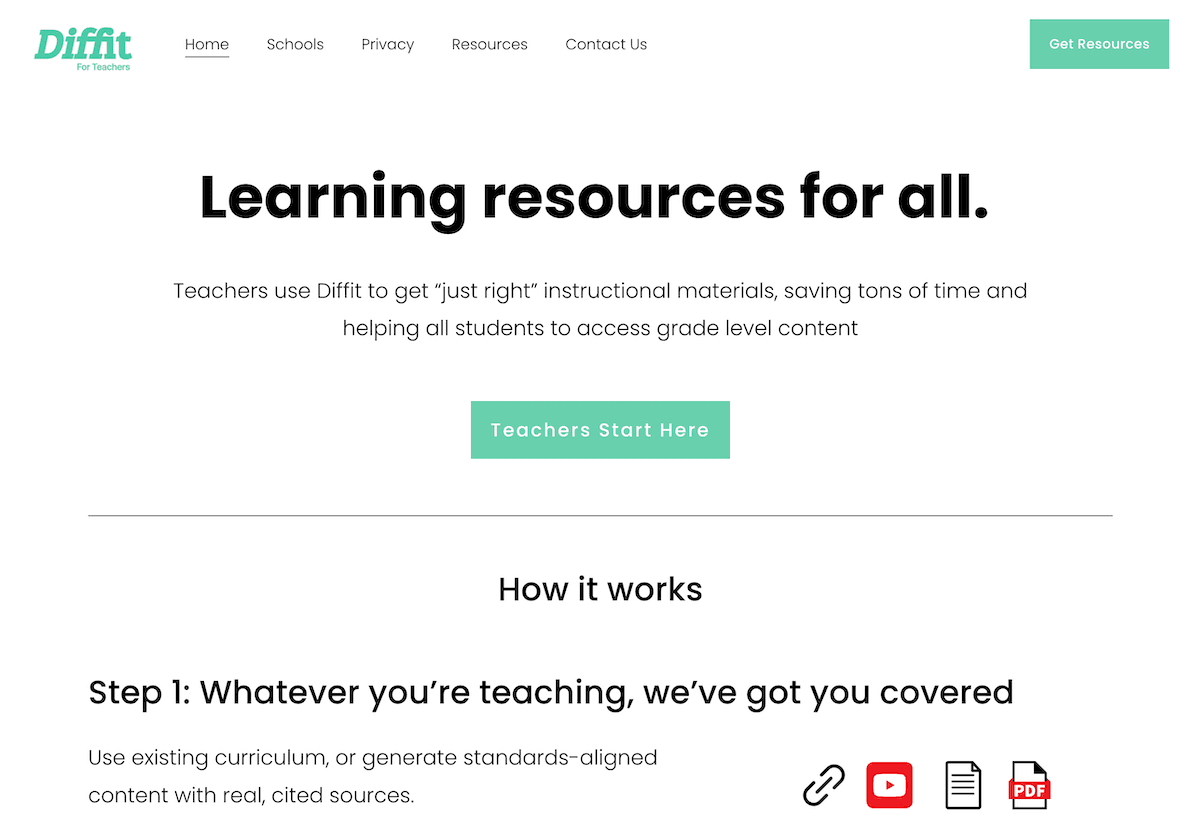
4. Gamma — Showcasing K-12 Projects and School Culture
I used to struggle with relaying the messy beauty of cross-age work (see: sticky notes, mentor lesson plans, partner selfies, evidence of wild trial and error). Gamma let me collect every group’s visuals—photos, timelines, mindmaps, reluctant-writer poems, fifth-grade blueprints, senior reflections—and it autogenerates beautiful, scrollable slideshows. My school art night became a living, age-spanning gallery; family STEM night ran on looping Gamma storyboards, and our student ambassadors used Gamma to pitch program expansion to the school board! The tool became our public memory—and, for admin, a vivid case for letting cross-age learning flourish.
Try Gamma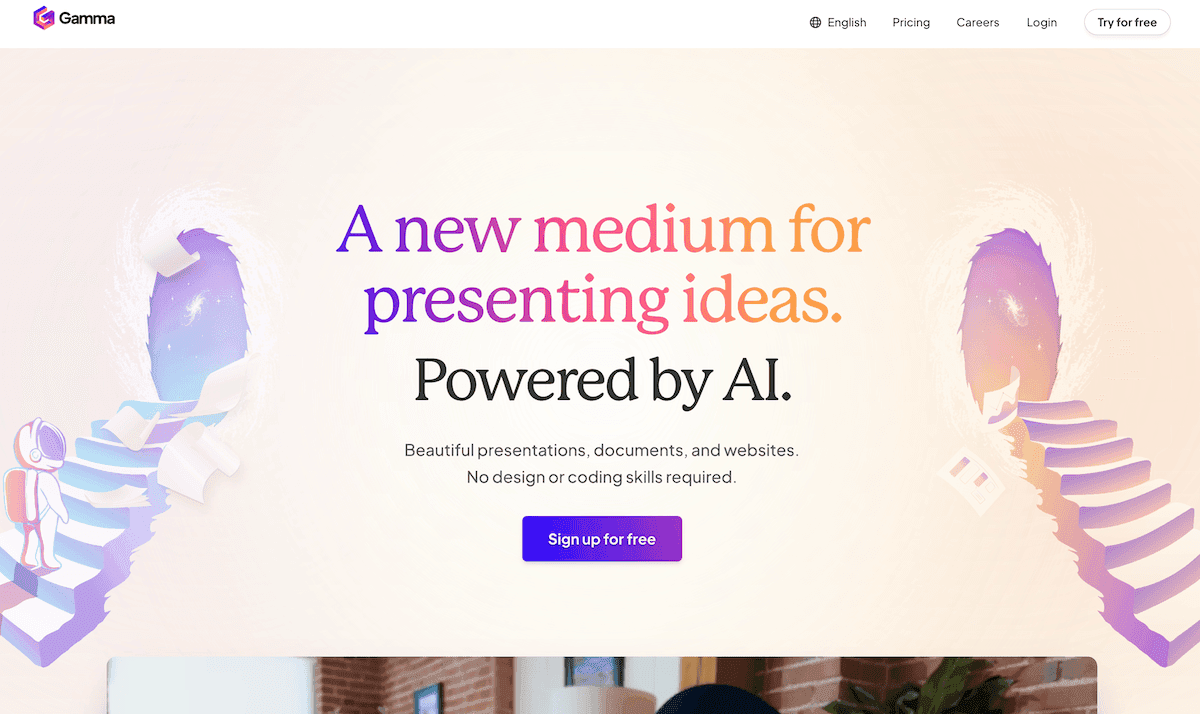
5. Jungle — Peer-Created Reflection Decks and Games
Authentic cross-age learning is built on honest, bidirectional feedback—quick check-ins, shared wisdom, and even silly challenges. Jungle became our peer review ritual: after each session, teams submitted reflection prompts, “Biggest Goof,” “Most Surprising Fact,” or “What I Wish My Buddy Knew.” Jungle mixed these into collaborative decks, creating instant review games or self-check quizzes for the next meeting. What started as flashcards evolved into shared rituals—a deck of best hacks for next year, a trivia night for buddy families, and a growing record of class in-jokes. It’s not just assessment—it’s community glue, authored by every age.
Try Jungle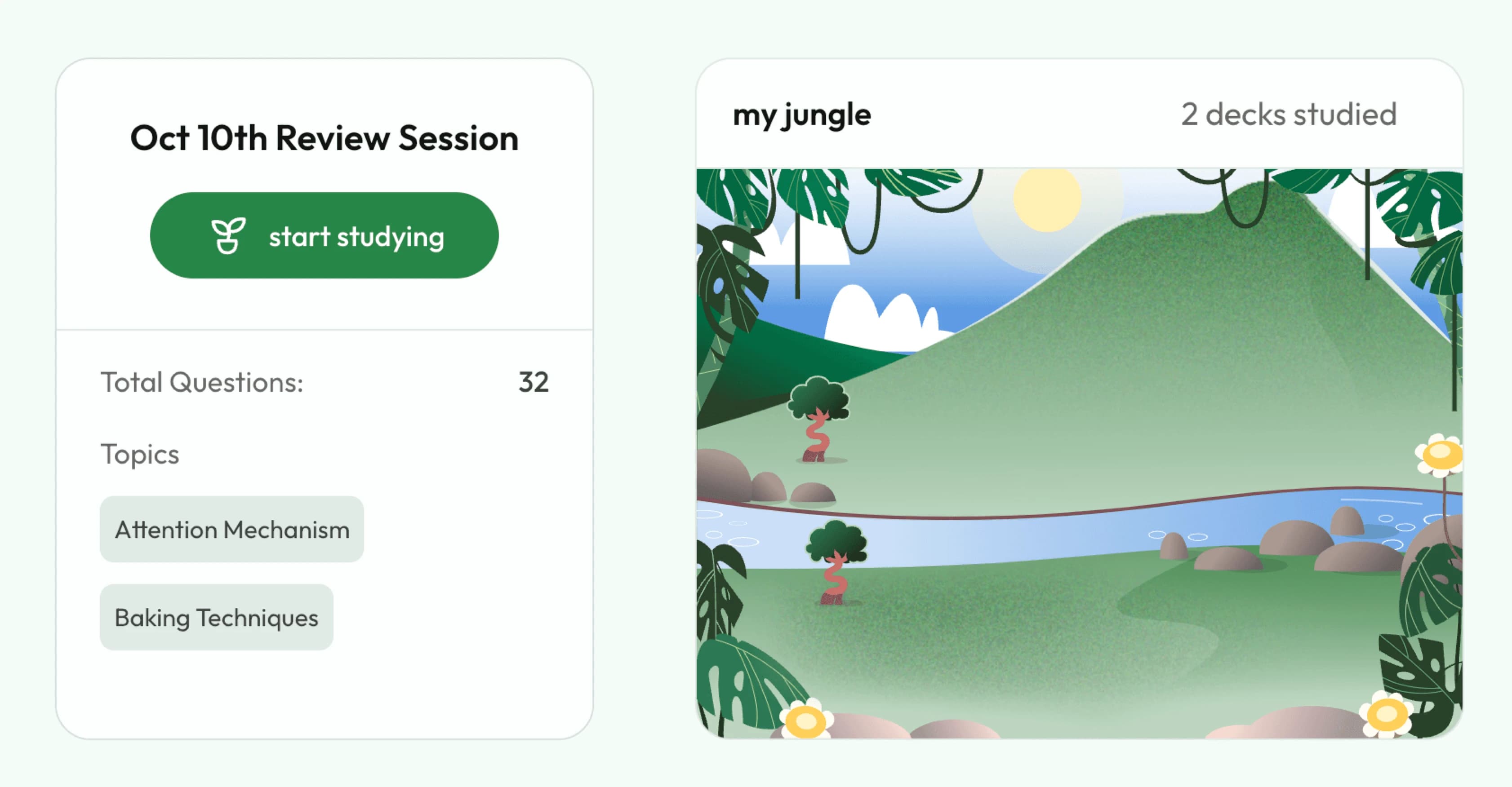
6. Suno AI — Rituals That Cross Generations
Here’s the most unexpected tool: Suno. Every cross-age event, project, or buddy block, we crowdsourced lyric prompts for the “Launch Day Anthem,” “Assembly Reset Song,” or reflection jingle (“Song for the Project That Flopped Whole-School!”). Suno instantly generated tracks for group transitions, opening circles, and closing celebrations. Watching 17-year-olds and 7-year-olds sing their shared track at expo night was peak community. Now, every cohort leaves behind a playlist—part memory, part tradition, proof that cross-age learning isn’t just about content, but about culture that echoes across grades.
Try Suno AI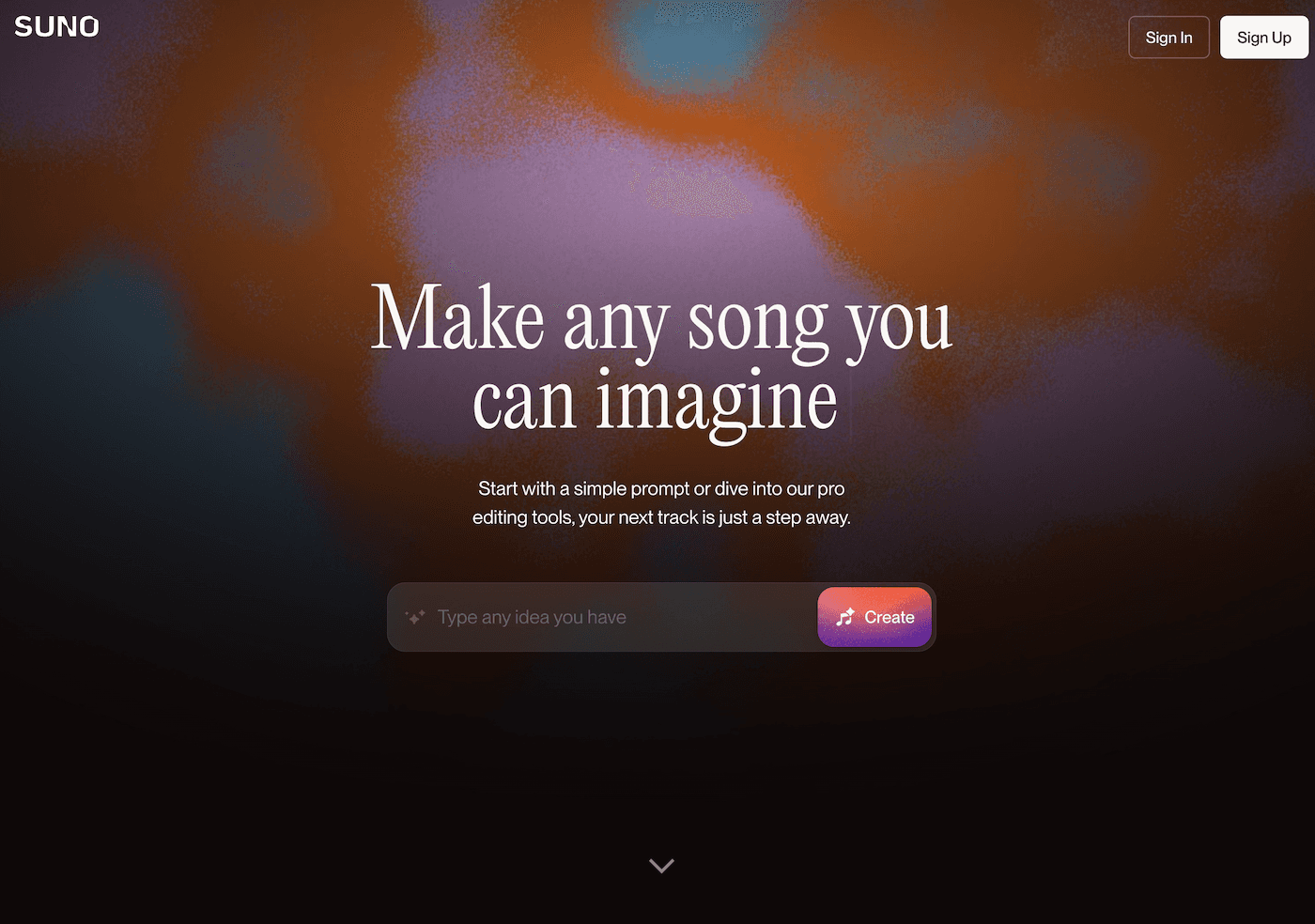
Real Advice for Teachers Crossing Age Boundaries
- Embrace the mess. The best cross-age learning is unpredictable—AI tools only shine when you co-edit, pivot, and let students help shape the journey.
- Archive, celebrate, and share the process—not just the outcome. Gamma and Magicbook make your invisible progress visible to every stakeholder.
- Use AI to build accessible, differentiated resources for all ages, in moments (not after school); let students run with new ideas, not get lost in logistical prep.
- Ritualize the experience. Suno anthems, Jungle decks, and reflection journals make collaboration memorable, joyful, and a little bit legendary.
If you’re leading cross-age adventures (or dreaming of starting), share your favorite workflow, club hack, or “how did you pull that off?” below. The more bridges we build between grades, the more learning echoes after the year ends.