6 AI Tools for Teachers Who Love Curiosity Chaos
If you’re the kind of teacher who sees off-task as an opportunity, who builds class identity around student questions, and who feels most alive when the learning veers joyfully off the map—this post is for you. My classroom thrives on the unexpected: hallway debates that turn into research sprints, TikTok trends spawning documentaries, and students pitching experiments that upend my pacing calendar. If your class is a living brainstorming lab (in any subject), you know the struggle: how do you give curiosity a home without chaos eating your sanity—or your planning time?
This year, frustrated with listicles aimed at tidy routines and “AI for paperwork,” I went looking for tools that could fuel real curiosity, organize the mess, and keep every unexpected detour in play without killing the vibe. Every pick below is tested—in my room, across disciplines, and by peers who run everything from ELA to STEM. Yes,
Try Kuraplan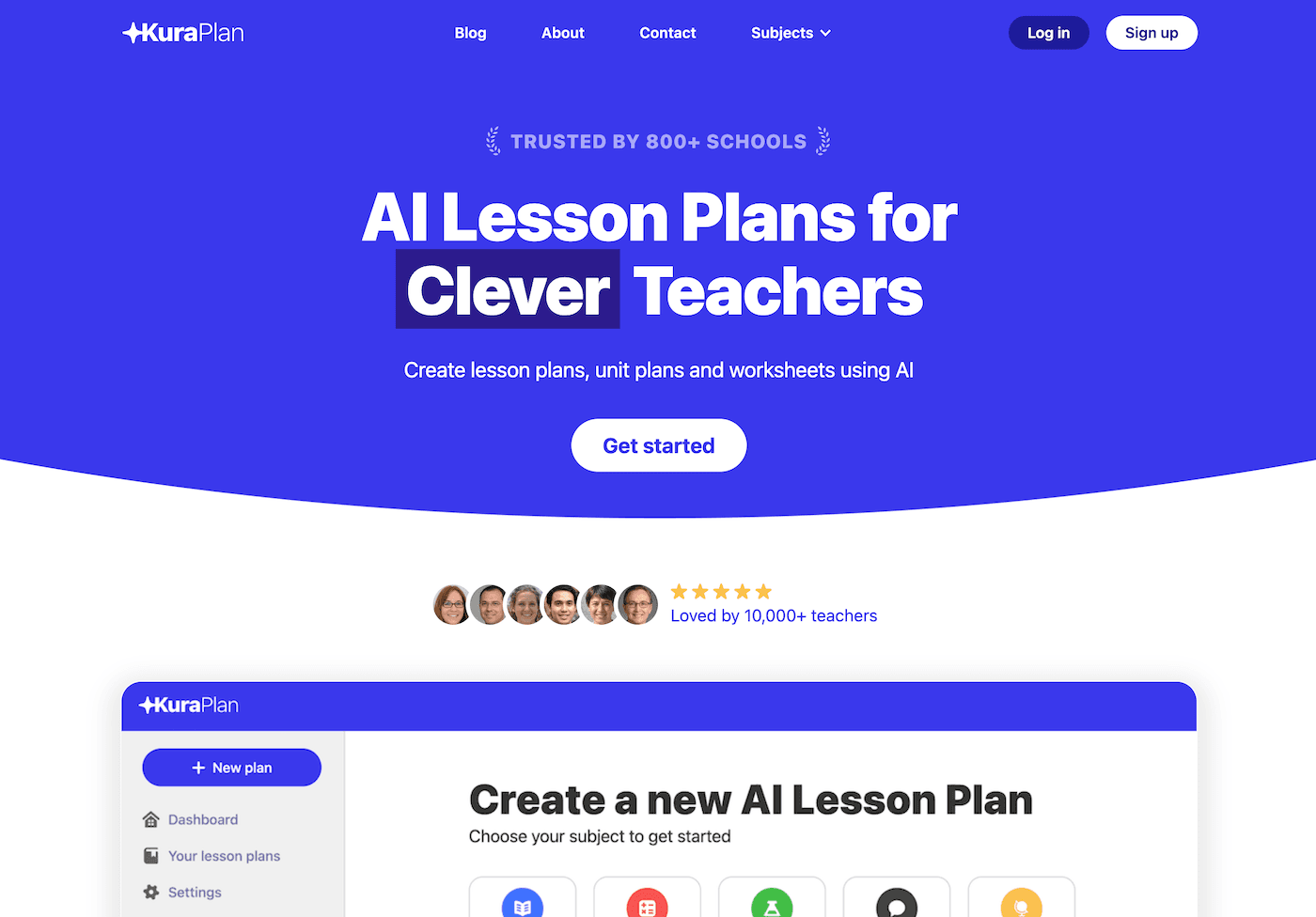
makes an early appearance (as my flexible anchor, not the boss), but the rest of these are for catching, amplifying, and celebrating all the wild learning you’ll never find in a prefab lesson plan.
1. Gamma — Making Student Questions the Curriculum
No tool had a bigger impact on my planning than Gamma—and not for pretty slideshows! Every week, my students dump their burning questions, group sketchnotes, and offhand discoveries into Gamma (snapped photos, quick voice notes, random sticky scribbles). Instead of dying on the whiteboard, Gamma’s AI knits these into a living, annotatable timeline. We project our "Curiosity Web" each Friday, annotate where the wildest pivots started, and pitch new projects directly from last week’s left-field ideas. I use Gamma storyboards for parent nights, department meetings, and even student conferences: "See? Exploration isn’t off-task; it’s exactly why we moved the unit in this direction!"
Try Gamma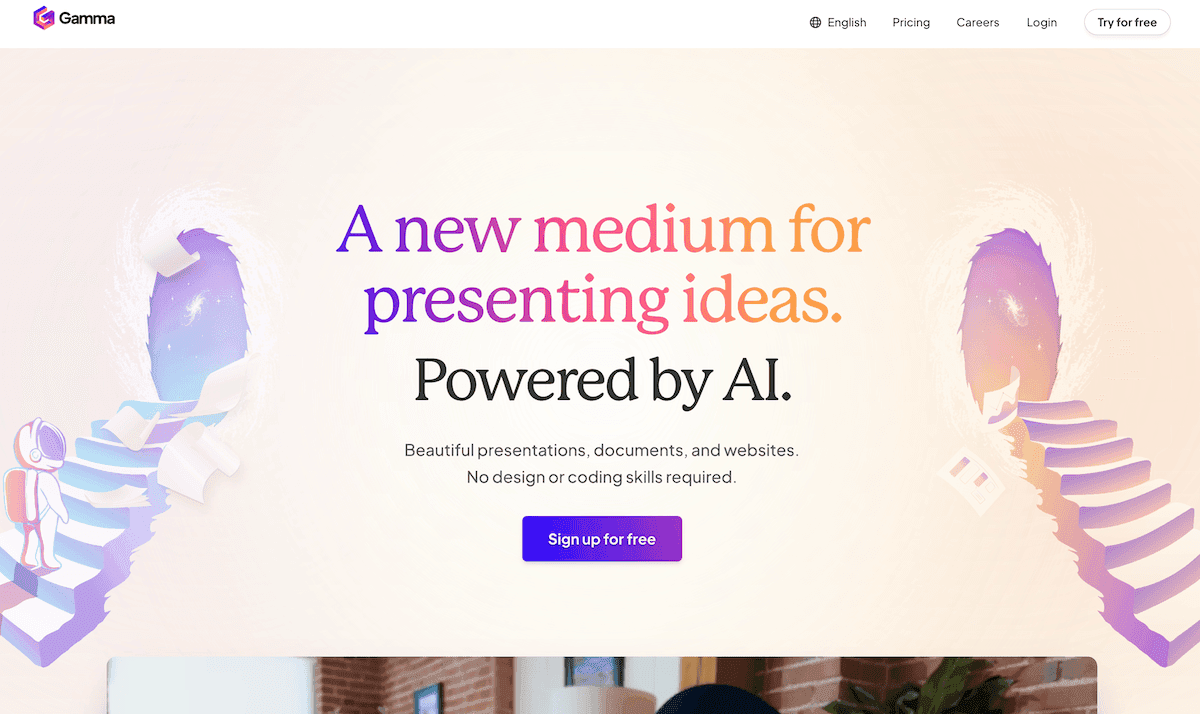
2. Kuraplan — Mapping for Maximum Curiosity
I used to treat unit plans as a box; now, Kuraplan is my sandbox. I begin every cycle by mapping the must-hit standards, then add student-proposed investigations as equal checkpoints—"detour week," "mystery project slot," or a "hallway hackathon." Kuraplan makes it visible and editable: the class helps restructure the timeline after every discovery (or glorious disaster), and when a research tangent threatens to take over, we slide milestones or flag a reflection day. The best trick? Archive the evolving plan as a "curiosity contract" for next year—every cohort’s quirks get woven back in, and admin finally see why "off-topic" is a feature, not a problem.
Try Kuraplan3. Diffit — Never Say No to a Wild Resource Again
Every time a group wants to chase a new video, song, tweet, or primary source, I used to panic: who can access this? Now, with Diffit, anything (and I mean anything)—from a 1942 campaign flyer to a viral math explainer—gets pasted and instantly re-leveled for all readers. My practice: let students propose sources, Diffit-ify them, and debate as a class what changes from version to version—often, it sparks as many new questions as answers. Suddenly, curiosity is a group sport, not another “that’s just for the honors group” activity.
Try Diffit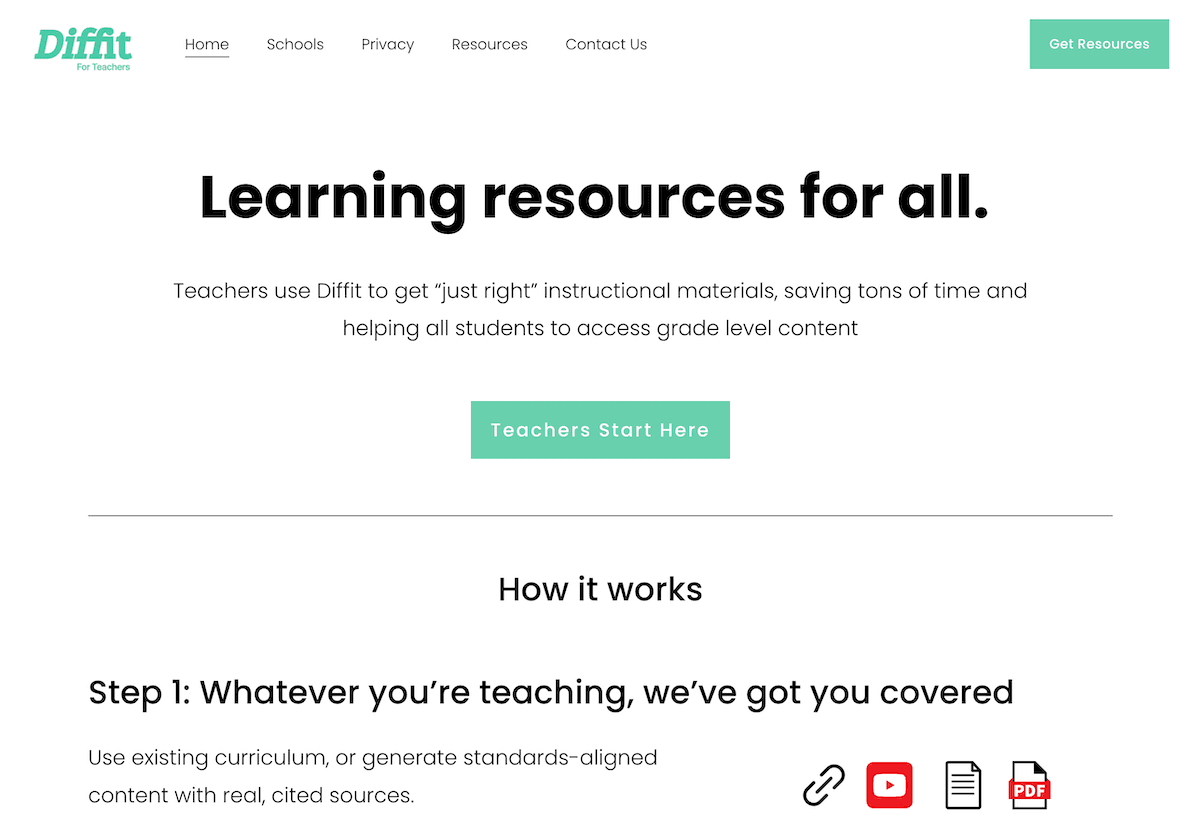
4. Notebook LM — Class Curiosity Archive and Debate Incubator
If your class generates more questions than answers, you need an archive. After each "open question" block, everyone logs audio reflections, group questions, sketched mind maps, and even disagreement memos to a shared Notebook LM. The AI clusters recurring themes (“Why do we keep coming back to the theme of power?”), flags what’s unresolved, and generates Q&A templates for roundtables, minipodcasts, or student-led research days. Our Monday ritual: re-listen to the week’s best tangents, vote on which unfinished ideas are worth chasing, and set up "curiosity sprints" as accountability moves. Notebook LM makes wonder durable, not disposable.
Try Notebook LM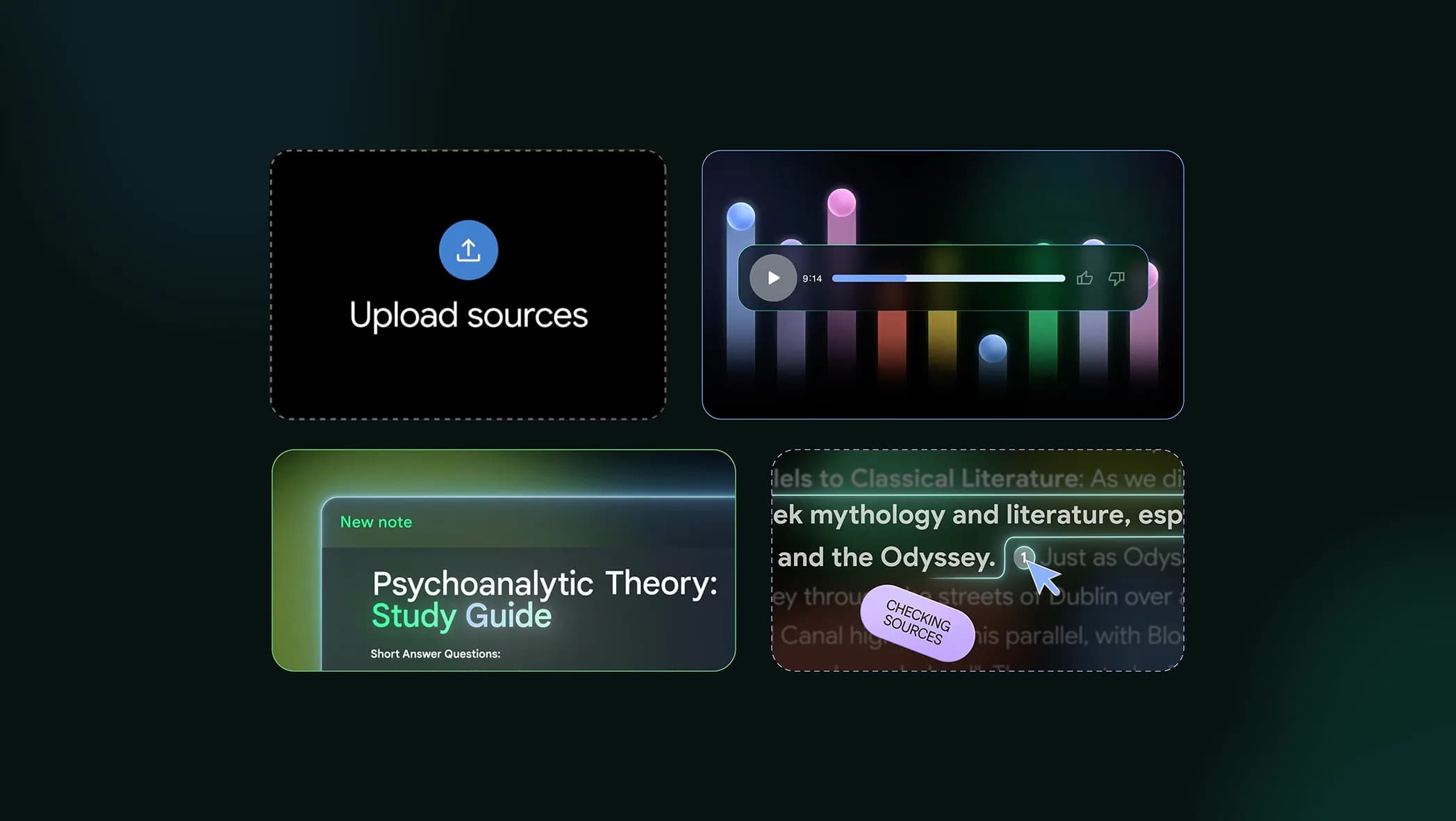
5. Jungle — Review Games That Spotlight Questions, Not Just Recalls
Most review tools spin off MCQs you already planned to ask. In my room? Jungle decks start with student-submitted questions: those weird, beautiful, "but what about..." prompts and “we still don’t get it!” statements. After every messy week, every group writes a card for "next inquiry," “fact we wish we understood,” or “stumper for future classes.” Jungle’s AI builds unique, rotating decks for review games, inquiry check-ins, or even "teacher trivia showdown." The culture shift: retention is built around curiosity, not just right answers. Our "Legacy Decks" become tradition for passing curiosities year to year.
Try Jungle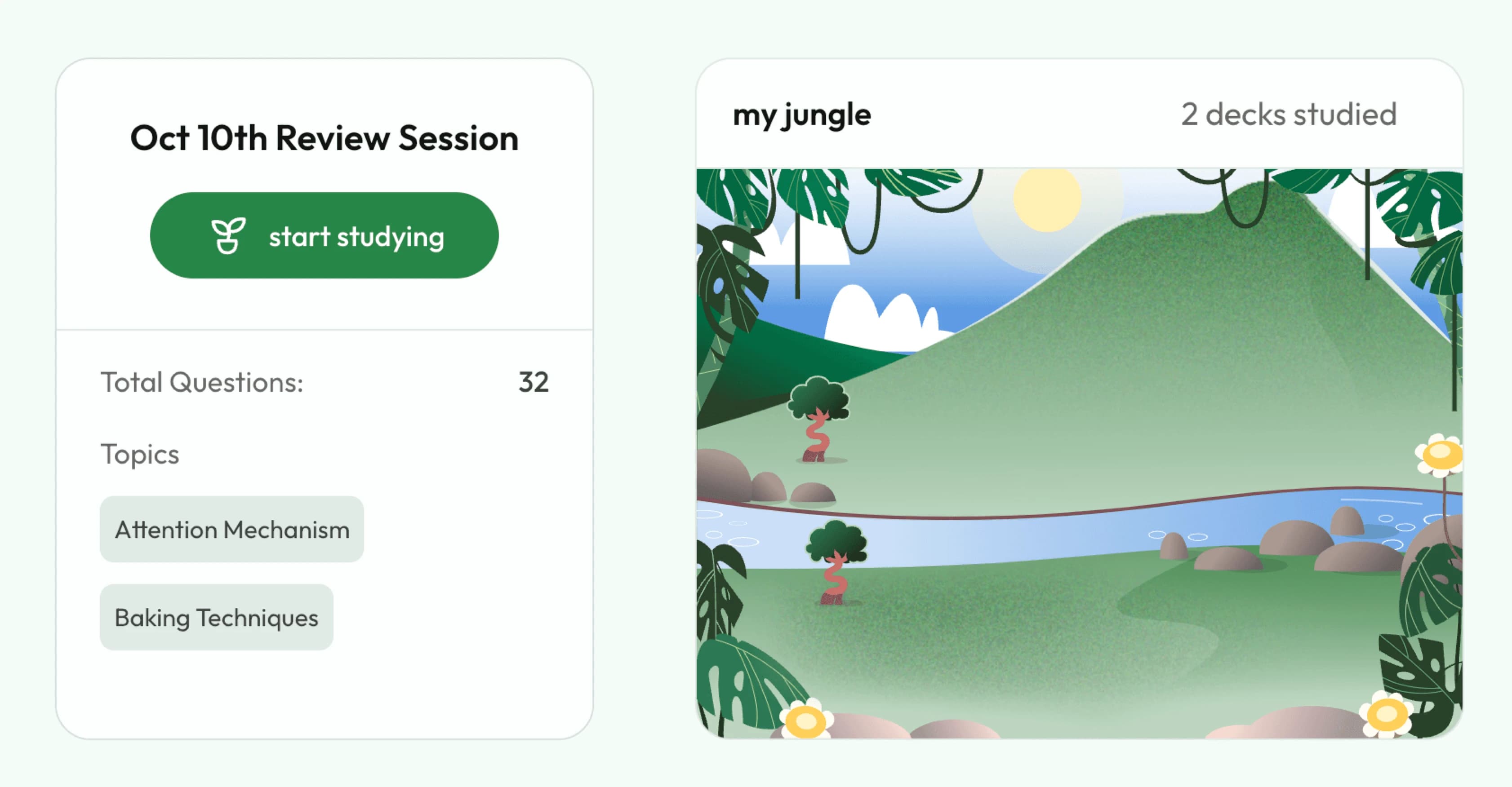
6. Suno AI — Rituals for Celebrating the Unexpected
Daily detours zap energy and collective focus—unless you turn them into conscious tradition. Suno is our capstone each Friday: students collaborate on lyric lines (“Song for risk-takers,” “Anthem for the question we didn’t answer,” “Chant for the hallway debate that rewrote the lesson”). Suno delivers an instant, student-powered class anthem we play at closure, before project launches, or after our finest curiosity-driven "mistake." By spring, our playlist tells the year’s learning story more honestly than any archive. Students start suggesting prompts for every new detour—now, culture and memory are built on curiosity too.
Try Suno AI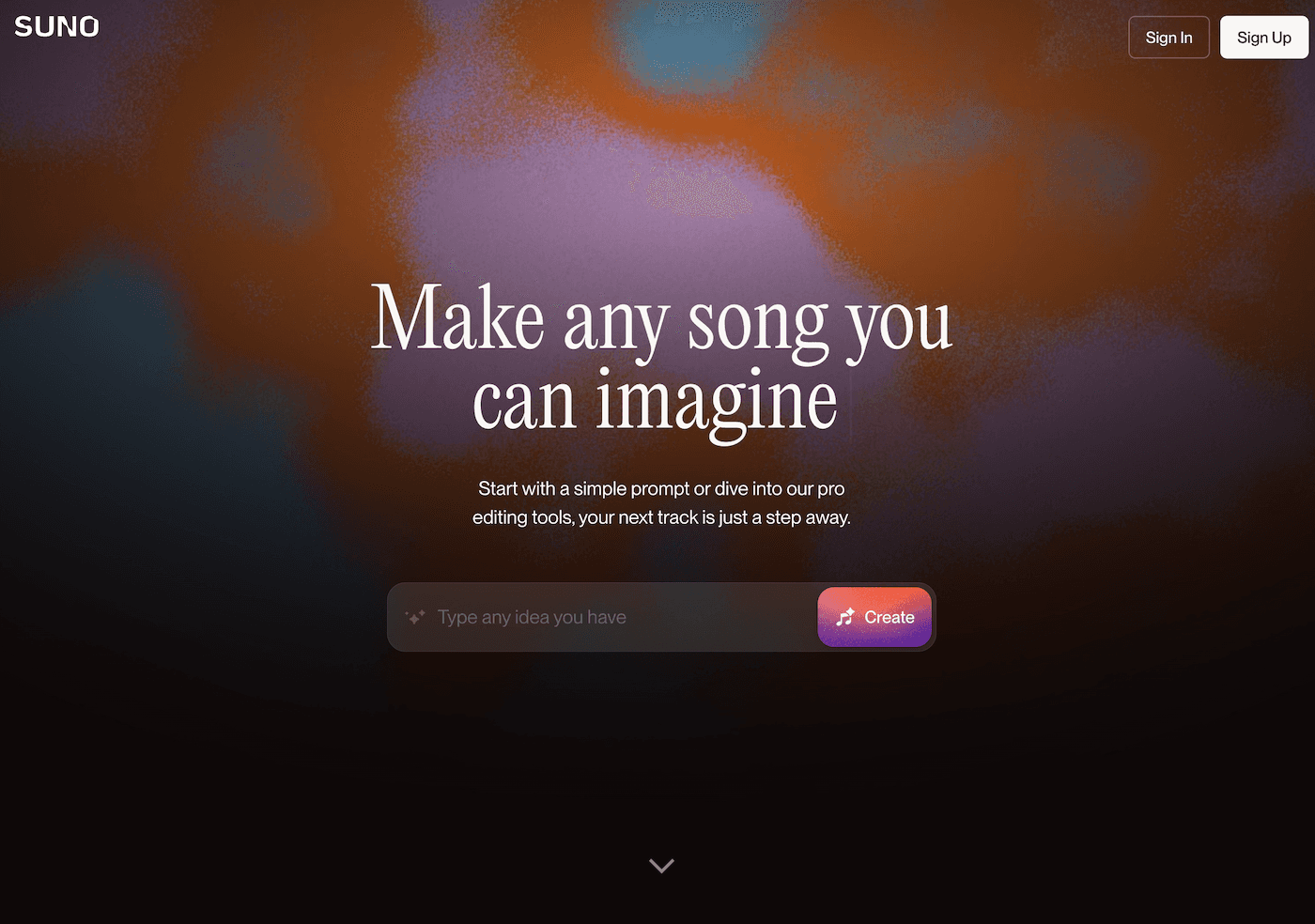
Real-World Advice for Teachers Who Say YES to Wild Ideas
- Archive everything as you go—Gamma and Notebook LM make curiosity cumulative, not ephemeral.
- Make planning public, flexible, and a team sport—Kuraplan is powerful when students (and teachers!) tear up the script together.
- Accessibility liberates creative resources—let Diffit make "can we try this?" the new class norm.
- Ritualize, not just “manage,” the chaos—Jungle decks and Suno soundtracks turn curiosity into culture, not just noise.
- Don’t apologize for mess: Use your evidence (artifacts, galleries, and playlists!) to show why chasing tangents is not a loss of control—it’s the engine of authentic learning.
Are you a teacher whose real curriculum lives in what spikes curiosity—not just what you planned? Share your workflow, AI hack, or class tradition below. The wildest learning happens in the questions—not the answers—and 2025 is the year we can catch it.