6 AI Tools for Time-Crunched Department Leads
Department chair, grade lead, PLC facilitator, reluctant curriculum captain—whatever your title, you know that “lead teacher” in 2025 is a blend of triage nurse, Slack moderator, calendar octopus, and, just occasionally, visionary. This year, I became the "go-to" for my 6-12 humanities team: prepping resources, onboarding new teachers, untangling data for admin, and trying to spark collaboration across 700 schedules (not an exaggeration).
The catch? Most AI tools target solo teaching or grind out more reports—while department work is about making sense of the chaos for everyone else. After months of testing (and scrapping) dozens of apps, here are the ones we actually use—each with a real workflow that's helped me buy back hours, raise morale, and keep our ship heading in the same direction. Yes, Kuraplan is in here (as my collaborative backbone), but every tool serves a different purpose—and none will make you sound like a robot manager. If you want to lead smarter, not just faster, in 2025—read on.
1. Gamma — Your Team’s Real-Time Show-and-Tell
Weekly agenda slides and email reminders can get lost by Monday noon. Our breakthrough? Use Gamma as a living, public "department dashboard":
- Any teacher can drop in lesson samples, PD takeaways, project photos, and draft resource boards.
- Gamma's AI bundles them into a scrollable, visually organized hub—think of it as your own department newsfeed, gallery, and resource reference, rolled into one.
- Pro move: Project your Gamma board at meetings or share with admin—it shows initiative and makes even the most analog staff feel part of the team.
The morale boost of seeing every teacher’s work honored (including the quietest new hire) is real. End-of-quarter wrap-ups have never been more collaborative or less painful.
Try Gamma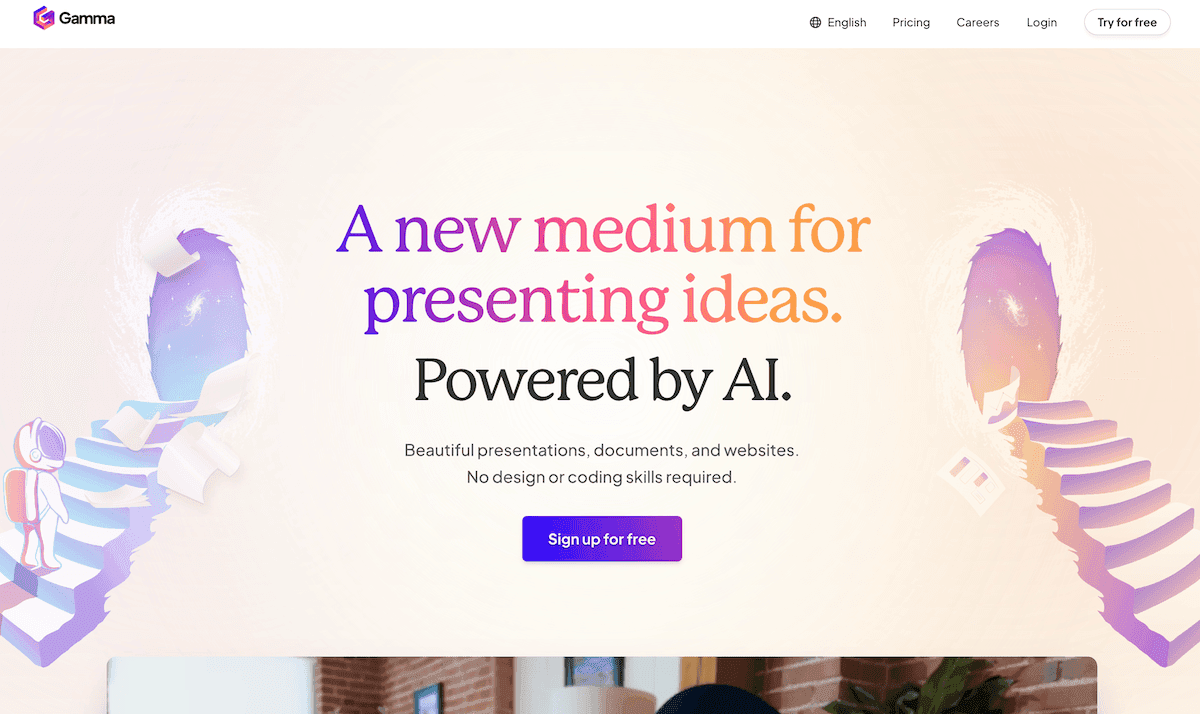
2. Kuraplan — Co-Planning that Lasts Past PD Day
Most department planning tools are built by people who haven’t actually massaged five teachers into using the same project in different classrooms. Kuraplan surprised me as a co-author—not a dictator:
- Launch each cycle with your essentials (team goals, outcomes, critical deadlines—state testing, showcase nights, etc.).
- Let your team (yes, even skeptics) edit the Kuraplan sequence in real time: move checkpoints, add new "student voice cycles," or flag bottlenecks for review.
- My workflow: Revisit the plan every Wednesday—so nobody’s left guessing after the first week, and reflection isn’t just a May ritual.
New teachers praise the structure, veterans appreciate being consulted, and admin walk-throughs have a clear stake in the living plan.
Try Kuraplan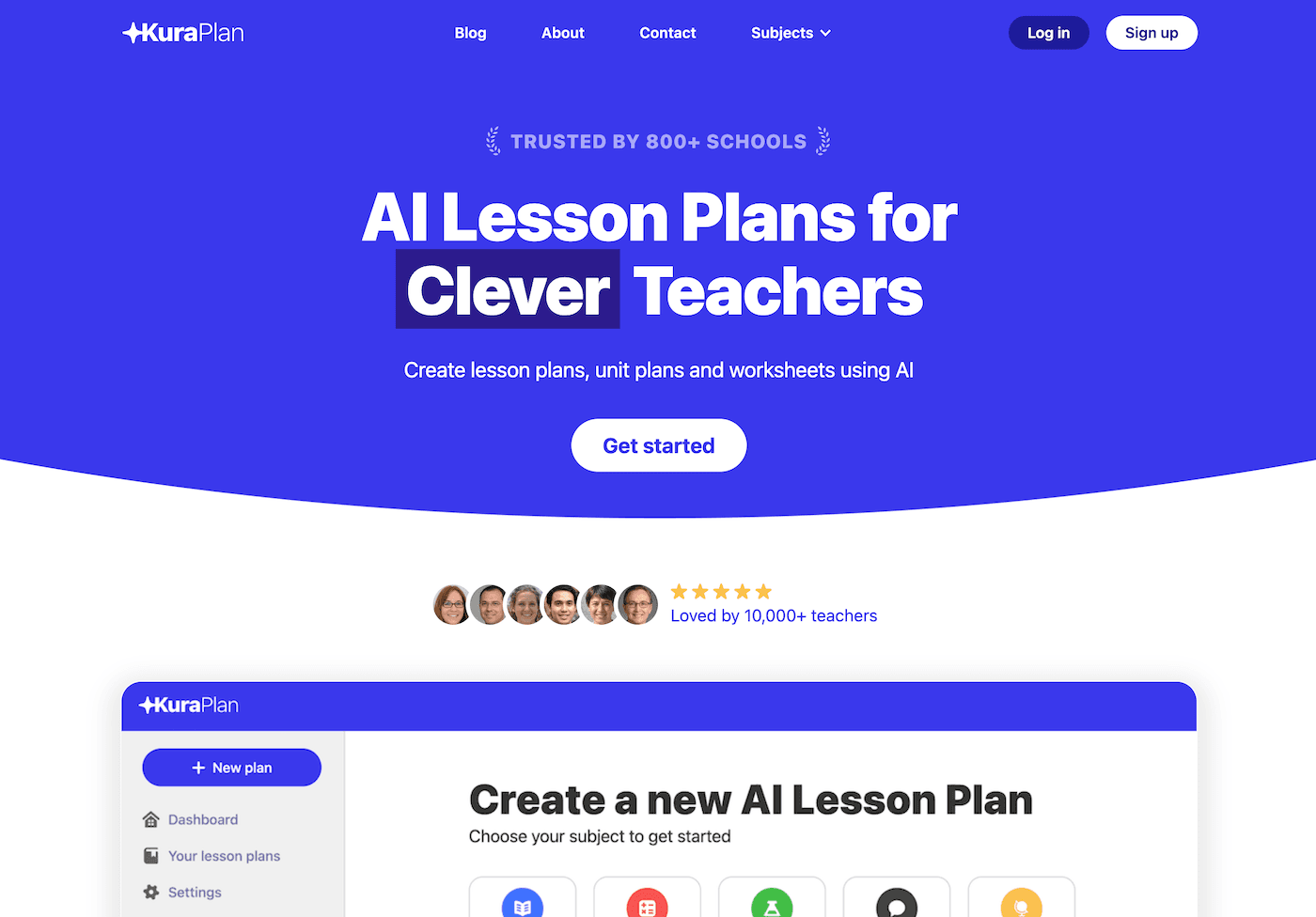
3. Diffit — One-Click Differentiation for Team-Wide Equity
Your department’s best new idea is toast if it isn’t accessible across grade levels, reading bands, or ESL/IEP lists.
- Our group hack: Any resource—news article, podcast transcript, or shared mentor text—goes through Diffit to instantly create multi-level versions and vocabulary scaffolds.
- Team lead trick: Assign a "Diffit Captain" on the roster; every rotation, someone preps a resource pack for new additions or mid-semester transfers.
- Pro tip: Store your Diffit packs in your Gamma dashboard—for visibility and easy reuse next term.
Less time spent handmaking options, more equity, and no more panic when a new student walks in the day of a big lesson.
Try Diffit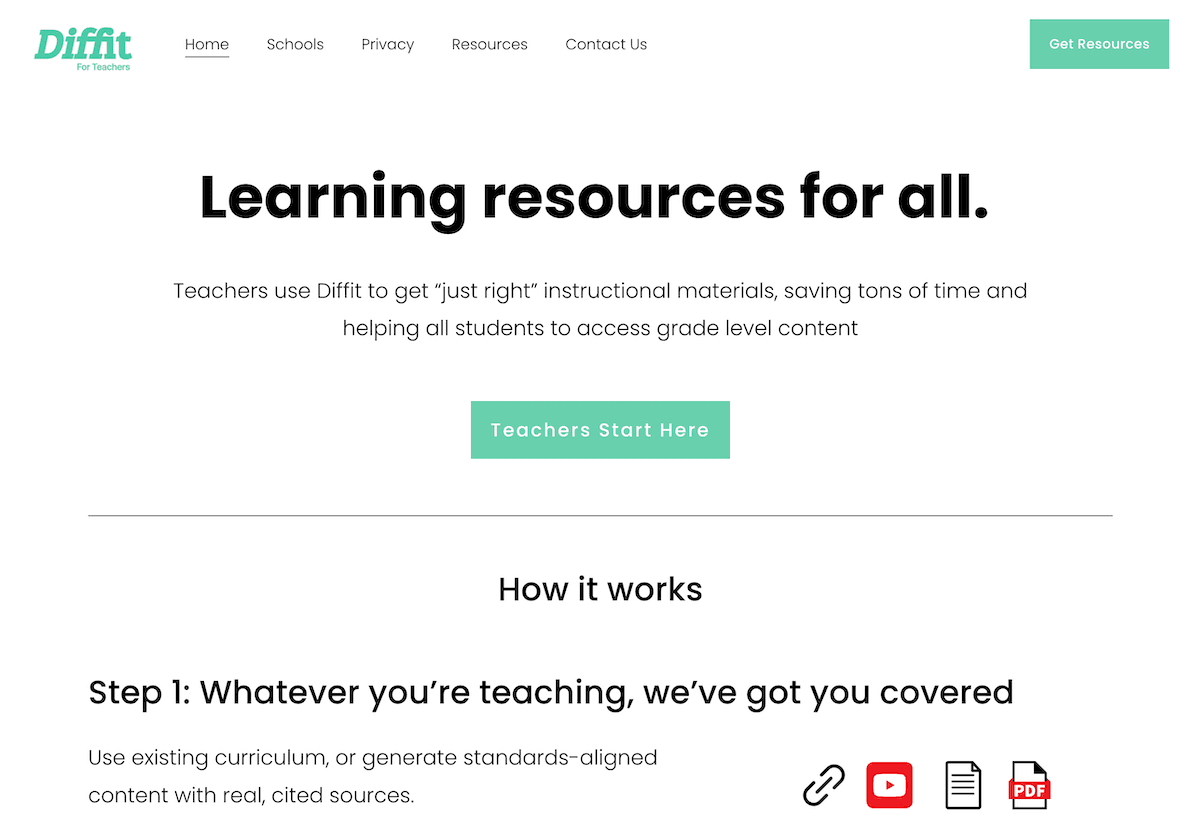
4. Jungle — PD and Department Debrief Games (with Real Takeaways)
Nothing makes teachers groan like forced fun at staff meetings. Jungle rescued us:
- After each PD or team project, teachers write a flashcard: "biggest surprise," "best new hack," "what I wish I knew before today," or just “epic fail.”
- Jungle creates decks for day-after trivia, department-Jeopardy, onboarding games for rookies, or coffee break rounds between PLCs.
- The best cards become a monthly "legacy deck"—our "department survival bible" for the next rotation.
Turns PD into a genuine learning game, and our team stopped dreading debrief weeks.
Try Jungle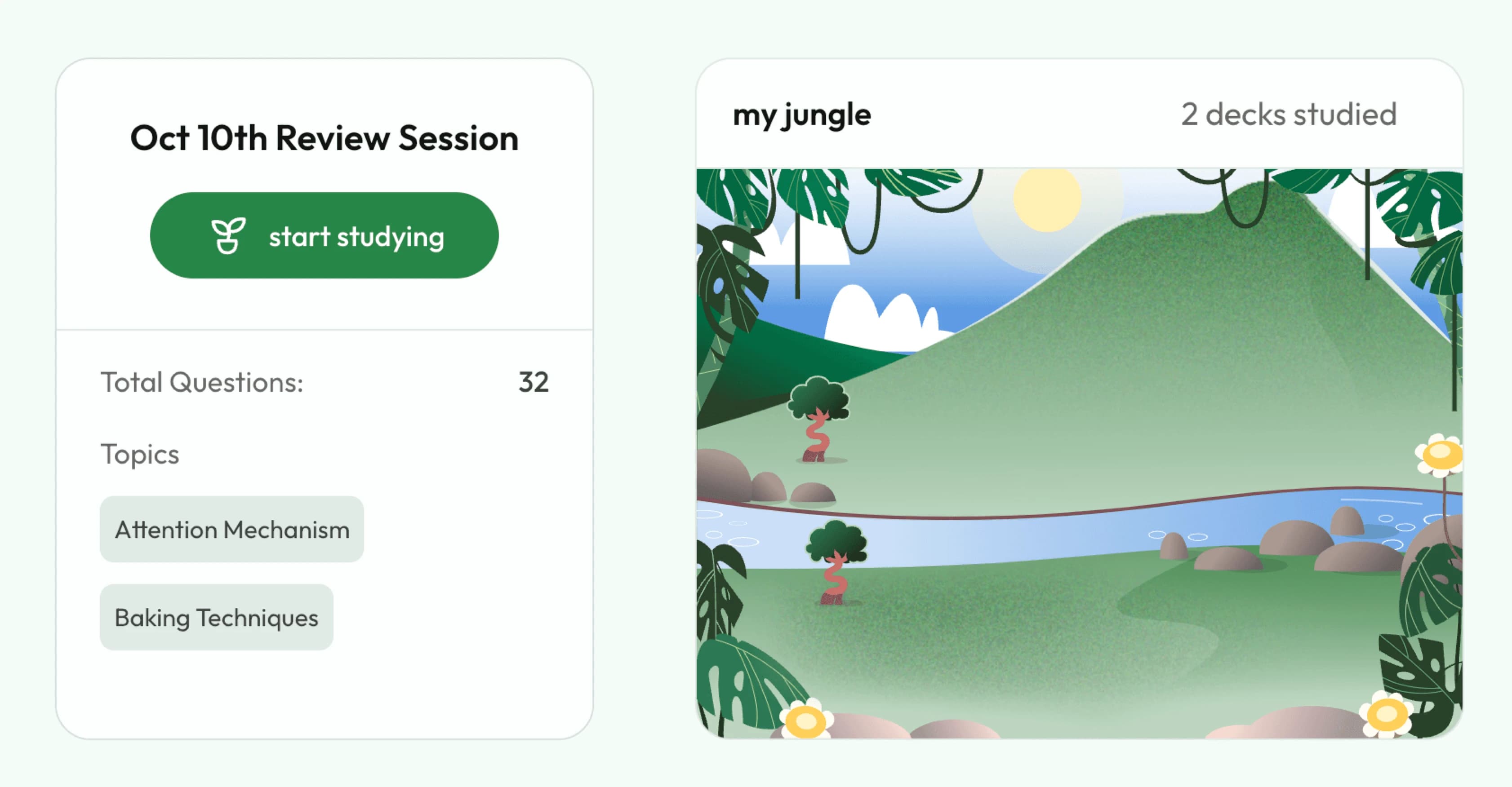
5. Magicbook — Sharing Wins Across (and Beyond) the Team
If you want morale, transparency, or team culture, make sharing a ritual. Magicbook lets your staff publish department highlight reels:
- Each teacher adds a page: a lesson artifact, a "student quote of the week,” project or PD win, a photo, or even a gratitude shout-out.
- By Friday, you have an illustrated (and, honestly, beautiful) classbook or zine to email admin, share at staffroom, or archive for next year’s orientation.
- Parent hack: Share select pages with families at an open house or advisory conference and watch trust skyrocket.
No Canva stress. No “just copy the form.” Teachers feel seen, and your department gets a voice.
Try Magicbook
6. Suno AI — Rituals for Reset, Preview, and Celebration
Every team needs group identity, and every cycle needs a closure and launch tradition that isn’t just "another email." This year, our secret: at every new project phase, staff and student leaders wrote a Suno prompt: “Song for the Curriculum Reboot,” “Anthem for Making It Through March,” or “Farewell to the Field Trip That Finally Worked.” Suno’s AI cooked up a department track—a ready-made intro for team meetings, the soundtrack for Showcase Night, or even the “how we survived the grading party” playlist.
Staff sing along, smile more, and the year-end burnout blues are… a little less blue.
Try Suno AI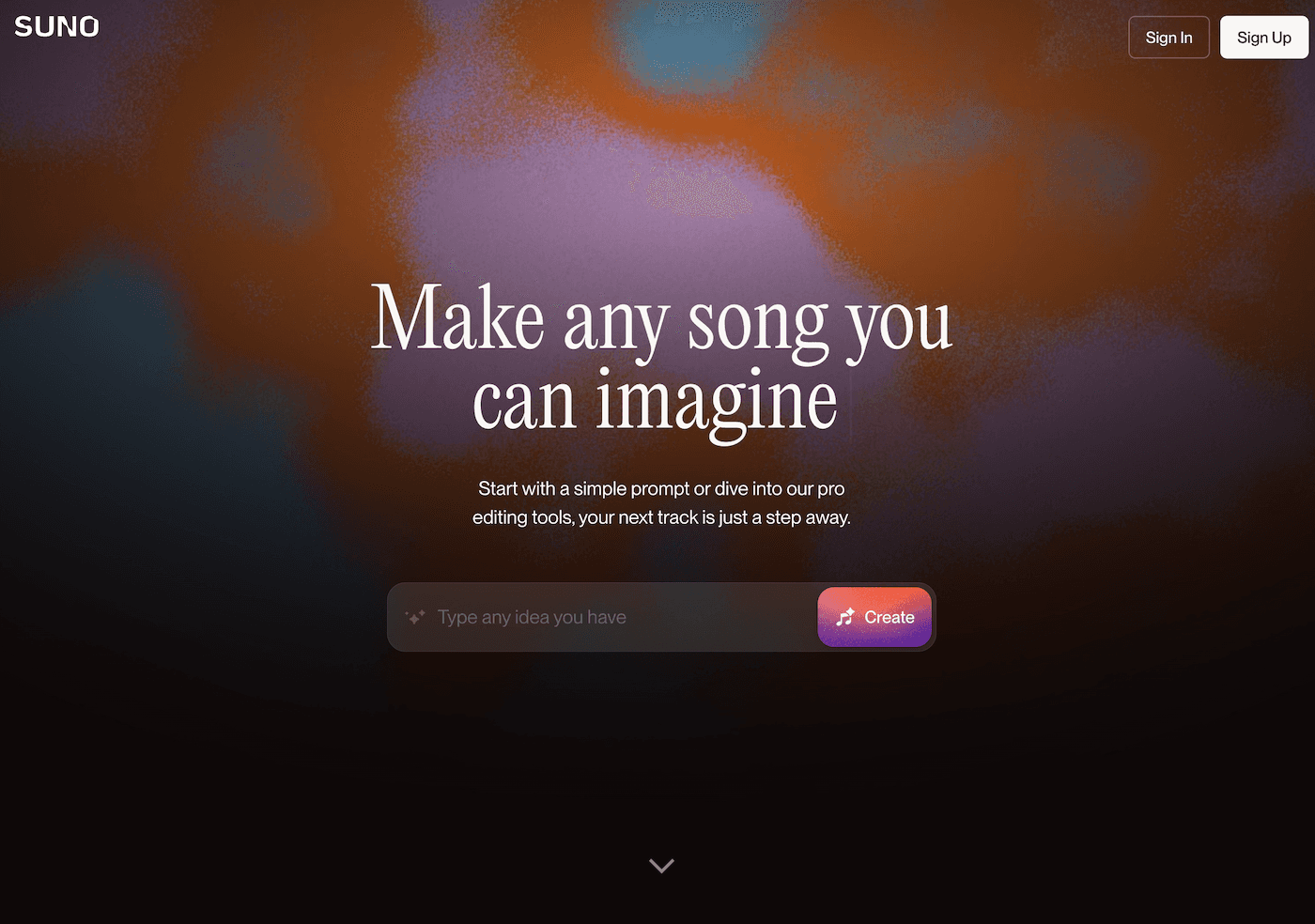
Advice for Department Leads (from a Stretched but Sane Chair)
- Archive and highlight, don’t hide: Gamma, Magicbook, and Jungle make showing off your team’s voice much easier than any report ever will.
- Build editable, public plans: Kuraplan wins when your team (not just you) co-authors, critiques, and pivots.
- Make differentiation a shared responsibility: Diffit lets everyone support ELL and diverse learners, without leaving new staff stranded.
- Play, celebrate, and reflect together: Rituals (Suno) and review games (Jungle) make morale last past September.
If you’re a lead teacher, department chair, or just someone hoping to leave Monday’s meeting with a little more energy for the real work, drop your favorite workflow, tool, or team survival tip below. We’re all learning—and leading—together.