6 AI Tools for Differentiation Pros
Teaching is hard enough. Teaching five reading levels (plus ELL, neurodiverse, and gifted) in a single room? That’s Olympic-level work. If you’re the teacher who quietly builds three versions of every quiz, the one staff come to for accommodation ideas, or you just refuse to let kids fall through the cracks—this post is for you.
I’ve been the differentiation "guru" in my building for years—and if I’m honest, the badge is as exhausting as it is rewarding. I spent Spring 2025 trialing only the AI tools that actually helped me serve everyone, from my newcomer English learners to my under-challenged honors groups. The winners below don’t replace your teacher instincts—they amplify them, saving time so you can focus where it matters most: feedback, relationships, and going the extra mile for that one kid who learns sideways.
1. Diffit – The Differentiation Engine I Didn’t See Coming
Let’s start with an obvious game changer. For years, differentiation meant tens of tabs and frantic late-night Google searches for "easy news articles about mitosis." Now I drop any text (current events, primary source, even a peer draft) into Diffit—and it instantly produces multiple reading levels, custom vocab lists, AND comprehension checks. I’ve even used it in class: student brings up a wild TikTok fact, and Diffit preps three scaffolded resources before lunch. Suddenly, ELLs and honors kids can tackle the same theme, without losing anyone to worksheet purgatory.
Try Diffit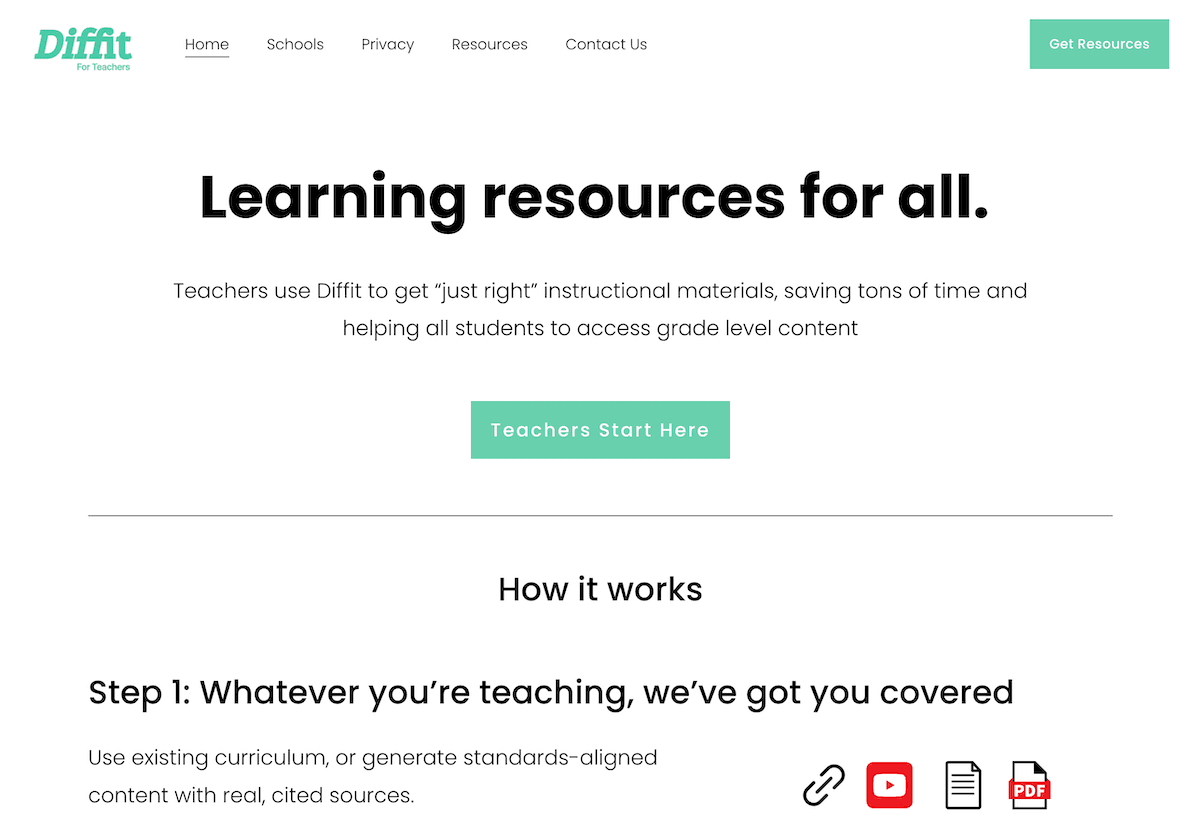
2. Kuraplan – Not a Magic Wand, But a Differentiation Blueprint
I’ll be candid: Kuraplan isn’t just a lesson planner. My workflow? I feed it my unit theme, flag specific student needs (think: "visual organizers for Gabriel," "challenge tasks for Layla"), and Kuraplan suggests a backbone with embedded scaffolds, cross-grouping moves, and even built-in choice points. It doesn’t magically print out every accommodation, but it cuts my prep in half and flags strategies I sometimes forget. I tweak every plan with my own touch—but suddenly, it feels possible to reach everyone (and maybe get to bed before midnight).
Try Kuraplan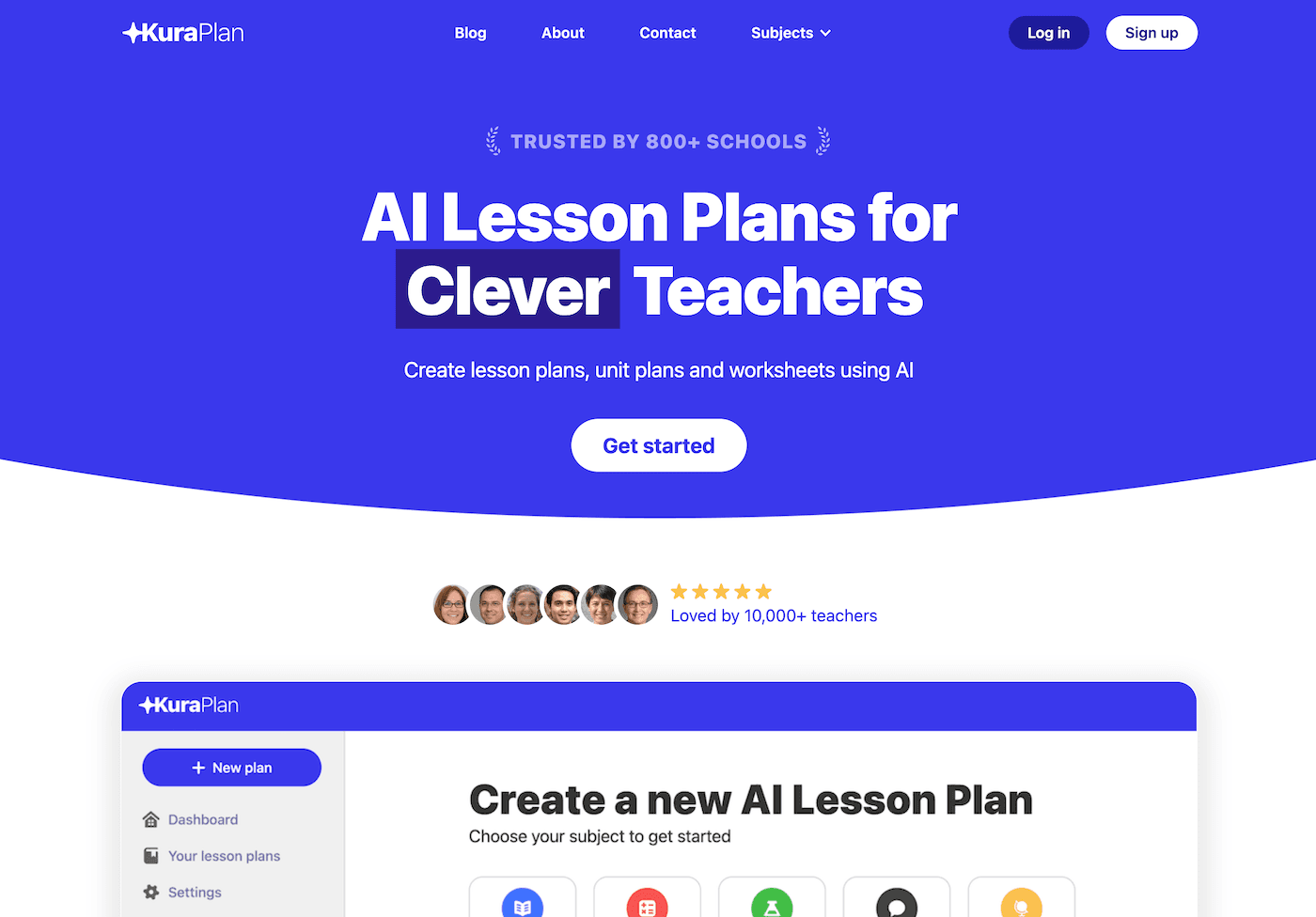
3. Jungle – Flashcards, Formatives, and Review—for All (Built by Students, Too)
Here’s where I flipped the script. Instead of spending hours creating three sets of review materials, I let students (even my strugglers) use Jungle to design flashcard decks and practice quizzes at their level. Emerging readers make picture-supported decks; gifted kids build "stump the teacher" sets; collaboration is the norm. Jungle’s built-in quiz modes mean even my 504 students can demo knowledge orally. Pre-made, adaptive, and zero extra grading for me—a triple win.
Try Jungle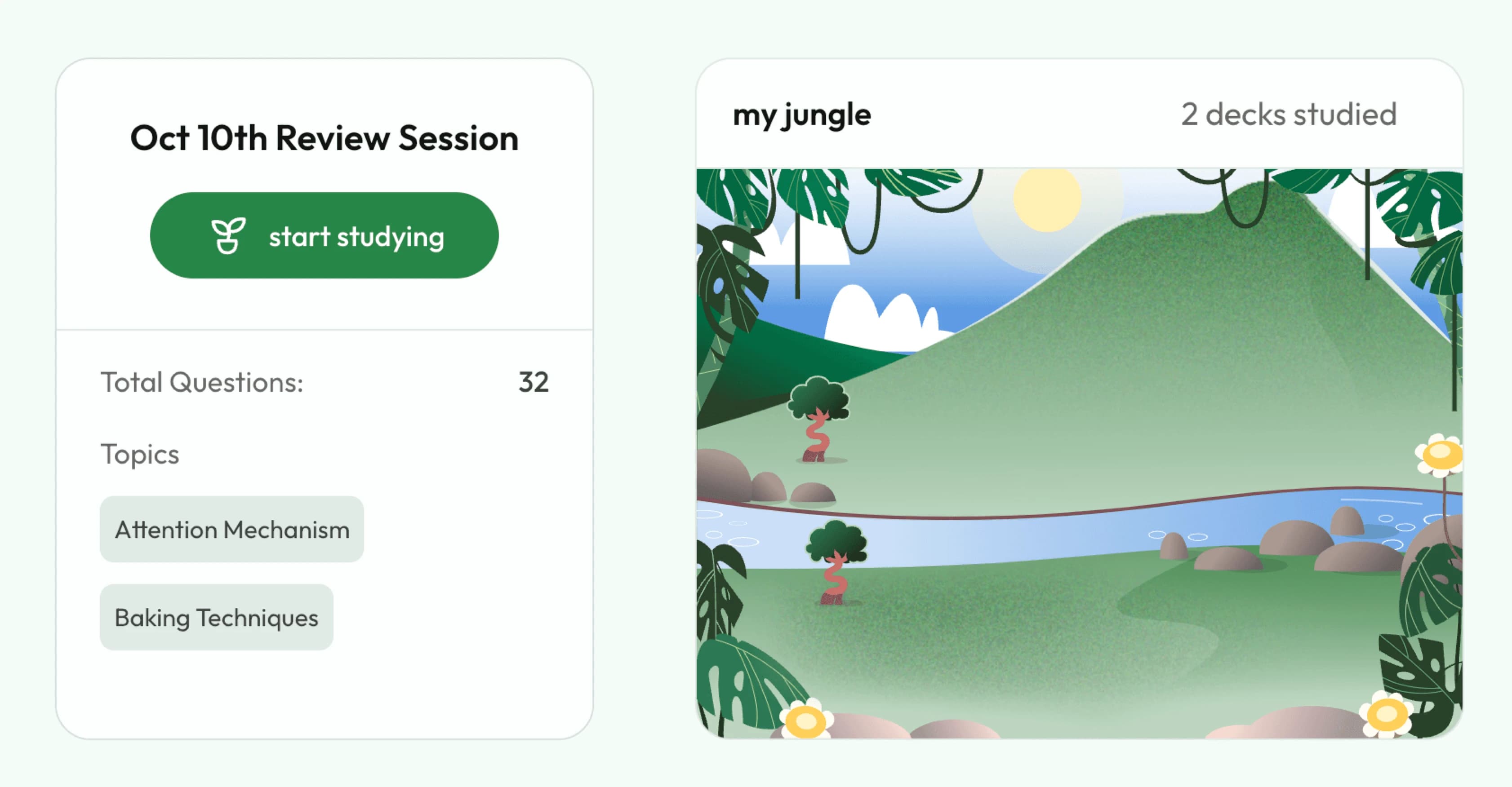
4. Gamma – Multi-Modal Projects in Minutes
The secret sauce of true differentiation: choice in output. Gamma lets every student (or group) plug their research, notes, or rough drafts in—and the AI produces slideshows, visual stories, even mini-posters. Low readers build image-rich timelines; my techy crew builds clickable infographics. I’ve used this for everything from math explanations to science fairs, and even for "portfolio days" where kids showcase growth on their own terms. The creative barrier to entry disappears—and every learner finds a format that fits.
Try Gamma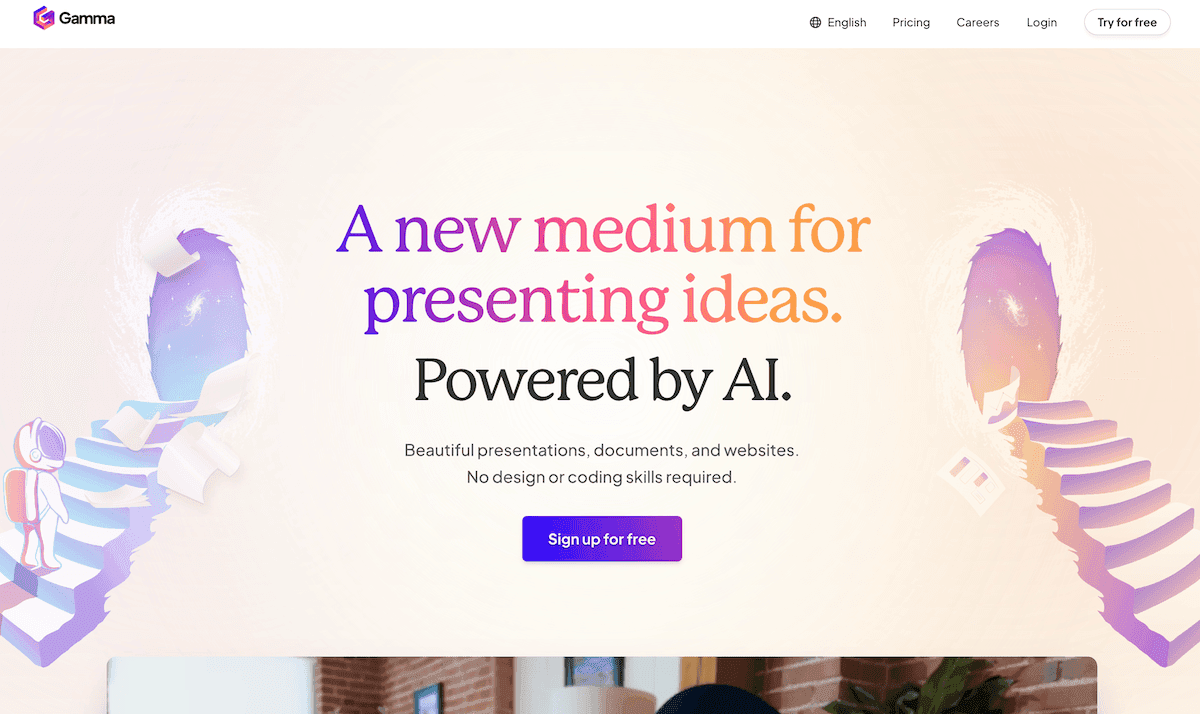
5. Suno AI – SEL, Executive Skills, and Repetitive Rituals (Accessible for All)
Transitions and soft skills are core to inclusion (and to surviving a chaotic day!). Suno AI let me generate custom "movement break" songs, positive affirmations for morning meeting, and content-based chants (“math terms,” “reading stamina,” and even “ask for help lyrics!”). Struggling students lead transitions by editing prompts; ELLs translate rituals into home languages. Now, even when attention spans waver, EVERYONE can join our classroom routines—with dignity and joy.
Try Suno AI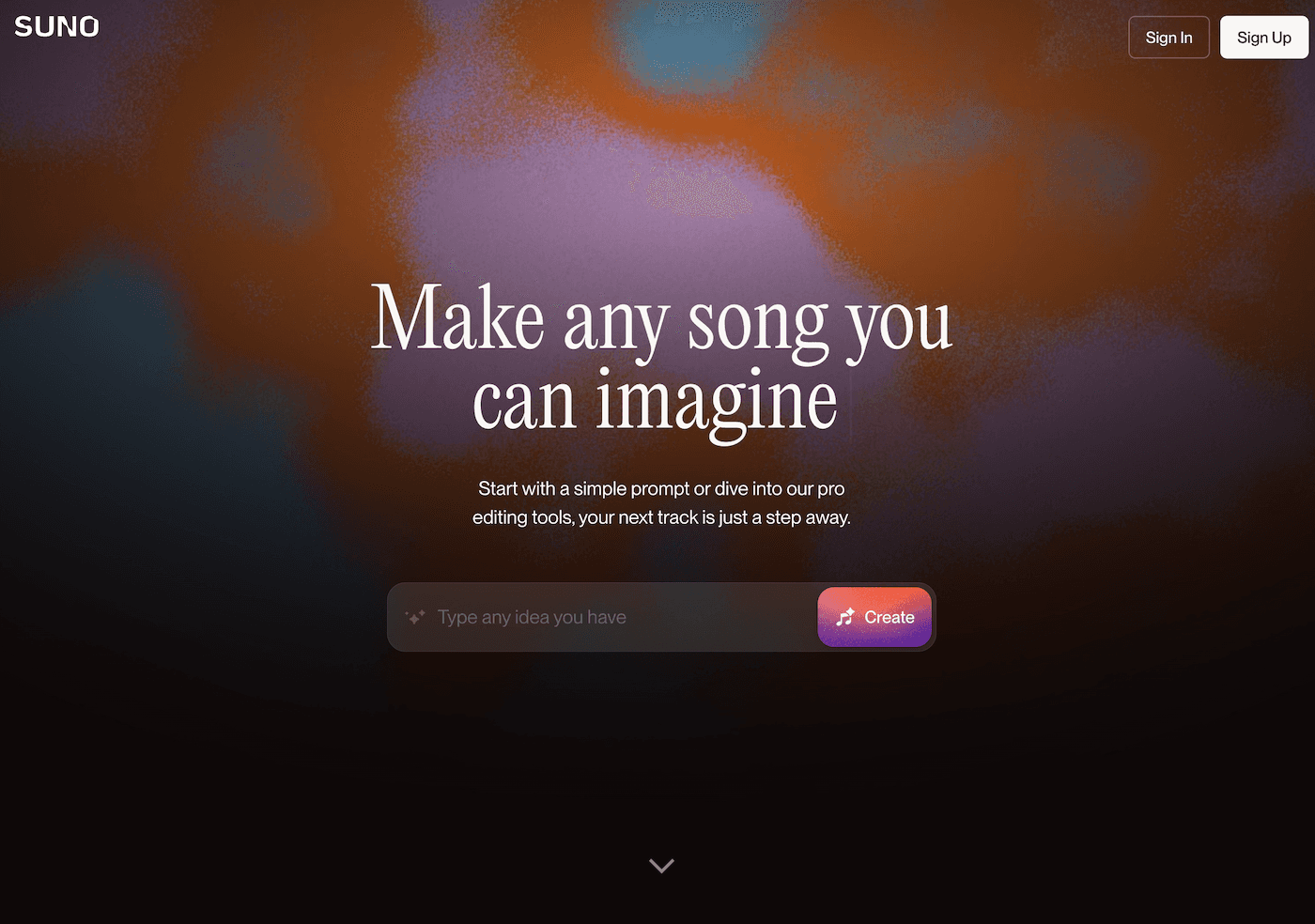
6. People AI – Social Practice, Oral Assessment, and Role Play for ALL
Role play isn’t just for language class. With People AI, my students "interview" figures from our standards—but also practice scripts for job interviews, conflict resolution, and even functional life skills (“How do I order food by myself?”). It’s gold for shy speakers, social language learners, and special educators supporting communication IEP goals. I embed People AI into centers, sub plans, and even family engagement nights. The magic? All kids practice, all kids shine, and I see exactly where they need real-human support.
Try People AI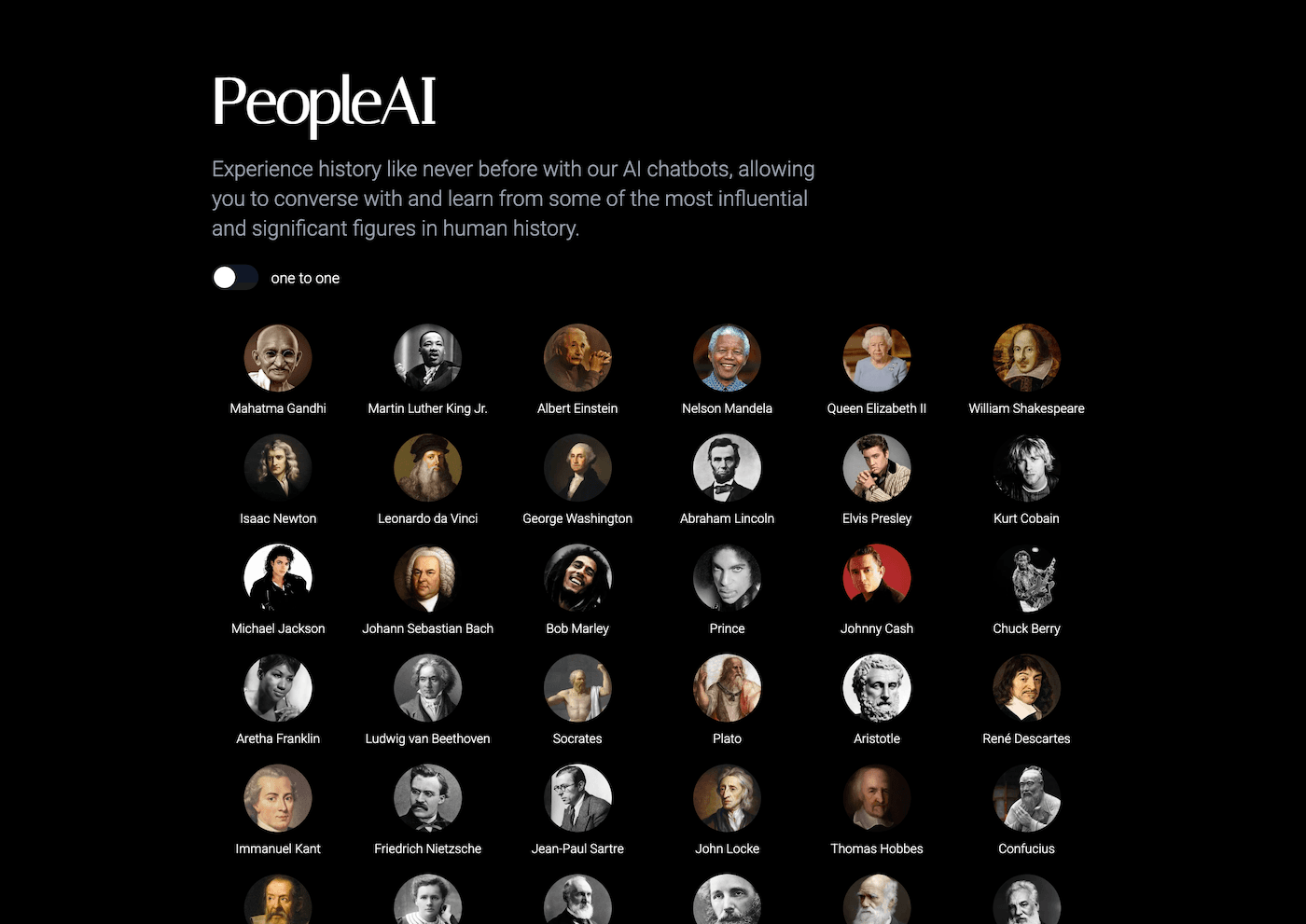
Honest Advice for Teachers Who Differentiate Every Day
- Let the AI do the grunt work. You’re still the difference-maker, but Work Smarter > More Hours.
- Give students agency: Let them use the tools to create, adapt, and demonstrate knowledge. You’ll discover strengths (and needs) you can’t see from planning alone.
- Start with ONE pain point: Pick the tool that matches the task you dread most and beta test with your caseload or trickiest period. Tweak, reflect, repeat.
- Keep your flexibility (and humor): No AI fixes every classroom dynamic. But with the right tools, the work gets lighter—and your energy can go where it counts.
What AI tool finally helped YOU reach your most diverse class? Or your most-overwhelmed self? I’d love to swap stories and strategies—because every learner deserves a teacher (and a toolkit) as unique as they are.