6 AI Tools for Teachers Who Love Classroom Experiments
You know who you are: You’re the teacher who gets excited for the days when your classroom feels more like a lab—or maybe a news studio or a startup garage—than a textbook-and-tests kind of place. I love a lesson that starts with “What if...?” or “Let’s test it and see!” My favorite moments are when students pitch wild project twists or a class brainstorm takes over my carefully color-coded plan. If you live for hands-on creativity but sometimes struggle to keep the chaos productive, this post is for you.
This year, I set a goal: use AI not to automate, but to actually fuel experiments and help manage the (admittedly delightful) mess. I tested everything from quick lab note recorders to brainstorming aids, and honestly, some of the best tools weren’t even designed for science. Here are my top picks for teachers who would rather try something wild and tweak it later than repeat last year’s worksheet—each with a specific workflow, a “don’t skip this” tip, and one warning for fellow experimenters. As always,
Try Kuraplan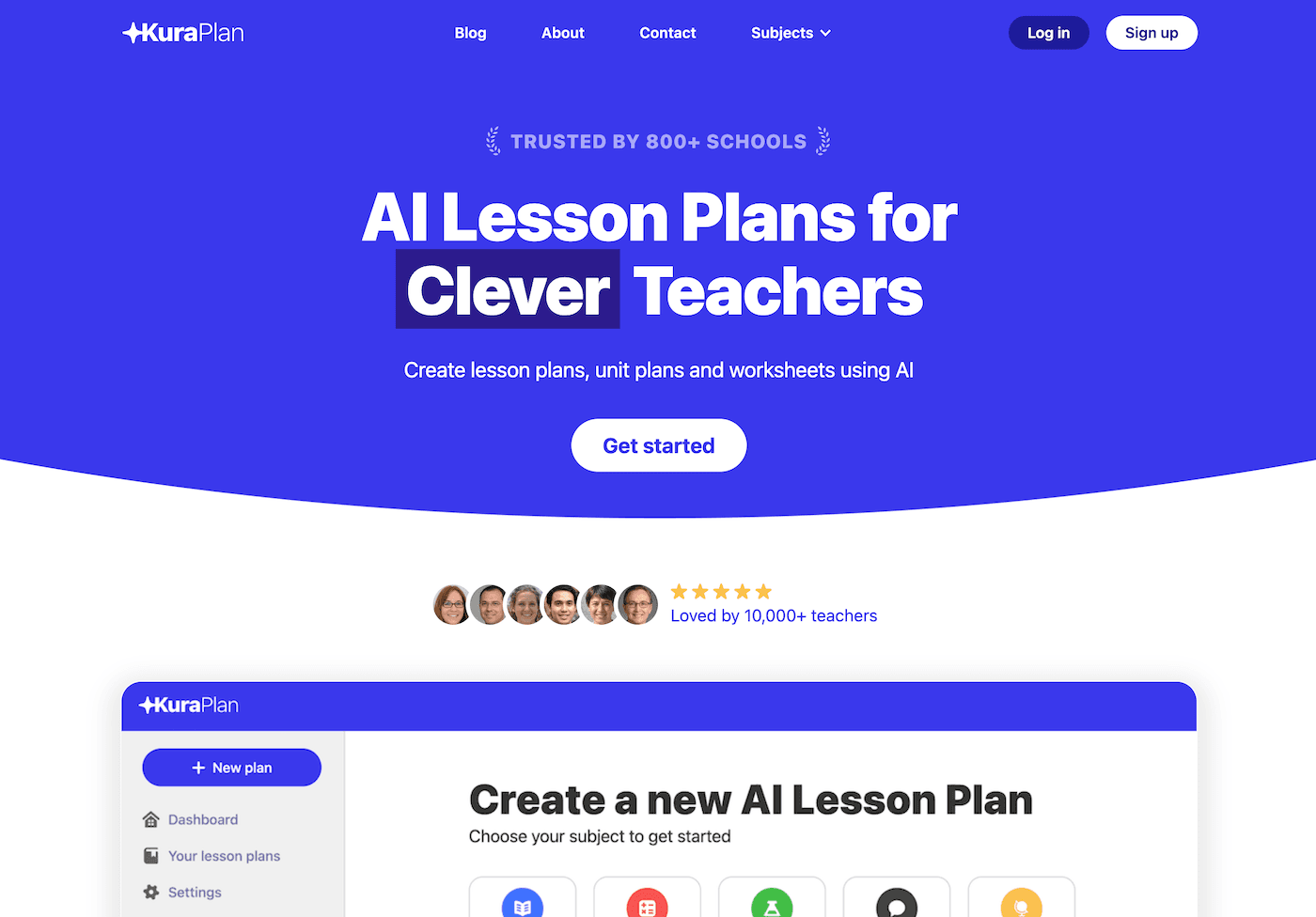
makes an appearance (because flexible mapping truly matters!), but it isn’t the only star of the show.
1. Notebook LM – The Class Experimentation Journal
Every real classroom experiment (from marshmallow towers to pop-up debates) leaves behind a trail of messy data: photos, group logs, sticky notes, and voice memos. Notebook LM became the central hub for my class “field book.” After each session, groups dumped in their raw notes and weird ideas. The AI helped us spot overlooked patterns, cluster our "What surprised you?" moments, and (this is my favorite) auto-generated a Q&A podcast script for the whole class to record on Fridays.
Here’s my experimenter’s rule: Don’t wait for the project to be over. Make documenting and reflecting an evolving habit—Notebook LM lets you turn process into progress, and those audios became epic evidence for admin and families alike.
Try Notebook LM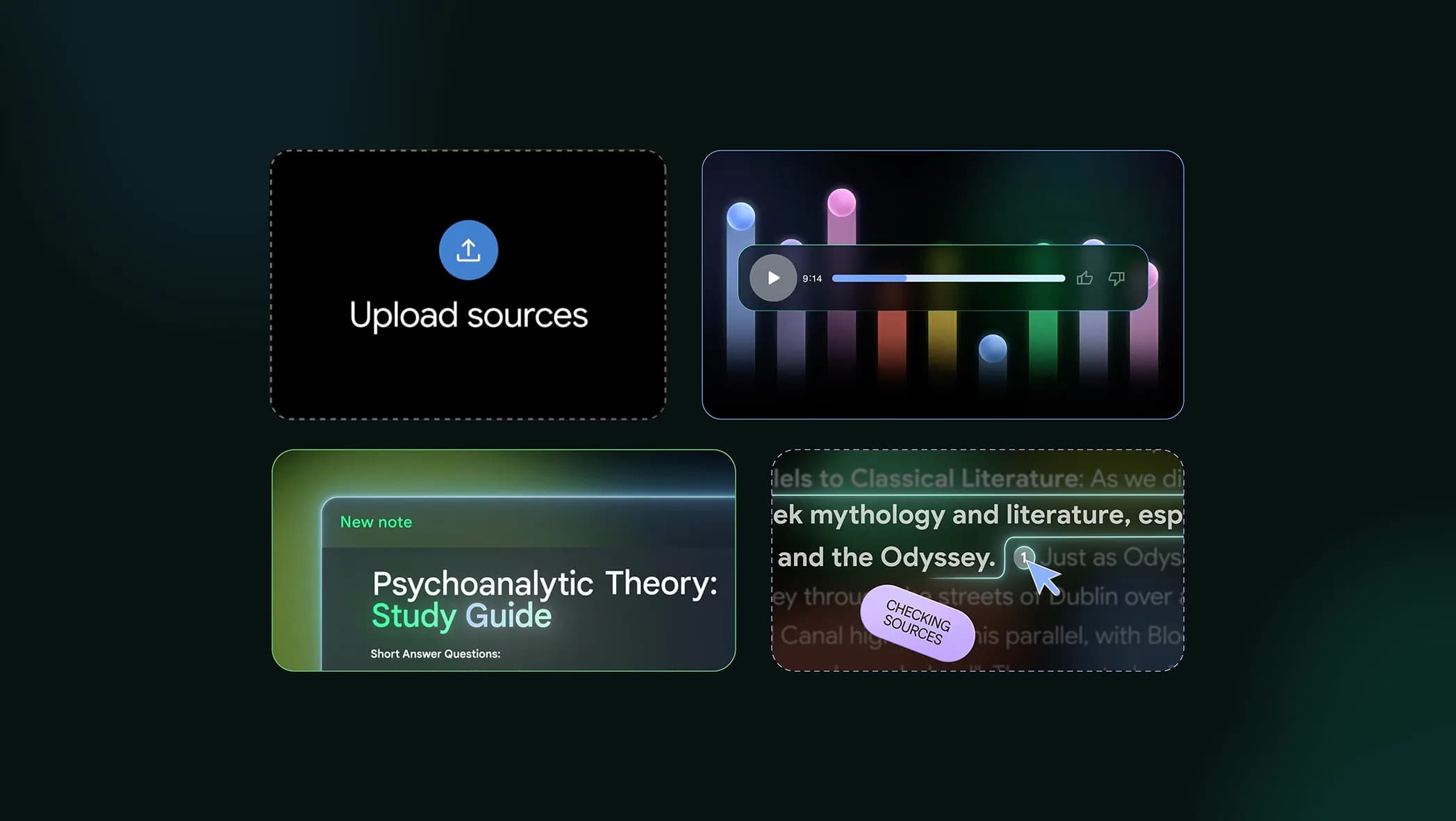
2. Kuraplan – Building Project Maps (Then Tearing Them Up!)
Wild projects are only as good as their "scaffold for surprises"—and that’s how I now use Kuraplan. Instead of scripting every step (no thanks!), I throw in my boldest questions ("Can we invent a new recycling game for the cafeteria?"), flag the standards I have to hit, and tell Kuraplan to sketch a flexible sequence. Here’s the twist: I project its draft and let my students edit, reorder, and add their own checkpoints live ("Let’s add a peer review after pre-launch! Let’s move the showcase!"). We treat the plan as a living roadmap, not a straitjacket, and it saves so much time rerouting when our experiment inevitably needs a detour.
Try Kuraplan3. Jungle – Student-Created Review Games from Real Data
After every messy build, performance, or flipped lesson, my students generate flashcards and trivia questions using Jungle—except these cards are about what they actually found tricky, hilarious, or inspiring. The AI turns their cards into decks for in-class challenges, lab-exit quizzes, and even teacher-versus-student lightning rounds. Not only does review never look the same twice, but every experiment gets a new game (and metacognitive check) that comes straight from student voice—not another prep chore for me. Warning: let your students design the review, but always preview the decks first—middle schoolers will try anything!
Try Jungle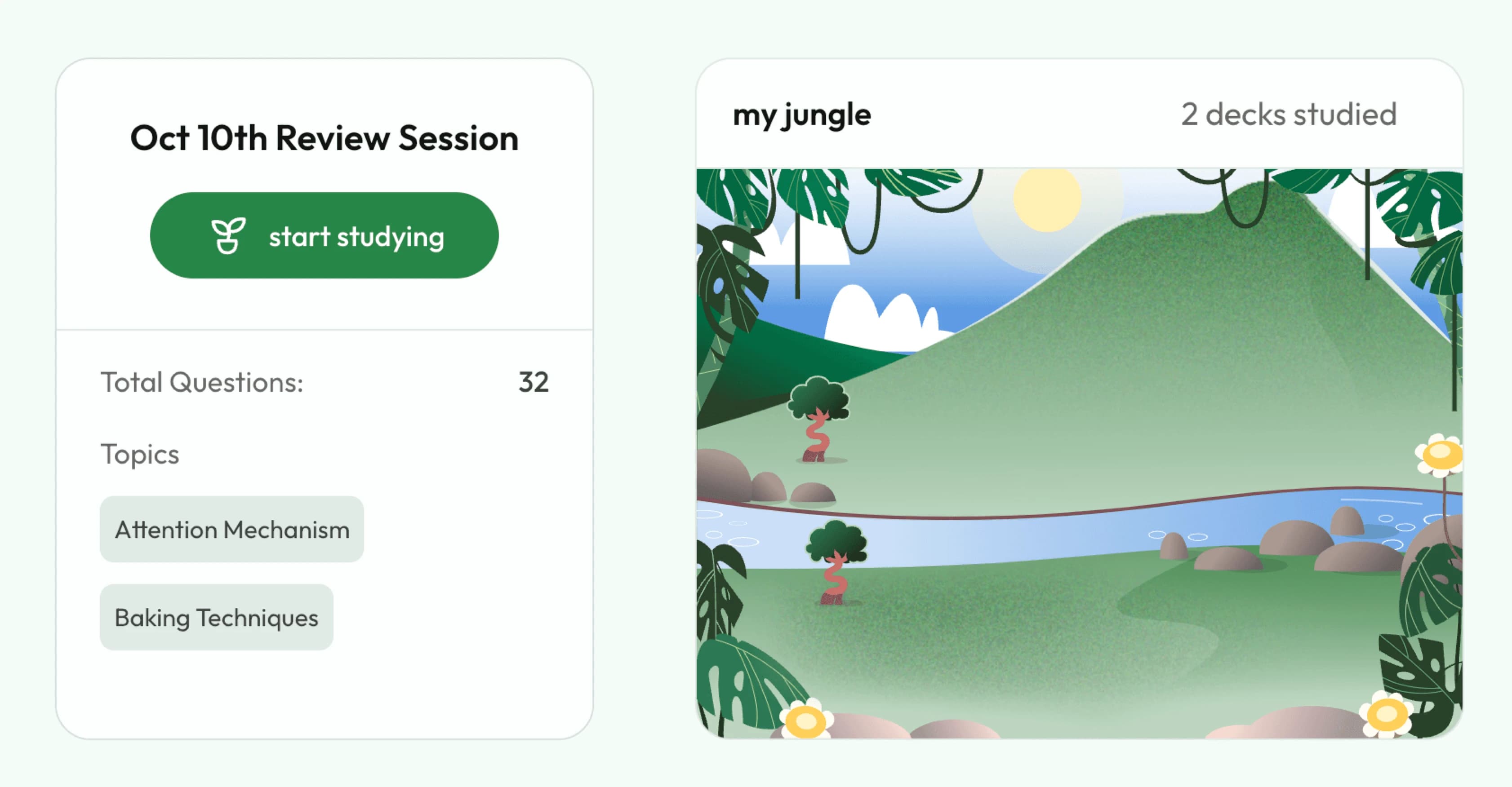
4. Diffit – Leveling Up Wild Resources for Every Group
Classroom experiments thrive on real-world materials—news stories, blog posts, random TikTok transcripts, or even last year’s senior project report. But when groups pick their favorite resource, half the class can’t access it, and differentiation hell breaks loose.
Enter Diffit: I paste anything the students find and instantly get three versions (plus vocab and comprehension checks). Now, my “fish tank redesign” group and my “simulate an economic collapse” group don’t have to move at the slowest reading pace or abandon their best idea. Scaffolding happens as they go. Tip: Let each group find their own base article/video—Diffit will keep you from pulling your hair out the night before!
Try Diffit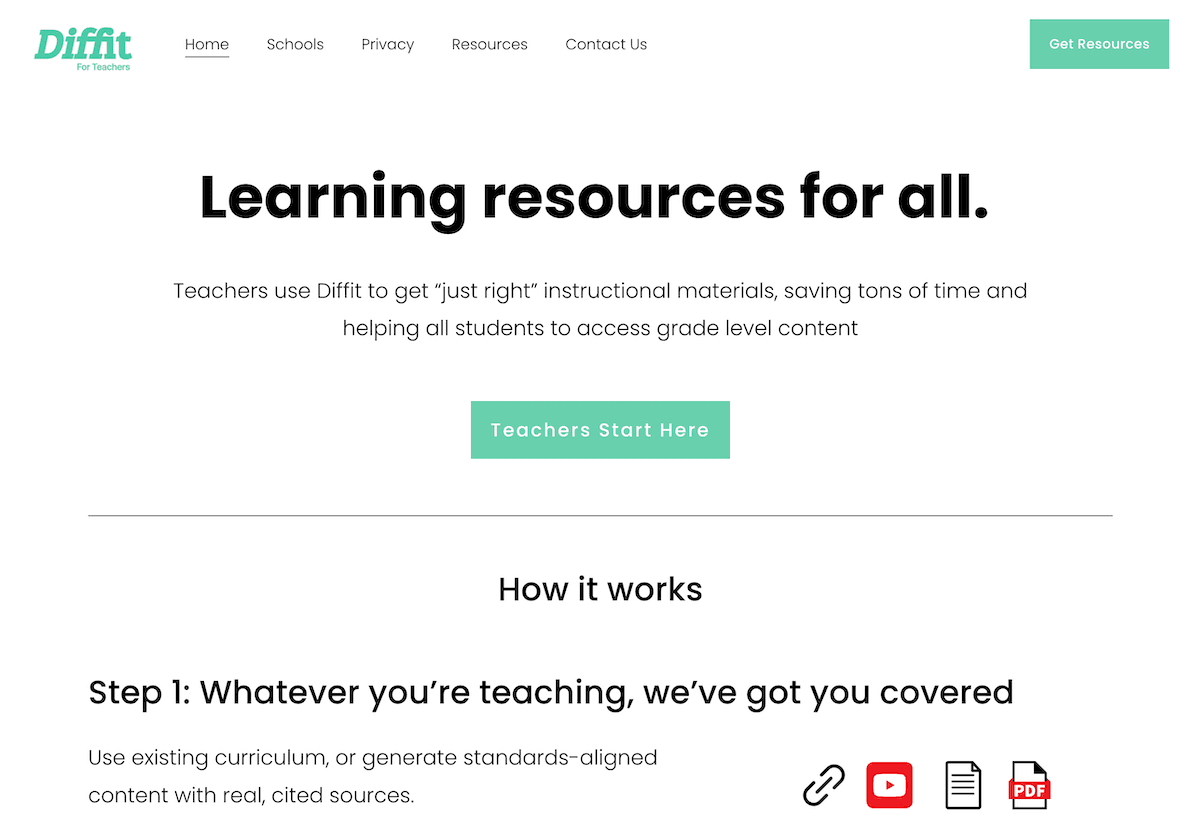
5. Gamma – Visualizing Process, Not Just Results
There are weeks when my students’ best work wasn’t the cleanest data or a finished brochure—it was how they organized chaos, rebounded after a failed pilot, or remixed the instructions in unexpected ways. With Gamma, we dump group progress photos, brainstorm scans, silly failed prototypes, and even reflection quotes into the tool. The AI arranges it all into living, editable timelines, visual maps, or digital galleries.
Here’s my ritual: At every mid-project checkpoint, we pause to recap what’s really happened. Gamma lets us share this story at parent night, use it for revision, and show the life of a project—not just the shiny end product. Warning: Let students do the narrating! (Admin will finally see that learning happened, even if the experiment flopped.)
Try Gamma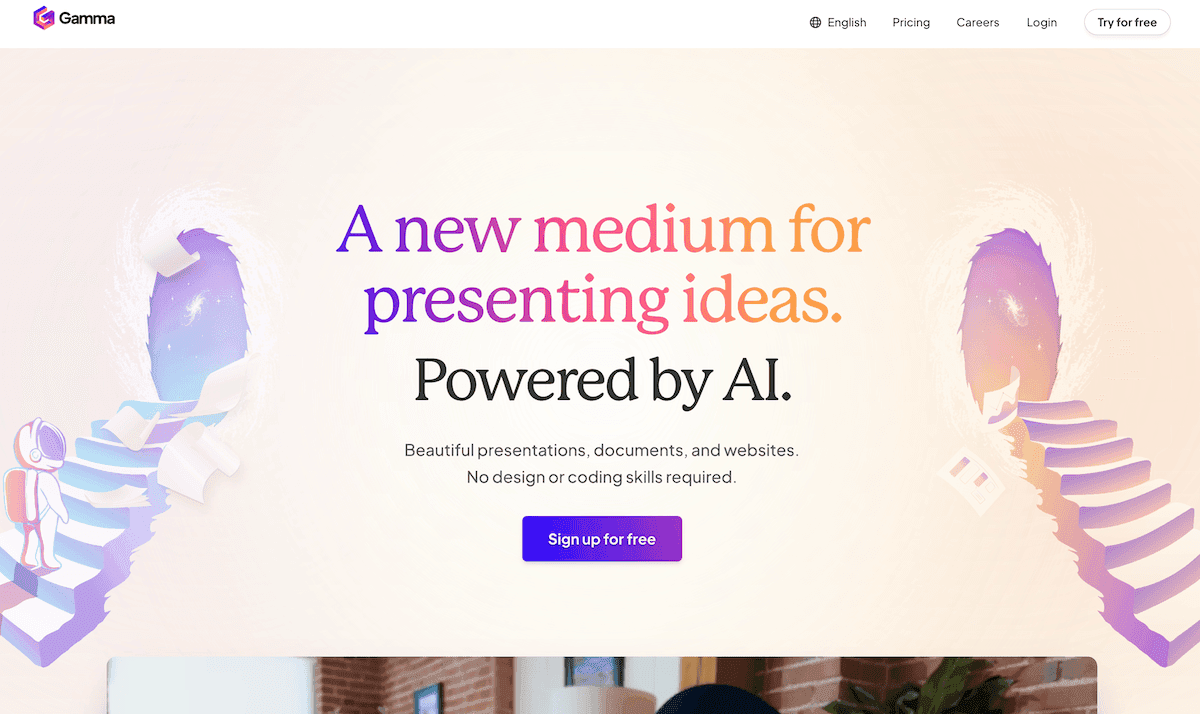
6. Suno AI – Building (and Celebrating) Rituals for Risks
Every experimental classroom needs closure points: the "we survived," "that was WILD," and "let’s try again tomorrow" type of moments. Suno AI is my not-so-secret SEL tool—students (or I) enter prompts like “anthem for the compost project that stank,” “reset after failed robot launch,” or “Friday reflection jingle.” Suno spits out a song in seconds, which we blast as transitions or end-of-day celebrations. These rituals made even the most exhausted, risk-tolerant students feel seen, and they gave me a low-stress SEL win week after week.
Don’t overthink it: let your class build the playlist, and laugh when the AI gets weird. The ritual becomes as memorable as the project.
Try Suno AI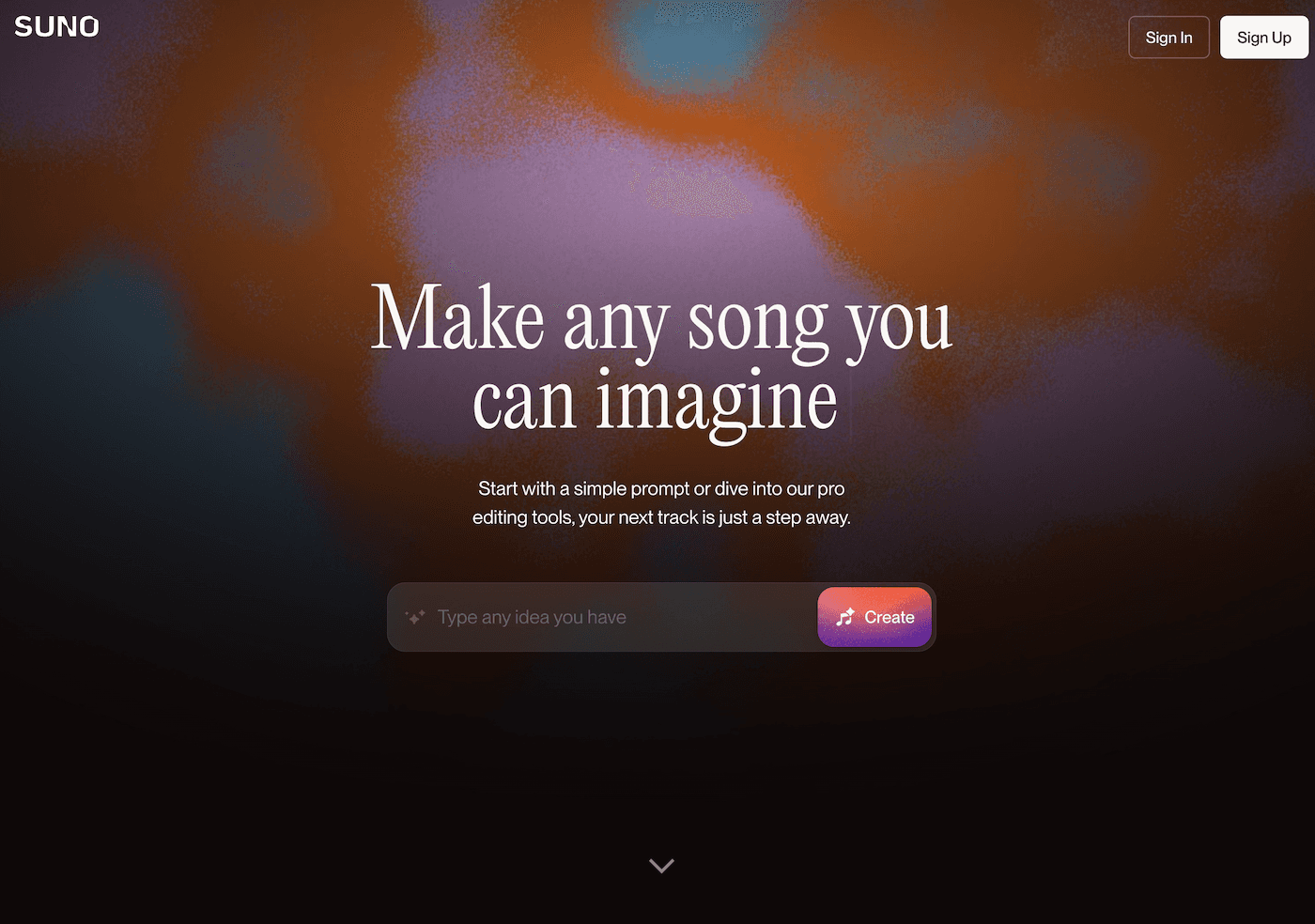
Tips & Disclaimers for Genuine Experimenters
- Let students edit every workflow—plans are for building and breaking. The best projects I ran were never the one I mapped on Sunday.
- Use AI to capture process evidence, not just finished work. These tools give you the artifacts to celebrate the journey even when the results are a glorious mess.
- Celebrate failure—whether it’s a playlist, reflection podcast, or Jungle’s "biggest mistake of the week" card set. Kids will remember how an experiment felt.
- If a tool starts boxing you in or turning risks into routines, move on—the best tech is always a co-conspirator for trying something new, never the curriculum police.
What’s the boldest "experiment" you’ve pulled off lately, or the workflow trick that kept your own creative chaos meaningful? Share it below! Our wildest classes are always better when we build them together.