6 AI Tools Every First-Year Teacher Should Know
If you’re a first-year teacher—or about to become one—here’s the truth: everything feels urgent. Lesson plans. Parent emails. That kid crying after recess. And (plot twist) the frantic late-night Google for "grading hacks" or "what do I do when my lesson flops?”
No credential program prepares you for the million micro-decisions each day. But while AI won’t manage your class for you (yet), a few game-changing tools can take the edge off—giving you space to build real relationships, reflect, and maybe even finish your dinner while it’s hot. I survived my rookie year in a Title I district, juggling mixed grades and too many hats, and these are the tools that made me say: “Why didn’t anyone tell me about this?”
No marketing-speak, no pie-in-the-sky promises—just the honest, get-me-through-Thursday picks every new teacher deserves.
1. Jungle – Make Review Games Without Losing Your Mind
Flashcards and Kahoot were my fallback, until I realized they only hit the memorization crowd. Jungle let my students (and me) quickly generate decks based on the actual confusing points from class. Post-quiz, students enter their hardest vocab, trickiest steps, or lingering questions—Jungle sorts, creates study games, and even highlights “class misconceptions” that need another look. Result? Instant, meaningful review. Bonus: I use the missed questions as my Friday lesson hook. This saved my sanity in weeks when I had three preps (and zero time for more quiz-making).
Try Jungle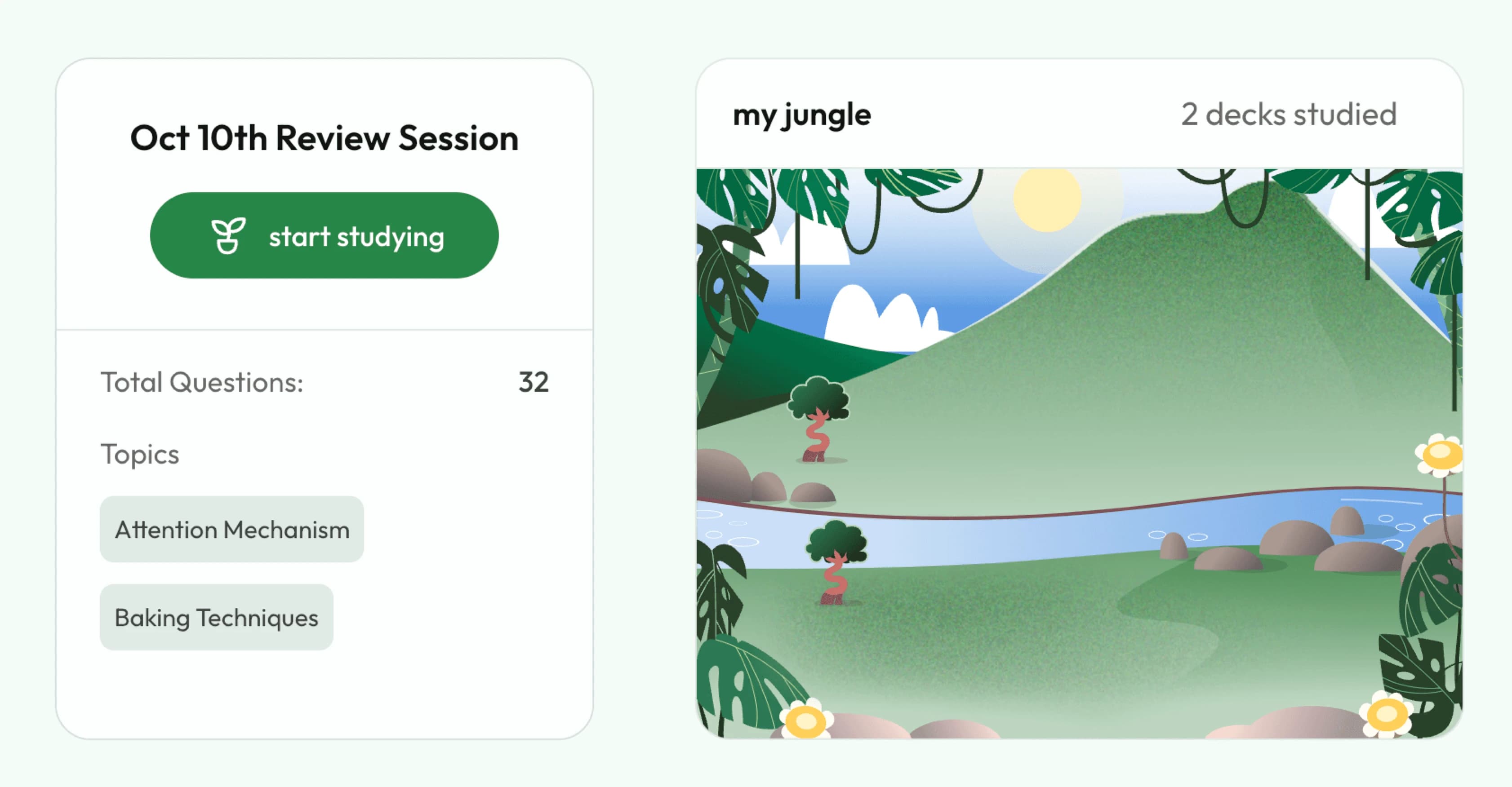
2. Kuraplan – Unit Planning for Humans (Not Robots)
Every teacher says it’ll get easier once you “have your units built.” But what about when you don’t? Kuraplan’s superpower: dump your grade, a standard, or even “I have to cover argument writing by next week,” and it drafts a full outline with checkpoints and sample activities. Crucially, the plan always felt editable—I could delete, reorder, or rewrite (and I always did). By April, I used it live with students to co-plan projects (they loved poking holes in the auto-drafts). It won’t do your job, but it does kill that “where do I start?” panic.
Try Kuraplan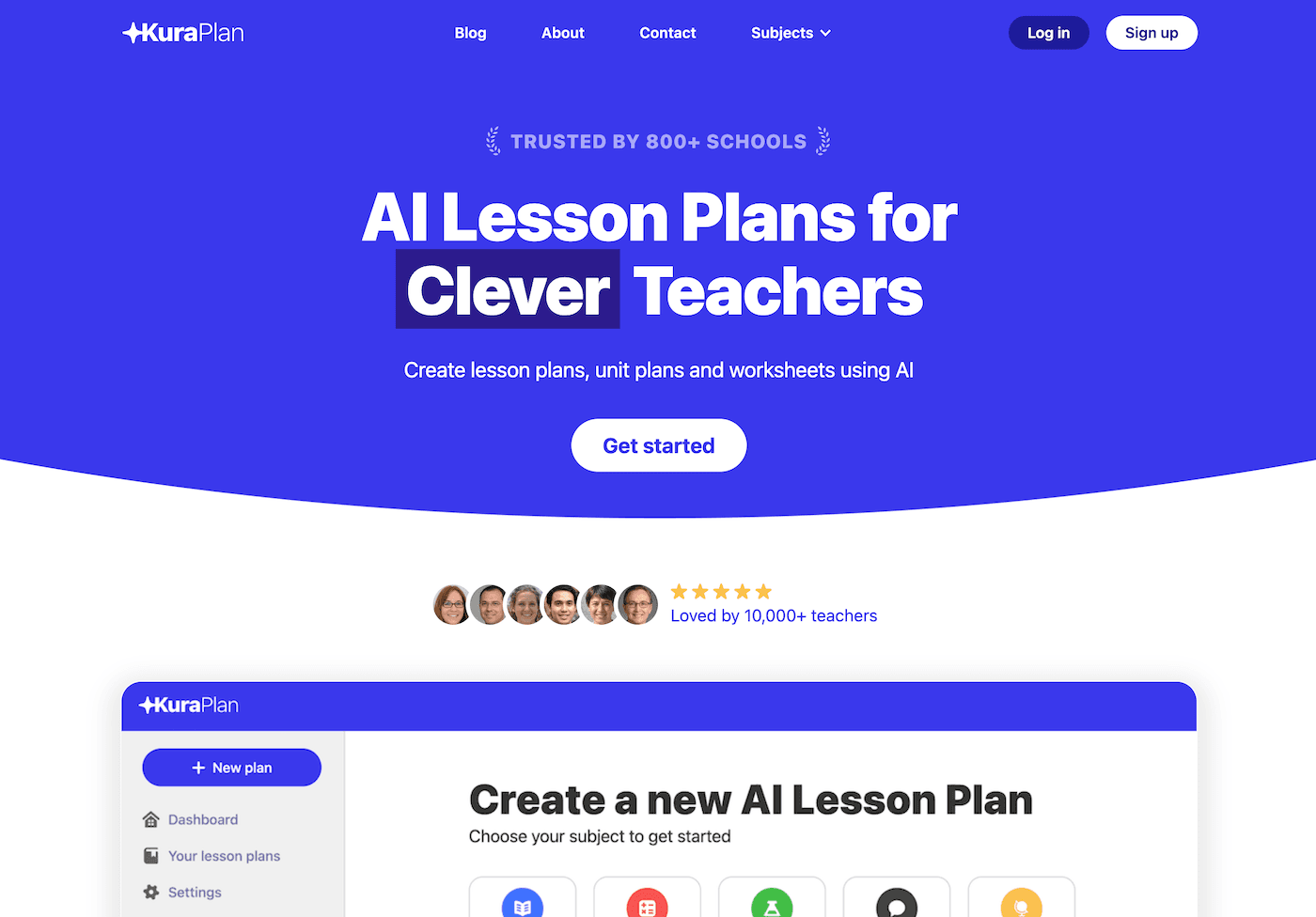
3. Diffit – Differentiation You’ll Actually Use (For Real)
Every class has huge gaps in reading and language skills, and first-year teachers are rarely given extra prep time. Diffit let me copy-paste any reading or video transcript and instantly get versions at several levels, each with vocab and guiding questions. My hack: students in groups would compare two versions and figure out what’s lost in translation—hello, authentic inquiry! I also assigned the easy read to homebound or sick students, so no one felt left out. Differentiation, minus the all-nighters.
Try Diffit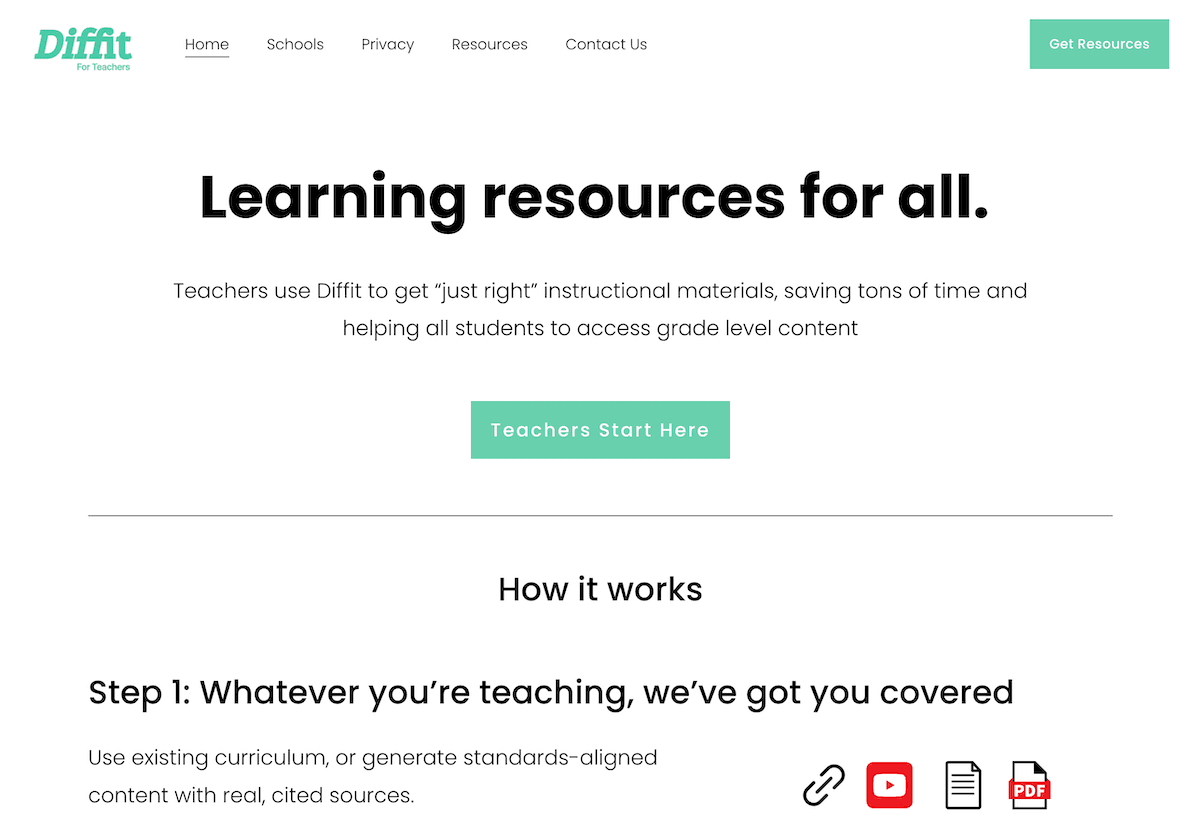
4. Gamma – Visual Class Schedules, Project Outlines, and Parent Comms
A rookie error: “assuming” everyone knows the plan. Gamma solved so many headaches: I’d toss in my agenda, draft project prompts, or parent night notes, and instantly get a sleek, shareable slideshow. Students saw their week visually (no more “what are we doing after recess?”), admin loved the polish, and I finally had an easy way to keep parents in the loop—even with zero design skills. For big projects, I’d plug rough notes into Gamma and students would remix—the result was always better than my old Google Slides.
Try Gamma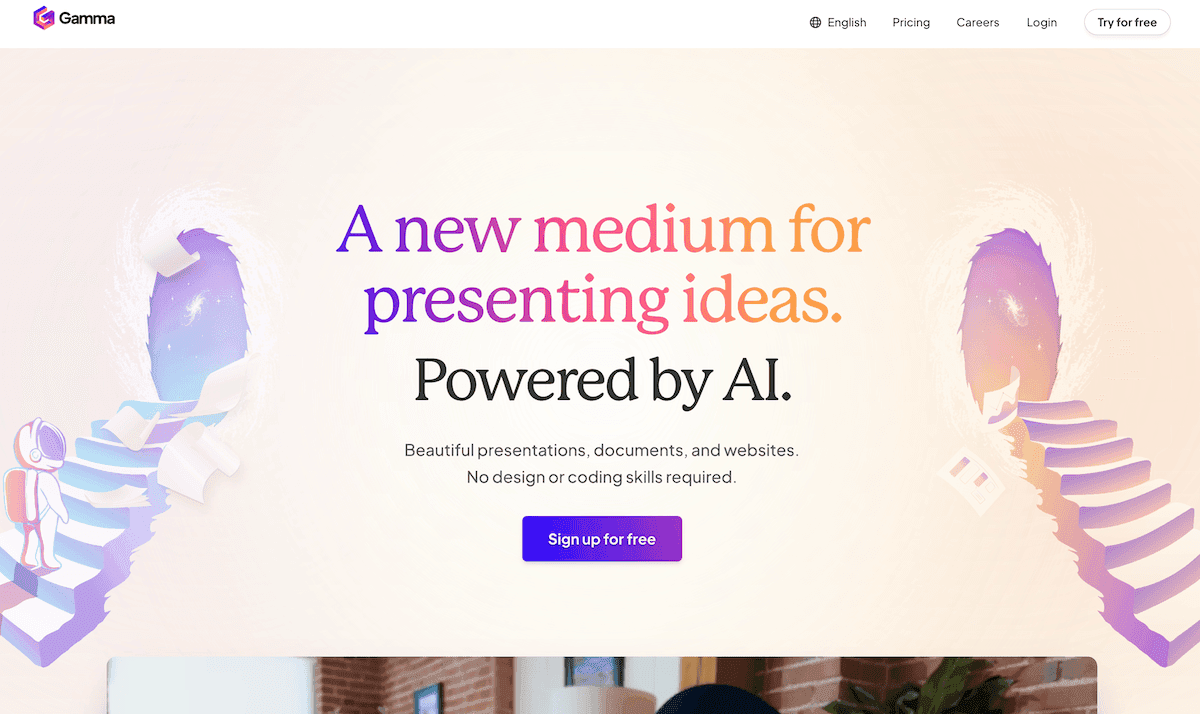
5. Gradescope – Fairer Grading (and Fewer Red Pens)
In my first two quarters, grading nearly broke me. (Why did nobody tell me you can spend hours on 30 short answers?) Gradescope was the lifeline: submit a Google Doc, handwritten photo, or even math problems, and Gradescope groups similar answers or mistakes. Instead of writing the same feedback 30 times, I’d do it once per group, then zero in on outliers who needed targeted notes. Students got faster, clearer feedback, and I got my weekend back. It’s not perfect, but nothing is for rookie grading.
Try Gradescope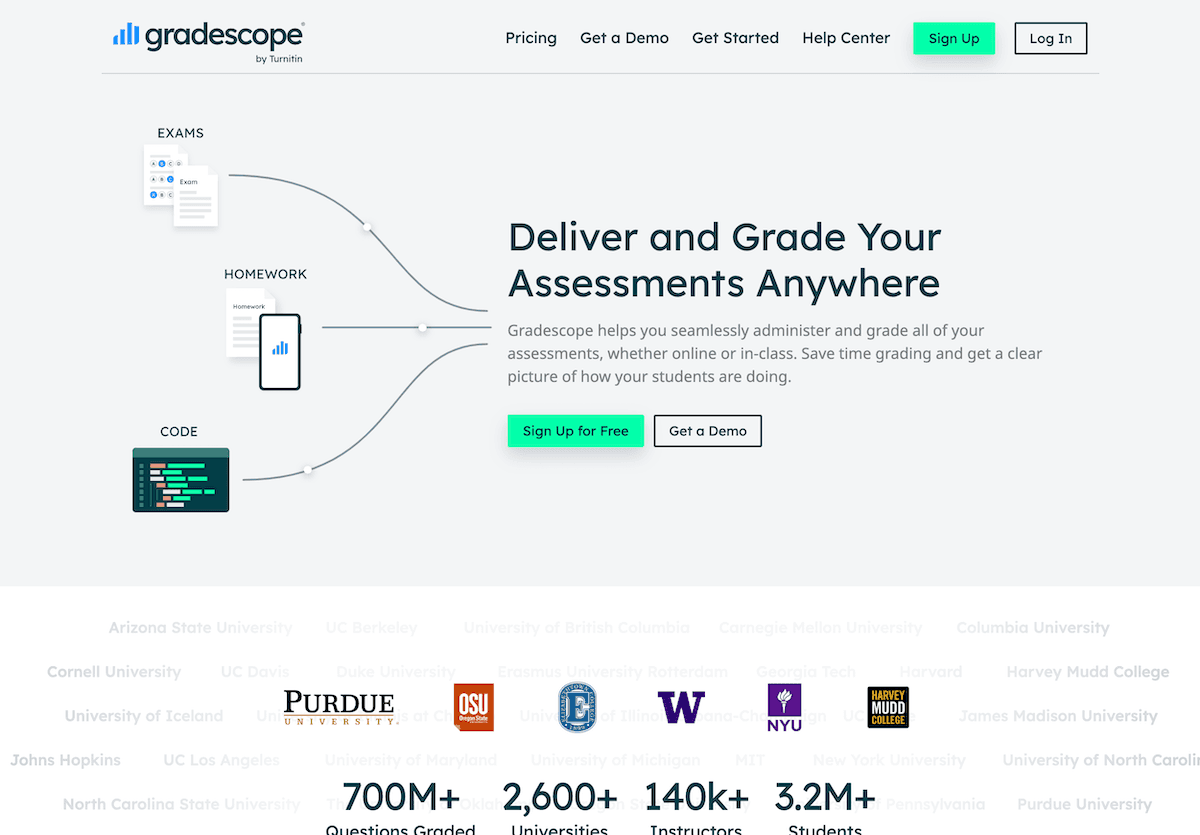
6. Suno AI – Routines and Rituals That Actually Stick
Establishing class culture is the most stressful, least tangible part of first-year teaching. My odd-win: Suno AI. I’d let students (or myself) type prompts—"welcome Monday," “exit ticket jingle,” “test nerves reset”—and Suno generated a new song each time. Even resistant classes bought in (“Can we get a science joke anthem?”); routines shifted from nagging to shared tradition. It sounds small, but the right opening or closing ritual will get you through weeks where nothing else goes to plan—promise.
Try Suno AI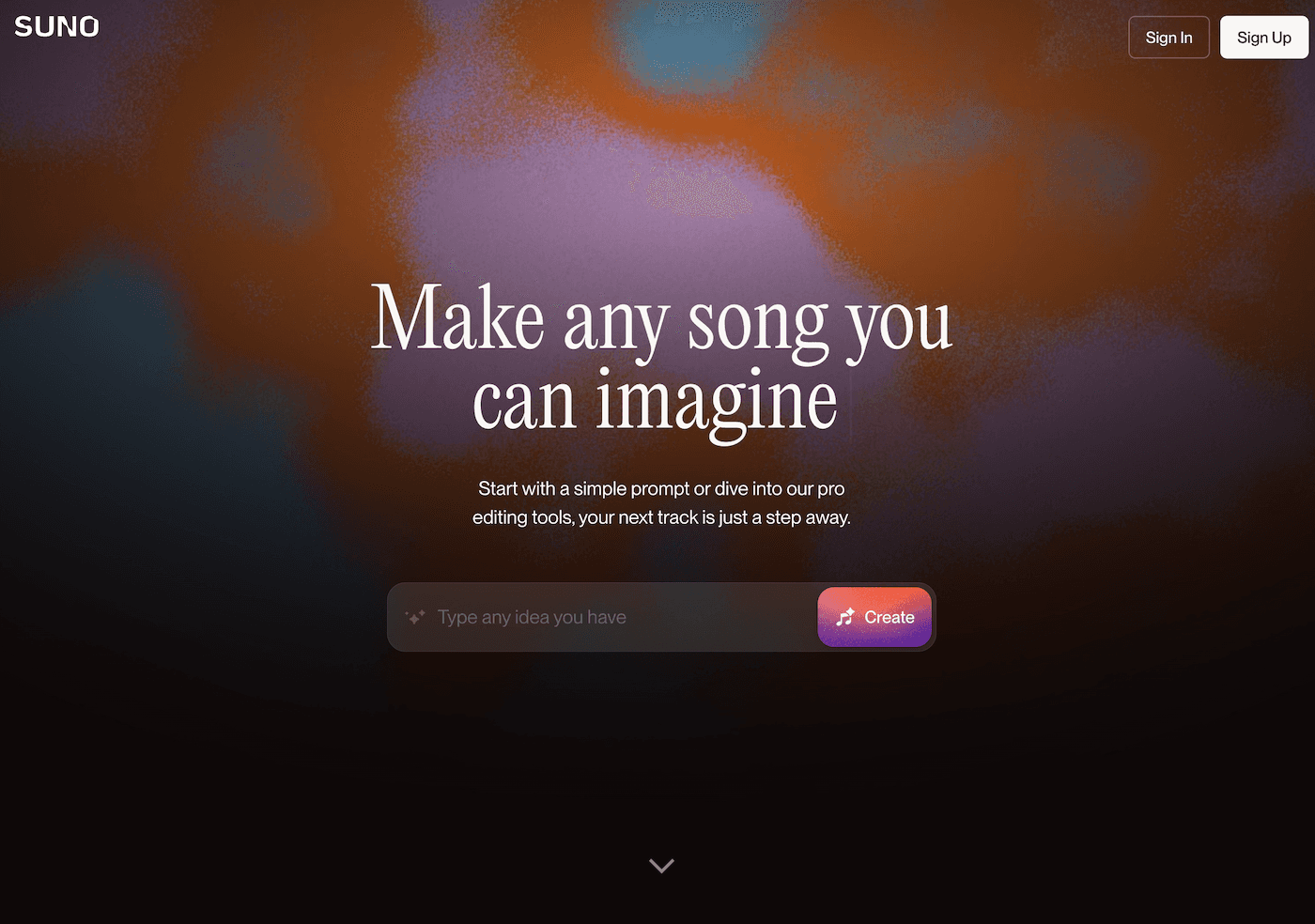
Final Words for First-Year Teachers—From Someone Who Just Survived
- Start with one tool, in the routine that feels most overwhelming—grading, planning, differentiation, or class culture. Don’t marathon all six.
- Let students co-pilot: the best breakthroughs were always when I handed the workflow to kids and asked, “Can you make this better?”
- No AI will fix everything—but the right workflow can buy you enough breathing room to find your teaching style.
- Celebrate the wins, share the fails, and keep experimenting. No tool replaces your instincts (or humor) on the hard days.
If you’ve found (or hacked) an AI tool that saved your first year, drop your story below—we need each other more than ever (at least until AI starts running recess duty…).