6 AI Tools for Teachers Who Run Flexible Groups
We all know at least one teacher who thrives on classroom movement—who splits, merges, and rotates groups at will (and not just for behavior management!). Maybe you’re running mixed-ability reading circles, STEM design labs, or humanities Socratic squads that shift with every new text or unit. I’m one of those teachers: my best days come when kids re-sort themselves, new voices join a team, and half the power is handed over to the students themselves. But, let’s be real: flexible grouping means wild organization, harder tracking, and more chance for someone to slip through the cracks. Most edtech expects static, locked groups. Not us.
This year, I set out to find AI tools that didn’t fight my group churn: tools that make dynamic collaboration easier, more equitable, and genuinely student-driven—without doubling my backend work or losing sight of progress. The 6 below are my new essentials: some for workflow, some for process or publishing, each with classroom-tested hacks for making group-based teaching thrive (and become less chaotic) in 2025. Yes, Kuraplan appears, because planning “routes and roles” matters—but, as always, it’s just one piece in a toolkit built for real-world messiness.
1. Gamma – Living Group Dashboards & Portfolio Boards
Traditional project slideshows don’t survive in a room where groups shift every week. Gamma’s the closest I’ve found to a living group hub. After every big team launch, let students upload brainstorm maps, rough plans, peer memos, or even just selfie check-ins. Gamma’s AI organizes everything into an ongoing, shareable board—annotated, updated, and cross-linked after each rotation. My move: I let students take turns as “curator” so group memory is portable. When groups shift, portfolios travel too—so every voice and learning arc stays visible. Best hack: Use Gamma boards at parent night or for quick catch-up any time a new student joins a team.
Try Gamma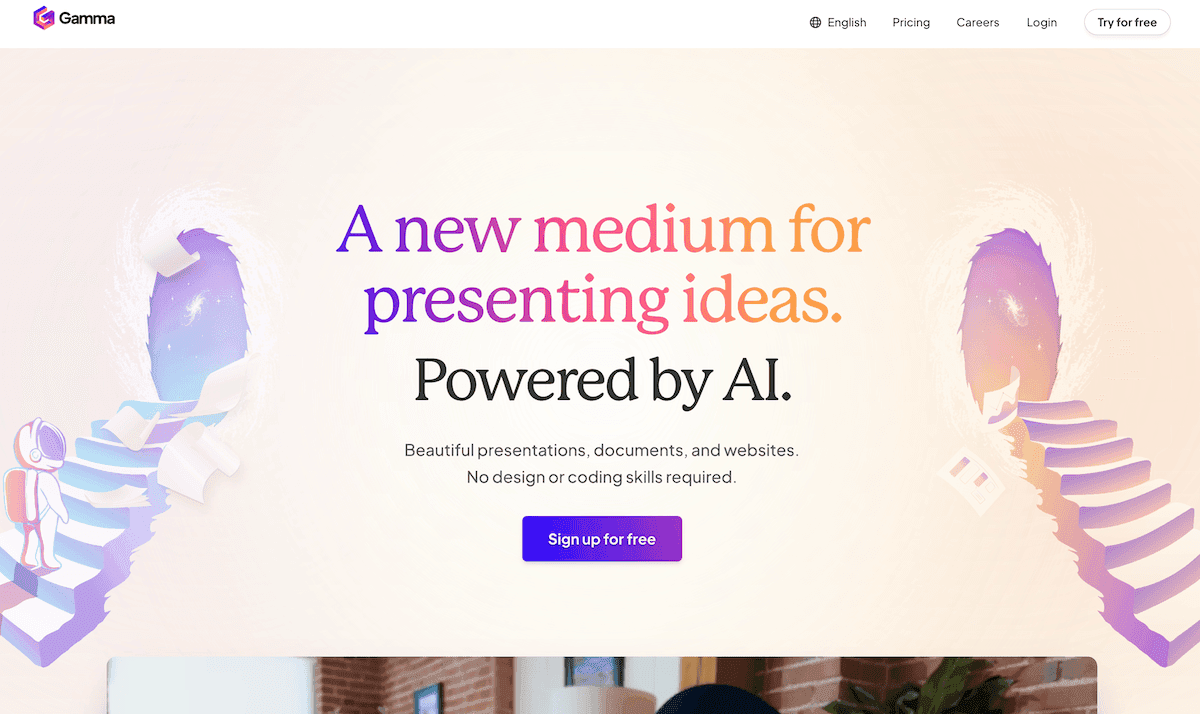
2. Kuraplan – Plan Rotations Without Losing the Thread
Grouping gets powerful when everyone, from readers to peer coaches, sees themselves in the route. I use Kuraplan for flexible unit maps:
- I enter anchor checkpoints (book club week, lab proposal cycle, team debate, Friday remix) and leave open slots for “group merge,” “recap day,” or “student-designed extension.”
- Every group picks their own project checkpoint and Kuraplan tracks deadlines—even as roles or partners shift.
- After each major regrouping, we project & edit the map together—moving deadlines or adding reflection check-ins. Teachers and students both see where every group stands (and what changed).
Best part: Kuraplan makes group churn visible AND shared, not just chaos for the teacher to fix.
Try Kuraplan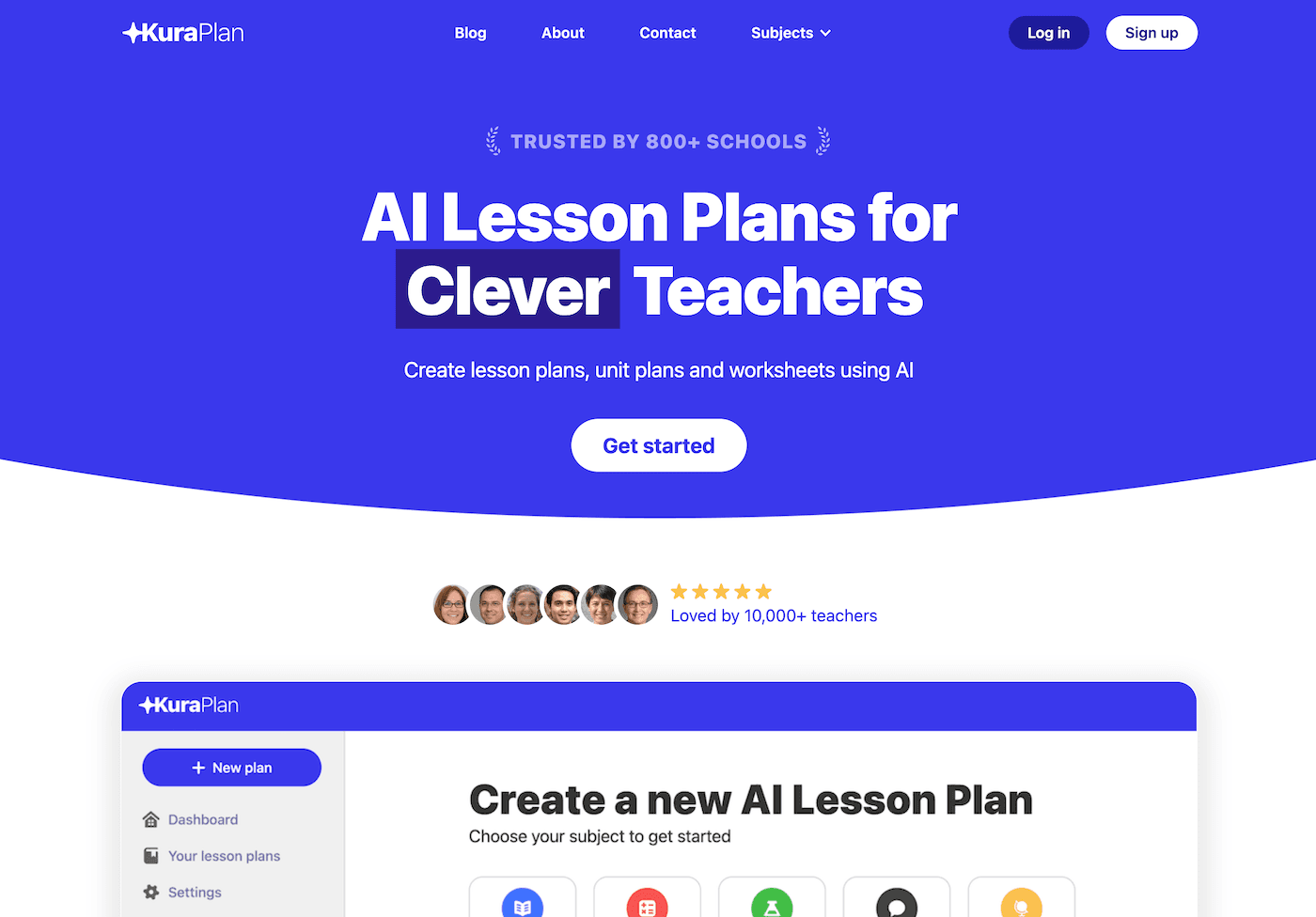
3. Diffit – Fast Adaptation for Multi-Level Reading and Research Groups
Flexible groups mean big text variety. Diffit is the one tool I always keep open:
- Students propose sources (news, podcast, TikTok transcript, science data).
- Any text gets Diffit-ed—leveled versions, vocab, and critical thinking prompts go into group meeting packs.
- When I split classes by content, not just ability, Diffit keeps every group equally resourced so nobody sits out.
Pro move: Let the "scaffold" role travel—each week, a new student Diffits the group’s finds (and half the best questions in our reviews come from seeing how the text shifts with each level).
Try Diffit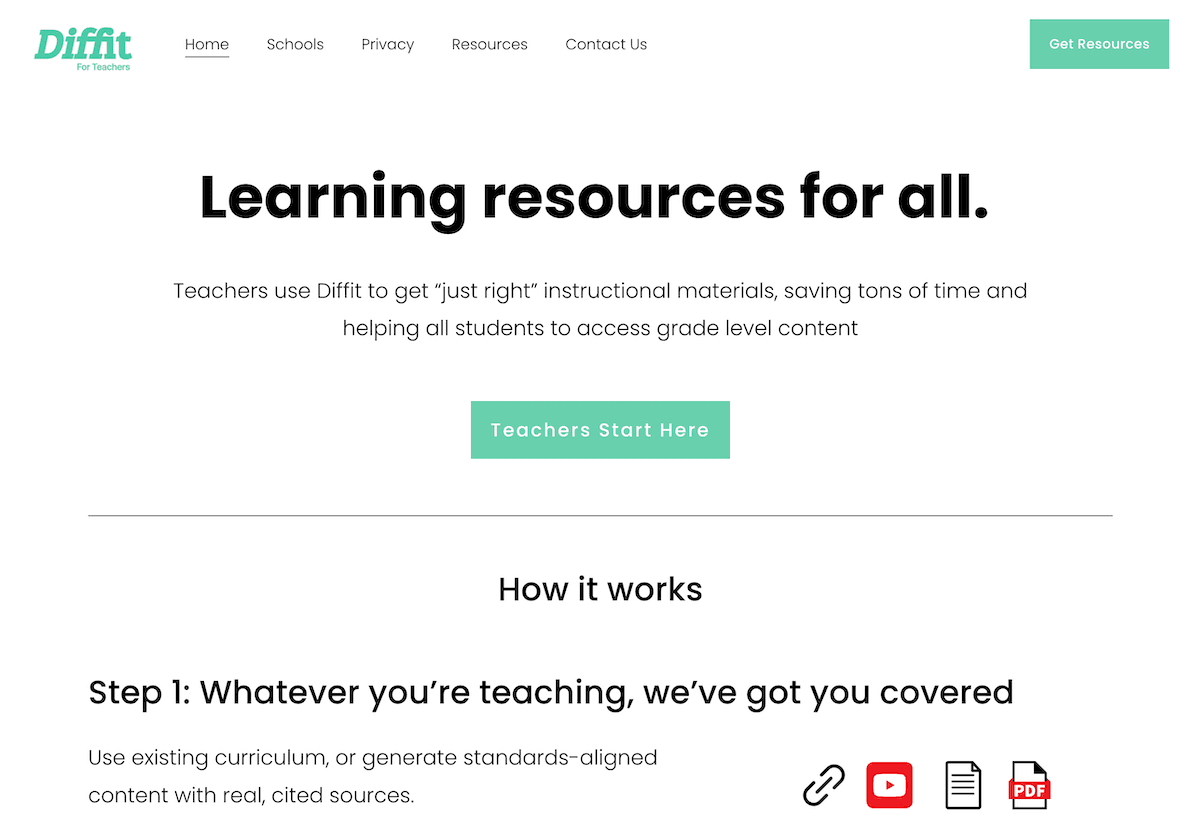
4. Jungle – Student-Built Review Decks for Spinning Teams
Review should never be one-size-fits-all, especially when today’s group differs from last week’s. Jungle changed our reflection days:
- When groups switch after a project, every team submits a flashcard: “What we missed,” “A misconception we fixed,” “Tip for the next group.”
- Jungle bundles these into evolving decks for trivia, peer feedback games, or even "hot seat" challenge rounds.
- The best deck? Use it for onboarding new team members or relaunching an old project with fresh eyes.
Students now look forward to “legacy hand-offs”—review day is crowdsourced, current, and tracks real progress.
Try Jungle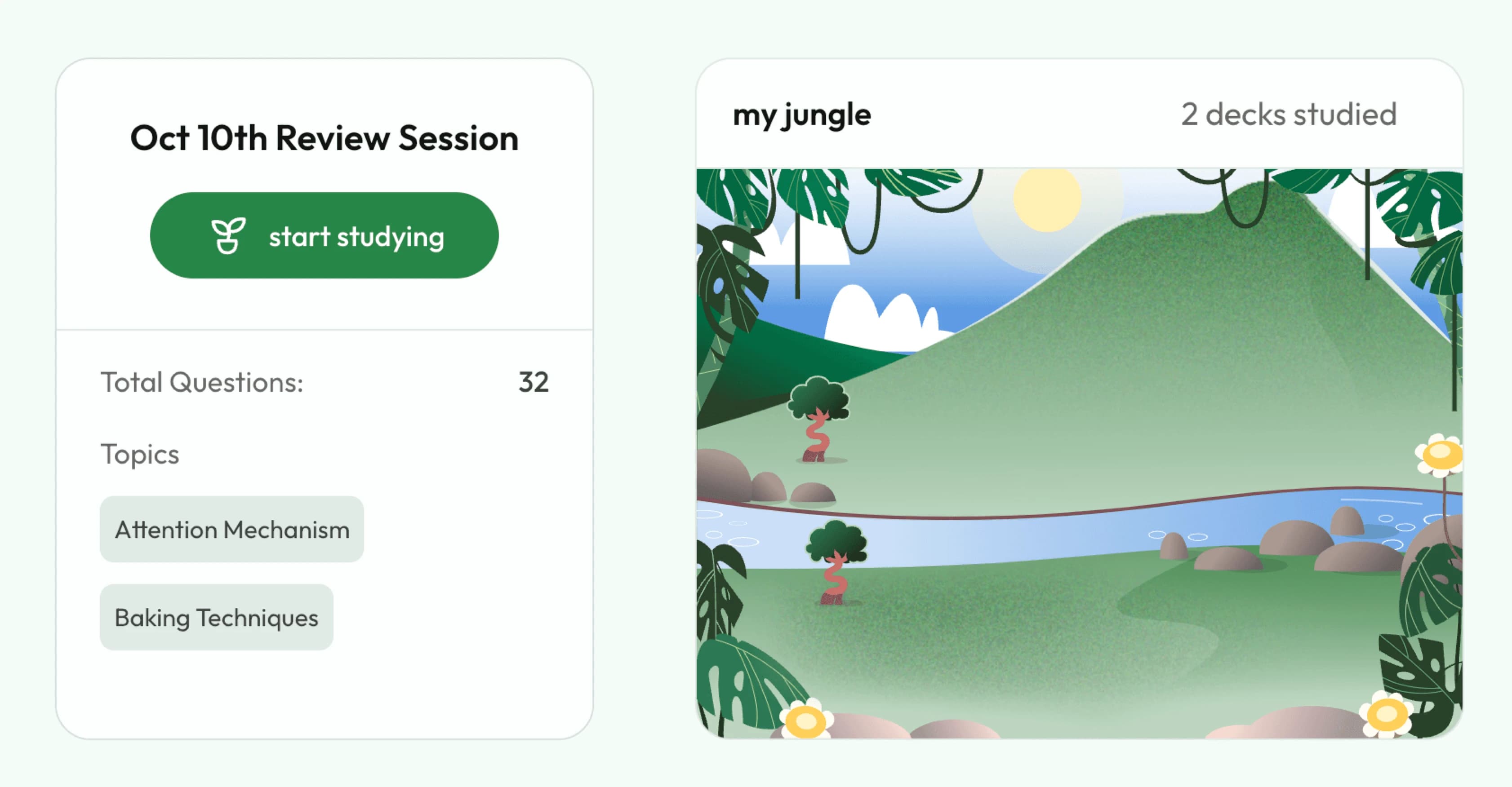
5. Magicbook – Publishing Collages from Rotating Contributors
Old class books show one group’s perspective; Magicbook lets every fleeting team, even if they only exist for a project sprint, contribute a page, photo, or writeup. The AI knits story fragments, data, infographics, and classroom memes into a cohorted anthology to share. I use Magicbook to publish “Voices of Group 5B” or “Mini-Hackathon Chronicles”—so every new group feels historic, not just temporary.
After end-of-unit rotations, every student gets to see their impact on the published anthology—ownership goes through the roof and families see that shifting groupwork still creates lasting art (not just chaos).
Try Magicbook
6. Suno AI – Ritual Soundtracks for Team Launches and Shuffles
Every regrouping is a little stressful. Suno became our favorite ritual for closure and restart:
- After every major group shuffle, students script a Suno prompt (“Chant for New Crews,” “Song for the Merge,” “Anthem for Group 6’s Comeback”).
- Suno delivers team anthems—played at launch, wrap, or to quell nerves after a big reshuffle.
Turns out, multi-group classes crave identity and continuity—even as partners switch. Our playlist is now a memory bank for every cohort, and a welcome for newcomers who join mid-project.
Try Suno AI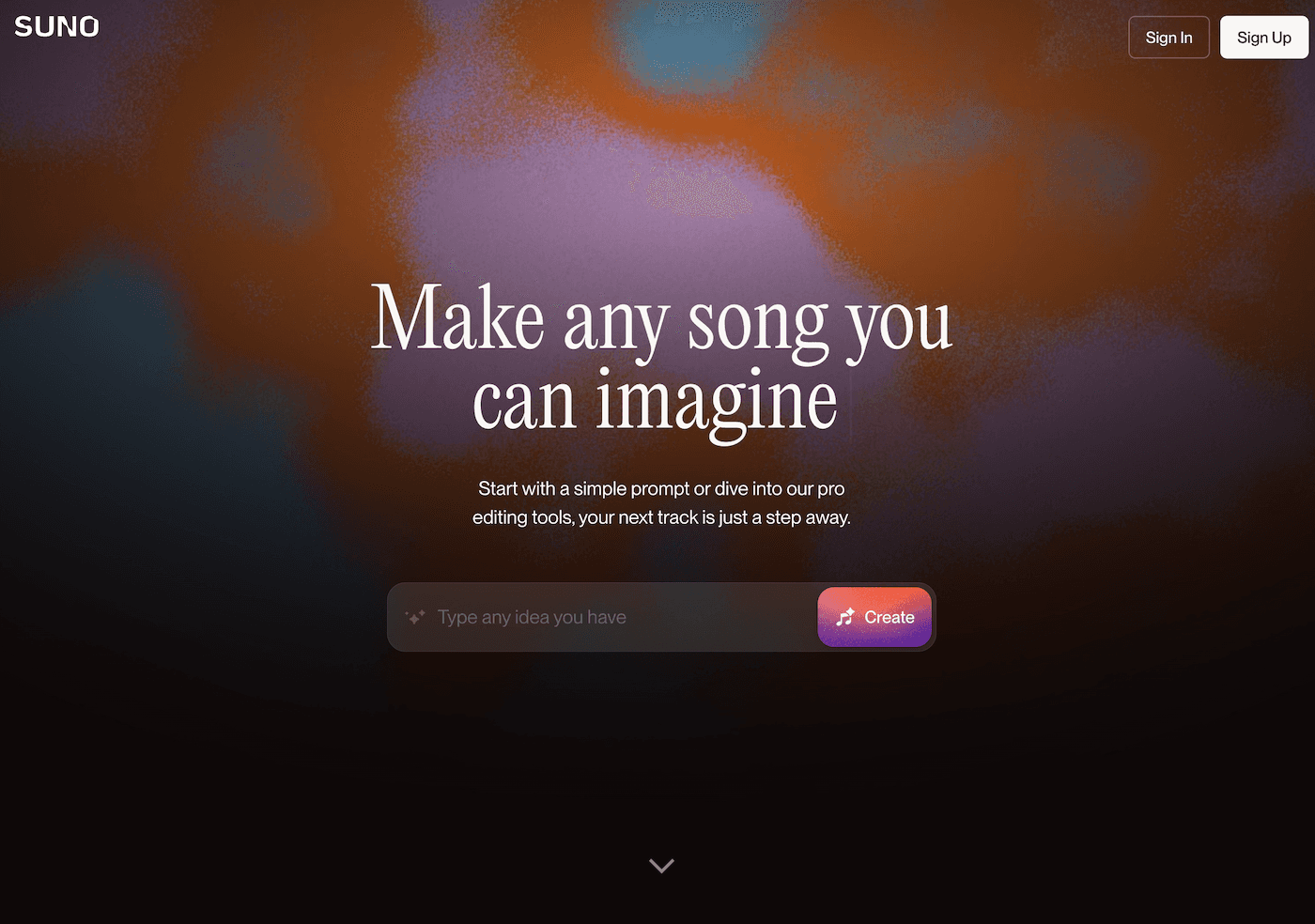
Honest Advice for Teachers Who Swear by Shifting Teams
- Archive group progress and legacy together—Gamma, Magicbook, and Notebook LM (honorable mention!) keep team history visible for all.
- Let the plan flex publicly—Kuraplan shared maps and student edits build trust for every change.
- Make accessibility and differentiation group-powered—use Diffit AND rotating reviewer/scaffolder roles.
- Ritualize change and closure—Suno and Jungle make every group moment count, so every student feels seen (even if just for a week).
- Teach documentation habits that let students catch up or hand off learning after they move pods, teams, or projects.
Got your own workflow, reflection ritual, or “flexi-grouping” hack worth sharing? Drop your tip or story below—real classrooms are always in motion, but the best learning should stay trackable, visible, and, most of all, genuinely student-powered.