6 AI Tools for Teachers Who Want More Flexibility
I’ll admit it: I’ve never taught the same unit exactly the same way twice. My best lessons spiral from student questions. I love remapping projects mid-unit, tossing out the handouts and chasing a debate that gets the class buzzing (even if it means rearranging my whole week at 7:30 a.m.). If—to you—‘curriculum pacing’ sounds more like a suggestion than a mandate, this post is for you.
The promise of AI is customization, but most tools still assume teachers want rigid scripts and copy-paste routines. This year, I set out to find the rare AI helpers that genuinely let you pivot, build as you go, and keep your planning as alive as your teaching. Here are six tools I kept returning to—each with a unique workflow for the teachers who thrive on variety, not repetition. Kuraplan is here (it’s my must-have for DIY mapping in messy units), but for once, it’s not the hero.
1. Notebook LM – Capture Learning Journeys, Not Just Endpoints
If you’re the kind of teacher whose whiteboard always ends up a swirl of arrows and “Hold That Thought” sticky notes, Notebook LM will feel like a lifesaver. After every brainstorm, group detour, or oddball project proposal, I have students toss notes, voice memos, Google Doc links, or even exit slips into our shared class notebook. The AI clusters big ideas, maps connections, and (my favorite) generates podcast-ready Q&A outlines based on our actual discussions—not just generic chapter highlights. When the unit changes shape midstream, Notebook LM keeps every voice—and every insight—in play, ready for reflection, remixing, or Week Six’s next wild twist.
Try Notebook LM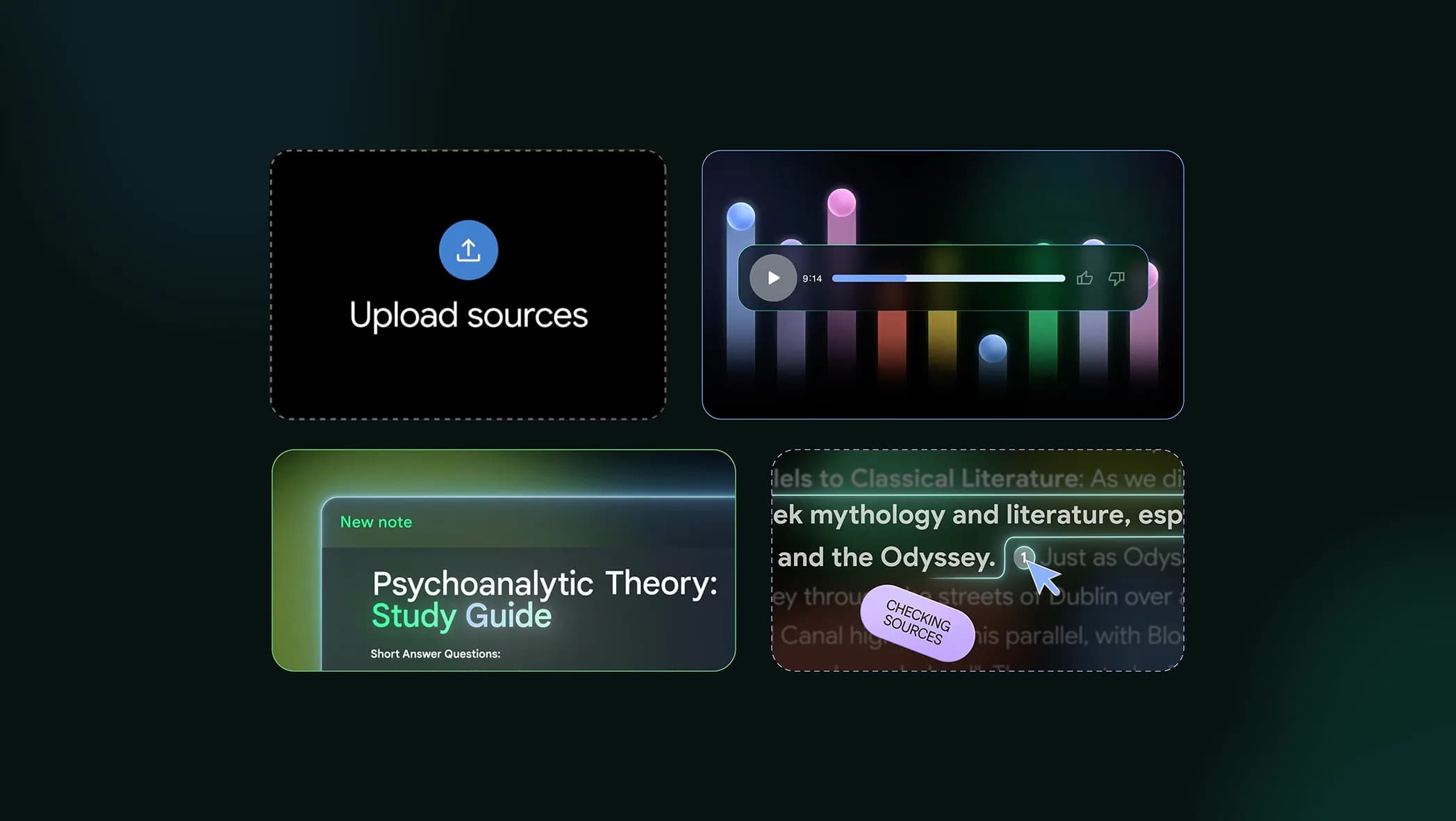
2. Gamma – Visualize Pivots and Show Your Work
Spontaneous changes are often invisible to everyone but you (and, okay, your stress napkin). Gamma is the tool I wish I’d found sooner: drop photos, sketchnotes, or even that pile of "mystery solution cards" into Gamma and the AI turns them into beautiful, editable slideshows or visual timelines. When an off-topic rabbit hole turns into the new unit focus, Gamma makes the class process shareable—for parent night, probably, but more importantly, for your students to revisit and reflect on. Next time you need evidence of student-driven learning (for admin or families), this is your portable portfolio.
Try Gamma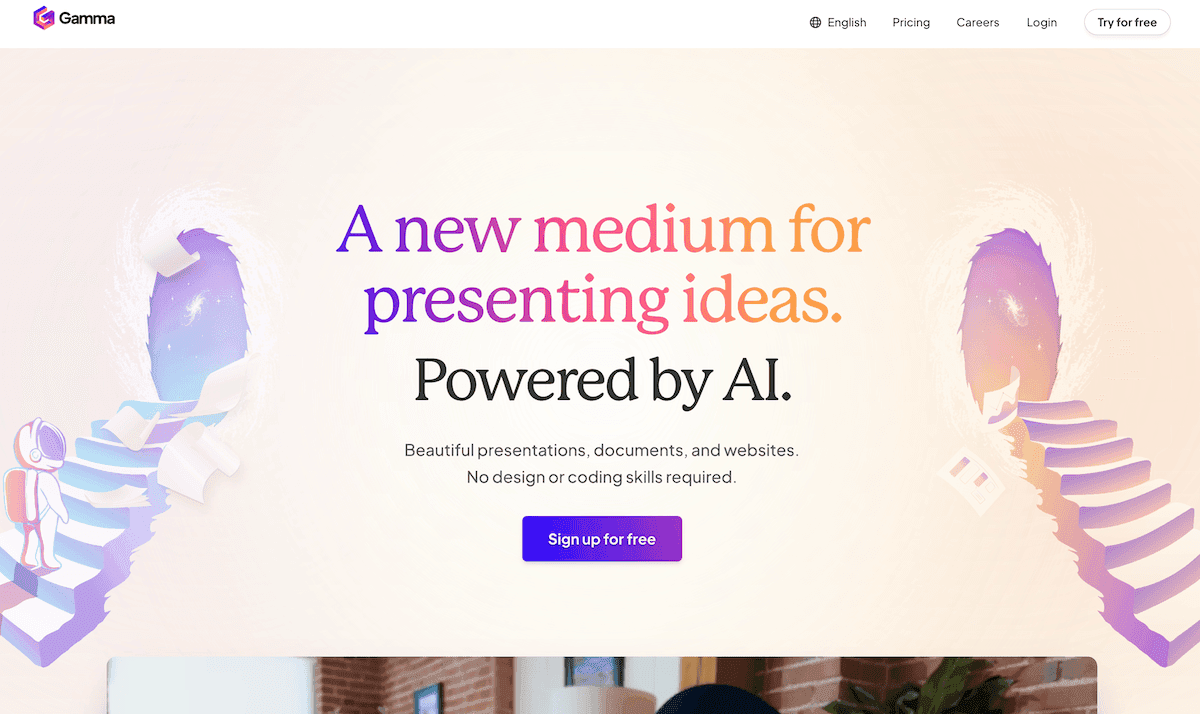
3. Kuraplan – Maps for Ambitious, Ever-Changing Units
I’m contractually allergic to top-down planning—but Kuraplan finally sold me as an improviser’s backbone. My workflow: plug in my must-hit standards and however many detours or wild project ideas the class tosses out. Kuraplan rapidly maps a flexible sequence with built-in checkpoints, deadlines, and even room for "Decision Days" (student choice points). I always use the editable draft as a class artifact: students cross out, annotate, and move milestones as we go. The result? I still hit requirements, students get to co-own the journey, and nobody’s locked into last week’s plan when the best idea arrives on Tuesday.
Try Kuraplan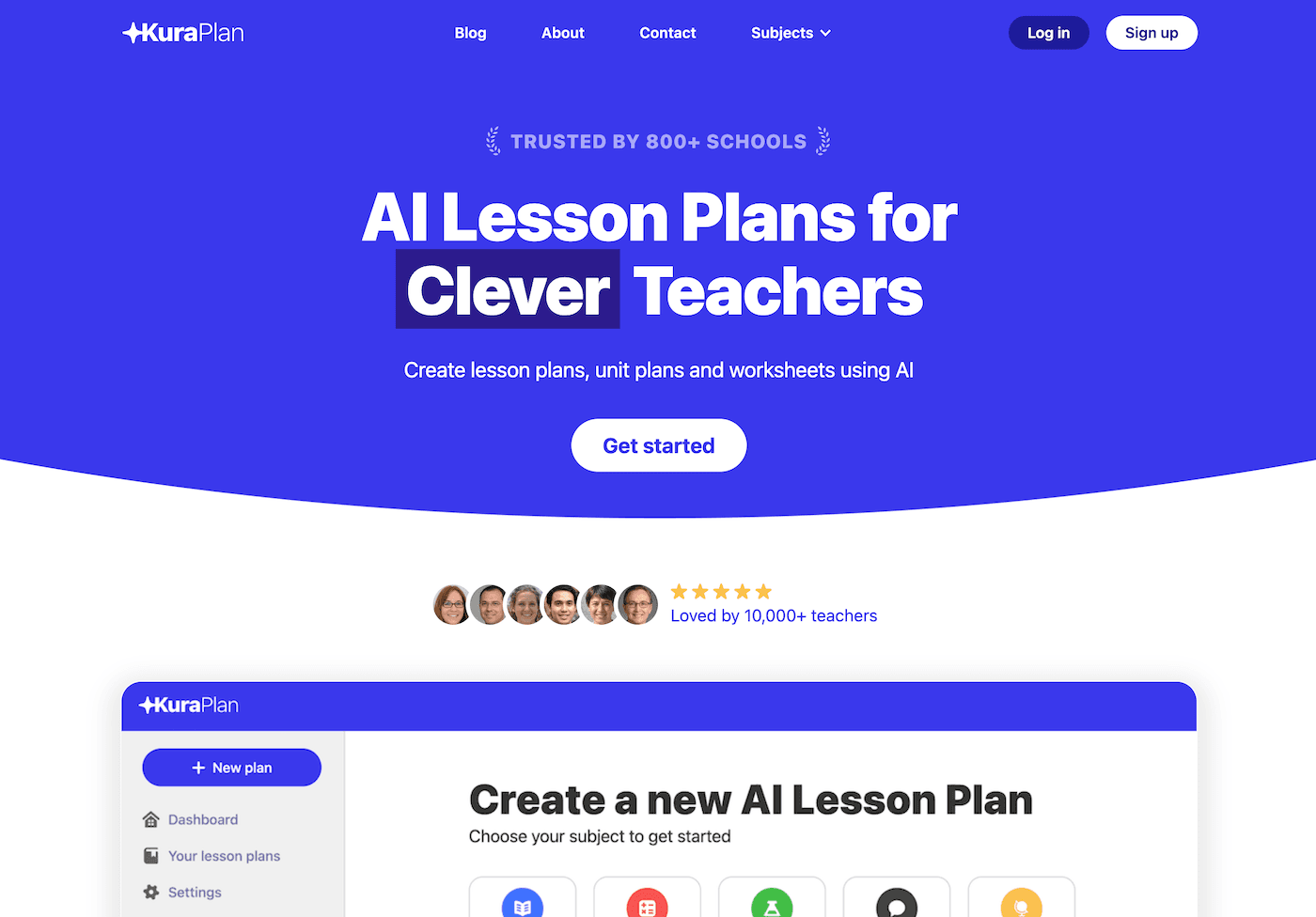
4. Diffit – Scaffolding Any New Resource, On the Fly
My classroom is a resource magnet: breaking news, TikTok explainers, the local paper, student-written guides… and it never matches everyone’s reading level. Diffit is my one-click equalizer. I copy-paste any text (or transcript, or video), and Diffit spins out leveled versions, vocab, and comprehension checks—within minutes. Every day, I feel free to bring new material into the mix, knowing I can adapt it for groups or differentiate without losing my mind. The bonus? Students started suggesting outside materials, knowing I had an "accessibility hack" on hand.
Try Diffit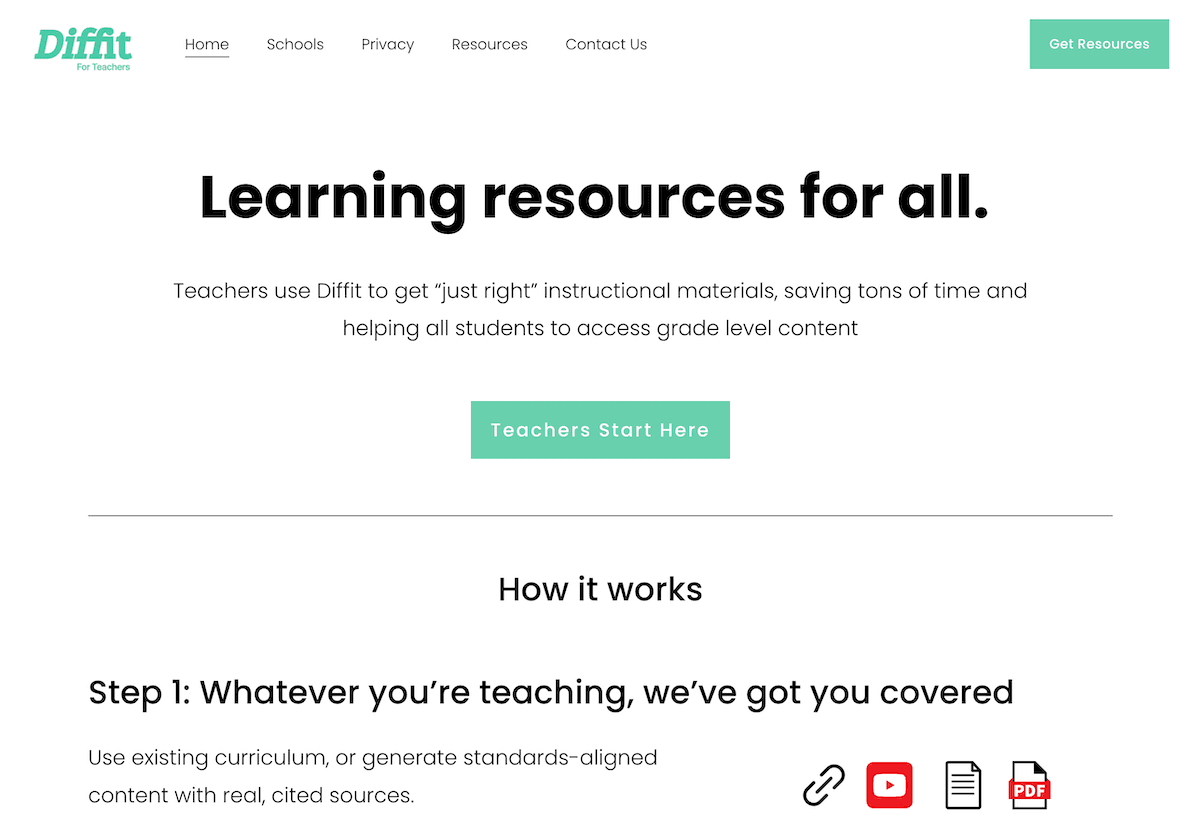
5. Jungle – Student-Built Review Decks That Change With the Lesson
Here’s a secret: my best review games come from what’s unresolved, not what’s scripted. Jungle lets students submit flashcard-style questions, confusing concepts, or even “wildest new idea” prompts after every brainstorm, debate, or project checkpoint. The AI builds unique decks, filters duplicates, and sorts for difficulty—great for instant do-nows, exit games, or collaborative review by group. Not only does every unit’s review reflect this group’s journey, but students get their say in what’s worth revisiting. No more stale review packets or endless worksheet permutations.
Try Jungle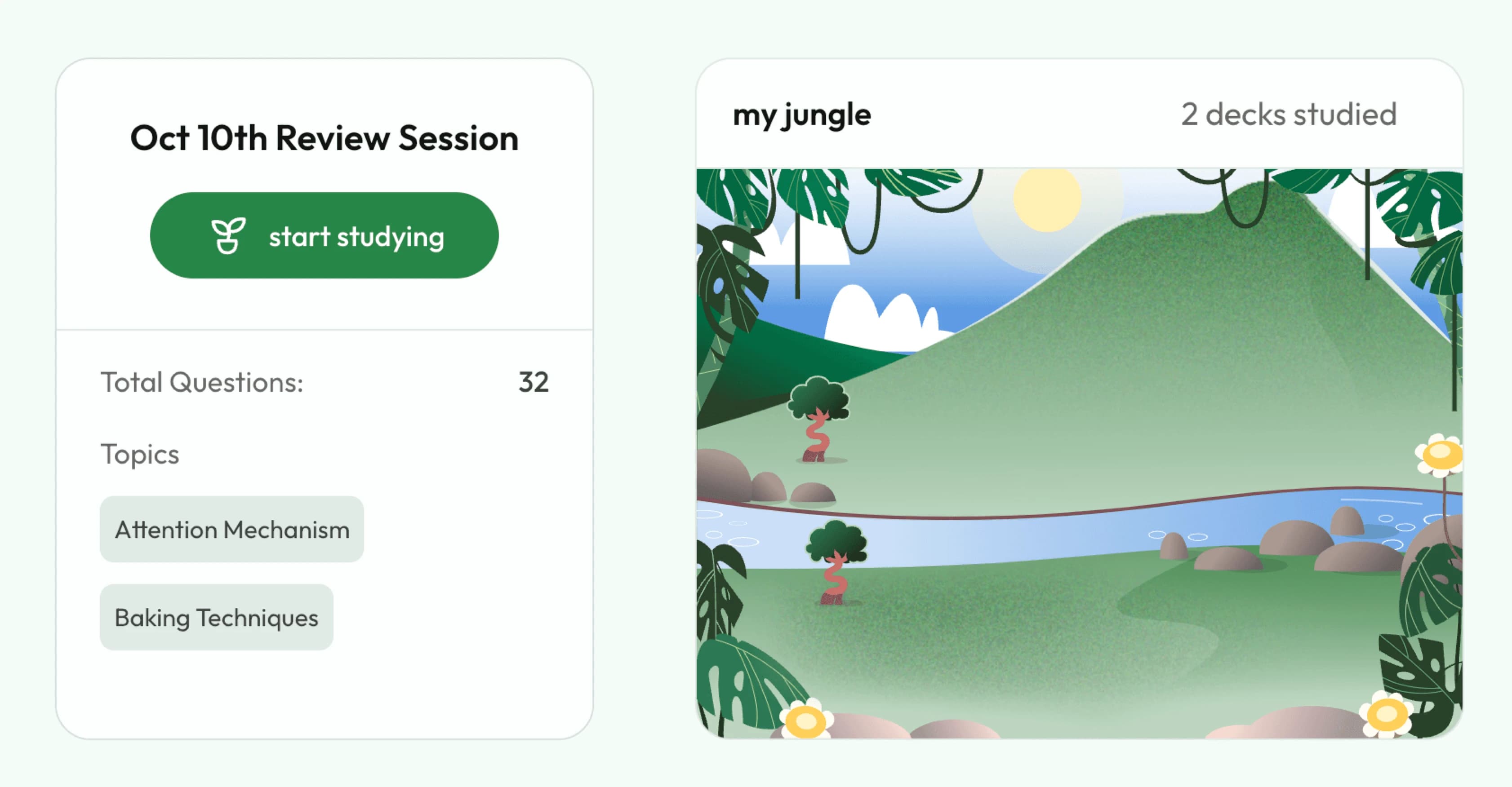
6. Suno AI – Rituals and Soundtracks for Reactive Classrooms
In flexible classrooms, routines matter—but keeping them fresh can feel daunting. With Suno AI, transitions, celebrations, and even “today was a mess, let’s reflect” moments become 100% customizable. Students (or me, mid-panic) write a prompt: “New project kickoff!” or "Celebrate brainstorming chaos" or "Reset after three plan changes." Suno instantly generates a class anthem (surprisingly catchy, usually funny) which we use for entry, exit, or to reset after a wild pivot. If you want class identity to evolve with your flow, this is a failsafe ritual.
Try Suno AI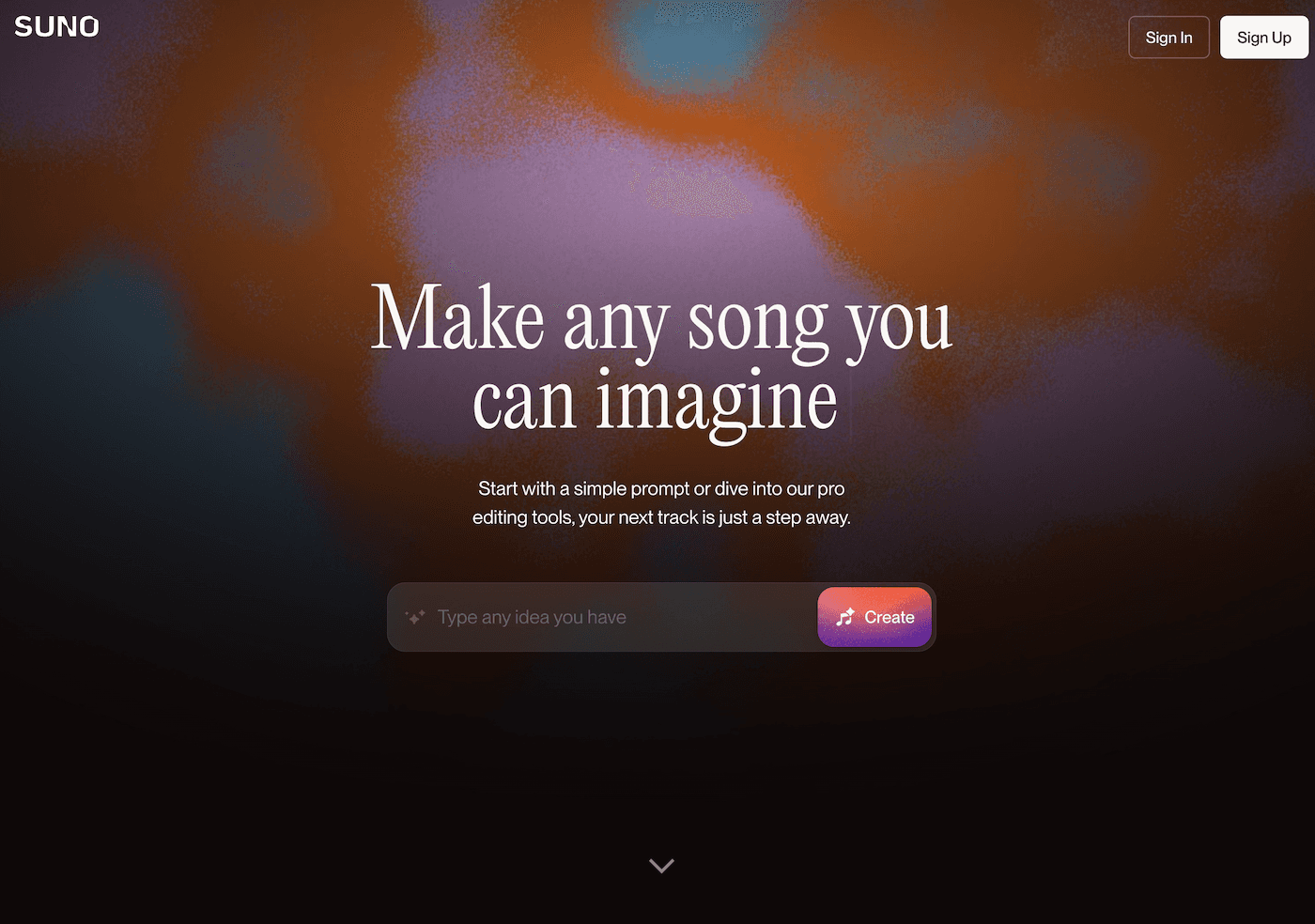
Real Advice for Teacher-Flexers, Not Rule-Followers
- Use AI as your assistant, not your overlord: Pick the workflow you avoid—reflection curation, ad hoc scaffolding, plan mapping—and see what a single tool can free up.
- Make plans editable. Display your AI-generated map for students to break and co-author—it’s the easiest way to get buy-in, especially in classes that shift fast.
- Celebrate process, not just results. Use Notebook LM and Gamma to archive every twist; you’ll be grateful next time you want to prove to admin, parents, or students that learning isn’t linear.
- If you start to feel bored, switch up rituals with Suno or a Jungle deck. Every flexible classroom needs new touchstones as much as new projects.
If you’re a teacher fueled by the unexpected—and have a favorite workflow or tool that fuels your flexibility—drop your story below. The less we chase perfect plans, the more room there is for memorable learning (and happier teachers) in 2025.