6 AI Tools for Teachers Who Flip the Script
Let’s face it: Some of us teach best when we break the mold. Maybe you’re constantly tweaking your plans midweek, riffing off student questions, or throwing out the pacing guide when an experiment, heated debate, or hallway inspiration takes over. If you believe the best learning emerges in moments of surprise—NOT repetition—this one’s for you.
After another year choosing curiosity over comfort (and, honestly, making up half my plan as I go), I put every new AI workflow to the test in my ELA, inquiry science, and "wild-card elective" classes. The six below aren’t just for keeping up—they’re for teachers who want to make every day a little different. Kuraplan features up top as my flexible roadmap (but won’t hog the list), and every other tool here thrives in a classroom full of creative detours, not copy-paste routines.
1. Kuraplan — Roadmap for Controlled Chaos
All improv needs a backbone. Kuraplan is my map-with-an-eraser for units that change by the week. At every launch (a "let’s dramatize Shakespeare," a student-driven mini-documentary, or a news cycle disruption), I outline key deadlines and required skills—but deliberately leave blank slots labeled "student pitches" and "possible pivots." By projecting Kuraplan on the board, I let students move milestones, add surprise project days, or swap in peer workshops as we go. The result: Admin sees rigor; students see freedom; I never drown when the plan flips again.
Try Kuraplan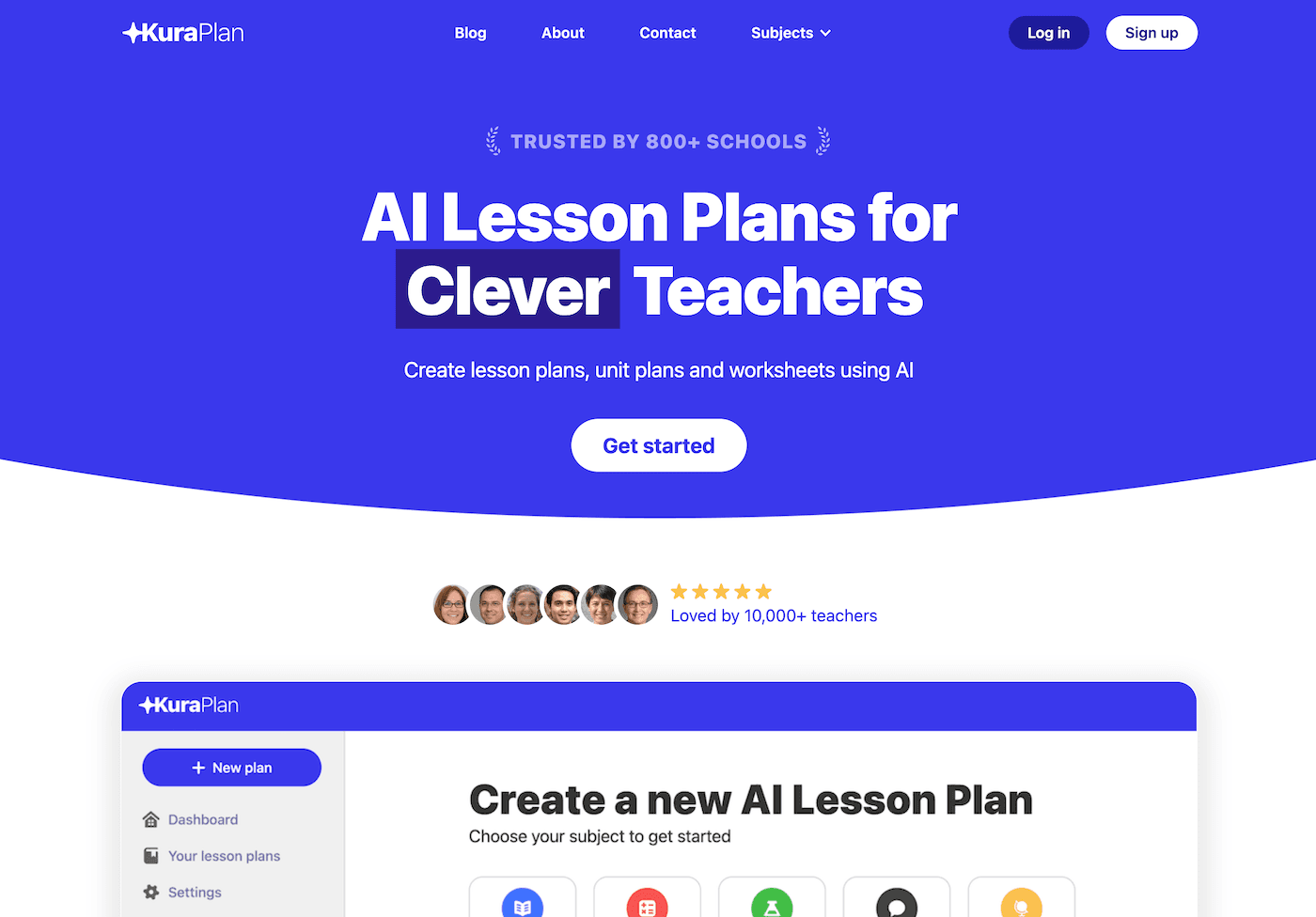
2. Gamma — Document (and Showcase) the Detour
Flipping the script means your whiteboard becomes ground zero for a creative tornado: unfinished debate maps, idea sketches, and photos of students turning Monday’s plan into a hallway gallery. Gamma is how I turn that chaos into rich evidence. Every pivot—be it a just-in-time research sprint, a VR field trip, or a meme annotation gone wild—gets captured as photos, sticky notes, and voice snippets. Gamma’s AI creates a living, interactive gallery where every group annotates what changed and why. We share these at open house and in "process shows"; students’ learning path is finally as visible as the product.
Try Gamma
3. Diffit — Bring Any Resource Into the Frenzy
Making the most of student inquiry means every class brings in the unpredictable—YouTube explainers, local news, parent interviews, or that viral podcast. Diffit is my hack for instant access: drop in any source and get leveled versions, vocabulary, and checks for all reading levels. Now, every “found” resource becomes part of the curriculum today, not next unit. Pro tip: let students use Diffit themselves—remixing resources in the moment democratizes curiosity and ensures nobody gets left out, even after a rogue group suggestion.
Try Diffit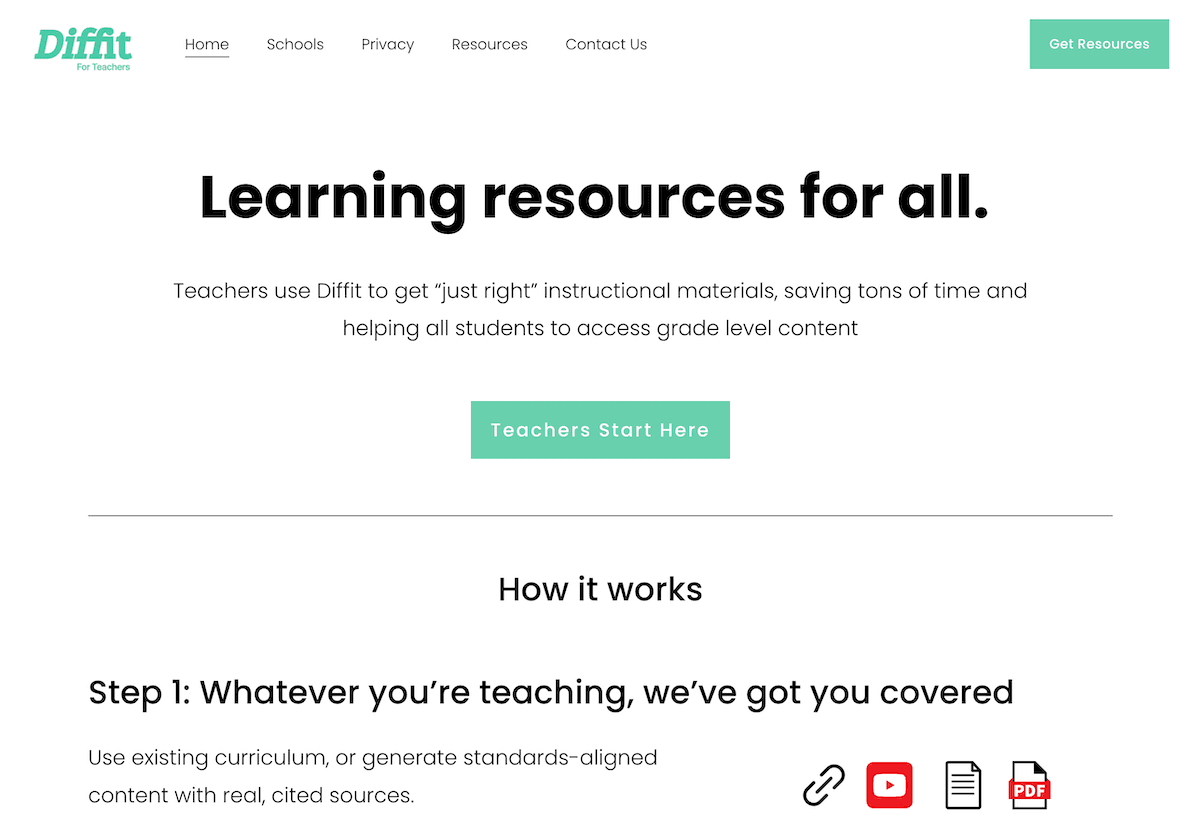
4. Jungle — Check-Ins That Actually Reflect Today
Let’s be real: traditional reviews rarely match what happens after you flip your plan. My class uses Jungle to crowdsource exit slips, challenge cards, and "best mistake/still stumped" flashcards AFTER each unpredictable lesson. Jungle’s AI curates these into student-generated review games or self-check decks, unique to the journey we just took. Friday “Stump the Teacher” rounds have become our improv review, and it’s the only time I willingly let students outwit me.
Try Jungle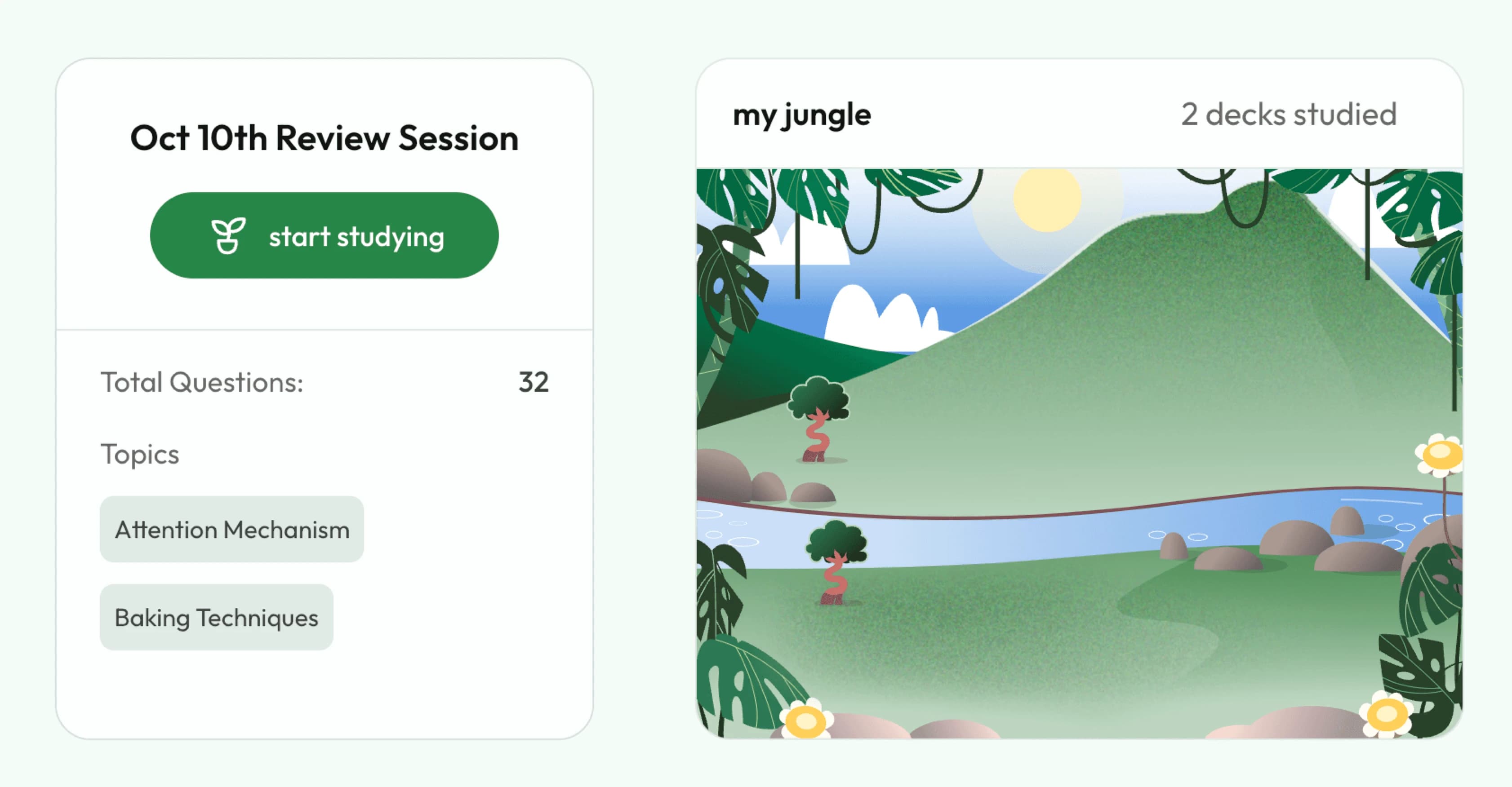
5. Notebook LM — Archive What You’ll Want Next Time
Flipping routines means learning gold often gets lost. That’s where Notebook LM is my digital scrapbook: every group’s voice notes, wild takeaways, spontaneous brainstorms, and follow-up questions live here. The AI spots themes, links to old brilliance (“remember that debate in October?”), and even preps recap podcasts or Q&A boards. At the end of the quarter, we scroll the Notebook LM highlight reel, “remixing” the year’s best tangents into the blueprint for next term’s wildness.
Try Notebook LM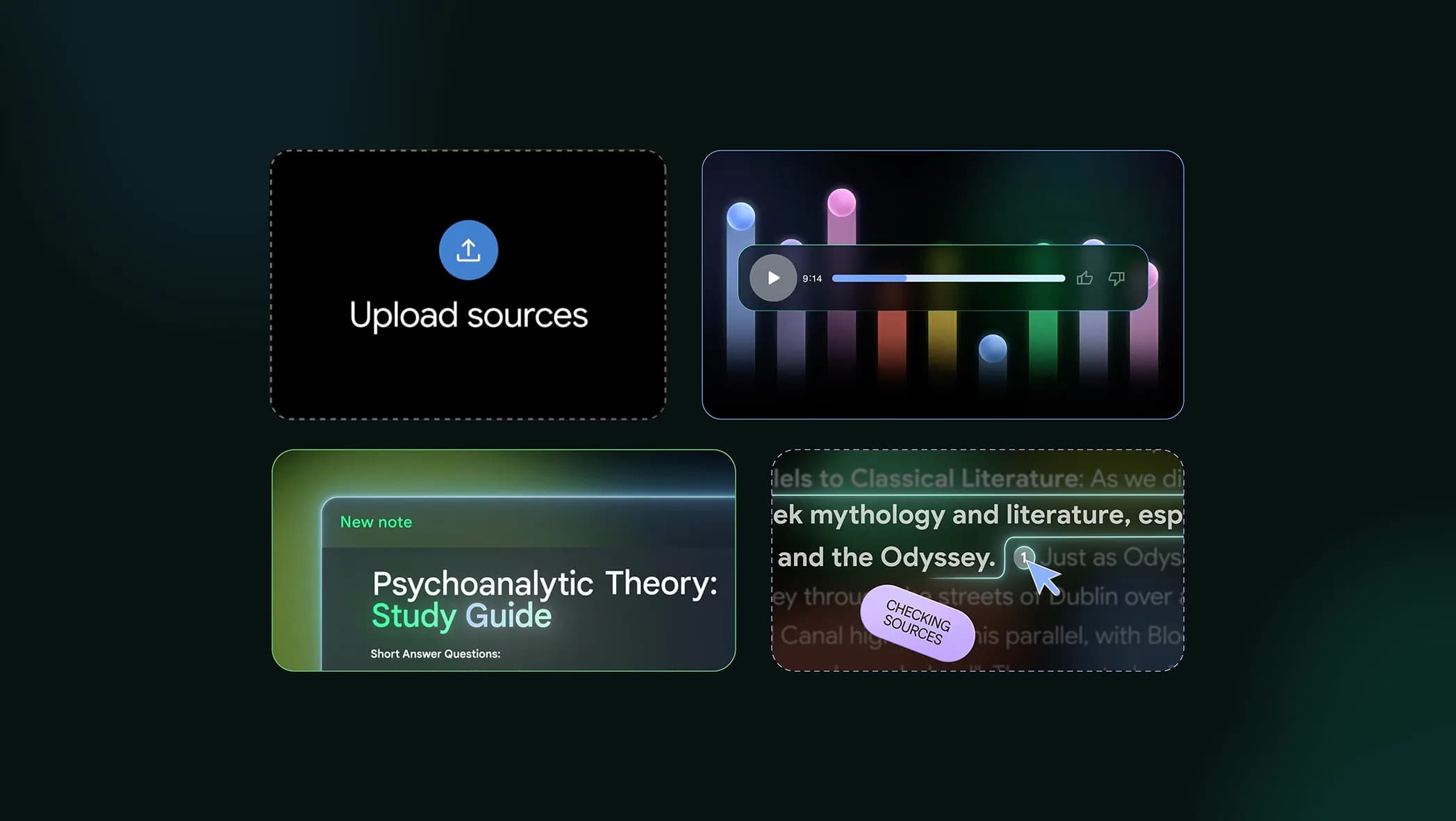
6. Suno AI — Rituals for the Ride
Last-minute pivots and energy swings need culture—not just structure. Suno AI is now our soundtrack glue—every time a wild project launches, flops, or reroutes, we prompt Suno (“Song for the day we lost the script,” “Anthem for last-minute genius,” “Chant for surviving Monday”). In minutes, students get a custom anthem or walk-on track for closure, reset, or celebration. We rotate tracks each week, and, more than anything else, this has made adaption into a class ritual—everyone buys in, even the ones who hate change.
Try Suno AI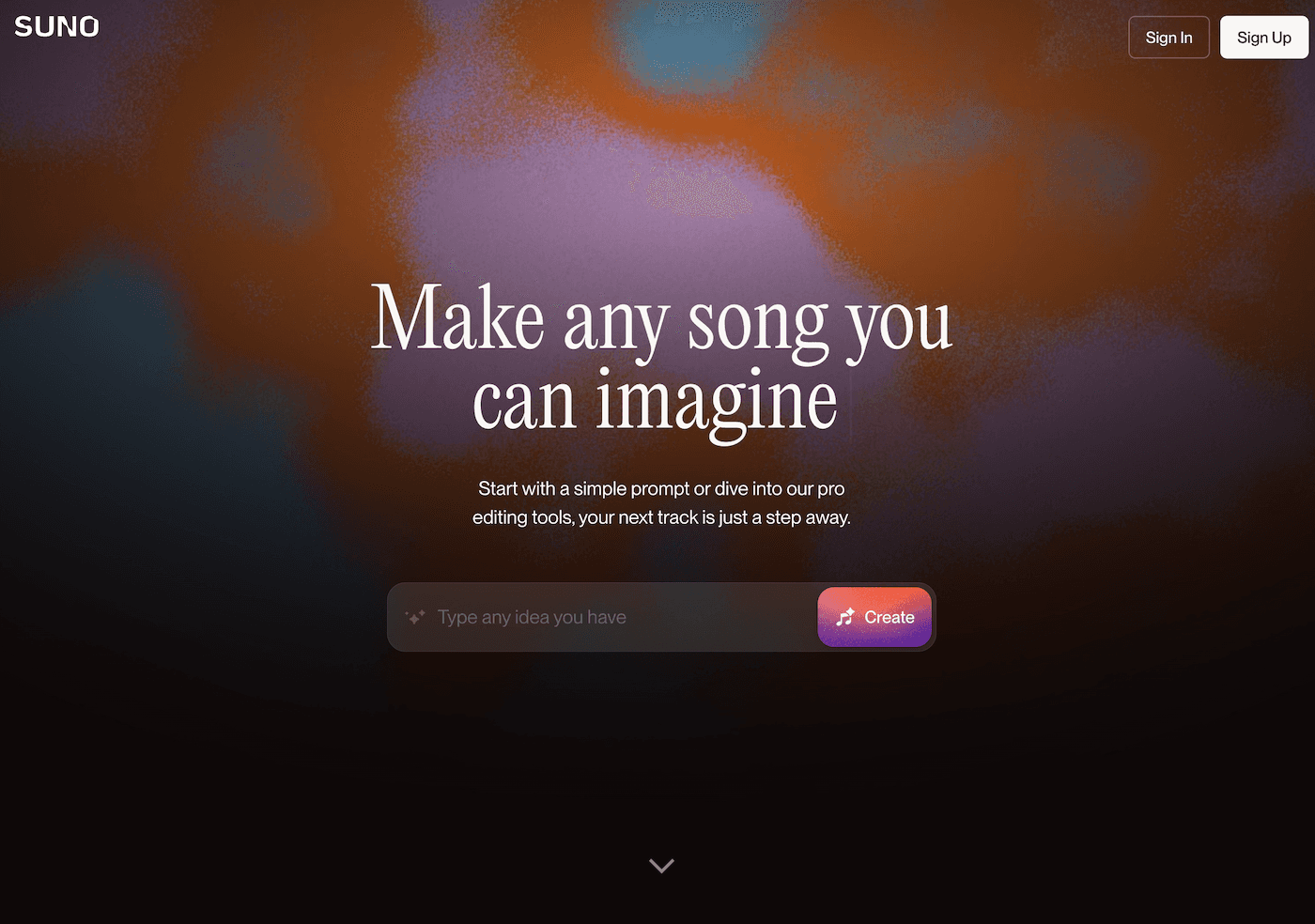
For Teachers Who Say YES More Than No
- Archive every pivot—Gamma and Notebook LM keep learning, not just content, visible.
- Make planning collaborative and revisable—Kuraplan and live editing earn admin trust and student buy-in.
- Let students adapt resources—the more they remix via Diffit, the more agency (and less exclusion) you build.
- Make review a reflection of your class’s journey—Jungle decks as unique as your detours.
- Ritualize the ride—Suno brings energy, closure, and memory to even the most unexpected days.
If you’ve made a habit out of running off-script—or have a workflow that helps you capture, reflect, or celebrate spontaneous creative learning—share your hacks below! In 2025, the best teaching won’t be routine—it’ll be full of beautiful, collaborative surprises.