6 AI Tools for Teachers Who Love Adaptability
Some teachers thrive on routines and tidy lesson plans. But for those of us who light up when a lesson takes an unexpected turn—when students veer off into new questions, when the news demands a pivot, or when your best teaching happens in the in-between—adaptability isn’t just a skill, it’s our superpower.
But here's the truth: being adaptable is exhausting if your tools and workflow fight you every step. This year, I went hunting for AI tools that actually help you embrace unpredictability—apps and hacks that make it easier to remix, iterate, and keep your teaching aligned (and yes, your admin on board) even when you zig where the curriculum zags. Below are my six workflow-tested, genuine picks for the teacher who wants freedom and a framework. Yes, Kuraplan appears—because flexible mapping matters—but only when it makes your life easier, not as a billboard.
1. Notebook LM – The Adaptable Class "Catchall"
Adaptable classrooms need a memory. Notebook LM became our digital ‘catchall’—the place where every brainstorm, teachable tangent, and late-breaking news resource gets parked. I trained my class to throw exit slips, brainstorm snaps, group question docs, and even event photos into our Notebook LM collection. The AI finds recurring themes, surfaces patterns ("Has anyone else noticed we've asked about gender in every project this term?"), and drafts podcast or reflection Q&As after chaotic weeks.
We use Notebook LM to track ideas, remix project directions, and launch new inquiry rounds. The secret sauce? When I have to pivot last-minute, our collective class history (mistakes and all) is always at hand.
Try Notebook LM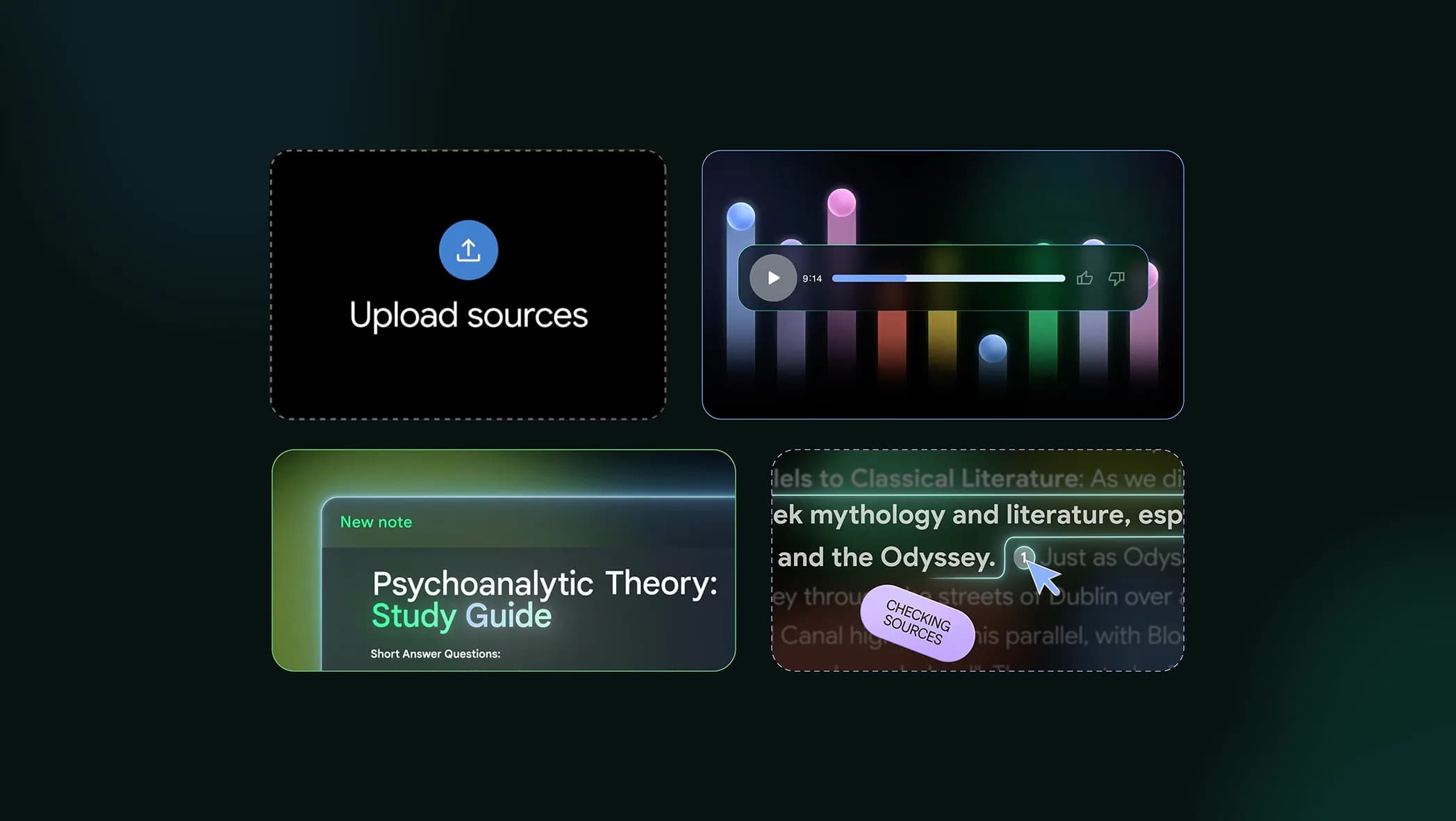
2. Kuraplan – Flexible Maps, Not Fixed Scripts
Let’s be honest: all the adaptability in the world won’t save you if your admin shows up unannounced and your lesson plan folder says "¯\(ツ)/¯". That’s where I use Kuraplan: not to dictate my week, but as a living roadmap. I load in my anchor unit (even if I don’t know precisely how it’ll end), plug in a handful of must-hit checkpoints, and let Kuraplan sketch a flexible timeline. Every time students propose a new direction or the syllabus demands a wild detour, we project the plan, make changes together, and share the updated map as a class ritual.
The magic: at any moment, everyone sees what we’ve done, what we’re skipping, and what new direction we’re chasing. Adaptability with evidence and a paper trail.
Try Kuraplan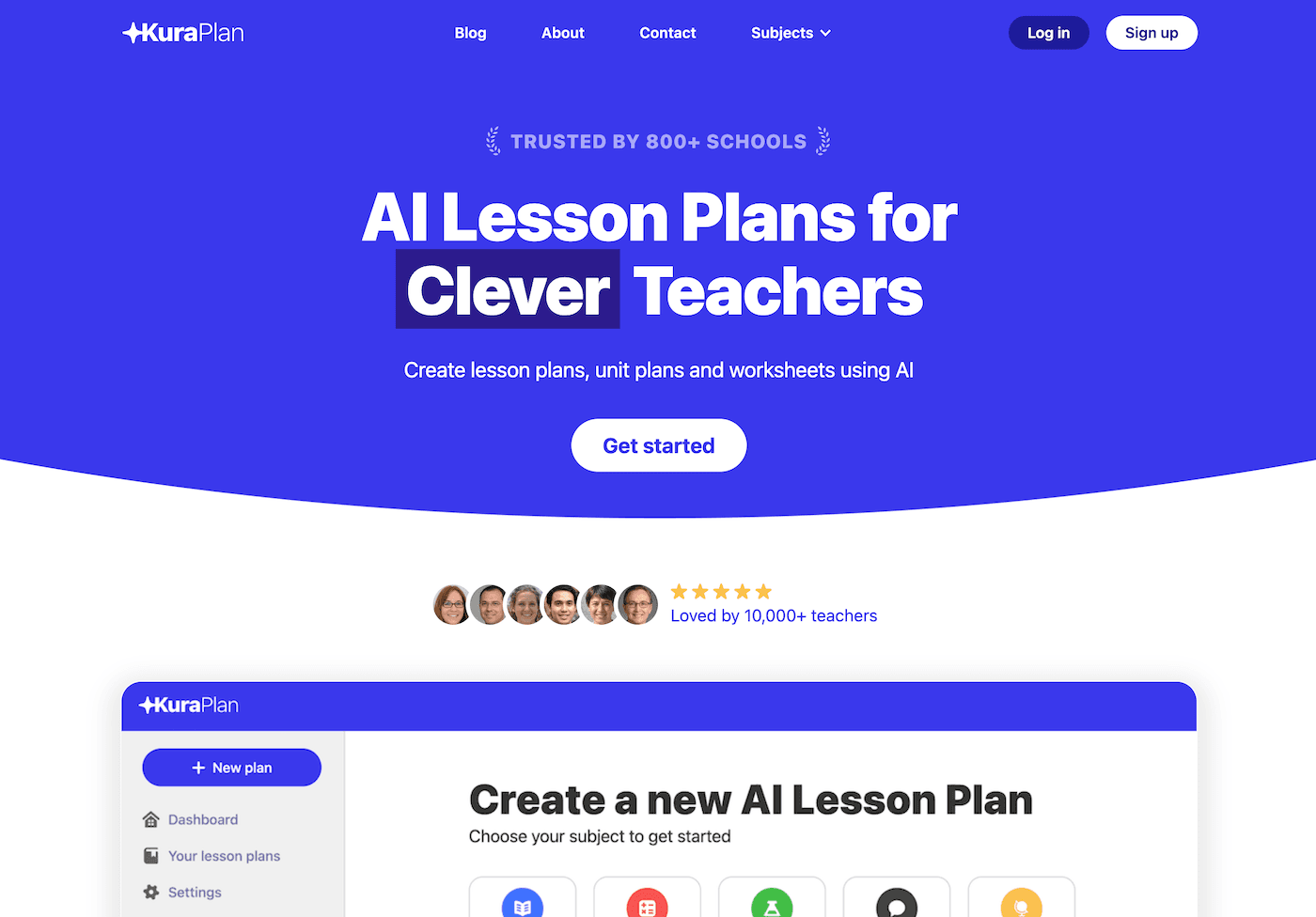
3. Gamma – Instantly Visualize (and Re-Visualize) Progress
Nothing makes pivots visible to students, parents, or admin quite like a timeline or a collaborative "where have we been?" gallery. After every in-class brainstorm or major project shift, I drop notes, photos, post-its, and even memes into Gamma. The AI autogenerates a visual slideshow, digital timeline, or argument map—one we edit on the fly after every detour. Gamma became my go-to for:
- Sharing how research questions evolved over time
- Documenting group pivots (and hilarious group tangents)
- Real-time reflection at the end of every wild week
If your class is a living experiment, Gamma makes it visible—on parent night or Monday morning, no matter how weird a week you just had.
Try Gamma
4. Diffit – Rapidfire Adaptation for Any Resource
Class discussions and projects are only as rich as the materials you can bring in fast. Every time someone says, “Can we work with this news article? Or this YouTuber’s latest explainer?”, Diffit is my hack: paste anything—article, transcript, crazy student blog post—and Diffit spits out leveled versions, vocab, review cards, and comprehension Qs.
On the weeks when spontaneous student finds were too advanced for half my class, I’d run them through Diffit and offer three reading packs—now, every group can say yes to curiosity, not just what’s pre-baked in the textbook. Adaptability means never having to say, “But what if my class can’t read it?”
Try Diffit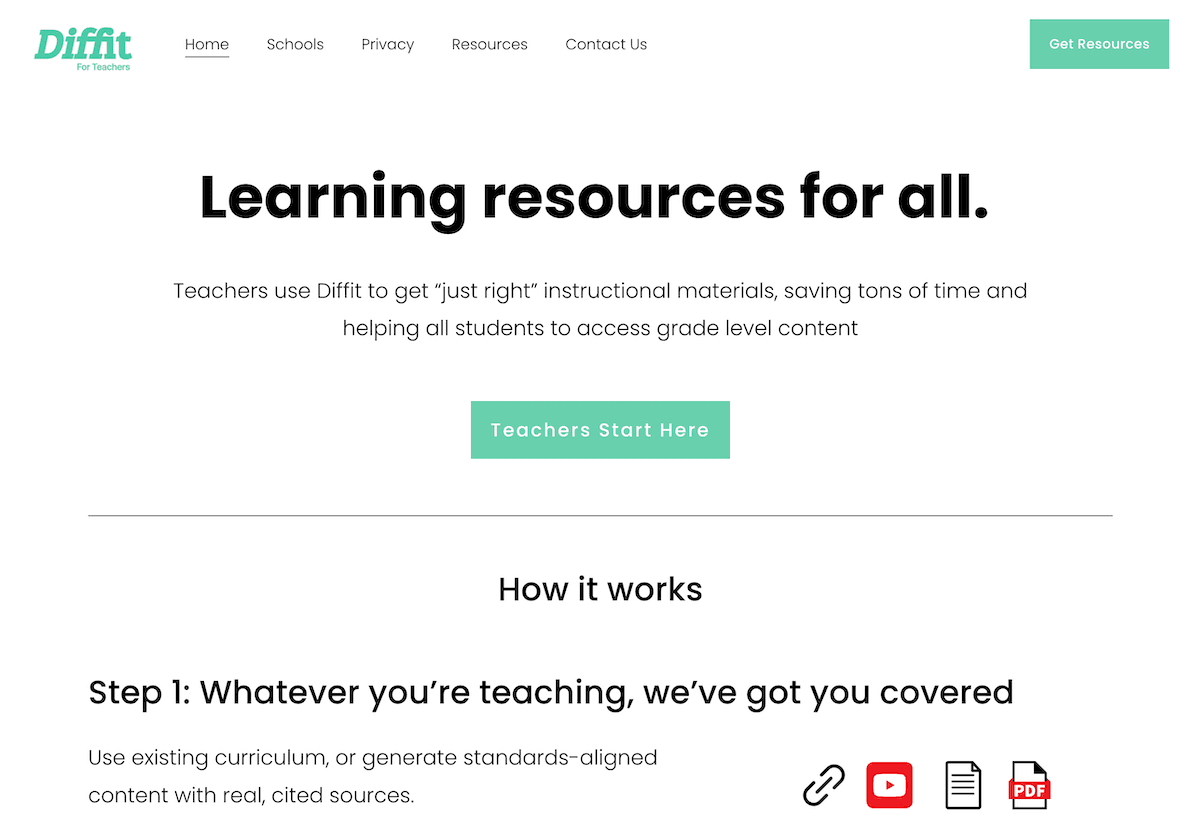
5. Jungle – Adaptable Assessment & Gameboard Creation
Assessment shouldn’t tie your hands—it should be another lever for creativity. Jungle lets me turn every end-of-unit, project day, or just weird Friday into a student-powered game. Instead of the tired worksheet review, I have students generate flashcard questions, debate prompts, "what confused me" confessions, or even fun curveball trivia after each lesson. Jungle’s AI builds decks and games—unique to that day, that group, even that wild twist no one saw coming.
We use them for on-the-fly review, “last one standing” quiz games, or just for finding out where the class actually ended up after going off-road. Adaptability you can play, not just grade.
Try Jungle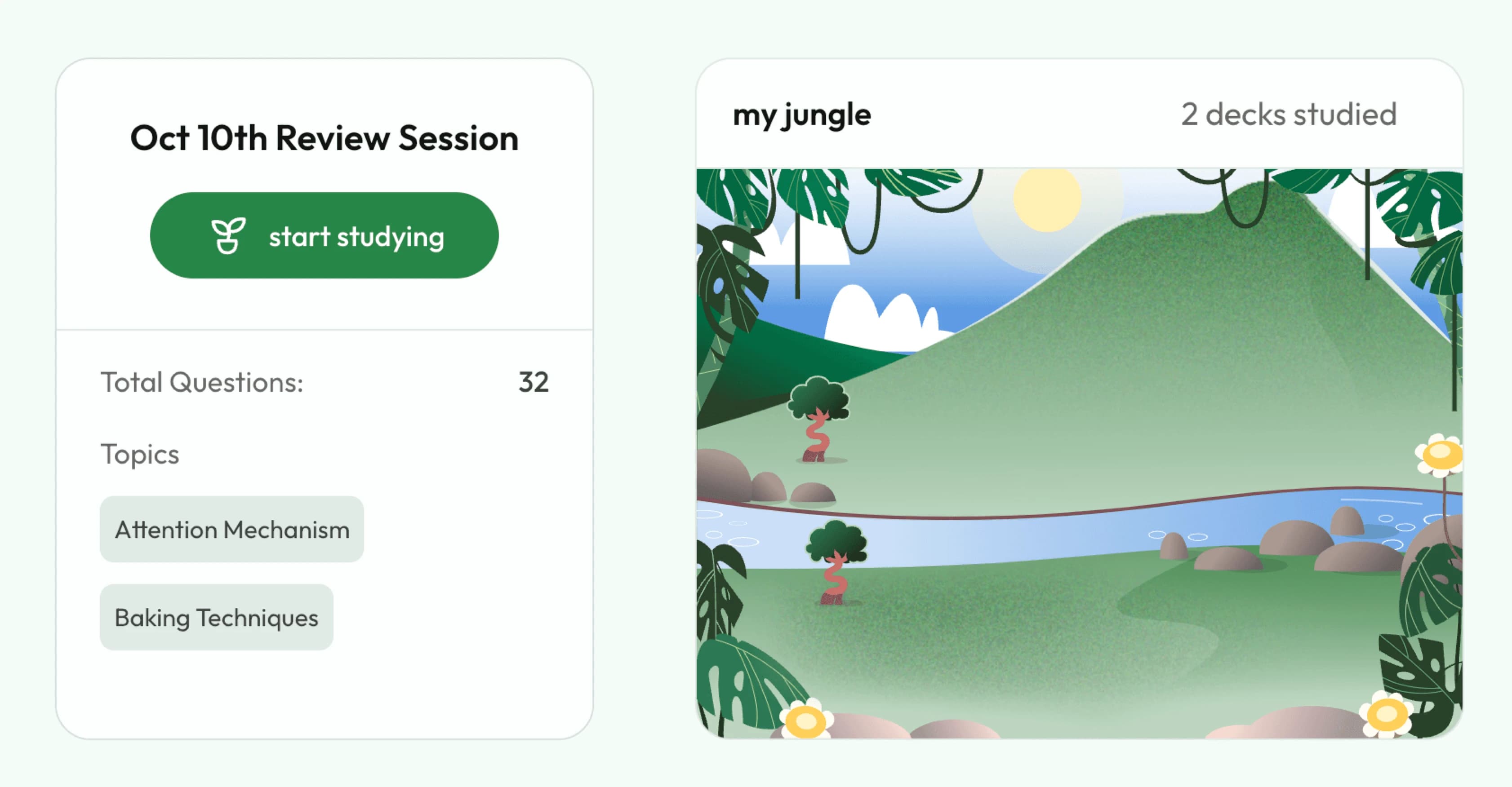
6. Suno AI – Rituals and Soundtracks for Shifting Vibes
Ritual matters, but routines can get stale—especially in adaptable classes. Suno AI became a class favorite for marking every mini-pivot, reset, or closure. After any big project launch, student surprise, or group "woops," we write a prompt (“Song for Pivot Day,” "Debate Reset Jingle," “Survived a Sub Surprise”). Suno spins out a new theme song or anthem in seconds. We replay them for transitions, reflection, or just to make Fridays special.
My best hack? When the plan shifts, use your Suno playlist to create soundtracks to each new adventure—it keeps students (and you) excited through every “how did we get here?” moment.
Try Suno AI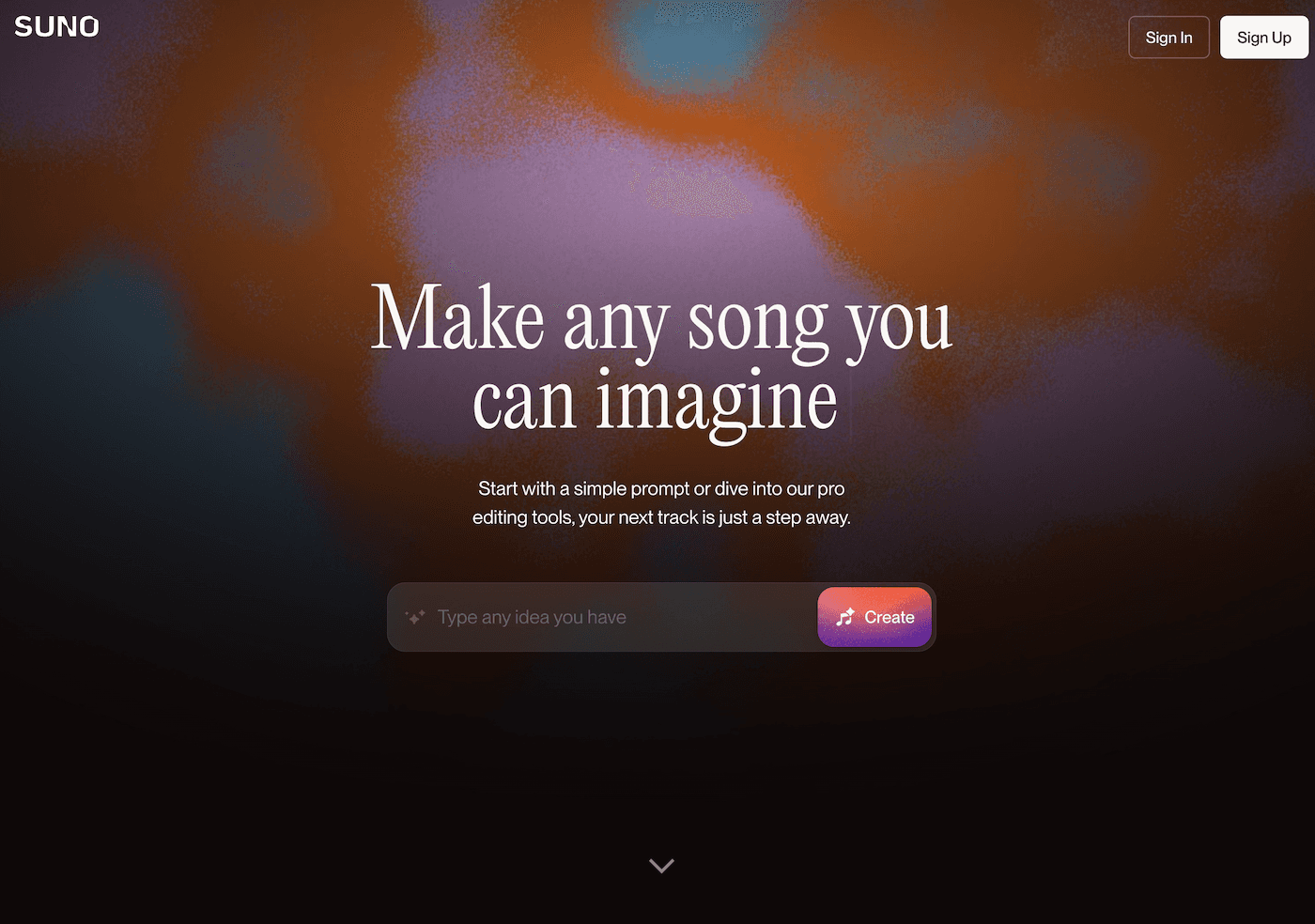
Adaptability Survival Tips (from Someone Who Never Sticks to the Script)
- Archive everything as you go (Notebook LM, Gamma, Jungle)—today’s tangent is tomorrow’s gold.
- Map it, but never marry the plan: use Kuraplan to show students (and admin!) that flexibility isn’t laziness—it’s proof of learning in action.
- Let students co-design review and rituals; adaptability thrives on shared control and collective memory.
- Adapt the materials, not just the sequence: give every group access to the wildest sources with Diffit—and let them remix their own learning.
If you teach best below the surface of the plan—and have a workflow, AI trick, or survival ritual for adaptable learning, share it below. 2025’s best classrooms will be built by teachers who can bend, pivot, and keep every student’s curiosity alive.