7 AI Tools Every Advisory Teacher Should Try
Advisory, homeroom, flex period—call it what you want, it’s the "everything" block that anchors your students’ day. You’re the cheerleader, conflict-mediator, college coach, SEL instructor, and catch-all for every "unexpected" announcement or crisis. But let’s be honest: advisory prep can feel like spinning plates, and most "character curriculum" slideshows are boring enough to put even the most motivated kids to sleep.
This past year, determined to make advisory more meaningful (and a lot less work after hours), I road-tested every AI tool I could find—not just lesson planners, but ones that sparked real connection, reflection, and agency. Here are the seven tools that genuinely transformed my advisory periods, created more student voice, and gave our group rituals some actual spark. (And yes,
Try Kuraplan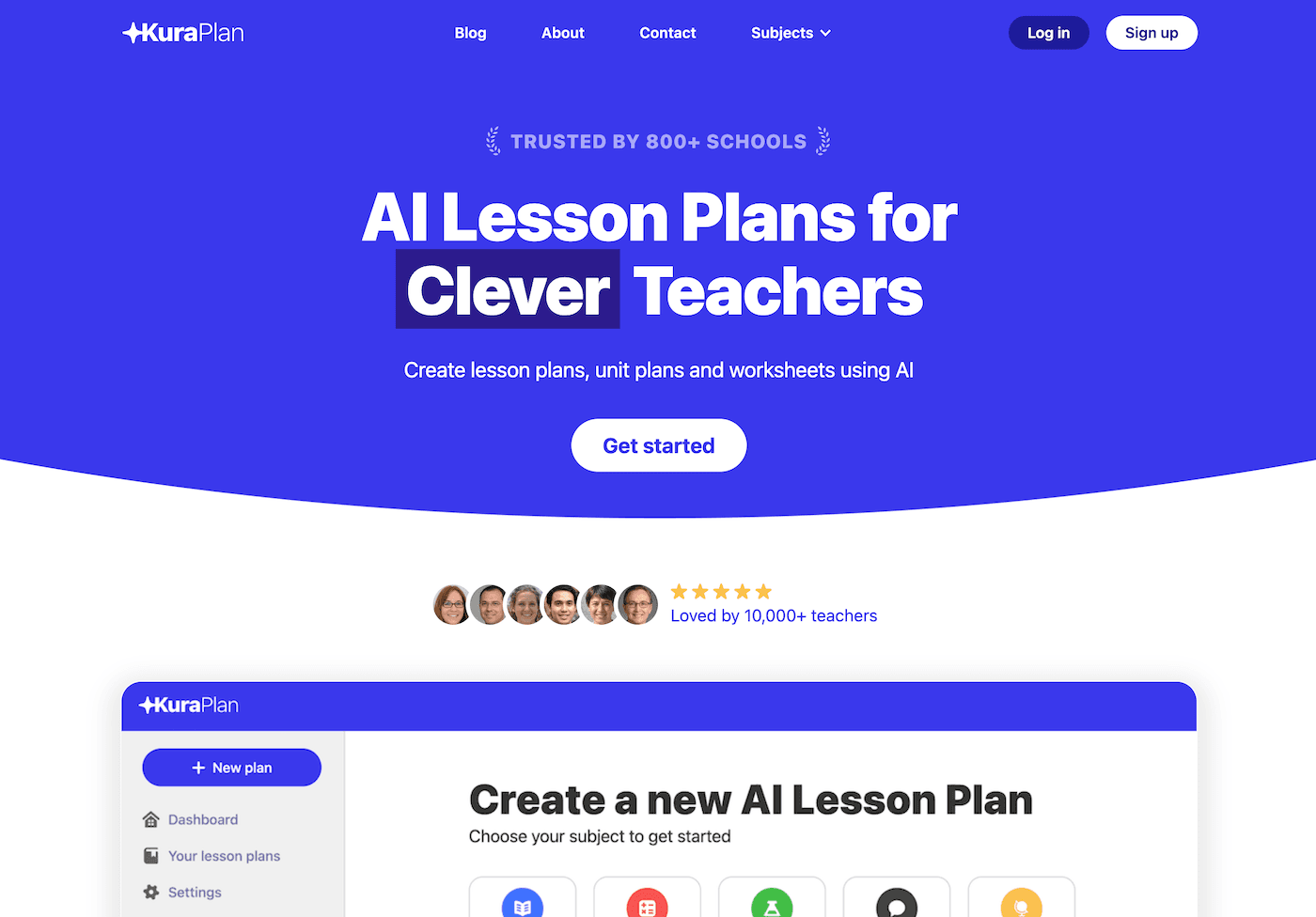
is here, but not as a one-stop solution.)
1. Notebook LM – Turning "Life Lessons" Into Real Conversations
Those "What would you do?" handouts never got kids talking. With Notebook LM, I started uploading scraps of current events, student survey data, and even their own journal snippets. The AI helps surface patterns and pulls out big discussion questions—or scripts a peer podcast episode for my group to record! Now advisory launches with their actual concerns and ideas, not some canned scenario. Our best episodes: "Biggest wins this year?" and "What adults never get about us." Reflection, voice, and a real sense of community—no more dead air.
Try Notebook LM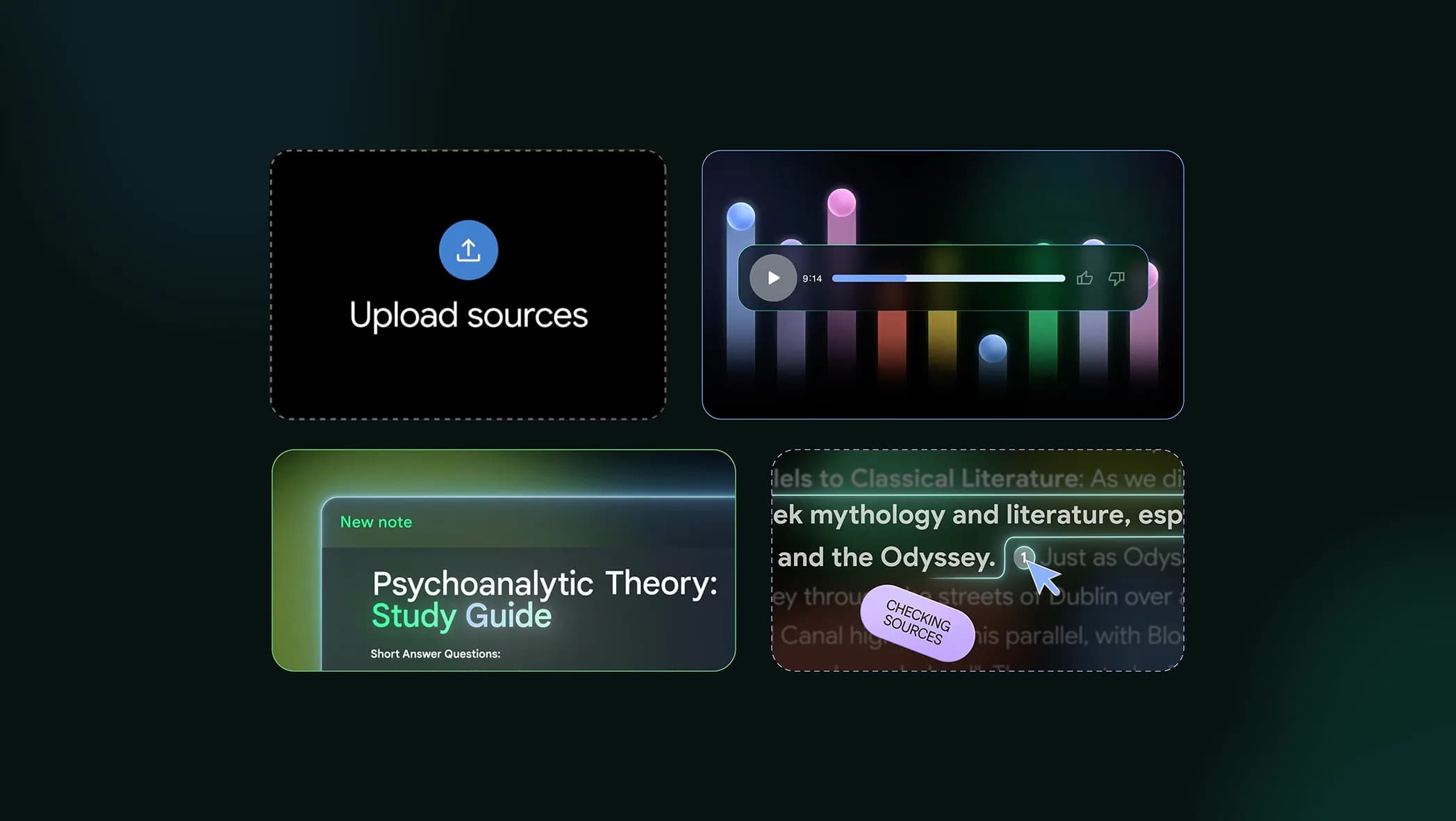
2. Jungle – Student-Designed Rituals & SEL Games
Board games and SEL cards are pricey, and kids sniff out anything "babyish." I let my group use Jungle to design their own flashcard banks—everything from "most challenging habits to break," "ways to de-stress before a test," to "random acts of kindness stories." We turn these into quick memory games, anonymous polls, or Friday lightning rounds. Suddenly, SEL check-ins are authentic, playful, and—I’m still amazed by this—requested by even my most skeptical students.
Try Jungle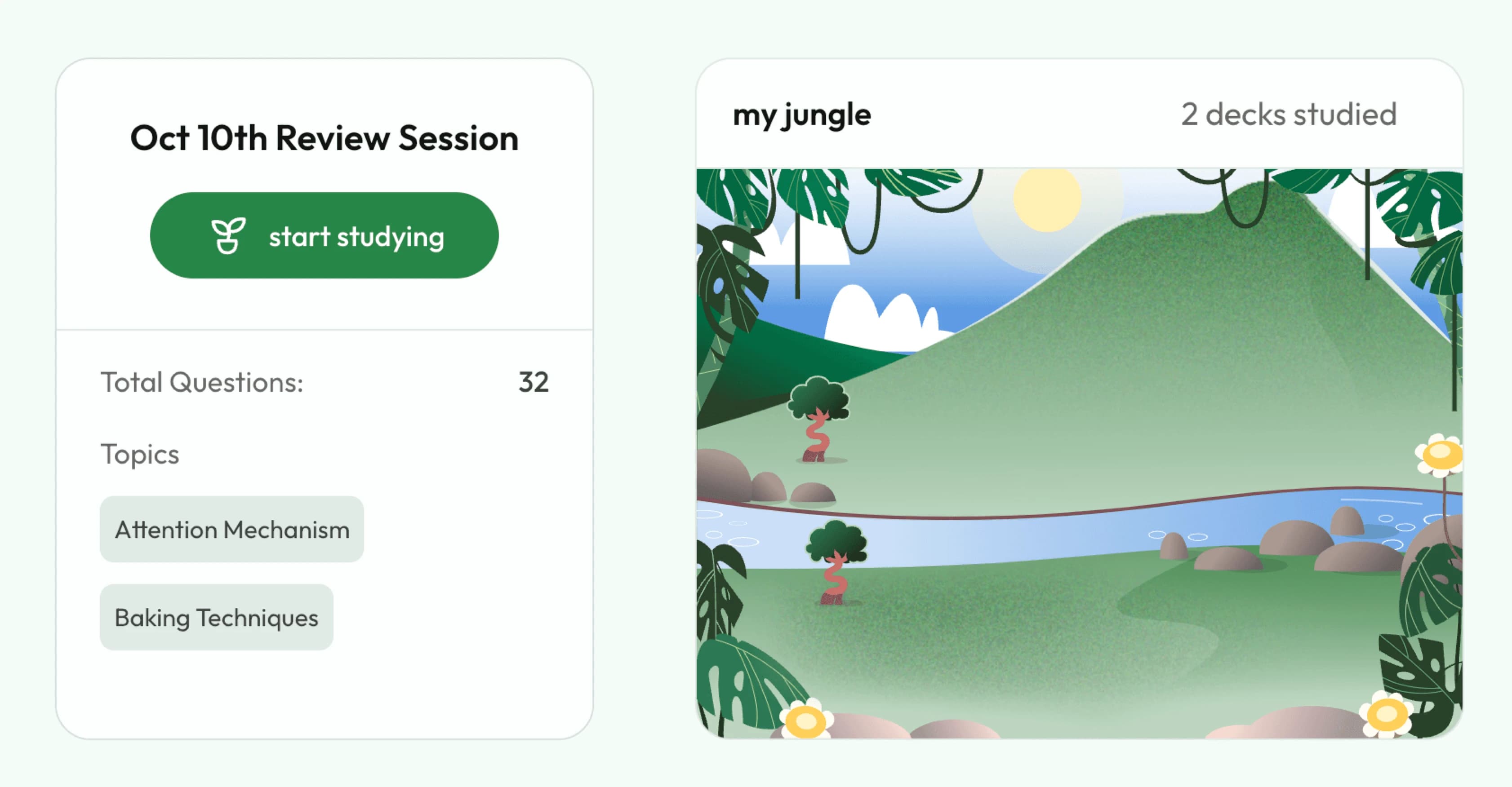
3. Kuraplan – Advisory That’s Actually Organized (But Still Flexible)
Advisory goals shift every week (bullying assemblies, report cards, spirit week chaos...). That’s where Kuraplan was a lifesaver: I enter our main themes (goal setting? college apps? community building?) and get a workflow skeleton: suggested phases, check-in ideas, and (best part) sample reflection prompts. I drag and drop, ditch what I don’t need, and always have a "plan B" for when announcements eat half the period. It never feels scripted, but it keeps me (and the group) on track.
Try Kuraplan4. Suno AI – Custom Anthems & Mindfulness Tracks
Advisory desperately needs routines—entry music, end-of-week celebrations, even simple mindfulness cues. My hack: Every Monday, I have kids create a "team jingle" or a song about our shared goal. ("Proud to Survive a Monday," "Breathe Like a Squirrel," etc.) Suno instantly delivers a usable, not-cheesy track. We also build five-minute focus or relaxation songs for stressful test weeks. The vibe change is real, and music makes even the quietest kids smile.
Try Suno AI
5. People AI – Scenario Roleplay with Real Voices
Trying to run a "mock interview" or social dilemma session? The difference between a good advisory and just seat time is practice. With People AI, I let students interact with AI "mentors"—from college admissions officers to a fictional "school social worker." They build their confidence, ask tough questions, or even role-play apologies and mediations. Last week, my group practiced "how to ask a teacher for help"—the AI coached them, and actual classroom stress levels dropped. Instant SEL, zero embarrassment.
Try People AI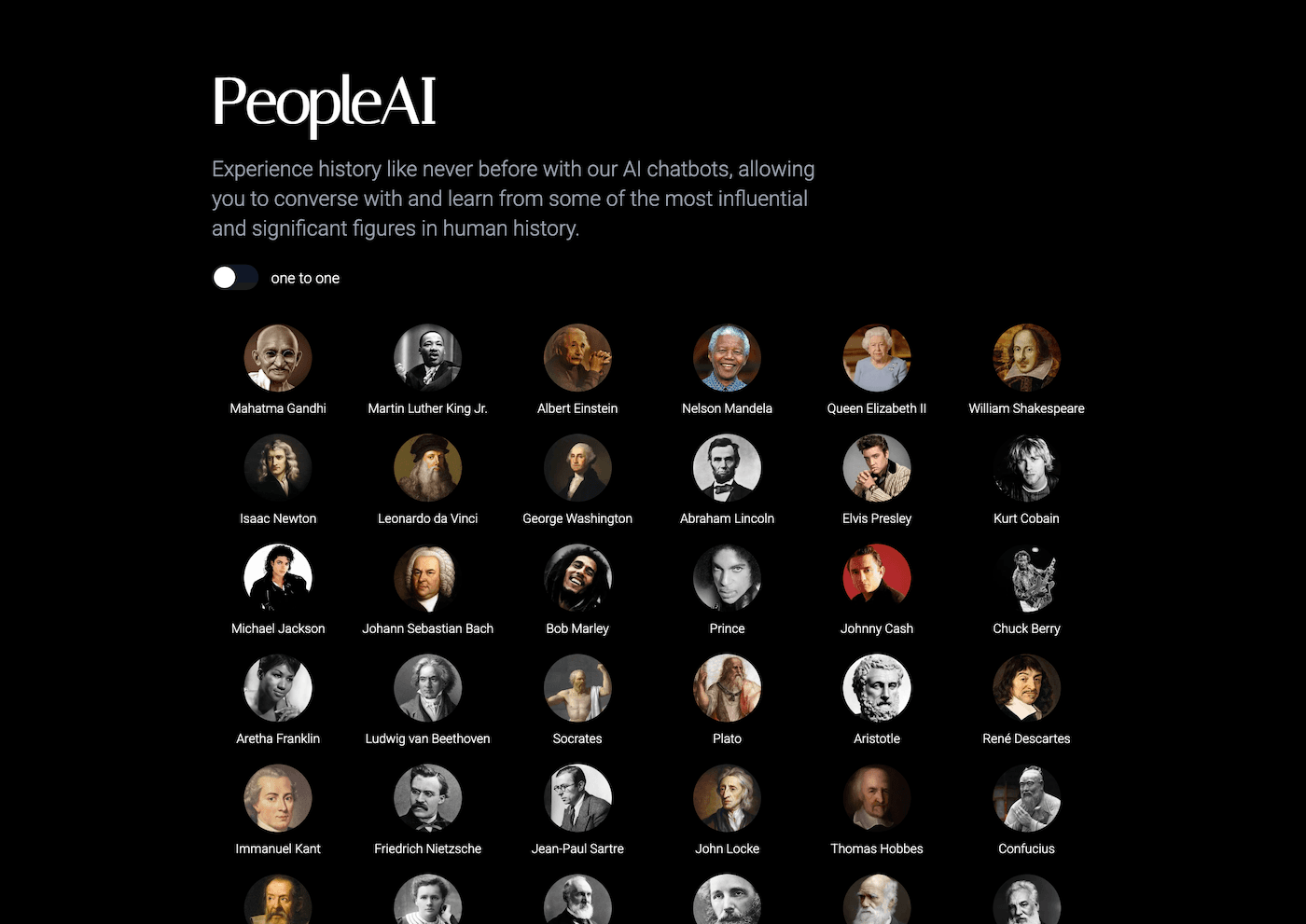
6. Gamma – Community Projects & Class Portfolios
Your advisory group matters to the school—but how often do their voices get seen? Gamma let us build a rolling "group portfolio": students add photos from service projects, group wins ("we cleaned the garden!"), appreciations, and even letters to future advisory classes. The slide decks are shareable with parents, admin, or just as Friday "shout out" showcases. We brought in stories from every student—including those who never talk in big class—building pride and a sense of belonging.
Try Gamma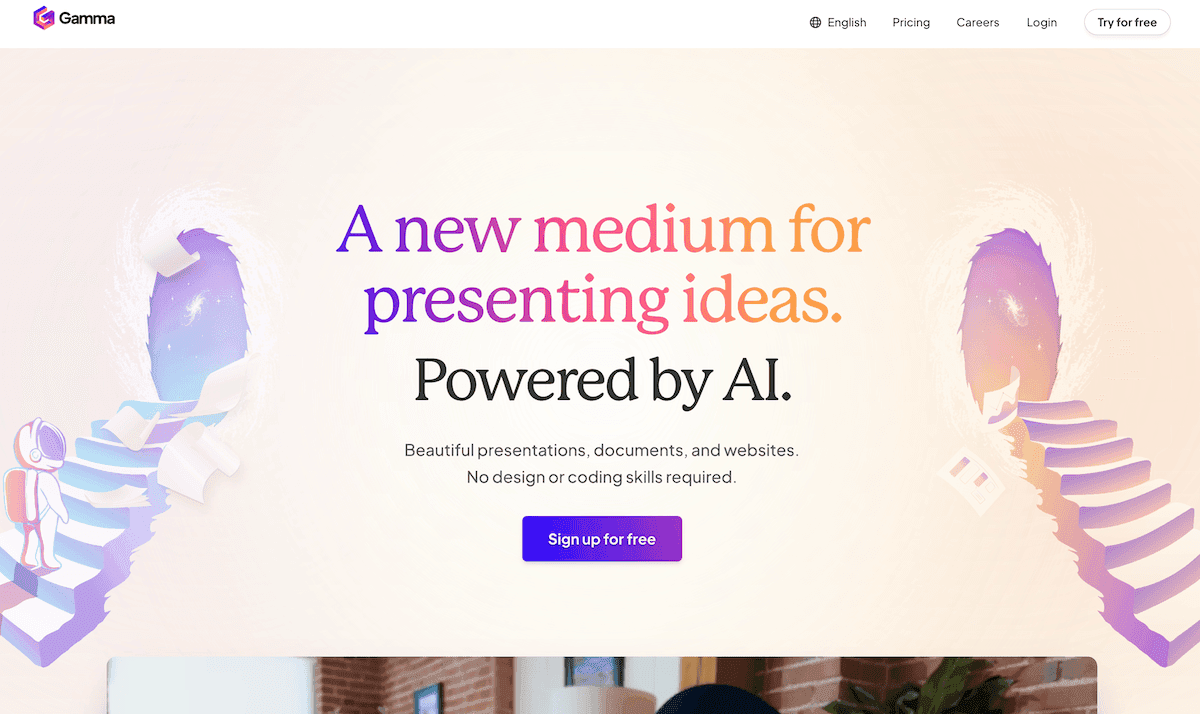
7. Diffit – Real-World Reflection Prompts (At Any Level)
SEL sheets are nice, but real advisory moments happen when kids tackle their issues. Diffit lets me take a news story (school voting rights, TikTok's impact, even local events) and instantly generate multiple versions, vocab lists, and powerful reflection questions. I use this for everything from "Would you ban cell phones?" debates to "What’s the bravest thing you’ve done this month?" roundtables. Now, all students engage, not just the chatty ones. Bonus: easy win for time-pressed or substitute-led sessions.
Try Diffit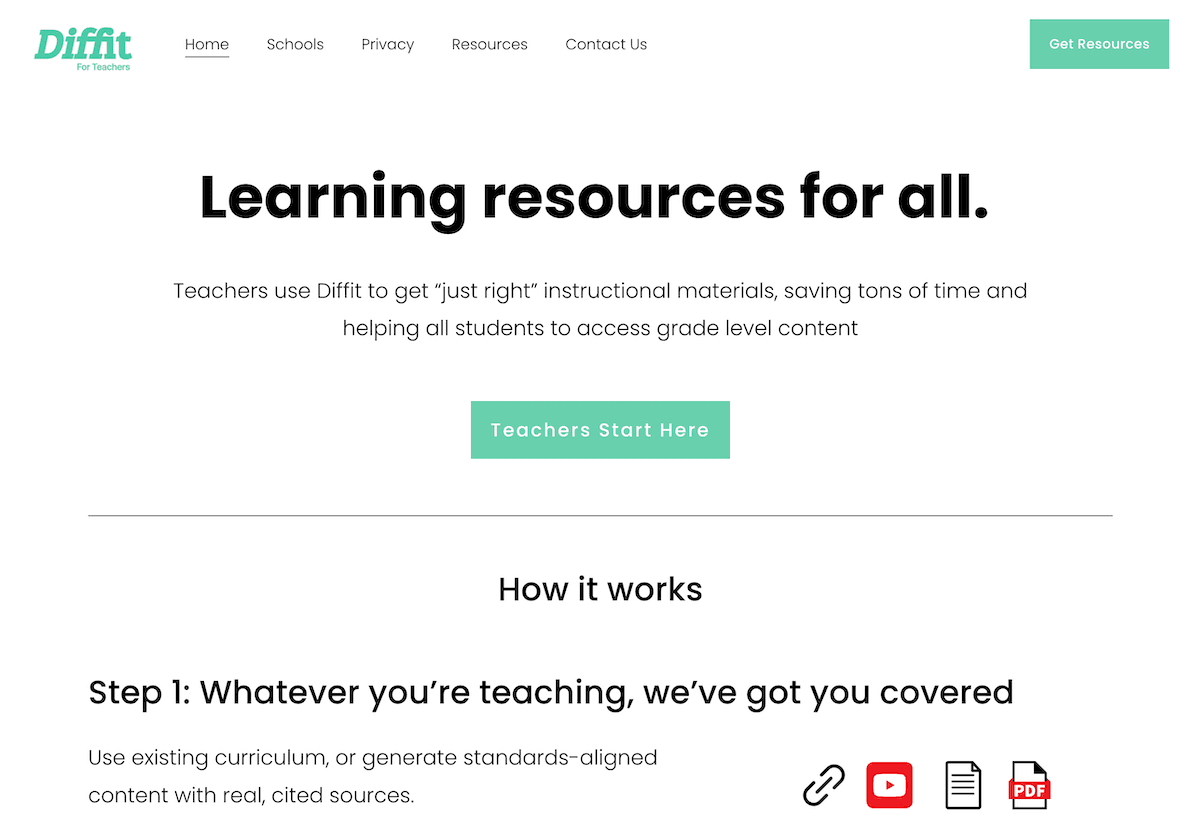
Honest Advice for Advisory Teachers:
- Don’t settle for one-size-fits-all SEL slides—your group is unique, and AI can help you showcase their voices, not muzzle them.
- Use AI for the cleanup, scaffolds, and last-minute pivots—save your energy for actual conversations and group rituals.
- Let kids drive tech use! The best experiences this year came when students took charge of the playlists, peer podcasts, or reflection questions.
- Focus on connection, not just content: The best advisory moments are about community and honest talk, not perfect routines.
If you’ve found an AI-powered ritual, group project, or workflow that made advisory more human (and less of a grind), swap your stories below! We’re all inventing this together.