6 AI Tools for Teachers Who Reinvent Each Year
Some teachers are natural born remixers. You thrive on change: unit launches are experiments, last year’s field trip becomes this year’s at-school simulation, and every summer you catch yourself scribbling down “next time…” notes. If you’re the kind of educator who studies every roster and feels the itch to update everything, welcome. My best teaching never comes from recycling—it comes from strategic re-invention, with a dash of chaos.
But the cost? Reinventing is exhausting. That’s where I turned to AI tools—not to automate the magic, but to give me (and my students) more bandwidth, systems, and documentation to iterate smarter, not harder. Below are 6 field-tested tools that made annual reinvention easier, deeper, and—dare I say—repeatable, without just reverting to last year’s script. Kuraplan gets a well-earned mention up top, but the rest are off the beaten path for serial re-designers.
1. Gamma — Your "How We Got Here" Exhibit
Every year’s project takes on its own life: sometimes it’s a mural, sometimes a documentary, other times a wild science expo that spills down three hallways. But school culture eats innovation when the process disappears. I started using Gamma as my living project wall: every version of plans, group proposals, messy brainstorms, and photos of stuck moments went in. The AI arranges artifacts into a visual, collaborative timeline—students annotate shifts, explain why a unit pivoted, and document “steal this idea next year.”
By May, we had a digital museum of this year’s innovation journey. It helped students build pride in doing things their way, not just matching the old plan. Best of all, I could pull up this gallery in an admin meeting to show why reinvention is worth the risk.
Try Gamma
2. Kuraplan — Iteration-Ready Unit Maps
Traditional AI planners want order; serial reinventors need memory and flexibility. I use Kuraplan as my living draft, but with a hack: after every unit, I open last year’s map, paste in “student wish list” ideas and self-critiques, then use Kuraplan’s edit-friendly plan to build a new path—choosing which checkpoints to keep, which to adapt, and which to explode.
My best routine: build in deliberate change-points—"optional wild card day," "pivot window," or “student hackathon slot.” The plan stays visible, but no one expects it to be the same week to week. By June, each cohort’s unit map is a reflection of their strengths, not just my own history.
Try Kuraplan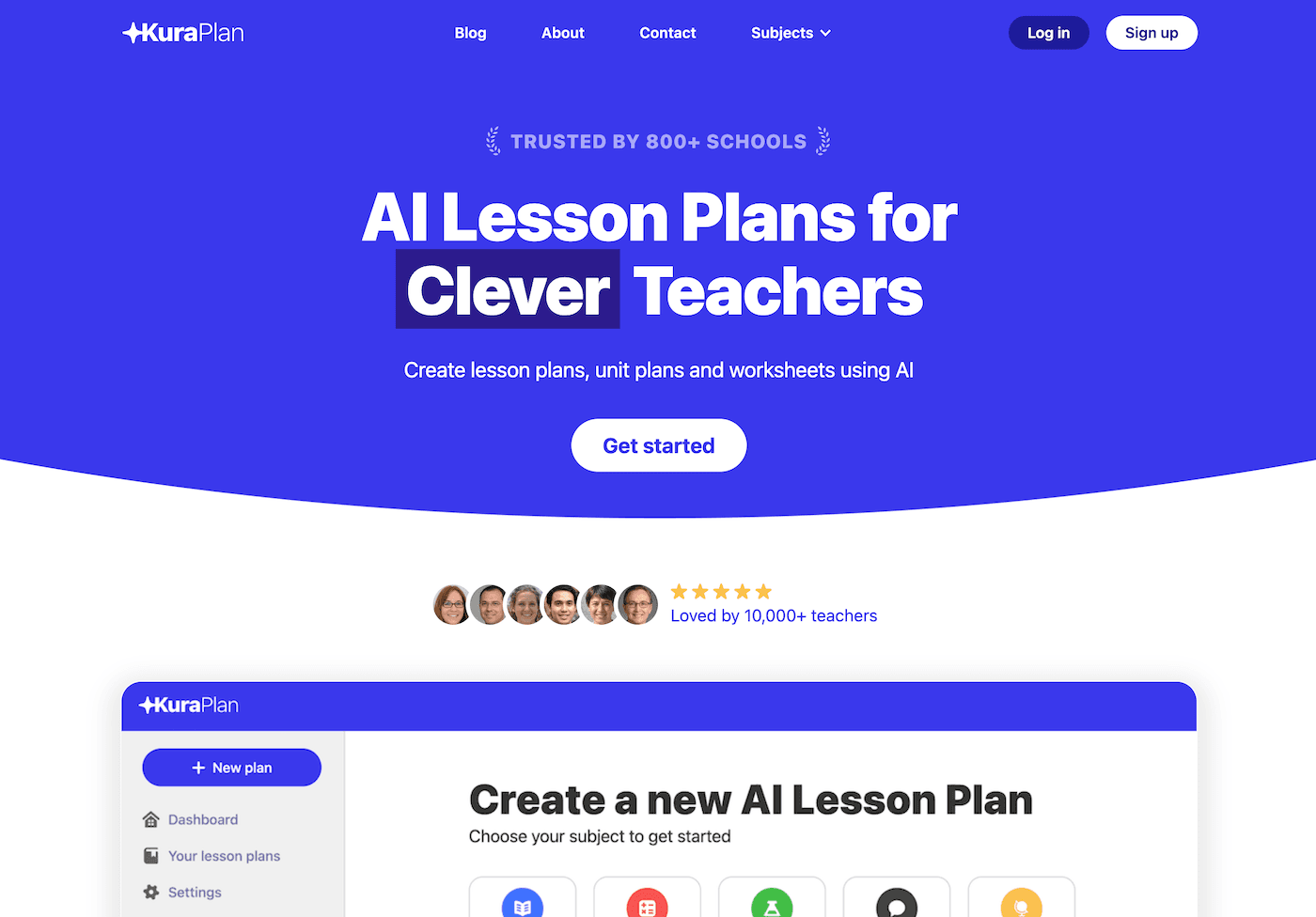
3. Diffit — Bring New Sources Up to Speed Fast
You know how it goes: new class, new passions, new resources—but only a fraction fit everyone. Diffit became the linchpin for keeping my constant content switch-ups sustainable. Whenever a student brought me a podcast transcript, a breaking news story, or a Wikipedia tangent (I have strong feelings about those), I Diffit-ed everything. One click, and the content was accessible for three reading bands, with vocab and discussion prompts built in. Suddenly, bursts of curriculum change didn’t threaten inclusion, and I could say YES to way more student proposals—without sacrificing understanding or prep hours.
Try Diffit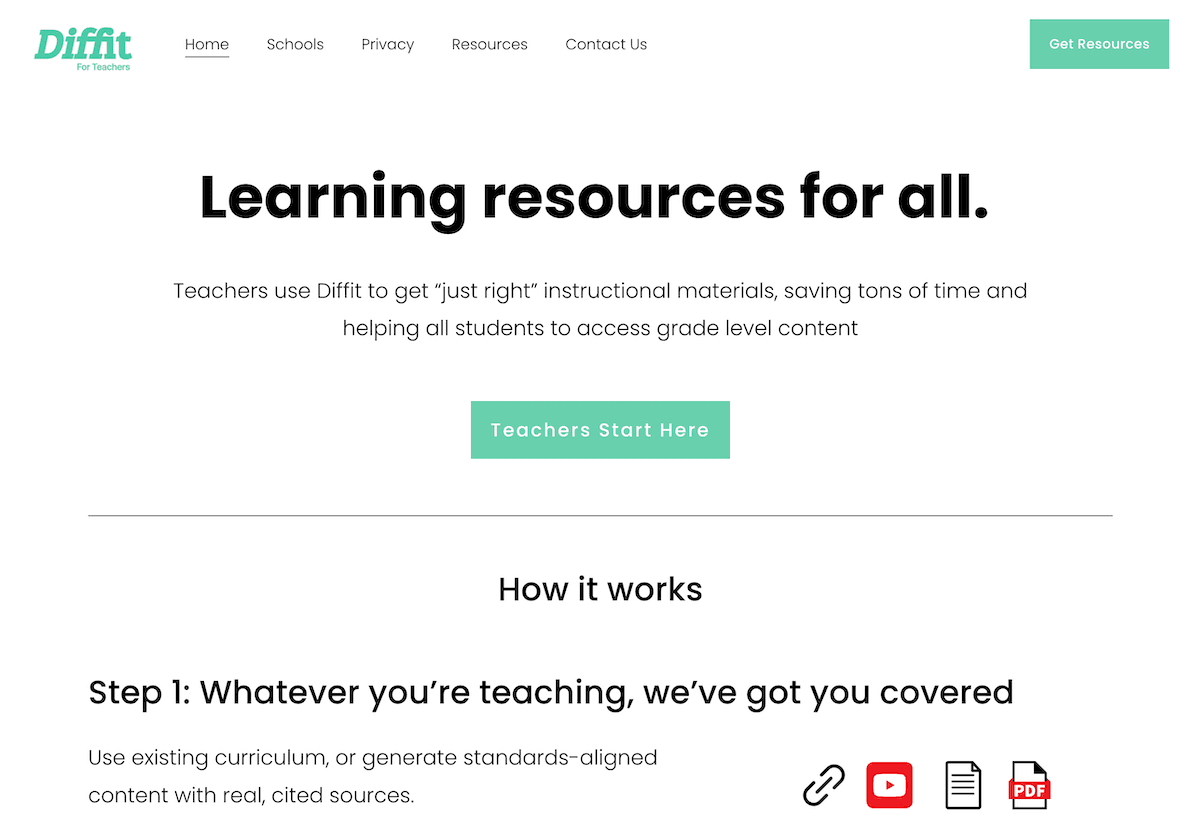
4. Jungle — "This Year’s Deck" Rituals
Most review games celebrate the questions you planned to be important. Jungle lets your students—and you—remix what really mattered, every single cycle. I started the tradition: after every big project or mini-unit, students each wrote one card for “what confused us,” “what we wish last year’s class told us,” or “biggest curveball.” Jungle’s AI curated these into evolving decks for review day, team trivia, or even teacher-vs-class showdowns.
Here’s the kicker: we archive decks every year and open the next cycle by playing “last year’s mysteries.” True continuity for the ever-changing class—and built-in encouragement for innovation, not just compliance.
Try Jungle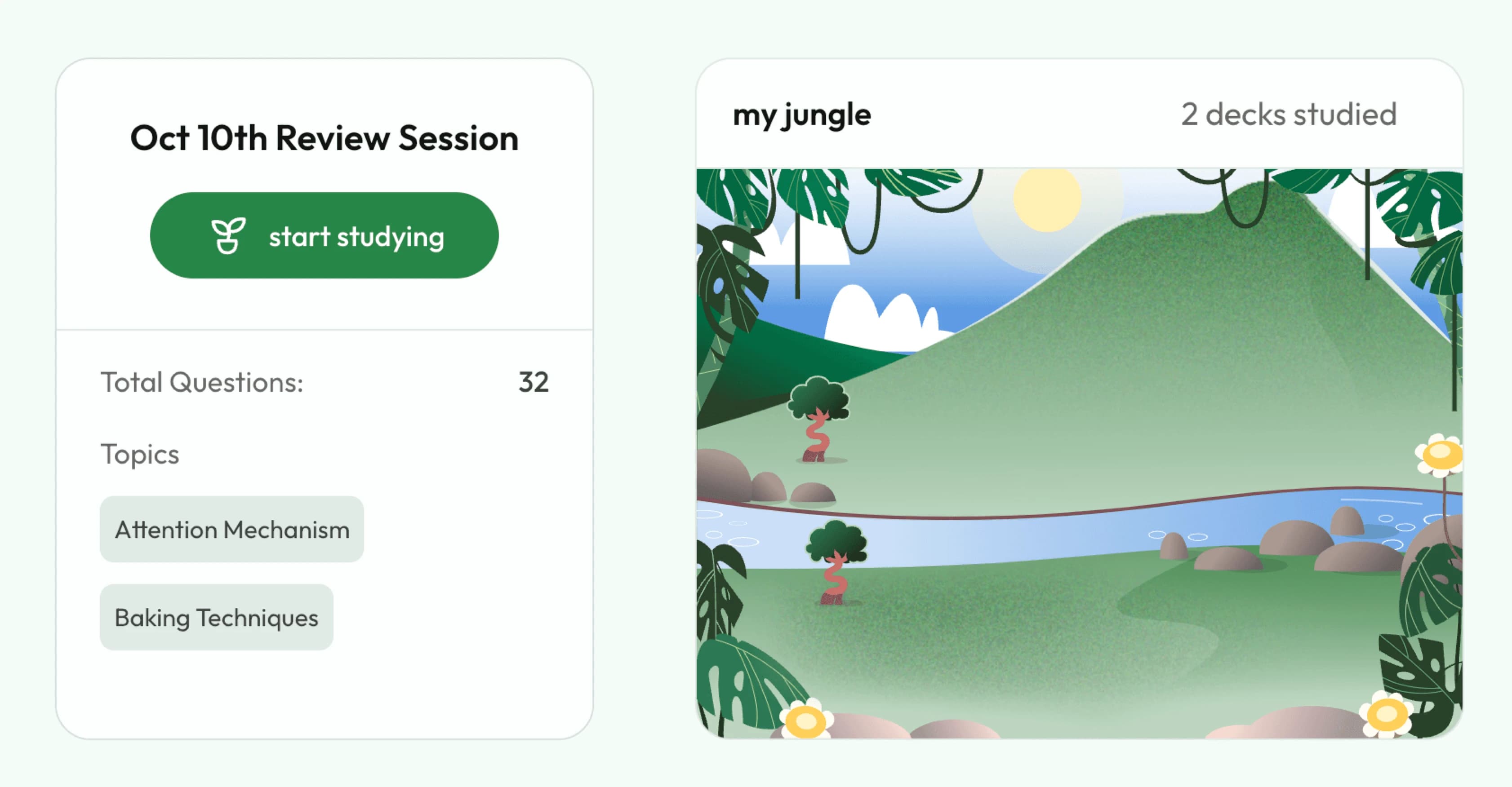
5. Magicbook — Publish (and Remix) Student Work Like Never Before
If you relaunch projects each year, you’ll know the heartbreak of lost student work—or the dread of having to update another dusty folder. Magicbook became my solution: when we closed each book club, science investigation, or community campaign, every student contributed a process page, favorite learning quote, or next-step dream. Magicbook auto-published a digital anthology, allowing us to share work beyond the classroom and remix best-of’s into new genres next term—this year’s process journal could seed next year’s launch.
Publishing became less about perfection, more about making each cohort’s story matter. Students now demand to see last year’s anthology at launch—then race to leave their mark for the next group.
Try Magicbook
6. Suno AI — Rituals for Marking Every Novelty
Annual reinvention deserves tradition, too! Suno AI became our “here’s to new beginnings” anchor. At project launches, pivots, and wild experiment weeks, groups pitched Suno prompts (“Song for never recycling last year’s plan,” “Chant for the big debate risk,” “Anthem for Friday’s tangent marathon”). Suno’s instant, class-authored tracks become our playlist for every unique journey.
By April, my students identified themselves by their rituals—“We’re the brainstorm ballad class!” The point? Every cycle gets its own culture; repetition is out, joyful newness is worth celebrating together.
Try Suno AI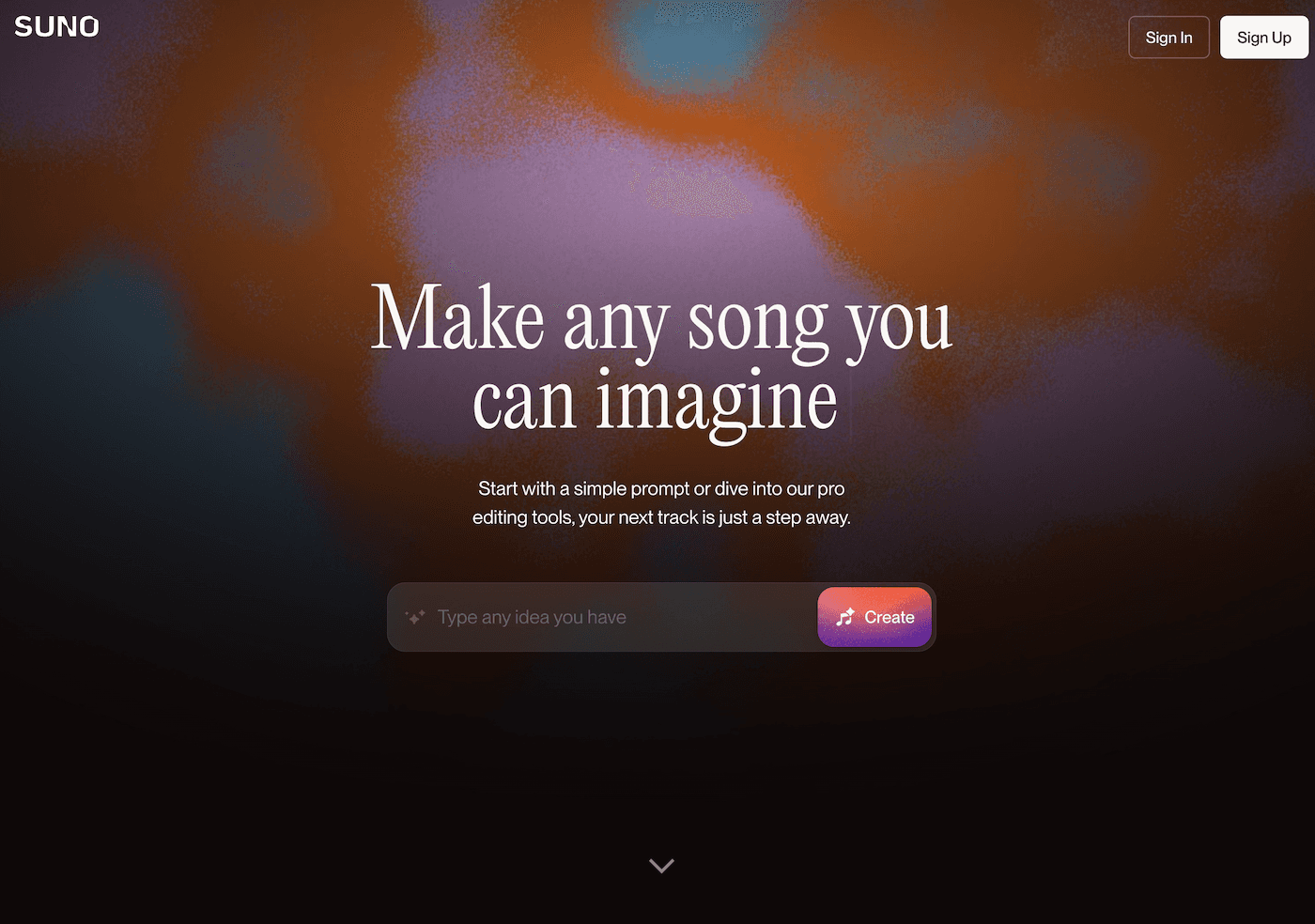
Teacher Tips for Habitual Reinventors (from One of Your Own)
- Archive change as you go: Gamma and Magicbook let your lessons live beyond this year, turning every cycle into a resource for the next.
- Use editable plans, not just plans: Kuraplan works best when last year is only the starting point.
- Make review and publishing collective and reflective: Jungle and Magicbook hand the narrative to your class, not just your planner.
- Honor (and share) the ritual of change: Suno makes pivots visible and fun, not just admin headaches.
Are you a curriculum remixer, unit re-inventor, or lesson innovator at heart? Drop your annual-update ritual, student legacy hack, or AI system for making change joyful below. Tomorrow’s best lessons haven’t been written yet—let’s keep rewriting together.