6 AI Tools for Teachers Who Crave More Autonomy
I’ve always been the type of teacher who likes to shut the door, get a little messy, and trust my gut more than the pacing guide. My best lessons come from improvising, not following district scripts—and sometimes that means admin side-eye or wondering if there’s a way to get a little more breathing room.
This year, though, I finally leaned into AI—not as a way to automate everything, but to buy myself (and my students) more freedom. I went looking for tools that don’t tell me exactly what to do, but give me enough structure that I can focus on real learning, not jumping through hoops. Here are 6 surprisingly powerful AI helpers every autonomy-loving teacher should try. Each one is a little off the beaten path, and yes—Kuraplan is in the mix, but it’s not the only hero for this job.
1. Gamma — Student-Directed Portfolios Without Micromanaging
If your room is more project gallery than worksheet pile, you know how easy it is to drown in student Google Docs, lost slides, and twenty email threads. My favorite hack:
I let kids drop their notes, sketches, and research links into Gamma, and the tool instantly shapes them into a tidy, visually-organized slideshow (or website, or digital portfolio). The key is that students own the story—they can drag, edit, or debate what stays. I do less corralling of format and can finally focus on the substance. Bonus: on open house night, parents see an authentic view of student work (chaos and all).
Try Gamma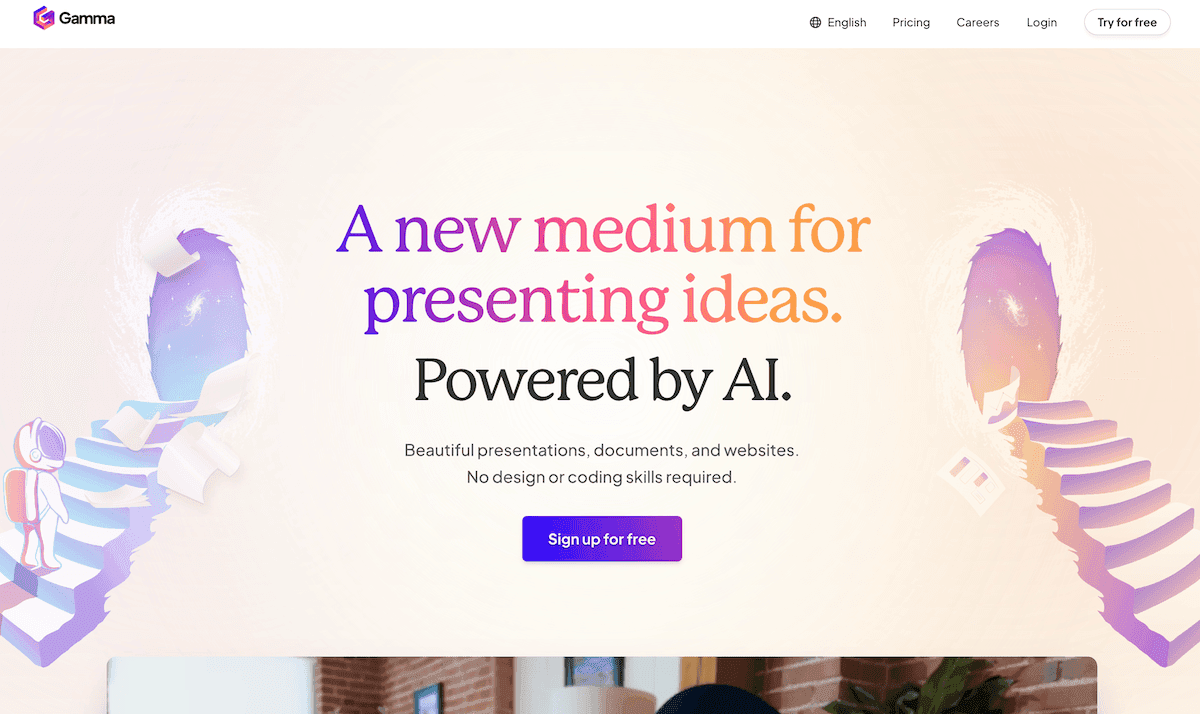
2. Kuraplan — Guardrails, Not Handcuffs
I was skeptical (every teacher has seen an AI planner that tries to turn you into a robot). But here’s the magic: Kuraplan lets you sketch out your real plans—your big ideas, student-driven projects, or wild-card units—and quickly builds a basic map: when to check in, what to document, where to sequence major milestones. I always treat it as a draft, not a prescription. It keeps my bigger units on track without stealing my creativity. I lean on Kuraplan for projects that need enough backbone to make admin happy, but still let me say yes to class detours.
Try Kuraplan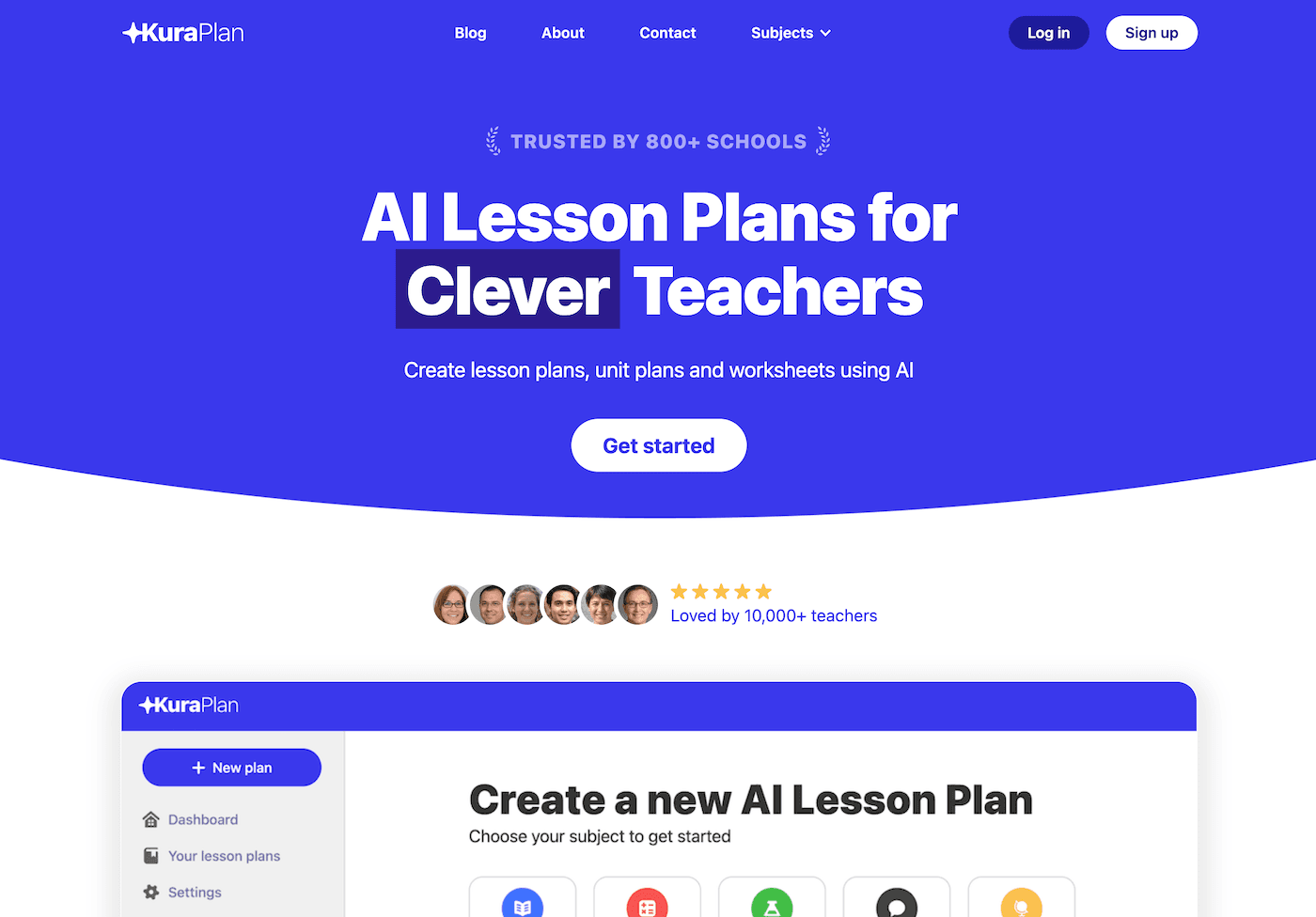
3. Jungle — Student-Driven Review Games (You Don’t Grade!)
Every year, I poorly predict which concepts will stump my classes—a worksheet never fixes it. But with Jungle, students build their own quiz decks after every unit: what tripped them up, what they wish they’d known, the best curveballs. Jungle compiles these into fast, crowd-sourced review games, and tracks where the class trips up. I never assign the same review to everyone—Jungle lets me see, with data, where to double back, all without prepping another packet. (Honestly, the most reluctant students love designing the weirdest questions.)
Try Jungle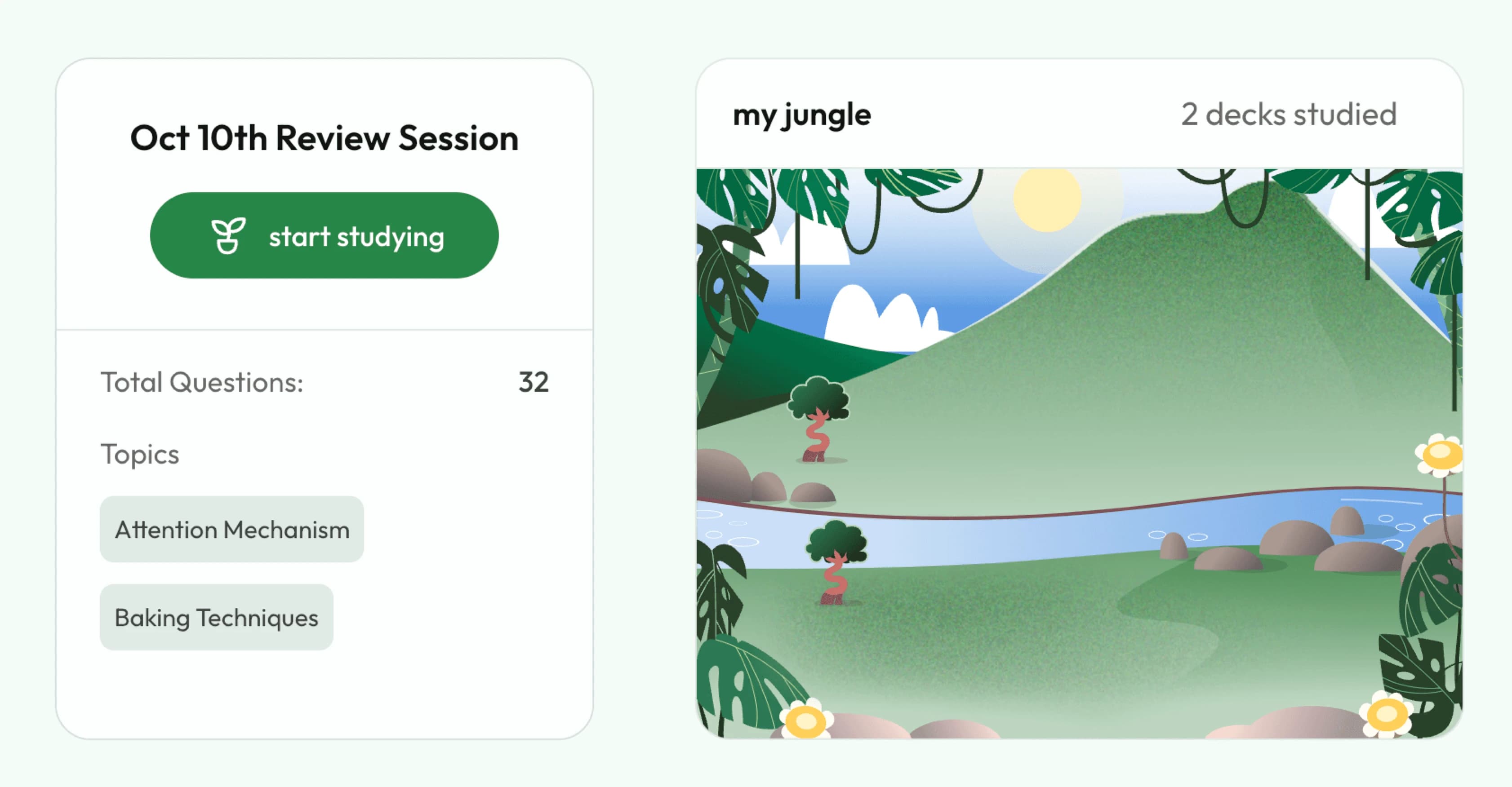
4. Suno AI — Rituals & Class Energy, Made by Students
Classroom rituals are the key to culture, but I am way too disorganized to invent new songs or transitions every week. Enter Suno. My students supply the lyric prompt (“Transition song when class is tense,” “Pump up before debates,” or “Celebrate anyone who tried something new”), and Suno generates a custom tune—fresh, weird, and owned by the class, not by me. The difference: students start to write the rituals, transitions feel less forced, and classroom culture is built, not imposed.
Try Suno AI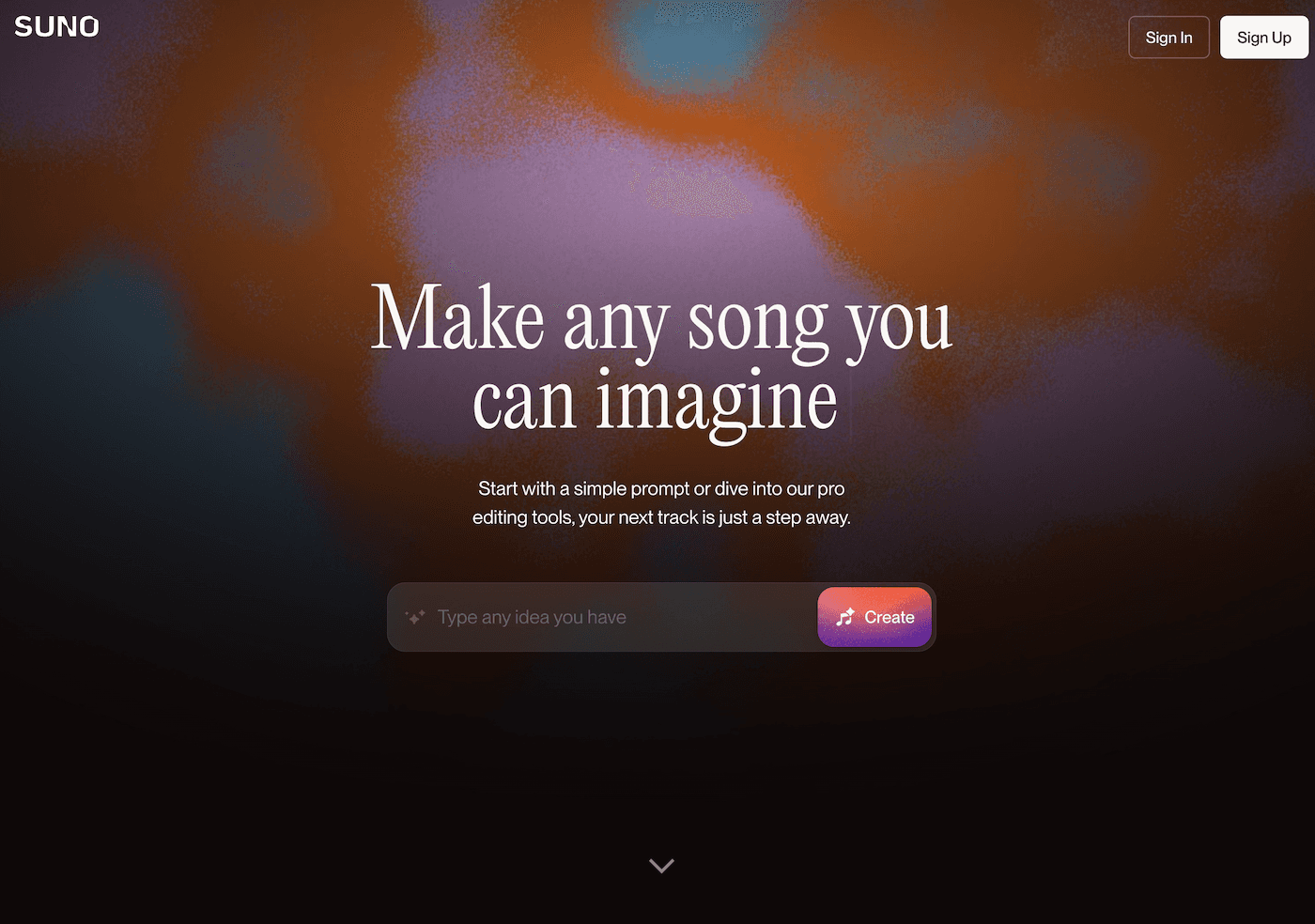
5. Notebook LM — Organizing Chaos for Truly Autonomous Groups
Running student-driven inquiry can devolve into lost notes and half-finished docs fast. I started using Notebook LM as the class "studio": students dump voice notes, news links, research scraps, and wild ideas into shared notebooks. The AI helps them spot connections, cluster themes, and even script Q&A podcasts to present (without me guiding every step). Group work became self-structuring—now their end-of-unit podcasts are more coherent than some of my old projects, and they feel real ownership over the output.
Try Notebook LM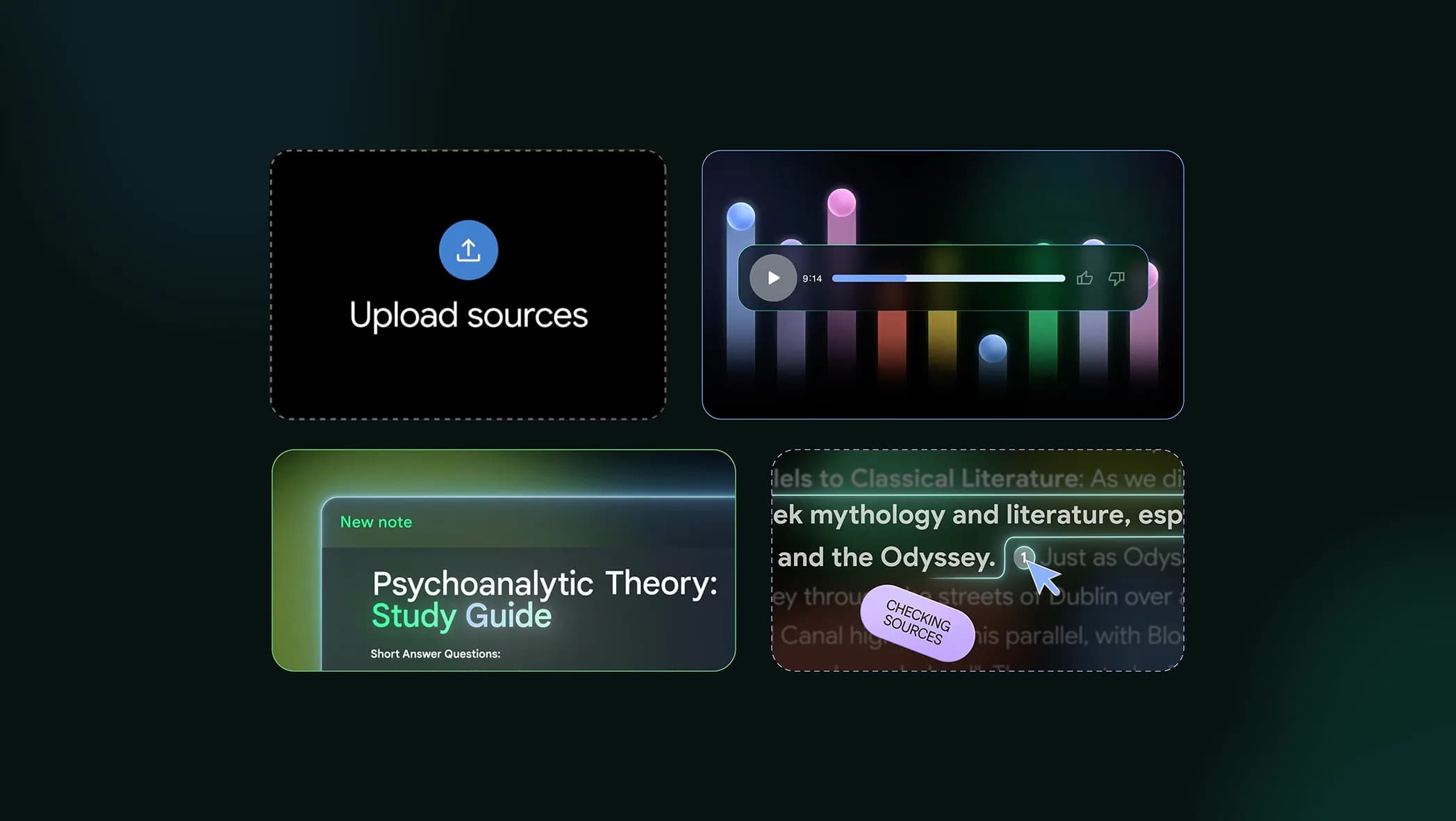
6. Diffit — Differentiation Without the Babysitting
In truly autonomous classrooms, some kids are three levels ahead, others are barely hanging on. Preparing readings for all of them nearly killed me. With Diffit, any student can submit an article or video transcript, and get back (instantly) versions at multiple levels plus comprehension prompts and vocabulary. The tool takes me out of the bottleneck—now, students drive their own learning pace, and I get to coach, not just manage. I use DIffit as my secret for letting reading groups, research teams, or independent learners move at their own speed—no packets, no resentment, just more agency all around.
Try Diffit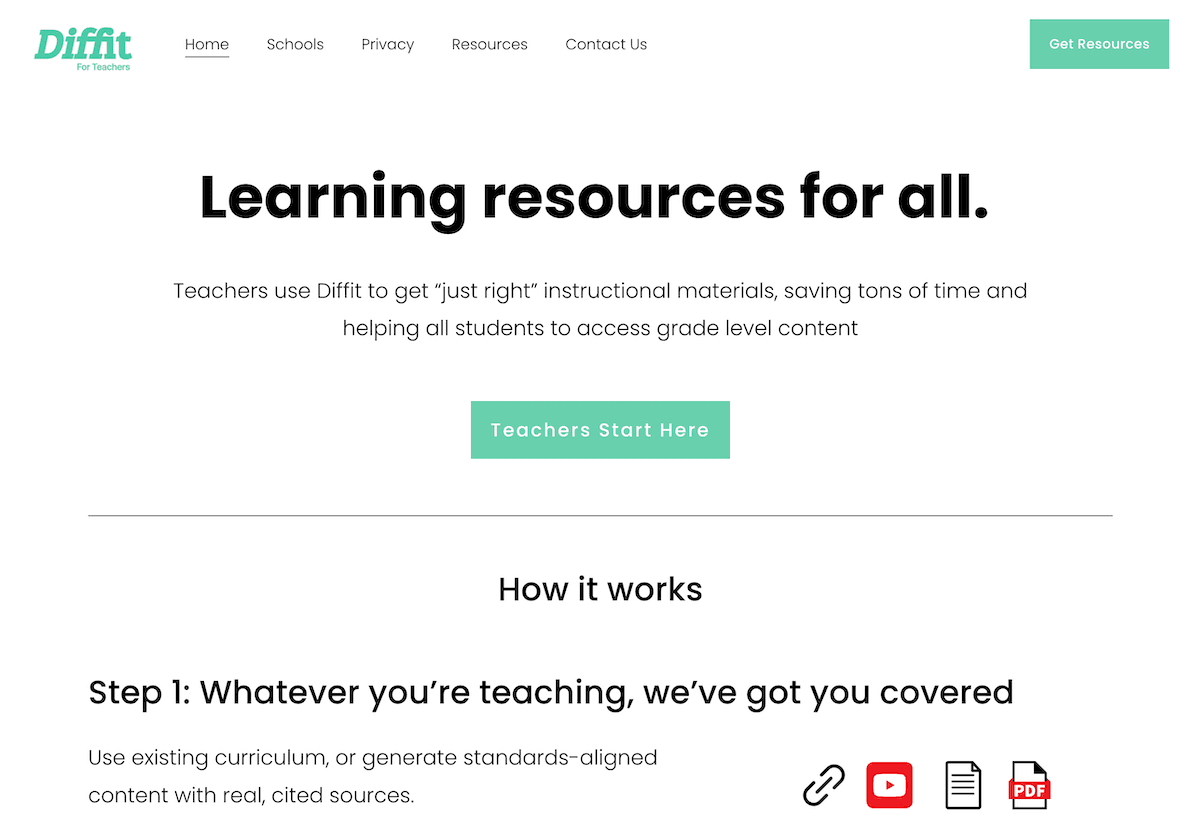
For the Teacher Who Wants the Door Closed (and the Lesson Open)
If you became a teacher for autonomy—not bureaucracy—these tools give you just enough of a runway for your most creative work, while still keeping the wheels on. My honest advice:
- Use AI to automate the overhead, not the heart of your teaching.
- Give your students control of the tools—watch what happens when they run with the autonomy.
- If a tool feels constraining, skip it—the best ones quietly enable your wildest lessons, not stand in for you.
What’s your workflow for keeping classroom freedom alive in 2025? Tried an AI hack your admin wishes they’d thought of? Drop your story, flop, or success below—I’m always looking for more ideas to keep the spark alive (and spend less time wrestling with the system).