6 AI Tools for Teachers Who Love Classroom Rituals
Let’s be honest: structure is what holds a classroom together—but the best days aren’t just about routines. They’re about the rituals that make your space unique: morning meetings, openers, celebration songs, gallery walks before a holiday, and that one pre-quiz pep talk your students ask for even in June. I’m the type of teacher who gets bored following the same plan for too long, but discovered that when my class culture thrived, it wasn’t because I was perfectly consistent; it was because rituals (both planned and unplanned) made school feel meaningful, fun, and genuinely “ours.”
This year, I set out to find AI tools that could amplify my best rituals—not replace them with templates or standardize my classroom. Below are the six apps and creative tricks that made it not just easier to run beloved routines, but revive them every time my energy or inspiration flagged.
1. Gamma – Visual Ritual Boards that Actually Change
Ever get stuck updating the “morning board” or forget to prep for Monday’s class check-in? Gamma let me re-invent our classroom ritual wall: every week, I tossed in fresh student photos, last week’s group wins, silly memes, or reminders for the week, and Gamma spat out a clean slideshow or image board. We projected it by the door every morning—and my class got in the habit of helping build next week’s board every Friday without even asking. Birthdays, themes, surprise gratitude shoutouts, and even daily focus icons ("Wizard Hat Day!") kept our rhythm alive—and admin loved seeing a living classroom culture in two clicks.
Try Gamma
2. Kuraplan – Rituals as Editable Weekly Anchors
It took me three years to realize: my best “morning meeting” routines lost their power when they got stale. Kuraplan became my ritual backbone, not just my planner: I mapped out a flexible four-week cycle, deliberately building in anchor points (journal launch, gallery walk, silent group read, parent check-in drop) and flagging one “wild card” ritual slot a week for a new experiment. Kuraplan’s editable nature means we shuffle, drop, or remix rituals with student feedback—but never lose our structure. My class now votes on our next ritual each month, and families are actually in the loop (before I forget the reminder email for the third time…).
Try Kuraplan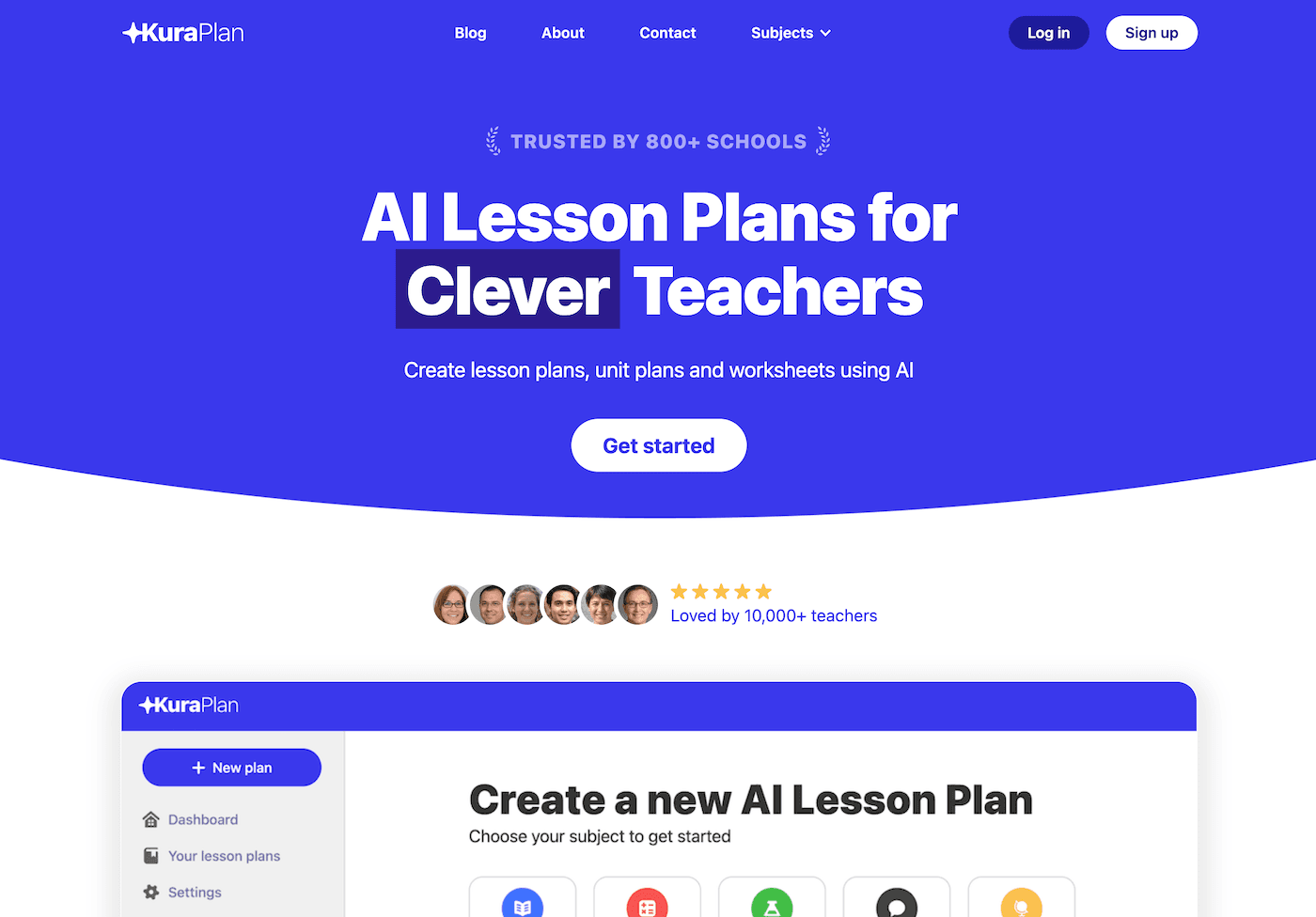
3. Suno AI – Evolving Classroom Soundtracks
It’s no secret: music is the quickest way to flip the energy in a crisis, but most playlists get old by Halloween. Suno AI let me and my class make custom soundtracks—opening anthems, “Monday blues reset” songs, seasonal celebrations, and even “good luck on test” tracks, all built from student-written prompts or inside jokes ("Song for the day the Wi-Fi died"). New tunes every week kept routine transitions joyful, totally fresh, and completely ours. I now have a folder of “classroom greatest hits” where students compete to get their prompt picked for next ritual.
Try Suno AI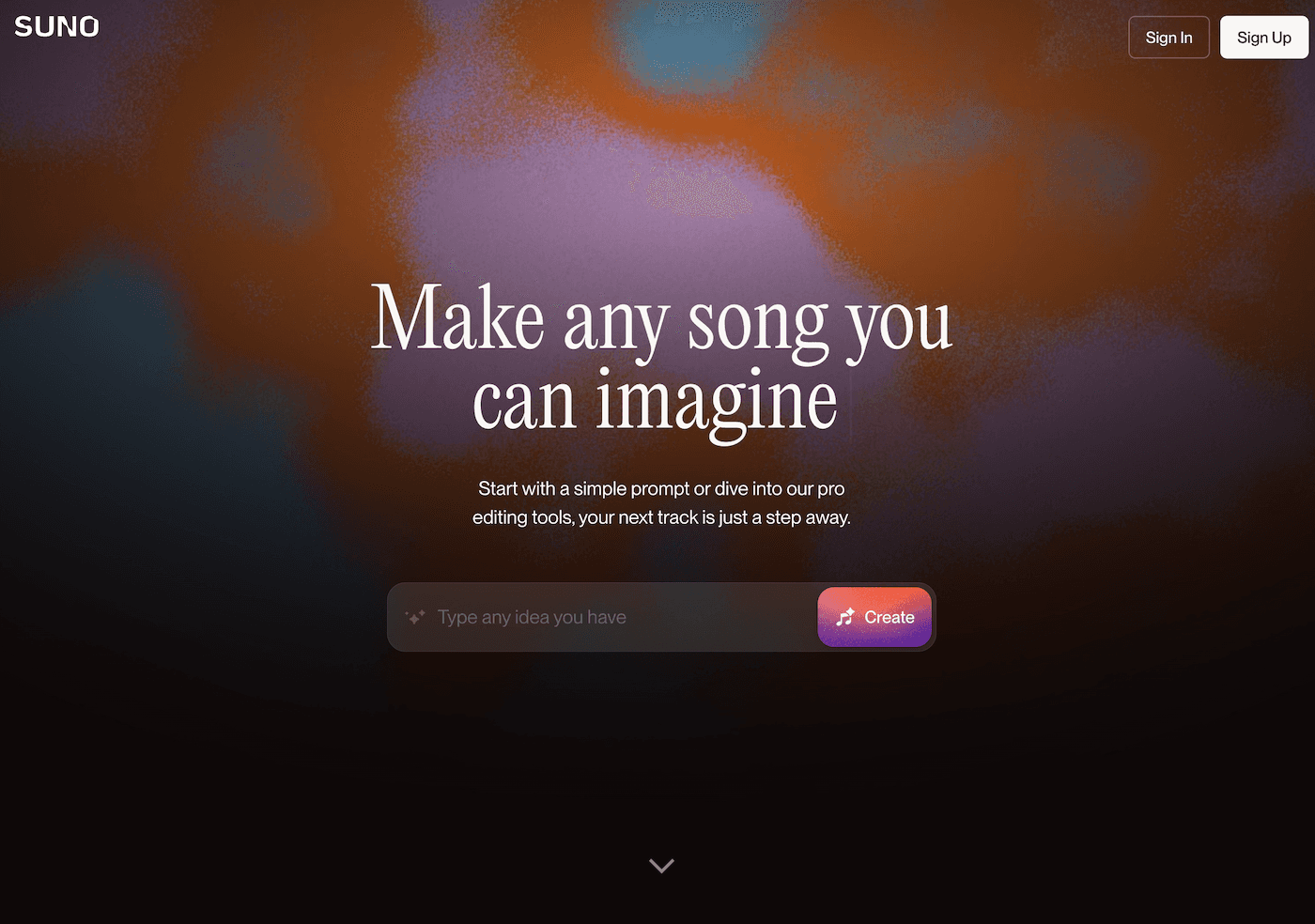
4. Magicbook – Ritualizing Reflection and Celebration
Unit and project closures work best when they’re a whole-class event. After a tough project cycle, big seasonal win, or class milestone, my students started making “class anthologies” on Magicbook: every student submits a single page—a drawing, a quote, a joke, or a blink-and-you’ll-miss-it learning moment. Within minutes, Magicbook turns it into an illustrated, digital keepsake to archive or send home. Now, every semester has a few published rituals that celebrate our journey together, and even the shyest kid gets a place in the class story.
Try Magicbook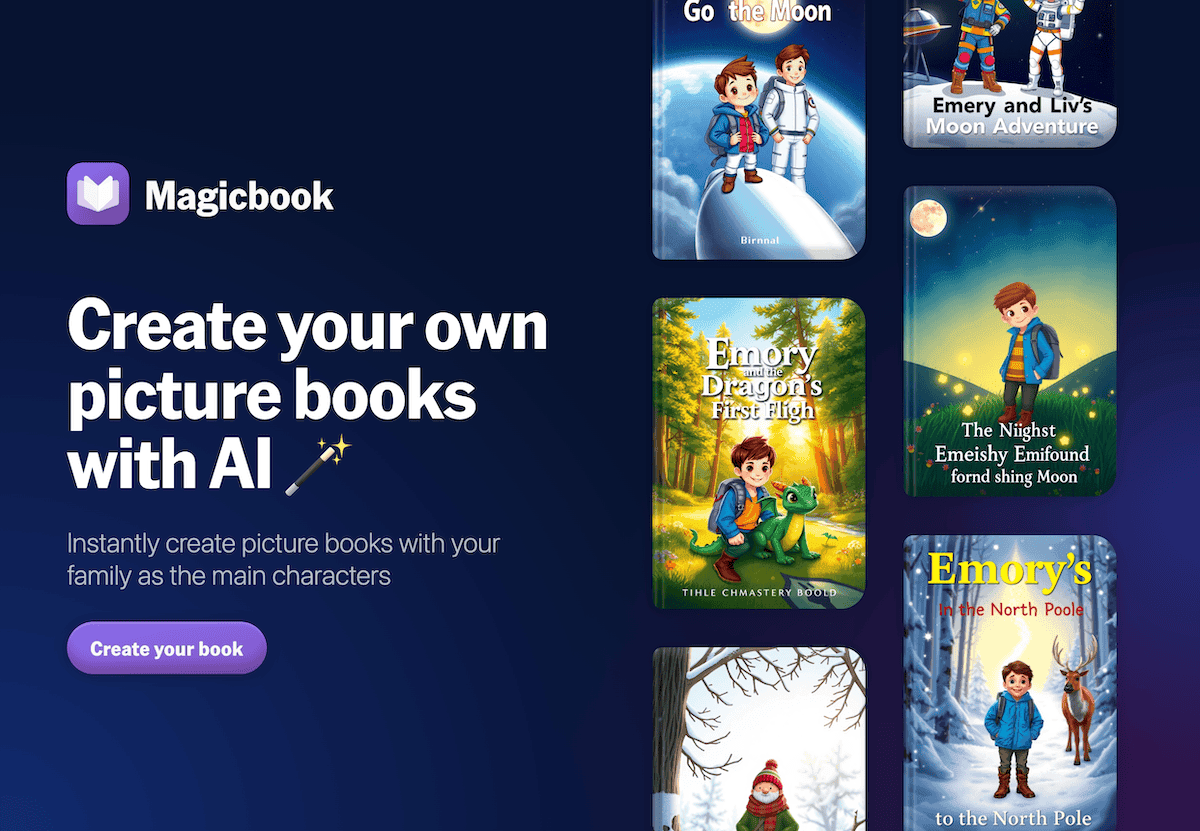
5. Jungle – DIY Check-Ins and Ritualized Review
Traditional exit tickets eventually die from monotony. With Jungle, I let students crowdsource new reflective prompts every week—"Most unexpected win," “Best group mishap,” "One thing that should be our next ritual." Jungle autogenerates decks we pull for entry tickets, group games, or transitions when a lesson veers into chaos. More than once, a Friday ritual created in Jungle turned into a beloved Monday check-in… and my students took more ownership with every round.
Try Jungle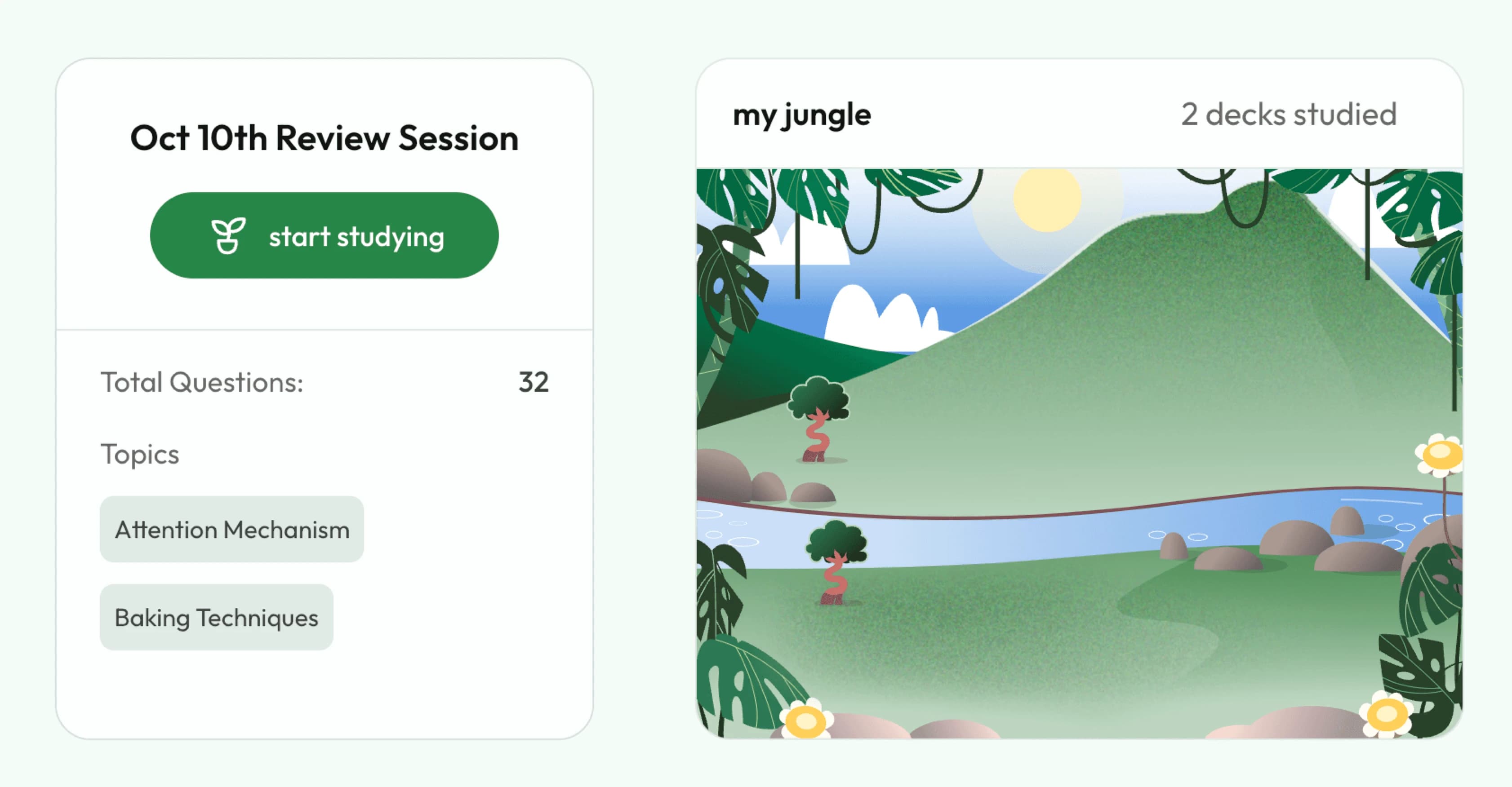
6. Diffit – Making Ritual Reading for Everyone
In a diverse class, my favorite routine (Mystery Article Mondays! Festival Story Friday!) would sometimes fizzle because not everyone could access the main resource. This year, Diffit became my anti-exclusion hack: I pasted in whatever article, poem, or family tradition story we were using, and Diffit turned it into three reading levels (plus vocabulary and discussion questions). Now, classroom rituals—shared reading, collaborative annotation, even debate launches—are open to every level, every time, without me staying up late rebuilding packets. My favorite workflow: let students propose new sources for our next routine.
Try Diffit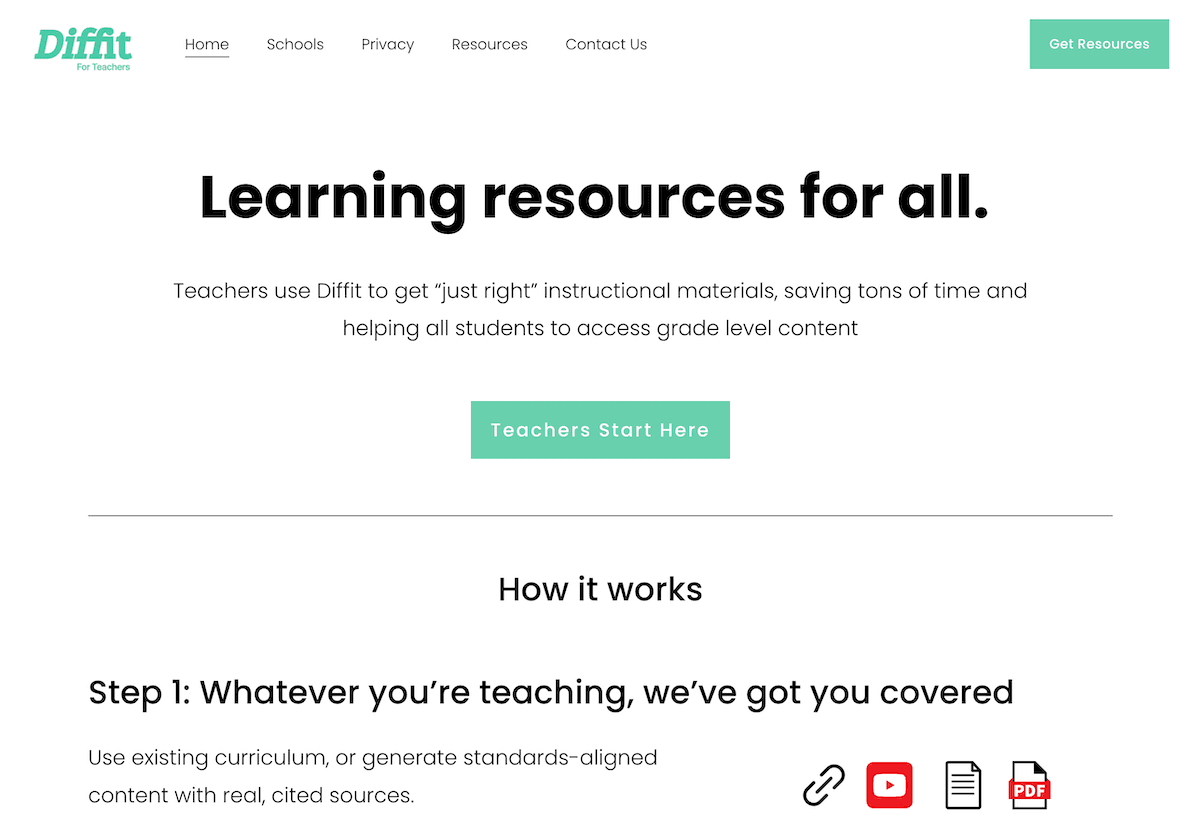
Honest Tips for Reviving—Not Standardizing—Your Rituals
- Change your rituals with the seasons, student interests, and school mood. AI shouldn’t make every Friday sound—or look—the same.
- Let your class co-author at least one ritual: a weekly soundtrack (Suno), crowd-sourced review deck (Jungle), or visual memory board (Gamma) makes routines feel owned, not imposed.
- Archive everything: Magicbook and Gamma let you look back, reflect, and re-inspire. Even “flopped” rituals become learning stories.
- Use Kuraplan to make structure flexible—build in routines, but give yourself and your class permission to experiment.
- Share your ritual wins! Rituals are for joy, not just efficiency—if a certain playlist, Gallery Walk, or Thursday Community Story ritual fired up your year, drop a tip (or playlist) below. Let’s help each other keep teaching alive, one tradition at a time.