AI Tools for Teachers Who Coach Student Leaders
If you’re the teacher who stays late for student council, sponsors leadership seminar, or spends half your spring prepping for elections, pep rallies, or student-led conferences—this post is for you. You know: teaching leadership is about far more than Robert’s Rules or “planning an assembly.” Every week brings new challenges to organize, empower, and, yes, rein in a wild crew of students building their own mini-democracy right in your classroom.
Traditional edtech rarely fits. But this year, I set out to find AI tools that work in the chaos of student leadership: tools that help teens run their own events, make their voice public, or take full ownership of projects (with less scrambling for you). Below are the six I now rely on—each a lifeline for the messy, high-agency, real-world work of building the next generation’s leaders. And yes, you’ll find
Try Kuraplan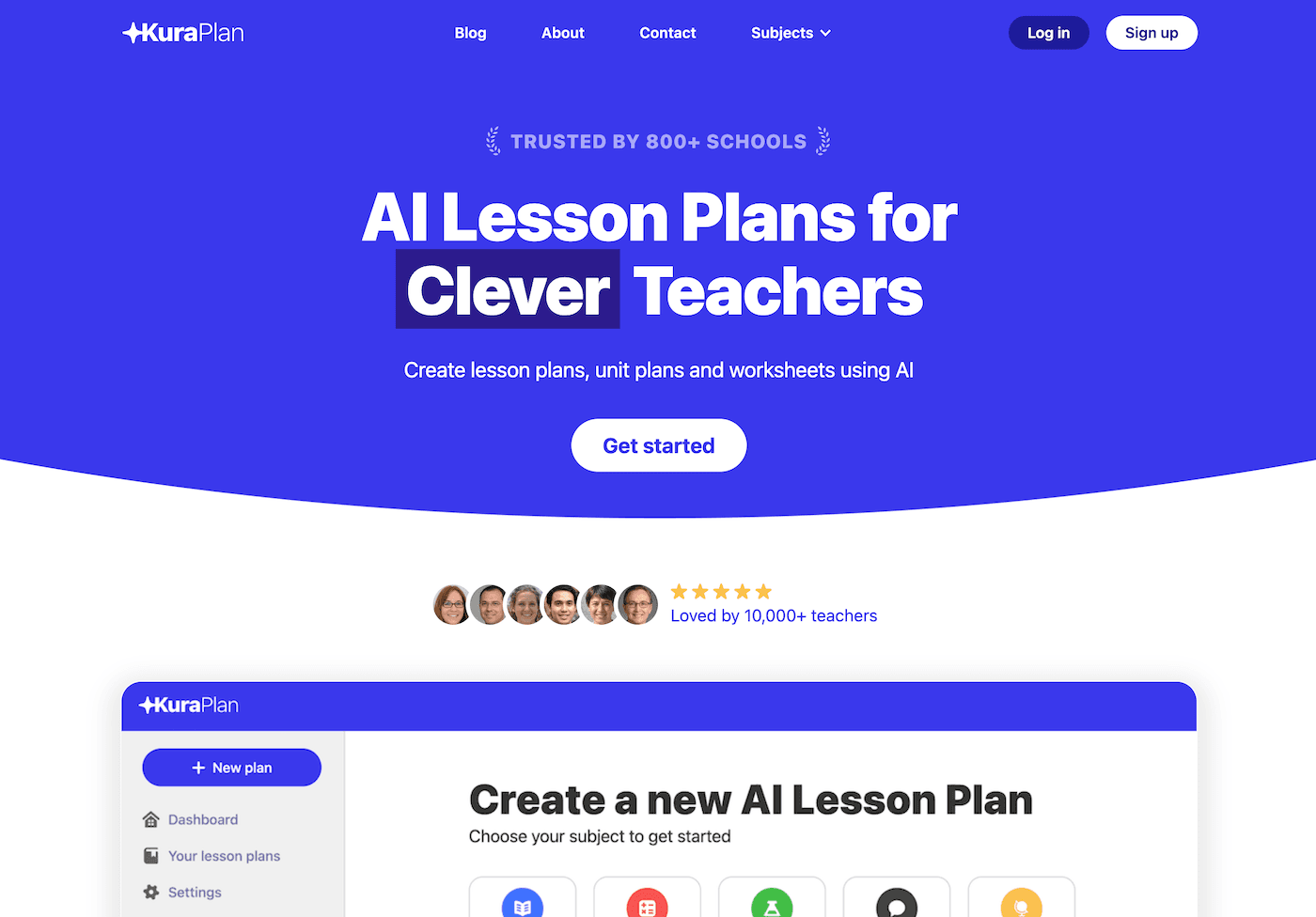
in here—because when three committees need timelines (yesterday), it’s a genuine rescue—but it’s not the headline act.
1. Notebook LM – Making Student Voice Unmissable
The big risk of leading a council or leadership class? Student energy goes everywhere—meeting notes, sticky notes, Google Docs, text-message brainstorms. Most ideas fade before they go anywhere. Now, we pile everything (minutes, campaign ideas, rally slogans, "future event" pitches) into Notebook LM. The AI pulls out themes, builds action item lists, and even suggests podcast scripts for leadership reflection (perfect for those who dread another PowerPoint). Our crew now records end-of-term “State of the Council” podcasts, and every class voice shows up—especially the quiet problem-solvers.
Try Notebook LM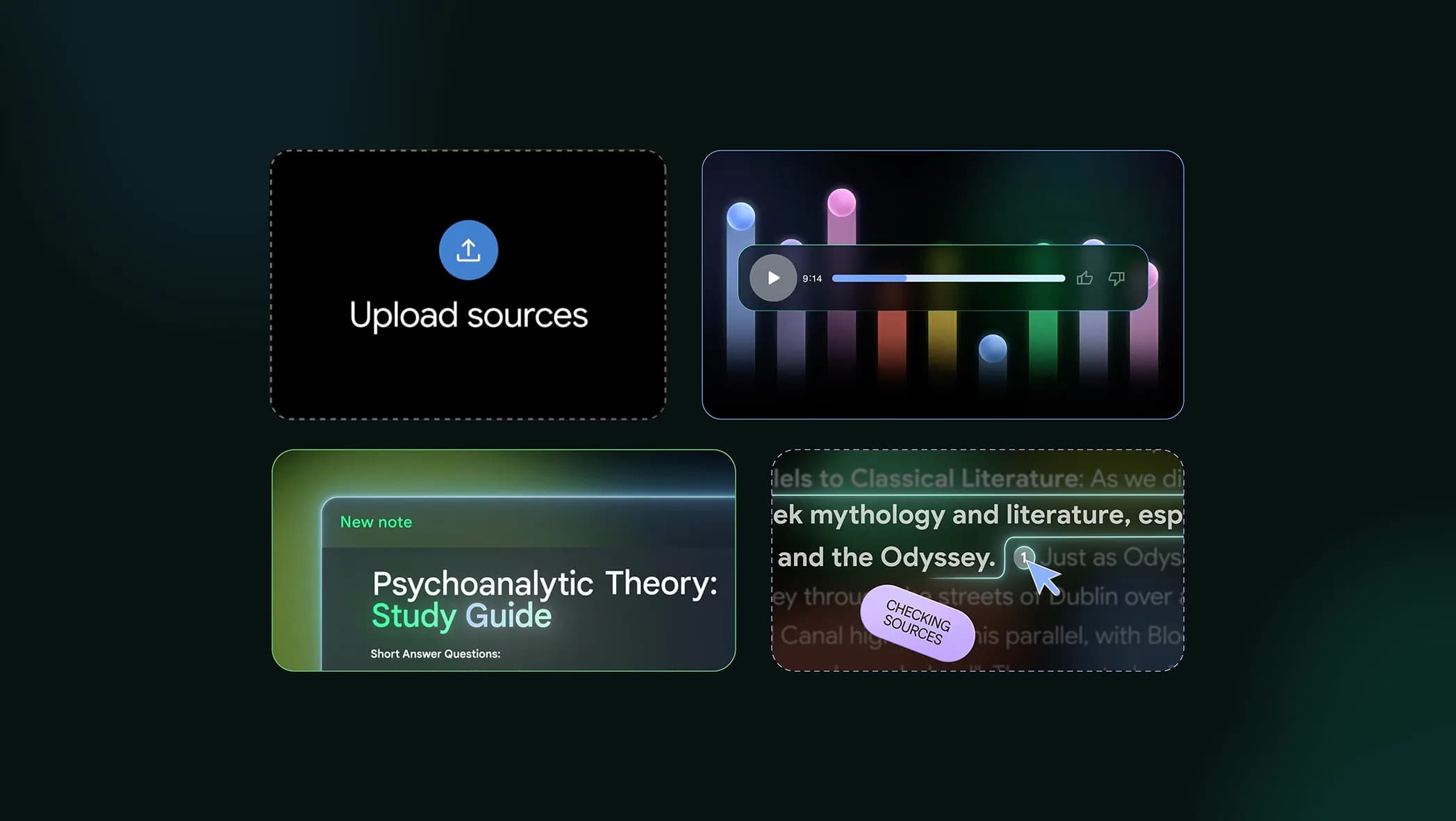
2. Gamma – Event Showcases & Campaign Storyboards
When student leaders want to promote a new initiative, run a fundraiser, or document spirit week, Gamma is our secret weapon. Students drop in photos, brainstorm notes, campaign graphics, and Gamma auto-builds beautiful, interactive event slideshows—perfect for club Instagram updates, morning announcements, or board presentations. Bonus: I make every committee use Gamma to debrief each event (what worked, what didn’t)—and our council archive has never looked better (or been easier for new officers to browse).
Try Gamma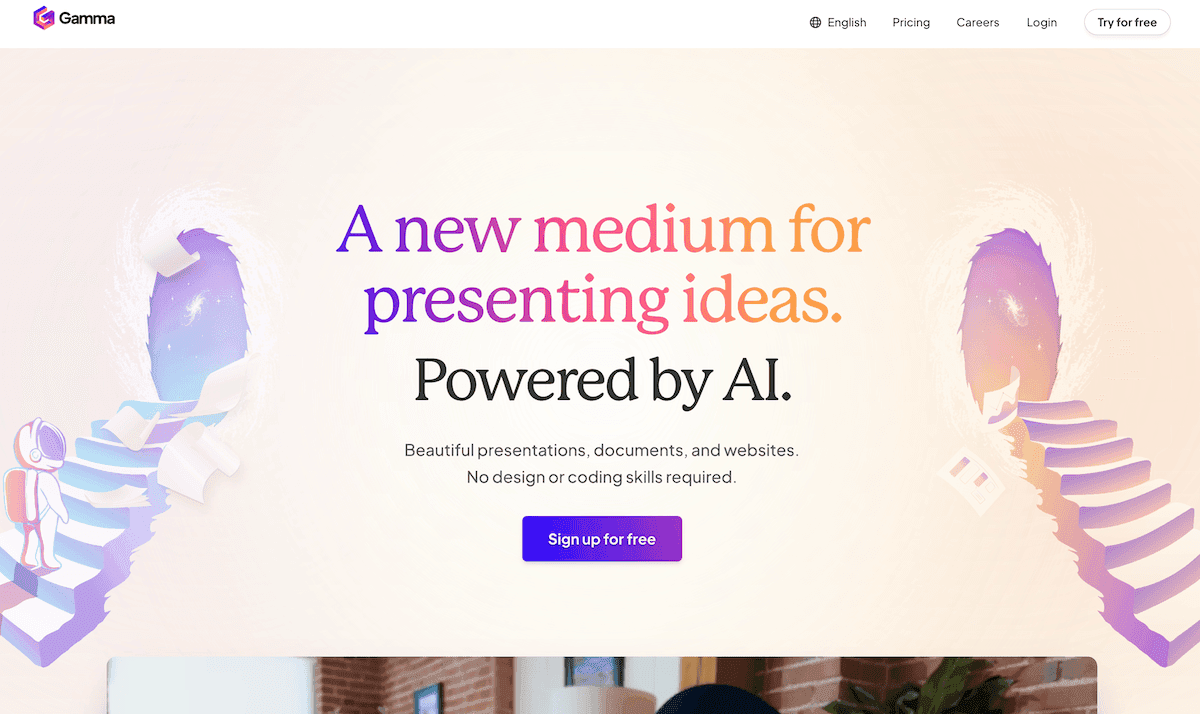
3. Kuraplan – Multiple Project Timelines Without Losing Your Mind
Student leaders tend to work in committees—each on their own event, somehow overlapping with Homecoming, Club Rush, and three advocacy projects at once. Instead of writing a dozen separate checklists, we use Kuraplan as a project backbone factory: officers input goals, deadlines, and wild ideas; Kuraplan spits out draft step-by-step plans (with checkpoints, permission slip reminders, and suggested parent comms). The hack: committees own their sequence, edit live, and report back each week. I track progress without micro-managing. Most importantly, students learn to backwards-plan, delegate, and pivot—skills they’ll actually use after graduation.
Try Kuraplan4. Jungle – Peer Training and Officer Handoffs
Every spring: outgoing leaders beg to “pass down wisdom,” new officers panic about job details. Jungle is now our living memory: every student leader writes their “biggest tip,” wildest mistake, and best icebreaker/game—Jungle builds flashcard decks for training, onboarding, or pre-camp trivia. Leadership class suddenly hosts real peer-run Q&A, and we use Jungle for brainstorming “problems nobody solved last year” so each council cohort gets a little bit better. I even let parent liaisons and admin add cards—student agency meets real-life context.
Try Jungle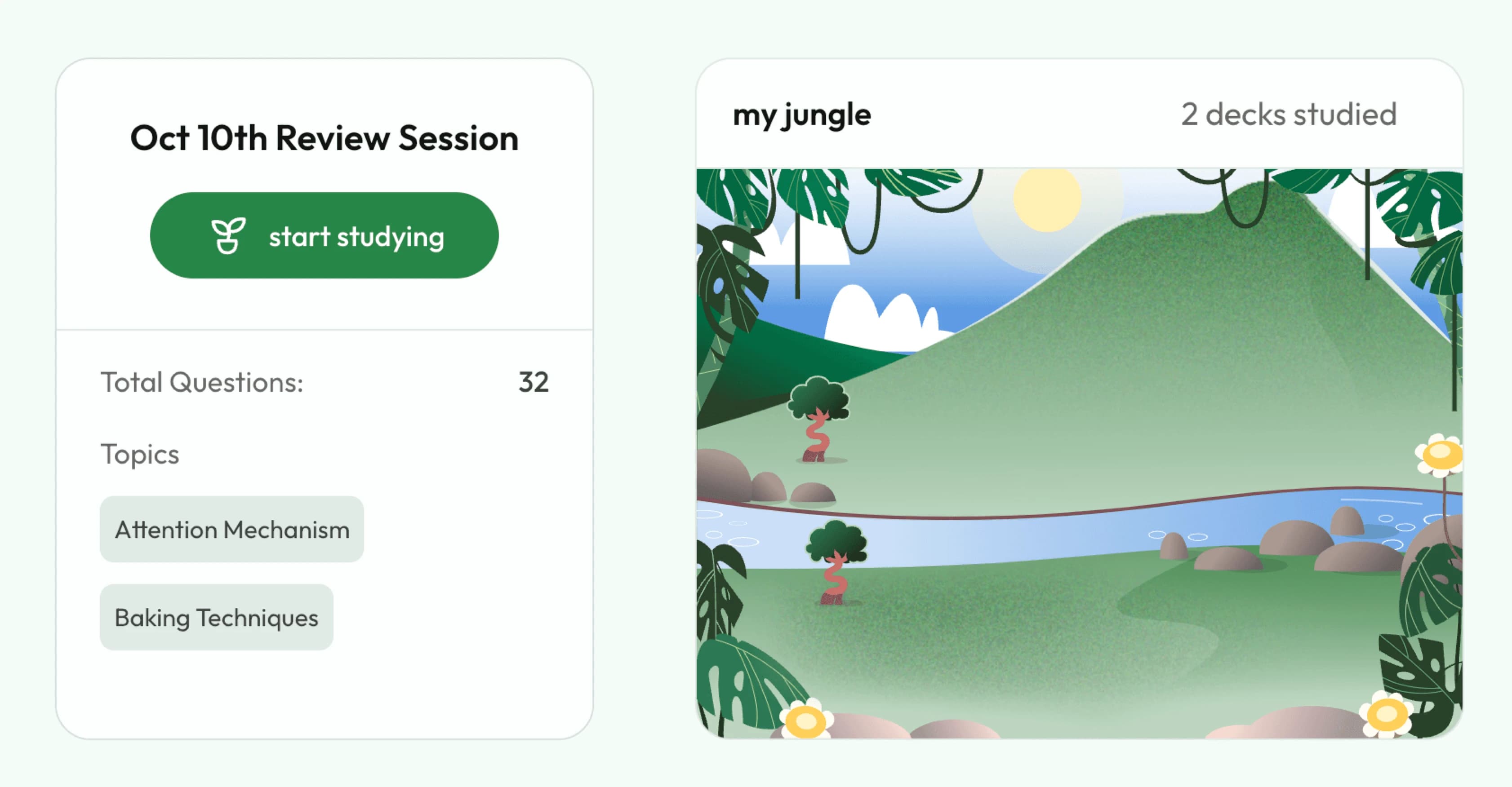
5. Diffit – Equity and Access for ALL Members
Whether you're running a diverse council, cross-grade cabinet, or SEL project, every leader needs material that works for every member (and the wider school, too). With Diffit, students paste in event briefs, advocacy statements, or campaign flyers, and get leveled versions for ELLs, freshmen, or outreach (plus checklists for accessibility). We used Diffit to prep “Meeting 101” guides, translated voting instructions, and even parent night announcements—leadership participation goes up, gatekeeping melts away, and my inbox shrank by half.
Try Diffit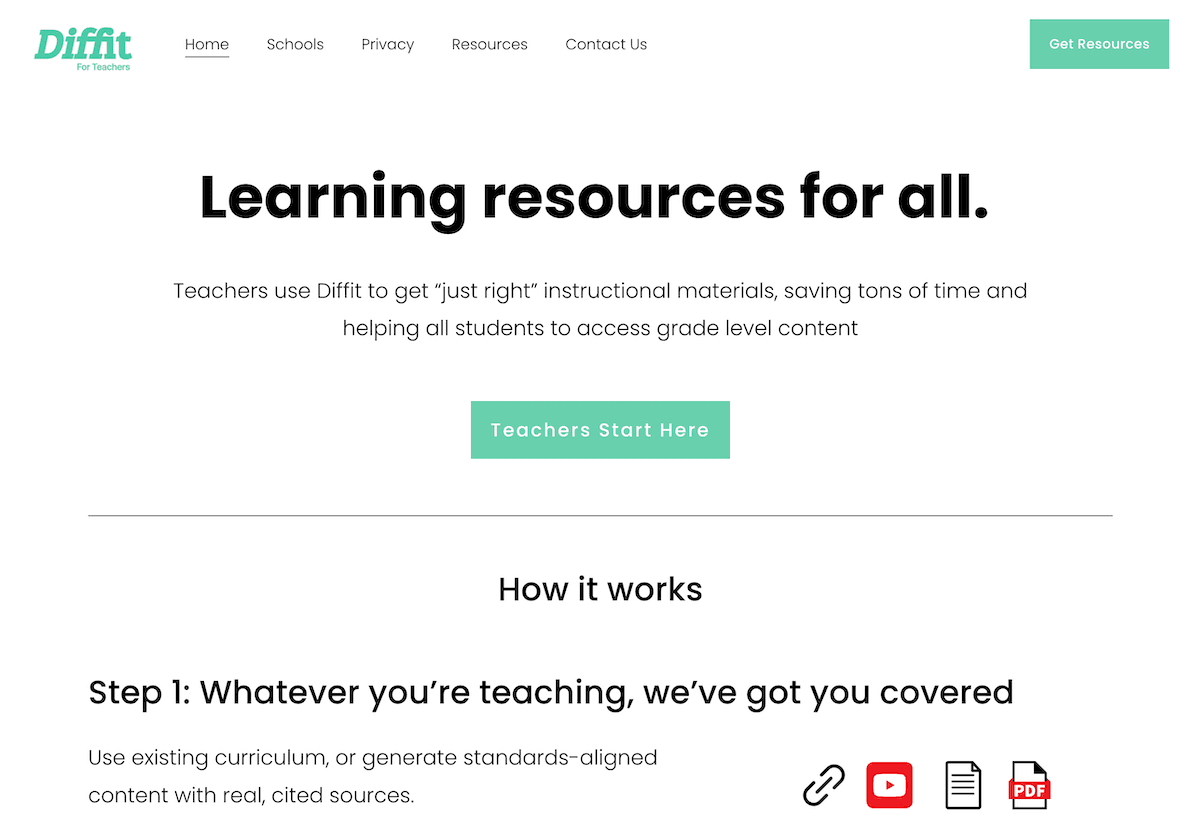
6. Suno AI – Rituals, Hype Anthems, and Election Week Morale
Class spirit and ritual are vital in student leadership—but the playlist gets old, and not everyone wants to run the chant. Now, I let classes, committees, or campaigns crowdsource anthem ideas—“victory song for fundraising goals,” “opening riff for debates,” “pep rally reset anthem”—and Suno generates a new soundtrack within minutes. Students compete for best intro music or event jingle, and the anthems keep everyone energized (with zero copyright headaches). The best? We’ve started making “Goodbye, Seniors” tracks—more memorable than any slideshow.
Try Suno AI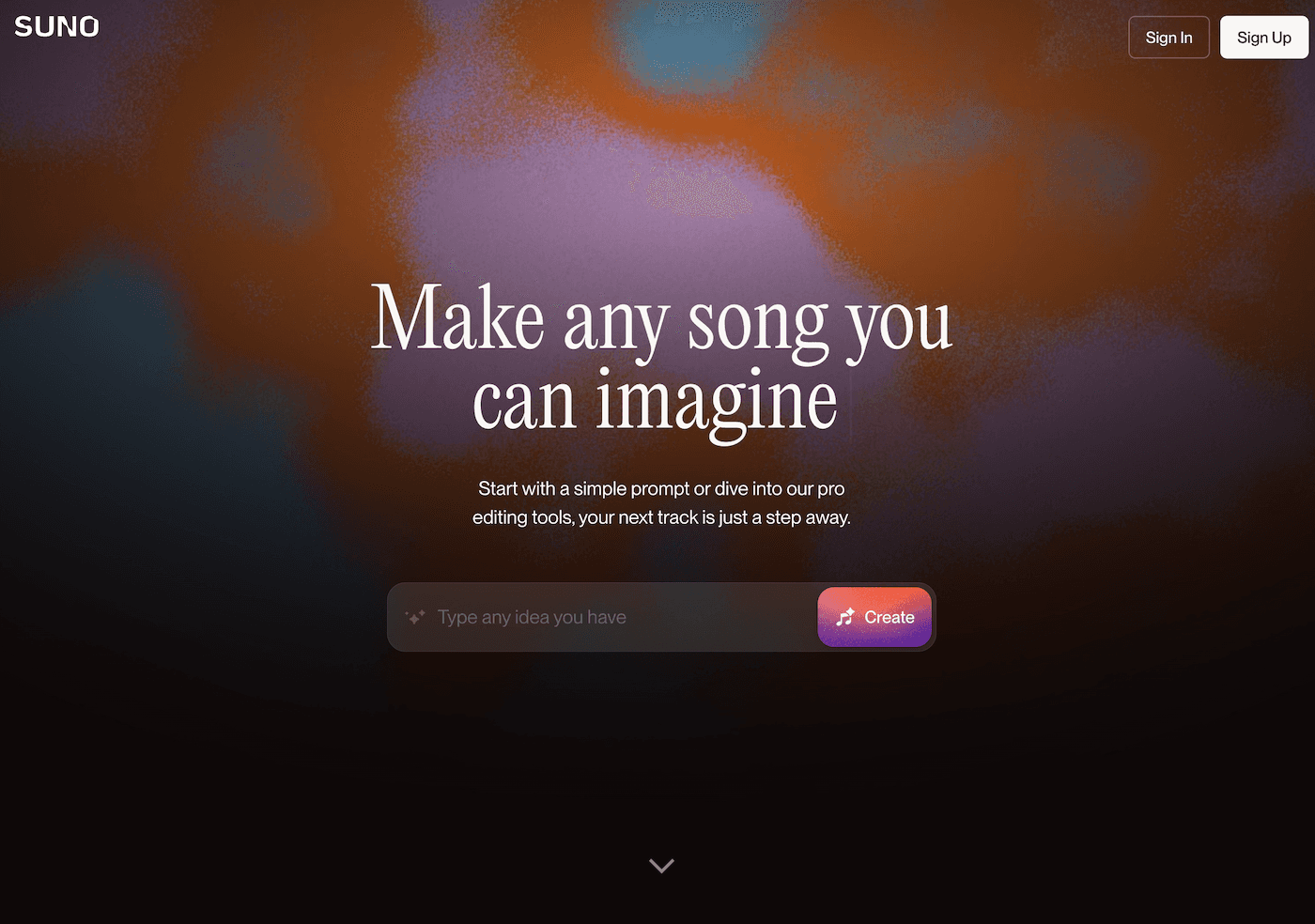
Final Advice for Fellow Student Leadership Advisors
- Empower teens to use every tool directly: real leadership grows when they build, remix, and document their own work (not just present a canned slide deck).
- Use AI for what makes leadership teaching hard: project skeletons, archiving, onboarding, translation—not just repeating “here’s how you plan a dance.”
- Celebrate failure as much as success: let students add “disaster cards,” “worst campaign jingle,” and “almost-canceled event” stories to your archives. It’s learning, not just memory-making.
- Involve admin and parents in the workflow—let them review your council archive, Council FM playlists, or event retros. The more support, the more freedom you get to coach and inspire.
Are you a teacher building a new generation of student leaders—or have an AI workflow that made your council/lab/elective program run smoother? Drop your favorite tool, event hack, or student win below. The job is unpredictable—these tools are your partner, not just your paperwork fixer.