7 AI Tools for Creative Writing Teachers
There’s a certain chaos—and magic—to teaching creative writing. If you’ve ever watched a student crack a story open for the first time, improvise a poem in front of the class, or turn their own struggle into something weird and wonderful, you know: worksheets and templates just won’t get you there.
The devil, of course, is in the details: juggling critique groups, nurturing reluctant writers, publishing zines, dodging recycled plots, and somehow keeping feedback authentic. A lot of "AI for teachers" lists tell you how to automate grading (yawn), but if you want to build a real writing community—honest, vulnerable, and student-driven—AI is getting shockingly good at supporting (not sterilizing) the messy side of creativity.
After a year in the workshop trenches—leading electives, running an afterschool lit mag, and occasionally panicking when my syllabus went off the rails—these seven AI tools let me focus on building writers, not just collecting papers. They make process public, let student voice guide the room, and (yes) actually save you real hours you can spend on feedback, not formatting.
1. Gamma — Storyboarding Wild Drafts in a Click
Nothing derails a workshop faster than a story that “just can’t find its shape”—or a unit project drowned in scattered Google Docs. Gamma became our story architect: students upload notes, brainstorms, and scene summaries, then collaborate as the AI generates a visual story map. We use Gamma to:
- Arrange scenes, try alternate endings, or split a memoir into poetic fragments
- Annotate drafts with notes for feedback (“Add more dialogue here!”)
- Collect group “Choose Your Own Adventure” options as a collective storyboard It’s also the quickest way I’ve found to turn notecard chaos into a plan for our class zine or reading. Suddenly, the shyest students have ownership of structure without losing their weird voice.

2. Kuraplan — Workshop Sequence, Not a Script
Let’s be real: creative writing units resist lockstep pacing. I use Kuraplan at the launch of each session to co-design with students—plug in a major project (“publish five stories or poems,” “audio memoirs,” “collaborative novel”), the main genres we want to hit, and checkpoints for peer edit days, publication prep, and anything we want to try (like flash fiction sprints). Students hack the Kuraplan-generated map live—reordering critique dates, flagging needed "reset days," or dropping in a performance week if the class gets inspired mid-cycle. Result? There’s always structure without feeling boxed in, and admin loves that the spine is visible through all our plot twists.
Try Kuraplan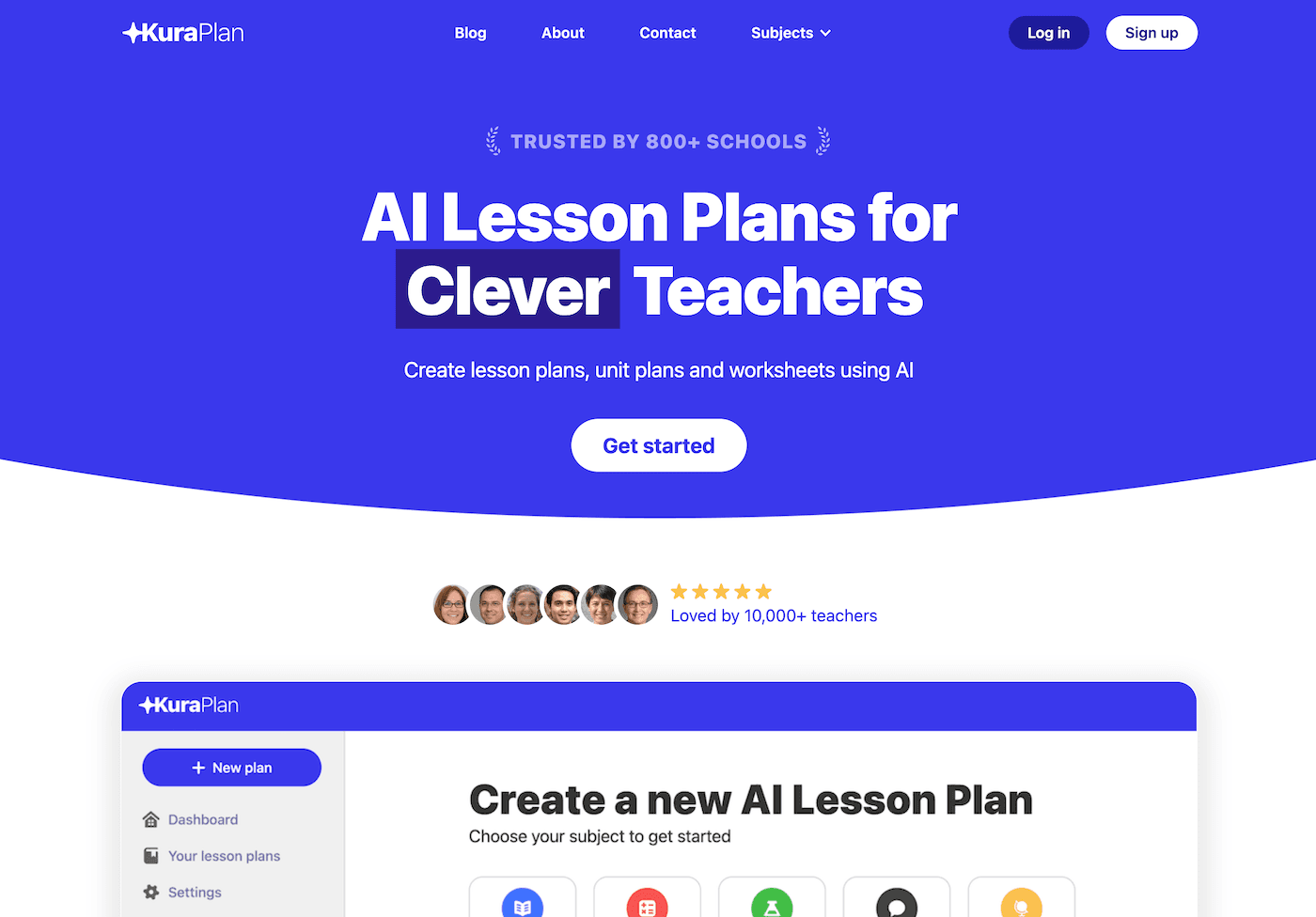
3. Magicbook — Publishing for Real, Not Just Turning In
You want to see students light up? Let them publish, not just submit. Magicbook’s picture book builder changed my project closure: every student submitted a story excerpt, prose poem, or dialogue experiment, and the AI illustrated and combined them into a digital class anthology. My high schoolers built "fairytale field guides" for first graders, and our middle-grade elective made collective grief memoirs for school counseling sessions. Bonus: Magicbook handles layout, copyright-safe art, and makes publishing the new peer review (not just the last step).
Try Magicbook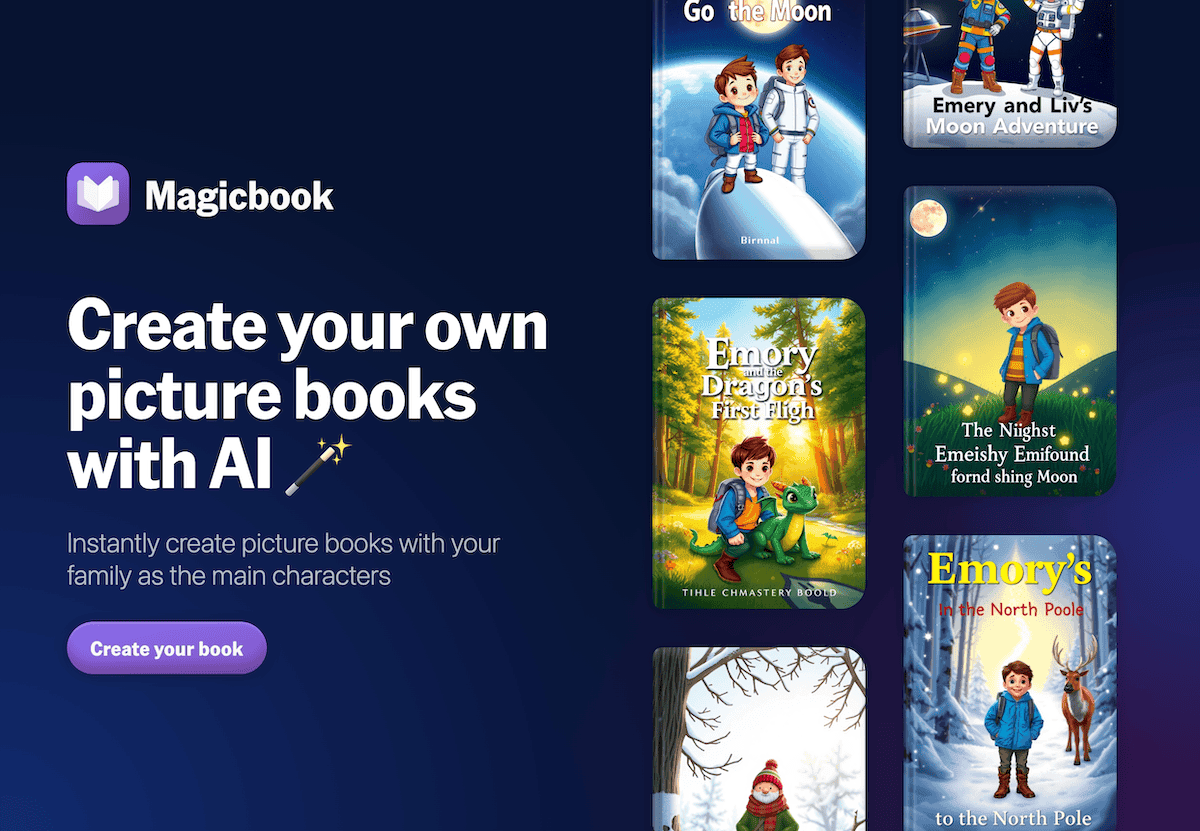
4. Jungle — Peer Feedback Decks with Actual Bite
Tired of "I liked it!" as workshop feedback? Jungle let me build authentic peer review games: after every reading, students draft cards—one specific praise, one tough-love critique (“Least believable detail?”), and one question for the author. Jungle’s AI organizes the feedback into live games or crit rounds, grouped by theme (“strongest opening lines” / “endings that need work”). We open revision days by playing through these decks, not just reading margin notes. Even the stone-cold freshmen started trading cards and pushing for more honest feedback, not just compliments.
Try Jungle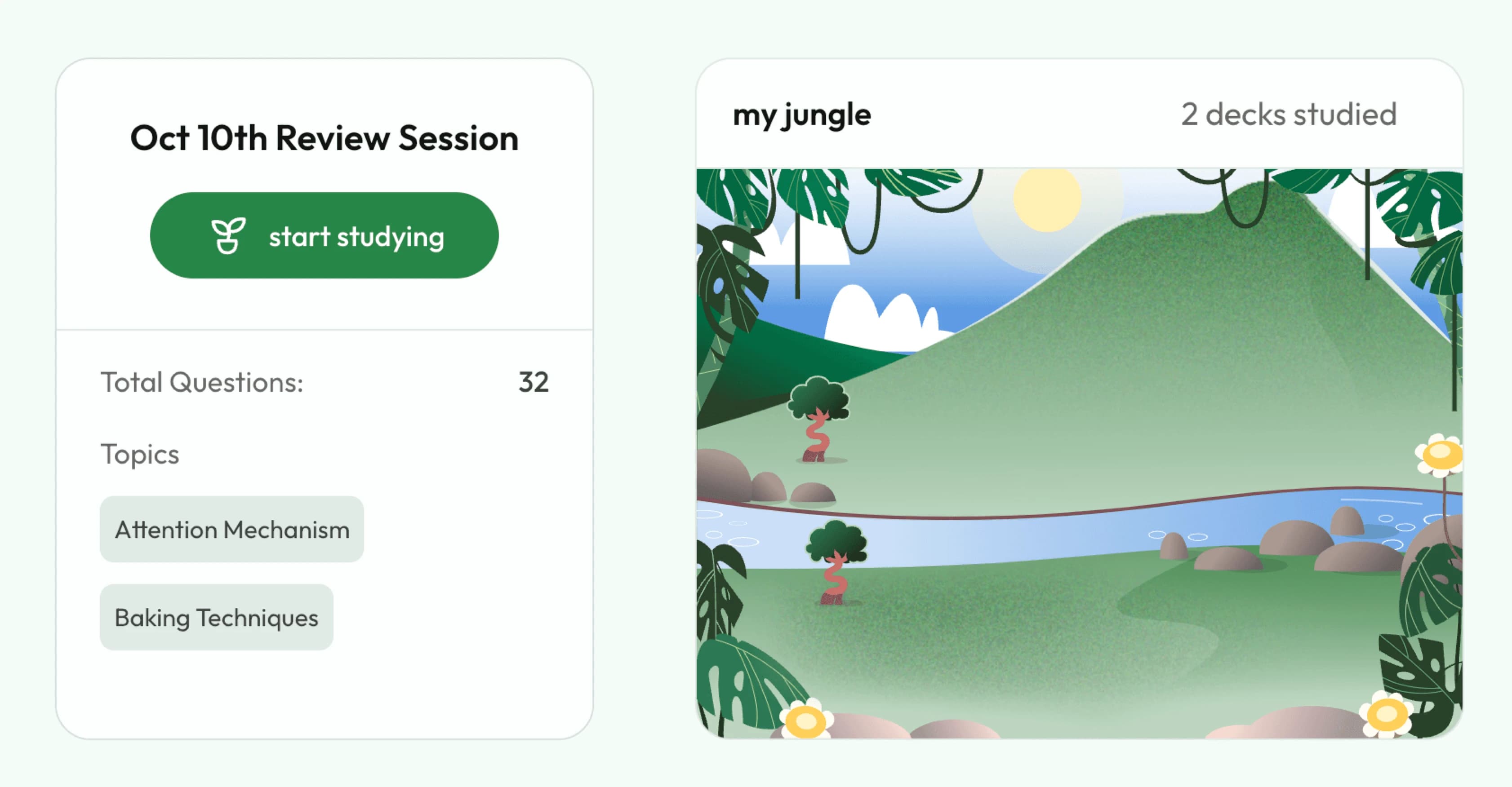
5. Fliki — Bringing Student Work to Life (Audio & Video)
Not every writer is a confident performer. Fliki lets them script a monologue, flash fiction, or even a poetic slam intro—then the AI turns it into an audio or video, complete with natural narration and creative visuals. Suddenly my most anxious writers were previewing story podcasts for family night, and poetry jams became accessible for everyone (even remote learners). My hack: assign a student “radio hour” each month—students submit a script, Fliki does the heavy lifting, and we debut a new class broadcast every Friday. Authentic publishing, zero editing headaches.
Try Fliki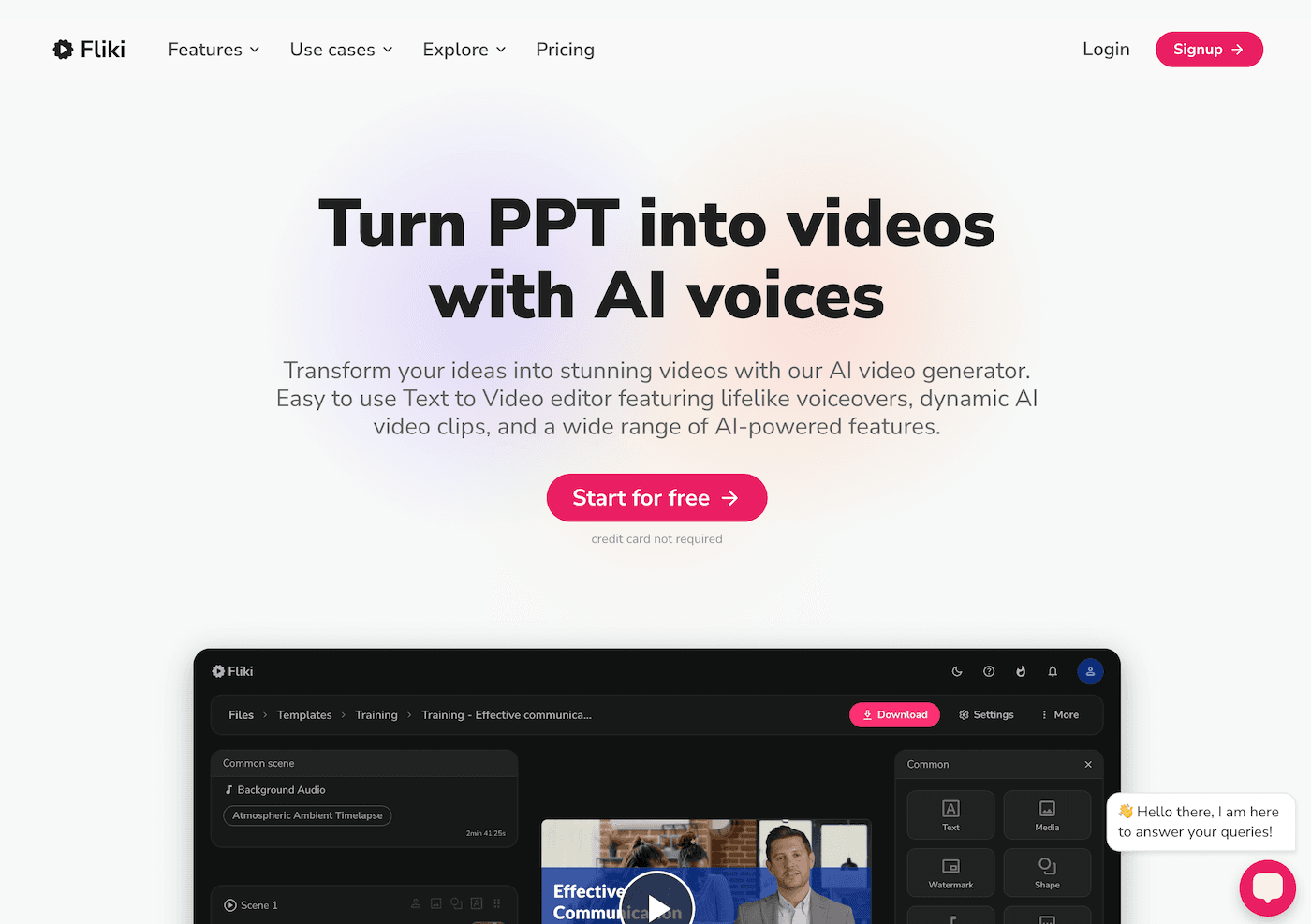
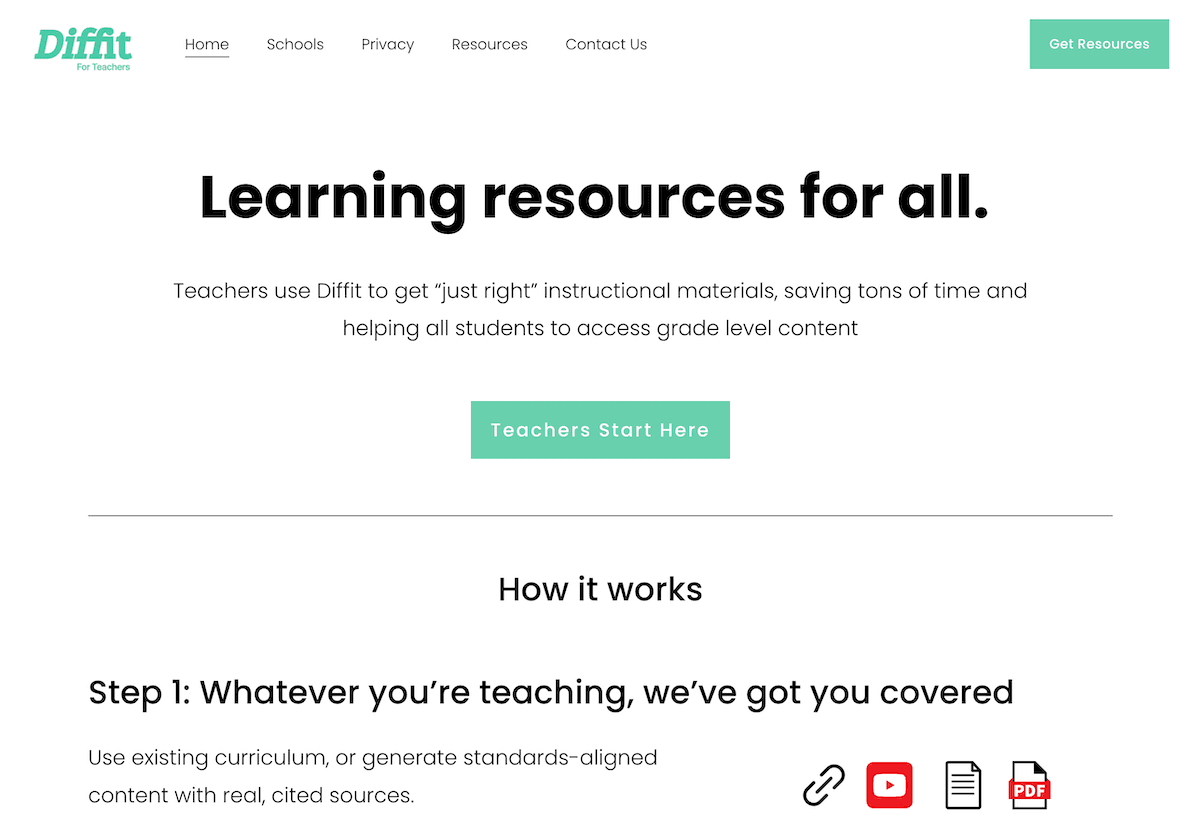
6. Diffit — Adapting Mentor Texts for Every Voice
Too often, young writers get blocked by mentor texts that are brilliant and a wall for struggling readers or English learners. When a student brings in a dense Ursula K. Le Guin story or a viral spoken word transcript, Diffit lets me:
- Paste in any sample
- Get multi-level versions, vocab lists, and guided comprehension (or imitation) questions Now, every group can riff on Edgar Allan Poe or a TikTok poet—at the reading level they’re ready for. More than once, students compared Diffit versions before trying a writing style on their own, and even my language learners joined advanced genre workshops with confidence.
7. Suno AI — Rituals, Reflections, and Playful Closure
Creative writing classes are as much about vibe as revision. Suno became our ritual soundtrack: students write prompts (“song for rejected submissions,” “ode to the cliffhanger ending,” “we survived a brutal workshop”) and Suno spins out an original track. These became:
- Confidence boosters before open mics
- “End of rough draft week” closure rituals
- Soundtracks for reading nights, zine launches, or even therapy after critique days Not every tradition sticks, but sharing a new song for class entry kept anxiety low—and made every workshop feel new again.
Final Thoughts for Writing Workshop Teachers
- Use AI as a creative partner, not a shortcut: let students co-edit the sequence, feedback, and publishing process.
- Archive everything—Gamma, Notebook LM, and Magicbook become living anthologies you can reuse (or remix) after the year ends.
- Let peer feedback be a game, not a checkbox: Jungle and Fliki empower voices that often hide.
- Celebrate process—the mess, the pivots, the revision battles—at least as much as the polished piece. Suno and Magicbook keep class culture thriving, even (or especially) after the roughest critiques.
Are you a writing teacher with a favorite AI workflow or tool for fostering real voice, not just word count? Share your best prompt, peer feedback hack, or publication win (or flop!) below—let’s build the next generation of storytellers, chaos and all.