6 AI Tools for Department Chairs
If you’re a department chair, team lead, or “reluctant curriculum captain,” you already know: the job comes with invisible labor. Beyond your own classroom, you’re wrangling pacing guides, facilitating meeting drama, tracking new teacher questions, and answering admin with “do you have that data in a spreadsheet?” all before 9am. I’ve been my school’s ELA chair for five years, survived a round of staffing cuts, and still sometimes wake up thinking about the whiteboard in our supply closet.
This year, desperate to claw back some planning time (and sanity), I started piloting AI tools for department work—not just lesson planning for myself, but for collaborating, organizing, supporting colleagues, and showing impact. What worked? What flopped? Below are 6 tools that made an actual difference in the real world of faculty meetings and hallway catch-ups. (And, yes, Kuraplan is in here early—but if you think it’s just for rookie lessons, read on for department-wide hacks.)
1. Gamma – Meeting Notes, Action Plans, & Dashboards
Our department meetings are never short: new grading policies, event calendars, news from the admin building… but the minutes? Always buried or late. With Gamma, I have our agenda and meeting notes drag-and-dropped into a living, visual “department board.” The tool auto-formats discussion “chapters,” assigns to-dos, and builds dashboards for curriculum mapping or school events. Guests (like our counselor or SPED lead) love the clear action lists; even our most paper-phobic team can’t miss the big stuff anymore. For data meetings or curriculum rollouts, Gamma makes my life ten times easier (and looks shockingly professional when it’s time to report up the chain).
Try Gamma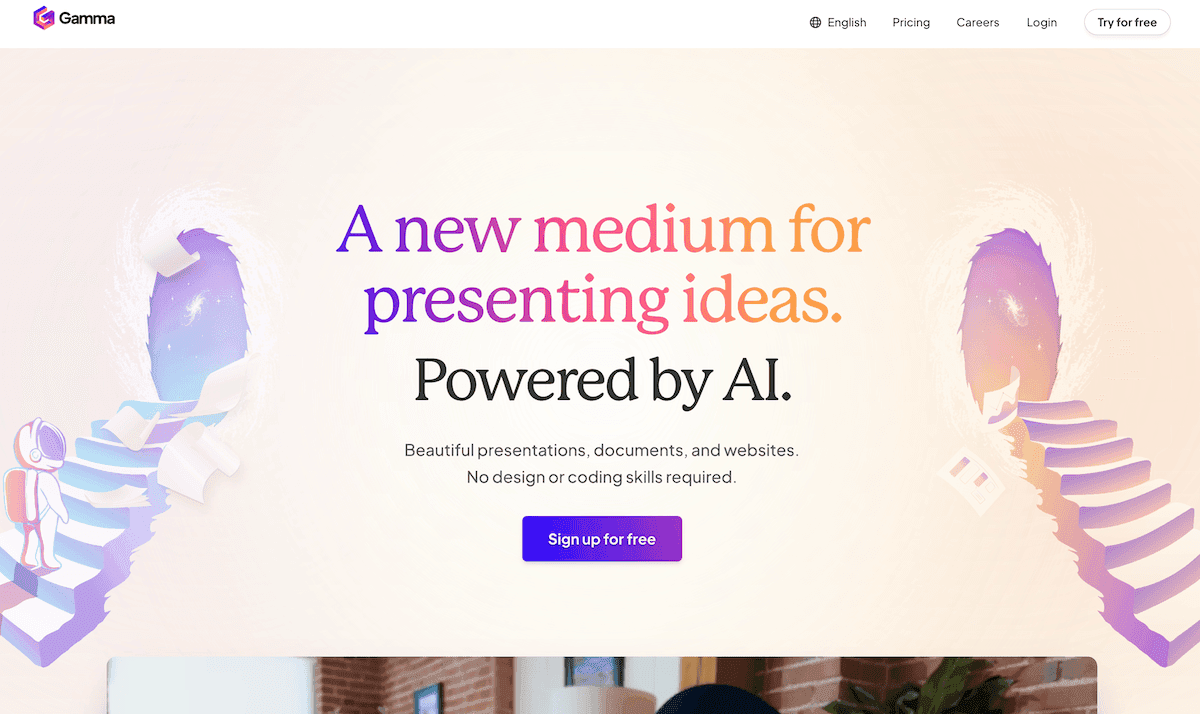
2. Kuraplan – Collaborative Curriculum Mapping (That Teachers Actually Use)
I first used Kuraplan for my own lesson rescue, but this year, I trained my whole department to use it for annual mapping. Rather than deciding as a group (for the tenth time) where to put the research unit or which class needed more creative writing, we all fed our non-negotiables into Kuraplan, tweaked the draft sequence as a team session, and exported a living “map” for our OneDrive. Here’s the unexpected win: new teachers use our plan as a jumping-off point, not a script; veteran teachers can plug in their specialty units, and everyone sees how standards, cross-department projects, and IEP accommodations actually fit. No more orphaned Google Docs—and admin sees our progress in one tidy view.
Try Kuraplan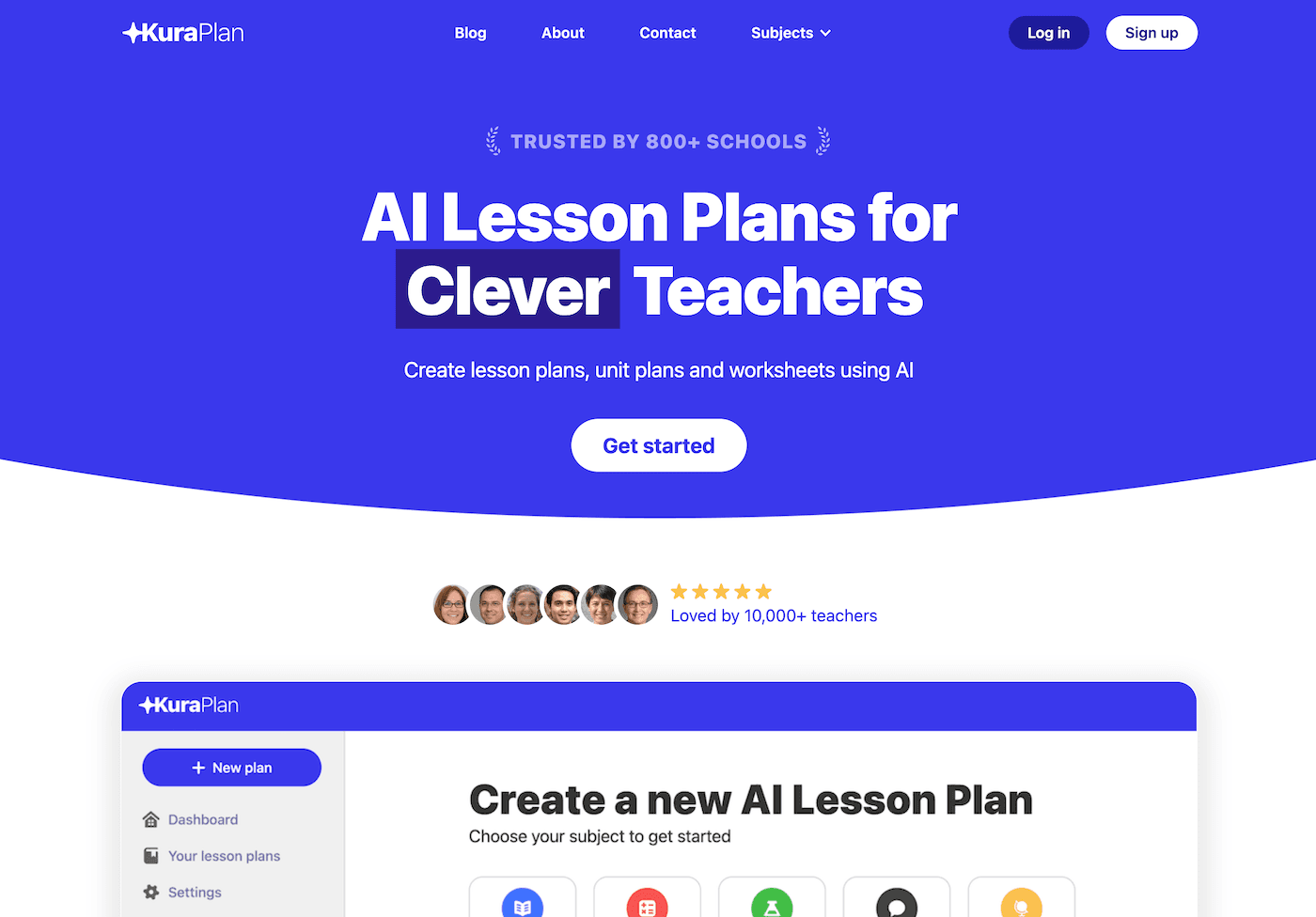
3. Jungle – Peer-Led PD and Resource Sharing
If your department PD slides always land flat, Jungle is a secret weapon: let every teacher submit their favorite classroom hack, tech tip, or misunderstood curriculum term as a flashcard. Jungle converts this into a collaborative “review game” for team meetings. We use it for onboarding, sharing new grading protocols, or just collecting best-of resources before a big instructional shift. Bonus: new teachers feel seen, and the team actually looks forward to review instead of checking out. Sometimes, we run “Jungle Jeopardy” as an icebreaker for cross-department meetings, and the laughter helps break down those classic silos.
Try Jungle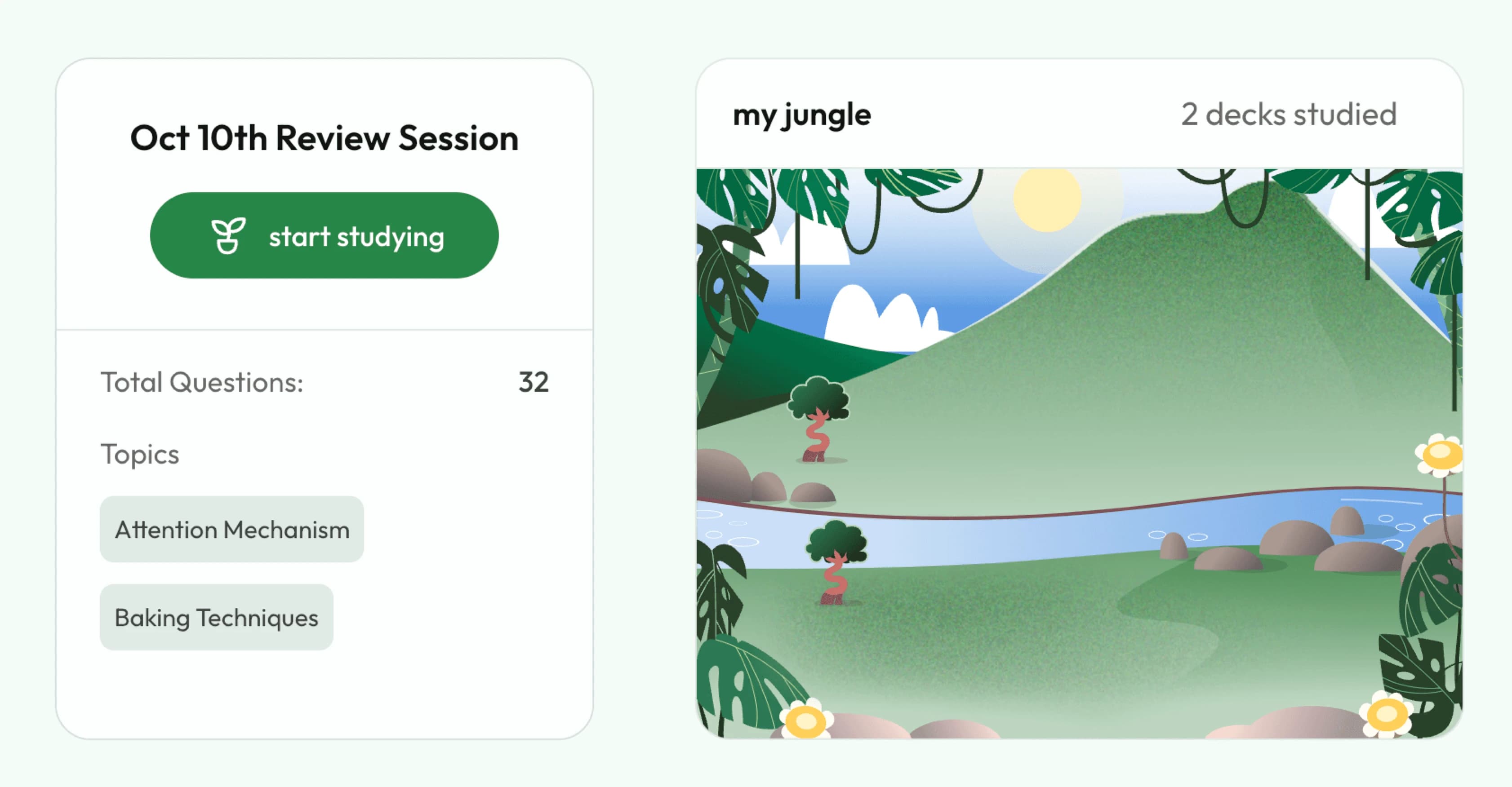
4. Notebook LM – Department Knowledge Base (for When You’re Out...or Overwhelmed)
I used to have a binder, a Google Drive, and an email chain for everything—and still got “Where’s the club sign-up?” questions. This year, we built a department “notebook” in Notebook LM: school policies, last year’s best test adaptations, parent night resources, and all our in-house guides. The AI finds patterns, surfaces FAQs, and even builds Q&A scripts for training days or check-in podcasts (“So you’re teaching AP for the first time…”). Even while out on leave, I could point my interim to the Notebook LM and know my team wasn’t left in the dark. It’s my career insurance policy (and admin loves the audit trail).
Try Notebook LM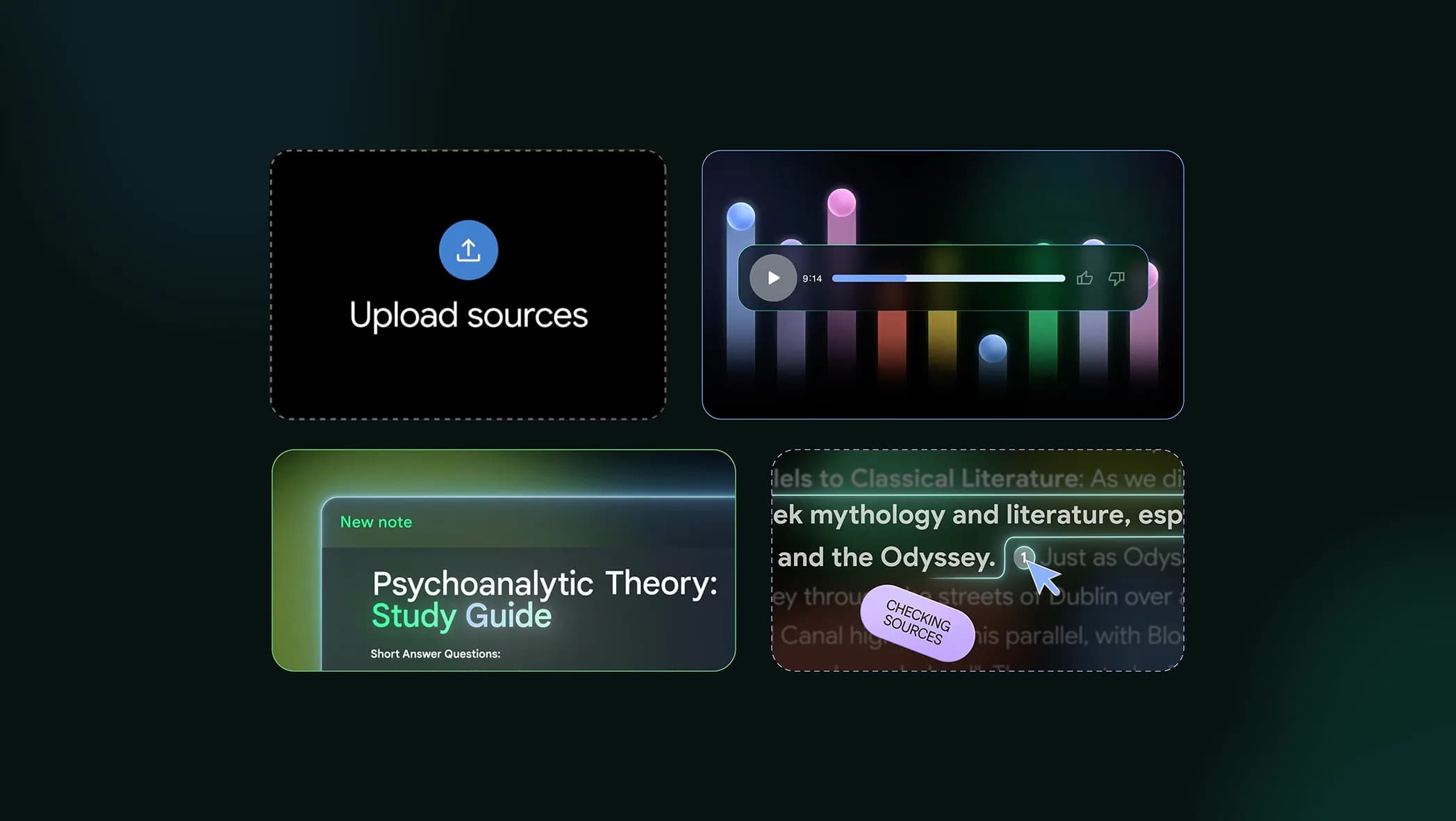
5. Diffit – Instant Differentiation for Common Assessments & Advocacy
Every year, we re-debate: should our exams be one-size-fits-all? Diffit helped us pilot a new system: we upload our department-wide exams (or article sets), and Diffit returns tiered versions—plus targeted vocab and scaffolds. We use student feedback to tweak, merge, and document accommodations and growth area trends. When parents or admin ask about differentiation, we show the process and data straight from Diffit reports. For subject areas with big equity gaps or new inclusion mandates, it’s a game-changer for documentation (and a lot less stress on test week).
Try Diffit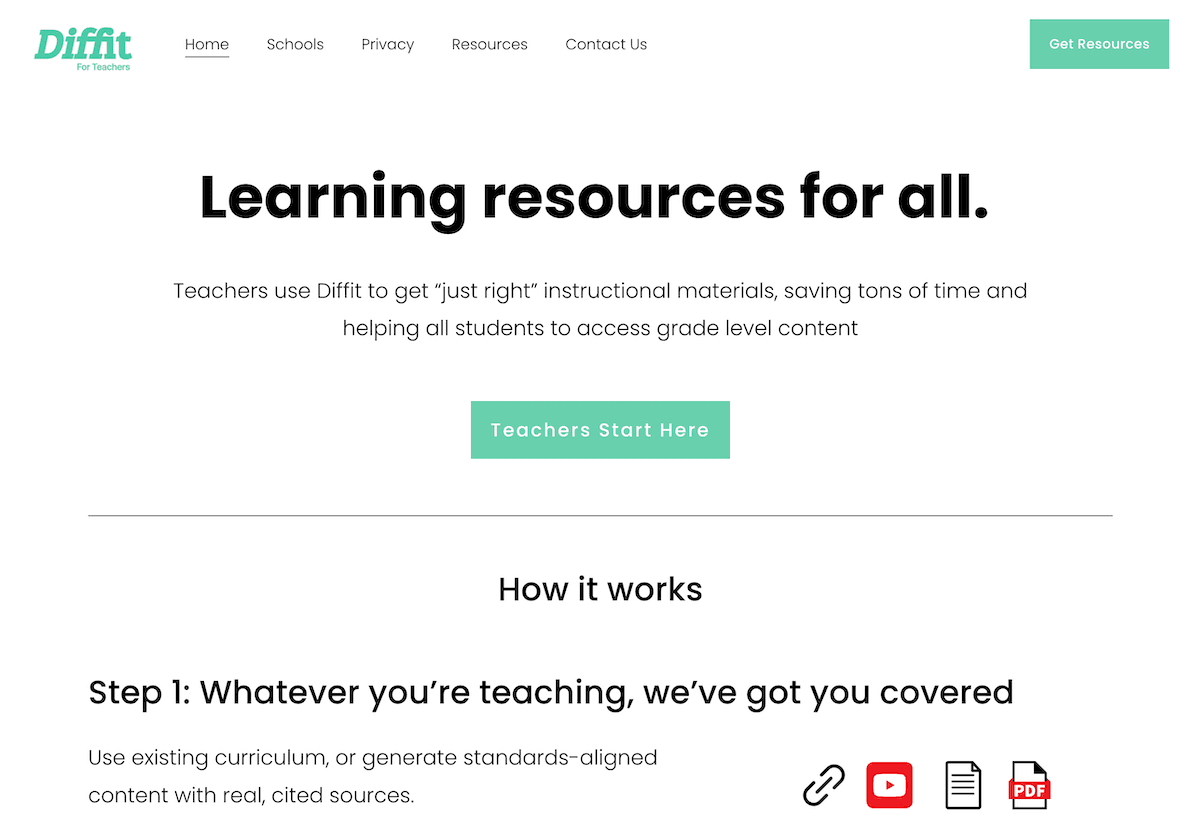
6. Suno AI – Morale, Rituals & Celebrations
Department work isn’t just logistics; it’s culture. When burnout creeps close or tension spikes, I use Suno AI for staffroom rituals: teachers crowdsource lyrics (“We Survived Open House,” “It’s Finally June!” or “Donut Friday Theme”) and Suno generates a lighthearted anthem to open our meetings. A few teachers now send Suno tracks as thank-yous for help with tough classes. It’s silly, but it builds the glue that keeps teams together (especially in years that feel endless). Everyone looks forward to their moment in the Suno playlist queue.
Try Suno AI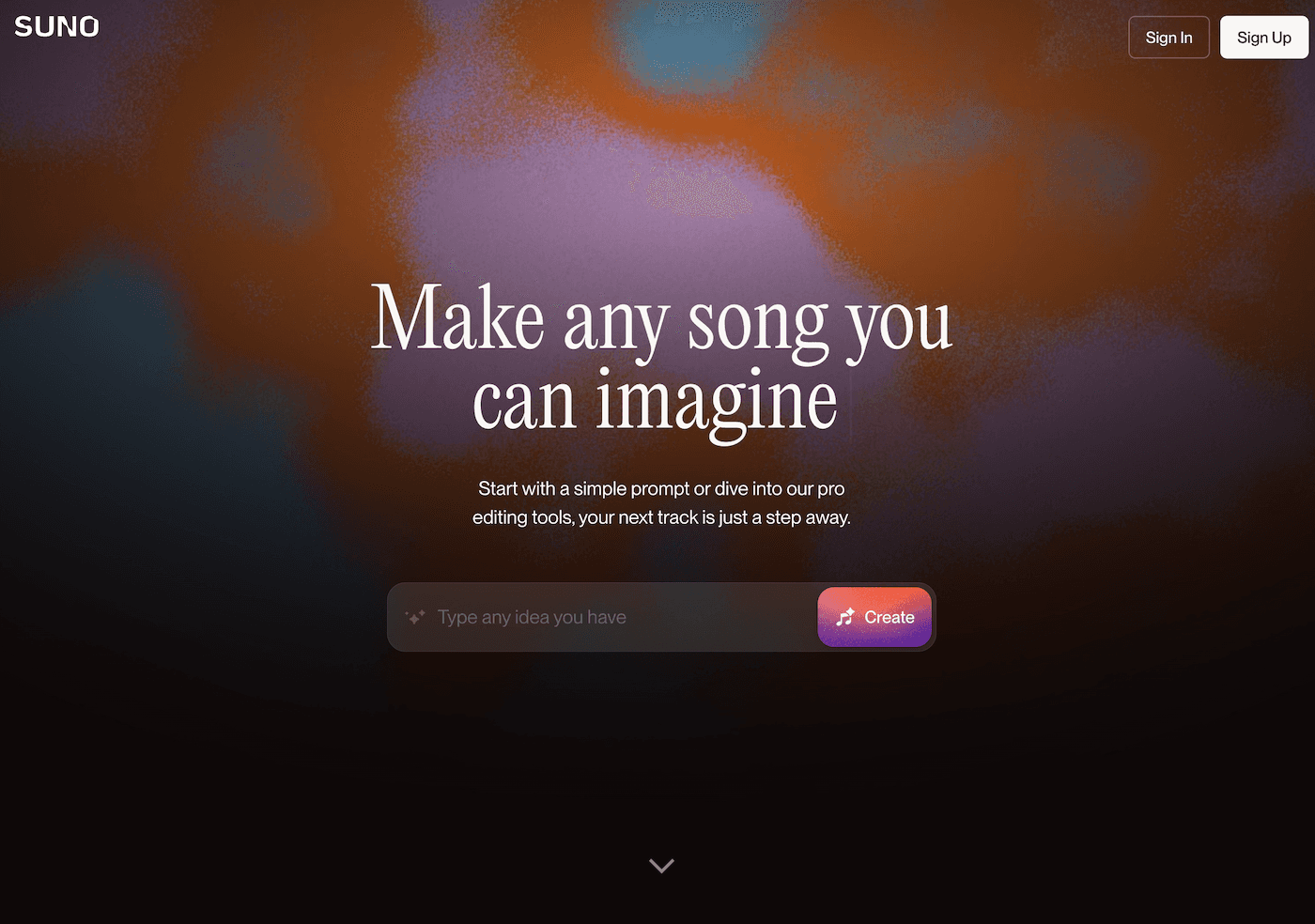
Honest Advice for Department Chairs Who Want Their Lives Back
- Pilot one tool as a shared workflow before trying for perfection. My best wins came when the team made a new ritual of it (PD openers, collaborative mapping, micro-podcasts).
- Use AI to make your invisible labor visible: processes, feedback, adaptation, and support. Share it up, down, and sideways.
- Let team members suggest, remix, or laugh at new tech. The momentum is real when everyone owns a piece—and nobody can claim they missed the memo.
- It’s not just about saving time: the right tools make you more responsive, resilient, and able to focus on your students (not just your calendar).
If you’re a department chair who survived another year of admin curveballs, chronic sub crises, or limitless Google Sheets, what’s the one AI hack (or cautionary tale) that made the job lighter? Drop your story below—we need more bright spots in the world of teacher-leadership.