6 AI Tools for New “Electives” Teachers
As a former core subject teacher recently tossed into the world of “electives” (think: media studies, entrepreneurship, journalism, Genius Hour, sustainability, and everything that doesn’t fit a pacing guide), I’ve learned the truth: These classes are joyful—and intimidating. With no textbook, no ready-to-go assessments, and students who expect you to surprise them every week, teaching electives can leave even veteran teachers clutching their mug in the copy room and whispering, “What am I supposed to do with THIS?”
I spent my first two semesters testing every creative AI tool I could, searching for what actually helps nontraditional classes thrive (and doesn’t just hand out another worksheet). Below are the six AI tools that consistently rescued my elective projects, multimedia experiments, and wildly self-directed learners. Each helped in a different way—whether I was planning last-minute, trying to scaffold for mixed grade levels, or just needed to get out of my own perfectionist head. And yes—Kuraplan is in here (but not at #1)—because even rebels need a skeleton sometimes.
1. Notebook LM: Turning Chaos into Student Podcasts & Story Arcs
If your elective is built on group projects or research rabbit holes, you know: documentation gets messy fast. I started dumping our brainstorms, student reflections, and media links into Notebook LM. The magic? The AI found patterns and suggested podcast “arcs”—my journalism & passion project kids grabbed these as a launchpad for their own episodes. Suddenly, even my shy eighth graders were starring as interviewers or experts, and we built a public-facing showcase of what students actually cared about. It’s collaborative reflection, without hundreds of Google Docs.
Try Notebook LM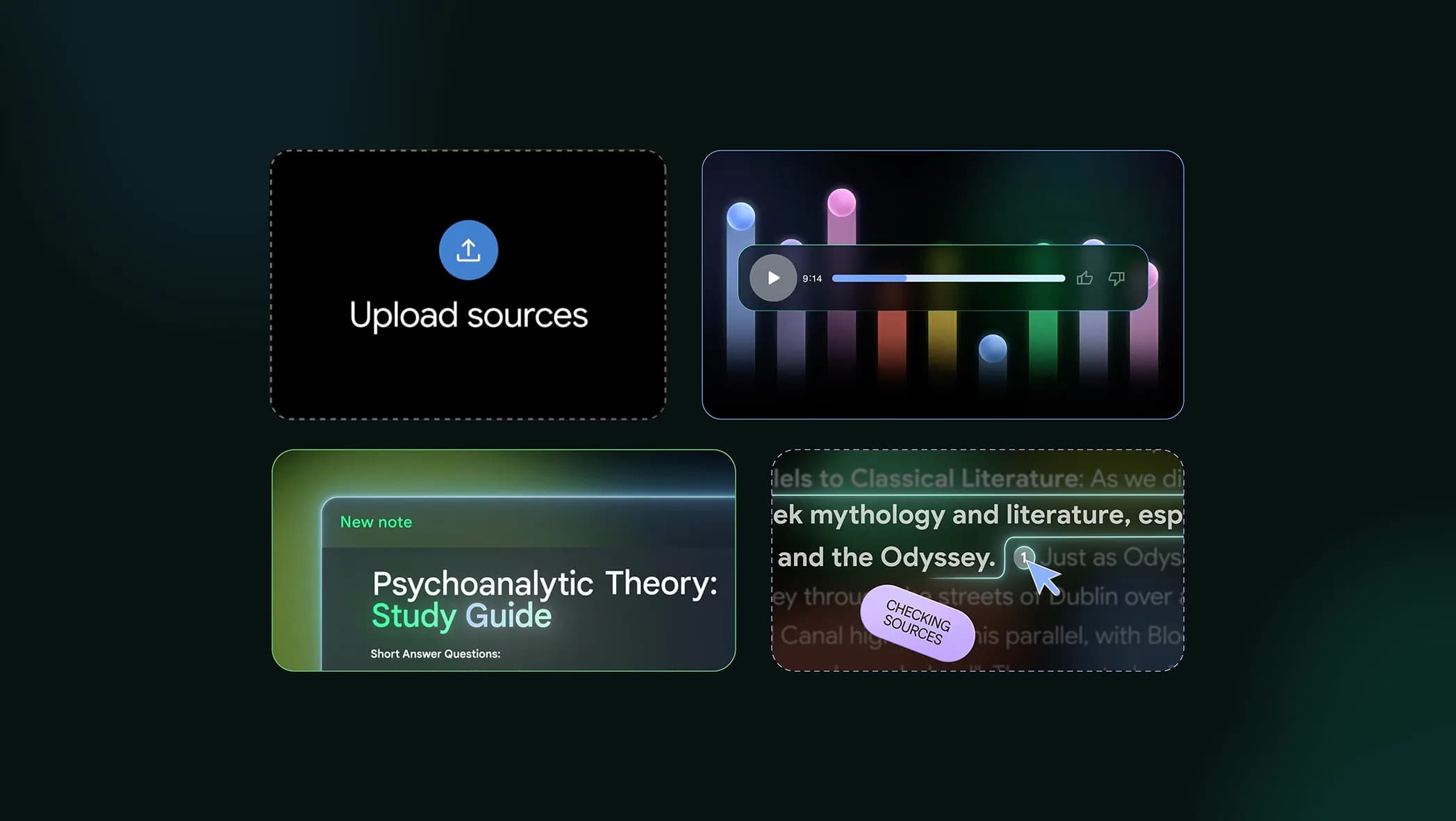
2. Gamma: Visuals for Pitch Days, Clubs, and Capstones
Entrepreneurship, STEAM, or club-elective kids love to pitch, but design skills (and nerves) trip most up. Gamma turns their rough notes, sketches, or even field trip photos into slick, professional slide decks. I’ve used it for business pitches, digital art festivals, and to organize a Genius Hour showcase—all with kids in 5th-12th working side by side. The best part? Gamma makes group decision-making visible—students argue, drag-and-drop, remix each other’s slides, and leave with a sense of real ownership (not just another teacher-assembled slideshow).
Try Gamma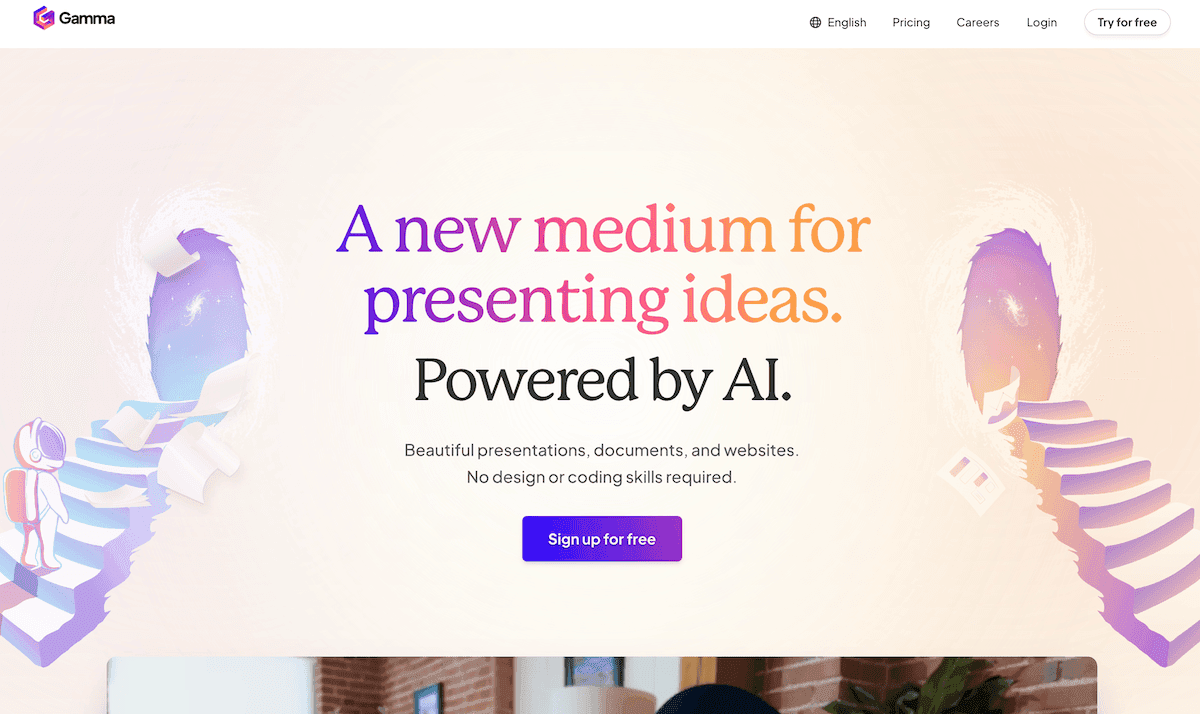
3. Kuraplan: Flexible Blueprints for Wild Ideas
Ready to launch a Shark Tank–style business unit? Hoping to structure a service-learning project without losing the plot? Kuraplan became my go-to for turning big, messy project ideas into an actual timeline: entry event, checkpoints, presentations, family nights, and (crucially) space for big student detours. Unlike core classes, I use the Kuraplan skeleton live—sharing it on the board, letting kids veto phases, or plug in “expert interviews” and field trip prep where they want them. The tool saves my weekends; my students feel like creators—never just participants.
Try Kuraplan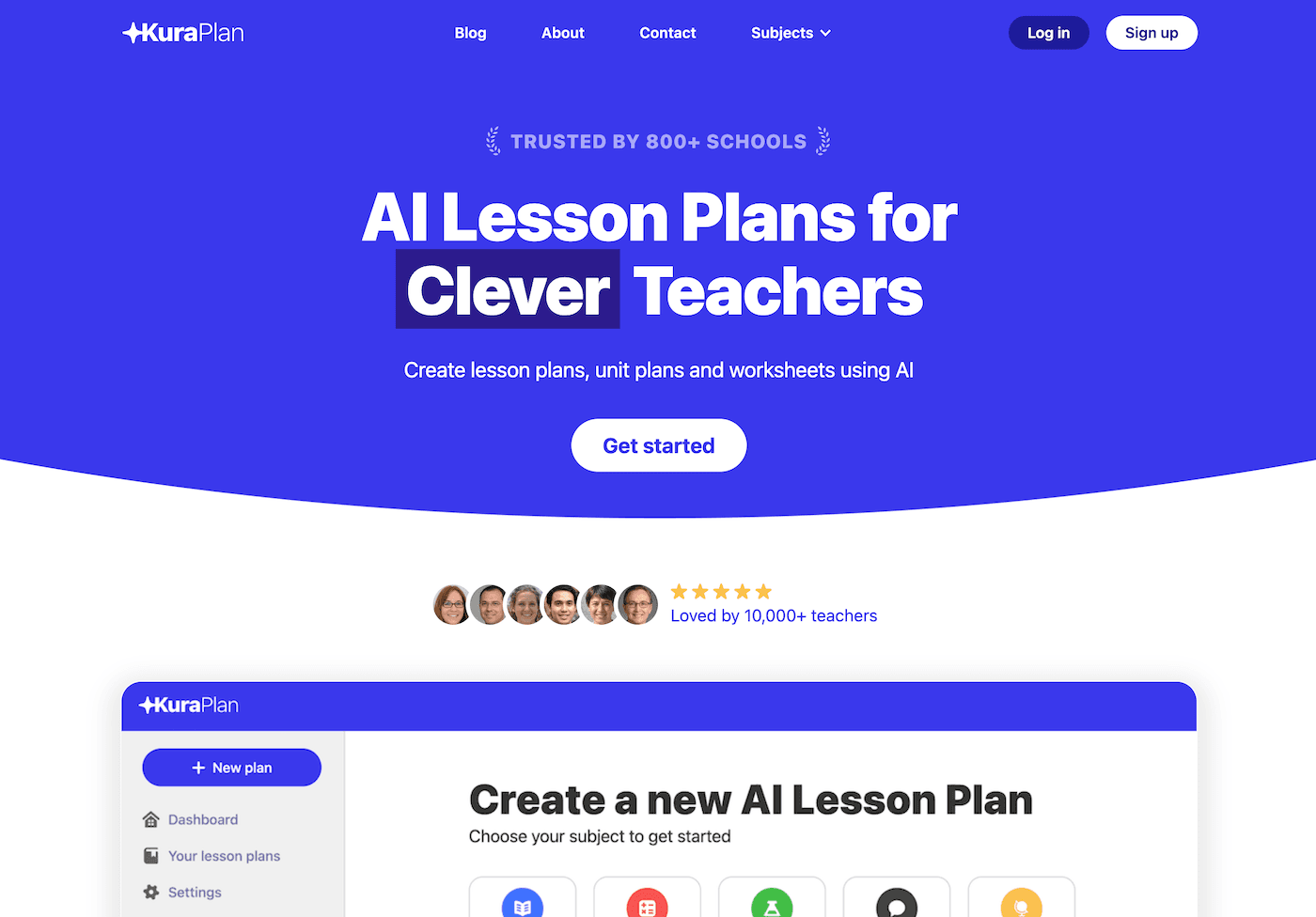
4. Diffit: Leveling Resources for Every Curiosity
In electives, students pick everything: the topic, the case study, the media. Problem is, their passions rarely line up with their reading levels or background knowledge. Diffit is my secret weapon—drop in any article, video transcript, or even a wild “off the wall” story and instantly get differentiated versions with vocab and questions. My makerspace group compared news on the same tech breakthrough across three reading levels. In sustainability, we dissected YouTube explainers at a pace everyone could access. If you want ALL kids to join, not just your usual stars, this is the hack you need.
Try Diffit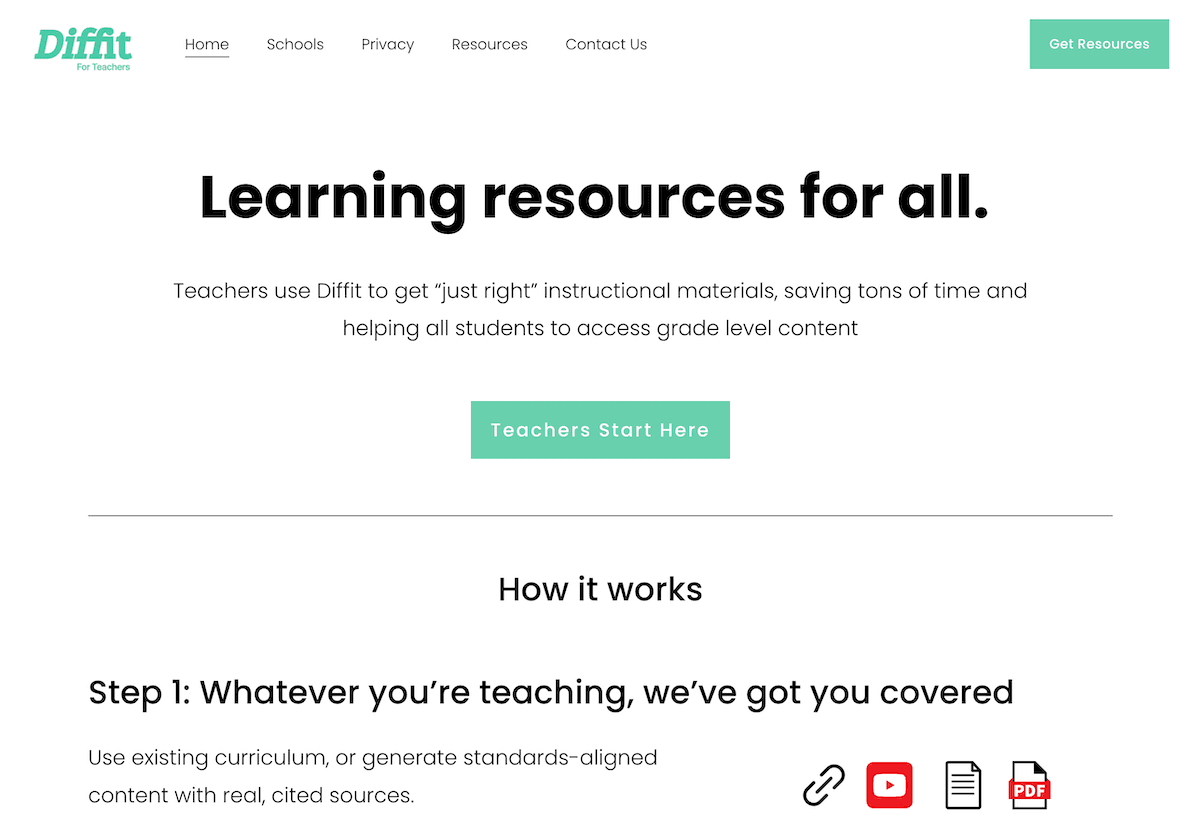
5. Jungle: Student-Built Flashcards, Debate Games, & Expo Prep
The breadth of elective projects means I rarely know what to review before student presentations. Here’s my fix: After every major project or research milestone, I have groups use Jungle to turn their biggest discoveries, mistakes, or burning questions into quiz decks. Sometimes it’s trivia for our “Innovation Olympics,” sometimes peer-to-peer review before a TEDx practice, sometimes just a way to document process over product. Students swap decks, challenge each other, and build a living knowledge bank for the next year’s class. It’s meta-cognition with swagger—and zero prep for me.
Try Jungle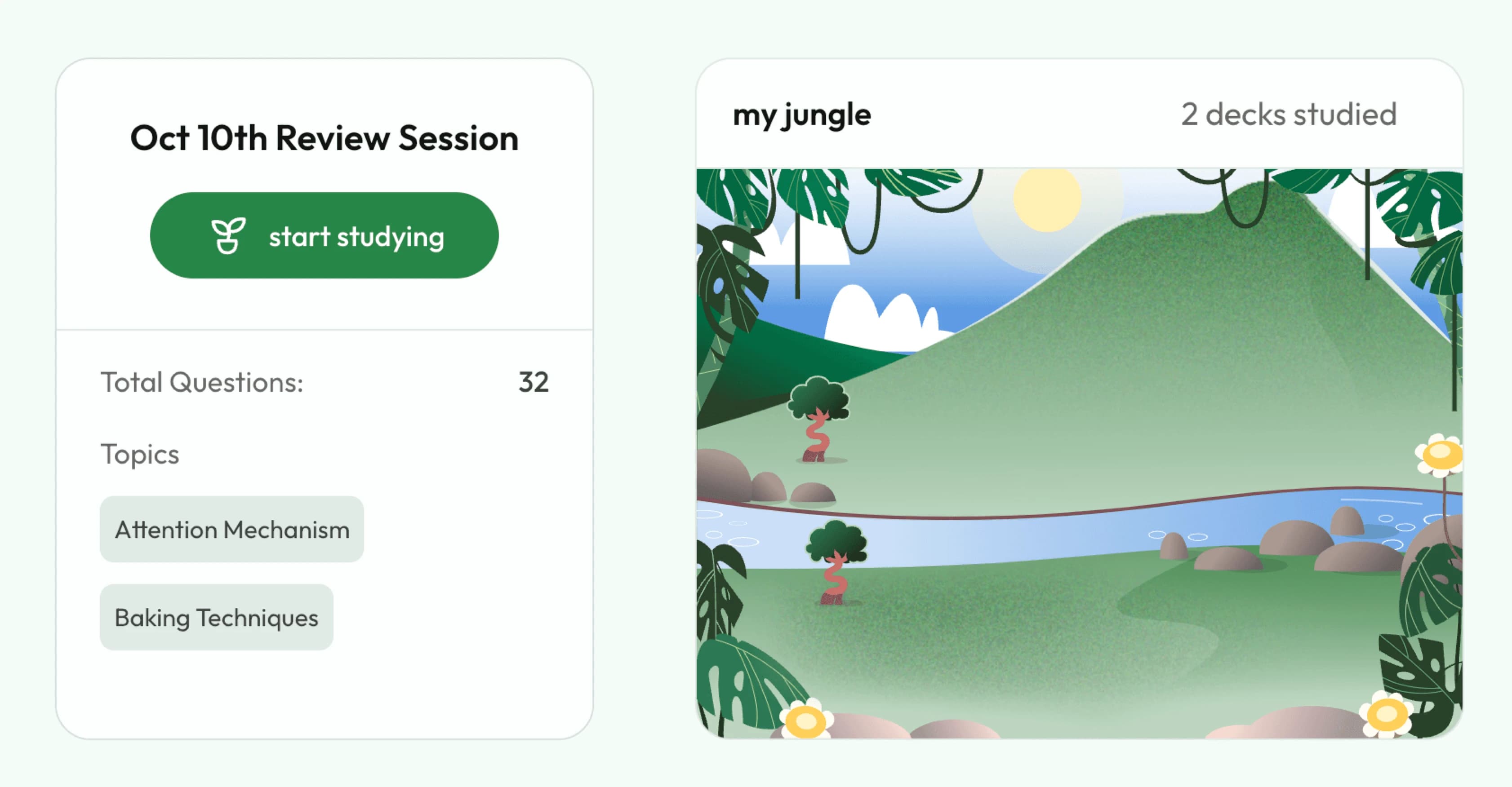
6. Suno AI: Building Rituals, Anthems, and Feedback Moments
Electives thrive on class culture, but rituals can feel forced (no one wants another generic “Friday cheer”). Suno AI lets students generate a class anthem, portfolio playlist, or end-of-project jingle—instantly. My media arts group wrote a “launch podcast” theme, the environmental club built a “recycling rap battle,” and my advanced ELA seminar reflected on their year by composing exit song parodies. The power: You can wrap up every module, celebration, or setback with something joyful, 100% student-generated, and completely unique to your elective.
Try Suno AI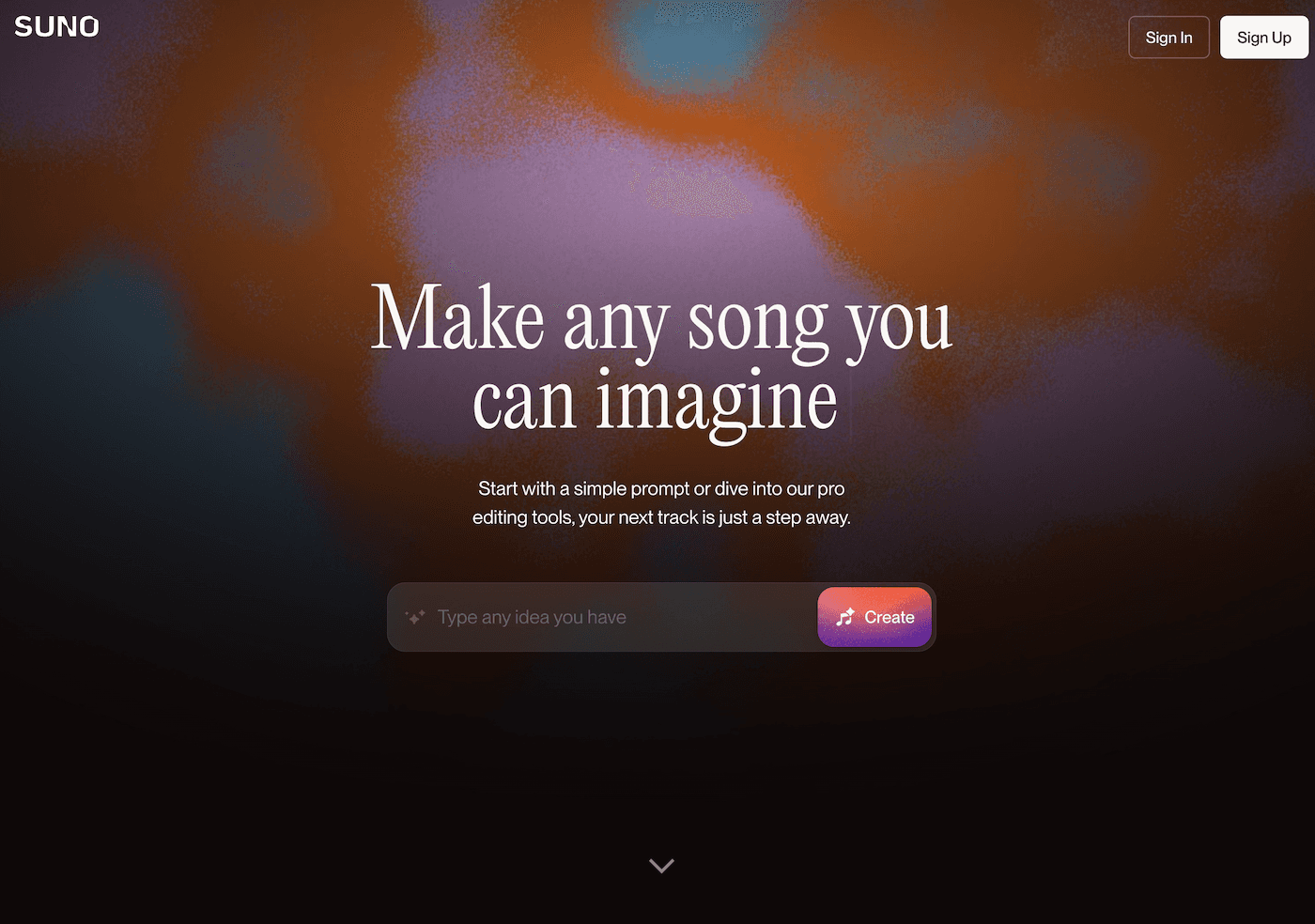
Real Talk: Teaching Electives is Not for Control Freaks
- Lean into project chaos—let students use AI tools directly, and let their voice shape the outcomes.
- Use AI to provide the scaffold for risks—not to script outcomes or suppress surprises.
- Celebrate process, not perfection. Let visuals, podcasts, or music become the evidence of learning—not just finished products.
- Share your wildest flop or biggest win—you’re probably inventing the class you wished you had as a student.
What’s your secret weapon (or nightmare!) in elective-land? Did an AI hack save your club, launch a passion project, or help a shy student become your next media star? Drop your story—I want more ideas for next semester’s “who knows what” elective adventure.