6 AI Tools for Teachers Who Lead Field Trips
If you’re the kind of teacher who’d rather teach in a museum, urban park, or city bus—if your heart beats faster planning explorations, interviews, or even a hallway micro-trek—this post is for you. I’ve spent years wrangling permission slips, prepping on-the-go lesson tweaks, and trying to help students see their city through new eyes (all while keeping everyone roughly together). It’s 2025, and with kids (and admin) craving both adventure and documentation, the right AI tools have finally started catching up to us "out-there" teachers.
Below are 6 AI-powered allies for teachers who build their best lessons on sidewalks or in sculpture gardens. Each has a real classroom use case—making pre-trip prep faster, supporting students with different needs, or turning that glorious, half-documented chaos into learning evidence you actually want to share. (Kuraplan is near the top—it earned its spot!) If your classroom is wherever curiosity takes you, here’s how to get AI to carry some of the load.
1. Gamma — Visual Itineraries that Students (and Chaperones) Actually Use
The old packet-and-pencil approach for field trip planning falls apart fast—nobody reads a three-page handout, and unstructured time turns to chaos. Gamma is a lifesaver: I gather all our plans—transit times, venue websites, Google Maps links, scavenger hunt prompts, and even weather screenshots—and Gamma instantly builds a live, interactive, image-rich slideshow. I share the link with students and chaperones—everyone navigates on their phones, pinch-zooming maps or clicking clues as we go. Bonus: students annotate their own pages with discoveries, creating a living memory book instead of just filling worksheets. On return, Gamma even helps students present what they saw and did, making admin happy and giving kids a voice.
Try Gamma
2. Kuraplan — Custom Field Trip Sequences (Including the "What Ifs?")
AI lesson planners sometimes feel like a cage, but for field trips, Kuraplan is my hack for mapping surprises: I plug in must-hit learning goals, logistical stops (subway, security, lunch, "bathroom break"), and let Kuraplan auto-draft checkpoints, built-in reflection prompts, and options for differentiation—like QR-linked mini-podcasts for early finishers or journal prompts for museum moments. Here’s the best move: I project Kuraplan’s live timeline during our trip meeting, inviting students to edit with me ("Can we add an interview stop?" "Swap scavenger hunt order?"). Admin gets documentation, students see themselves in the plan, and I get a living roadmap if (let’s be real) plans unravel halfway through.
Try Kuraplan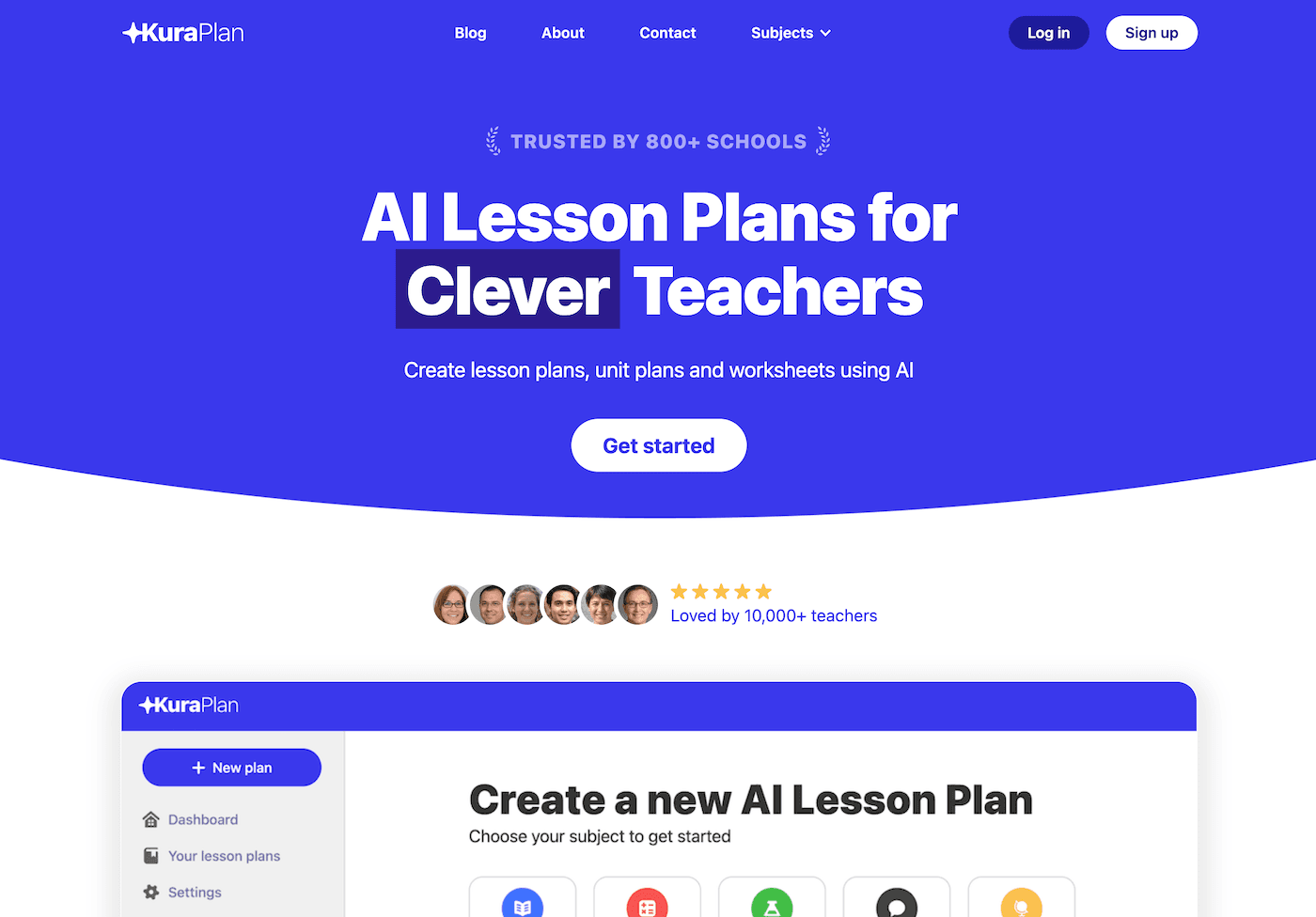
3. Diffit — Level the Learning at Every Stop
You want equity on a field trip, not just geography. When a student group wants to analyze a city mural’s history or a naturalist’s video at the zoo, I paste their chosen resource or transcript into Diffit—in under a minute, I get tailored readings, vocabulary checks, and quick “look-for” prompts for every reading or language level. Even in the middle of a field trip, I pull up Diffit-ed packs on my phone so every student, not just the most confident or quickest, can join the learning. My tip: have kids Diffit their discoveries on-site—it turns confusion into engagement and lets them "own" the research.
Try Diffit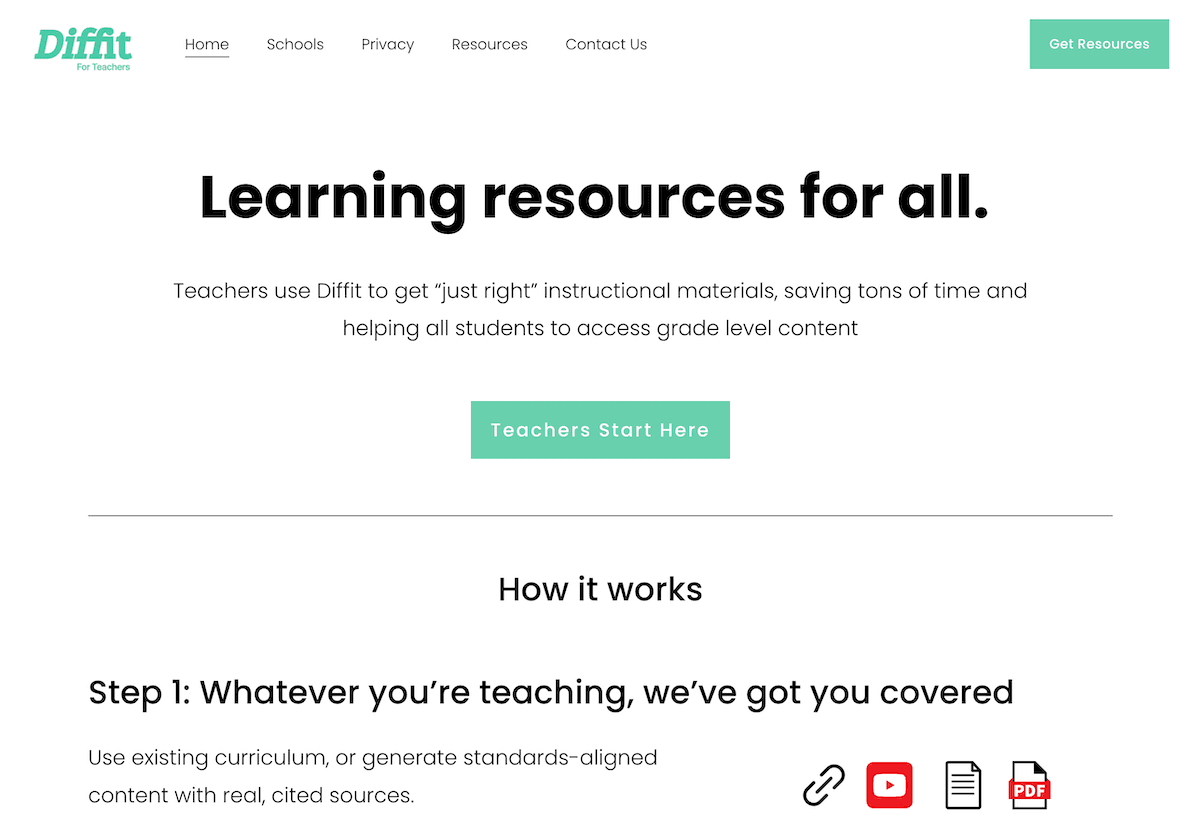
4. Notebook LM — Turning Chaotic Notes into Living Field Journals
Field trips breed chaos—phone pics, sketchbook doodles, group audio reflections, sticky notes half-lost on the bus. This year, every student uploaded their raw observations into a shared Notebook LM after each stop. The AI surfaces themes ("What surprised us on the transit ride?"), clusters recurring questions for group podcasts, and even drafts recap Q&A for Monday’s class. By journey’s end, kids see their own experience remixed into a class-wide story—you finally have a digital artifact for sharing with families, admin, or partners, and students revisit their own sense-making long after the trip ends.
Try Notebook LM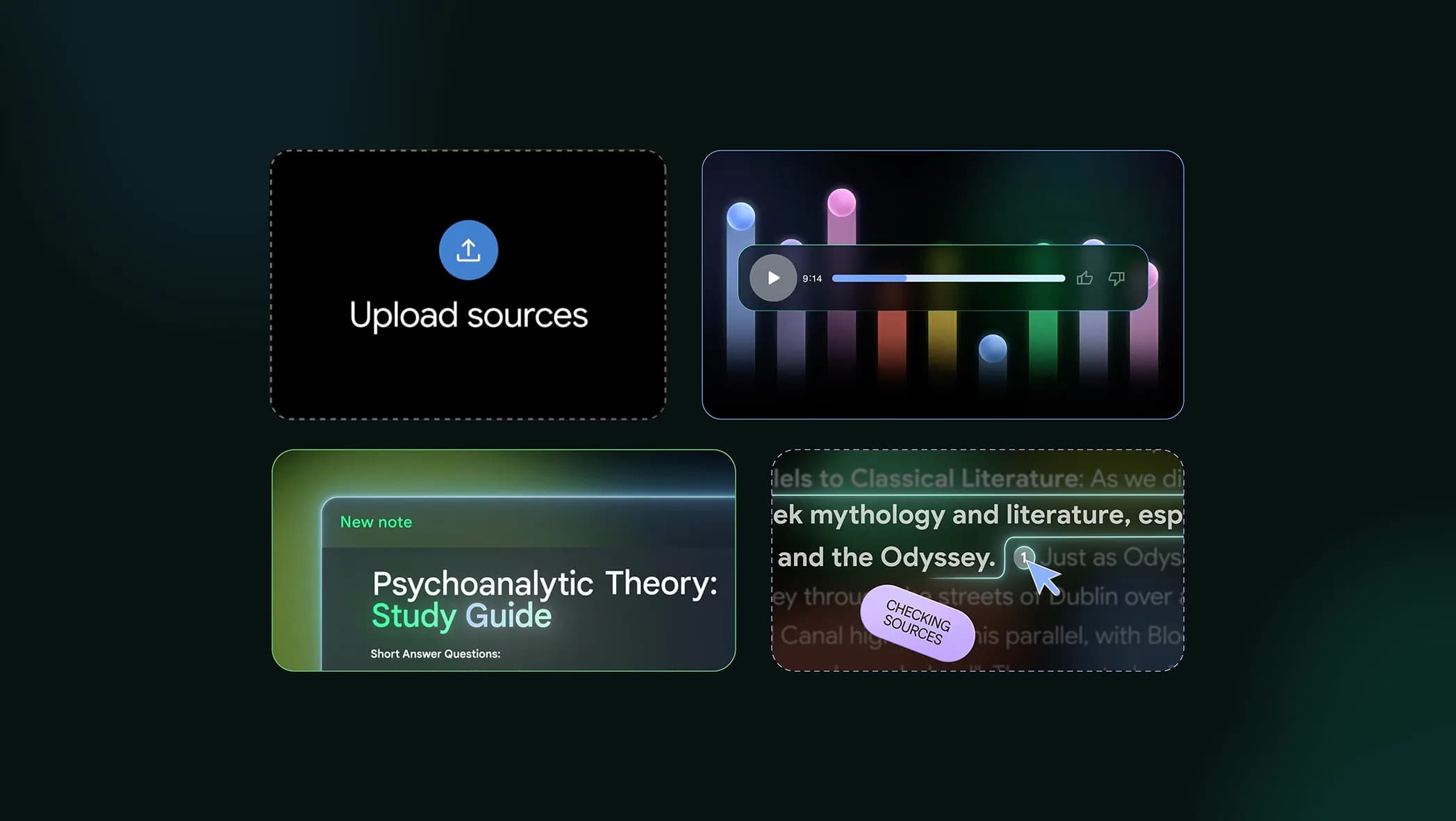
5. Jungle — Student-Authored Review and Debrief Decks (Even on the Bus Home)
Half your learning happens during the ride back. Jungle lets kids submit their best discoveries, lingering questions, or epic field trip fails as flashcards on their phones mid-transit. The AI collects, sorts, and creates instant decks for on-the-bus games, exit slip reviews, or whole-group "hot takes" the next day. Old review tools just reinforce top-down content; student Jungle decks turn the messiest moments (“How did we lose the docent?”) into meta-cognitive gold, and my crew requests the decks again whenever we visit a new place. Reflection, finally portable.
Try Jungle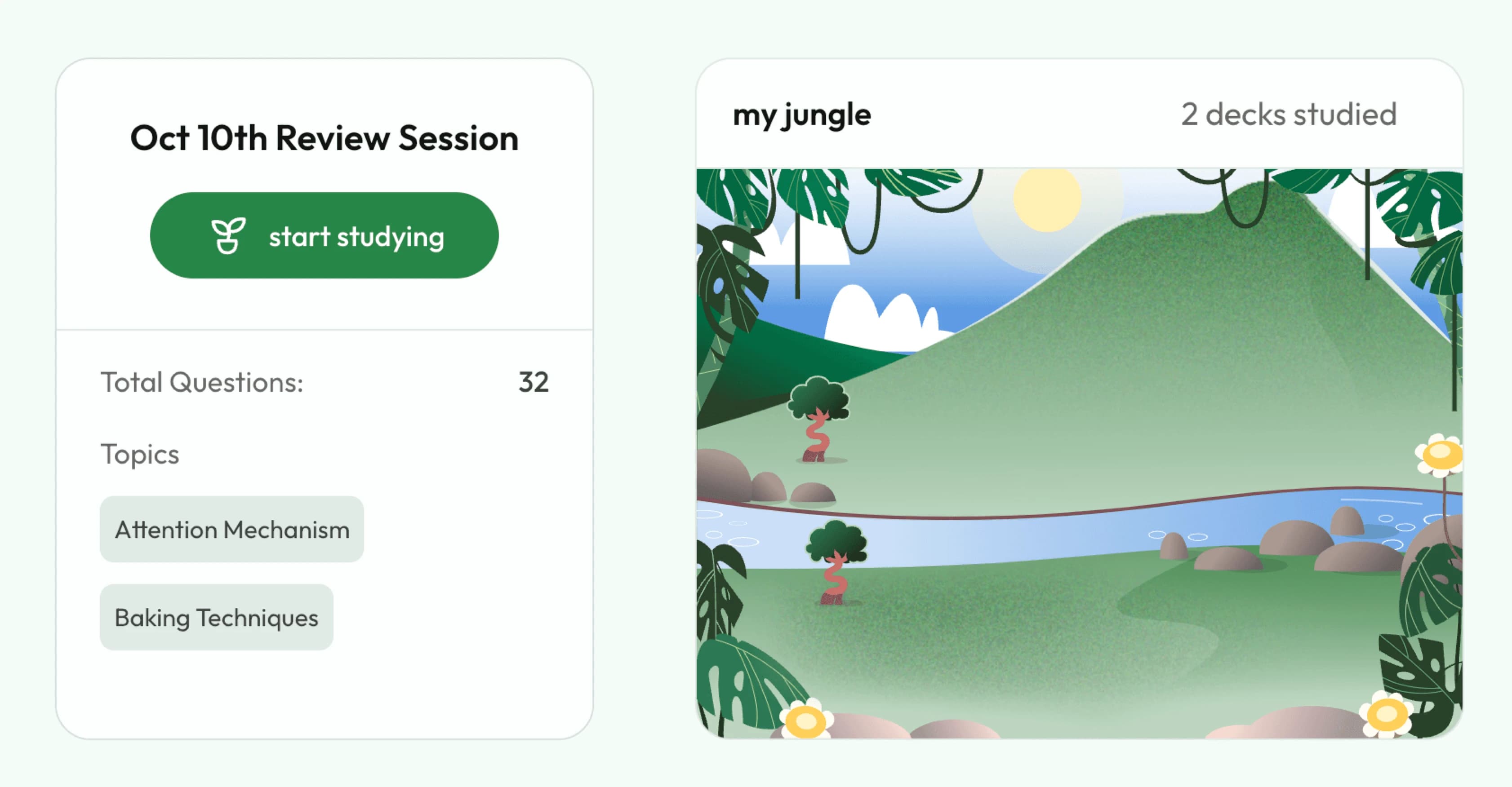
6. Suno AI — Ritualizing Field Trip Memories on the Spot
A tradition from my classroom: every field trip ends with a collectively scripted Suno AI anthem—"Ode to the Snack That Survived," “Subway Shuffle Song,” or “Science Museum Power Ballad.” Students crowdwrite a silly recap, Suno spins a fresh, shareable track in seconds, and it becomes our bus-ride rewind or parent-night opener. By June, our playlist is a timeline of our weirdest, most joyful detours—and even the quietest kids get to shape the group memory through music. Closure and culture, wherever you land.
Try Suno AI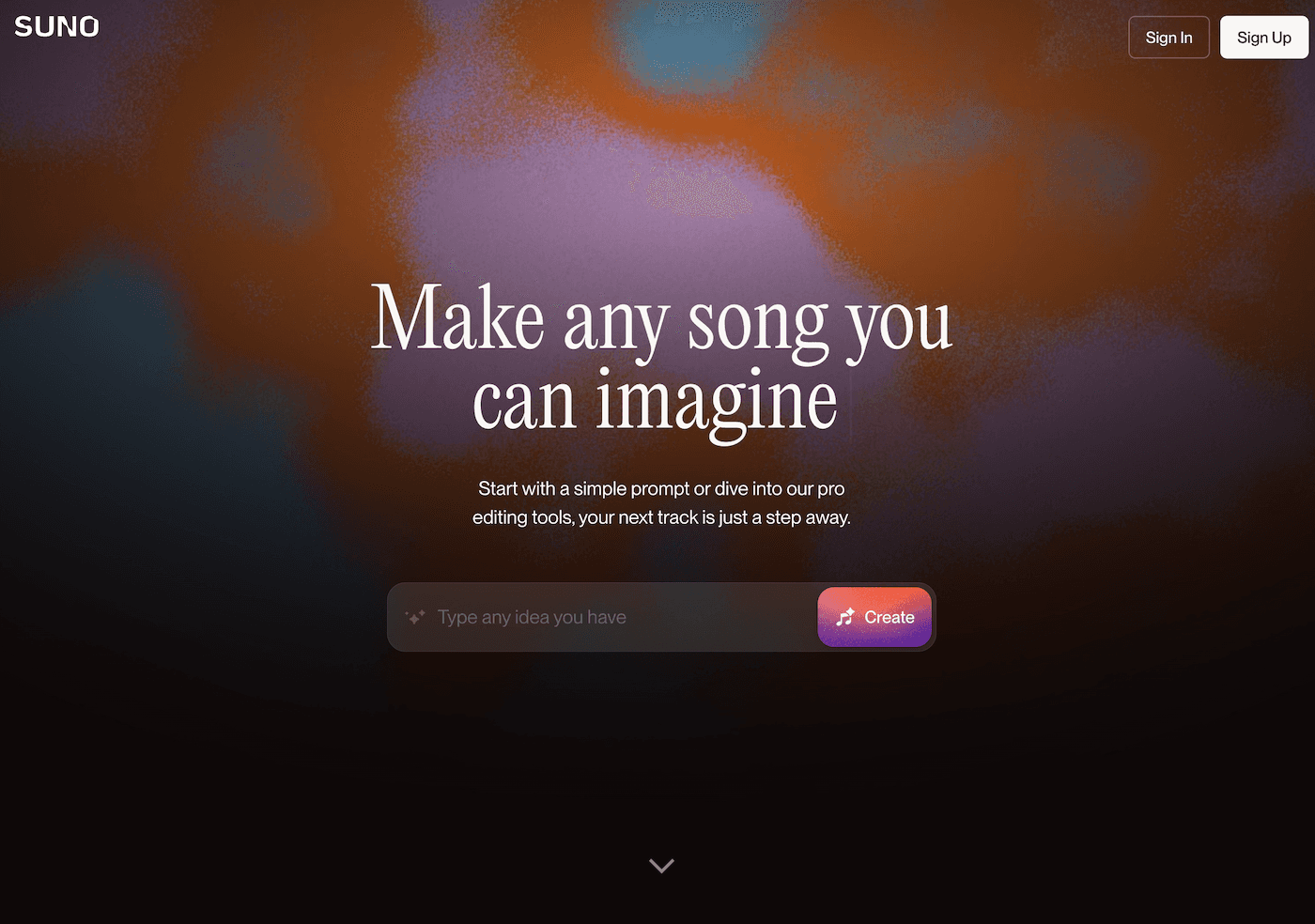
Final Advice for Teachers Who Love Learning Beyond the Classroom
- Archive all the messy discoveries—Gamma and Notebook LM keep the field trip alive long after you’re back inside.
- Plan for pivots: Kuraplan is your co-pilot for mapping (and surviving) the unpredictable—let students edit as partners.
- Make access instant: Diffit puts every real-world resource in every student’s hand—don’t delay a minute for “next time.”
- Crowdsource review and closure: Jungle and Suno are your exit-ticket and memory-makers —whether on the ride home or for next year’s lucky explorers.
Got a workflow, ritual, or AI hack for making field trips (or schoolground expeditions) more meaningful? Share your story below. The more learning breaks out of the classroom, the more evidence, access, and joy teachers need in their toolkit.