6 AI Tools for Teachers Who Love Hands-On Science
If your classroom mantra is “Let’s test it!” more than “Let’s Google it,” you know what it’s like: half your lesson plans turn into group brainstorms on the whiteboard, fieldwork breaks out in the parking lot just because it’s finally sunny, and—if you’re like me—you have a running battle between organizing inquiry and just letting kids get their hands dirty.
But let’s be real: real-world science teaching is complicated. Even as science standards demand more authentic labs, differentiation and accountability chew up your evenings, and it’s the little stuff—translating project notes, archiving experiments, or reinventing group project logs—that burns you out.
This year, I hacked together a stack of AI tools specifically for us—the experiment-driven, noise-loving, student-question-chasing science teachers. These picks go beyond worksheet automation. They’re what kept my classes more curious, my lesson pivots less stressful, and—dare I say it—gave me back some after-school hours. (You’ll see
Try Kuraplan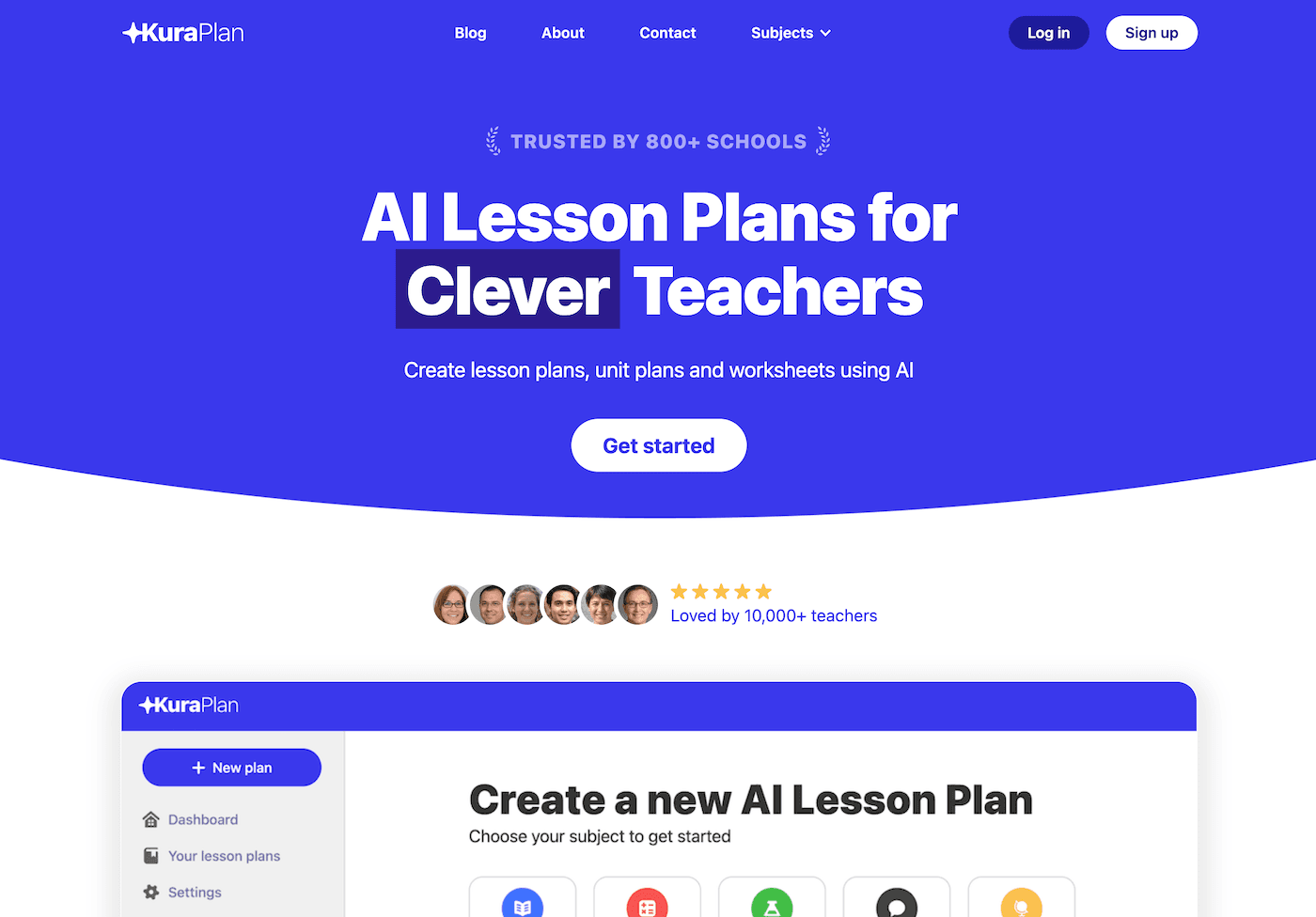
, but only where a living blueprint matters—not as a sponsor plug!)
1. Gamma – Every Lab’s a Shareable Story
Nothing in hands-on science ever looks like the diagram. My hack: we use Gamma for group lab storytelling. Students upload candid photos of their setups, iterated procedure notes, messy whiteboard calculations (just snap and drop!), and their wildest results. Gamma’s AI weaves all this into a clean, scrollable digital slideshow—the ultimate way to document hypotheses, tweaks, and results as they unfold. Suddenly, our science fair boards were effortless—and every class felt like a small research conference. Best tip: Use Gamma’s timeline mode so groups can explain their design pivots, hilarious failures, and surprise discoveries in real time.
Try Gamma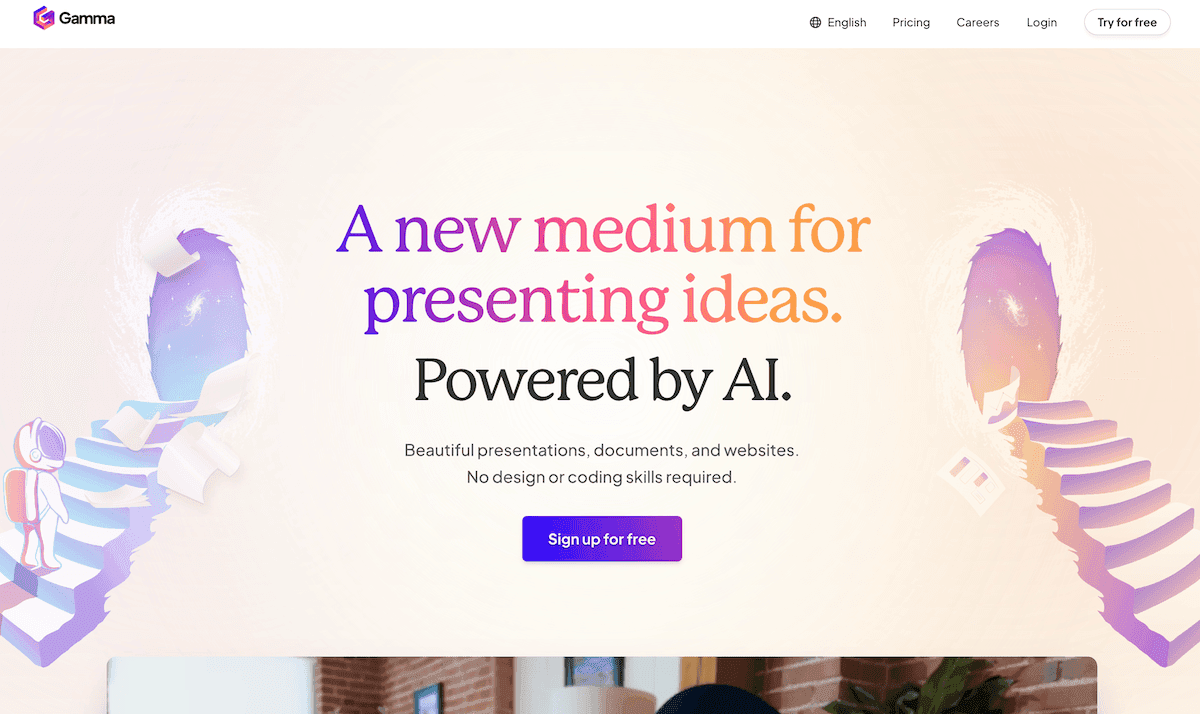
2. Kuraplan – Blueprint for Unruly Projects
Every teacher needs one backbone in the chaos.
Try Kuraplangot me through project units that grew tentacles: ‘Run a monthlong sustainability audit!’ ‘Design a local water filtration system!’ I’d sketch a rough sequence, paste benchmarks (data collection, reflection, parent nights), and then—crucially—project the plan so students could co-edit the order, add extensions, or yell ‘let’s ditch the quiz, do a museum walk instead.’ It’s the only “unit planner” I let get messy. I update it after every major detour and use it for transparency with admin—‘Yes, we have a plan, and yes, we moved the weather station because the principal parked in our zone again!’
3. Diffit – Instant Field Guide Creation
Here’s a workflow most science folks won’t see coming: my kids brought in a wild range of resources for their inquiry cycles—TikTok plant tours, regional science podcasts, and news articles way above grade. Diffit lets me drop anything in, then instantaneously spit out leveled, vocabulary-backed, discussion-ready field guides. We printed these to take outside for ID challenges, shared them in multilingual classes, and even built student-written guides for showcasing our ongoing garden project.
Try Diffit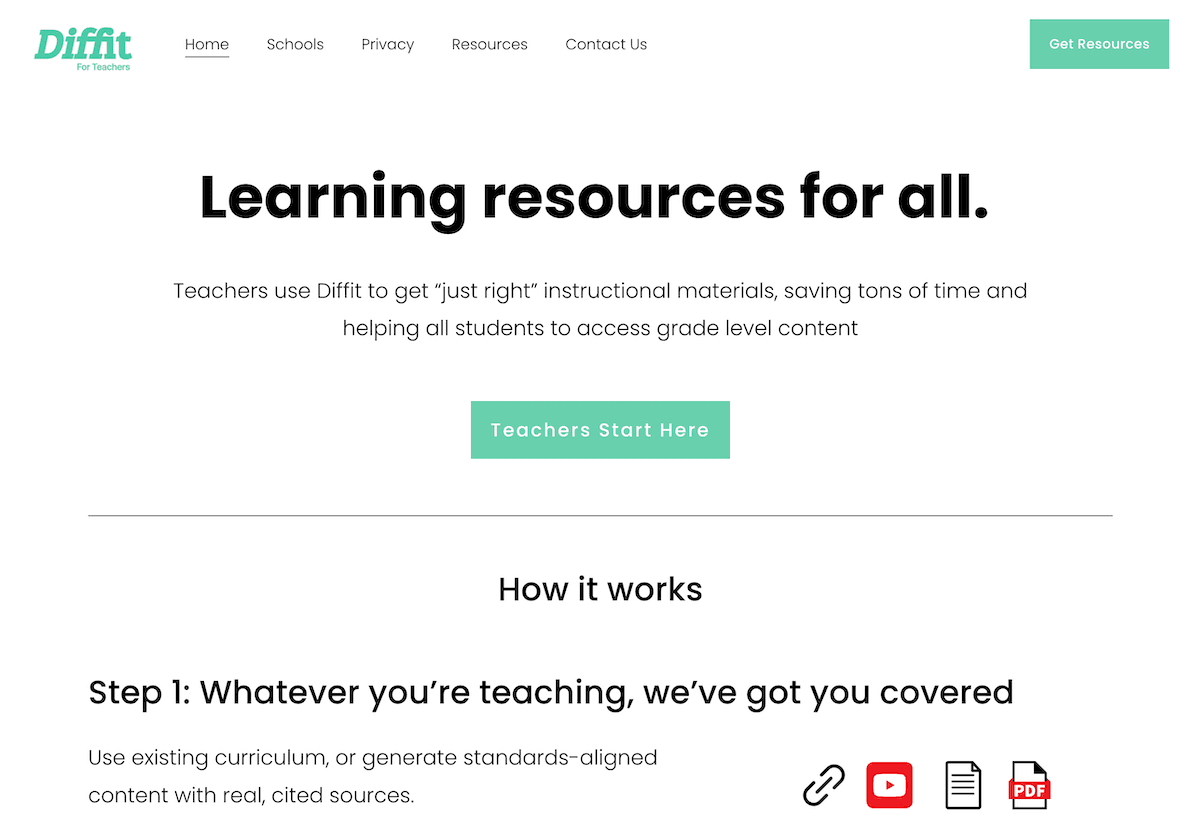
4. Jungle – Student-Led Error Analysis Games
Confession: When review day rolled around, I got bored with my own quick checks. Jungle flipped this on its ear. Each group, after every lab or build-off, wrote their own ‘Messiest Blunder’ flashcard. We dropped these into Jungle, and the AI sorted out duplicates and wove everyone’s real errors (and brilliant fixes) into live quiz games and group review. Even my ‘I’m not a science person’ kids started gunning for “best curveball” awards. It’s not just exit tickets—it’s highlighting scientific process by letting students own the uncertainty. Review is now a badge of pride, not shame.
Try Jungle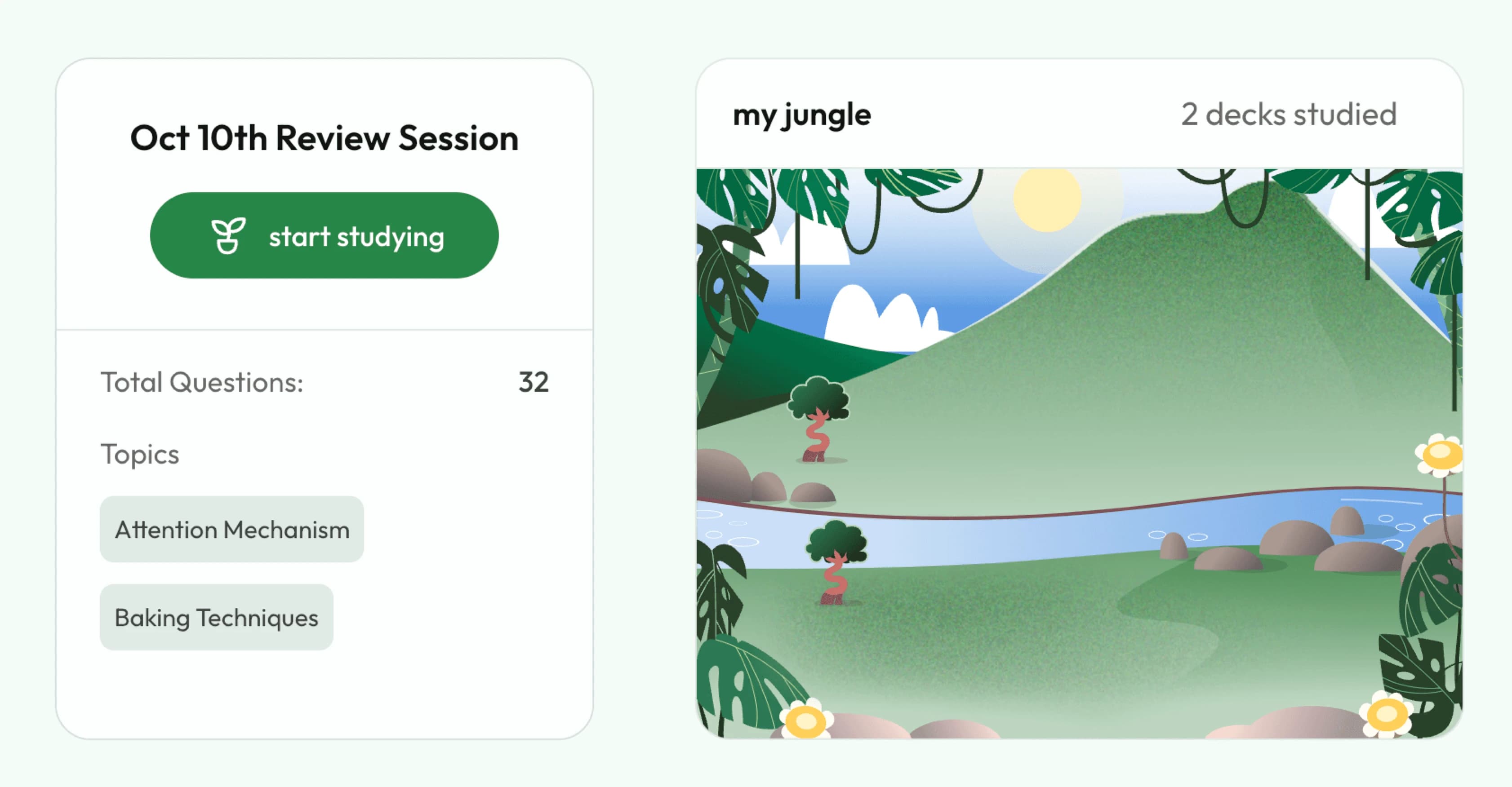
5. Notebook LM – Field Journals Made Collaborative
How do you keep a whole class engaged in documentation—not just forcing everyone into another Google Doc? With Notebook LM, we treat our classroom like a pop-up research lab. Students dumped observation notes, sketches, mid-project audio updates, and ‘overheard in science’ one-liners into our collective notebook. The AI clustered patterns (sometimes better than I would have noticed), generated Q&A wrap-ups for peer interviews, and even suggested podcast scripts for our ‘What Actually Happened?’ lab debrief. Bonus: parents loved listening in—reflection became a group celebration, not a form to fill.
Try Notebook LM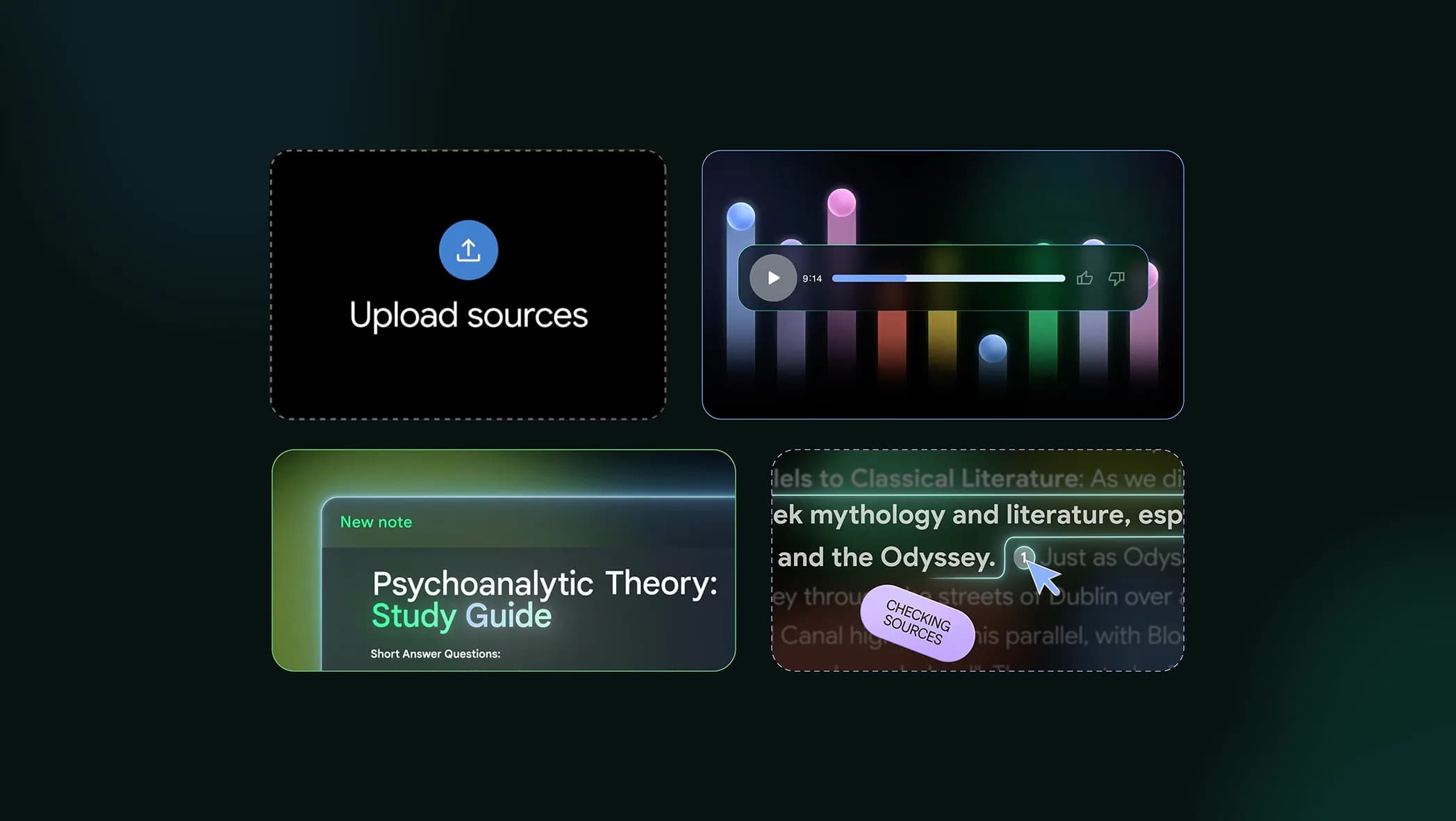
6. Suno AI – Rituals, Debriefs & Celebration for Every Milestone
You need a classroom culture that keeps everyone coming back—even when the experiment flops. Suno AI was our ‘aha’ moment: after every wild project or embarrassing mistake, students submitted anthem prompts like ‘Song for Friday’s Lab Disaster,’ ‘Ode to Rain Delay,’ or ‘Photosynthesis Rap Battle.’ Suno’s instant AI-generated songs kept risk-taking fun, became the class soundtrack for clean-up, and (true story) are now my go-to playlist for starting our next wild project sprint. Even shy kids would suggest lyrics after getting psyched by the last one. It’s culture as ritual, not just SEL.
Try Suno AI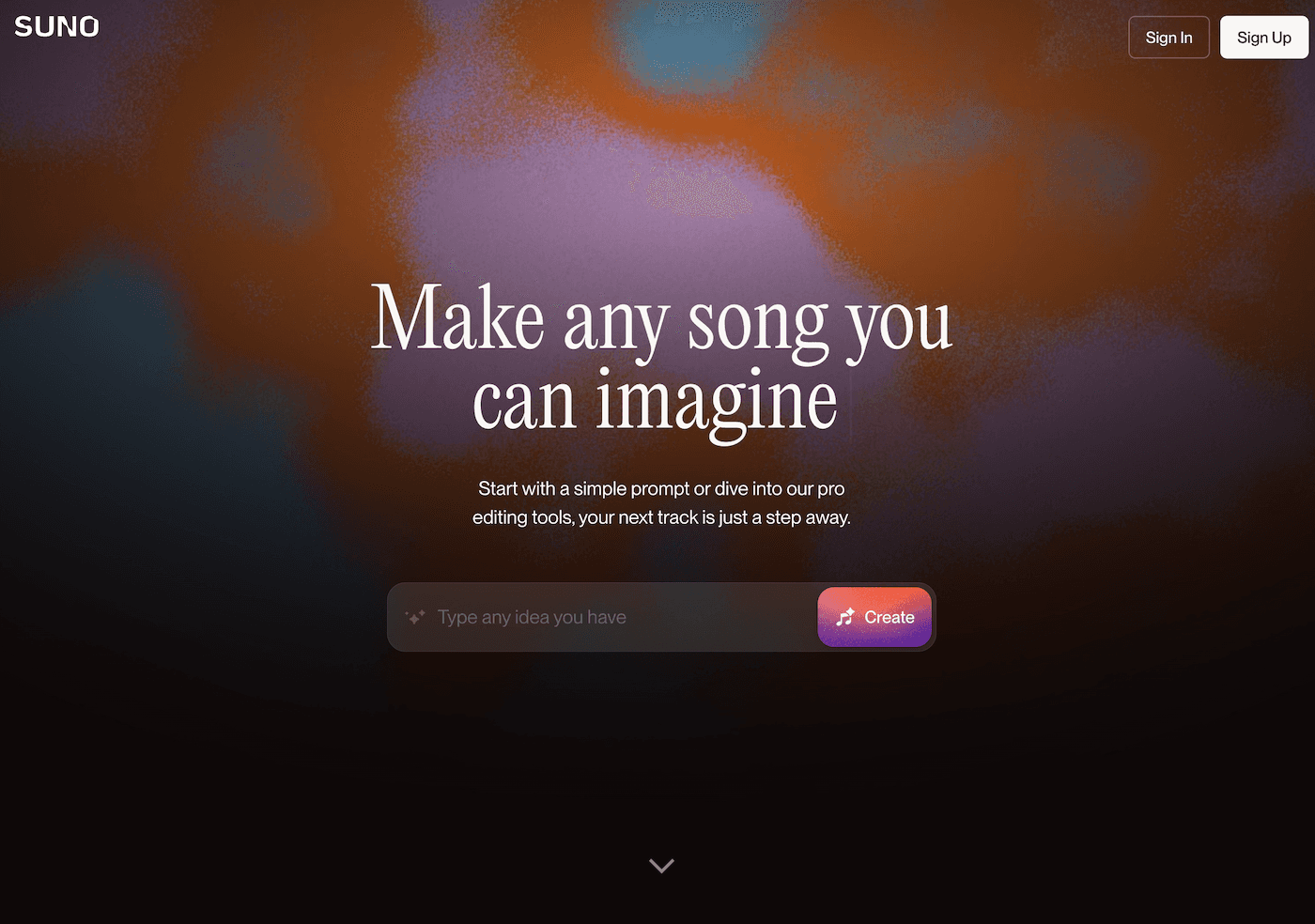
Honest Hands-On Science Hacks from the Trench
- Archive as you go. Use Gamma and Notebook LM to capture every group’s unique journey—your next unit will thank you.
- Make plans living artifacts. Let Kuraplan be your editable map, not a prison.
- Turn review into adventure. Student-authored error analysis (Jungle) and group reflection help make science class feel real and collaborative—not a test.
- Personalize your field guides. Diffit lets you bring in any curiosity—and makes it accessible to everyone.
- Celebrate as much as you record. Suno rituals turn setbacks into community, and ensure you get a little joy back—even when the beakers break.
Tried a workflow, app, or hack that kept your science classroom hands-on (and your lesson sanity intact)? Share it below—then, get out there and make your next project wilder.