6 AI Tools for Teachers Who Love Improvising Lessons
A confession: I’m not a “print in advance, perfectionist binder” type of teacher. If there’s a last-minute pep rally, a news story that lights up the room, or a student who blurts out “can we try it this way?”—I’d rather ditch my plan than force us all to stick to it. Teaching is at its most joyful (and sometimes most chaotic) when you embrace the improv moments, but wow does that take energy—and quick, flexible workflows most edtech just doesn’t get.
This past year, I set myself a mission. I wanted AI tools that make improvising easier rather than harder: tools that help collect brainstorms on the fly, flex the daily plan, say "yes" to wild student requests—and let you capture the magic for the next time inspiration strikes. These are the 6 tools that actually kept up with me and my students—each with a hard-learned workflow, an “improv win,” and a warning from the trenches. And yes, Kuraplan is here, but not as the boss—just the reliable backup when you zig where admin thought you’d zag.
1. Gamma – On-the-Spot Slides, Not "Next Unit" Decks
Every time my English class heated up into a pop culture debate, my science students invented a new environmental challenge, or advisory wound up discussing the latest Supreme Court news, I needed visuals—now. Gamma became my “teacher as DJ” engine:
- Snap a photo of a missed whiteboard, drag last night’s annotated PDF, or drop sticky notes from group chat directly into Gamma.
- The AI spits back “in the moment” slides, visual timelines, or a digital gallery the students build with you, live on the projector.
- On Fridays, my crew walks through a highlight reel of the week’s pivots and surprises—no pre-planned template required. Warning: you will stop dreading parent night when your gallery isn’t just the A+ projects but every creative mess the class built together.

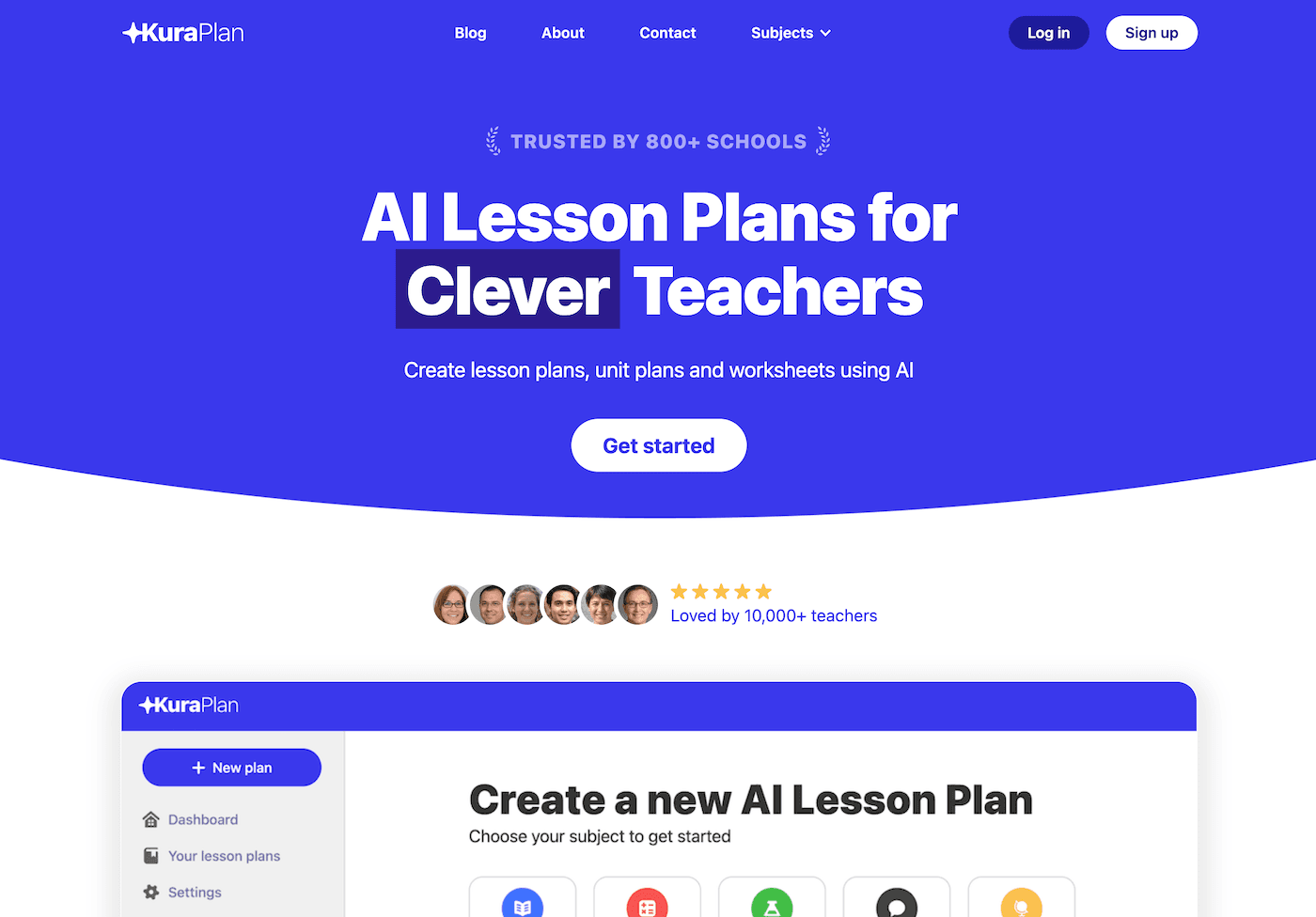
2. Kuraplan – Blueprint for the Next Detour
Sure, Kuraplan can build a beautiful unit map. But for improv teachers, its best use is live planning on the fly:
- After a lesson goes off-script, gather around and brainstorm: what detour did we just discover? Is this worth a one-day mini-unit or a week-long build?
- Plug your new aim or question into Kuraplan—add any must-hit standards or admin "have tos" and let it auto-map a draft (with checkpoints!)
- Then the real fun: edit the sequence right there with students—rearrange tasks, add open-ended work time, even drop “Flex Block” slots for tomorrow’s best idea. Pro tip: I always show my principal the before and after—proof we kept momentum while improvising. Kuraplan is my evidence that flexible = accountable.
3. Notebook LM – Real-Time Class Journal on Demand
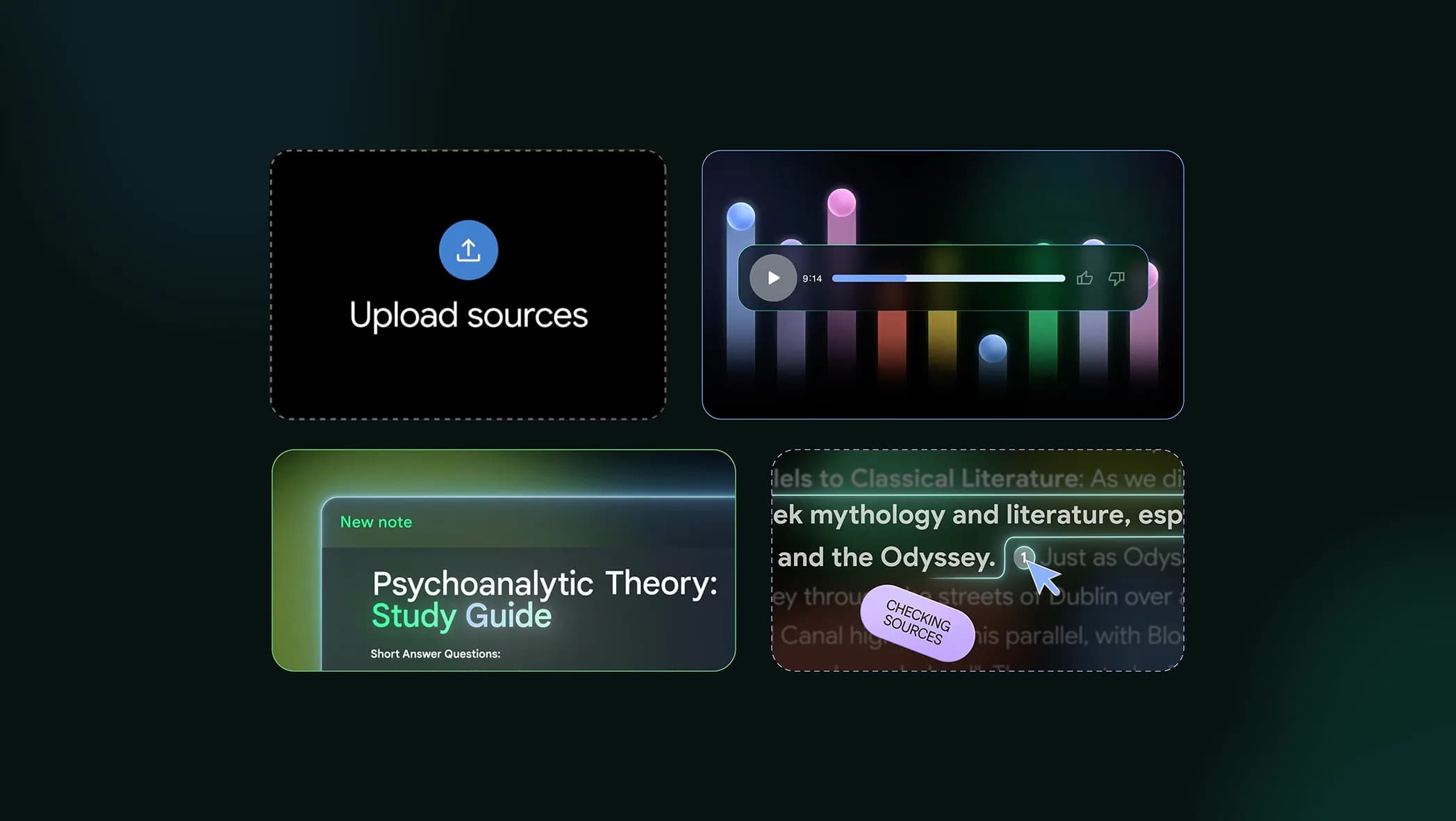
If you love unplanned learning, you know the tragedy of losing those unforgettable moments—an epic debate, the wild group brainstorm, that late-night meme breakdown everyone keeps quoting. My solution: every student adds their voice memos, group Google Docs, sketched diagrams, or recap Q&A to our shared Notebook LM notebook after each “that wasn’t what I planned” day.
- The AI automatically clusters trending topics, finds connections between last week’s and today’s questions, and even drafts discussion prompts or Q&A scripts for recaps.
- We now start every Wednesday by scrolling our Notebook LM highlights—and more than once, a throwaway tangent turned into the next major project. I bet you’ll be shocked what your students want to revisit when you make improvisation visible!
4. Diffit – Any Resource, Any Audience, Right Now
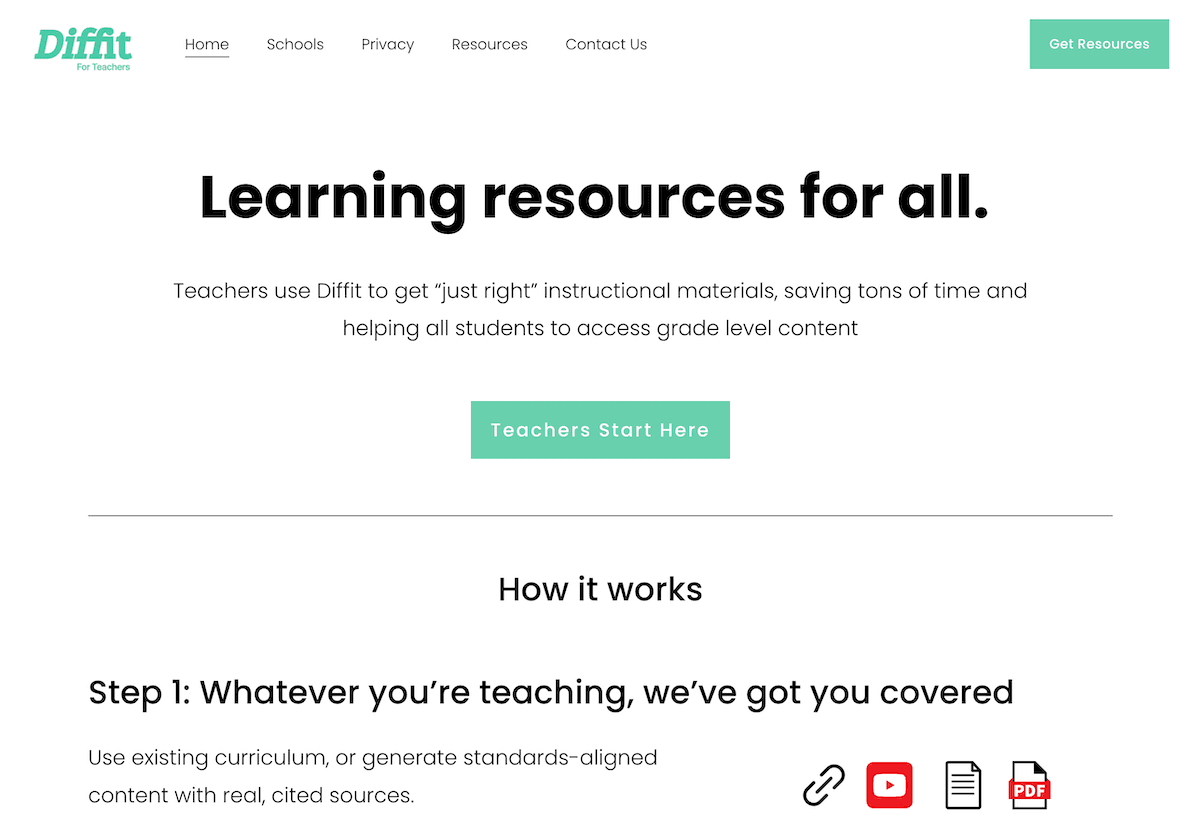
Improv teaching means saying “yes” when students want to analyze a breaking news video, bring in a sample TikTok, or debate this week’s op-ed—then realizing it’s not written for your group’s range. Diffit is my just-in-time resource translator:
- Paste the text or transcript (from any source!) into Diffit.
- In seconds, get multiple leveled versions—plus comprehension and vocabulary checks—ready for groups to choose the level they need.
- No more “maybe next week when I adapt it”—now everything is accessible, from podcast scripts to Wikipedia wormholes. Best hack: let students pick the article, and you handle differentiation quietly in the background.
5. Jungle – Review Games from the Week’s Real Struggles
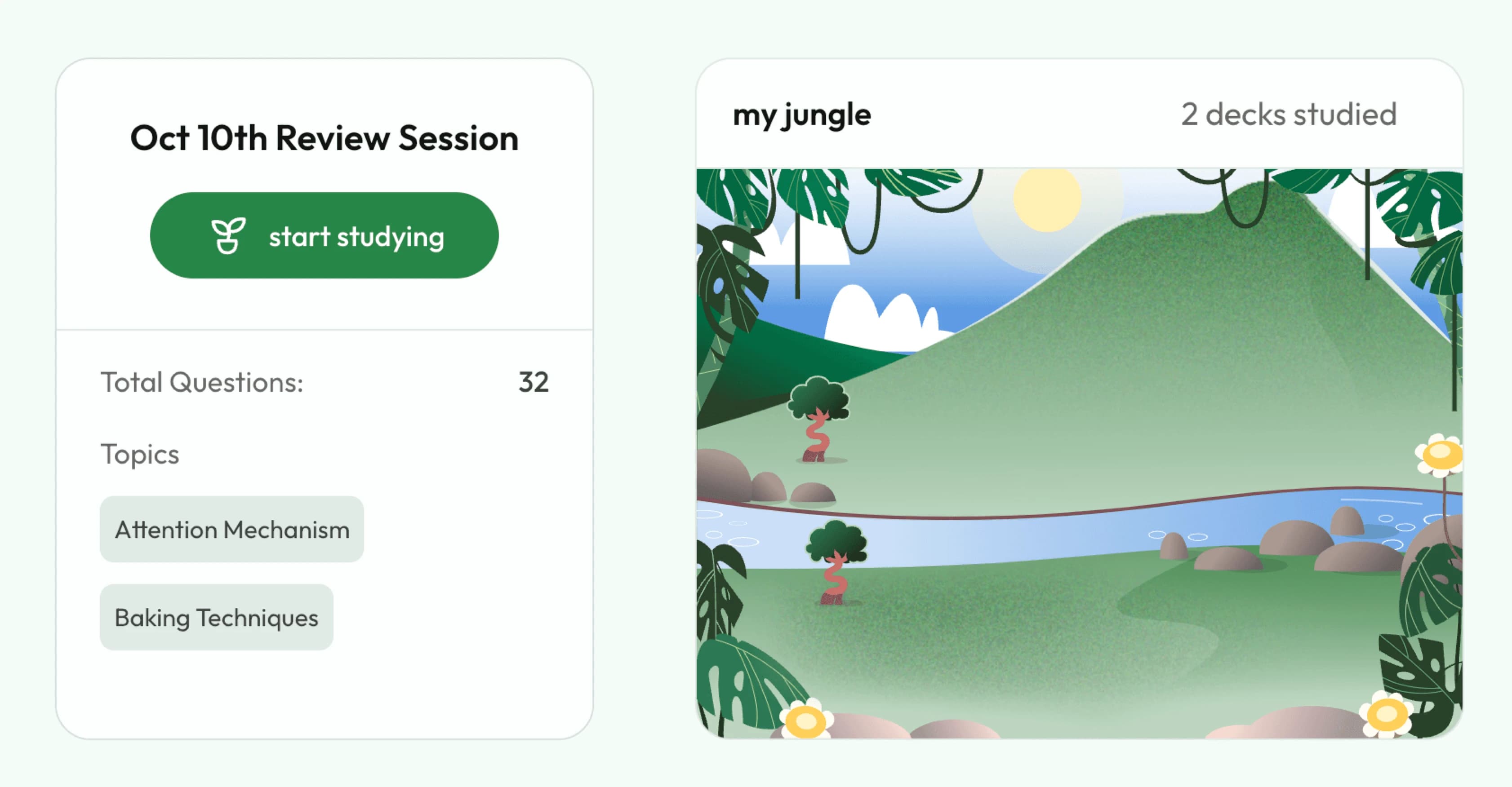
Let’s be honest: classic quizzes and check-ins rarely match the lessons you actually taught on a week that went off script. After every wild detour, I have students submit a question card (biggest challenge, wildest brainstorm, or “what did we totally miss?”). Jungle’s AI curates the submissions, removes repeats, and instantly creates decks for student-run review games, teacher trivia, or peer feedback in a matter of minutes.
- It’s the only review game that actually builds from the learning that took place. My kids now beg for “Stump the Teacher Friday” because it lets their own voice—especially their confusion or creativity—lead the review cycle. Tip: Let students propose a new rule for how the game works each week—they’ll remix the ritual themselves!
6. Suno AI – Soundtracking Learning Pivots and Victories
Ritual, it turns out, is what helps improv teachers keep a class community together through chaos. My new tradition? Every big detour, end-of-project, or unexpected “we survived that!” moment, my class submits lyric lines for a Suno AI custom anthem—“Monday Mood Swing,” “Song for Last Minute Genius,” “Clean Up After Debate Mania,” even “Best Pivot of the Month.”
- Suno generates class tracks in seconds, and we use these as transitions, group reminders, or closures.
- By June, every class has a playlist marking every successful (and failed) improvisation of the year. Best part: students who barely speak in Socratic Seminar are now fighting to get their lyric into the next class song!

Advice from One Improv-Obsessed Teacher to Another
- Archive everything: The magic of improvisation is easy to lose. Gamma and Notebook LM preserve your best moments for next week, next year, or next time you’re called on to “show your work.”
- Plan in public: Use Kuraplan not as a ruler, but as a co-created map—even (especially!) after you ditch the day's plan.
- Let review and rituals flex: Jungle and Suno aren’t just about checking boxes; they’re for making community—and accountability—part of your daily pivot. Never make improv mean loss of rigor.
- Trust the mess: The right AI tools don’t replace your intuition—they let you show off the beautiful disorder when it leads somewhere bold.
If your class improv’d its way to an unexpected win (or disaster), or you’ve hacked these workflows for maximum “learning in the moment,” share your story below! Teaching should be more than repeating Tuesday’s slides—and now, AI can finally help us say YES more often.