7 AI Tools for Innovative History Teachers
Teaching history in 2025 means you’re not just telling stories—you’re conjuring debate, wrestling with civic complexity, and, if you’re anything like me, trying desperately to make primary sources less snooze-inducing for students raised on TikTok speed. History teachers often get the short end of the edtech stick—most tools feel too prescriptive, too basic, or too “just fill in a worksheet” to actually spark curiosity.
This past year, I stopped chasing silver bullets and started leaning into the AI tools that actually do two things: save me time and help students think like real historians. Below are the 7 tools that rewired my approach, let students argue (productively), and made my history classroom a place for real discovery, sometimes even a little chaos—in the best possible way. If Kuraplan is here, it’s because it honestly helped—no sponsorship, just reality.
1. People AI – Bringing Primary Sources to Life
The day I let my students grill “Eleanor Roosevelt” about the Universal Declaration of Human Rights, something changed. Suddenly, even my football players were debating—real-time—with the past. With People AI, students can hold mock interviews, cross-examinations, or even dinner table debates with anyone from Aristotle to Wangari Maathai. My favorite move? Group students into “press pools” and have them collaborate on questions, then analyze how the AI shifts persona throughout the conversation. World history became a living, unpredictable forum—not just another timeline chart.
Try People AI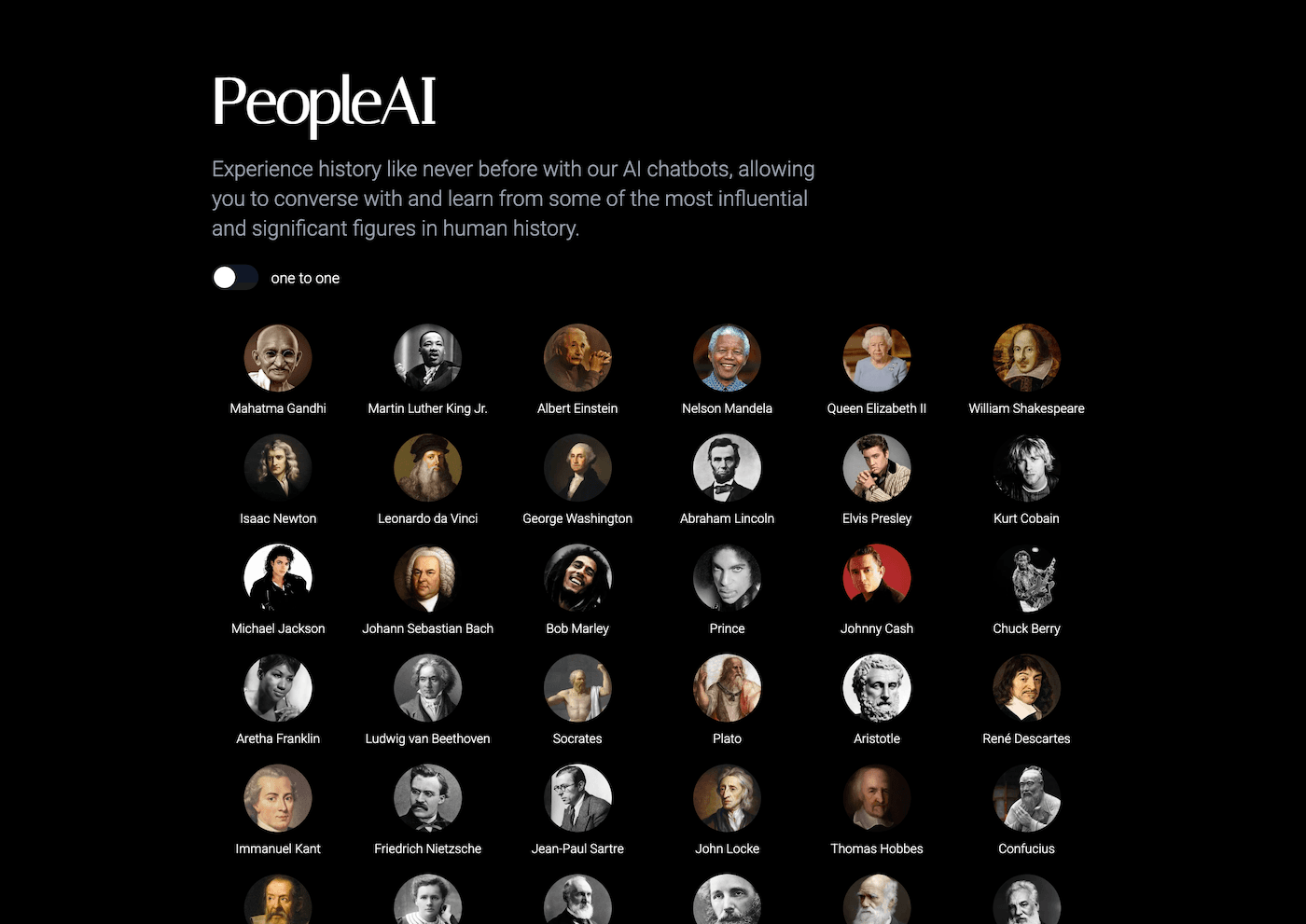
2. Gamma – Student-created Arguments & Timelines
You ever give a research prompt and end up with 32 unformatted, inconsistent projects (and just as many grumbles)? Gamma turned my document graveyard into student-driven, visually stunning timelines, infographics, and digital debates. My APUSH class used it to storyboard the long-term impacts of Reconstruction; my World Civ students designed side-by-side outbreak maps of ancient plagues and COVID. The key: let students drop in rough notes, then co-edit slides—every project looks different, and their ownership goes through the roof.
Try Gamma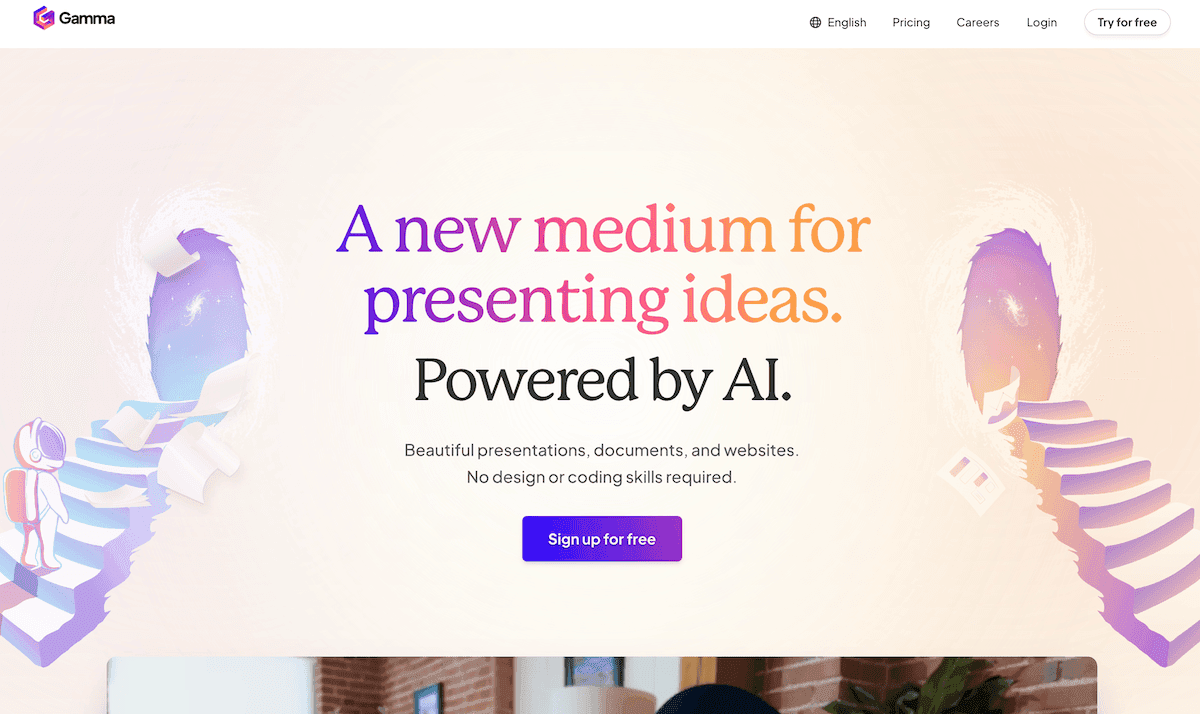
3. Kuraplan – Realistic Sequence Planning (for Real History)
Admin wants standards. I want meaningful debate and inquiry. Kuraplan is where I start my unit outline when either (a) I’m totally brain-fried or (b) a student wants to take the Civil Rights project way beyond the textbook. Drop in your theme (“Who really won the Cold War?”), context (grade, standards, skill goals), and Kuraplan builds a sequence with checkpoints—not just quizzes, but debates, source challenges, and even parent letters. I never follow it exactly, but it cuts the prep time and lets me focus on the spicy stuff: group choice, simulations, and those “this wasn’t on the test” moments.
Try Kuraplan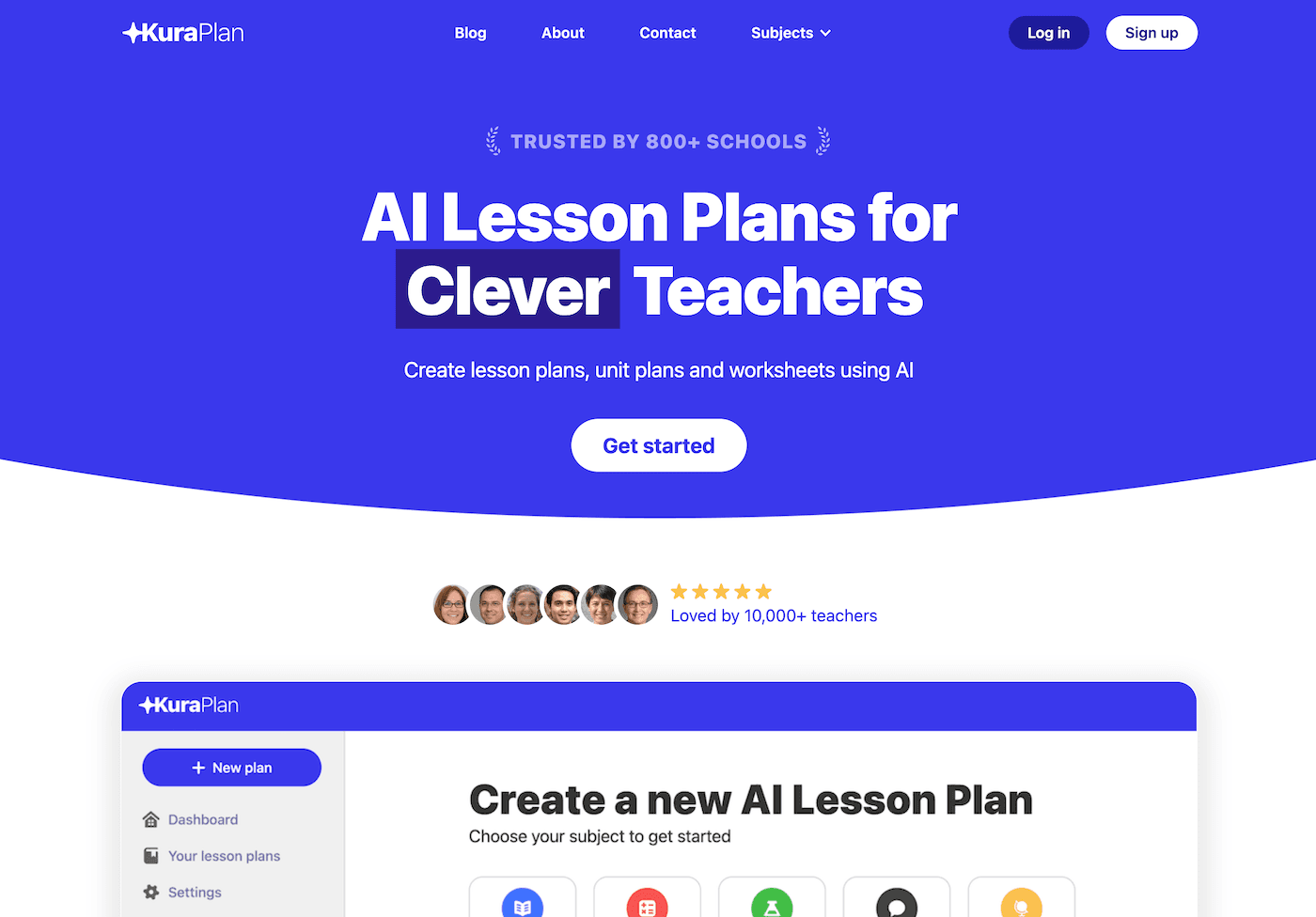
4. Fliki – Turning Research into Mini-Documentaries
History fair night is great—unless you dread editing 15 broken voiceover videos. Fliki lets students script and narrate analysis (“Was the Boston Tea Party protest or performance?”), adding AI visuals and dramatic effect. Even my shy students got hyped to create “propaganda warnings” or short “lost voices” documentaries. We showcased Fliki projects in QR-code galleries; several parents said they FINALLY understood what the French Revolution was about. Bonus: perfect for teaching tone, bias, and media literacy in one go.
Try Fliki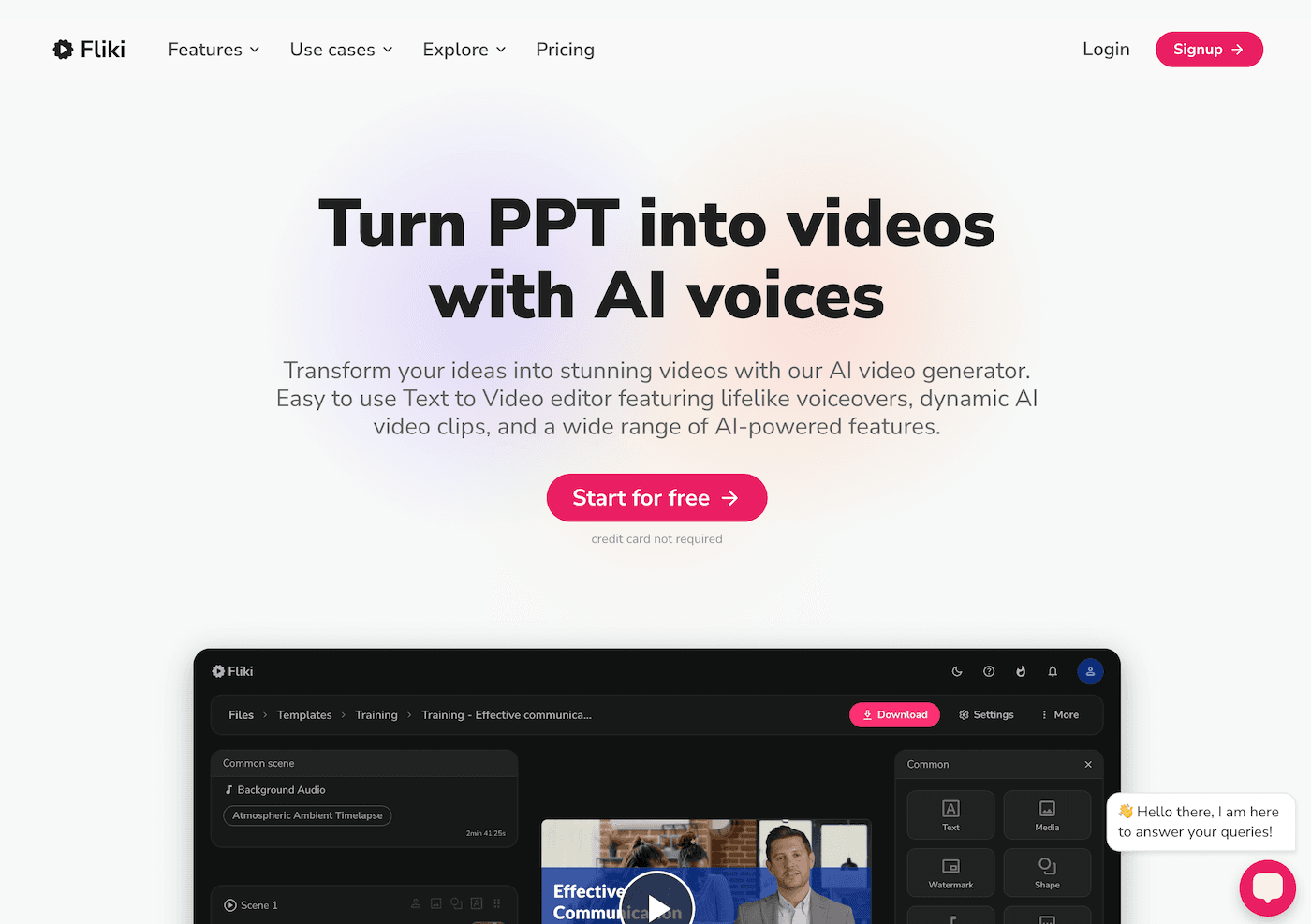
5. Diffit – Making Real-World News Accessible (For Everyone)
Part of my job is getting kids to connect today and yesterday—but news texts nearly always lose someone. Diffit lets me pull in articles (from NPR, the BBC, or even TikTok transcripted explainers) and generates multiple reading levels, vocabulary lists, and custom response questions. It rescued my lesson more than once—especially when a local controversy or global event exploded midway through a sloggy economics unit. Now, nobody’s left out, and news-based inquiry is routine, not extra credit.
Try Diffit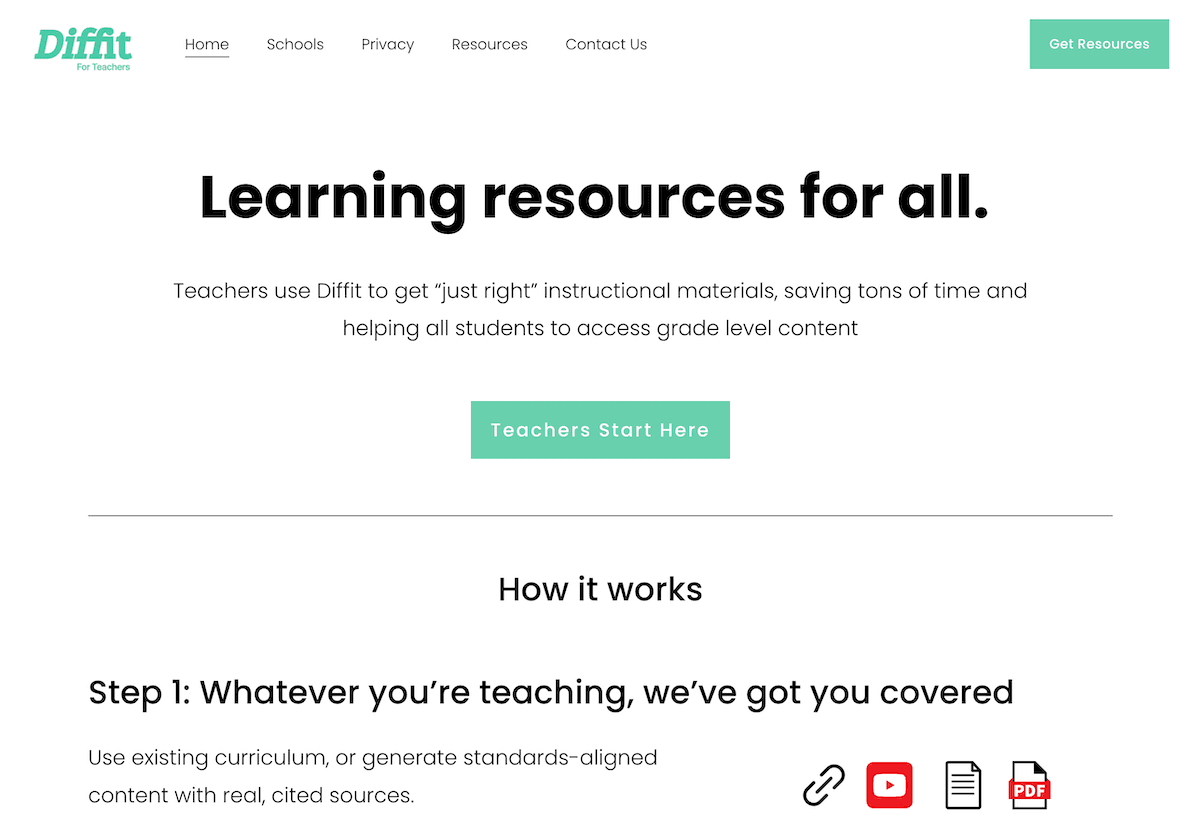
6. Jungle – Creating (actually good) History Review Games
Test prep used to mean Kahoot or Jeopardy (and a bunch of eye-rolls). Jungle changed the dynamic: I assign student groups to generate flashcards and quiz decks—on obscure Supreme Court cases, “misunderstood moments in World War I,” or even “famous historians’ biggest mistakes.” Jungle compiles cards and hosts review games that students actually drive, often exposing gaps or new arguments that lead to class discussion. Review is playful, fierce, and—I’ll admit—now the highlight of my pre-exam week.
Try Jungle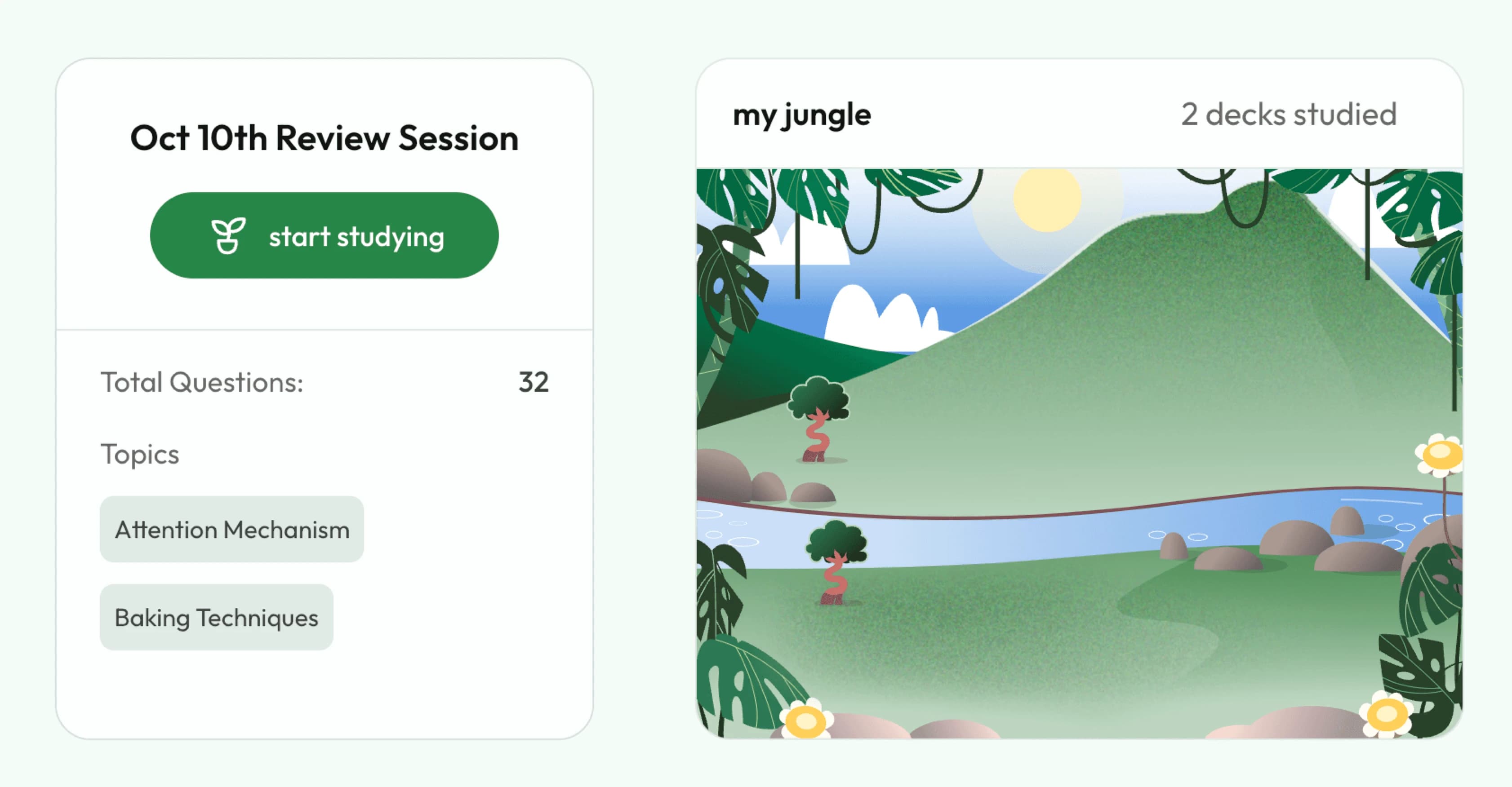
7. Notebook LM – Turning Classroom Chaos into Podcasts & Debriefs
At the end of every unit, my class used to be a junk pile of sticky notes and debate scribbles. Now, we feed all our mess into Notebook LM—group notes, anonymous questions, even snarky asides. The AI suggests themes and podcast scripts; students improvise “Exit Interview Shows” asking “What would you have done as President Truman?” or “What can our community learn from ancient Athens?” It’s reflective, builds speaking skills, and—best of all—lets quieter students have their say in a new format. We even started uploading some episodes to the school site.
Try Notebook LM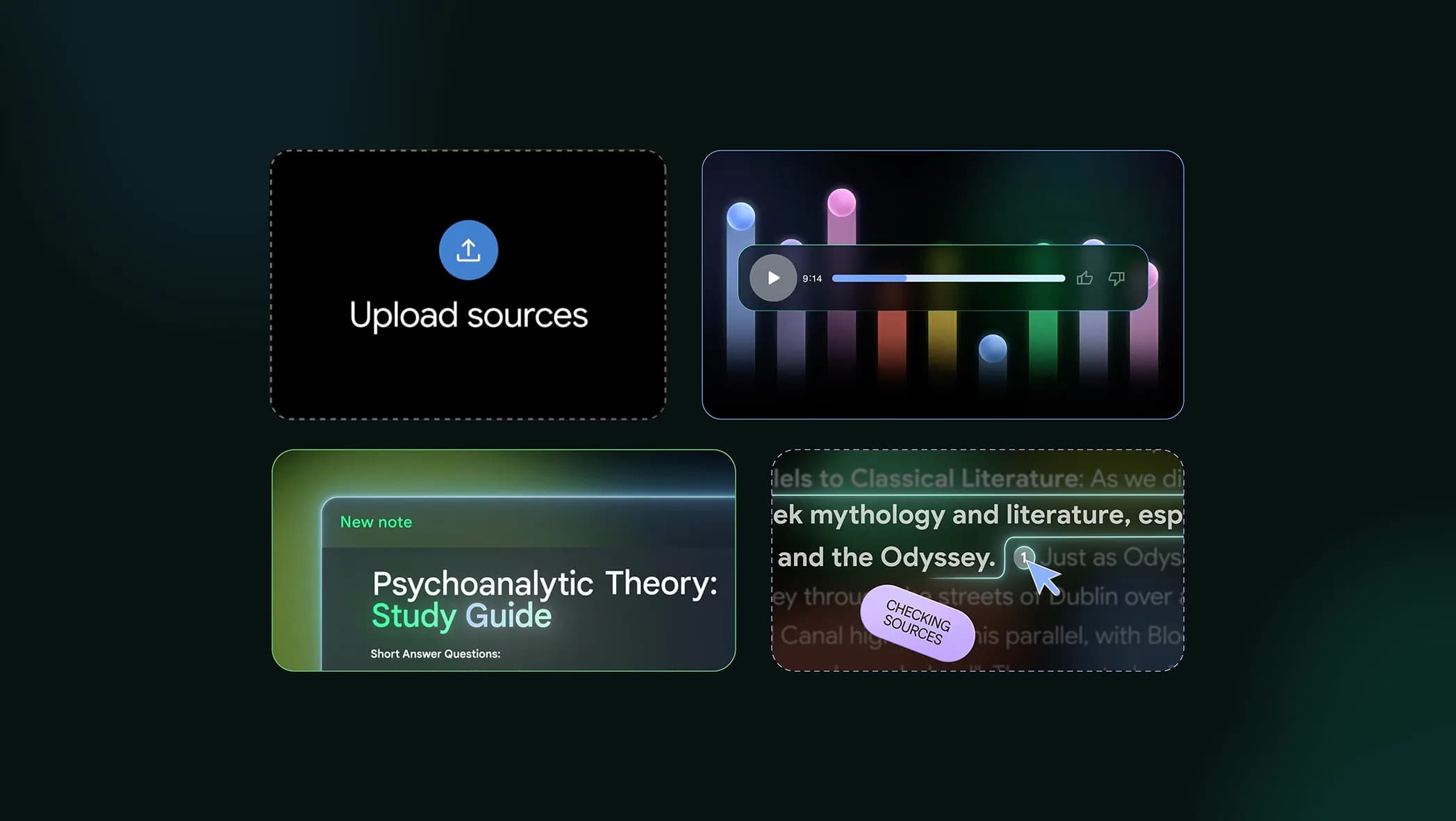
Honest Advice for Fellow History Teachers
- Let go of always being the expert—these tools let students debate, improvise, and interrogate the past in surprising ways.
- AI isn’t a magic bullet for standards or engagement, but it can do the grunt work (sequencing, differentiating, formatting) so you spend time on messy debates and rabbit holes.
- Always pilot a tool on your “worst” unit first—the one that loses students every year. You may find a creative use you never planned (my Trench Warfare flashcard contest is now legendary).
- Make it public: share student-created podcasts, galleries, or review decks, so parents and admin see that history is alive in your room.
If you’re an innovative history teacher using AI to rethink what’s possible, swap your best hacks or wildest class moments below. The past is never dead—it’s just waiting for the right debate (and maybe the right tool) to bring it up for argument.