6 Game-Changing AI Tools for Interdisciplinary Teachers
When you teach outside the lines—maybe you run a 6th grade STEAM block, a social justice PBL section, or that not-quite-English/not-quite-science "Innovation Lab" class—you already know: most AI tools and edtech think in one subject at a time. The reality in your classroom? Research leaks into writing, math into history, and the best projects have a mind of their own. One day it's documentary podcasting, the next it's survey design or 3D mapping for a community fair.
After years of piloting hybrid units and team-teaching quirky electives (and too many head-smacking trips down the template lesson route), this year I set out to test AI tools that actually work ACROSS subjects—ones that help manage the chaos without boxing in creativity. Below are the six that became fixtures in my cross-disciplinary classroom—each solves a wildly different pain point. No, Kuraplan’s not the only star, but you’ll see why it’s the “backbone” I won’t drop. All these picks are tested, real, and ready for project chaos.
1. Notebook LM — Co-Piloting Research in Any Subject
Our library is the group chat, the science lab, and three Google Drives at once. Whenever we launch a hybrid project—say, mapping immigration stories with local census data—students and I start a shared notebook in Notebook LM. We dump everything in: interviews, TikTok transcript analyses, student writing, and raw data. The AI clusters themes and even suggests scripts for class discussion podcasts or panel interviews. This isn't subject-driven—it’s messy, multi-modal synthesis, and my students start seeing themselves as makers, not just test takers.
Try Notebook LM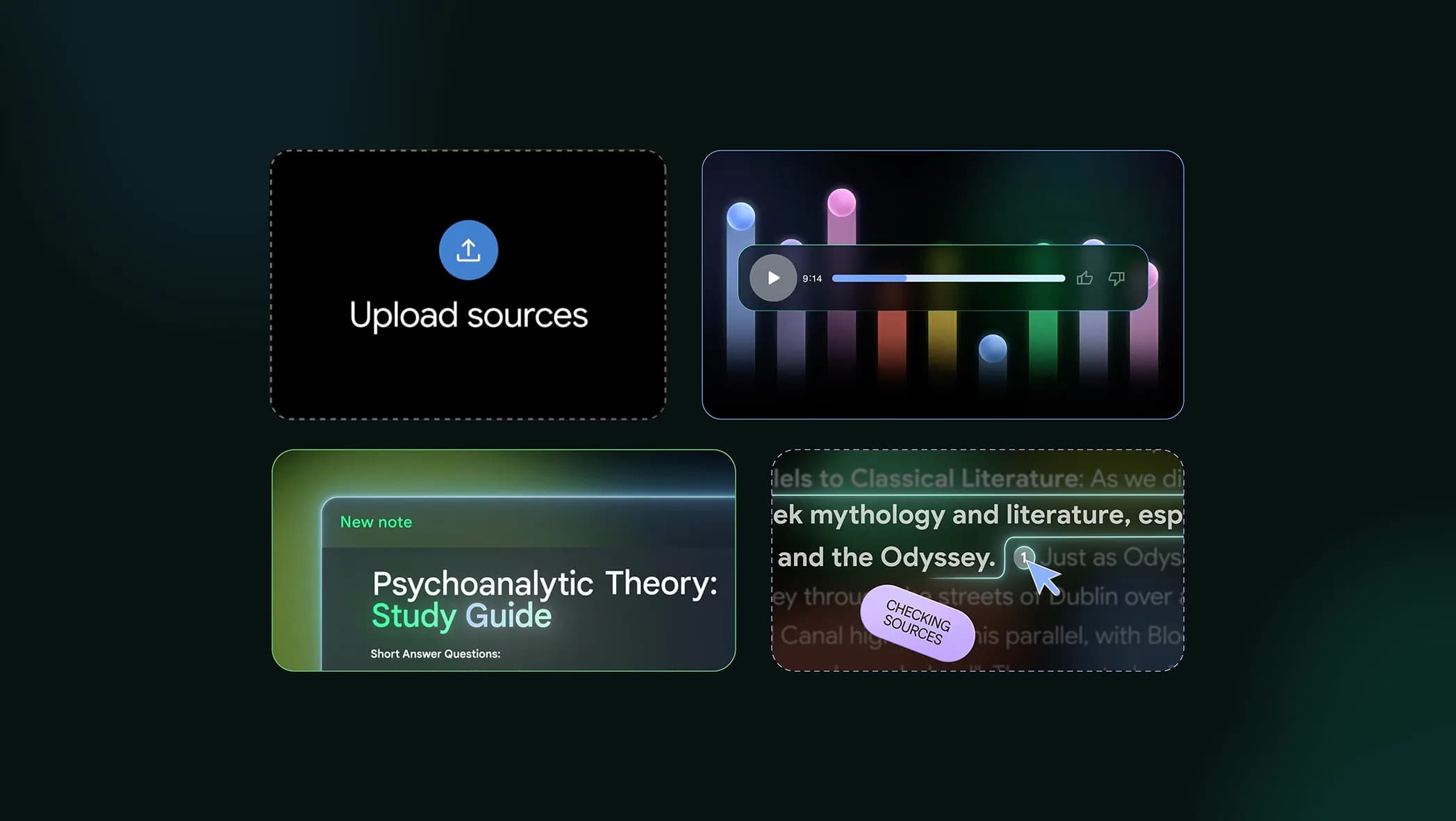
2. Gamma — Visualizing Multidisciplinary Workflows
You want students showing connections, not just filling in boxes. Gamma is the tool I reach for instant visual storylines—combining murals, survey data, photo essays, or makerspace designs into presentations or storyboards students can remix in real time. When projects straddle history and science (or drama and math!), Gamma lets each group organize their chaos—with slides, maps, and interactive timelines built around THEIR logic, not another sectioned rubric. Great for showcasing progress to admin or parents who don’t "get" what you’re building (yet).
Try Gamma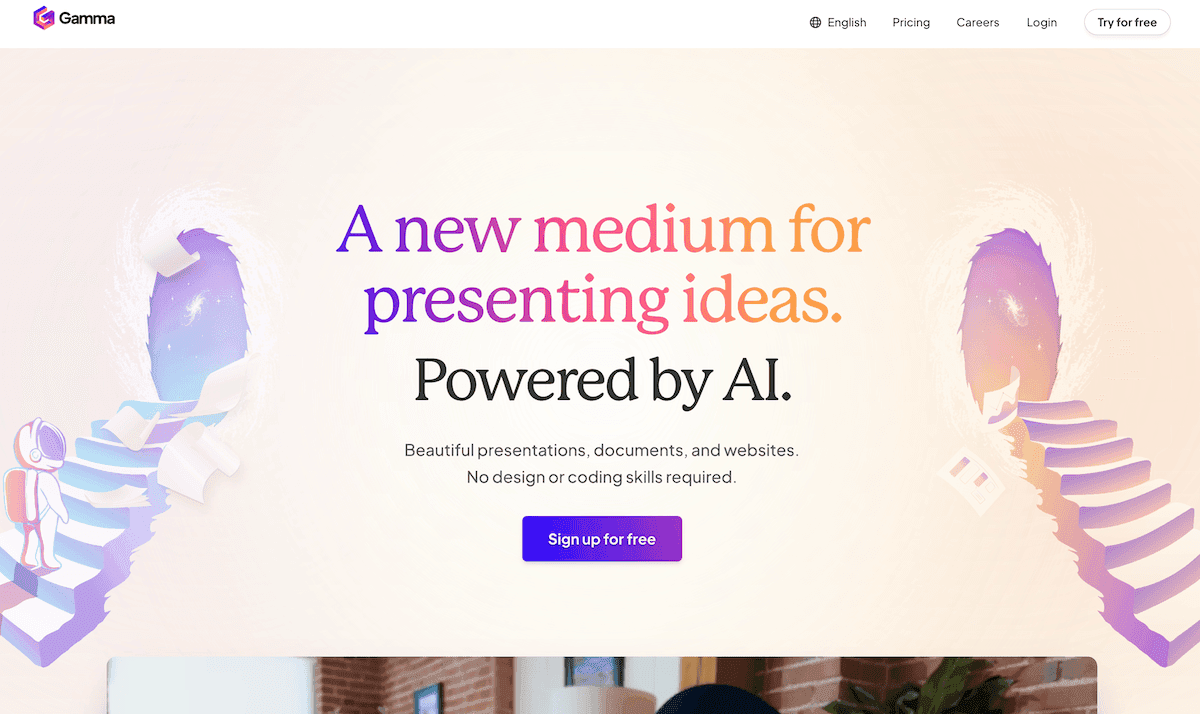
3. Kuraplan — The Cross-Subject Project Backbone
Here’s the only AI skeleton I use for both writing units AND Rube Goldberg contests: Kuraplan. I feed it wild, open-ended prompts (like, “Document our water supply and pitch city council”), list a few cross-curricular standards (math, social studies, art), and Kuraplan spits out a draft timeline, checkpoints, and formative reflection points. My secret: I project the draft for students, who critique, reorder, and redesign it as a whole-class hackathon. The best part? I can tag accommodations for EL students or advanced learners up front—Kuraplan never flinches at an interdisciplinary schedule.
Try Kuraplan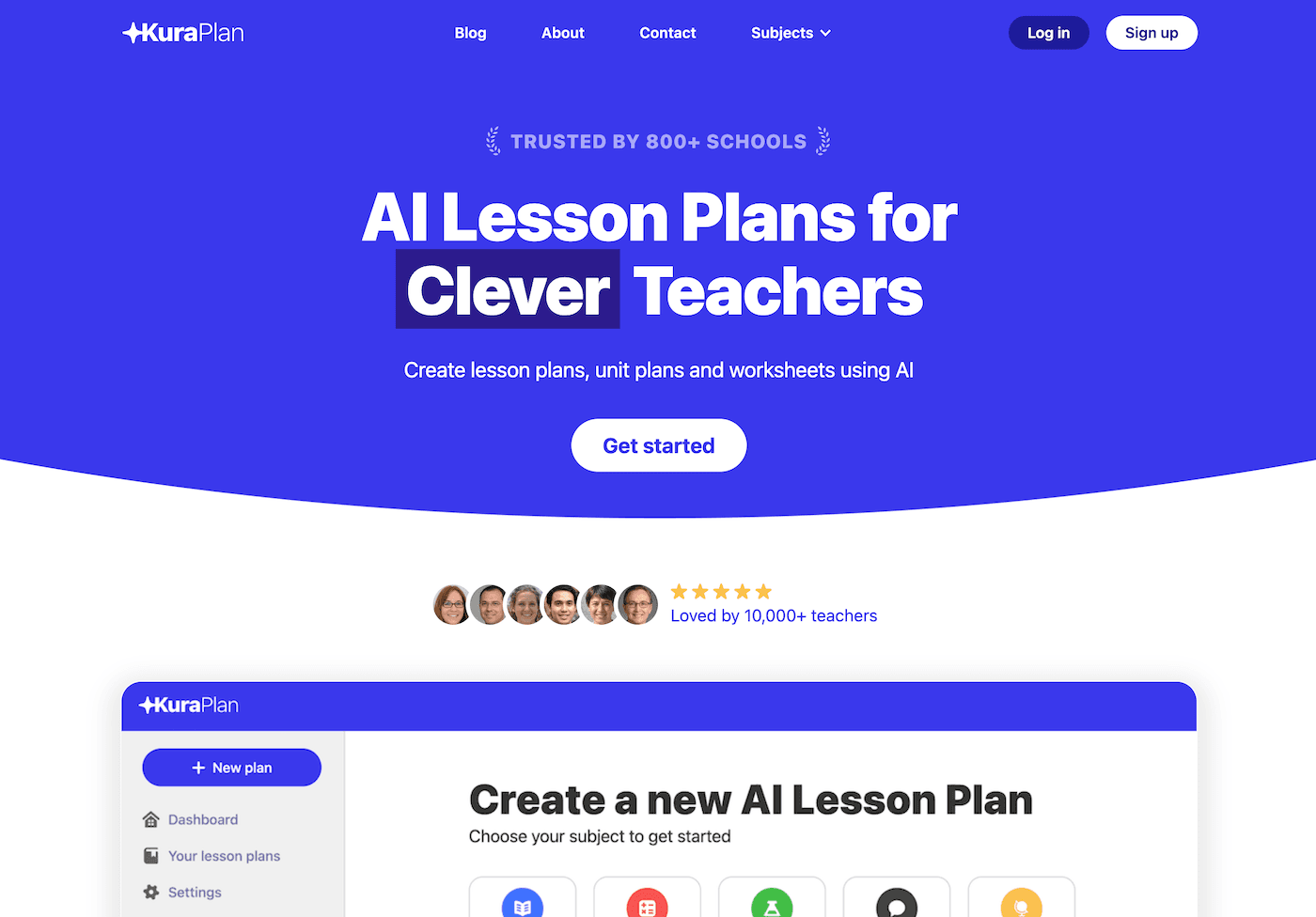
4. Diffit — Making Real-World Content Accessible for Every Project
“Can we analyze a protest song? Can we use this documentary script? What about a new NASA update?” Diffit is my on-the-fly scaffold: any text, podcast transcript, or recent news gets leveled—down for newcomers, up for AP, sideways for ELL families. I use Diffit to prep project materials, current events, even instructions for guest experts. We’ve run roundtable debates where students compared three versions of the same primary source, spotting bias and language choices. For open-topic inquiry, Diffit is the only reason every group can access the same story at their level.
Try Diffit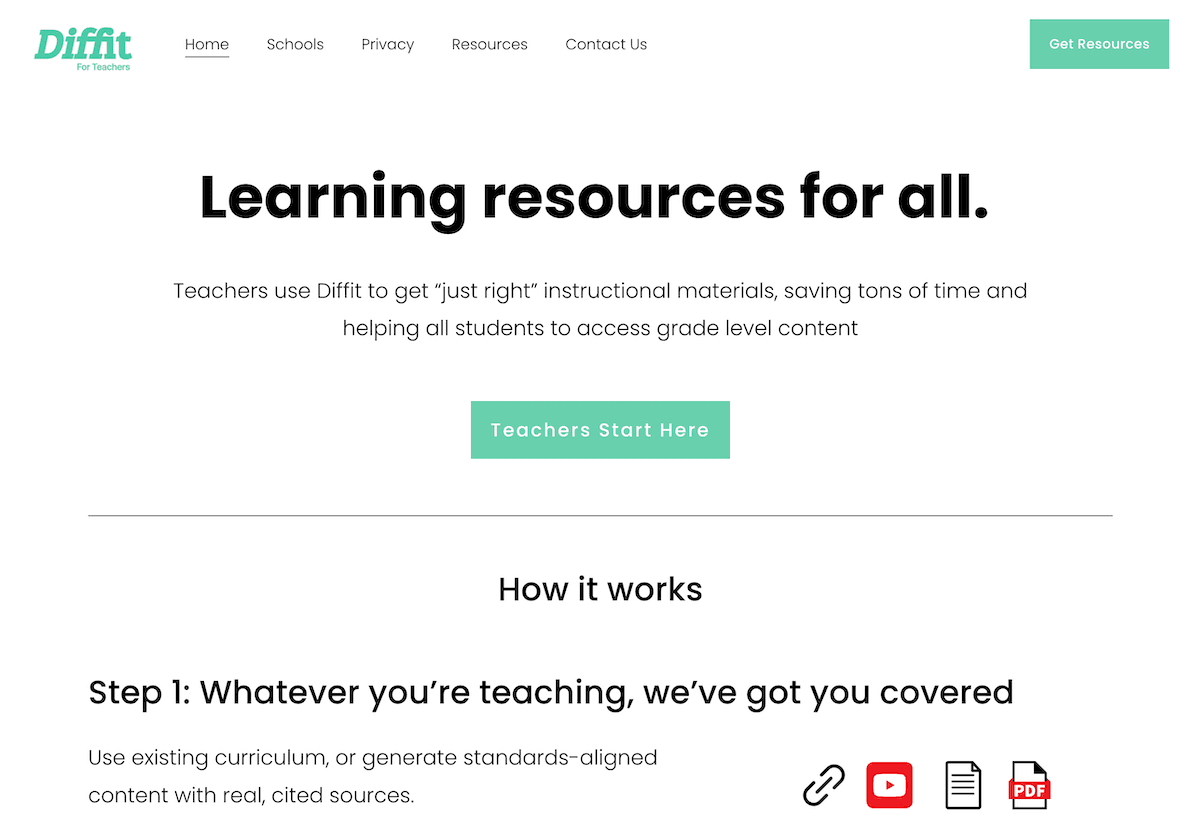
5. Jungle — Assessment That Follows the Project, Not the Curriculum
I ditched “chapter quizzes” years ago, but assessment in interdisciplinary settings still gets messy. Jungle was a surprise win: student teams submit post-project reflection questions, wild “what stumped us” riddles, or key vocab (from math, chemistry, or social studies—anything goes), and Jungle generates group review decks, games, and even peer-graded MCQs. The big shift? Students build their own formative assessment, get real-time feedback, AND cross-check concepts across disciplines. Even my nervous middle schoolers started trash-talking their “capstone deck” before the project night.
Try Jungle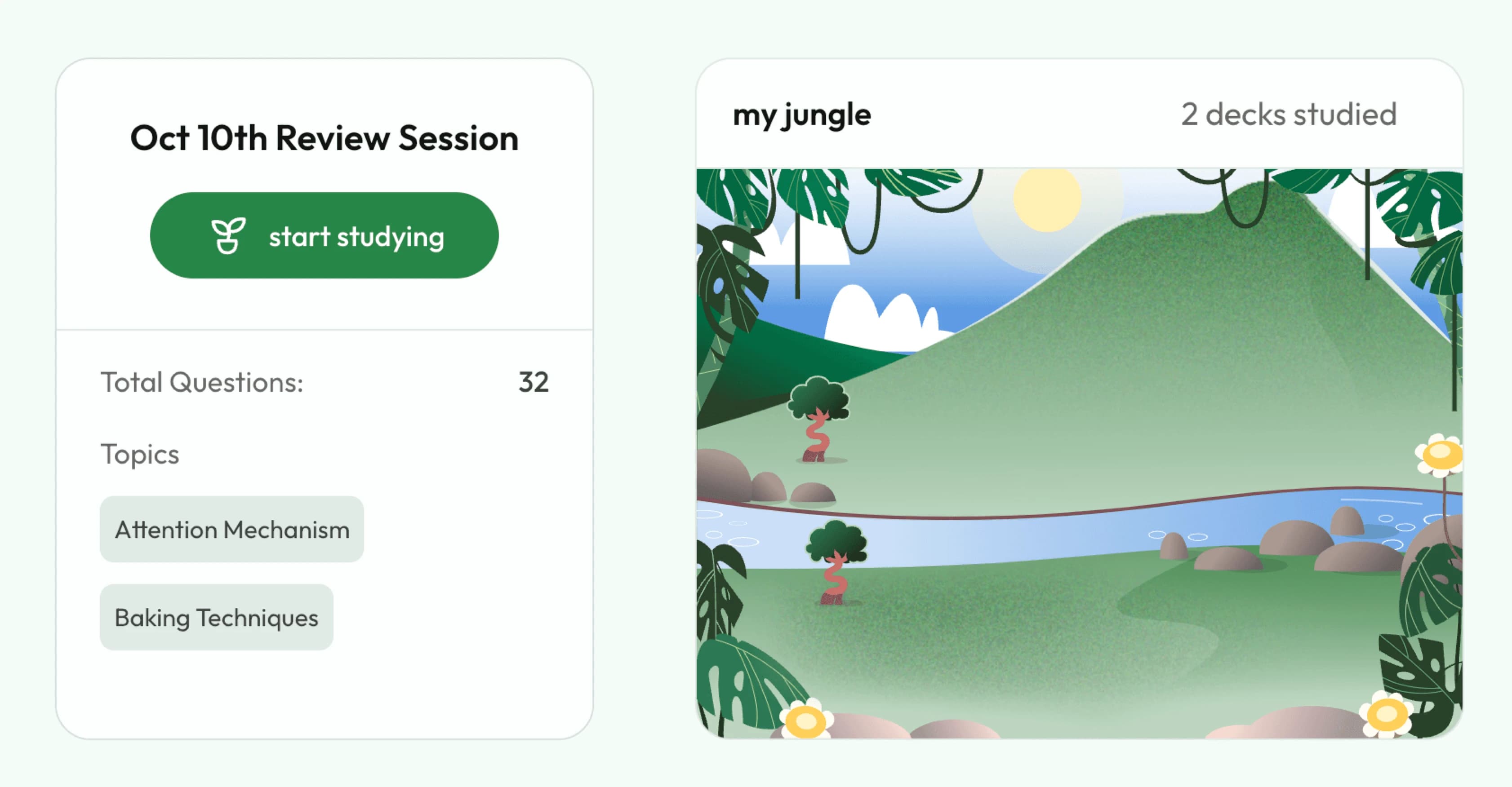
6. Suno AI — Class Rituals, Identity & Transitions that Actually Stick
In cross-disciplinary chaos, culture is everything. Every month, I let my hybrid block write prompts for Suno—"Our Interdisciplinary Anthem," "The Friday Reboot," "What We Learned Making a TikTok About the Gold Rush." Suno turns the lyric salad into class-safe, catchy music for transitions, celebrations, or just group identity. We use these as openers for presentations, closing brain-breaks after all-hands days, and even for project launch countdowns. It might sound minor, but for a classroom with no single subject center, shared music becomes one anchor my students rave about years later.
Try Suno AI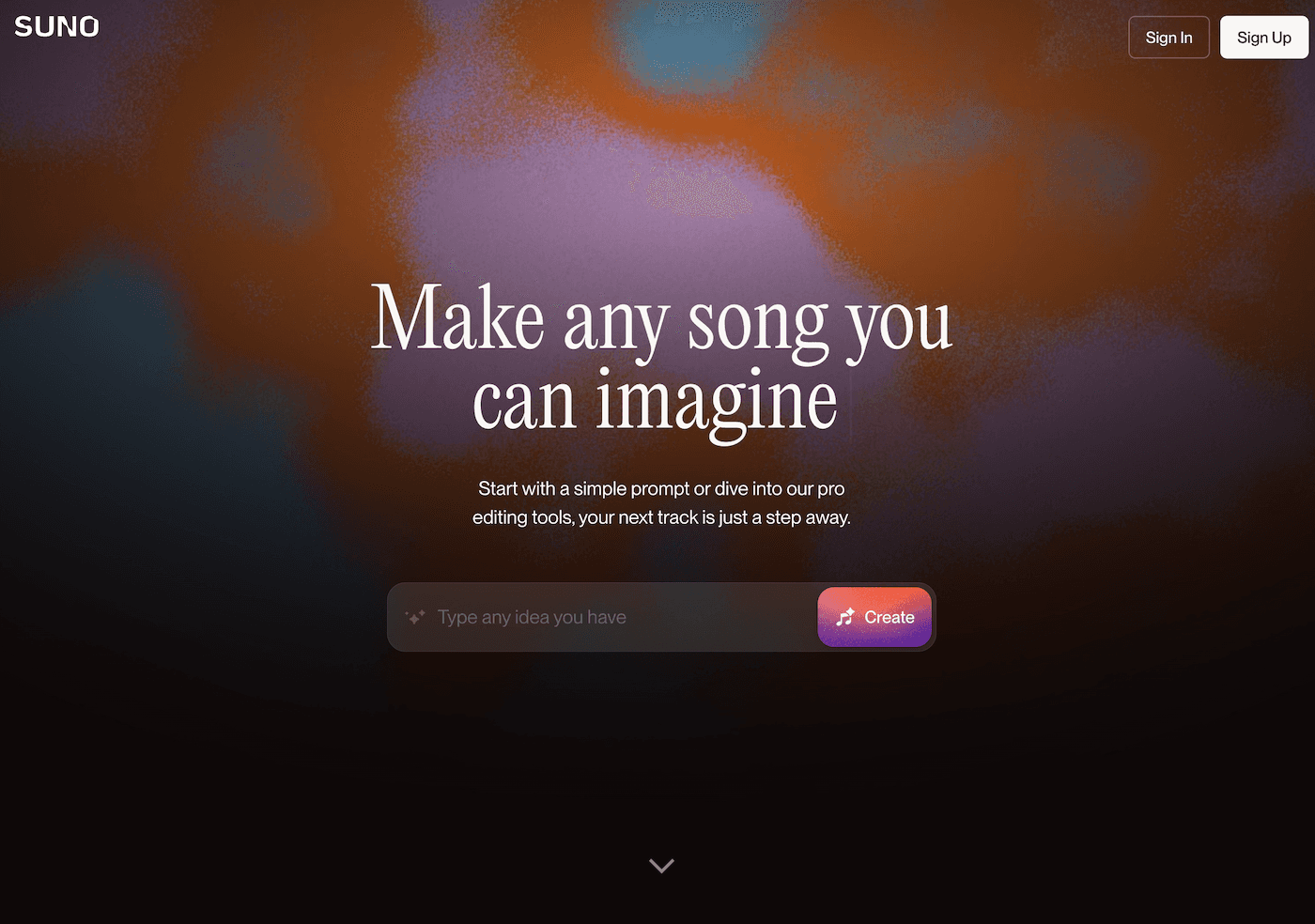
Final Reflections: Interdisciplinary Teaching Needs Different Tools
Most tech sorts learning by subject—but the richest classrooms blend, remix, and reinvent by necessity. My advice for any teacher running a hybrid, project, or grade-spanning class in 2025:
- Pick an AI tool for your biggest bottleneck—research chaos, showcasing work, or project planning—and let it break the "one subject at a time" mold for you.
- Involve students in building, breaking, and remixing the tools—true cross-curricular learning only happens with buy-in.
- Make your messy, vibrant work visible: these tools generate the kind of artifacts, podcasts, timelines, and showcases that prove real learning is happening, even if it doesn’t fit the boxes.
Are you living the interdisciplinary teacher dream (or mess)? Drop your best workflow, wildest project win, or app hack below. If we’re doing it right, next year’s "hybrid" will be easier—at least for the teachers, if not the planners.