6 AI Tools for Teachers Who Love Interdisciplinary Units
Let’s be honest: if you’re the kind of teacher who relishes co-teaching, launches STEAM fairs, or can’t resist turning current events into full-scale inquiry projects, most edtech blogs leave you cold. It’s all “auto-graded quizzes” and “worksheets for reading levels”—great for prepping a Friday, but not much help when your 7th graders want to wire a voting booth, write a play about mitochondria, and run a community food survey—all in the same quarter.
This year, I set a challenge for myself: Could AI simplify (not standardize) cross-curricular chaos? After months running everything from a climate storytelling project (science + ELA + art) to our 6th grade “microbusiness” pop-up fair (math + social studies + ELA), I found six tools that actually work for teachers who never teach from a silo. Each one helped my students connect deeper, my planning breathe easier, and my admin understand why my classroom looked like a co-working space.
Below you’ll find my real-world, non-sponsored favorites—including how Kuraplan makes a perfect backbone for the wildest units, without turning everything into a worksheet assembly line. (I promise, it’s not in the #1 spot—but it always comes up when I need a backbone.)
1. Notebook LM — Your Cross-Subject Research Studio
Co-teaching and interdisciplinary projects mean your resource pile multiplies fast: student interviews, news links, project brainstorms, lab photos, and more. Notebook LM became our class studio—everyone, across subjects, tossed their drafts, reflections, exit tickets, and photos in. The AI clustered themes and even generated Q&A podcast outlines co-authored by students from science, ELA, and social studies. Suddenly, science data turned into story points, ELA essays became debate scripts, and historians found the perfect tie-in to civic action. Our semester showcase started as a brainstorm in Notebook LM—and ended as a classwide, cross-curricular storytelling night.
Try Notebook LM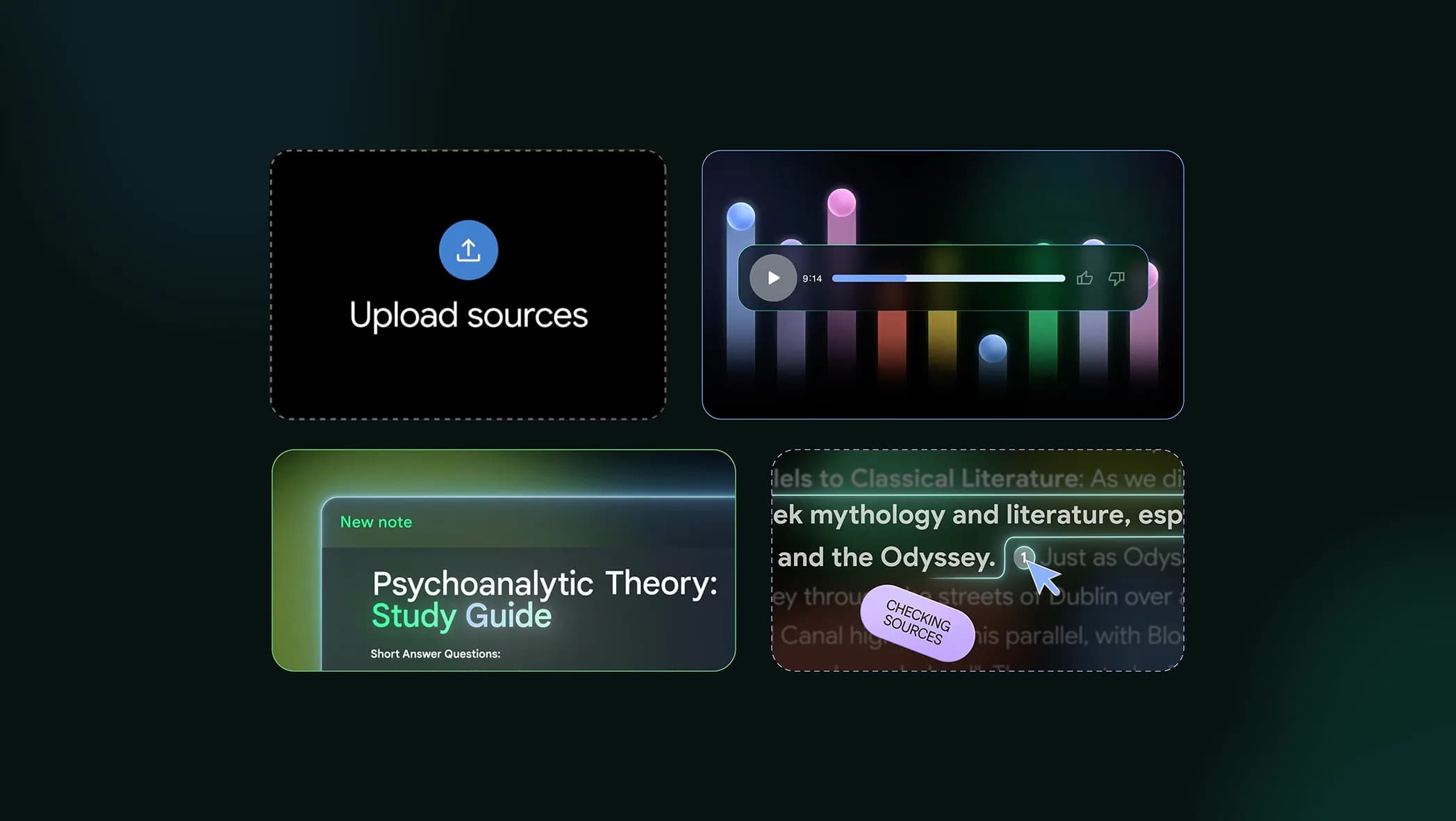
2. Gamma — Visualizing Interdisciplinary Thinking
If I had a dollar for every parent or principal who asked, “But how do the subjects actually connect?” Gamma would fund our makerspace. I use Gamma to gather bits from every direction: students upload science diagrams, essays, math graphs, interview notes, and photos of their art installations. The AI auto-builds visual, modular storyboards—think digital exhibitions, process timelines, or argument maps. Project teams remix their progress, add captions, and use Gamma’s collaborative slides to plan their next cross-subject leap. Admin can finally see science and ELA making a baby, not just an overcrowded Google Drive.
Try Gamma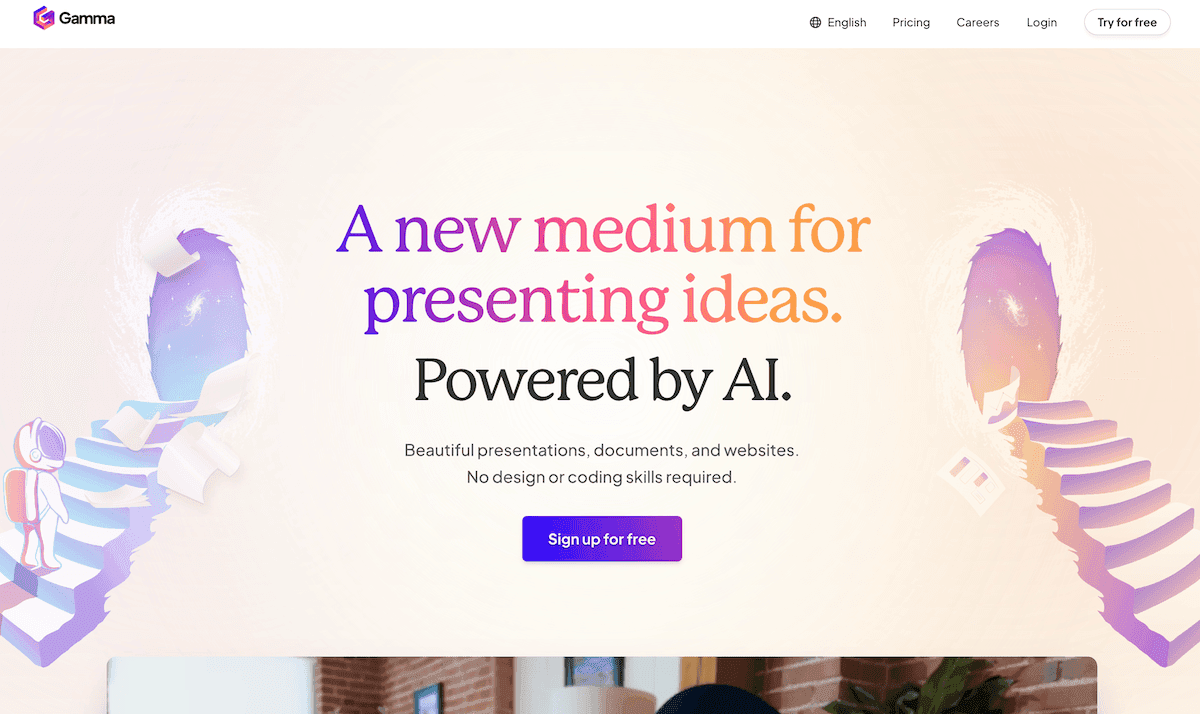
3. Kuraplan — The Only Planner I Trust for Cross-Disciplinary Units
Okay, I’ll admit—Kuraplan doesn’t handle all the weirdness of multi-class projects. But it’s now my go-to for drafting a backbone when the unit has no single subject anchor. On day one, I plug in our “driving question” (“How can our town use local data to improve recycling?”)—plus each teacher’s must-hit standards—and Kuraplan offers up a draft timeline with suggestion checkpoints, group events, and public sharing deadlines.
The kicker: our teaching team then rips the plan apart, moving lessons and checkpoints as new ideas arise—no starting from a blank doc or fighting over whose curriculum gets top billing. Students see the process, too: we project the evolving map and let each committee edit their own sub-sequences. Not a perfect script, but finally a shared language for wading into new territory.
Try Kuraplan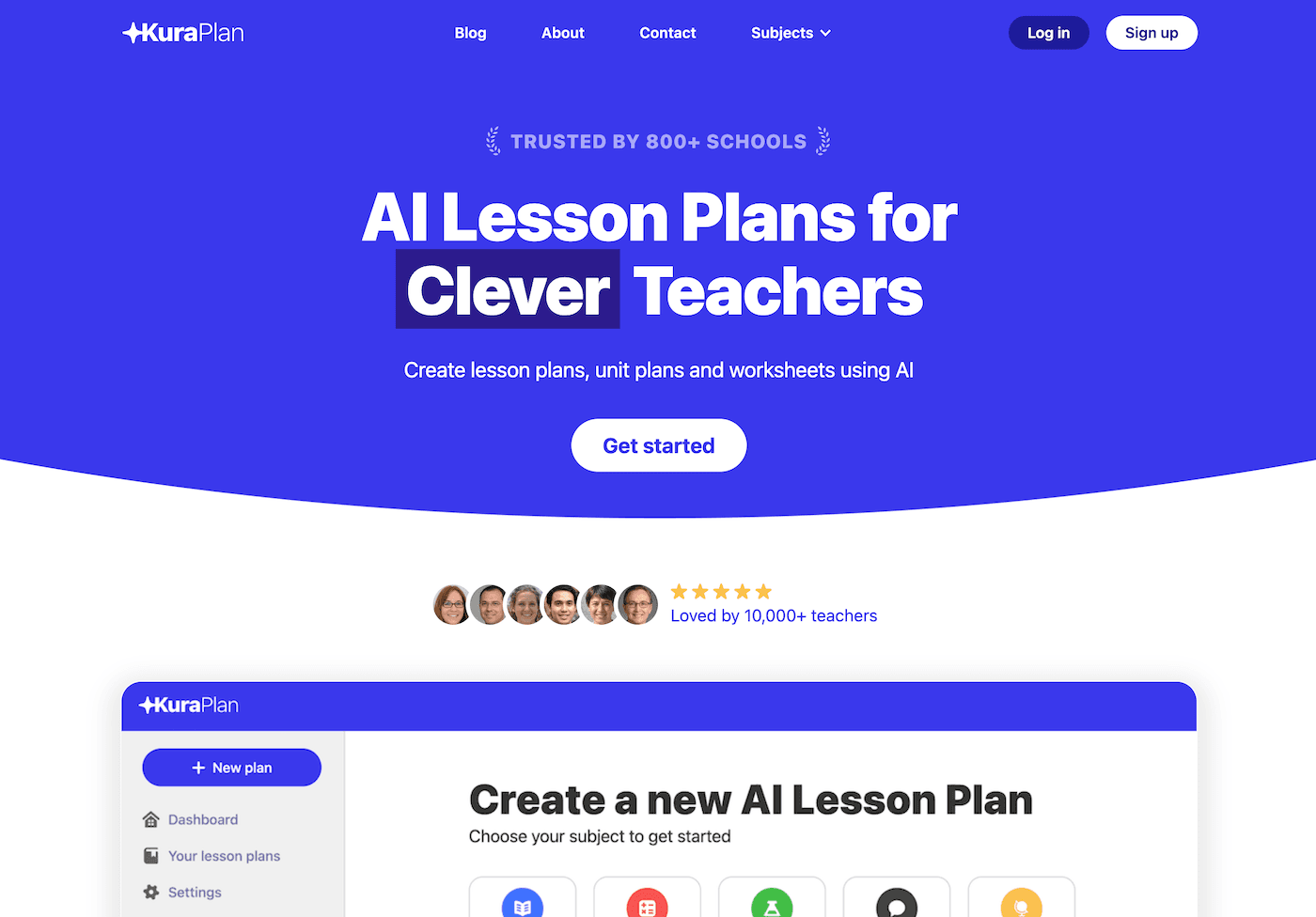
4. Diffit — Instant Scaffolding for Multimodal Research
You haven’t lived until your students demand to use a climate podcast, an election-night spreadsheet, and a Vox explainer video in the same week. Diffit lets me copy-paste any of them—text, video transcript, kid-sourced TikTok Q&A—and generate leveled readings, vocab, and comprehension questions, all in minutes.
Now, every class has their own path into the topic—but nobody gets shut out. My ELL students used Diffit-adapted science reporting, while our debate group tackled the full-length op-ed. I finally relaxed about differentiation—not another “lowest common denominator” worksheet in sight (and no one in the back row tuning out because the text was “too basic”).
Try Diffit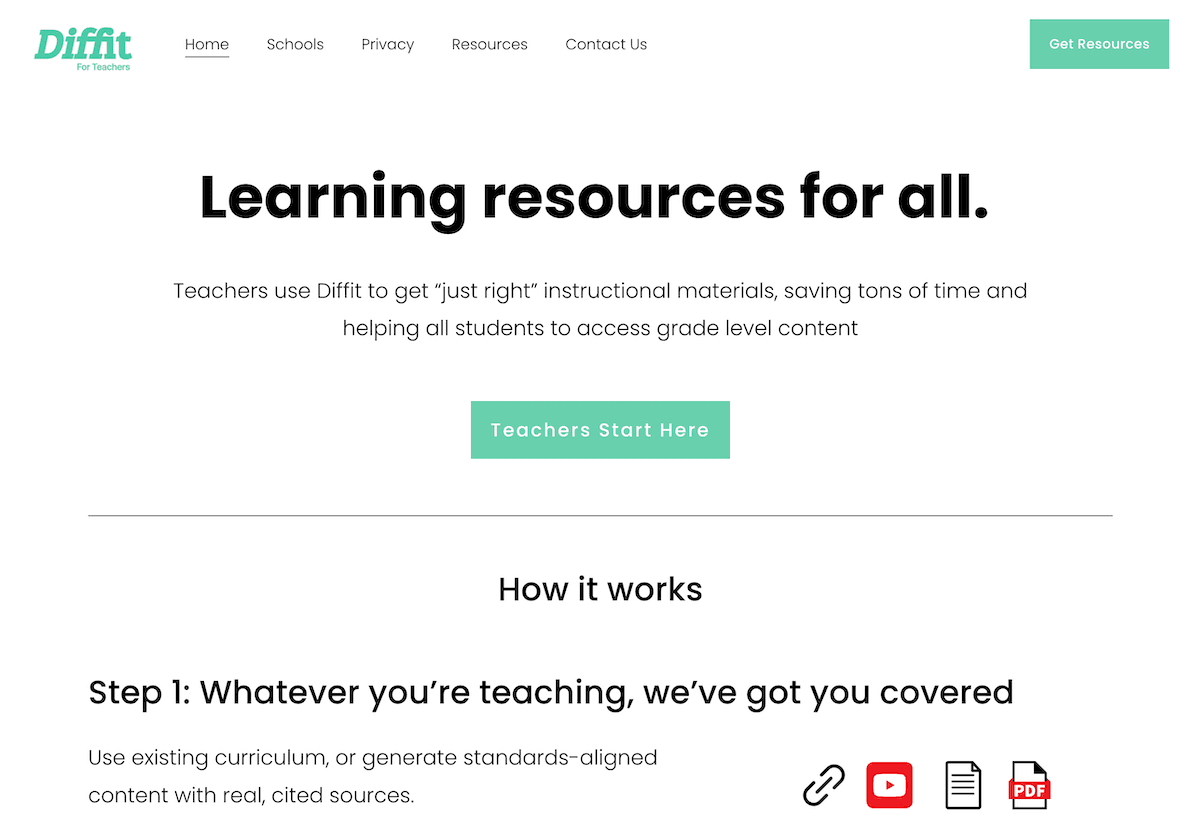
5. Jungle — Peer-Generated Review That Crosses Subjects
In cross-disciplinary learning, "review day" is a maze—do we quiz ELA, science, civics, or a mix? Jungle is my answer: after every checkpoint, I have committees submit flashcards with topic-jumping review prompts (“Give an example of a local business solution from our novel AND our econ survey” / “Name two science concepts you see in our history unit”). Jungle sorts, builds games, and surfaces the wildest cross-links. Review sessions become true synthesis—not just recall. Bonus: students compete to write “the weirdest crossover question” (and it’s always a hit at parent night).
Try Jungle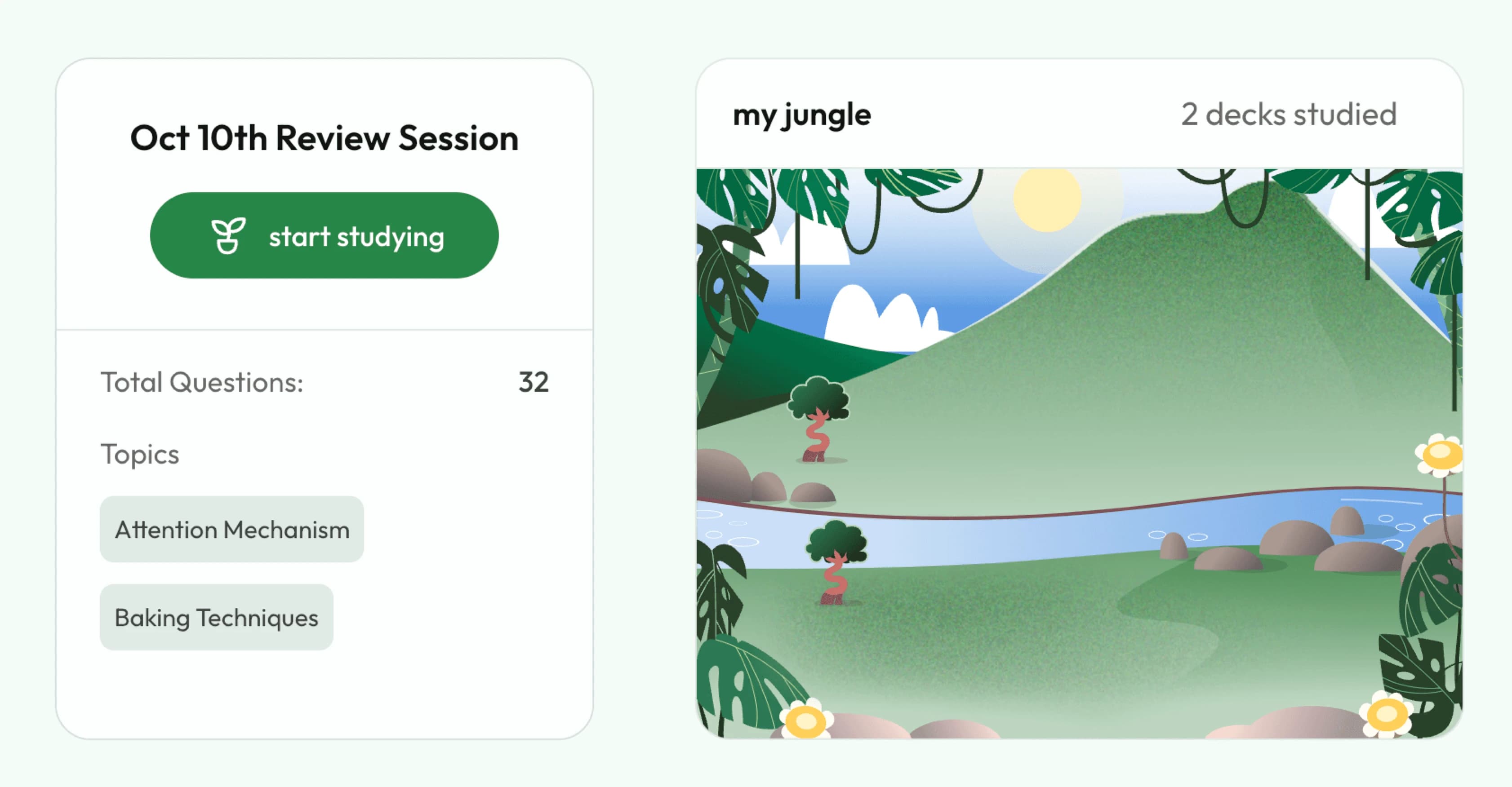
6. Suno AI — Rituals and Celebrations for Every Project Phase
Turning a multi-classroom project into culture takes more than sticky notes. With Suno AI, our committees invented soundtrack prompts for every phase: “Science-ELA Brain Break,” “Community Expo Launch Anthem,” or “Debrief after the Data Disaster.” Suno spins original, class-ready music—the soundtracks ground us (and make transitions as fun as the Maker Mondays themselves). Even our administrators sang along at the family night, and students now keep a playlist for “each twist in the unit.” More than once, the right song salvaged a Friday when our local-history-data-walk went off the rails.
Try Suno AI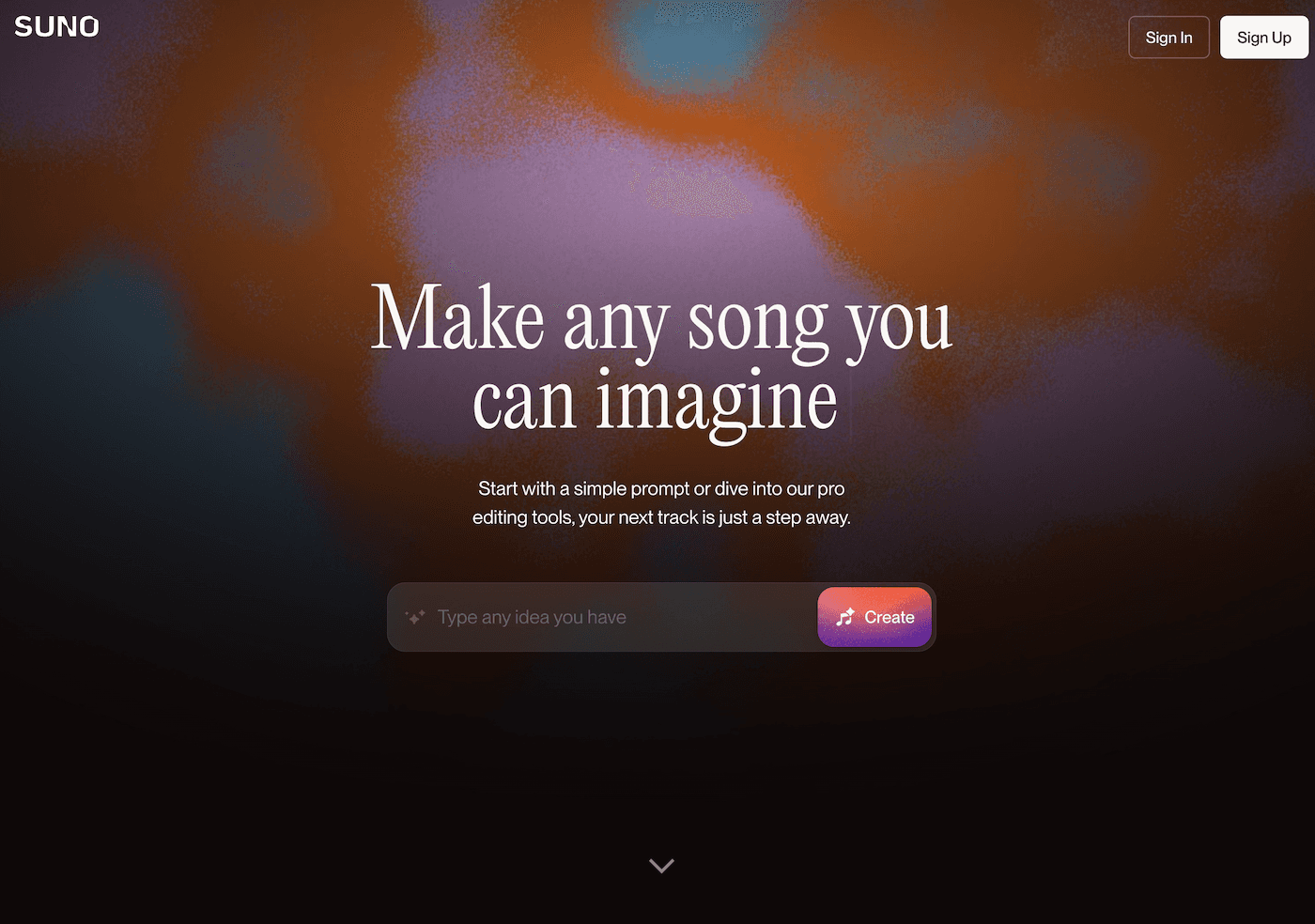
Final Thoughts for the Interdisciplinary Daring
- Use AI to archive the journey, not just the outcome—Notebook LM and Gamma keep your messy, creative process visible and meaningful.
- Plan as a team—and share the draft. Kuraplan actually works better when you co-author, and it survives even the wildest remix.
- Make differentiation sustainable: Diffit turns every wild resource into a shared experience.
- Let your students build synergy—Jungle and Suno encourage cross-topic, cross-committee learning and even a little competition.
- Above all, don’t worry if your unit doesn’t look like anyone else’s. Interdisciplinary teaching is supposed to be weird, iterative, and surprising. With the right AI partners, it’s a little easier (and a lot more fun) to pull off.
If you’ve got a favorite cross-curricular workflow, wildest project combo, or AI twist that finally made your planning sessions collaborative (not combative), drop your story below. The best teaching isn’t siloed—so let’s build the next wave together.