AI Tools Every Librarian-Teacher Should Know
As a teacher-librarian, my job sits at the intersection of everything—reading, research, digital citizenship, book fairs, collaboration with staff, student clubs, and (let’s be honest) last-minute substitute coverage. The stakes are high: we want our libraries to be sanctuaries for creativity, skill-building, and voice, but we’re often stretched so thin, just keeping the shelves tidy and the Chrome carts charged eats the day.
When I first heard about AI tools for education, I braced myself for "robot book recommendations" and auto-generated reading logs. But this year, after careful (and, sometimes, skeptical) experimentation, I found a set of game-changing AI tools—ones that don’t just save time, but ignite programs, student curiosity, and teacher partnerships. Below are my surprise favorites: some you’ll recognize, but a few might reinvent how you see your role as a librarian-teacher.
1. Gamma – Showcase Student Work & Reader’s Advisory In Style
I used to spend hours building slide decks for monthly new books, student showcase projects, or library orientation. When I tried Gamma, my workflow flipped: type in a handful of titles, learning goals, or even a class review, and Gamma generates a polished, visual display in minutes. We now use Gamma for everything from genre crash-courses, to collaborative book award ballots, to student-made "If You Liked…" slides. Even the most reluctant browsers love seeing themselves and their picks featured big-screen—plus, it’s become my go-to for PD workshops with staff.
Try Gamma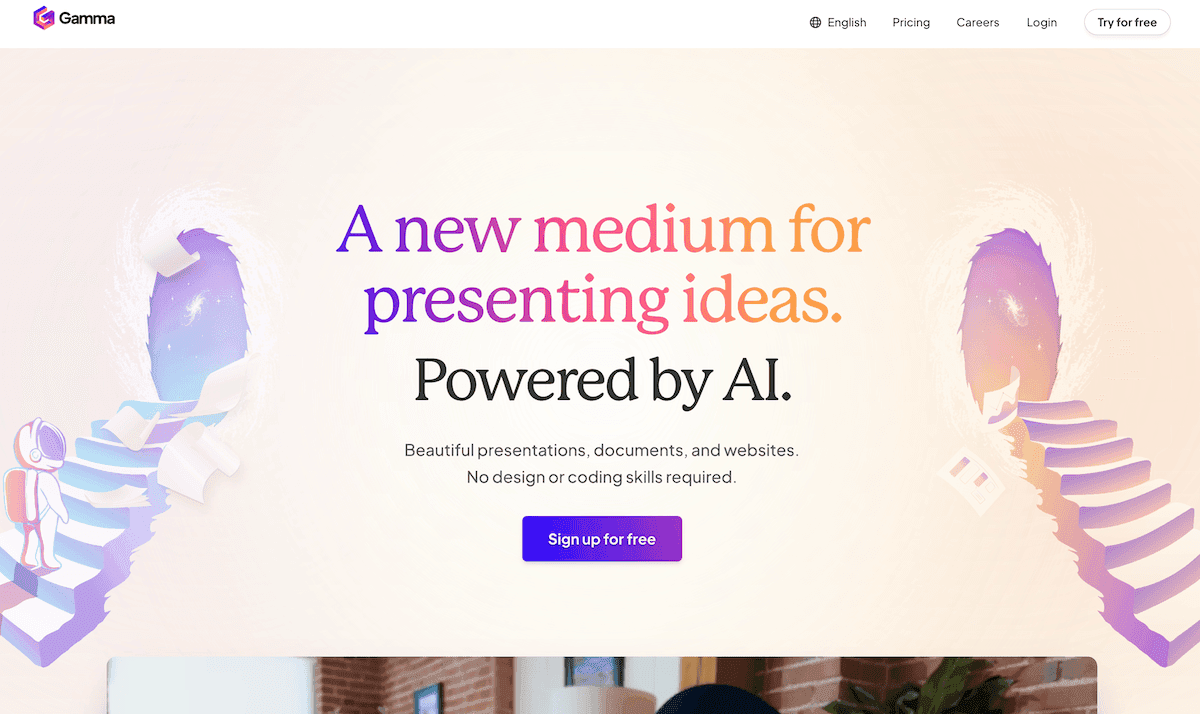
2. Kuraplan – Co-Planning Research With Classroom Teachers
Forget copy-paste project sheets. With Kuraplan, I now collaborate with classroom teachers in real time—pasting their essential questions ("How does technology shape society?"), grade, and standards to rapidly generate a research project “skeleton”: timelines, checkpoint suggestions, source evaluation stations, and family survey prompts. The beauty? We riff on the plan together but start with a scaffold that respects both our styles. Best of all, students see consistency and rigor—from classroom to media center—without assuming the librarian is just tech support.
Try Kuraplan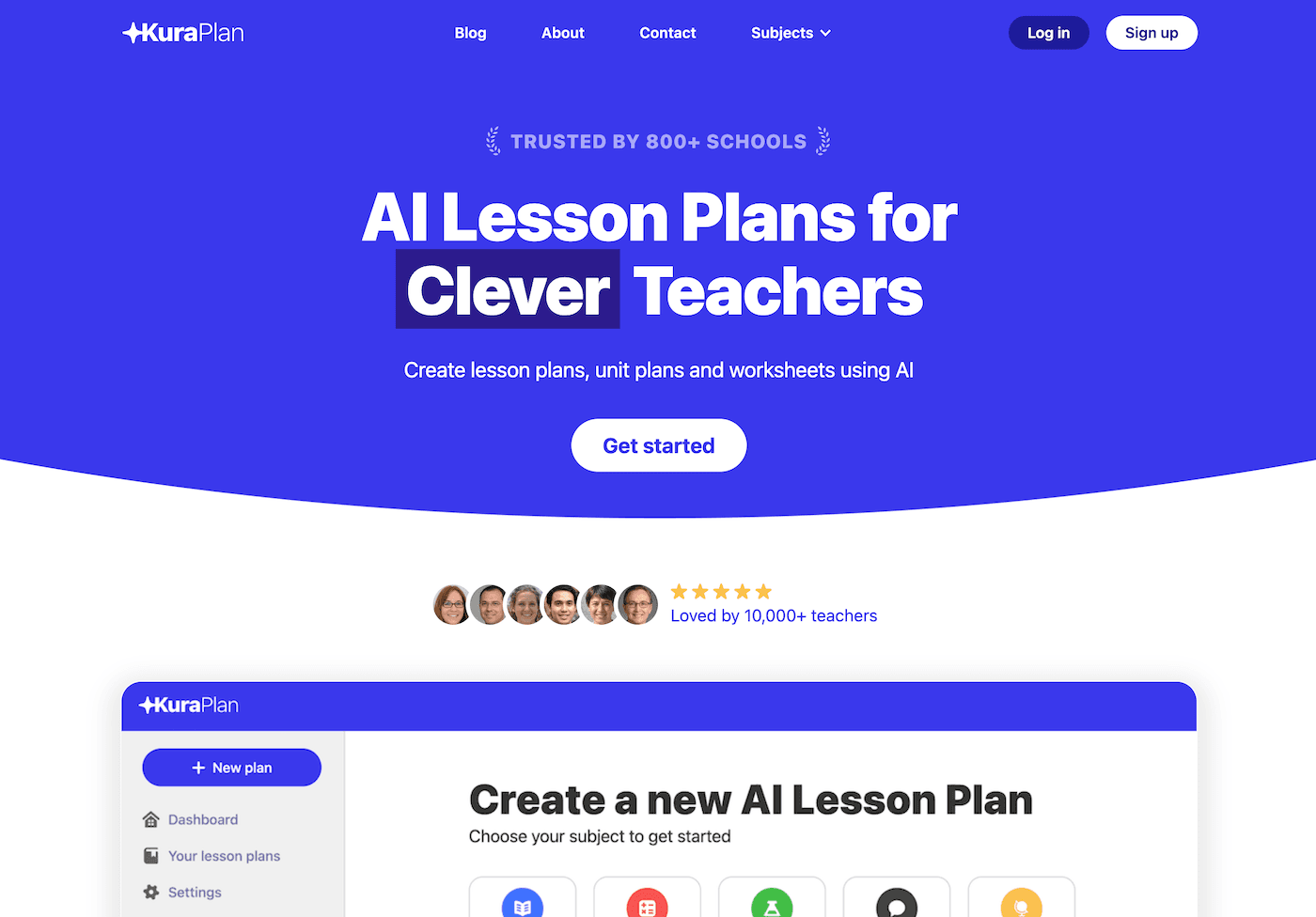
3. Jungle – Student-Built Book Review Games & Library Skills Quests
No more dusty vocabulary wall! Jungle lets my library crew and ELA classes turn their reader responses or book club insights into game-style flashcard decks ("Best Plot Twists of 2025," "How to Spot Fake News," "Cite-it-or-Fight-it"). The real twist: students design the decks, swap them between clubs, and sometimes even challenge staff (including me!) as part of "Library Showdown" weeks. Self-assessment sneaks in, but so does book culture—and the gamified approach makes skill-building less intimidating for everyone.
Try Jungle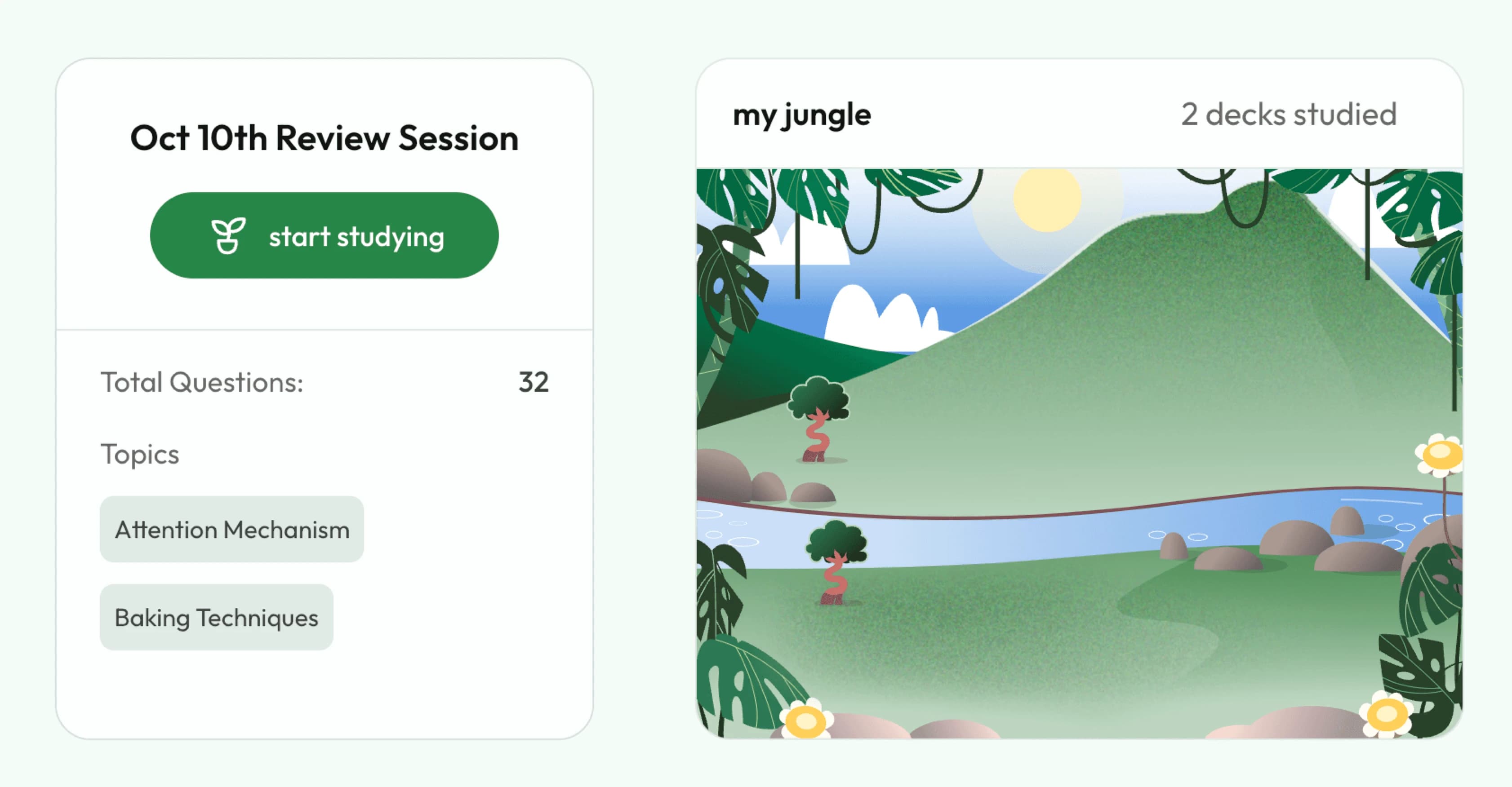
4. Diffit – Adapting Any Author Visit, News, or Literary Article for Every Reader
Hosting a virtual author, or want to spotlight a current literary event—like the National Book Awards or Banned Books Week? Diffit lets me copy in author Q&As, trending articles, or book excerpts and instantly creates leveled versions, vocab pulls, and reflective reading questions. I use this for multi-grade library programming and reading challenges—no student gets left behind for lack of access, and every teacher partner marvels at how easily they can scaffold literary analysis.
Try Diffit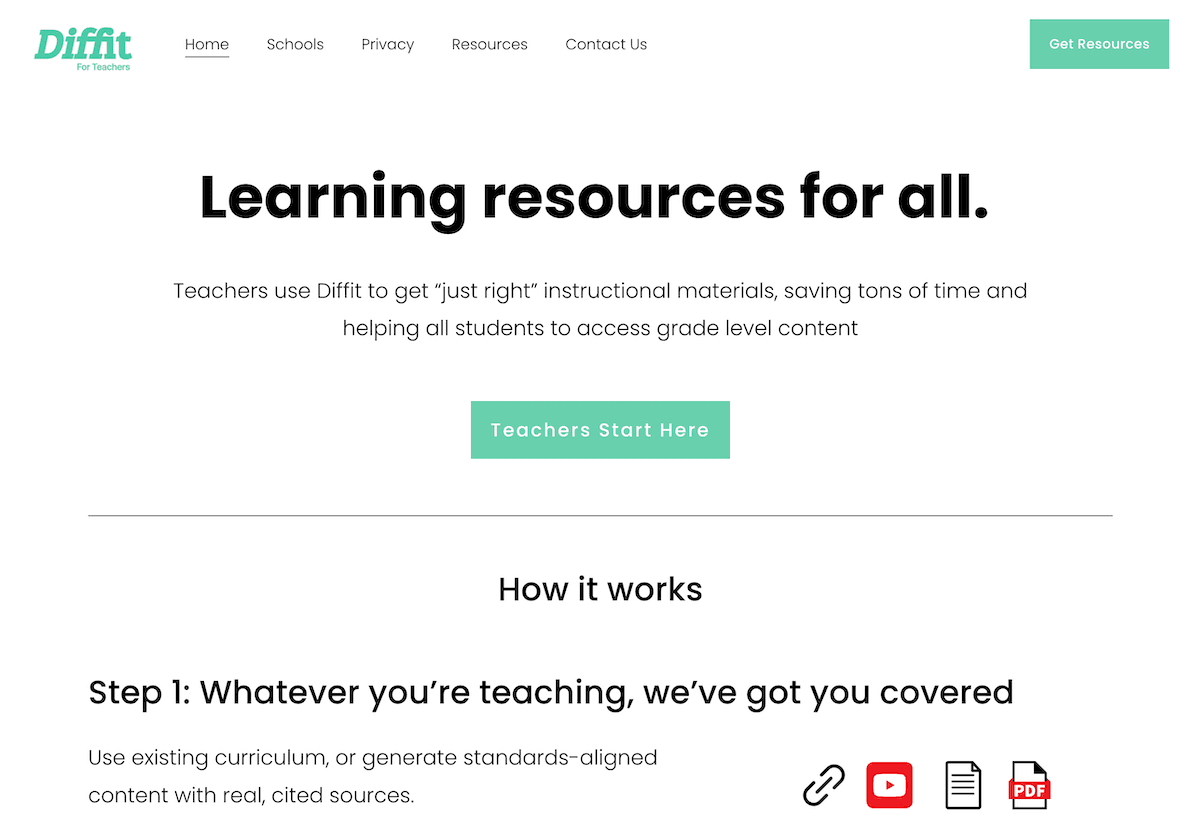
5. People AI – Author Chats, Genre Panels, and Literary Role Play
Booktalks are my jam, but imagine students getting to grill "Neil Gaiman" about fantasy worlds, interview "Sabaa Tahir" on character agency, or debate "Ray Bradbury" about censorship. With People AI, I let book clubbers, afterschool kids, or entire classes submit questions for their favorite authors, historical figures, or even fictional characters ("What would Hermione Granger say about our maker space?"). We’ve hosted virtual "Author’s Panels" that are lively, unscripted, and spark genuine inquiry—in both reading and research.
Try People AI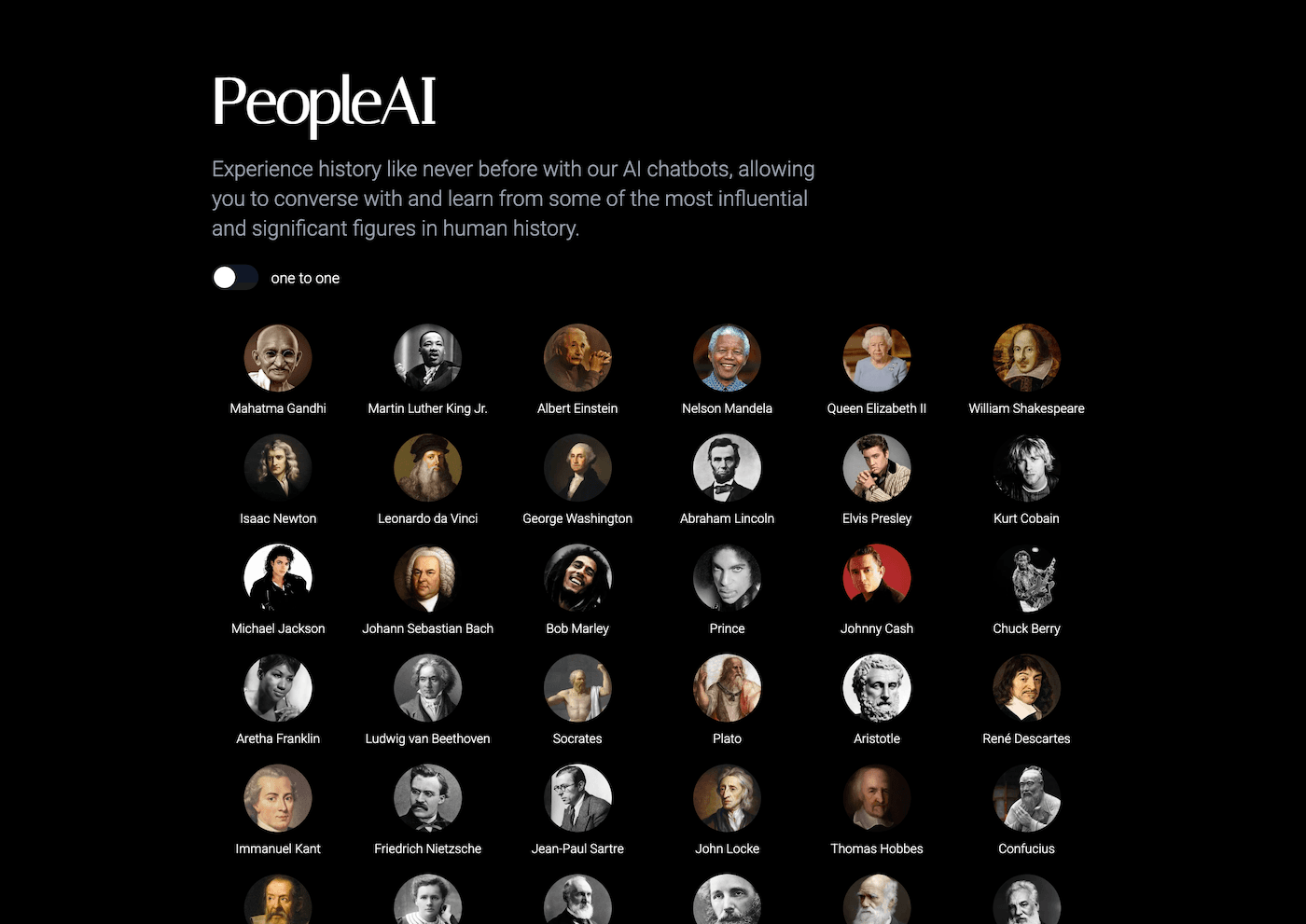
6. Fliki – DIY Book Trailers and Digital Storytelling
Video book trailers are all the rage—but not every kid (or teacher) can storyboard or edit from scratch. Fliki lets students script a review or scene, then auto-generates engaging video summaries with voiceover (you can even choose dramatic, funny, or serious tones). I display trailers on our library screens, pair them with QR codes for book displays, and highlight student work at open house. Suddenly, even the "non-reading" crowd wants their voice in the spotlight, and our library collection comes alive digitally.
Try Fliki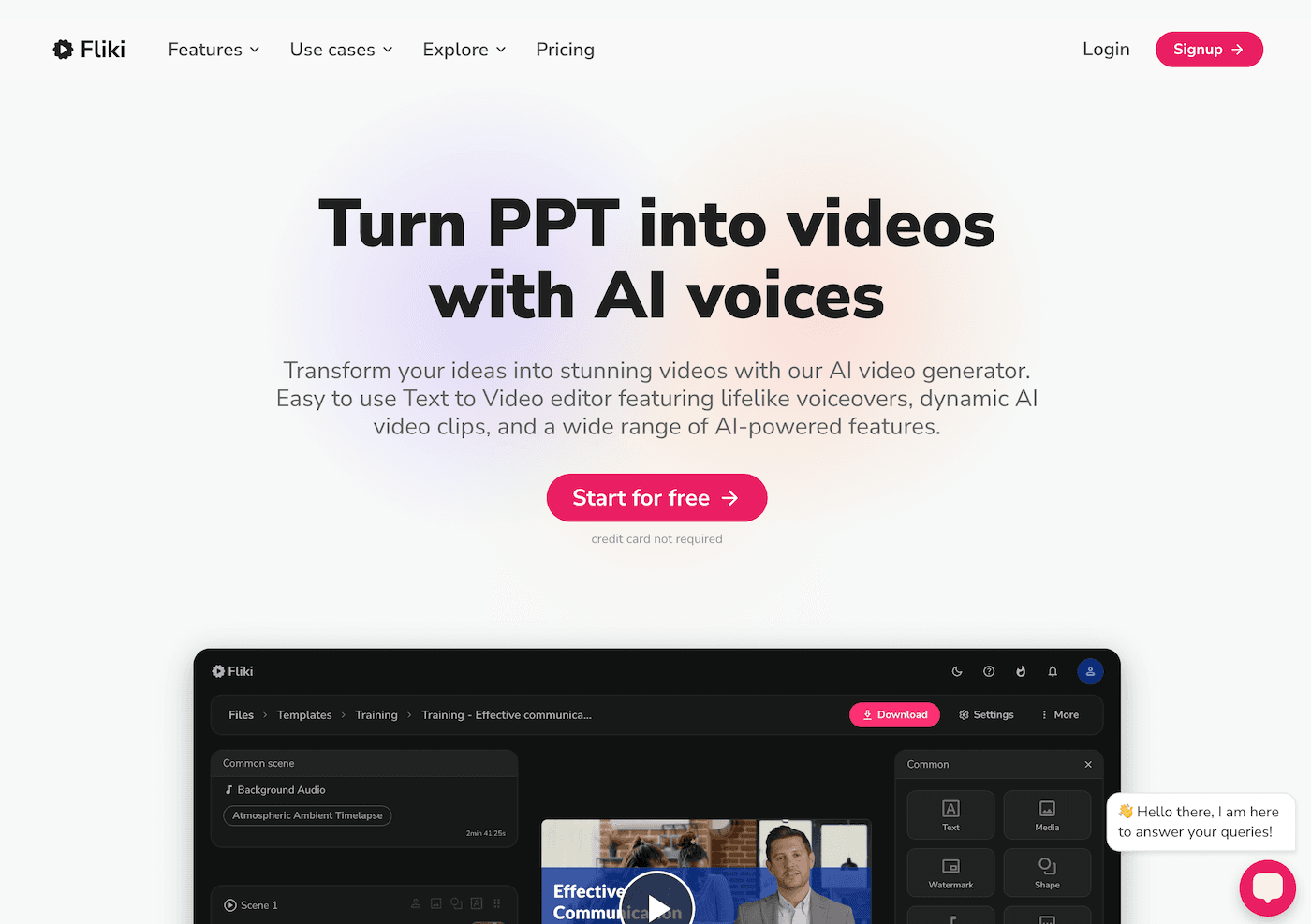
7. Magicbook – Library Lore, Student-Yearbooks, & Little Free Library Outreach
My most unexpected win: using Magicbook for student co-authored picture books celebrating our library community. We wrote "The Day the Books Fought Back" with student poetry, illustrated our reading buddy dog’s adventures, and even built a neighborhood “Little Free Library” origin story as a fundraiser. Magicbook’s easy combine-and-illustrate features mean you can build class anthologies, poetry months, or "library legends" on the fly—perfect for student recognition, family engagement, or turning lost books into creative learning moments.
Try Magicbook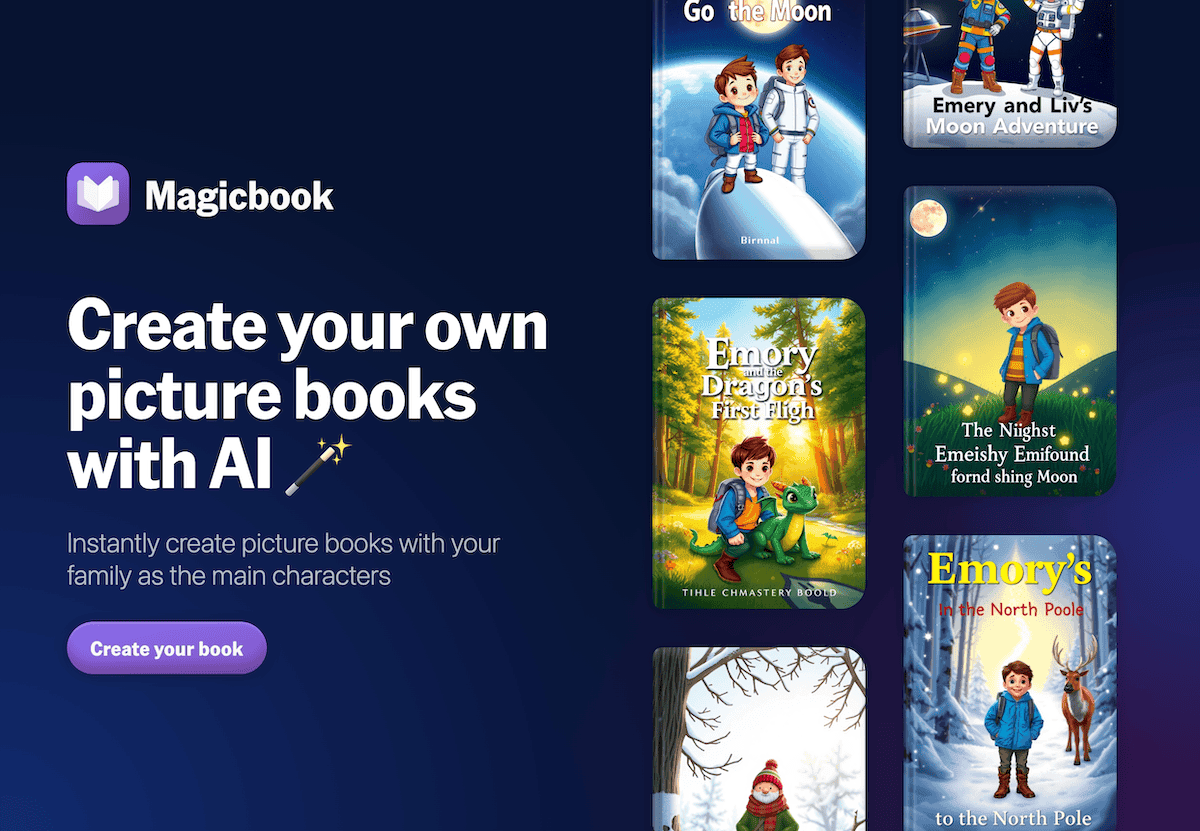
Honest Advice for Fellow Librarian-Teachers
- Start with what you already love: If you’re known for wild displays, try Gamma; if you’re the research partner, let Kuraplan build a project backbone.
- Let students shape the library’s public face: From game decks (Jungle) to book trailers (Fliki), AI tools hand the mic (and the pen) to kids, turning the media center into a true hub of voice and agency.
- Collaborate like never before: Use AI to bridge the gap between library, classroom, and home—send leveled resources (Diffit) or community storybooks (Magicbook) to families, and pull in classroom teachers for bigger, bolder programs.
- Keep your "why": AI doesn’t replace the teacher-librarian’s spark—it just frees you for deeper connections, bolder programming, and a culture of reading that endures when the tech is old news.
If you’re a librarian-teacher (or want to share AI-driven projects that woke up your book room), I’d love to trade stories, hacks, and honest fails. Let’s keep our libraries the most creative, curious, and student-powered place in the school—now, and in whatever chapter comes next.