6 AI Tools for Teachers Who Love Student Mess
If someone walked into my classroom on a Thursday afternoon, they’d probably see: post-its stuck to laptops, group whiteboards flipped sideways, chatty debates, and a few kids building a visual timeline out of last week's exit slips. I’ll never be the Pinterest-perfect, color-coded teacher. I thrive in the gray space between order and entropy—where student mess isn’t a step to the “real lesson;” it is the real lesson.
But let’s be honest: that kind of messy, student-driven class eats energy and organization for lunch—especially after my third “wild idea” destroys the pacing guide I wrote two days ago. This year, sick of burning out, I went on a hunt: Are there AI tools built for teachers who want to wrangle learning out of chaos—not squeeze it out of a worksheet? Turns out, there are, but you have to look past the quiz banks and spreadsheet clones. These are the ones I rely on to keep our learning visible, joyful, and just organized enough to avoid drowning.
1. Notebook LM – Turning Student Chaos into Action
Every brainstorm, silly meme, debate transcript, and voice memo goes somewhere: our shared Notebook LM. Students dump everything in—chicken-scratch notes, photos of the whiteboard, even audiobook timestamps. The AI finds recurring ideas, reveals connections between topics (how did bacteria lead us back to the voting rights project?), and, on Fridays, suggests a class reflection podcast script. Here's what changed: instead of losing our best ideas to the recycling bin, the mess became a living archive; we start every week by remixing something from last week’s leftovers. Zero busywork, full student ownership.
Try Notebook LM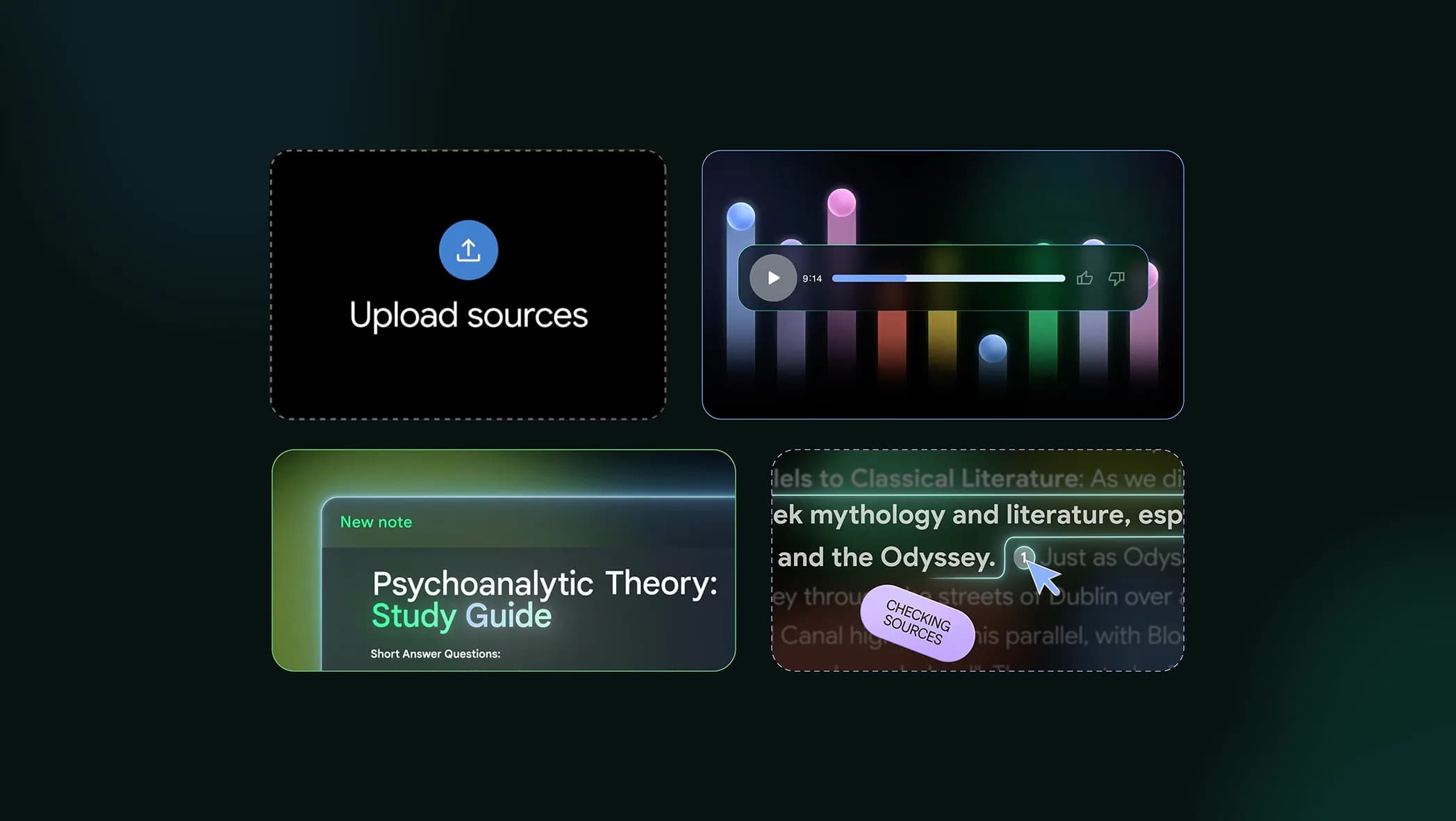
2. Kuraplan – Map the Wild Ride (Not Just the Plan)
I used to hate any planner that ‘locked in’ my calendar…but this year, Kuraplan earned a place on my smartboard. Why? After every pivot—be it a student-requested subtopic or a school event cut short—a five-minute remix in Kuraplan gives us a new timeline: what do we skip, which checkpoint can become a gallery walk, should our final be a podcast instead of a quiz? Bonus: I always project the draft and let students draw or delete arrows as we edit. For once, my mess-loving class and my principal both see our plan—and the pathway back when things spiral.
Try Kuraplan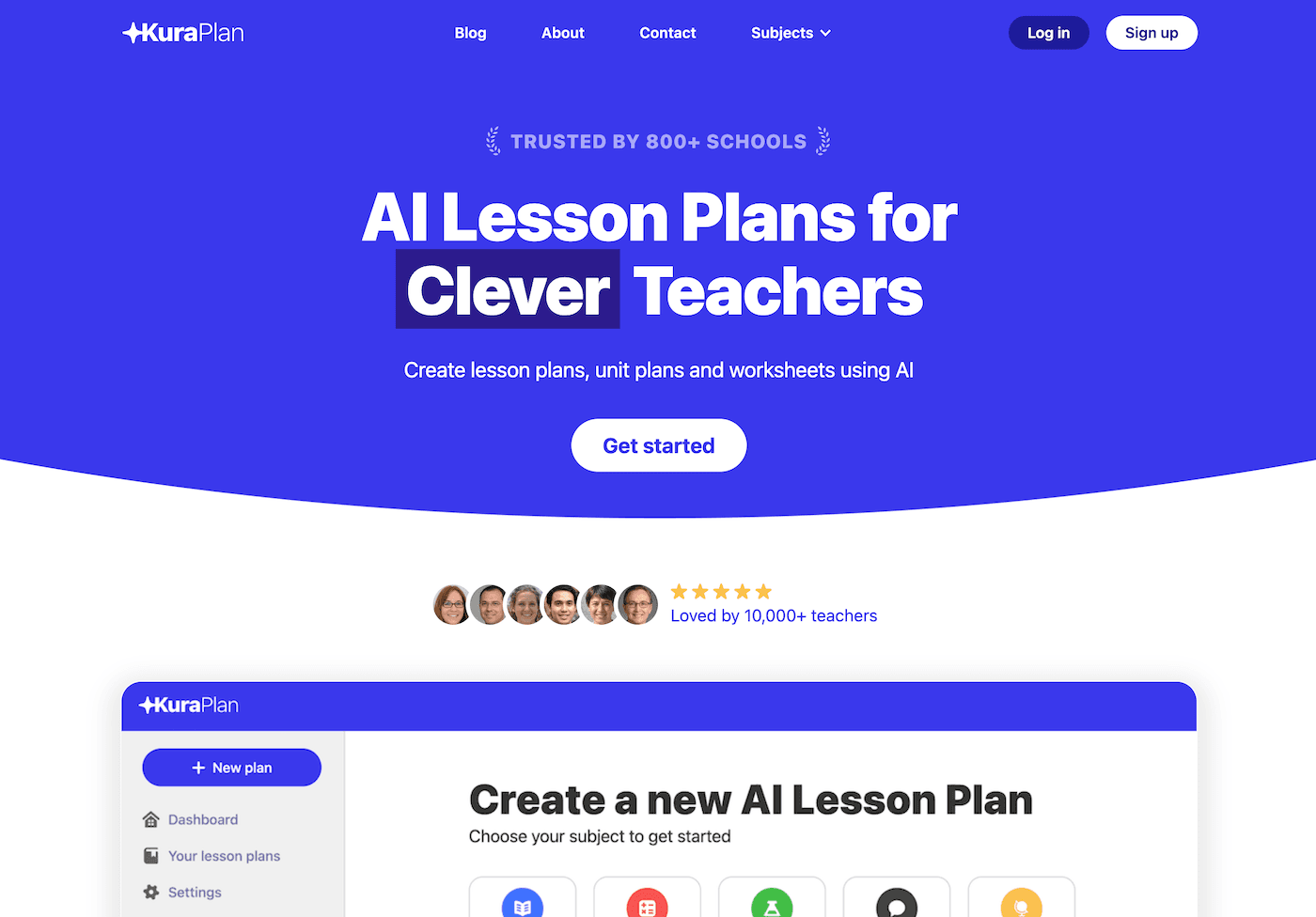
3. Gamma – Messy Brainstorms Become Show-and-Tell Gold
By Wednesday my whiteboard is unreadable; by Thursday, three groups are on version six of their history timeline. Gamma is my “digital glue.” Upload every diagram, photo, or exit ticket jumble and the AI builds a beautiful, interactive slideshow or visual map that shows process and product. We use these slideshows for student-led parent tours, admin check-ins, or pre-presentation pep rallies. The surprise? Mess looks impressive when you can show how ideas grew—or just how many people’s voices shaped the work. No more lost progress or “what was our thesis?” moments.
Try Gamma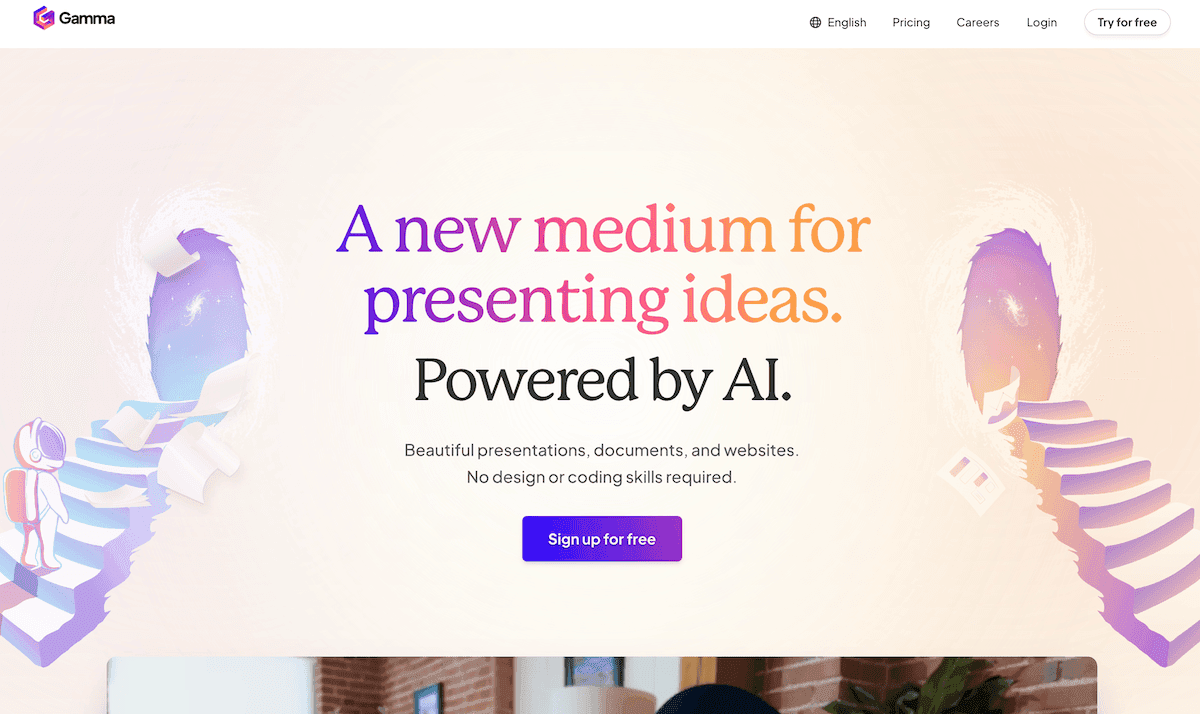
4. Jungle – Review Games Written by the Messiest Kids
Traditional quizzes punish the loudest, most unfiltered brainstormers (my favorites). Jungle let me flip review days: after each crazy lesson, students create flashcards with the week's muddiest points, wildest claims, and even purposely misleading memes. The AI sorts, gamifies, and rotates questions so everyone faces something fresh—then lets us vote for the funniest, hardest, or most enlightening card. Suddenly, those kids who used to check out during worksheet review became game leaders: debate, joke, remix, repeat. My only job? Close the laptops when the period ends.
Try Jungle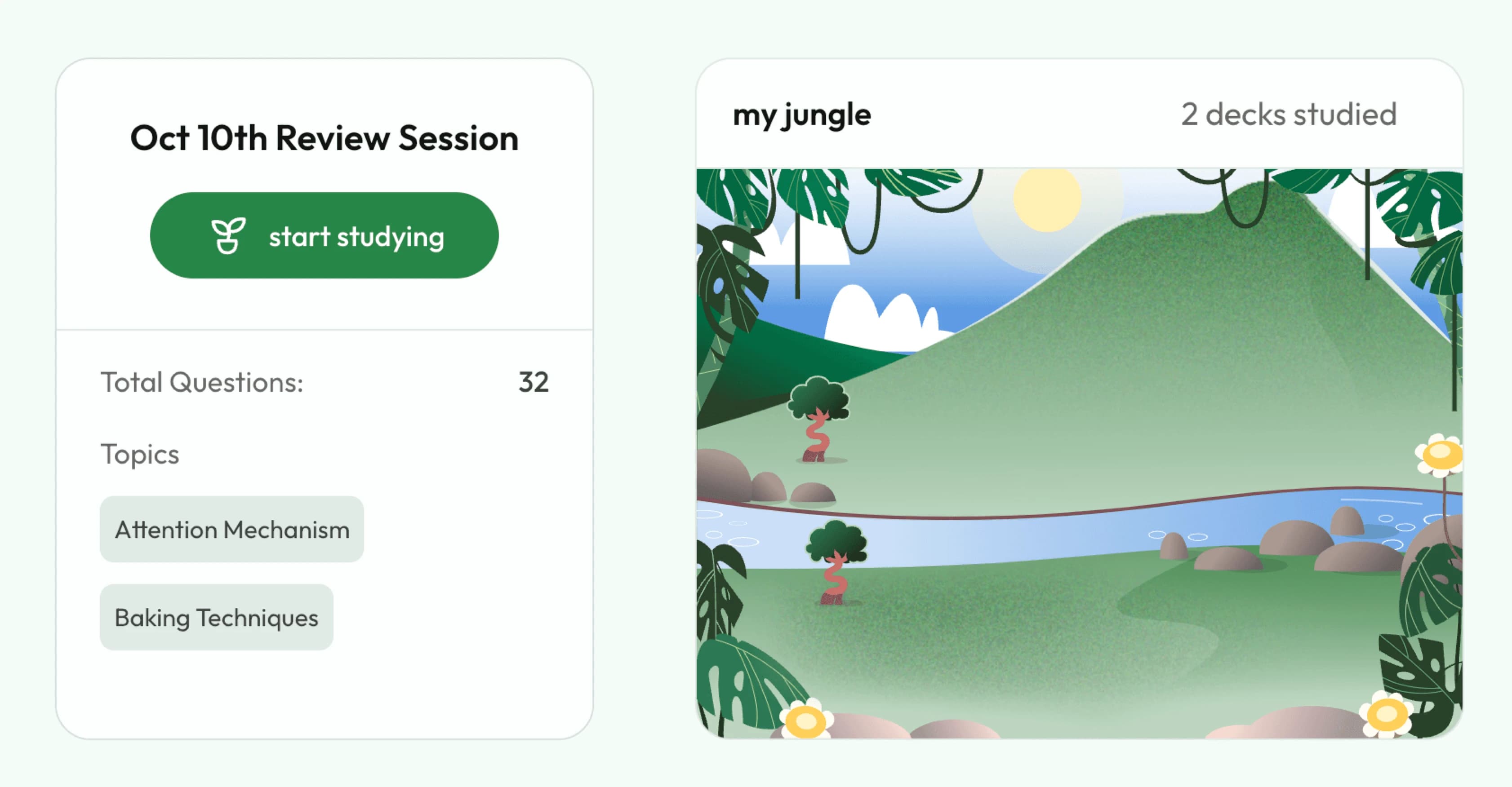
5. Diffit – When A Student Finds a Reading I Would Never Assign
You know the moment: a student brings in a jaw-dropping Reddit thread or a 2023 article about social justice, but it’s three grade levels too high (or low) for half the class. Instead of defaulting to textbook purgatory, I run it through Diffit—instant leveled versions, vocab lists, and question sets. Now, student sources (even the weird ones) become group work, differentiated reading, or self-directed "can you spot the bias?" challenges. The best part: I say yes more often… and my students believe their mess is worth turning into shared work.
Try Diffit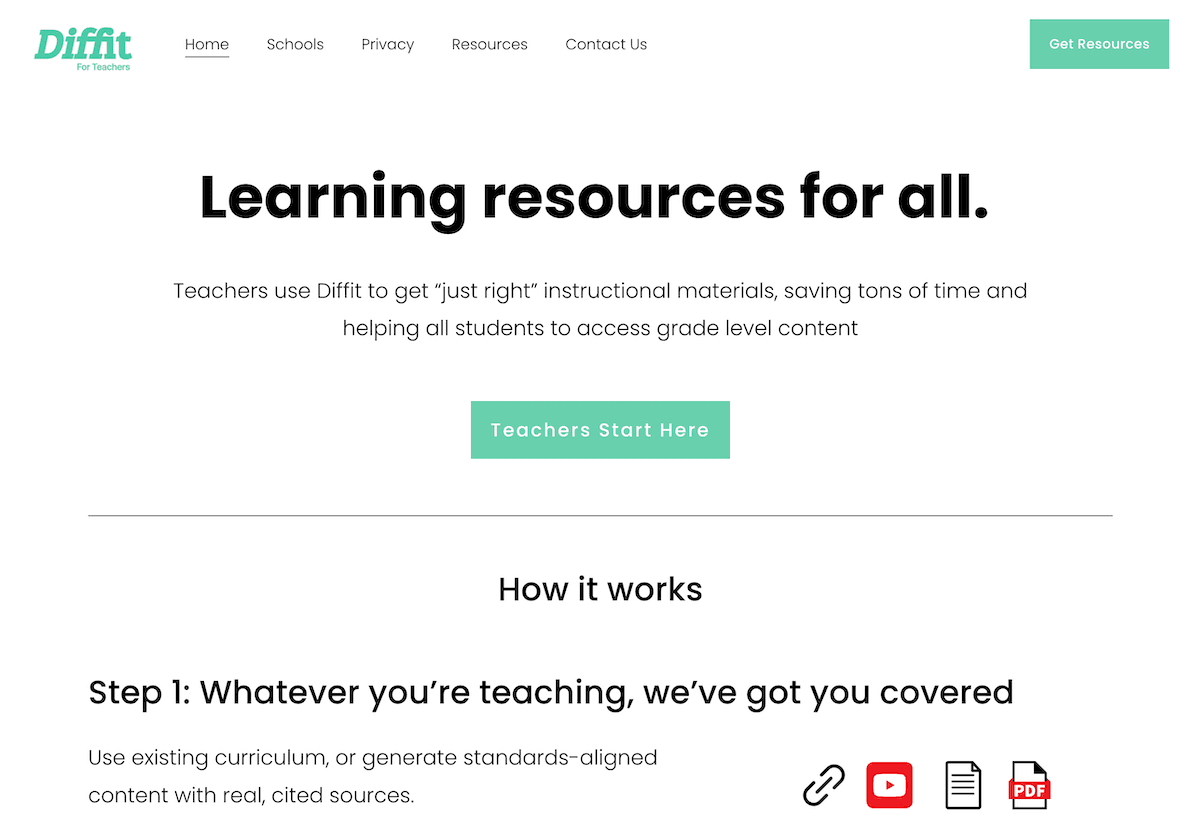
6. Suno AI – Rituals for Surviving the Beautiful Mess
Our class has an ever-changing playlist, and nearly every song is about what almost worked. Suno is how we build celebration into mess: kids write prompts like “End of the Debate Disaster,” “Project Was a Hot Mess, But We’re Alive” or “Friday, Thank the Sub!” Suno instantly generates original, classroom-made songs we use for transitions, clean-up, or class showcases. Bonus hack: I let the “most off-topic” group each week get first crack at writing the next ritual. The result? We leave every mess a little more joyful than we found it…and the culture sticks long after the glue guns are packed away.
Try Suno AI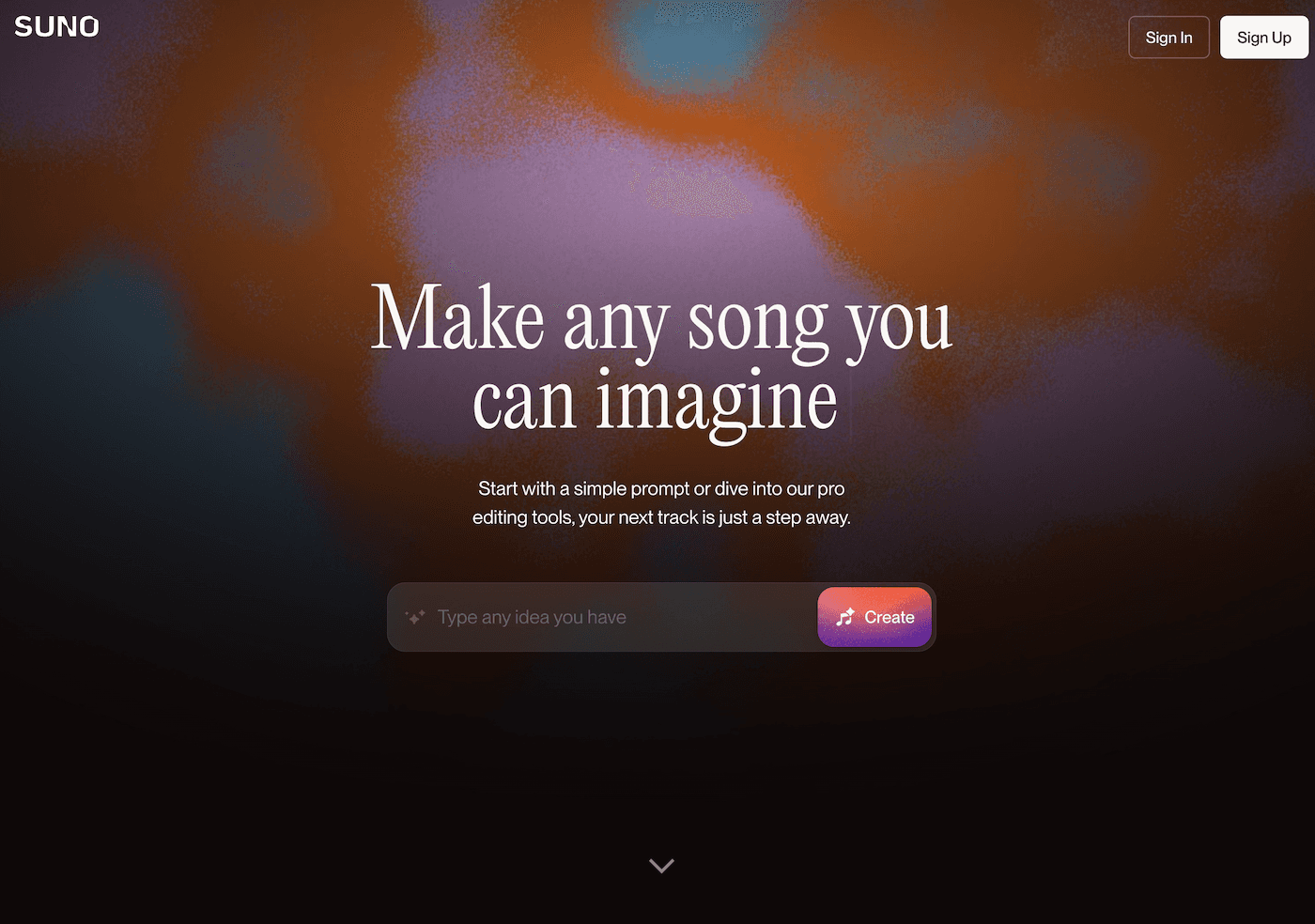
Honest Tips for Teachers Who Don’t Want to Tidy Up All the Learning
- Let your students build and edit every workflow. If you’re the only one fixing the mess, you’re not doing it right.
- Use AI to capture mess, not erase it. These tools shine brightest when the process leads to more questions, not a prescribed product.
- Archive everything. Notebook LM and Gamma are lifesavers for looping back to dead ends—or making next year’s lesson ten times better.
- Make rituals for the rough spots. A Suno anthem after a project bomb instills more resilience than any test retake.
- Never apologize for chaos with purpose. If you produce visible, joyful disorder, you’re preparing students for the real world—and showing that mess is a playground, not a problem.
Are you a teacher who’s learned to love student-generated chaos? Drop your wildest mess-turned-magic moments (and any AI hacks I missed) below—let’s keep making beautiful, untidy learning together in 2025.