7 AI Tools for Messy, Real Classrooms
I’ll be honest: MY classroom is not the kind you see on TikTok. On a good day, it’s organized chaos—half the class is building catapults, the back table is a makeshift reading nook, and someone’s always asking, “Can we do this a different way?” If you thrive on creativity AND find yourself derailed by fire drills, surprise IEP meetings, or just the unexpected brilliance of a student’s offbeat idea, this post is for you.
This year, I stopped searching for AI tools that promise to “streamline everything” and started hunting for tools that embrace the wild side—helping me flex, adapt, and keep the learning alive when plans go out the window. Here are the seven I kept when the rest got buried under piles of printouts. (And yes, you’ll spot Kuraplan—but I’ll tell you the honest angle for improv-prone teachers.)
1. Notebook LM – Collecting (& Remixing) Student Chaos
Have you ever finished a unit with sticky notes EVERYWHERE—brilliant questions written on napkins, lab group notes posted to classroom walls, and random links flooding your inbox? I started using Notebook LM as the “catch-all”: we dump in everything (student hypotheses, wild YouTube finds, even voice memos). Overnight, the AI pulls out themes and Q&As, and, best of all, creates a class podcast script based on our messy crowd-sourced archive. Students—especially quiet ones—see their ideas spotlighted, and reflection moves from the pile to a finished product (yes, we really listened to our own AI-prompted show during lunch).
Try Notebook LM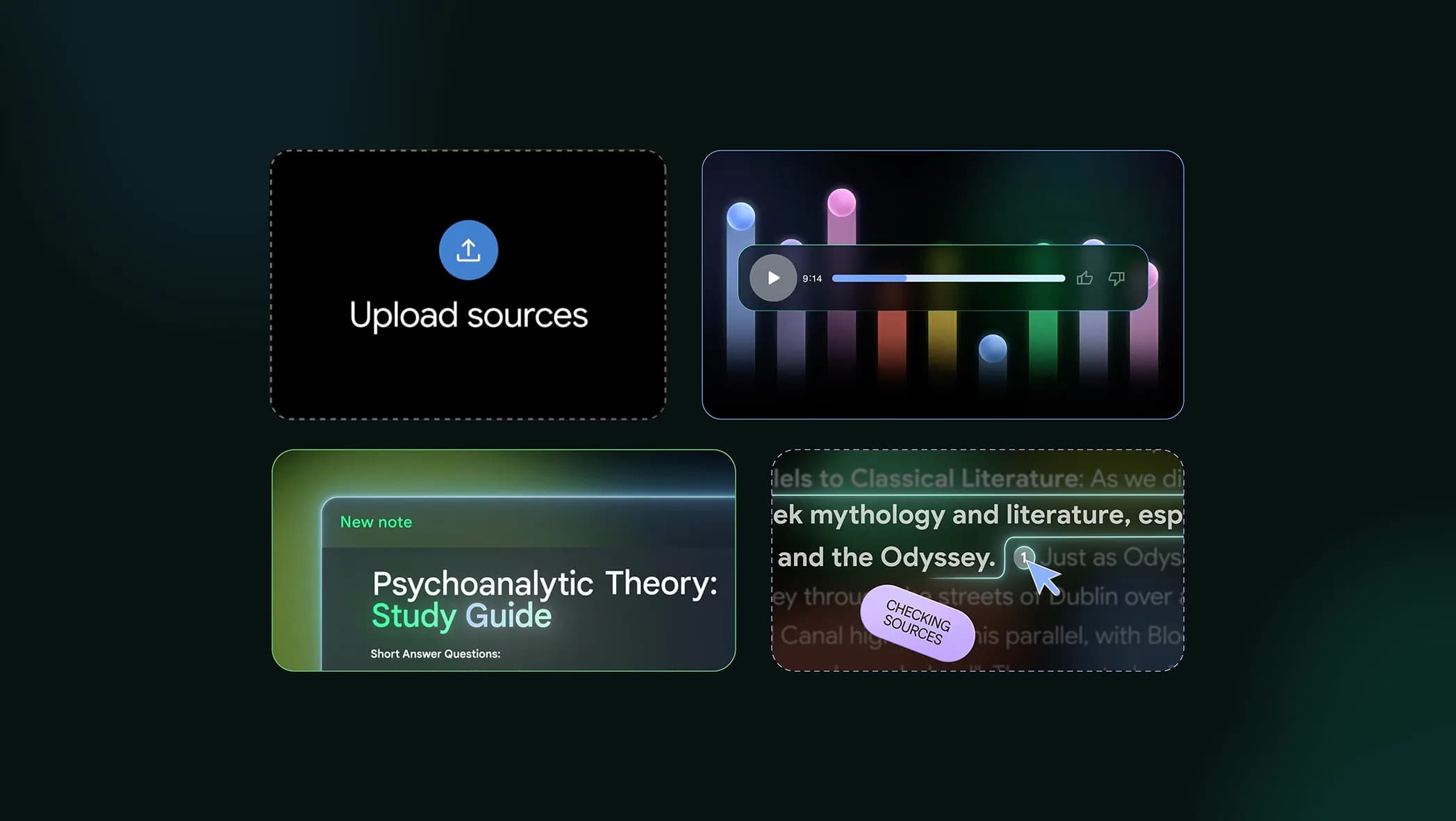
2. Jungle – Turning Exit Tickets into Next Week’s Game
I used to hunt for formative assessment ideas; now, I let my students build them. After a wild lab or project, I ask pairs to create three review flashcards or multiple-choice questions—funny, tricky, or whatever they found hardest. Jungle whips these into a class deck we use for do-nows, sub days, or even family night trivia. The hit? I highlight the weirdest or boldest card, and it becomes the “curveball” question for the next topic. Instant feedback, more laughter, and I know what’s really sticking (and what’s not).
Try Jungle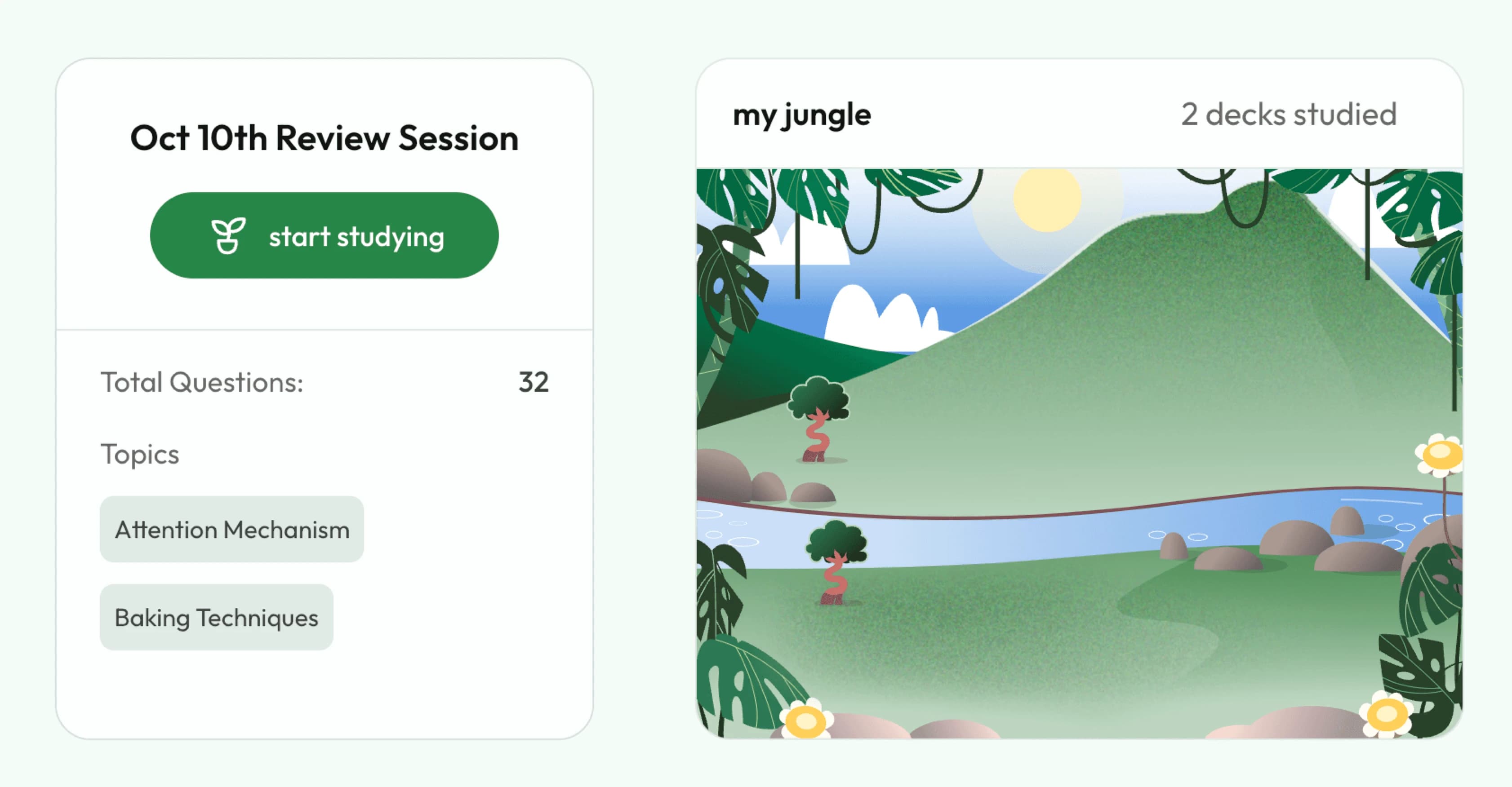
3. Kuraplan – Drafts for Lessons that Never Go as Planned
Forget scripting every minute. When I know chaos is coming (field trip week, exam review, group project launches), I use Kuraplan just for a flexible backbone: a unit timeline, must-hit checkpoints, and sample choices for group tasks. I share the draft on the projector, invite student edits, and rework as we go. It’s not about rigid lesson plans; it’s a living document—a planning safety rope, not a cage. When the principal walks in, I can say, “Yes, we’re off-track—and here’s how we’ll spiral back.”
Try Kuraplan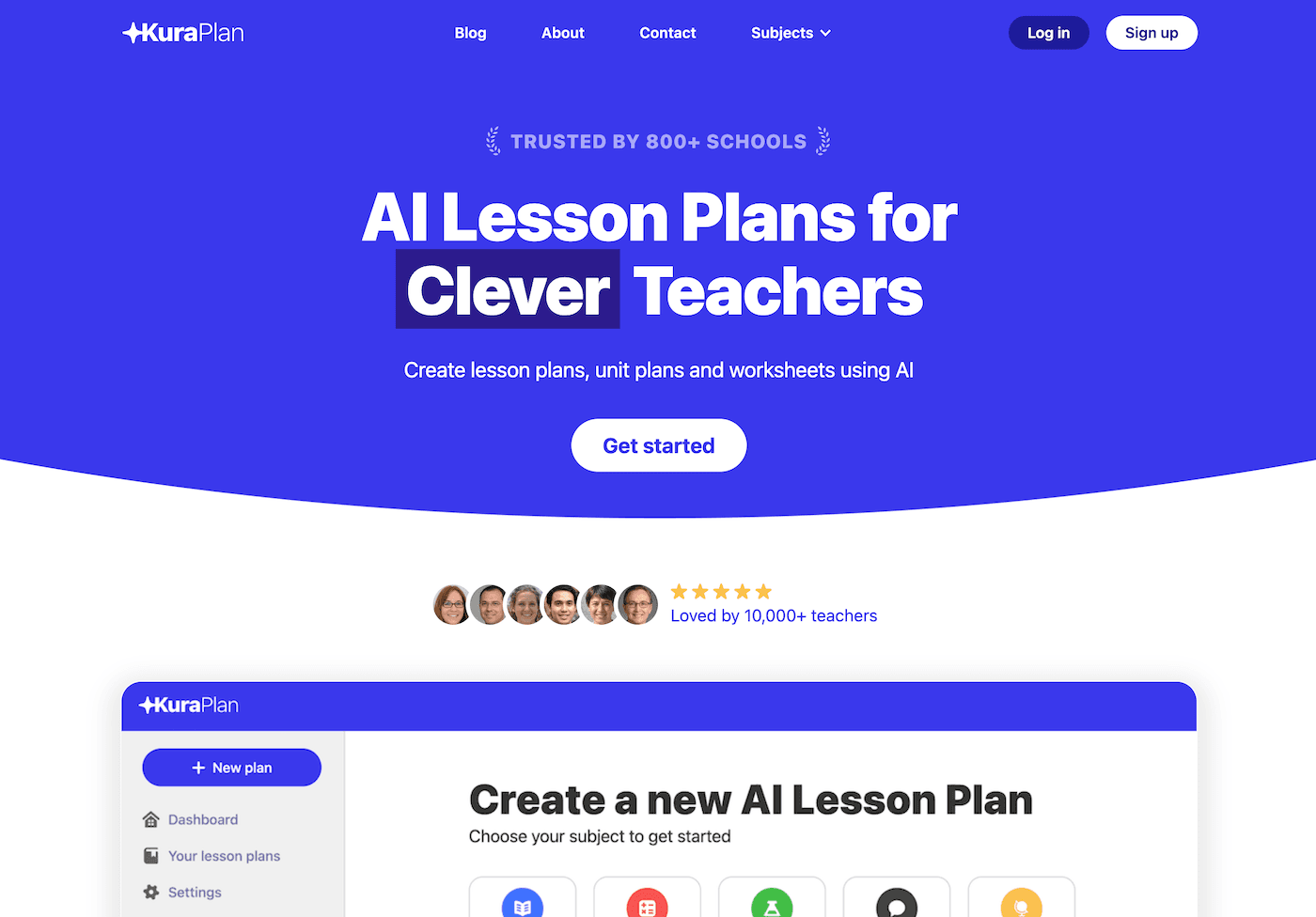
4. People AI – Instant Guests When Plans Flop
Our guest speaker from Parks & Rec bailed (again). Instead, my students brainstormed interview questions for “the mayor,” “a protester,” and “a grumpy historian” about our local pollution issue. With People AI, we ran a live, in-character panel—half real, half AI—and students had to think on their feet, push for details, and spot when answers got evasive. I’ve since used it for mock job interviews, surprise advisory lessons, and even calming group dynamics (“Let’s ask Nelson Mandela how HE would settle this.”). The best classroom debates are the unscripted ones.
Try People AI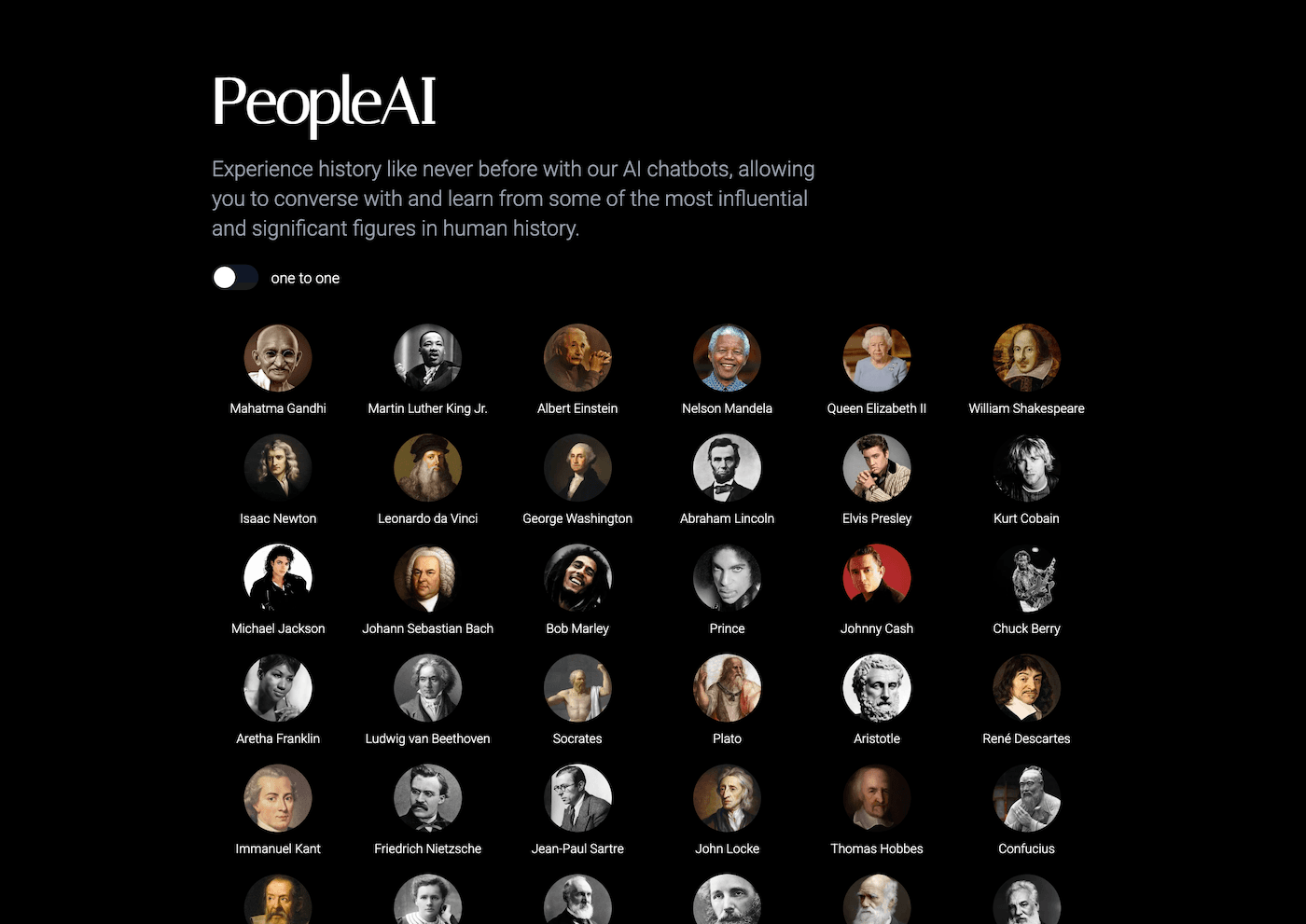
5. Gamma – Visualizing Today’s Detour as Tomorrow’s Lesson
When an off-topic debate suddenly snowballs into a passionate teachable moment, I toss everyone’s notes, links, and scribbles into Gamma. It turns our chaos into a rapid slideshow—timelines, claim/evidence boards, or concept maps—so we can present, argue, or just debrief what actually happened. My wildest moments: students building “choose your own adventure” history timelines or mapping their emotional arcs from a disastrous science fair. No design skills, just the story of our day made visible.
Try Gamma
6. Diffit – Adapting Student Distractions Into Real Lessons
My rule: when students bring cultural phenomena, breaking news, or a viral TikTok into my lesson, I say YES—if I can make it work. Diffit lets me drop in an article, meme transcript, or even a student-written summary and—within minutes—generates differentiated readings, vocab lists, and quizzes. That way, yesterday’s off-topic distraction becomes today’s multi-level reading group, peer explainers, or even a sub plan. Genuinely reactive, not just prepared.
Try Diffit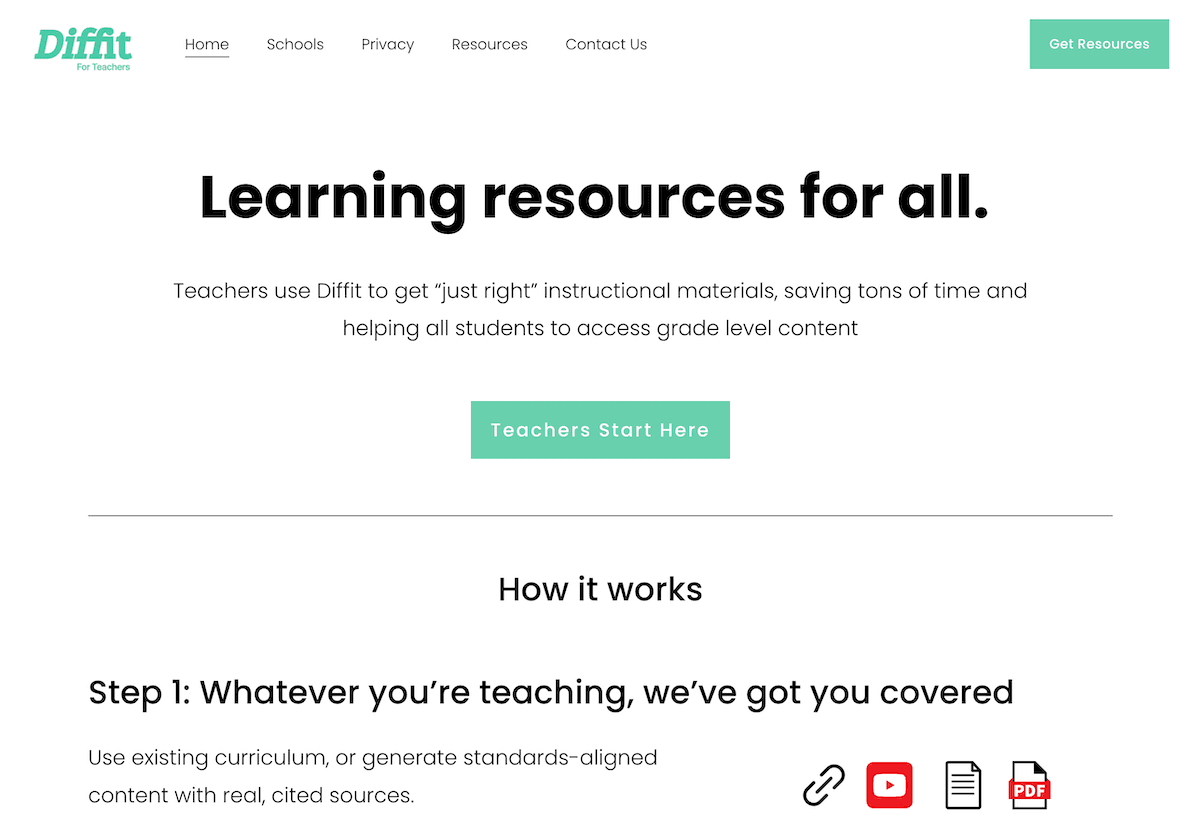
7. Suno AI – Rituals and Reset Buttons (Made by Kids, Not Me)
When the wheels fall off (assembly overran, my lesson plan is toast, or everyone’s just cranky), Suno AI is our classroom reset. I let kids compete to write the best “mood fix” song prompt (“beat the Monday blues,” “celebrate surviving state testing,” “transition to math—with penguin sounds”). Suno generates instant songs we use for class transitions, pump-up rituals, and, honestly, to mark the weirdest days. Our class culture is now more musical, less stressed, and I never have to invent a new jingle at 10pm again.
Try Suno AI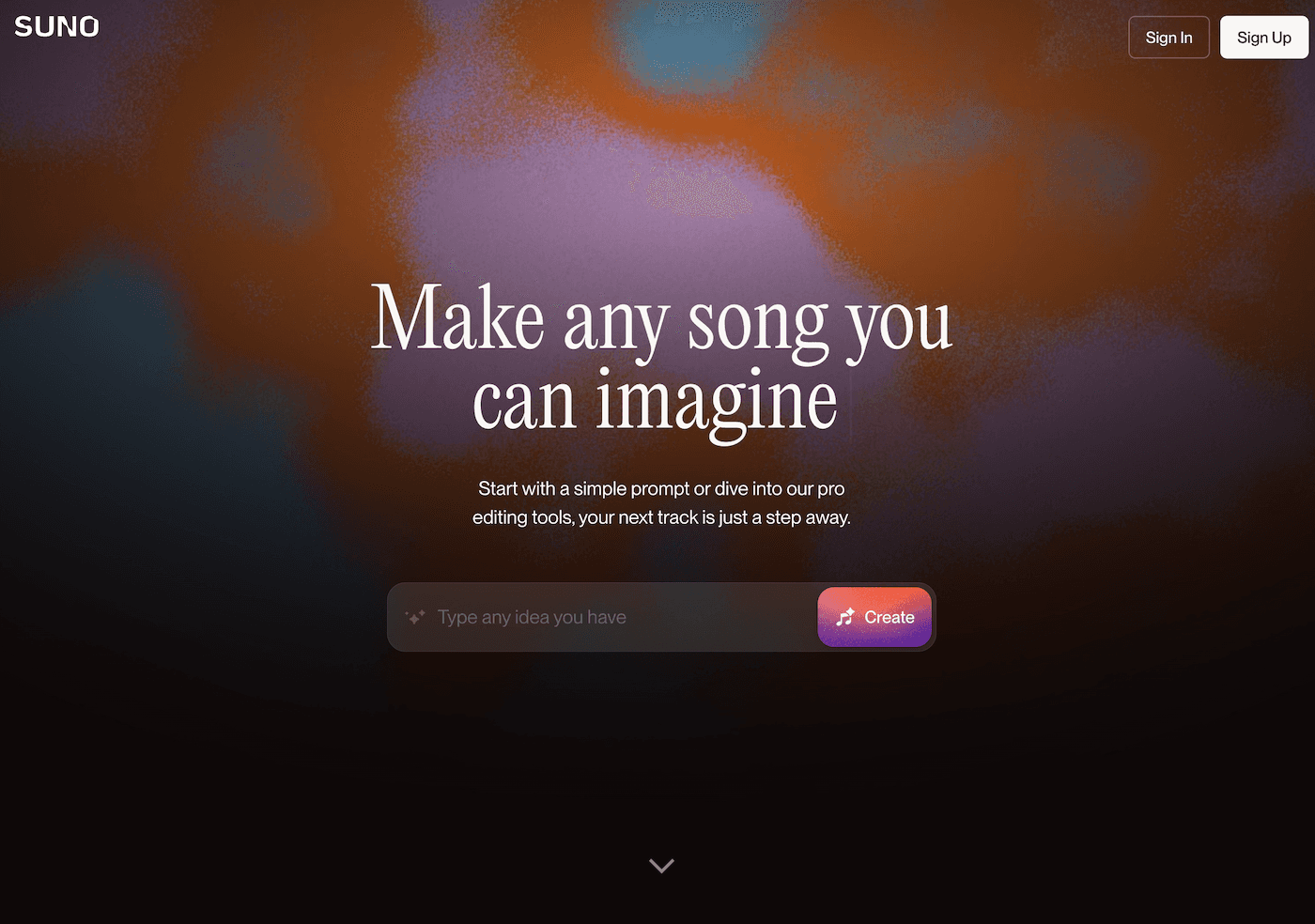
Real Talk: AI For the Teacher Who Never Follows the Script
If your teaching style is more improv troupe than assembly line, these tools aren’t going to automate your class—they’ll fuel the mess, capture student voice, and help you turn chaos into actual learning evidence (for admin, and yourself). My tips:
- Start with ONE tool—preferably the one you can let students drive.
- Use AI as a post-it collector, not a drill sergeant.
- Lean in when class goes off the rails—sometimes the best moments come from what wasn’t in the plan.
If you’re using AI to thrive (not just survive) in the unpredictable reality of teaching, I want to hear your story. What’s your secret for keeping learning wild, weird, and wonderful—day after day?