5 AI Tools for Teachers Who Love Breaking the Mold
Every school has them: the teachers who don’t just color outside the lines—they grab a new box of crayons, invite the class, and redraw the lesson map midweek. If you’re the type of educator who resists scripted pacing guides, squints at fill-in-the-blank curricula, or gets your best ideas during improv group work, you already know: being a creative disruptor isn’t always easy.
In a world where both admin and algorithms seem to want more standardization, the right AI tools can quietly amplify—not dilute—your classroom’s weird, real, and wonderfully unpredictable energy. This year, I tested a batch of tools for one purpose: Can they support wild ideas, genuine student agency, and the learning moments that nobody can predict in August?
Below are the five that made the cut—each with a specific workflow that fit the rebel beat of my classroom. Yes, Kuraplan is in here, but you’ll see the twist. If you love wild projects, authentic voice, and the messy side of student work, these are for you.
1. Notebook LM – Turning Chaos into Shared Wisdom
My classes might start with a crumbly prompt—“How do stories survive a blackout?”—and spiral into a mashup of sticky notes, interviews, web links, and impromptu debates. Most tech wants me to turn that into a linear essay.
But Notebook LM lets us toss everything—student voice memos, rough podcast scripts, news clippings, failed argument rounds—into a big pot. The AI finds links, pulls out recurring themes, and even helps kids spin up their own podcast Q&As. The result? Student-driven episodes reflecting what actually happened in class, not just what I planned. Some of our best projects have gone from hot mess to highlight thanks to this tool.
Try Notebook LM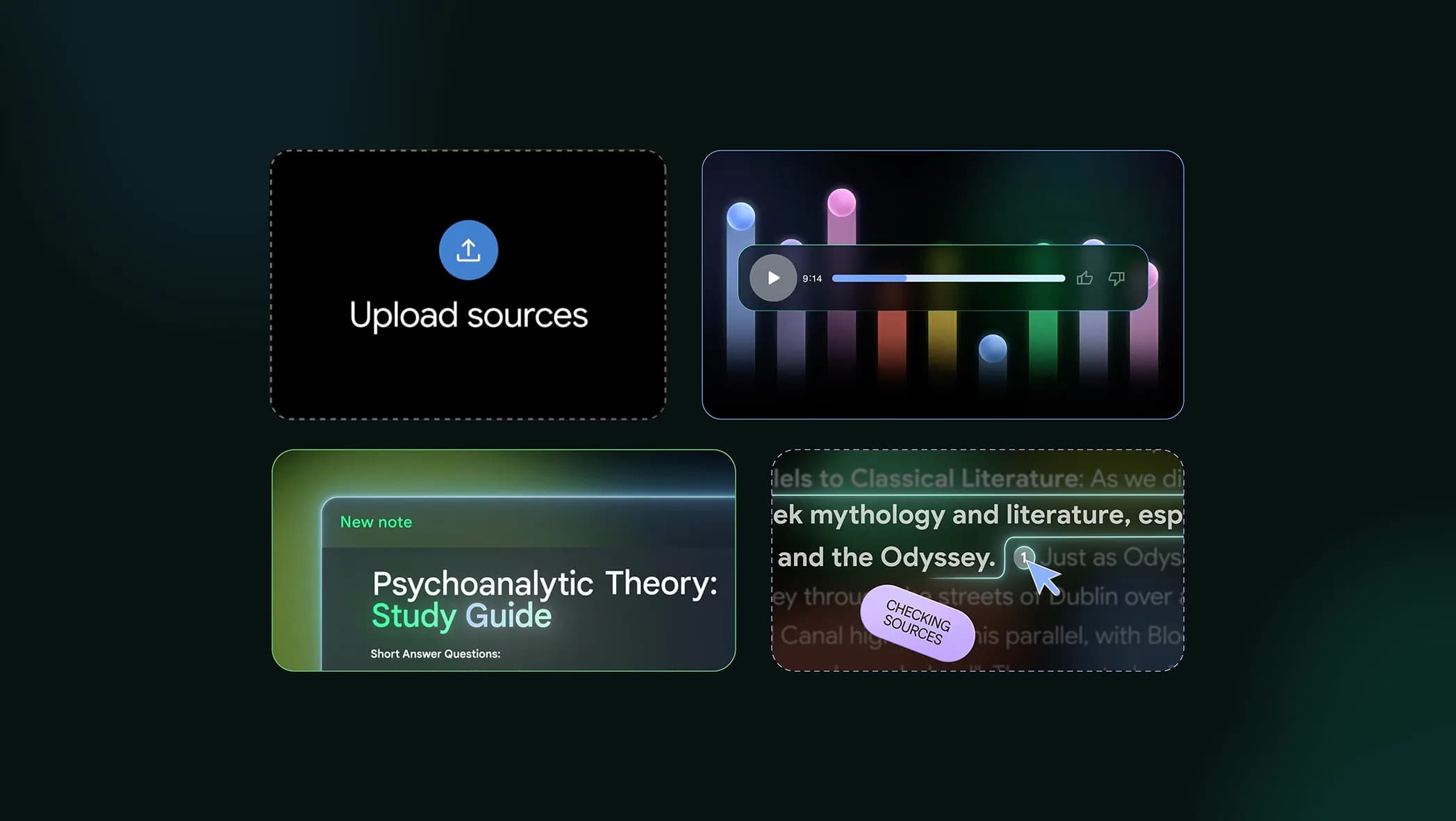
2. Kuraplan – Project Backbones for “Out There” Lessons
The curriculum map says "write an essay." My students want to run a community zine, design a pop-up museum, or run a history hackathon. Traditional planners melt down, but Kuraplan handles the creative muddle: I put our wildest proposal into the tool—“Let’s record a school folklore audioguide!”—and Kuraplan generates a draft with checkpoints, reflection pauses, and even parent comms templates. We use its outline to shape the chaos, then immediately start breaking it and rewriting as a class. The kicker? Admin gets a clear progression and I get a rough safety net, without sacrificing any of the student-generated weirdness that makes these units work.
Try Kuraplan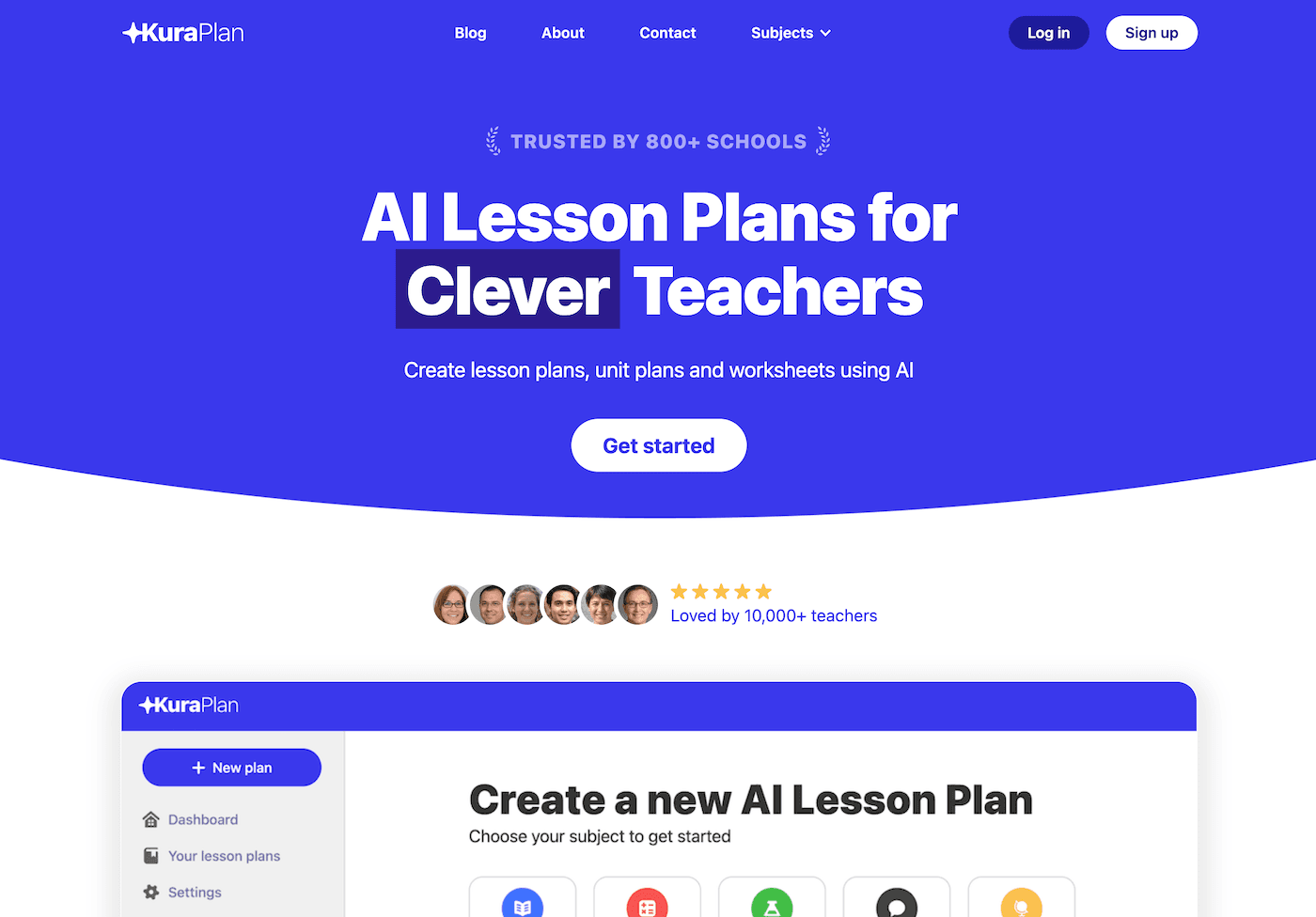
3. Fliki – Publishing Unpolished Student Genius
I have zero patience for perfectly polished final projects. I want students riffing, prototyping, and putting their roughest explanations out in public—then remixing as they go. Fliki is my classroom megaphone: students script rough podcast intros, fake TED talks, or campaign videos, and Fliki turns them into quick, sharable AI-narrated videos—no tech skills required. Sometimes draft 1 is a trainwreck; that’s the point. We play these in class, get peer feedback instantly, and keep iterating. For once, the reflection is louder than the red pen.
Try Fliki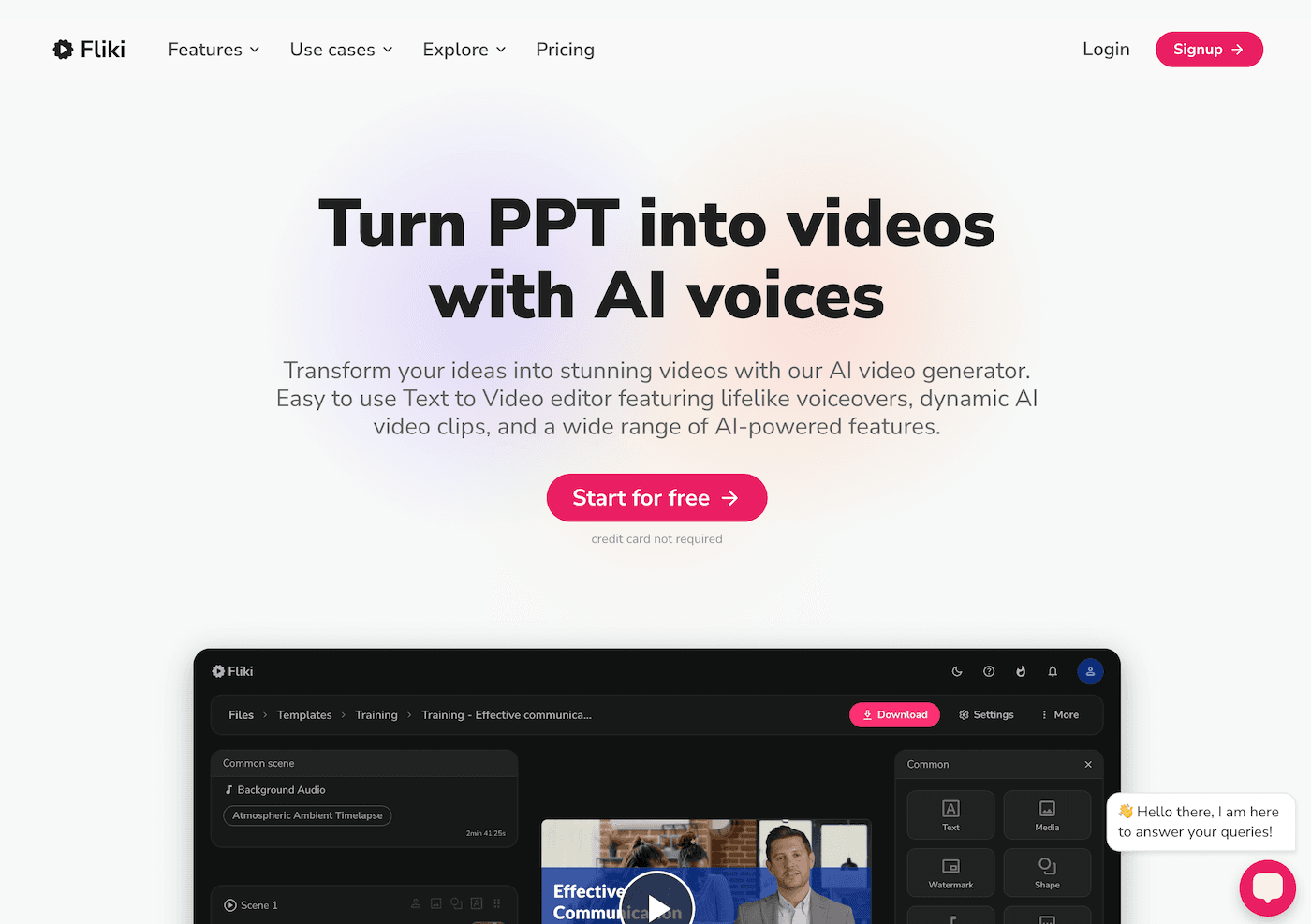
4. Jungle – Letting Students Write the Test (and the Rules)
I’m allergic to pre-made test banks. Instead, I let every student (or group) create their own review cards after a project, oddball quiz-rounds, or “what I wish I’d asked” moments. Jungle takes these and builds rapid-fire games or crowdsource-format exit tickets. The twist: peer groups moderate the deck, new cards get added throughout the unit, and we turn mistakes into new challenges for the next cohort. Suddenly, the review is the lesson, and assessment grows right alongside the wild work.
Try Jungle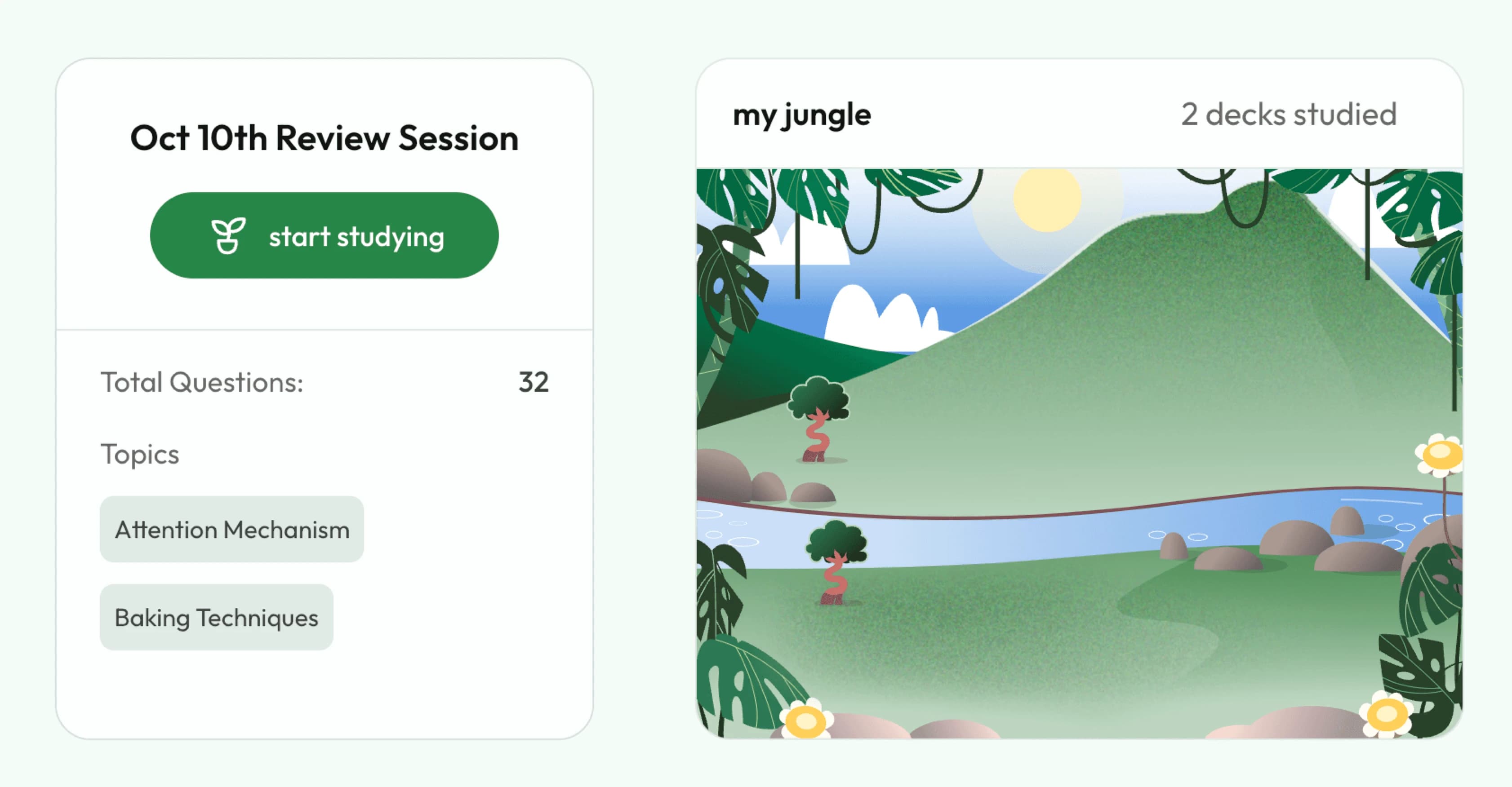
5. Suno AI – Making Rituals and Reflection Offbeat & Inclusive
Some kids want a mindfulness bell. Mine want a pop-punk clean-up song and a “we failed but we learned” anthem. Suno AI is how we make every ritual our own. Students throw in lyric prompts (“Monday Survival Jingle,” “Celebrate the Best Mistake,” “Song for the Non-Morning People”), and Suno generates instant music tracks. We use them to synchronize group work, blow off steam, or just mark the start of a new creative sprint. The best? Half the ideas come from the quietest students, and now music is as much a signal of belonging as a classroom rule list.
Try Suno AI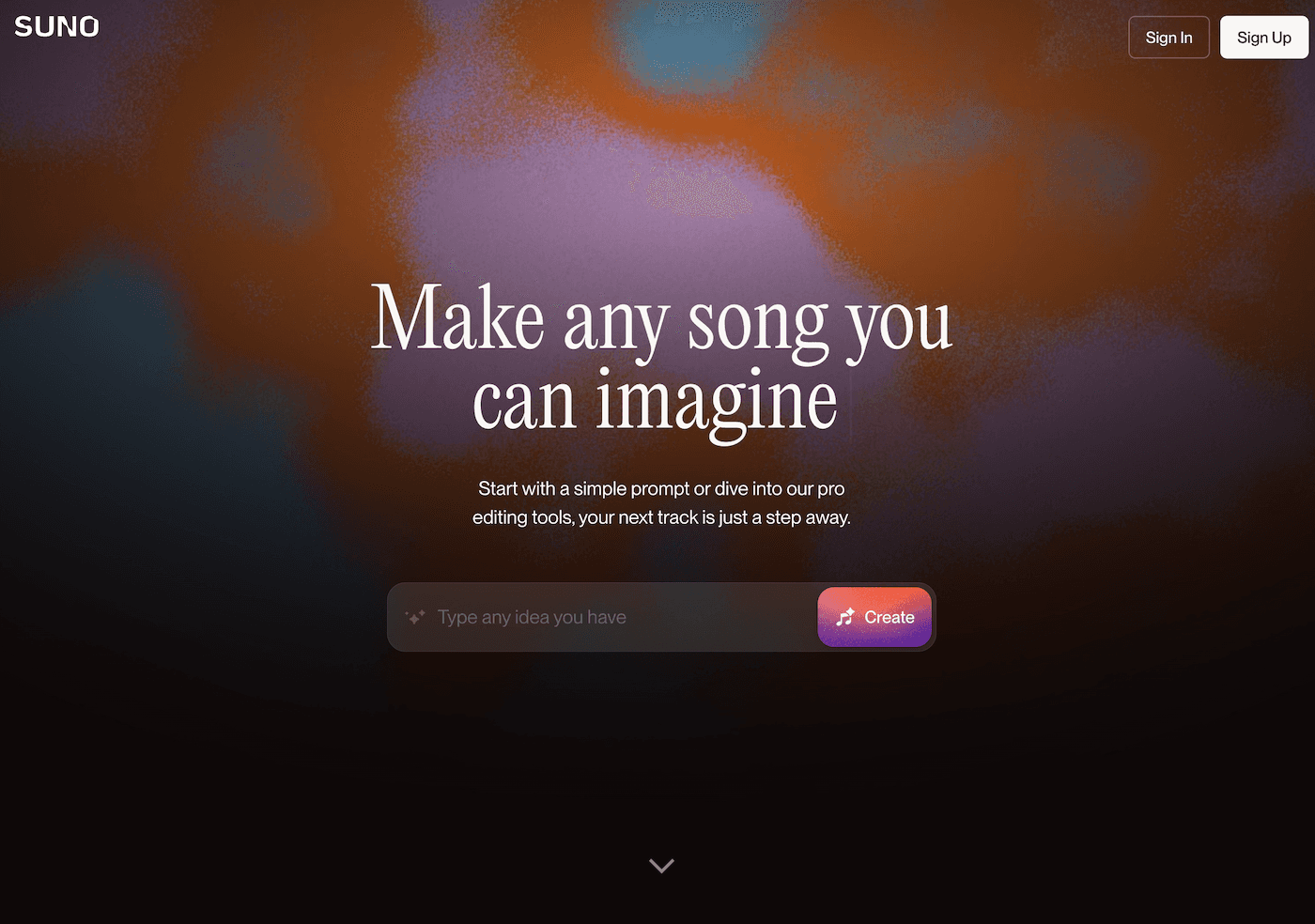
Real Advice for Teachers Who Disrupt the Script
- Don’t wait for admin permission: use AI to document your wild process and build artifacts that prove growth happens—even when no two projects look the same.
- Let students drive as much as possible: every tool here works best when they feed it (and critique the results).
- Use AI as the backstage crew: building the scaffold, corralling the chaos, and freeing you to direct the weirdest, most memorable scenes.
- Share what broke! The best workflow upgrades came from testing, failing, and laughing about it with students.
Are you an educator running offbeat, student-driven, or anti-scripted lessons? Drop your favorite AI trick, best workflow hack, or biggest creative flop in the comments. The best teaching doesn't fit a mold—and neither should your tools.