6 Unexpected AI Tools for Multitasking Science Teachers
Let’s get real: if you teach science (especially in 2025), you’re part experimenter, part juggler, part motivational speaker—plus chief supply wrangler and accidental STEM coach. Every week feels like it’s all at once: prepping hands-on labs, supporting a wildly mixed class (from future Nobel laureates to the "wait, is this a beaker or a flask?" crew), running through unexpected class debates, and—oh yeah—still finding time to grade.
This year, I set out to find non-obvious AI tools that actually make the multitasking, hands-on science classroom work—not some “just automate another worksheet” nonsense. These are the real, slightly weird, and unexpectedly helpful apps I kept reaching for, because they save mental energy, spark new ideas, and help my students work with the chaos, not against it.
If your class runs on creativity, noise, and last-minute plan changes, read on. (And yes, Kuraplan is in here, but not as the hero—just the backbone that kept experiments from imploding, and never got in the way.)
1. Gamma – Lab Stories, Not Just Spreadsheets
My favorite (and most stressful) days are when a messy lab unexpectedly teaches more than my perfectly prepped slides. But capturing the journey—not just the results—was always a pain.
Now, after each big experiment or project, I have my students dump their group photos, scribbled hypothesis diagrams, strange data tables, and even epic lab fails into Gamma. Instantly, the AI turns our mess into a shareable, interactive visual timeline or "case study"—like a science fair board, but alive. We use these Gamma stories for parent night, peer-feedback walks, or to help next year's class learn from our disaster zones and surprise wins. The best labs always have a story—finally, the evidence is more than a pile of charts.
Try Gamma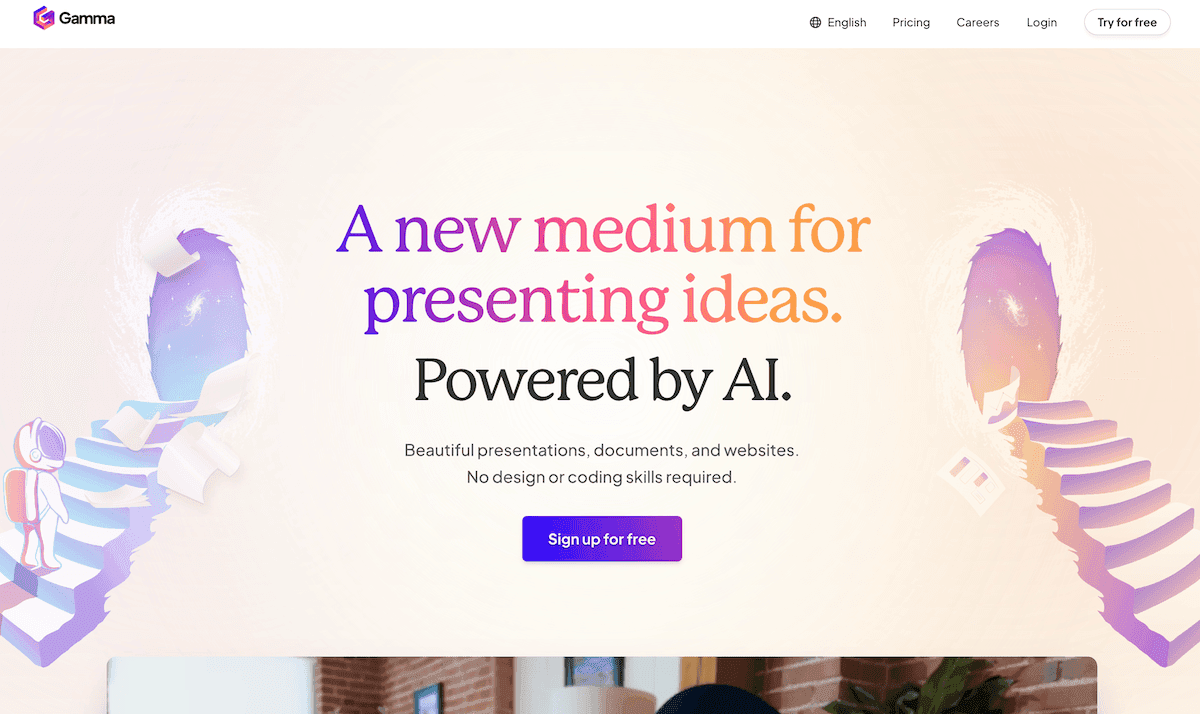
2. Kuraplan – Project Maps (Not Lesson Scripts)
Kuraplan used to terrify me—I thought it would box in my teaching style. This year, I found the trick: treat it like a map for unpredictable projects, not a unit-planning overlord.
Every time my students pitched something wild—like “Can we map the microclimates of our school?” or "Let's do plant genetics and run a food drive"—I dropped our brainstorm into Kuraplan, flagged my must-hit standards, and let it spit out a flexible, editable timeline. Then (here’s the magic), my class would hack the plan: move deadlines, add in new checkpoints, or swap out a quiz for a reflection day. We never followed the map perfectly—but having a backbone meant our creativity didn’t dissolve into pure chaos.
Don’t use Kuraplan for rigid daily lessons. Use it for the wild stuff that needs just enough structure to work.
Try Kuraplan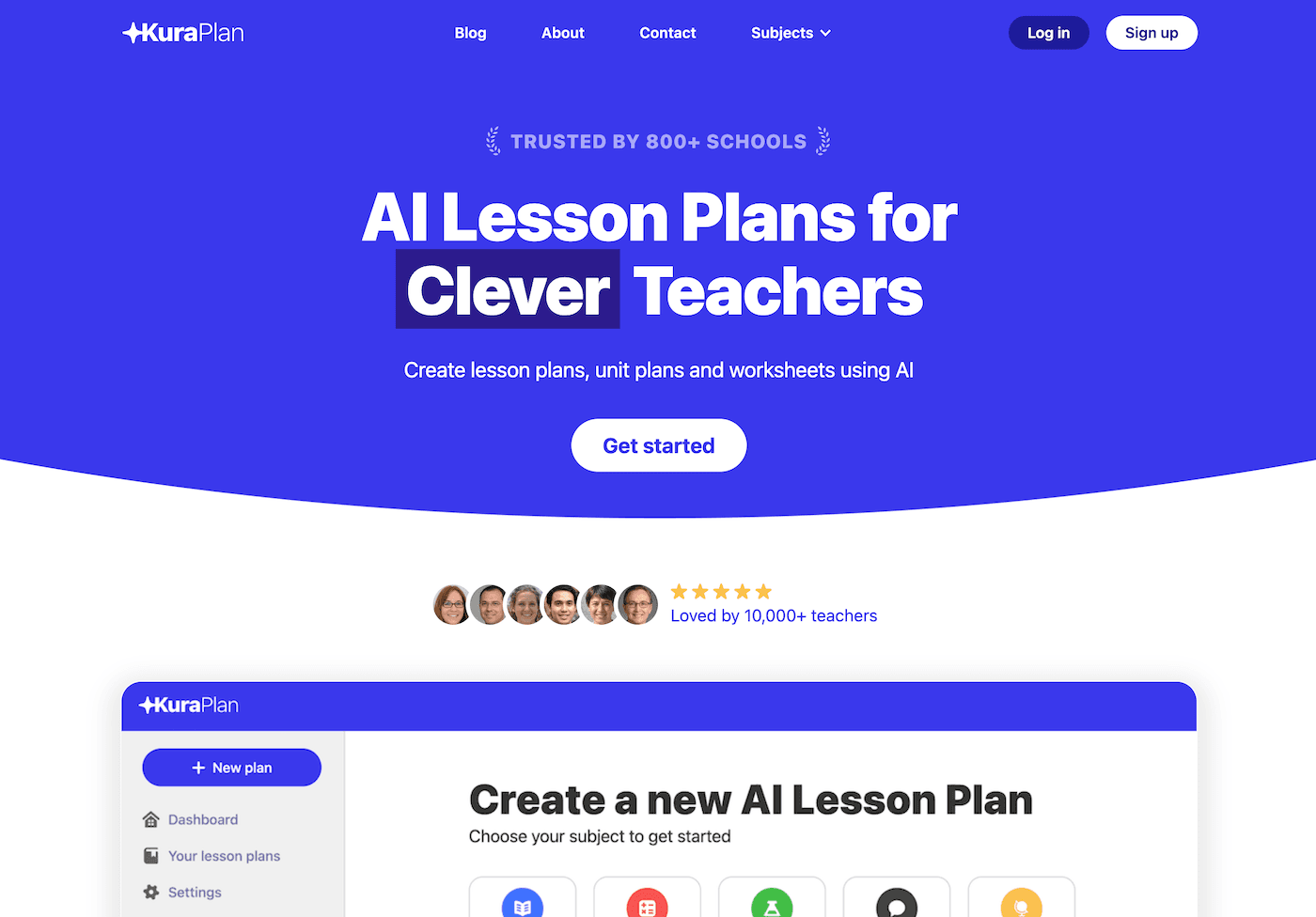
3. Fliki – Scientific Arguments, Not Just Demo Videos
Science is storytelling—and my students honestly LOVE explaining what went right (or wrong). Honestly, having them make videos was always more about "don't show your face" stress or wasted iPad time than good science.
Fliki blew this wide open: now, I have students write a short scientific argument—what really happened in their lab, a mistake analysis, or a "myth-busting" explainer. They paste their script into Fliki, and in minutes, it becomes a narrated, AI-voiced mini-documentary (we especially love staging formal debates between two problem-solving groups with different voices). The result: real student voice, visible process, and peer explainers that are wildly more engaging than another poster. Go beyond "look what I did" to "here’s my claim, and here’s the evidence."
Try Fliki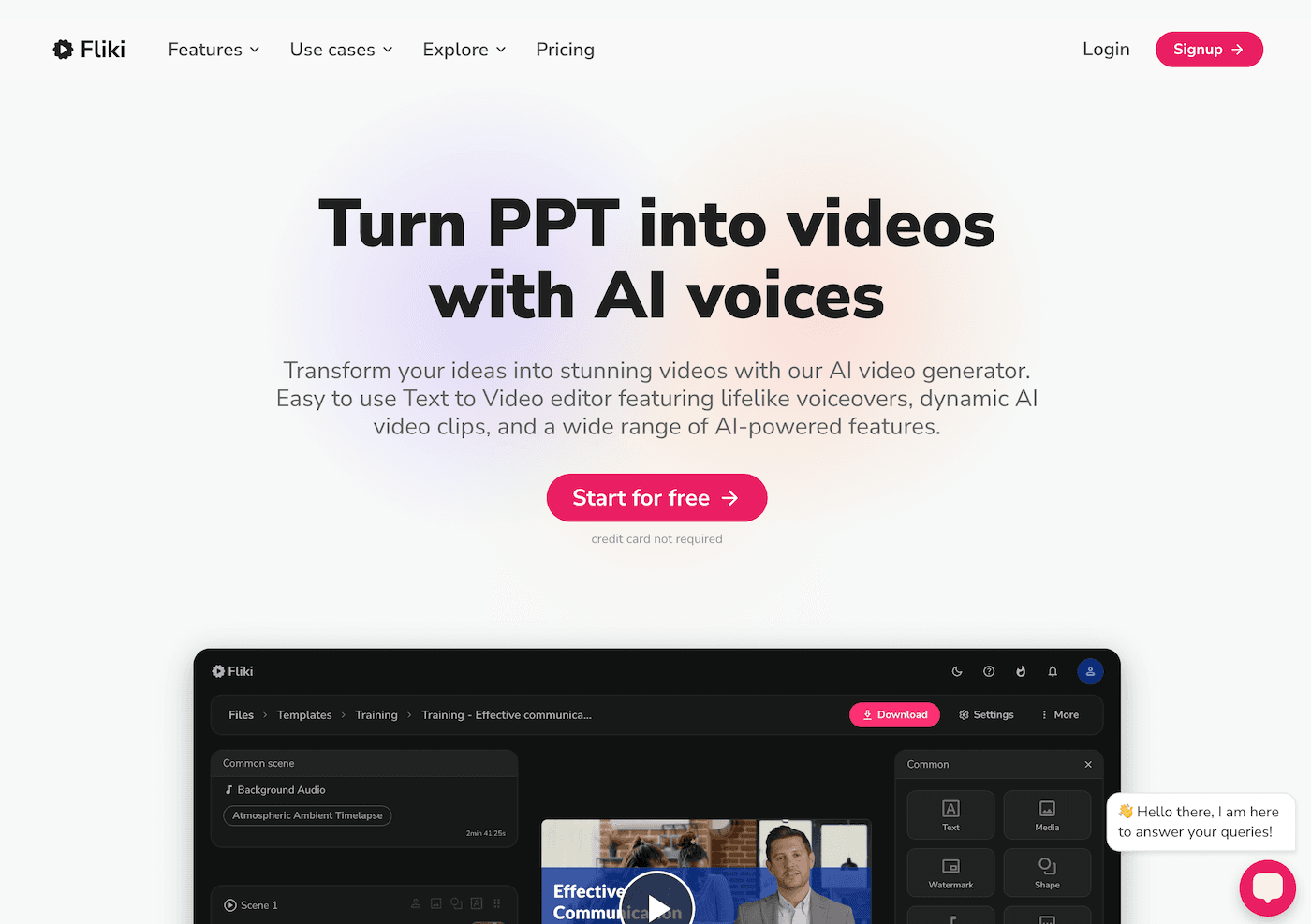
4. Jungle – Review as a (Mostly) Controlled Argument
My end-of-unit reviews used to look like: crumpled handouts, students role-playing snakes to avoid questions, and frantic Kahoot rage. This year, Jungle became my secret for actual engagement. After every messy topic, I ask teams to contribute their weirdest findings, stickiest misconceptions, or "the question nobody in our group could answer" as flashcards. Jungle de-dupes, checks for clarity, and automatically builds a game deck for the next class.
We host collaborative review tournaments (sometimes teacher vs. students), and I discover the real gaps in understanding—usually from questions I would never have thought to write. It’s formative assessment that feels like a Friday game show—not an execution.
Try Jungle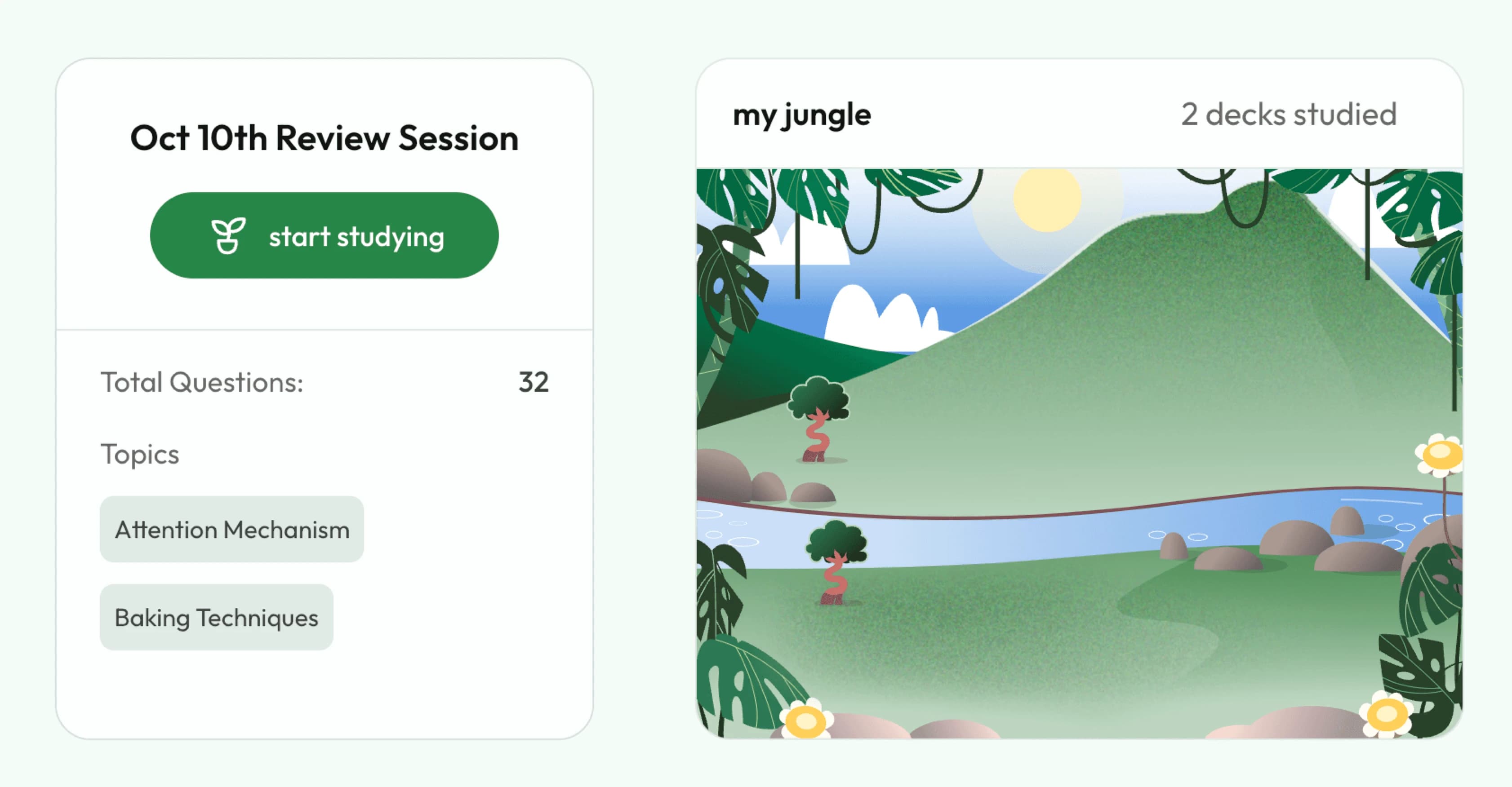
5. Diffit – Student-Discovered Science, Accessible for All
I dream of letting students chase any source: a viral water pollution TikTok, an animal behavior podcast they found, or a New York Times paywalled climate piece. But the reading level chaos used to shut it down. Diffit fixed that. Now, I paste in any source students find, and Diffit gives us leveled versions, vocab sets, and fast-check questions.
Each team gets to use their own “evidence” in a way that makes sense for them—no more lowest-common-denominator, and no more “is this just busywork?” groans. Pro tip: sometimes the best discussions come from comparing different versions of the same text to spot bias or missing context! This is empowerment, not just scaffolding.
Try Diffit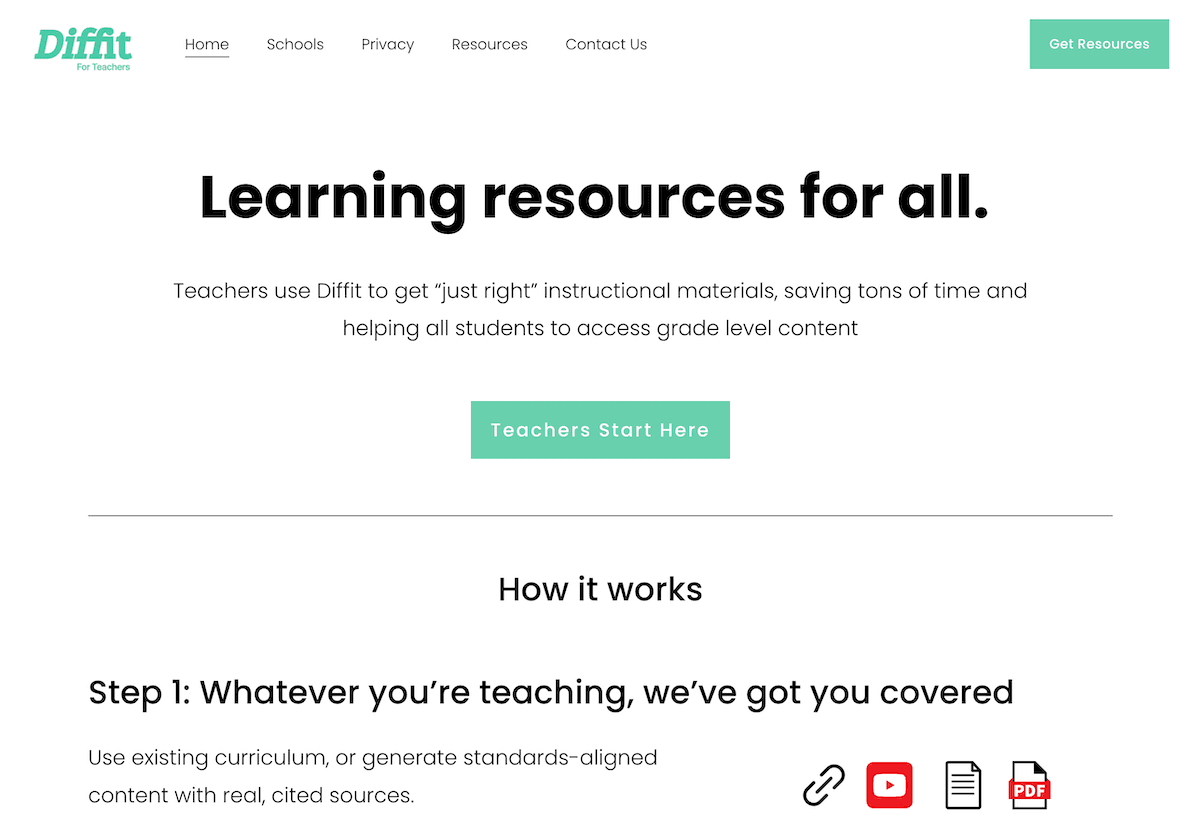
6. Suno AI – Songs for Experiment Days, Not Just SEL
Truth: half the fun in my science class comes from rituals—sometimes to get energy up, sometimes just to laugh when a project tanked. Suno AI is our quick cue for lab-anthem days: I let the class write a group chorus (“praise to pipette errors,” “photosynthesis fumble-ballad,” or “jingle for day-before-break energy,” etc) and Suno instantly generates a song. We use these for transitions, clean-up rituals, and to make reflection days (yeah, including after failed experiments) way less cringe. Culture is everything, and sometimes a 1-minute custom song is a better reset than my best lecture.
Try Suno AI
Final Takeaways: Work With the Chaos
- Allow your students to shape AND remix every workflow—review, reflection, even the plan itself. The best teaching moments aren’t in the prep—they’re in the pivot.
- Archive as much as you can—Gamma, Notebook LM, and group-created review decks are evidence for you, admin, and next year’s class that process matters.
- Use AI for what actually haunts your evenings: project tossing, review games, and documentation (not just another worksheet).
- Ritualize reflection and celebration: Use Suno to mark the end of a wild experiment, or Fliki to let kids narrate what went haywire. It’s how science memory (and joy) sticks.
If you’re juggling a dozen plates in your science classroom (and determined to keep the spirit of discovery alive), try one of these tools. Bonus points if you have a workflow, wild experiment story, or a new app I should add—share it below! This community thrives on the next great pivot, not the best rubric.