6 Bold AI Tools for Teachers Who Hate Busywork
Let’s be real—most of us didn’t become teachers because we love calendar juggling, copying packets, or rewriting the same instructions for the hundredth time. After a decade in the classroom (middle school science and ELA, because I like a challenge), I vowed this year to cut the pointless routine—and use AI to do it.
But not all tools are created equal. Plenty of AI promises to save time, only to dump more steps onto your to-do list. I set a ground rule: if a tool didn’t truly eliminate busywork—not just automate it—I ditched it. Here are the six that stuck, all field-tested with real classes, surprise fire drills, and the occasional 7:45am “tech won’t load” meltdown. I’ve called out where these go beyond the obvious, and—yes—how
Try Kuraplan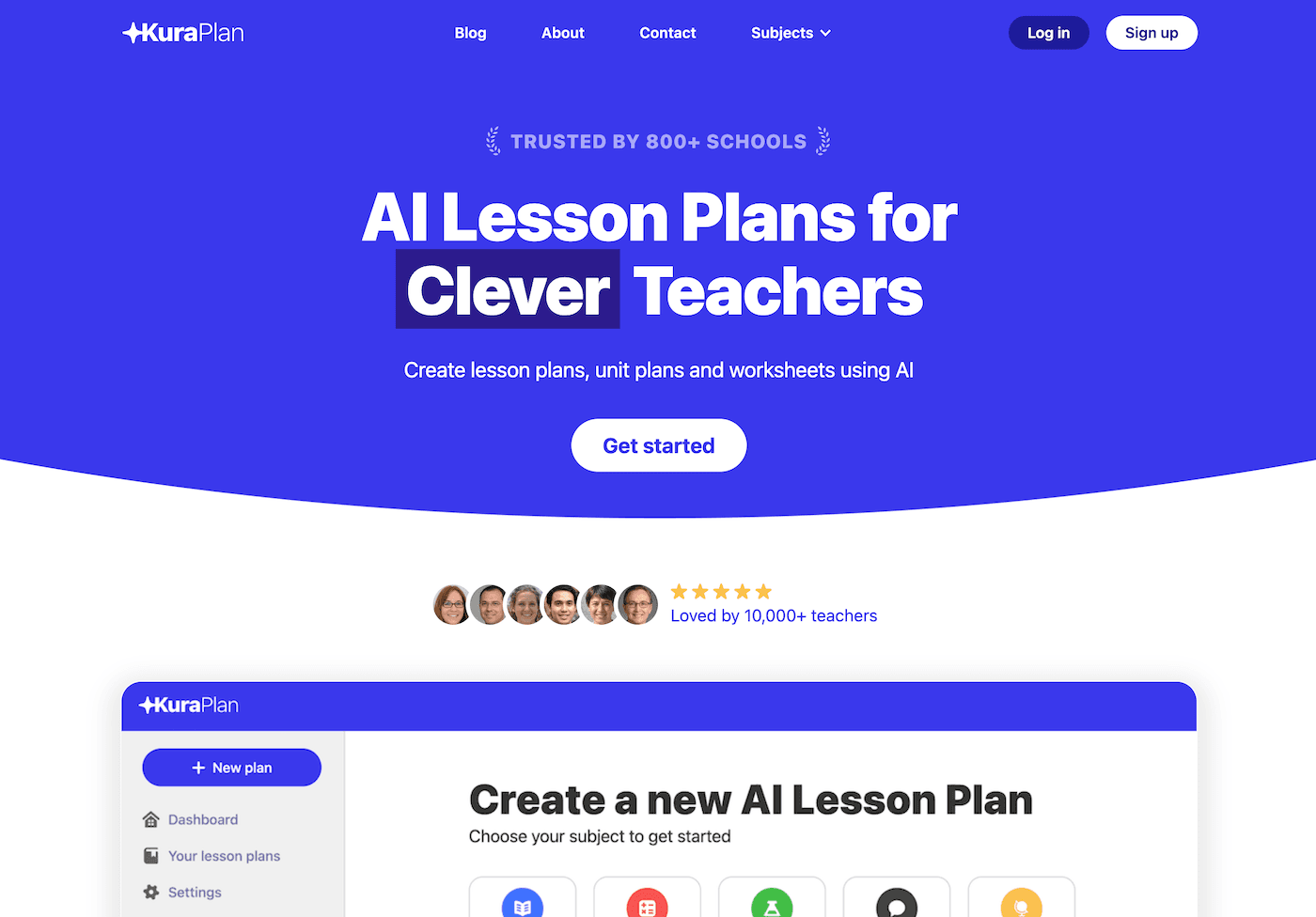
finally made planning less soul-crushing (without running my classroom).
1. Gamma – Actually Useful Daily Slides (in 2 Minutes)
Raise your hand if you’ve wasted 20 minutes every week making "do now" slides, visual schedules, or exit ticket instructions. After too many frantic mornings, I tried feeding Gamma my week’s rough plan and asked it to spit out day-by-day visual decks—starter questions, reminders, even celebration slides for birthdays or class wins. Students helped drag-and-drop their favorite icons and themes (Friday: cats in astronaut helmets). Now, every routine is covered, nobody asks “what are we doing next?”, and I’ve fully quit Canva. Honestly, Gamma feels like having a secretary who loves slide design and never complains about copy edits.
Try Gamma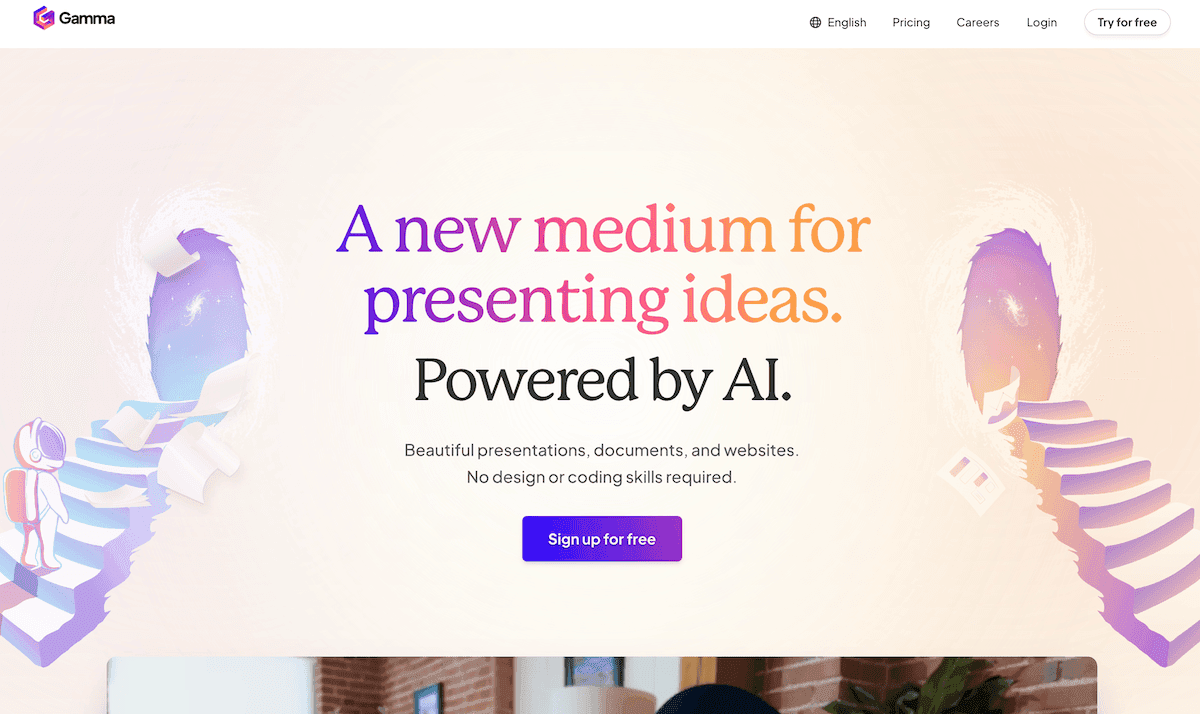
2. Jungle – Student-Made Review Decks (Not More Worksheets)
Every busy teacher’s dream: formative assessment without the spreadsheet. Jungle lets my kids generate flashcards, multiple-choice quizzes, or even class debate decks right after group work. My trick? I have every student write three "What stumped you?" questions, plug them into Jungle, and we get an instant deck for next class—no photocopying, no grading, and (for once) the students run their own revision. Bonus: I can spot classwide patterns in what’s confusing, based on the decks, with zero extra effort from me.
Try Jungle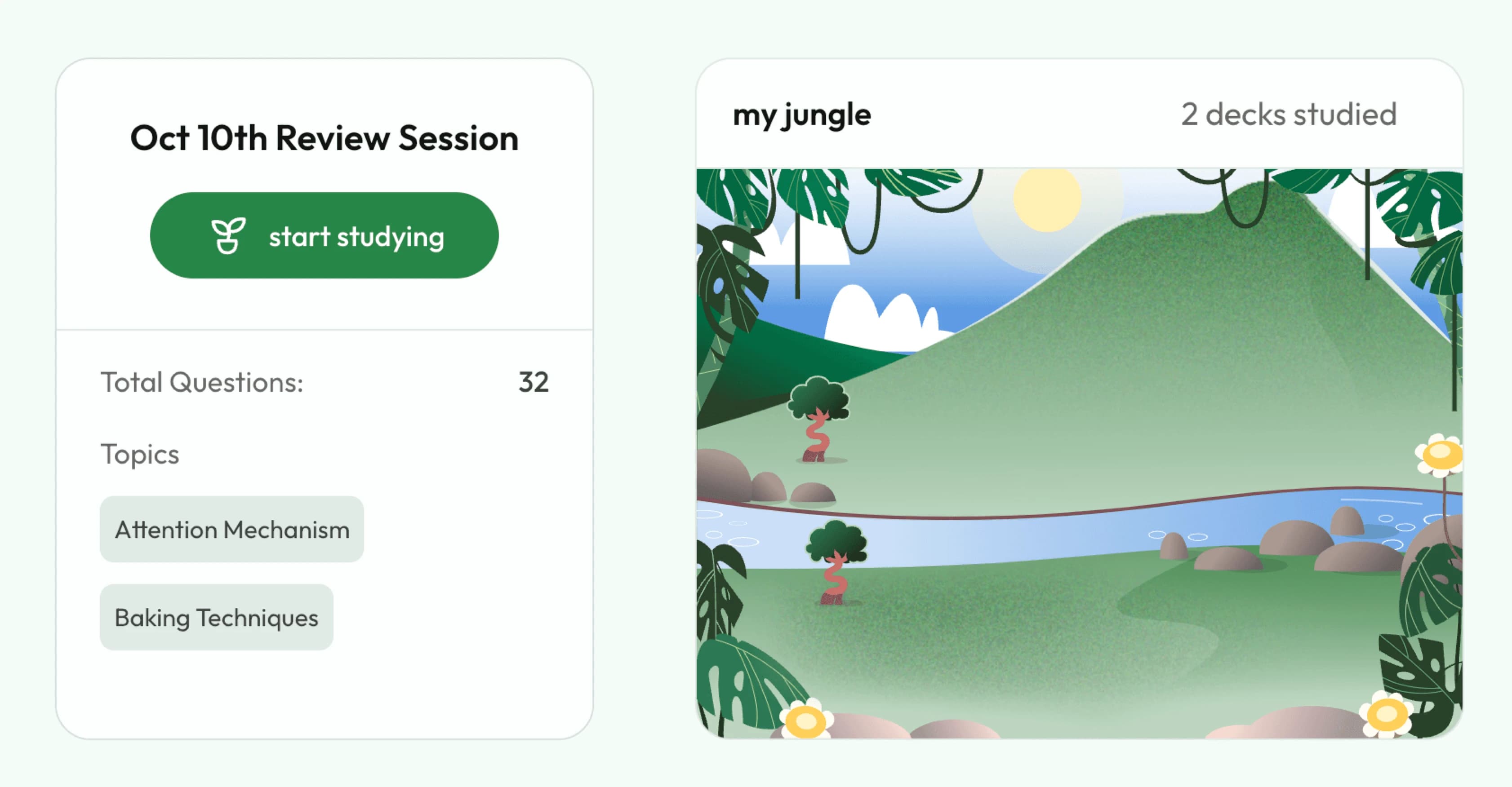
3. Kuraplan – Planning by Draft, Not Dictation
If you’re allergic to "unit template" boxes, this is your out. Instead of starting from a blank screen, I now enter my real timeline (“Have to finish by winter break, admin wants a project, students keep asking for more creative time”), plus a few messy aims. Kuraplan spits out a rough unit flow, suggests easy checkpoints, and drops in reminders for stuff I usually forget ("Communicate with parents before field trip"). The difference: I slash my planning time, but can still override everything. Kuraplan is a draft, not a dictator—and my weekends are finally for me, not for more lesson seeds.
Try Kuraplan4. Diffit – Differentiation on Demand (No More Packet Purgatory)
The pile of “adapted readings for...” has haunted me every year. Diffit ended it for good. Instead of weeding Google every time I need a new level, I just feed Diffit any text—news story, textbook paragraph, a student’s short essay—and get back several versions, vocab checks, and quick questions. I deploy these for subs, last-minute ELL supports, or extension choice boards without ever making more paperwork. Best hack: students often check their own work for complexity using Diffit—freeing me from constant one-on-one explanations.
Try Diffit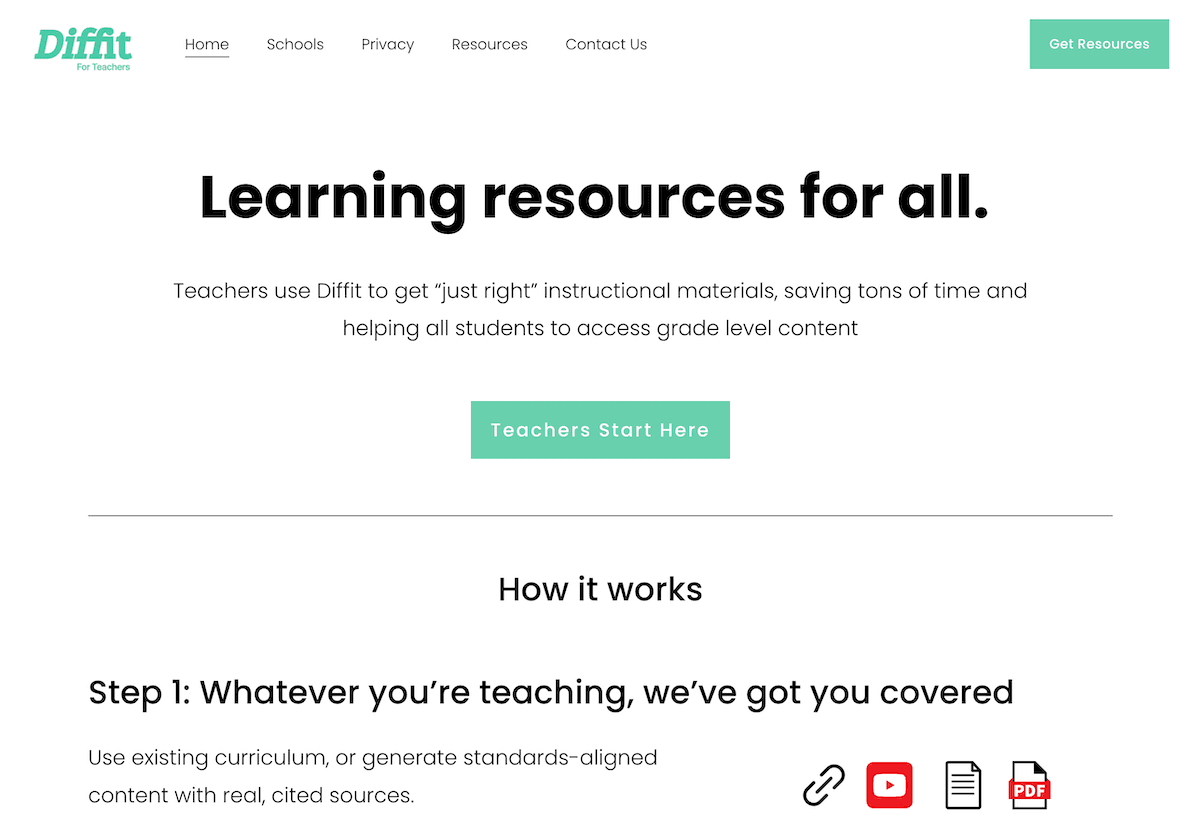
5. Suno AI – Classroom Rituals, Signals, and Silliness (Minimum Effort)
I hated “transition songs”—until the kids started making them (and I stopped cringing at the same old YouTube loops). With Suno AI, students submit their own prompts: “Dismissal with Lo-Fi Beats,” “Math Pep Talk,” or “Don’t Forget Your Lunchbox Anthem.” Suno spits out a fresh tune in 30 seconds, and we rotate the playlist every week. Suddenly, transitions run smoother—and I’m not the only one enforcing routines. The class even wrote a “We Survived Monday” jingle that’s become our surprise community builder.
Try Suno AI
6. Notebook LM – Turning Resource Chaos into Actual Learning
After years of loose links, email chains, and “where did I file that?” headaches, I threw all my random activities, articles, and student brainstorms into Notebook LM. The AI finds themes, builds connections, and even generates class discussion scripts or podcast episode outlines on the fly. Now, when I lose track or need a fast sub plan, I ask: "What’s the wildest project from our notebook?" Students jump in to host a review episode or build a Q&A—no more wasted prep, no more searching for lost files. The best part: reflection happens with the data I already have, not more forms.
Try Notebook LM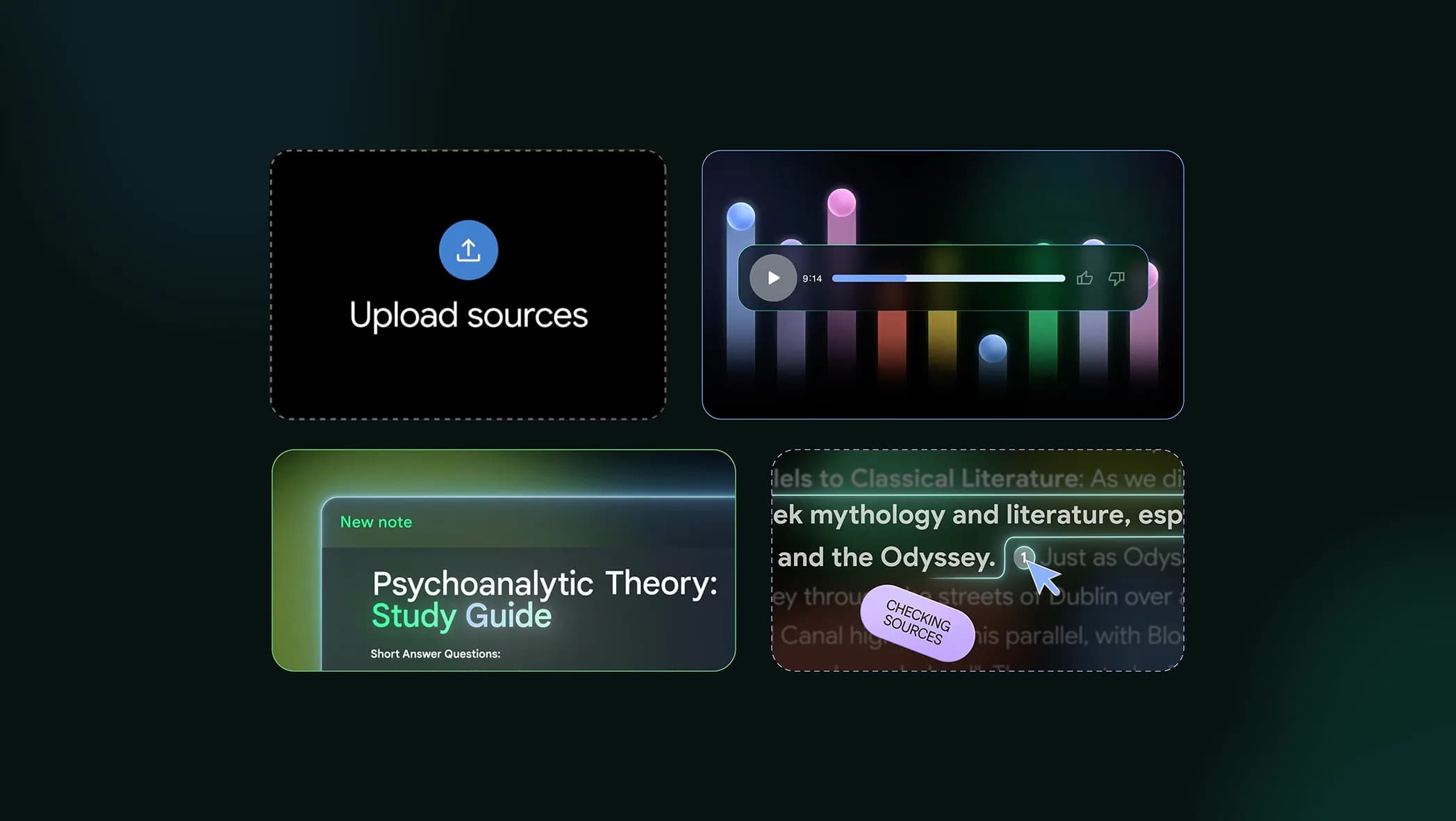
Final Thoughts—Busywork Isn’t Teaching. AI Can Help.
Here’s the shift: these tools don’t just save time, they make more space for the work only teachers can do—coaching, laughing, giving tough feedback, and building a real class culture. My advice?
- Use AI for the routines that sap your energy, not the core teaching you actually care about.
- Let students drive wherever possible—busywork reduction doubles when kids co-create routines, reviews, or signals.
- If a tool requires more clicks than the process you want to replace: ditch it, honestly.
I’m still a teacher who leaves the lesson plan to the last minute sometimes, but I no longer spend those minutes printing, scripting, or formatting in circles. If you’re already using AI to reclaim your evenings or have a burnout-busting workflow, share your win below. Less paperwork, more learning—that’s the promise worth testing in 2025.