6 AI Tools for Teachers Who Hate Micromanaging
Let’s be honest: some teachers love color-coded planners and step-by-step scripts. Others (like me) want to set the big vision, hand students the keys, and get out of the way. But when you give students more freedom, chaos creeps in—and suddenly, the job becomes wrangling timelines, lost forms, off-topic projects, and, yes, admin who really want every box ticked. If you’re exhausted by micromanagement—your own or someone else’s—this post is for you.
This year, I set out to find AI tools that give just enough structure so I can trust students (and myself) to do real, creative work—without being buried in paperwork or second-guessing every group’s progress. The result? A set of genuinely surprising, workflow-changing apps, with Kuraplan in the rotation (but not as the lone hero). Here’s what’s made my teaching less about compliance, more about discovery—and helped every kid (and adult) breathe a little easier.
1. Gamma – Structured Freedom for Student Projects
The trouble with letting students pick their path? Their notes get lost, their slideshows get messy, presentations become a scramble. Gamma is my antidote to micromanaging every step: I let students toss in notes, links, or group ideas, and in seconds, Gamma turns them into a coherent, good-looking slideshow. The best part: students still own the content—they arrange, debate, and edit—but nobody gets lost in formatting or spends an hour trying to find the right image. For me? It’s a lifesaver on project weeks (and student-led conferences).
Try Gamma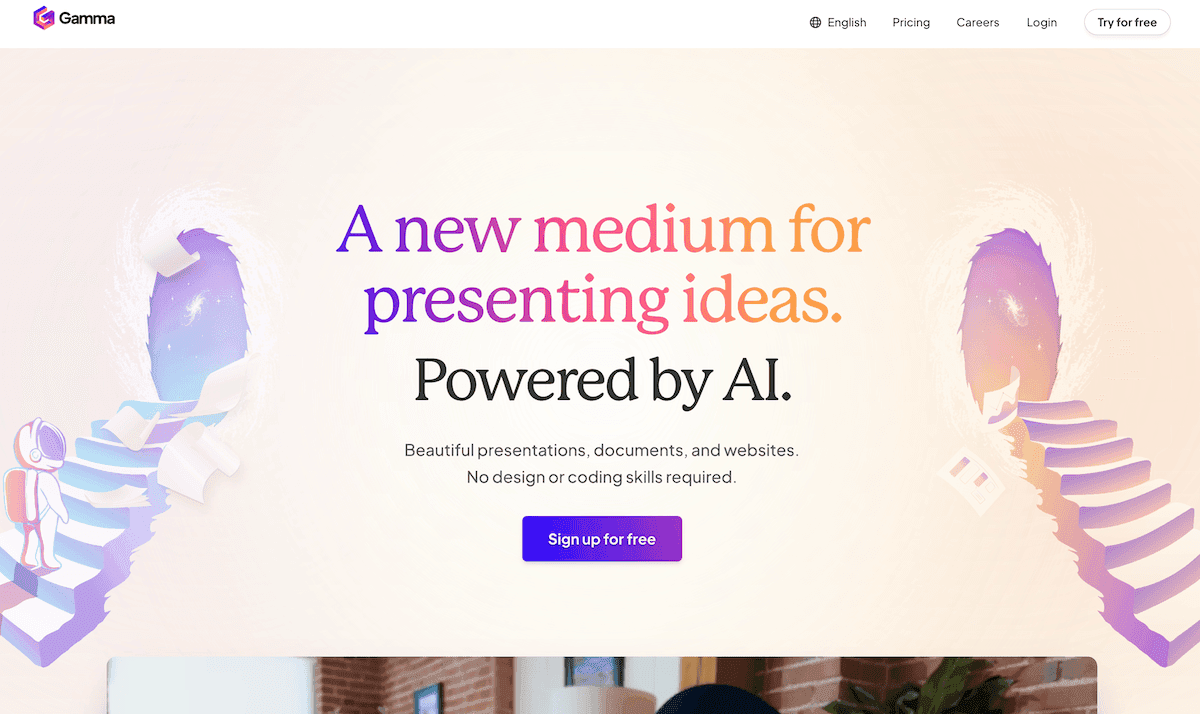
2. Kuraplan – Guardrails, Not a GPS
Planning is a pain point if you hate micromanaging. I use Kuraplan for what I call “guardrails planning”: I enter my core project, rough timeline, and learning targets, and Kuraplan builds a backbone (key checkpoints, suggested assessments, and reminders for differentiation). I share the outline with students or co-teachers—then step back. It keeps us moving without feeling locked into a script. I treat Kuraplan like a car’s lane assist: there to keep me from veering off a cliff, but not driving the car. Perfect for when you want to say yes to a detour—but still hit the standards.
Try Kuraplan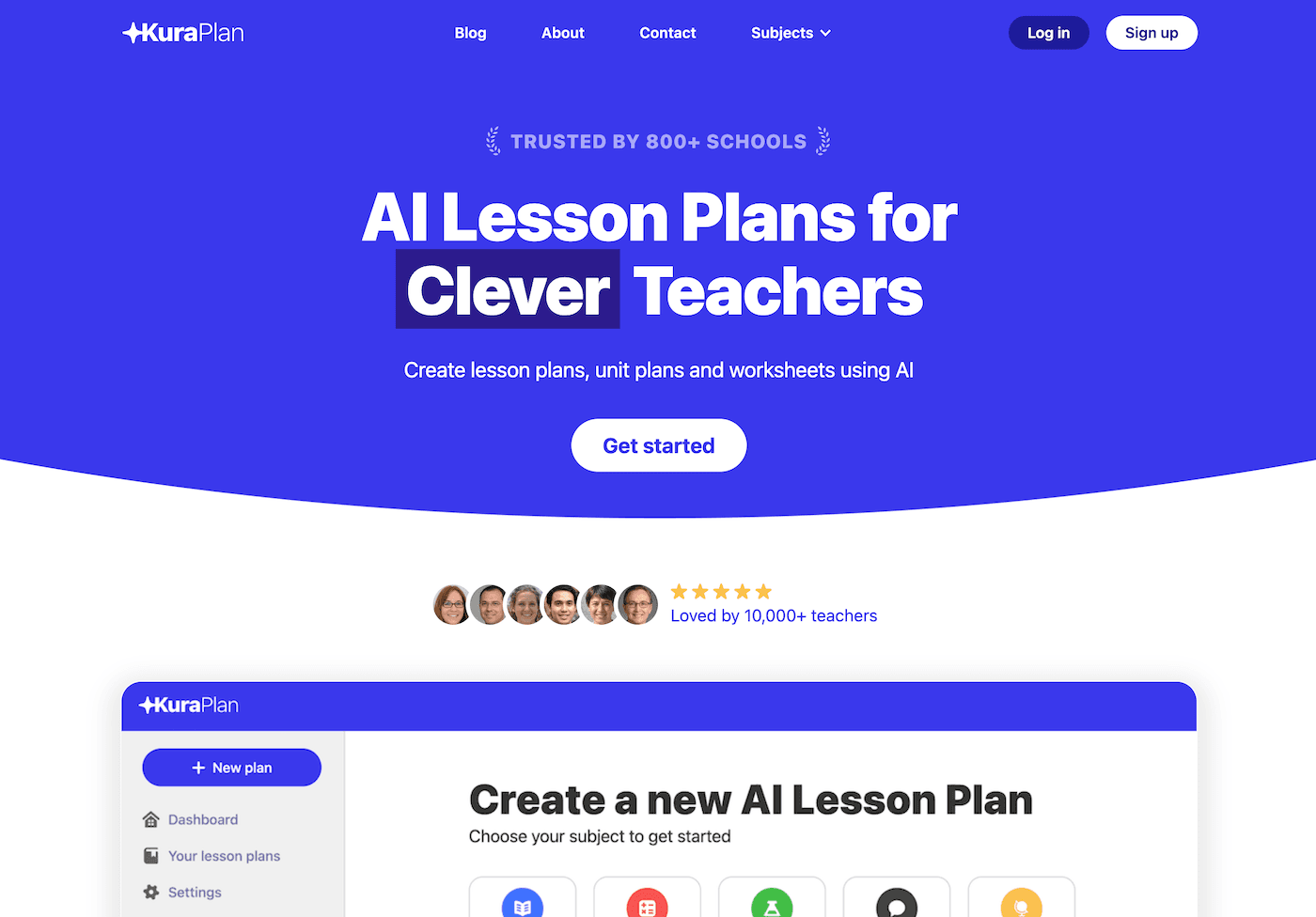
3. Notebook LM – Student-Owned Research, No Mess
I live for student-driven inquiry—but tracking who did what, when, and with which sources? That used to lead me straight back to giving packets. With Notebook LM, students dump everything (notes, articles, wild questions, even doodles) into a shared folder, and the AI instantly suggests Q&A scripts, podcast outlines, and connections. Suddenly, even my least organized groups produce something concrete—their way, every time. Bonus: It’s a magic trick for making class podcasts from “crowdsourced chaos.”
Try Notebook LM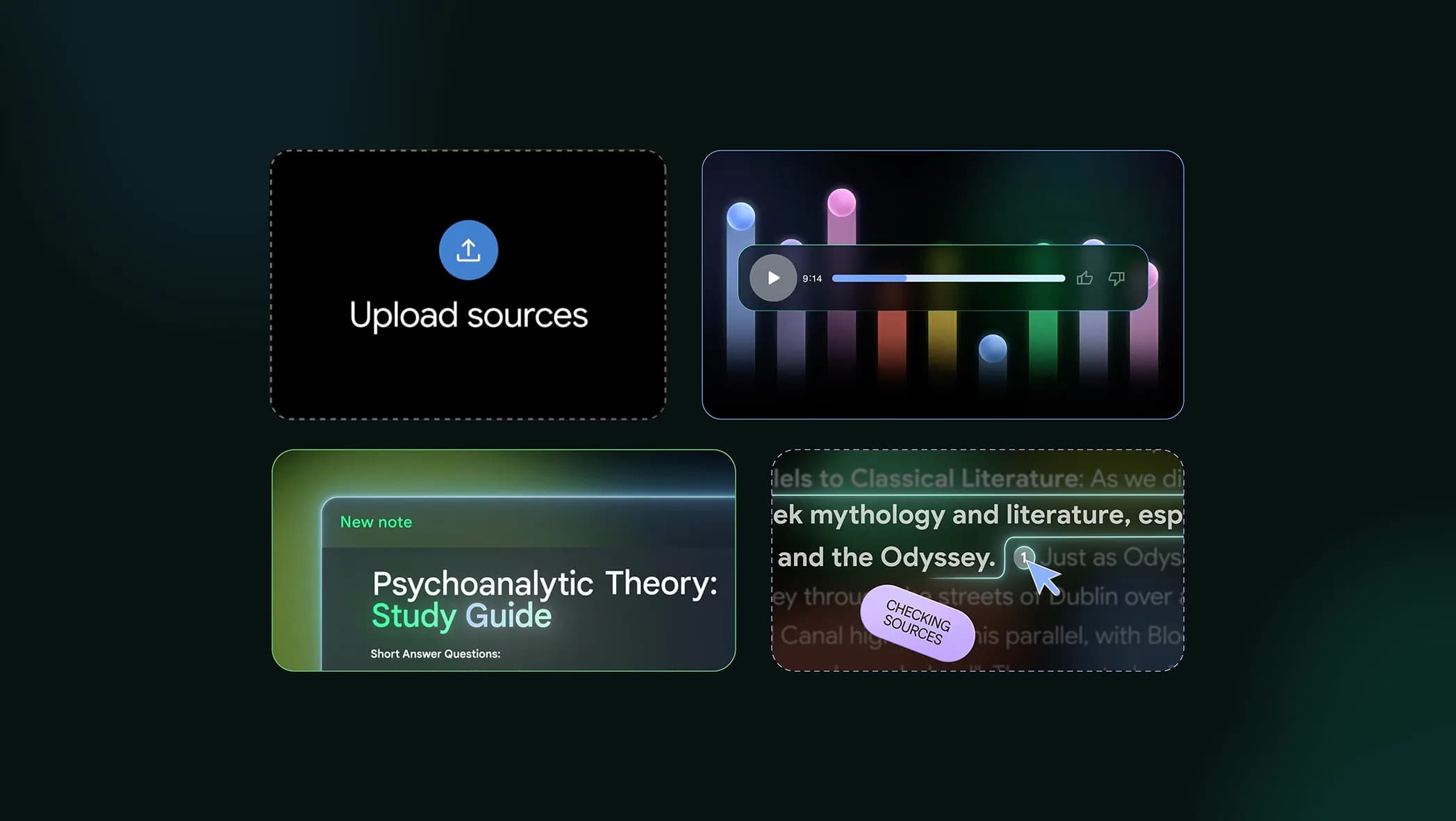
4. Jungle – Self-Directed Review (Built by Kids, Not Me)
Review weeks used to mean me prepping a review game, stressing over what kids forgot, and never really knowing who actually learned what. Now, I flip it: every student or group makes flashcards on what they think is important, weird, or confusing using Jungle. The AI checks for duplicates, turns it into a class game, and even reports which concepts trip up the most kids. My only job: play moderator—or join in. Suddenly, review is student-centered and I’m just along for the ride.
Try Jungle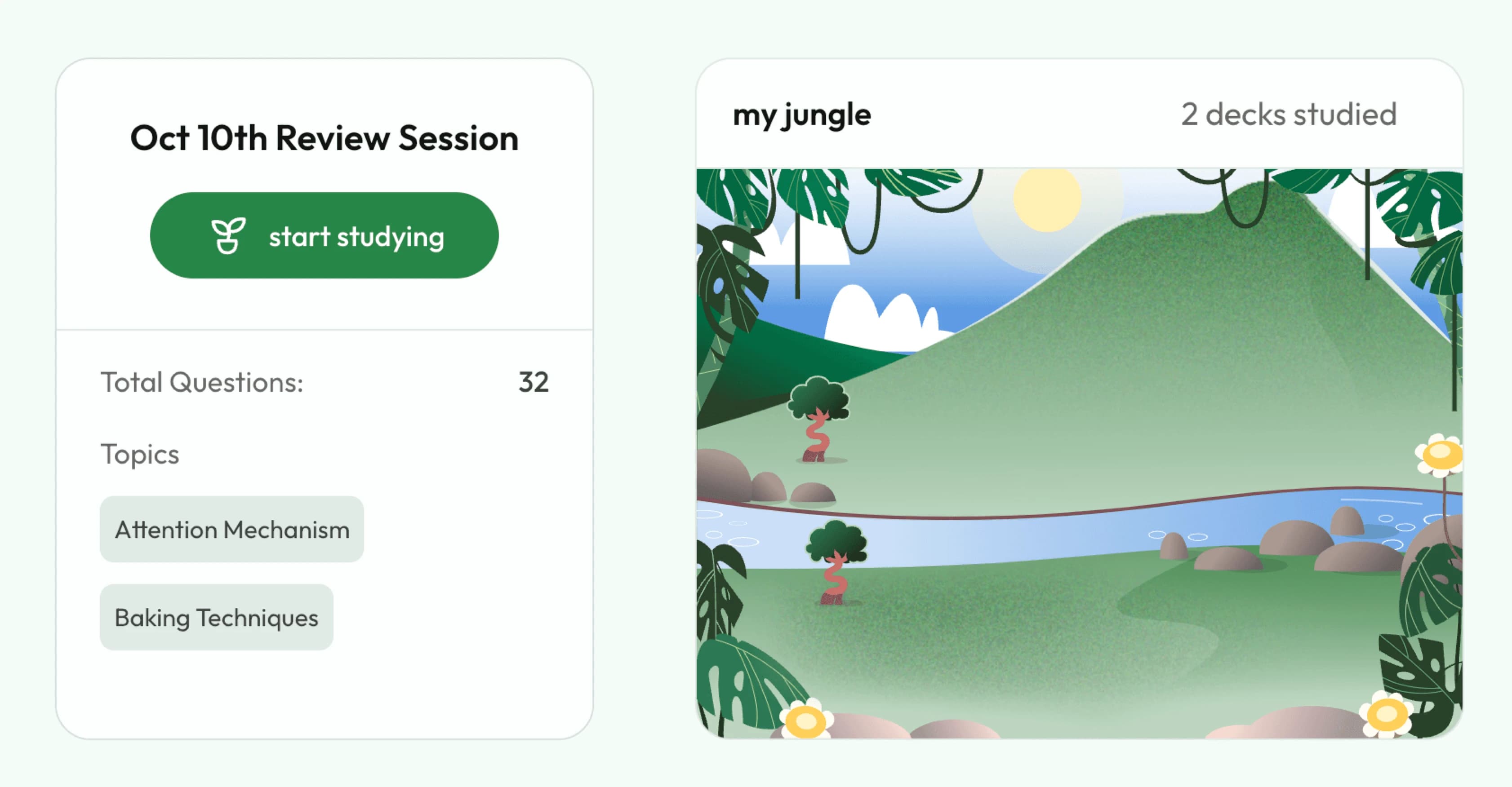
5. Diffit – Democratizing Differentiation (No Worksheets for Me!)
Do I hate making five versions of the same article? Yes. Do I always want to review the text before giving it to kids? No. Diffit lets me paste in anything—student-sourced news, project briefs, Youtube video transcripts—and spits out leveled readings, plus vocab and questions. Now every group accesses the same topic, at their own level, and I never micromanage who gets which version. It’s differentiation that doesn’t make me the bottleneck (or the worksheet machine).
Try Diffit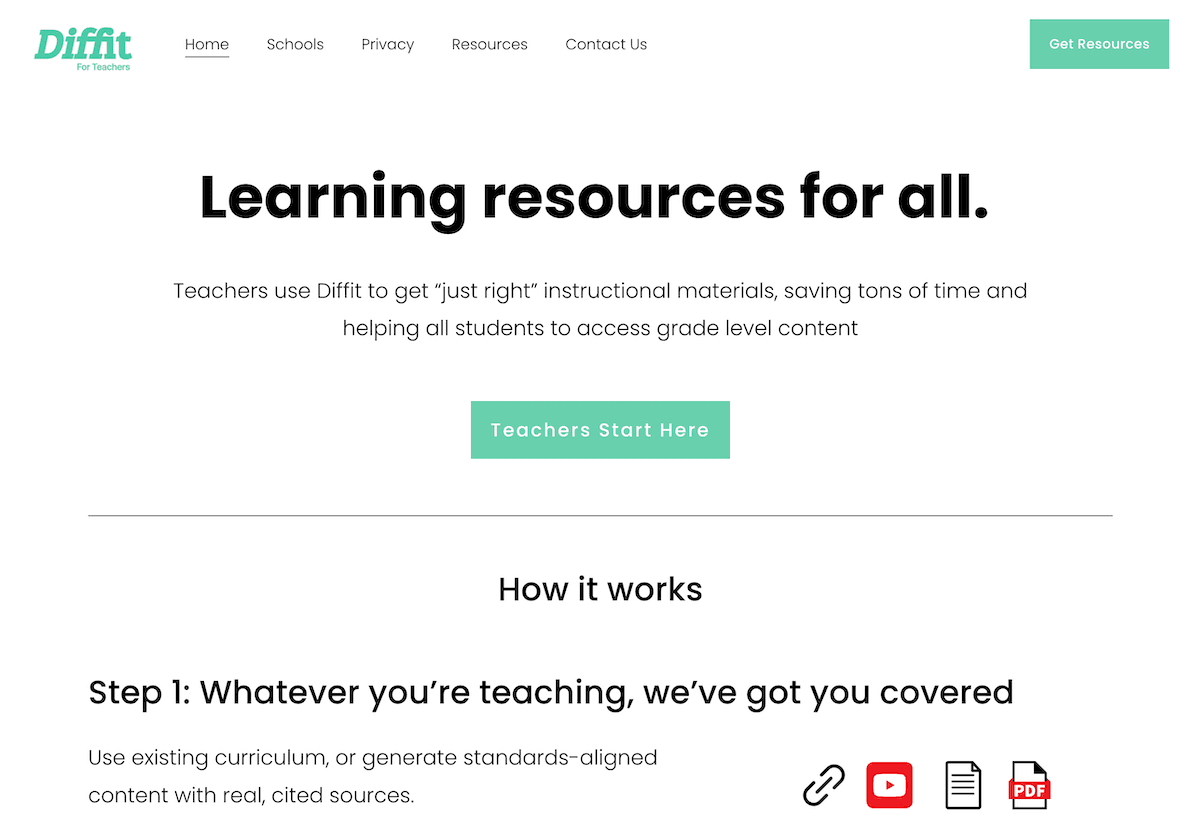
6. Suno AI – Group Rituals, Class Culture—Zero Effort
My class runs on group rituals: Friday dance parties, oddball cheer songs, celebration anthems for finishing a tough project. Problem is, if I have to make the playlist or write lyrics, it won’t happen. Suno AI is the secret: my students write prompts (“study break with jazz piano,” “goofy chant for project launches”), and Suno spits out a custom sound, instantly. Students run with it—submitting their own rituals, sharing with other classes, and building culture without me in the middle. Fun, autonomous, and (best part) zero extra prep.
Try Suno AI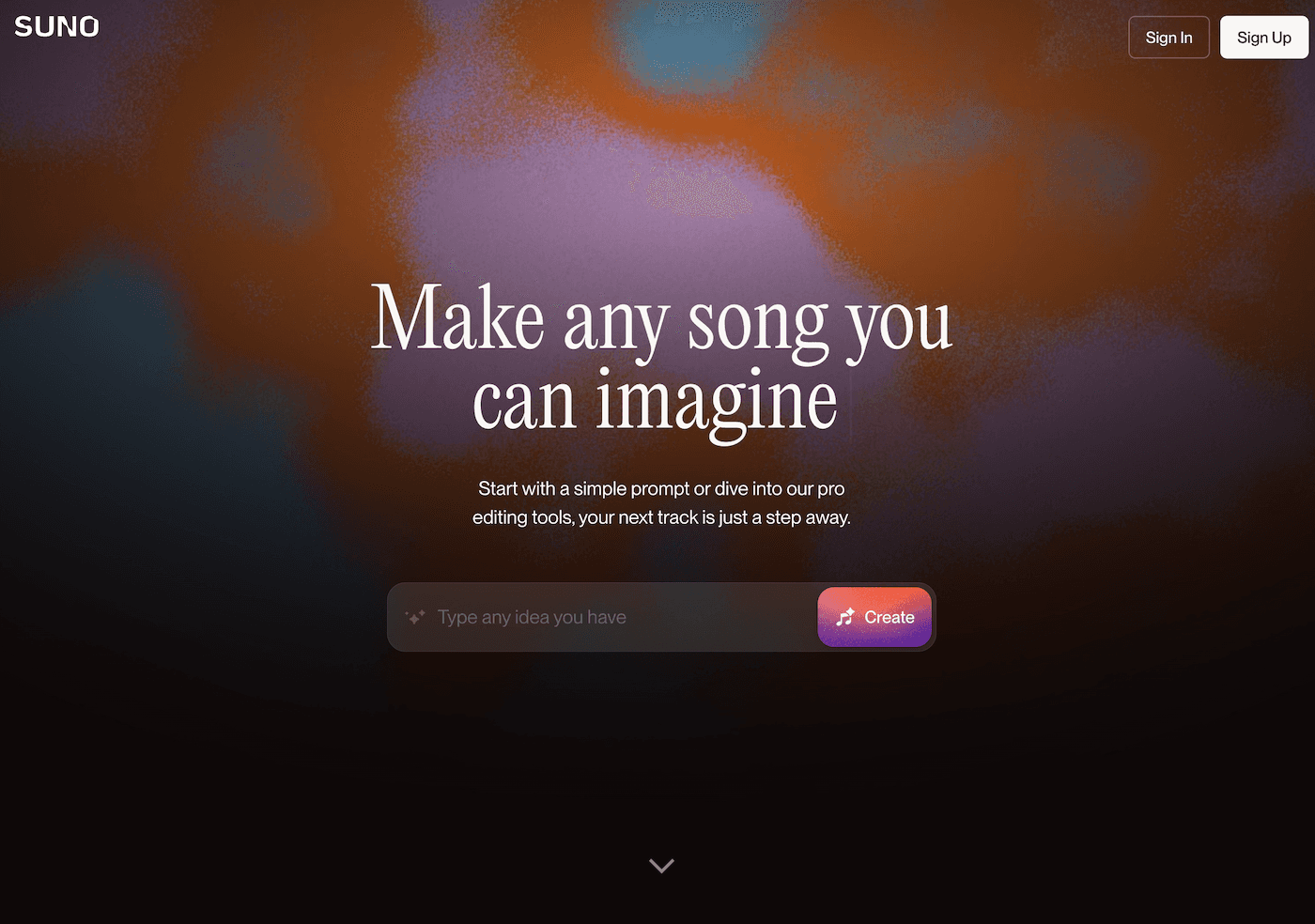
Real Advice for the “Big Picture, Small Steps” Teacher
- Use AI to give loose structure, not strict control—think guardrails over grids.
- Let your students build and remix as early as possible—the tools above thrive when kids drive them.
- Define your boundaries: let AI take care of what you hate (differentiation, organizing, formatting) so you can do more of what you love (coaching, inspiring, watching things unfold).
- Don’t be afraid of a bit of chaos. The best learning happens when you step back and let growth happen, mess and all.
If you’ve got an AI hack—or horror story!—that liberated your teaching from micromanagement, I want to hear it. We need more classrooms where teachers guide, not control—and students learn to navigate, not just follow.